

Molding in Flooring


































About Molding in Flooring - Walmart.com
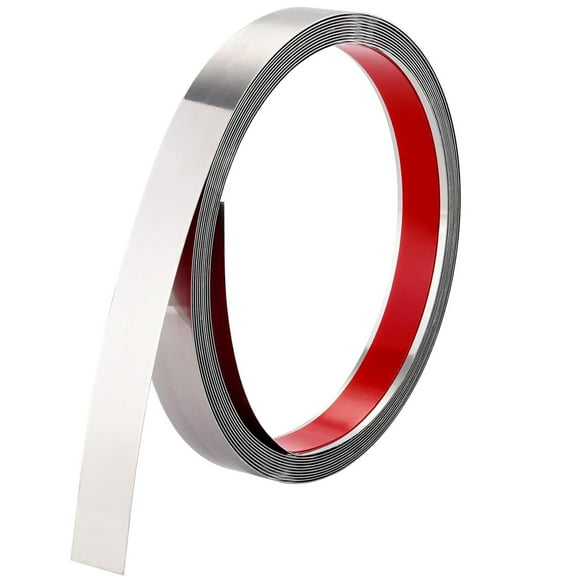
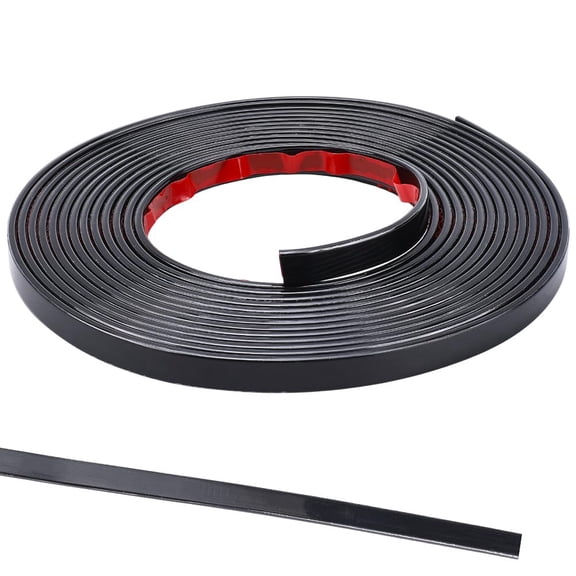
Molding helps you give floors, walls, ceilings, and openings a finished look. You can compare profiles, materials, finishes, and footage needs to choose trim that fits your project.
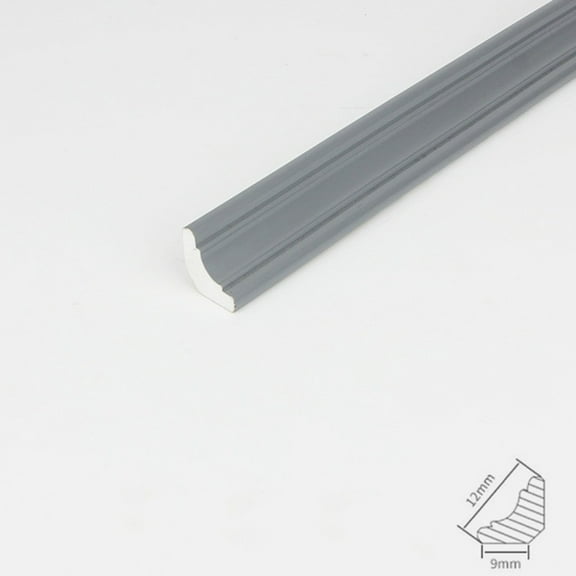
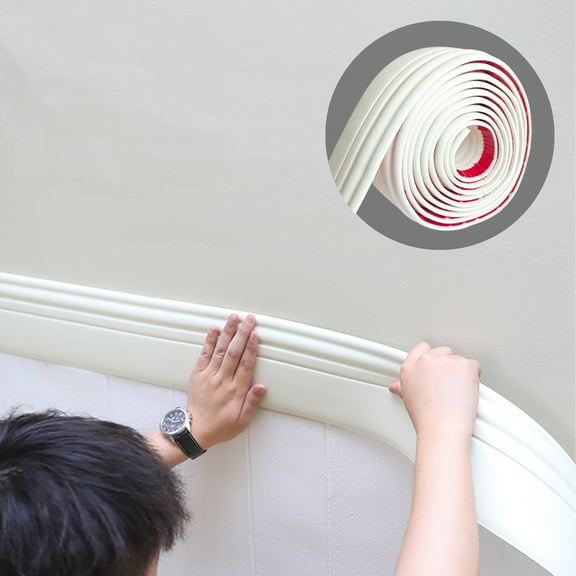
When you shop this category, you can match baseboard molding to wall height, crown molding to ceiling lines, and quarter round molding to floor gaps. You can also compare MDF molding, wood molding, and PVC molding for paint plans, moisture exposure, and installation style.
How to choose molding by type
You should start with the transition you need to cover. Your floor edges, ceiling corners, and wall surfaces each call for a different molding profile.
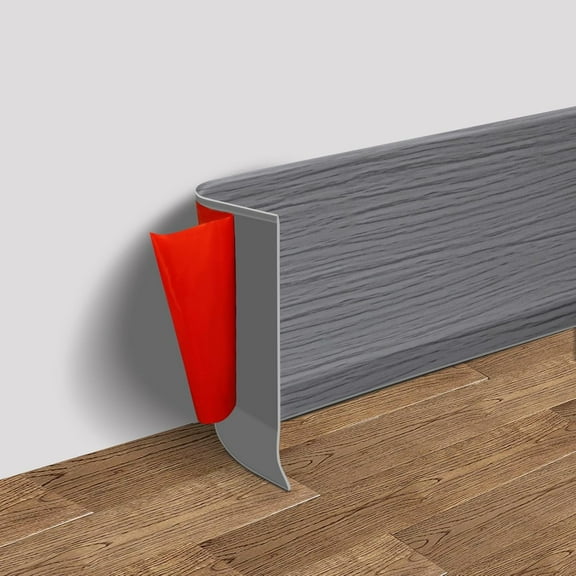
Baseboard molding works along the bottom of your wall and helps you create a clean finish above flooring. You can use taller profiles when your room has higher ceilings.
Crown molding fits where your wall meets your ceiling and adds a defined edge overhead. You can use it to frame formal rooms, dining spaces, or detailed living areas.
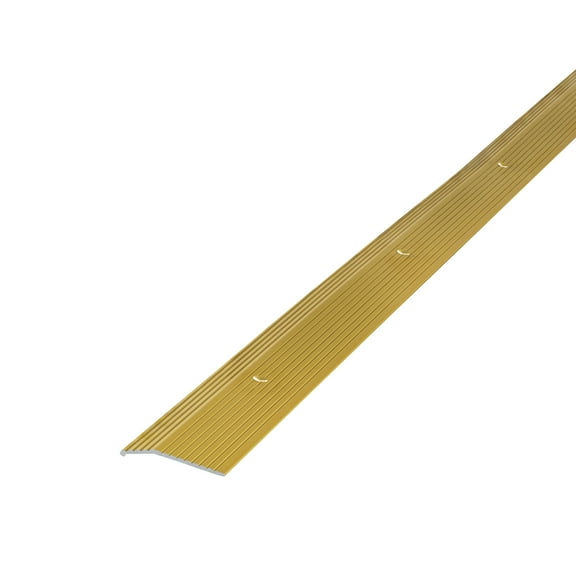
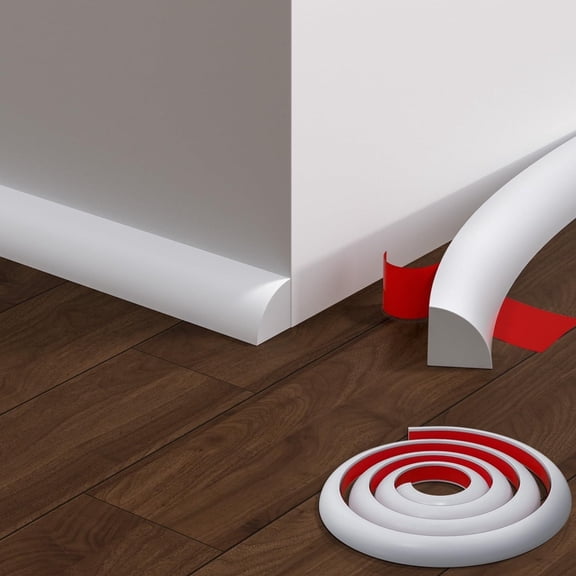
Quarter round molding covers small expansion gaps where flooring meets baseboards. You can also choose shoe molding when you want a slimmer profile with a similar purpose.
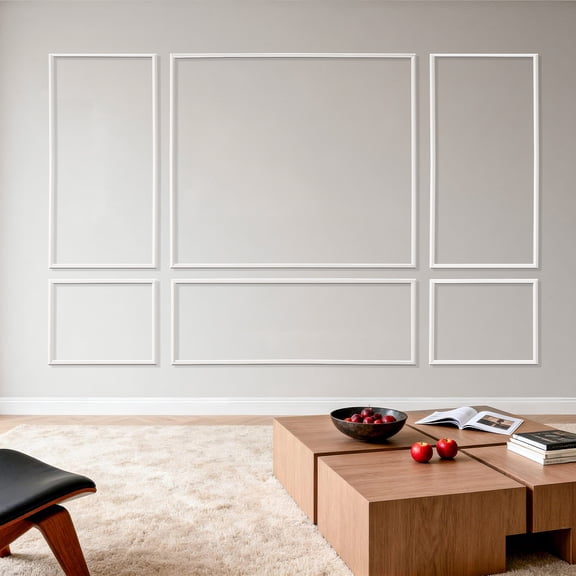
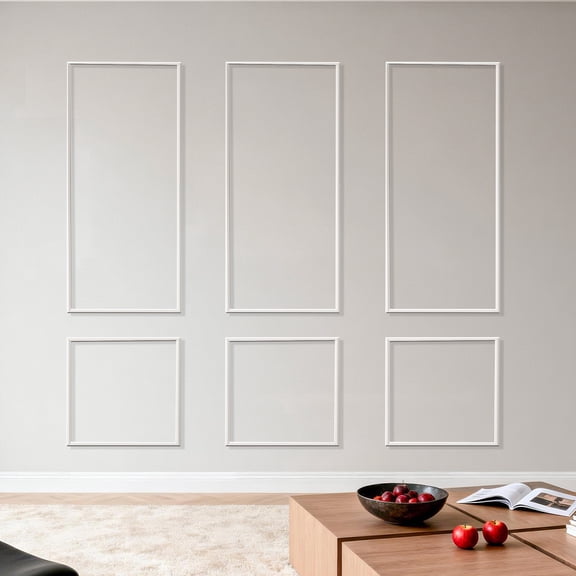
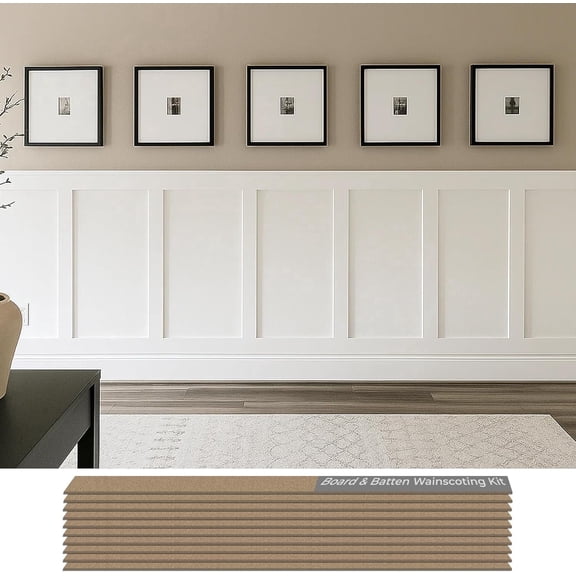
Chair rail works across your wall at mid height and helps you create visual separation. You can pair it with wall molding layouts for paneled looks or accent walls.
- You can use baseboard for floor-to-wall transitions and room perimeter finishing.
- You can use crown for ceiling lines and architectural detail around the top of a room.
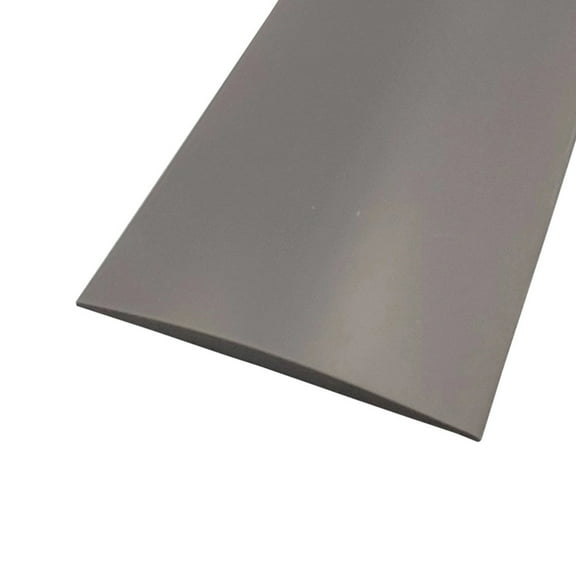
- You can use quarter round or shoe molding to cover flooring edges and narrow gaps.
- You can use chair rail and wall molding to break up large wall surfaces.
Choosing the right molding material
You should compare material first if your room has humidity, frequent cleaning, or a painted finish plan. Your material choice affects cutting feel, surface texture, and long-term upkeep.
MDF molding gives you a smooth surface that takes paint evenly. You may prefer it for painted interiors where you want consistent lines and a uniform finish.
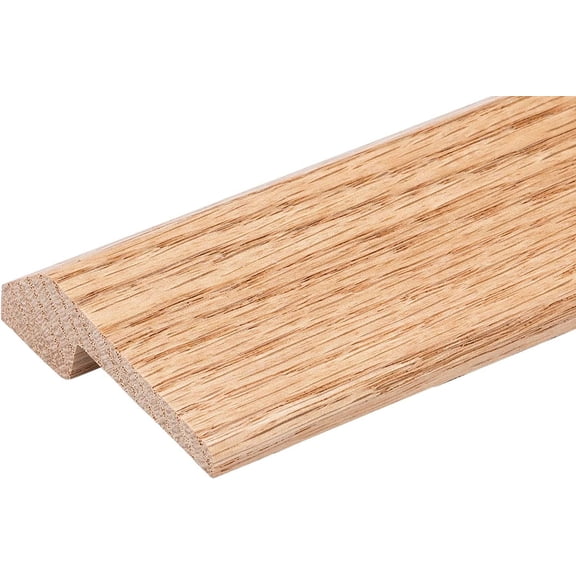
Wood molding gives you visible grain and allows staining or painting, depending on the species and surface. You may choose it when your trim needs a natural look or easy on-site sanding.
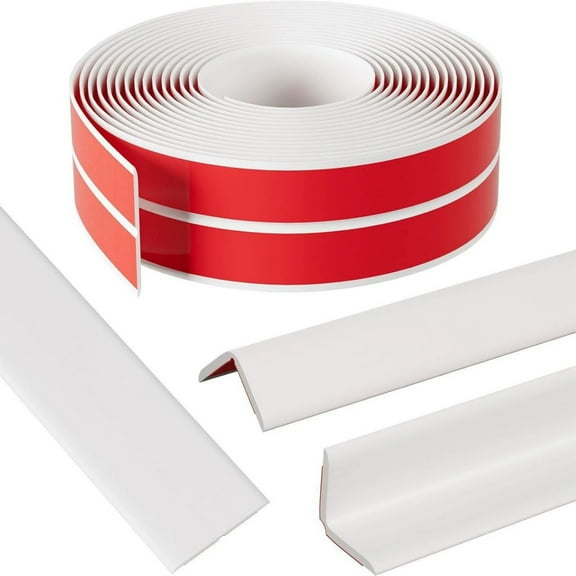
PVC molding works well in spaces where your trim may face moisture or splashes. You can use it around bathrooms, laundry areas, or other spots that need easy wipe-down care.
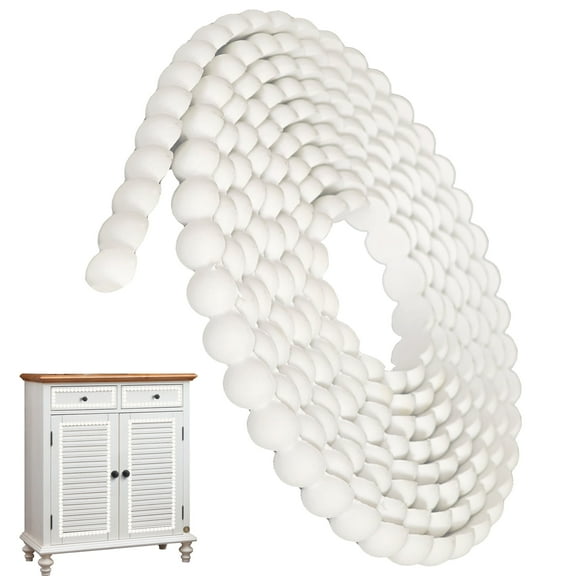
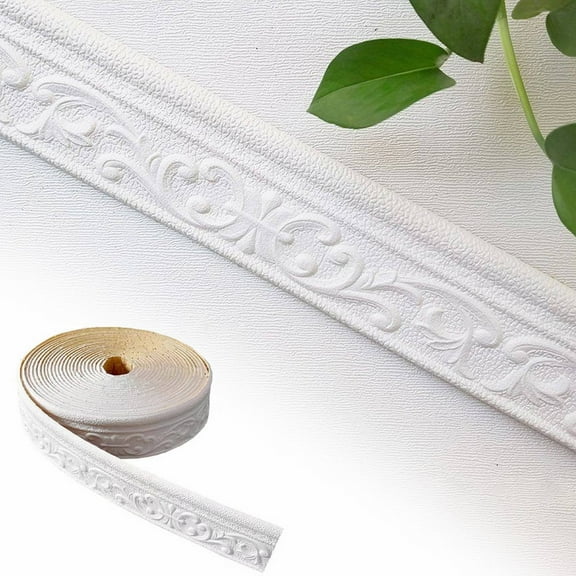
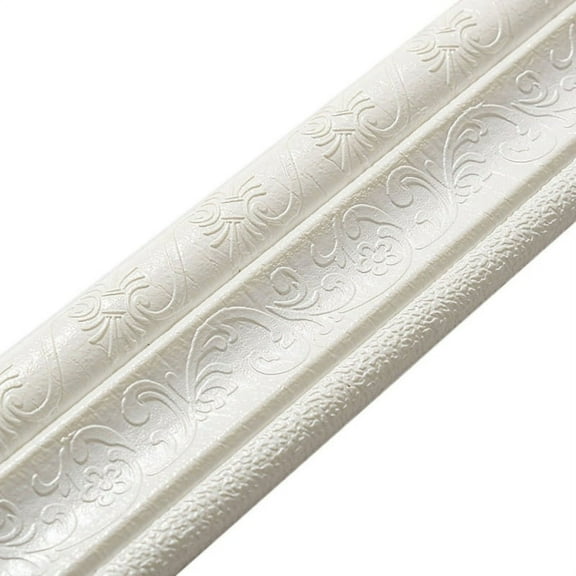
Polystyrene molding gives you a lightweight option that can simplify handling during smaller projects. You may find it useful when your install focuses on decorative wall or ceiling accents.
What to look for in finish options
You should check whether your molding arrives primed, unfinished, or pre-painted before you plan your tools and timeline. Your finish choice affects prep work, painting steps, and final touch-ups.
Primed molding helps you start with a surface prepared for paint. You can add your chosen color after cutting, fitting, and filling nail holes.
Unfinished molding gives you flexibility when your project calls for stain, paint, or custom prep. You may prefer it when you want closer control over color matching.
Pre-painted molding reduces prep steps and helps you finish faster in straightforward installs. You should still plan for minor touch-ups after cutting and fastening.
How to match molding to each application
You should measure the space and note where the trim will sit before you choose a profile. Your floor, wall, ceiling, and window or door areas each need a different visual balance.
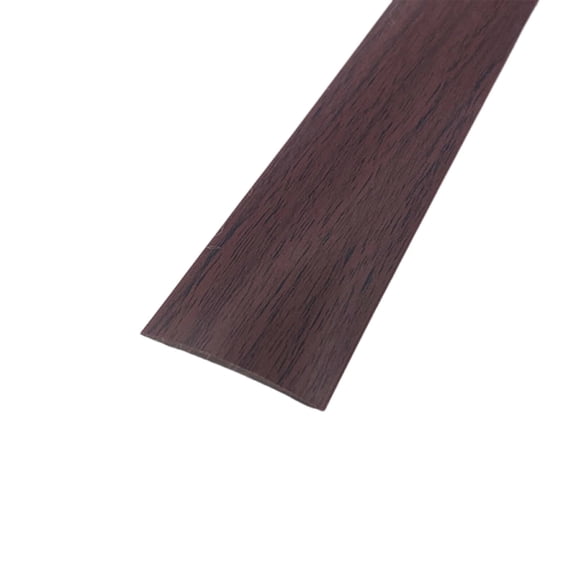
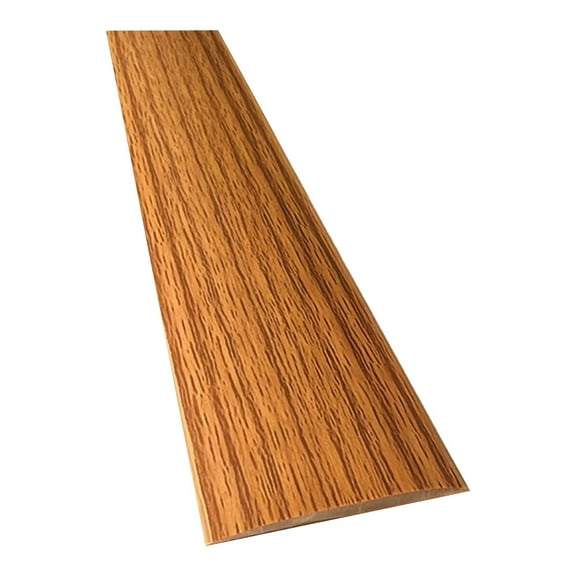
For floor applications, you can pair baseboards with quarter round or shoe molding to cover edges cleanly. You should compare profile height and thickness against your flooring and room scale.
For wall applications, you can use chair rail or wall molding to add structure across large surfaces. You may want symmetrical spacing if your project includes panel-style layouts.
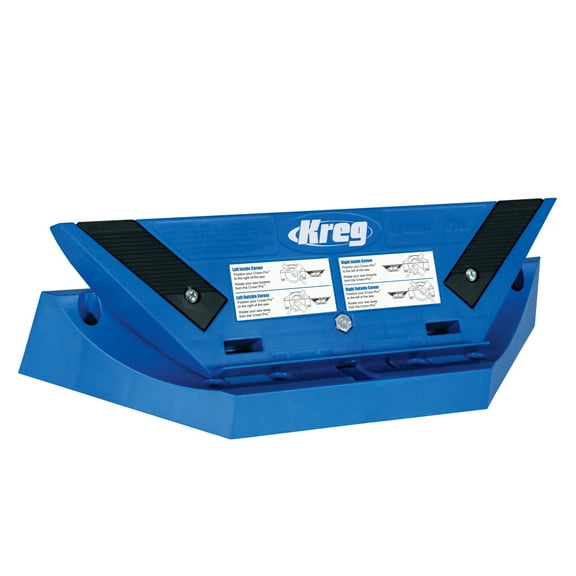
For ceiling applications, you can use crown molding to soften the meeting line between wall and ceiling. You should check spring angle and room shape before planning corner cuts.
For window and door areas, you can choose trim that frames openings with consistent lines. You should match width and finish so your rooms look coordinated from one opening to the next.
How to estimate molding footage
You should measure every wall or opening section in feet and add the totals together. Your final number should include extra length for corners, cutting errors, and pattern matching.
Many shoppers add about 10 percent for waste on simple rooms with standard corners. You may want a little more for angled walls, detailed crown runs, or multi-piece trim layouts.
You should also compare individual piece lengths before you order. Your plan works more smoothly when you reduce unnecessary seams in long, visible runs.
With the right molding profile, material, finish, and footage estimate, you can complete trim work with fewer surprises. You get a cleaner fit, a more polished room, and a project plan you can trust.