






Grinders in Power Tools























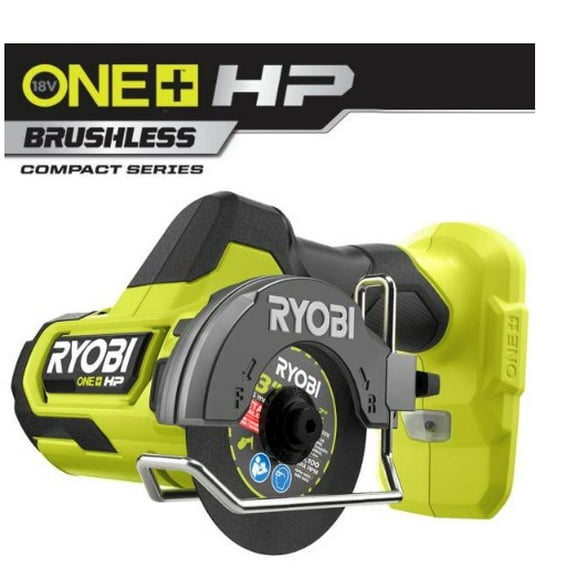

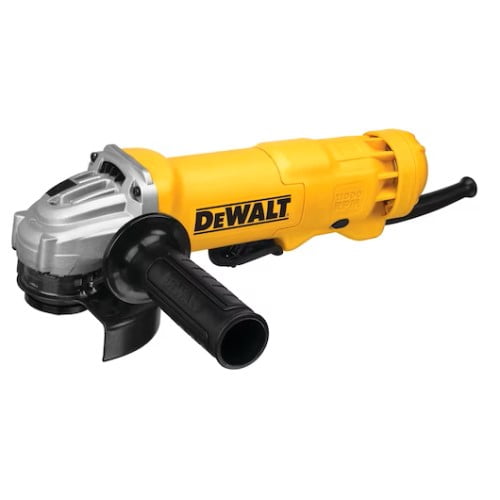

About Grinders in Power Tools - Walmart.com
When you compare power grinders, you need the right tool for cutting, grinding, sharpening, and surface prep. You can narrow your choice quickly when you understand grinder types, power sources, wheel sizes, and application needs.
If you're replacing a worn grinder tool or building out your workshop, you should match the tool to your project first. You can avoid mismatched accessories and awkward handling when you start with the task.
Choosing power grinders by grinder type
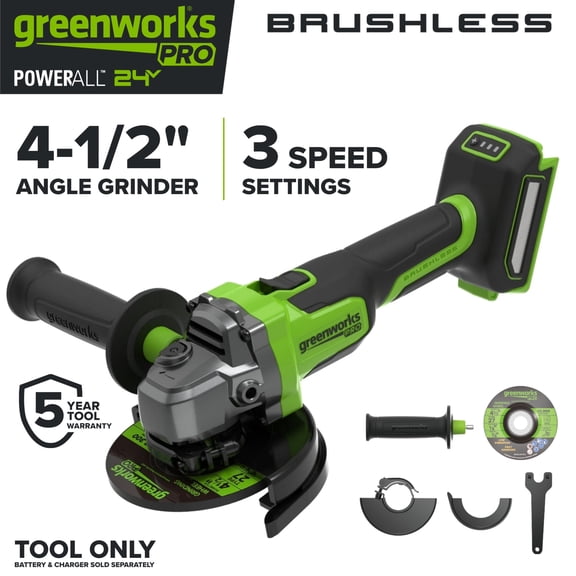
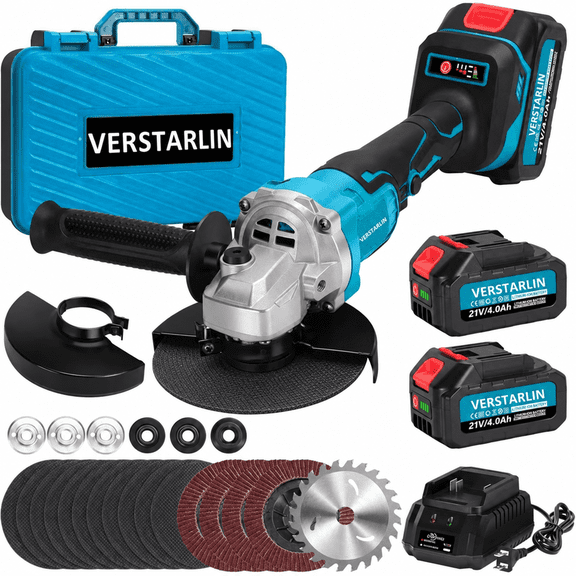
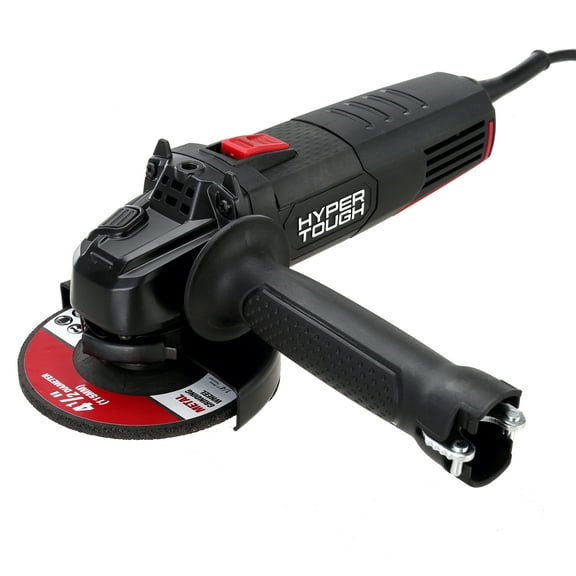
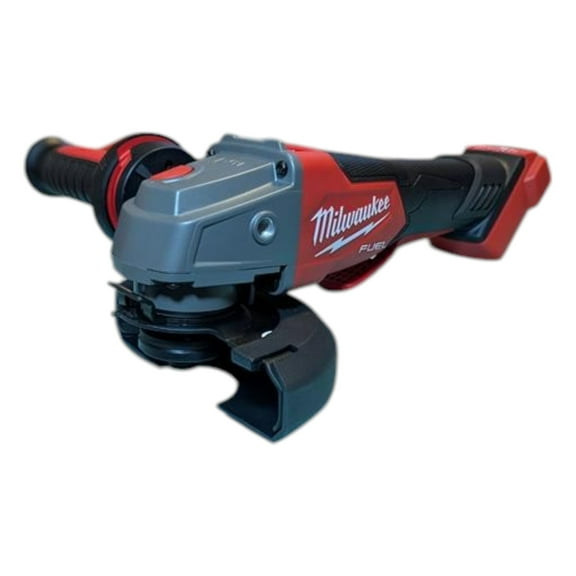
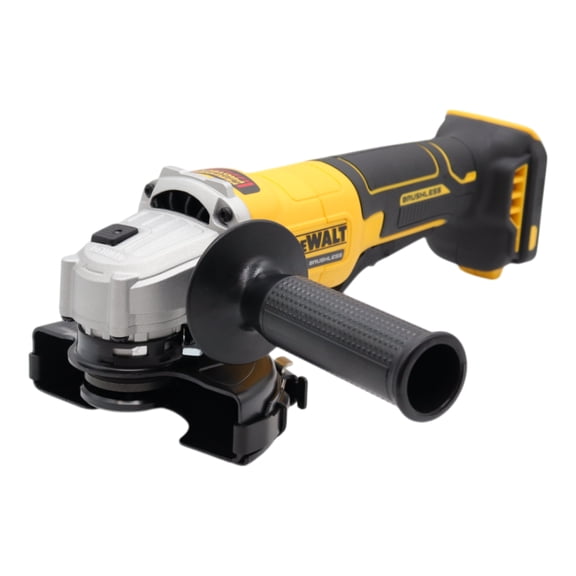
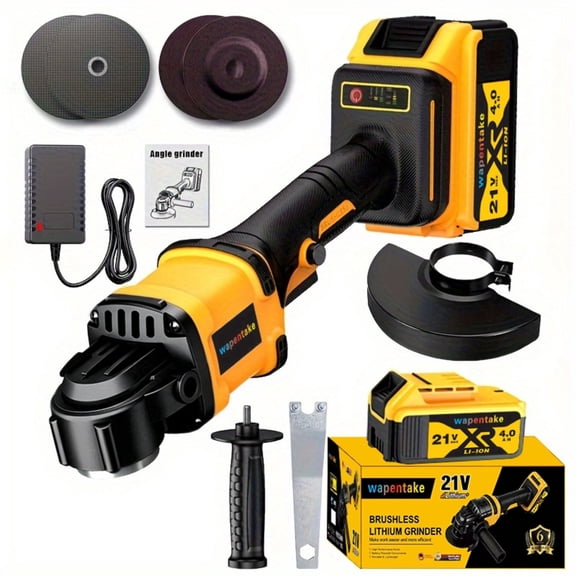
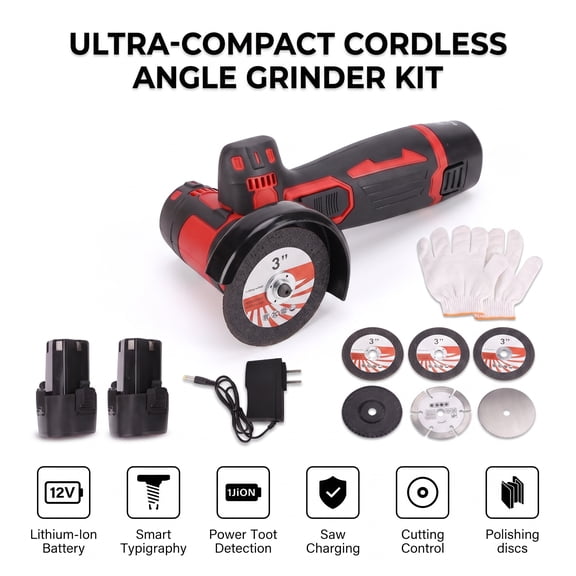
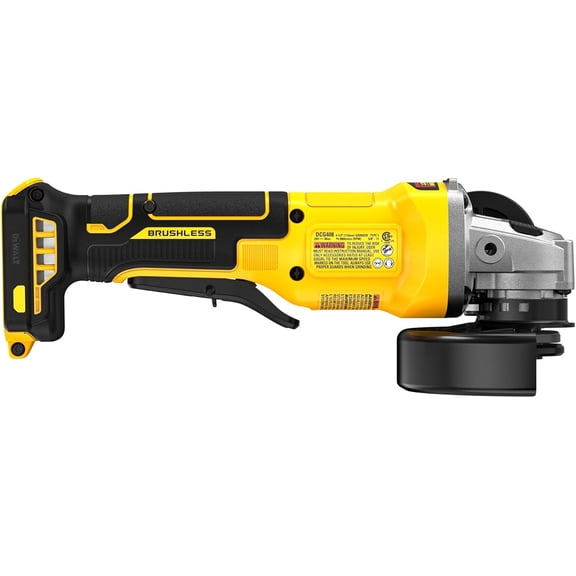
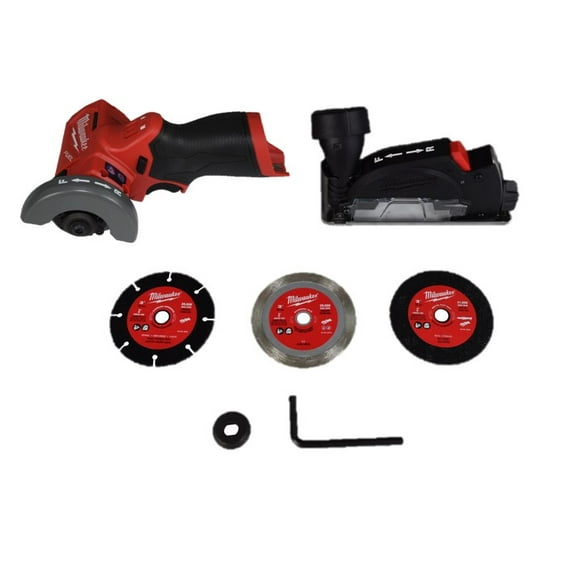
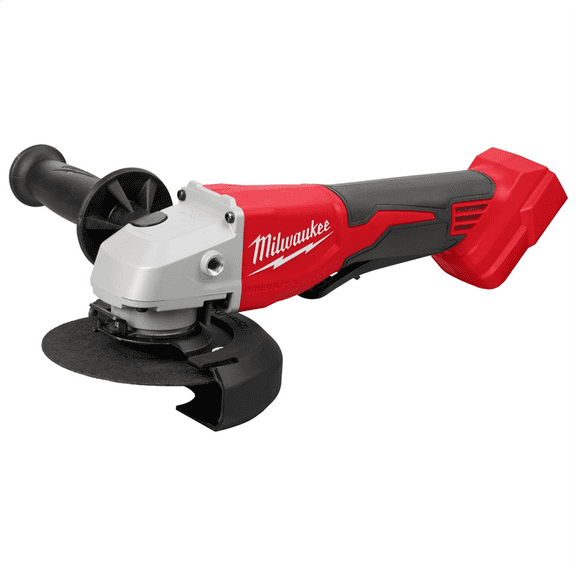
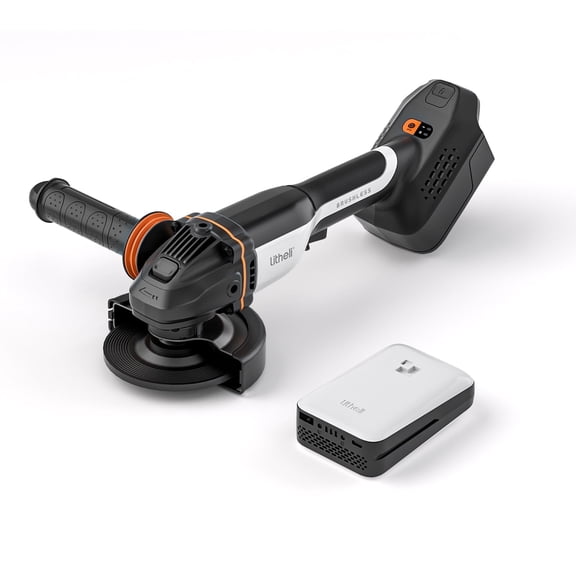
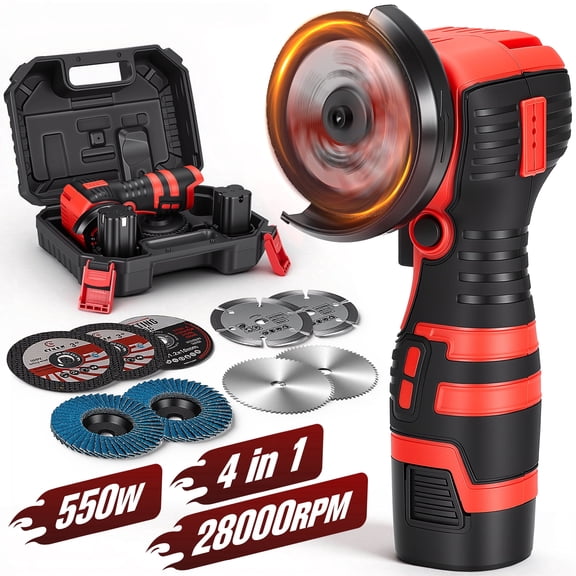
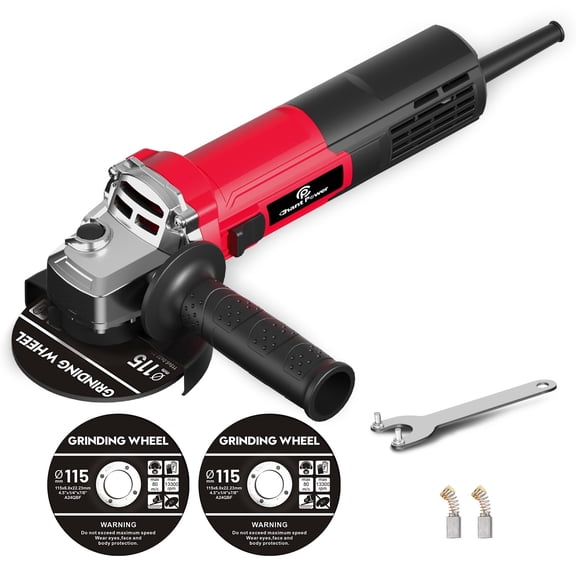
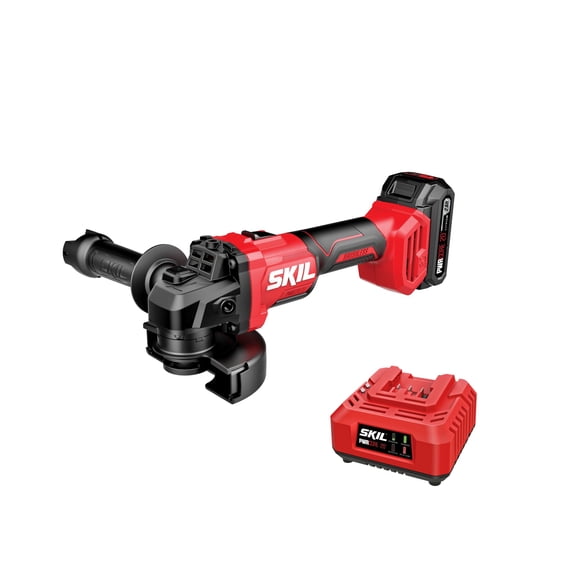
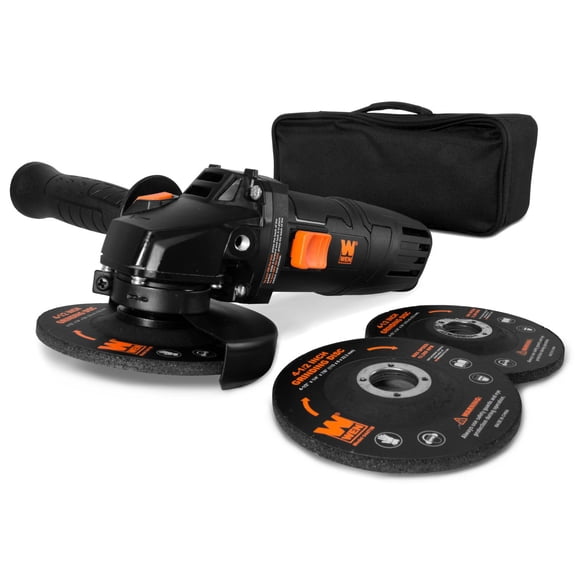
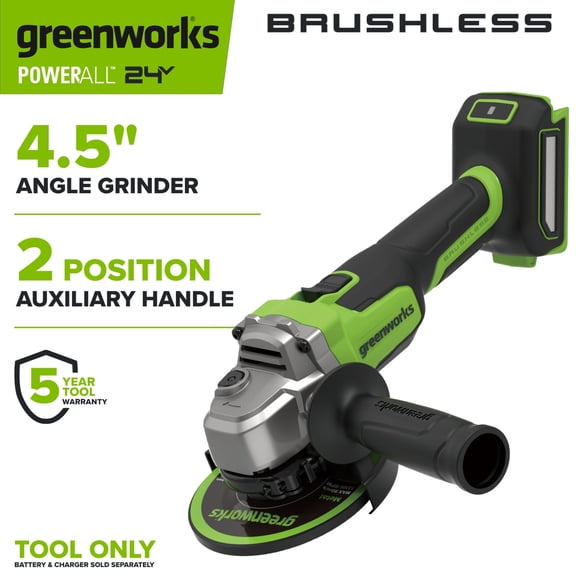
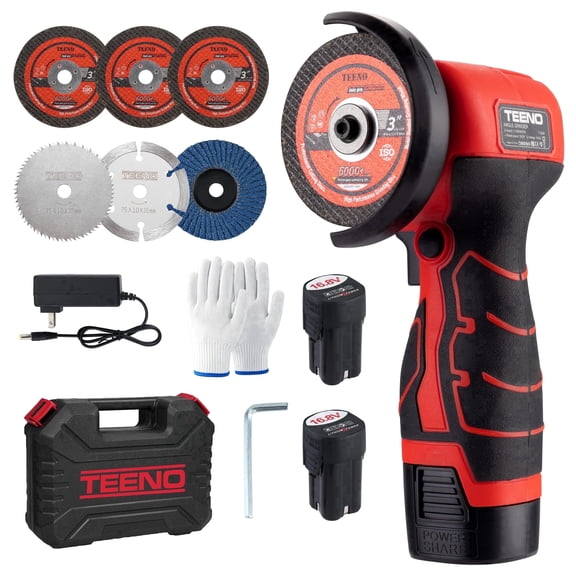
You should begin with grinder type because each design suits a different job. You can use an angle grinder for cutting metal, removing rust, and smoothing welds on broad surfaces.
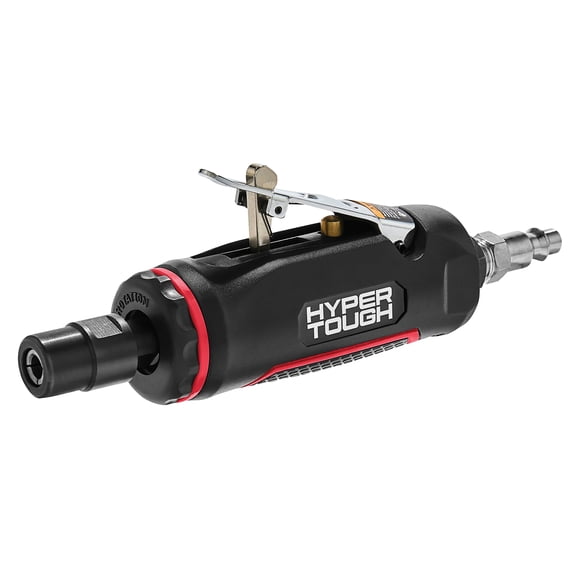
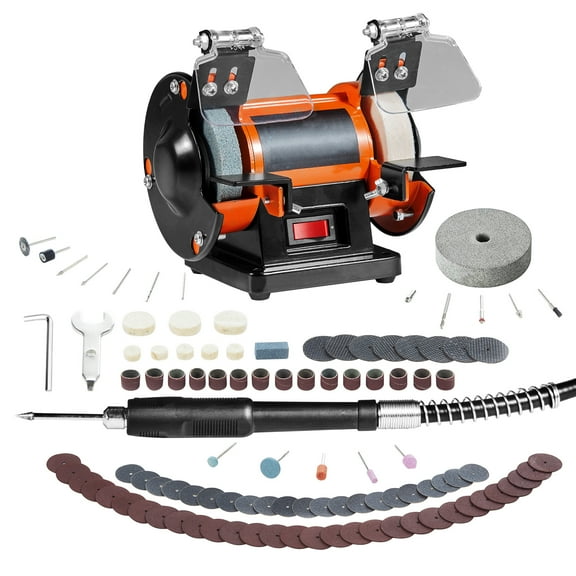
If you need a stationary setup, you may prefer a bench grinder for sharpening blades and shaping metal edges. You can choose a die grinder or straight grinder when your work reaches tight spaces.
As you compare these options, consider how you hold the tool and where the wheel contacts the material. You should also check whether your project needs steady bench mounting or one-handed maneuverability.
- You can use angle grinders for metal cutting, concrete grinding, and aggressive material removal.
- You can use bench grinders for sharpening chisels, mower blades, and shop tools.
- You can use die grinders for detail work, deburring, and hard-to-reach surfaces.
- You can use straight grinders when you need extended reach along narrow areas.
How to compare a grinder tool and power source
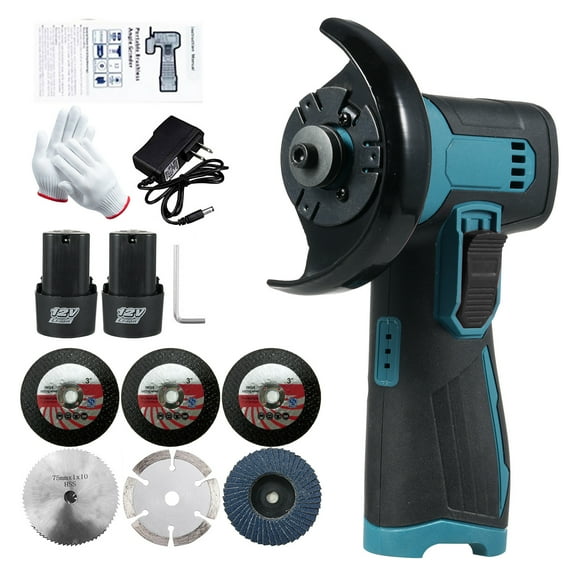
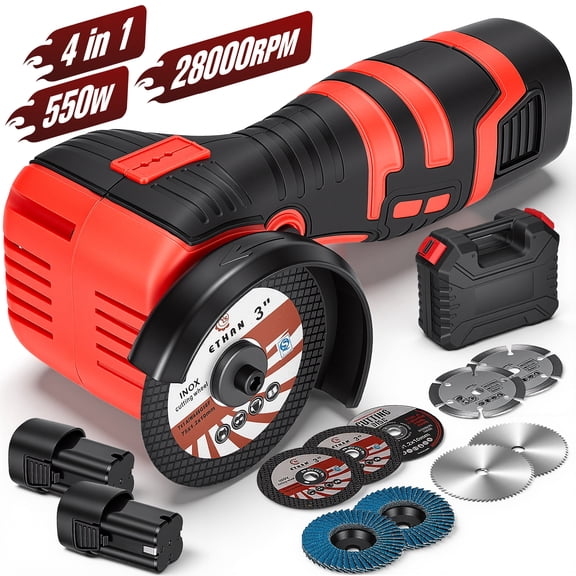
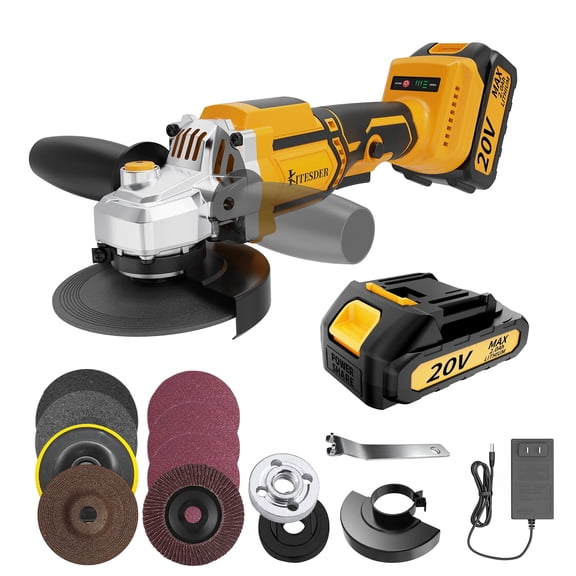
You should compare corded electric, cordless battery, and pneumatic air models based on runtime and mobility. You can keep moving around larger spaces with cordless tools, especially when outlets aren't convenient.
If you handle long grinding sessions, you may want corded electric power for continuous operation. You can consider pneumatic air models when your setup already includes an air compressor.
You'll also want to check the switch style and handling features before choosing a grinder tool. You can look for a paddle switch, adjustable guard, and kickback brake for more controlled operation.
When you compare body size and grip shape, you can judge how the tool feels during repeated passes. You should measure your typical work area so your power source matches your space.
Choosing wheel diameter for grinder machine online searches
When you search for a grinder machine online, you should pay close attention to wheel diameter. You can often use a 4.5 inch wheel for common household projects and everyday shop tasks.
If your work involves larger cuts or broader surfaces, you may compare 7 inch and 9 inch options. You can gain more reach and cutting depth, though you'll also handle a larger tool.
You should confirm accessory compatibility before choosing wheels, guards, and replacement parts. You can save time when your wheel diameter matches your intended discs from the start.
As you compare sizes, consider how often you cut rebar, grind concrete, or clean weld seams. You should match the diameter to your material thickness and working comfort.
Matching applications to your grinder machine online shortlist
You can narrow your grinder machine online shortlist by focusing on the material and finish you need. If you're cutting metal, you should compare wheel size, power source, and grip control together.
For concrete grinding, you may want an angle grinder that accepts the right wheel diameter for masonry work. You can also compare guard adjustment and tool balance for surface passes.
If you're removing rust, you should look for a setup that handles wire wheels or abrasive discs smoothly. You can clean rails, gates, and shop equipment with less guesswork when accessories match.
When you're sharpening tools, you may lean toward a bench grinder for stable positioning and repeatable angles. You can maintain edges on chisels, mower blades, and other workshop tools more consistently.
What to look for if you search graneadora
If you search graneadora, you're usually looking for the same category as power grinders and related grinding tools. You can compare type, power source, and wheel size the same way across bilingual searches.
You should check product details for compatibility with your discs, brushes, and attachments before you choose. You can make a clear decision when the tool matches your cutting, grinding, or sharpening routine.
Why these details matter before you choose
You can make an informed choice when you compare angle, bench, die, and straight grinders by project needs. You should also match corded, cordless, or pneumatic power to your workspace and runtime expectations.
By checking wheel diameter, application fit, and control features, you can choose a tool that feels right in real work. You get a grinder setup that supports clean cuts, steady grinding, and easy sharpening.