






Angle Grinders in Grinders



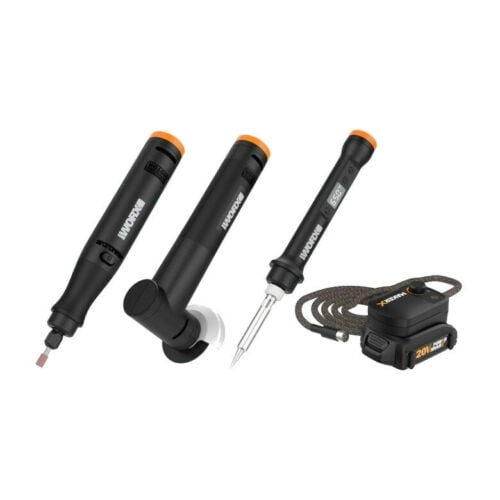
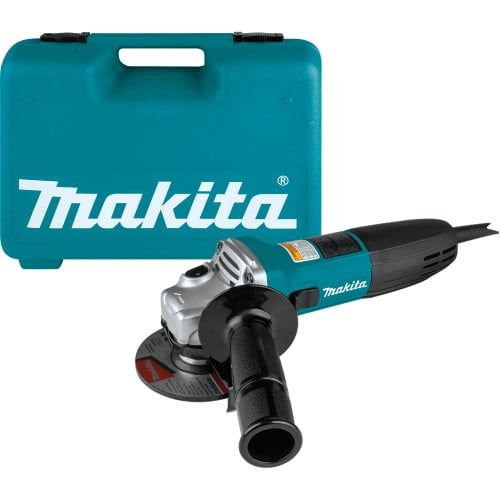

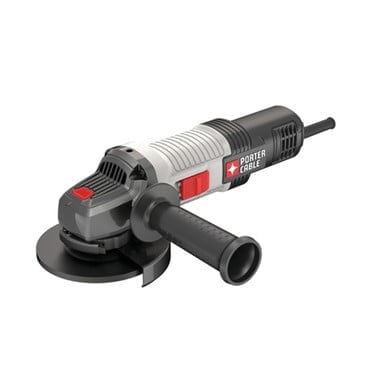

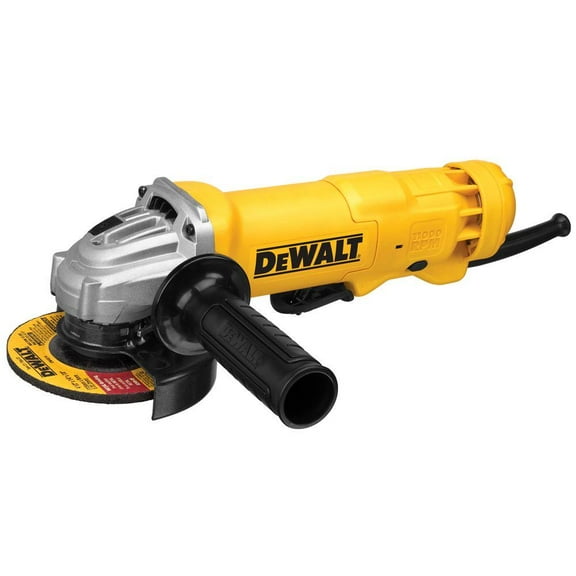
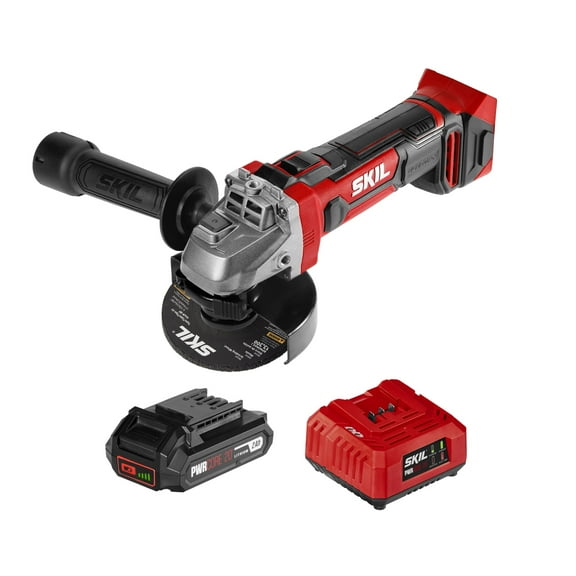

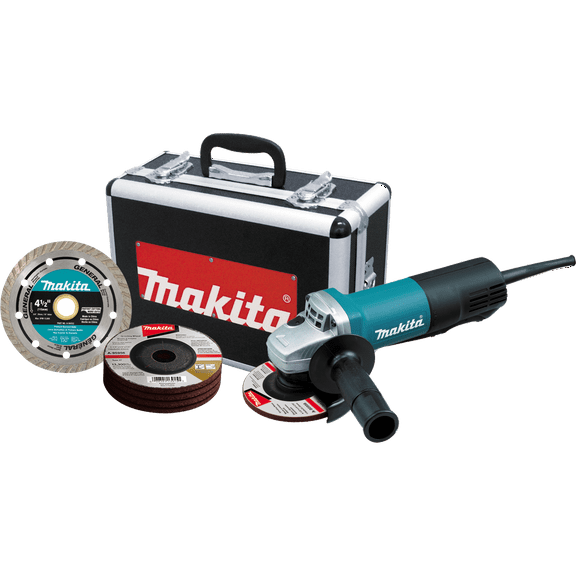
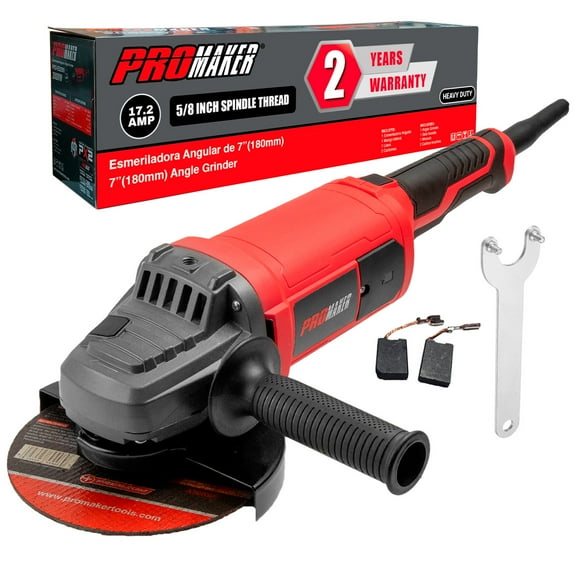
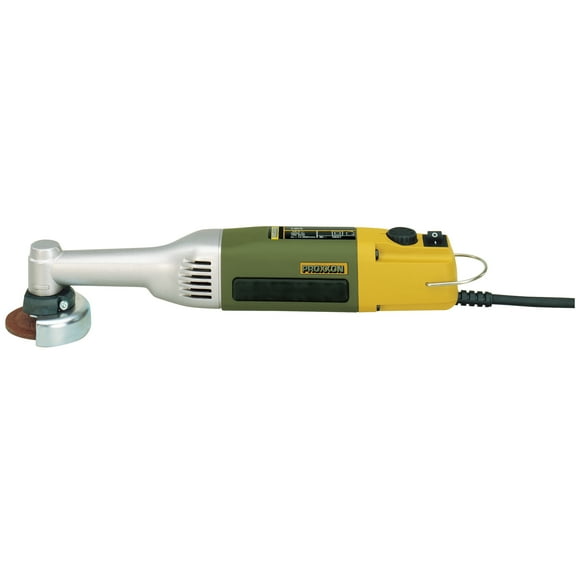











About Angle Grinders in Grinders - Walmart.com
Angle grinders help you cut, grind, and smooth metal, tile, and masonry with strong control. You can compare wheel size, power source, and speed settings to match your projects.
If you're replacing an older hand grinder machine or buying your first one, you need clear decision points. You can use this guide to compare corded, cordless, and pneumatic options without guesswork.
How to choose angle grinders by power source
Power source shapes how you work and where you can move. You should compare runtime, outlet access, and tool weight before you choose.
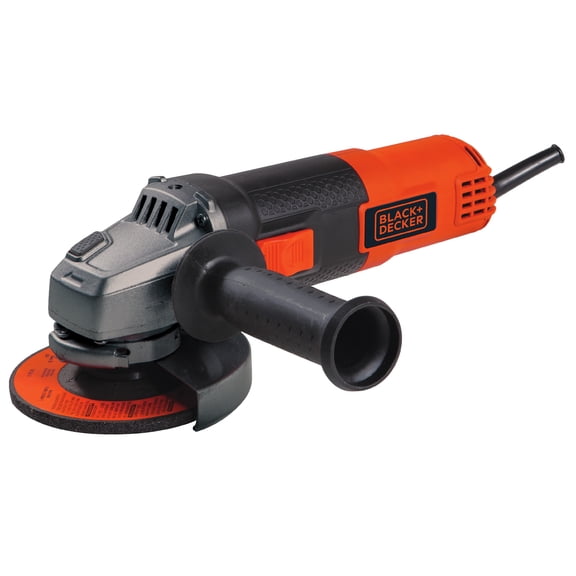
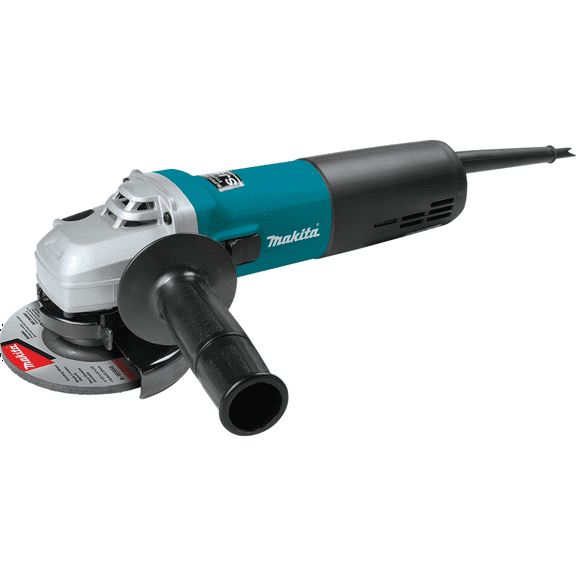
With corded models, you get steady power for longer sessions on concrete edges, rebar, and steel stock. If your jobs stay near an outlet, you may prefer that consistent performance.
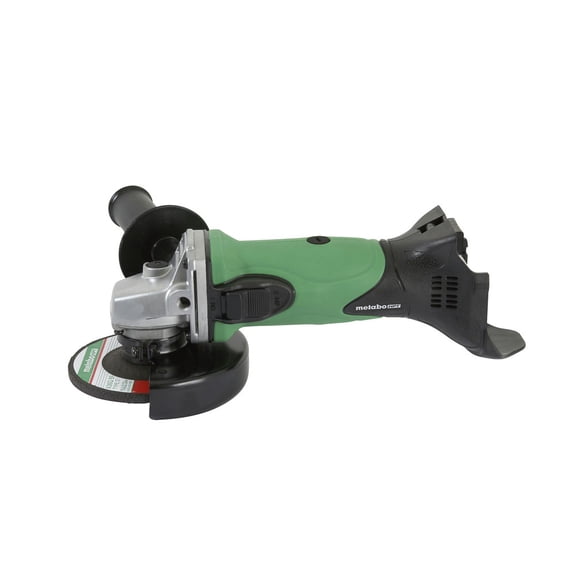
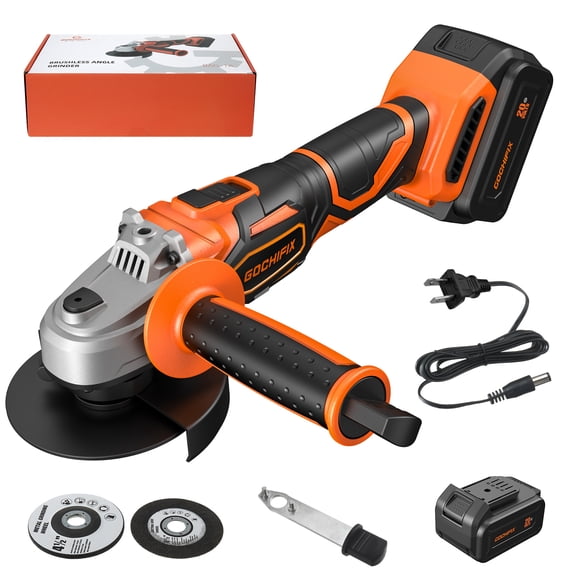
With cordless models, you can move around ladders, driveways, and outdoor spaces with less setup. If your work changes locations often, you may like that added mobility.
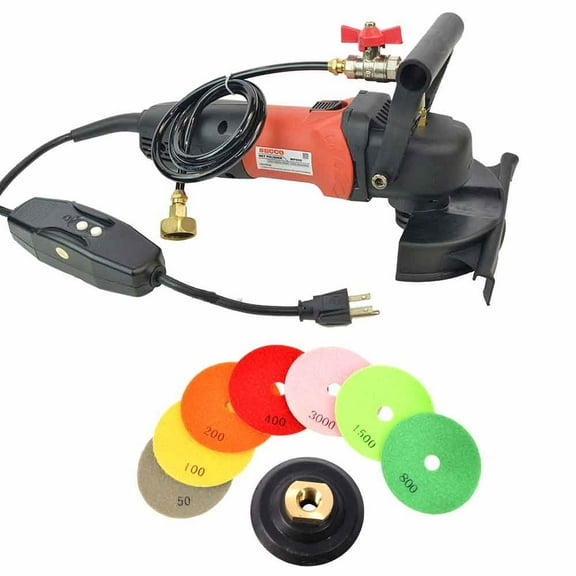
With pneumatic options, you can pair your grinder with an air system for shop-based tasks. If your workspace already uses compressors, you may want that type of hand grinder machine.
Choosing wheel diameter, including a 2 inch angle grinder
Wheel diameter changes how deep you can cut and how easily you can reach tight spots. You should match the disc size to your material, clearance, and finish work.
A 4-1/2 inch grinder often fits general grinding, rust removal, and cutoff work around the garage. If you want a common everyday size, you may start there.
A 5 inch model gives you a little more surface coverage while staying manageable in your hands. If you need a balance of reach and control, you may compare this size closely.
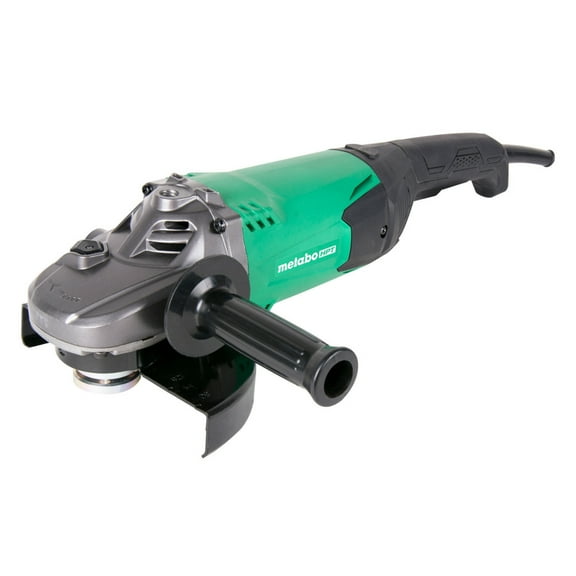
A 7 inch tool handles larger cuts and broader grinding passes on heavier materials. If you work on thicker metal or masonry, you may want that extra diameter.
A 2 inch angle grinder helps you reach narrow spaces, small welds, and detail tasks. If you need precision in corners or compact assemblies, you may look for this smaller format.
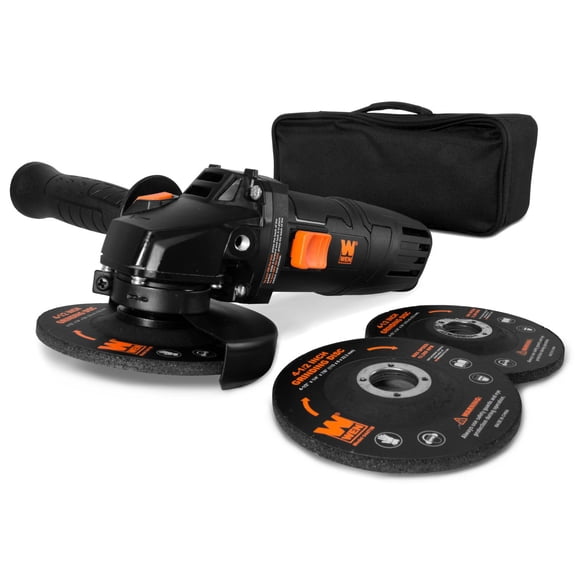
You should also check arbor size because it affects wheel compatibility. If your accessories don't match the arbor, you won't get the setup you need.
- You can choose compact discs for detail work in tight spaces.
- You can choose mid-size wheels for versatile home and shop tasks.
- You can choose larger diameters for wider cuts and heavier material removal.
- You can check arbor size to confirm your wheels and attachments fit correctly.
Choosing a grinder with speed control
Speed matters because different materials respond differently to the same wheel. You should compare variable speed and single speed models based on your usual jobs.
A grinder with speed control lets you slow the tool for polishing, flap discs, and more delicate surface work. If you switch tasks often, you may want that extra flexibility.
Single speed tools can suit straightforward cutting and grinding where you want simple operation. If you mostly handle one type of material, you may not need extra settings.
You should also review RPM ranges because they influence how fast the wheel spins. If you use wire brushes, sanding discs, or polishing accessories, that detail becomes important.
Higher RPM can help you remove material quickly on demanding jobs. Lower settings can give your hands more control during finishing passes and edge cleanup.
Comparing brushless and brushed motor types
Motor type affects maintenance expectations, runtime, and overall feel during repeated use. You should compare brushless and brushed designs with your workload in mind.
Brushless models can appeal to you if you want efficient operation and fewer wear parts. If you use your tool often, you may appreciate that updated motor design.
Brushed models can work well for routine home projects and occasional shop tasks. If you want familiar operation, you may feel comfortable with that motor style.
You should think about how often you'll use your hand grinder machine each month. If your projects are frequent, you may lean toward features that support regular use.
What to look for in handling and control features
Control features help you guide the tool with more confidence during cutting and grinding. You should look for details that support comfort, positioning, and steady starts.
Paddle switches can make operation feel more natural when you change hand positions. If you wear work gloves, you may find that style easier to manage.
Kickback brakes can help the tool stop faster after release. If you want more controlled handling during demanding cuts, you may look for that feature.
Side handles, guard adjustment, and spindle lock design also matter during wheel changes and angled work. If you switch accessories often, those details can make setup easier.
Corded vs cordless hand grinder machine use cases
You can match different grinder setups to renovation work, metal fabrication, or outdoor repairs. If you compare your material and workspace first, your choice gets much simpler.
For tile cuts, paver edging, and masonry touch-ups, you may want a grinder with the right wheel diameter and guard adjustment. If your project stays outside, cordless models can simplify movement.
For weld cleanup, bolt cutting, and rust removal, you may prefer steady output from corded angle grinders. If you work at a bench for long stretches, that setup can feel practical.
For shop systems with compressed air, you may consider pneumatic tools for repeated tasks. If your setup already supports air tools, that option can fit your workflow.
If you're searching with local convenience in mind, you likely want fast pickup or delivery options. You can use Walmart.com to compare availability without using a grinder near me search.
When you compare angle grinders by wheel size, speed control, and power source, your decision becomes clearer. You can choose a setup that fits your materials, your workspace, and your next cut.