



Fire Extinguishers and Brackets in Fire Safety









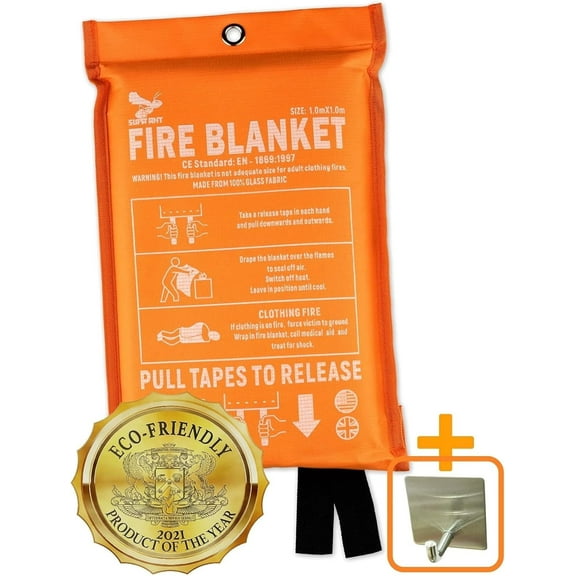
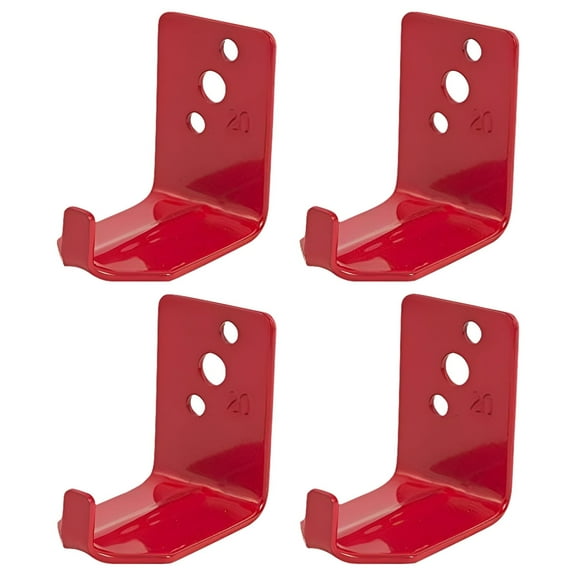
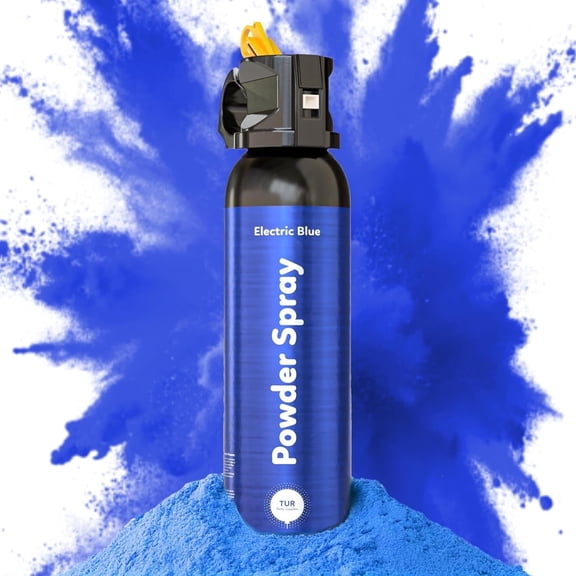








About Fire Extinguishers and Brackets in Fire Safety - Walmart.com
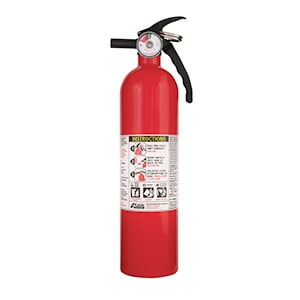
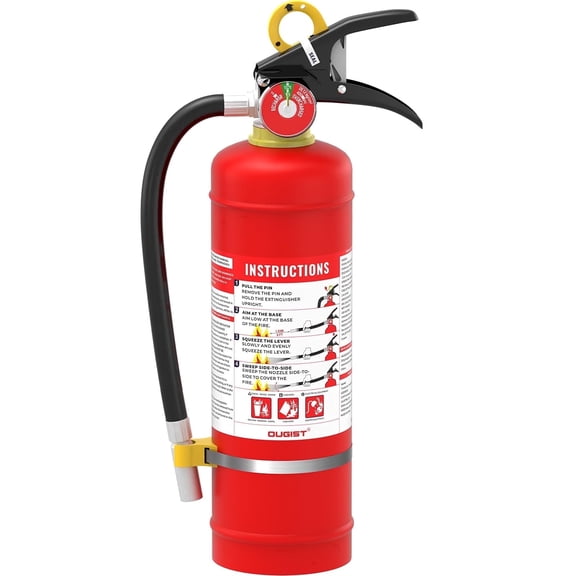
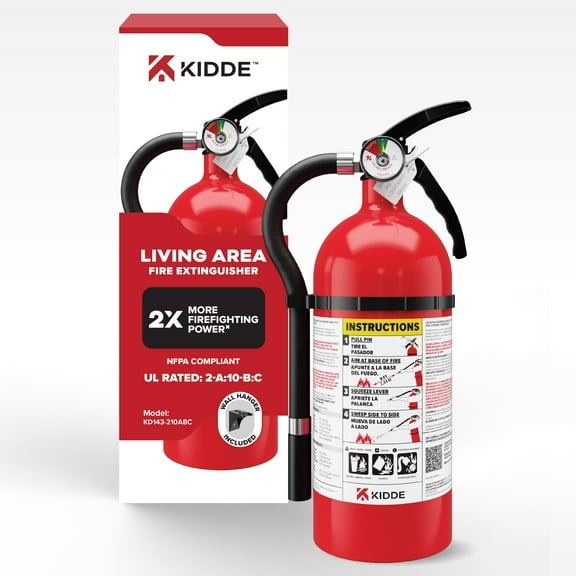
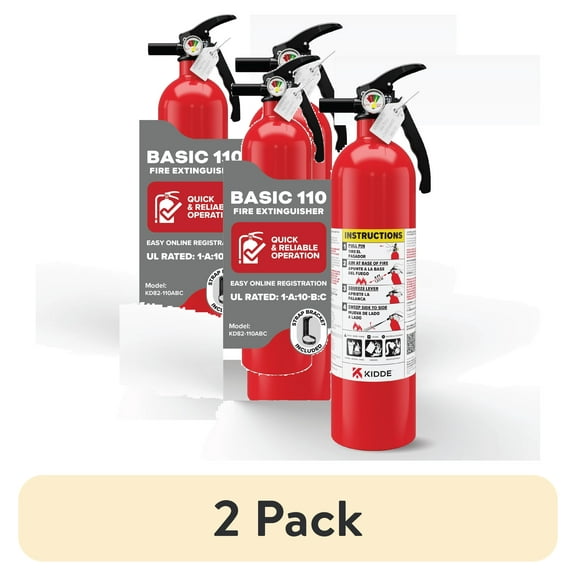
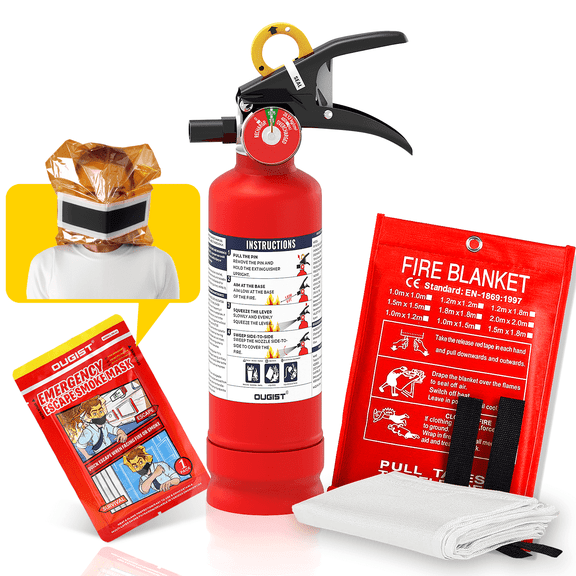
Fire extinguishers help you prepare for quick action at home, in your kitchen, in your car, or on your boat. You can compare fire classes, sizes, and recharge options to match your space with more confidence.
If you're replacing an older unit or setting up a new space, you need clear buying guidance. You can use this guide to compare ABC fire extinguishers, Class K models, and sizes from 2.5 lb to 10 lb.
How to choose fire extinguishers for your space
You should start with the fire class because each rating matches a different material. You can use Class A for ordinary combustibles, Class B for flammable liquids, and Class C for energized equipment.
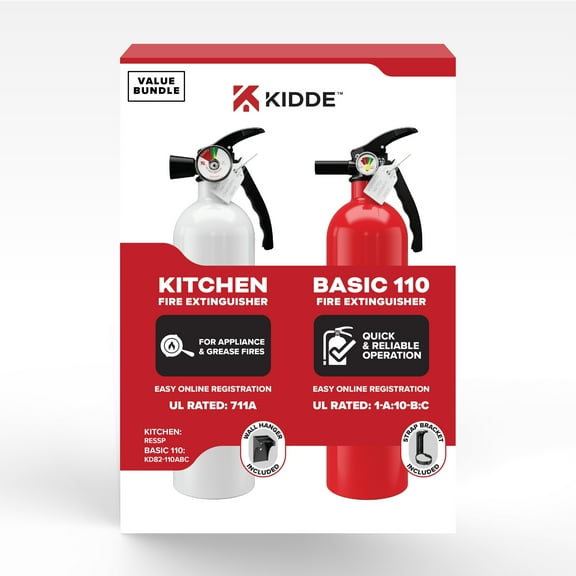
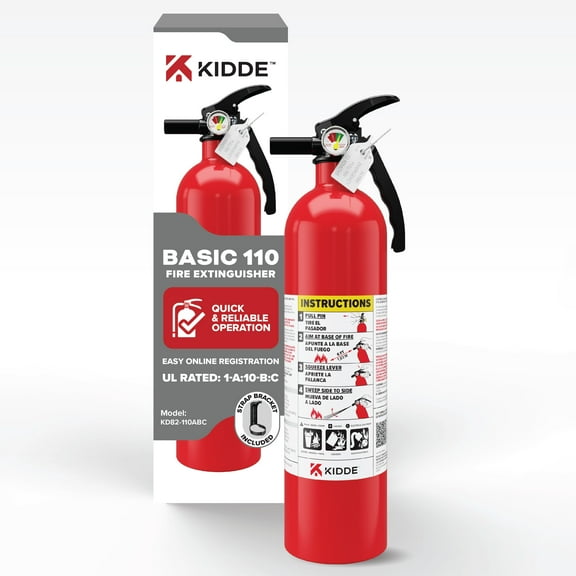
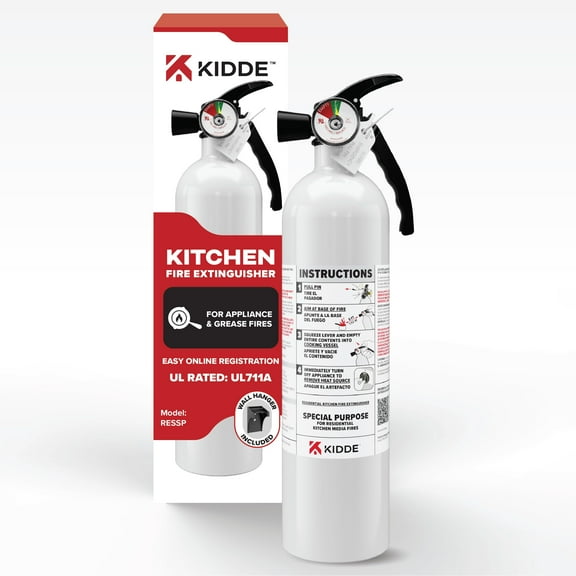
If you want broader household coverage, you should compare ABC fire extinguishers for mixed-use spaces. You may want Class K for cooking areas where kitchen fire extinguishers are a common choice.
You should also compare where you'll place the unit before picking a size. You can often fit lighter models in compact spots, while larger units suit garages and work areas.
- You can choose Class A, B, C, or K based on the materials in your space.
- You can match a 2.5 lb size to smaller areas like cars or compact kitchens.
- You can use 5 lb options for many household rooms and utility spaces.
- You can consider 10 lb units when you need longer discharge time in garages or workshops.
- You can compare rechargeable fire extinguishers with single-use models for long-term upkeep.
- You should check whether the valve is metal or plastic before you decide.
Choosing the right class and valve design
You should treat class ratings as your main decision point because they tell you intended use. You can read the label to check whether the extinguisher covers paper, liquids, electronics, or cooking oils.
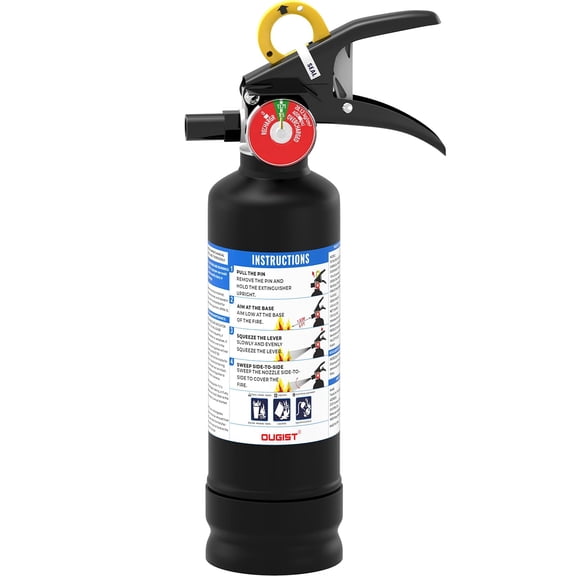
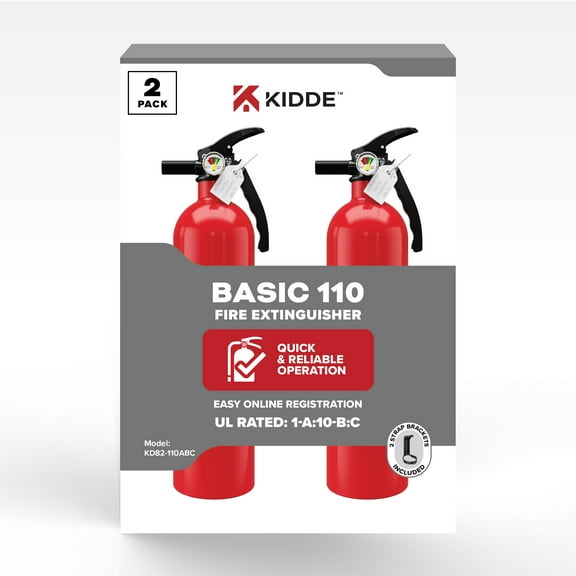
When you compare home fire extinguishers, you'll often see ABC ratings for flexible placement. You can keep that option in mind for bedrooms, hallways, garages, and general living spaces.
If you're focused on the kitchen, you should compare kitchen fire extinguishers with labels that fit cooking areas. You can also review nozzle style and grip design for easier handling.
You should check whether the valve is metal or plastic because that detail affects long-term use. You may prefer metal valves when you want a more durable design and rechargeable compatibility.
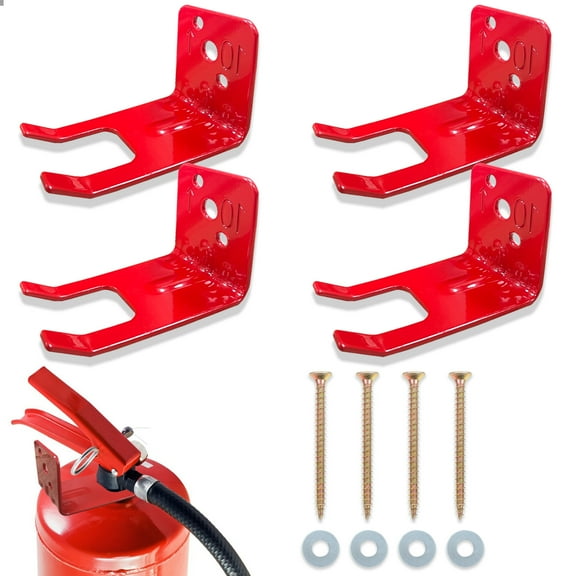
Plastic valves can suit lighter-duty needs when you want a simpler replacement path. You should still compare the label, mounting hardware, and inspection gauge placement before choosing.
Comparing size, weight, and rechargeability
You should match size to the space because weight affects storage and handling. You can choose 2.5 lb units for tighter spots where a compact profile matters.
For many homes, you may find 5 lb models easier to balance between coverage and portability. You can place them in laundry rooms, hallways, entry points, and shared family spaces.
If you're outfitting a garage, workshop, or larger utility area, you should compare 10 lb options. You may want the added capacity when you have a bigger area to cover.
You should also decide between rechargeable fire extinguishers and disposable or single-use models. You can choose rechargeable options when you want a unit designed for service after use.
If you prefer a straightforward replacement cycle, you may lean toward disposable models. You should review the product details so your upkeep plan matches your routine.
Home, kitchen, car, and marine fire extinguishers
You should think about placement room by room so your choice fits daily life. You can compare home fire extinguishers for hallways, bedrooms, garages, and utility areas.
In cooking spaces, you may want compact kitchen fire extinguishers that store within reach without taking over the room. You should measure your cabinet, wall, or pantry area before selecting a size.
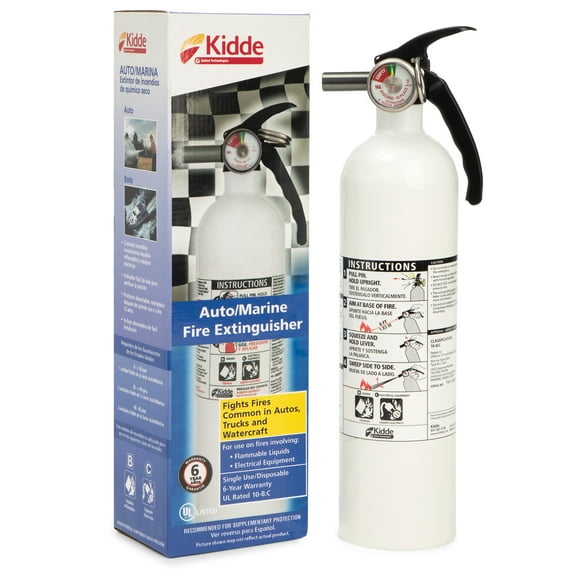
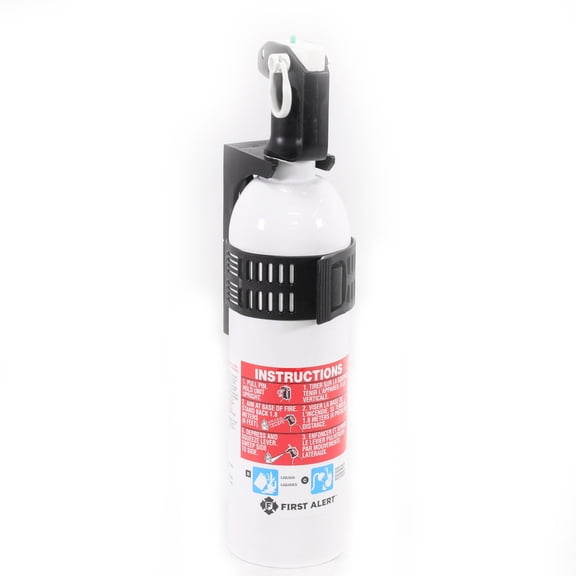
For vehicles, you should compare car fire extinguishers with smaller footprints and lighter weights. You can look for 2.5 lb sizes when you need easier storage in trunks or mounting brackets.
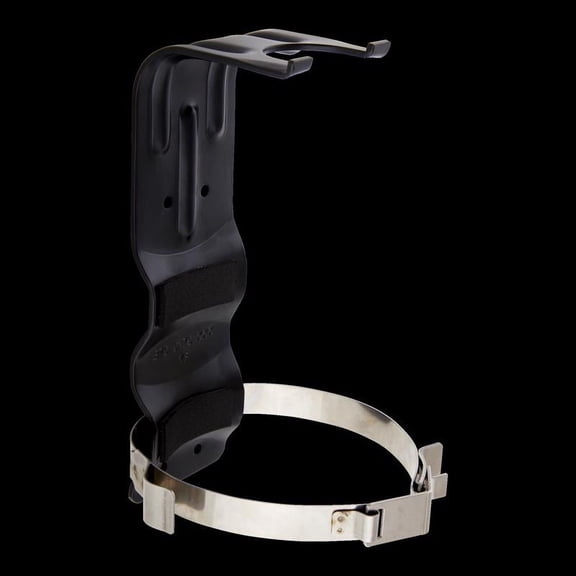
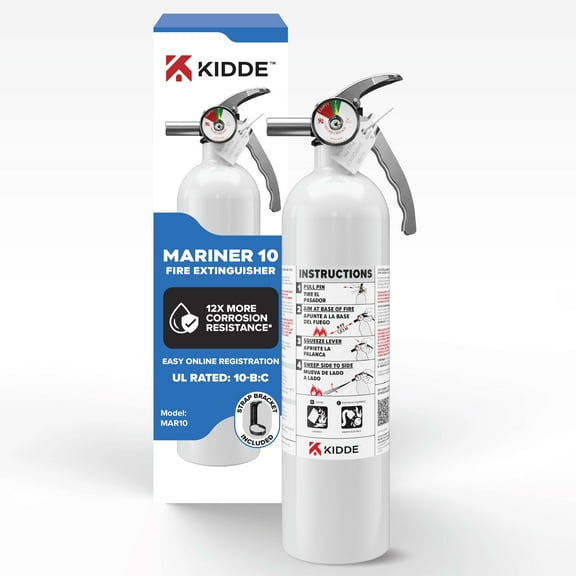
If you spend time on the water, you may want marine fire extinguishers designed for onboard placement. You should check bracket style, label visibility, and size before adding one to your boat setup.
You can also match larger units to garages where tools, fuel containers, and equipment share the same space. You should keep discharge capacity and mounting location in mind when comparing options.
What to look for before you decide
You should compare UL listing details, gauge visibility, and mounting accessories before making your choice. You can also check the handle shape and label layout for easier reading.
When you focus on class, size, rechargeability, and valve material, you can narrow the category faster. You'll end with a fire extinguisher that fits your space, your storage plan, and your preferred maintenance routine.
Popular in Fire Extinguishers and Brackets in Fire Safety - Walmart.com
- Fire Extinguisher Bracket 10 Lb
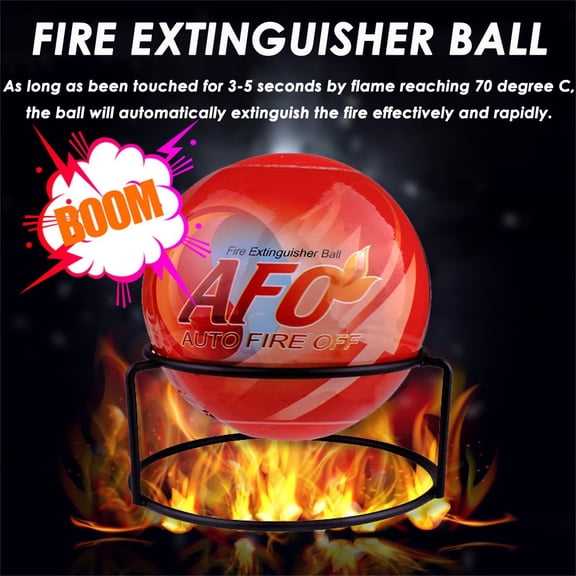
- Auto Fire Extinguishers
- Fire Extinguisher Roll Bar Mount
- Fire Extinguisher Prop
- Fire Extinguisher Dry Chemical
- Reduced Price in Fire Extinguishers
- Fire Extinguisher Refill
- Fire Extinguisher Symbol
- Fire Extinguisher Parts
- Jeep Fire Extinguisher Mount
- Fire Extinguisher
- Fire Extinguisher Gauge