


Dremel Tools, Accessories & Attachments
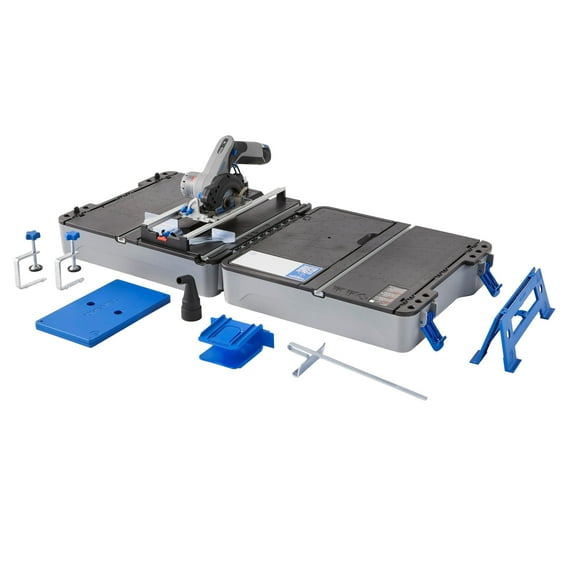














About Dremel Tools, Accessories & Attachments - Walmart.com
Dremel helps you compare rotary tools, accessories, and specialty options for detailed DIY work. You can sort by tool type, power source, and project fit, so your next task feels more precise.
How to choose Dremel for your projects
When you shop Dremel, you’ll usually compare a rotary tool, an oscillating tool, a multi-tool, or a versa cleaning tool. You should match each type to the task you do frequently.
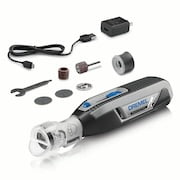
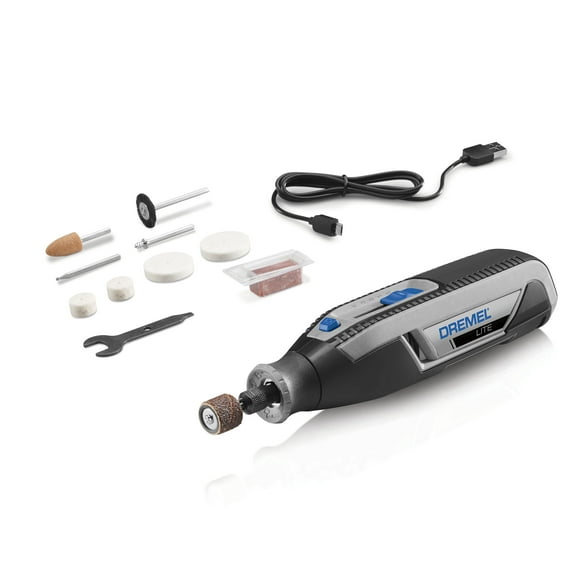
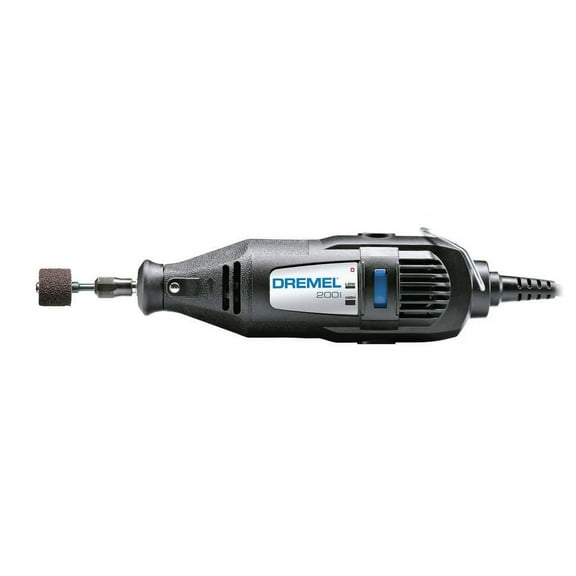
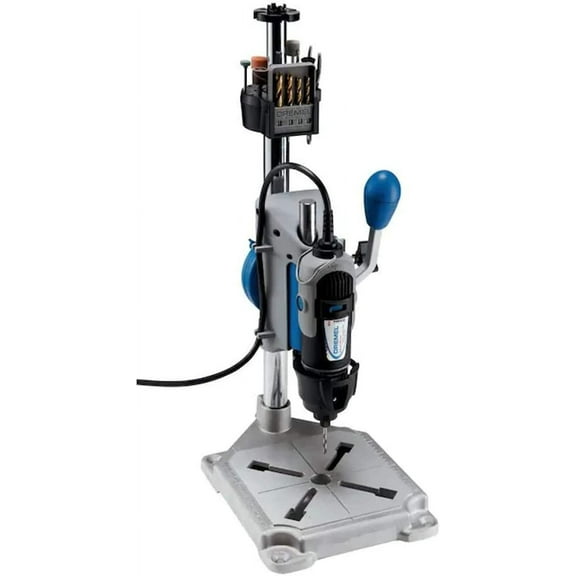
A Dremel rotary tool helps you handle carving, sanding, polishing, engraving, and small cutting jobs with one compact format. You may prefer that shape when your projects need careful control in tight spots.
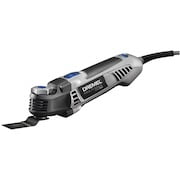
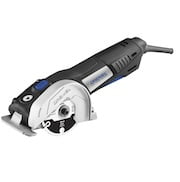
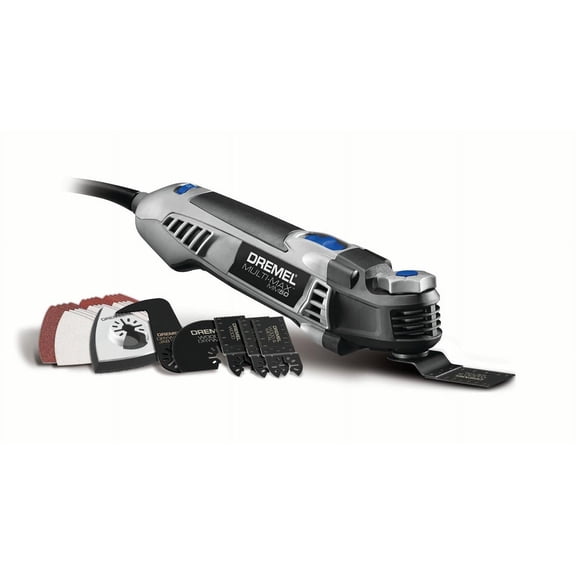
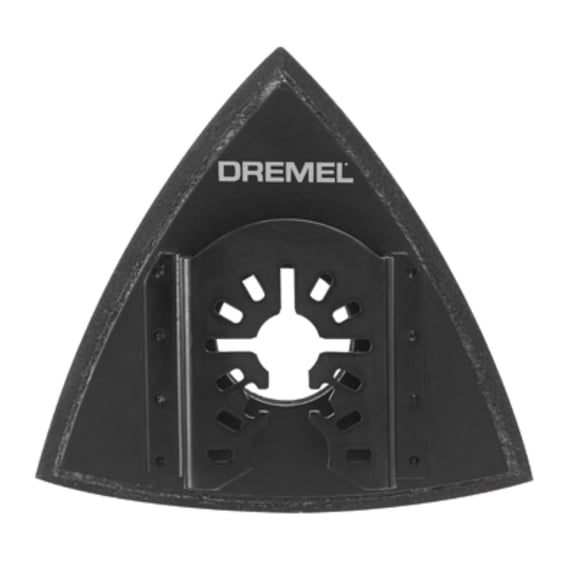
An oscillating tool helps you make flush cuts, scrape surfaces, and sand flat areas with steady contact. You may choose that style when your work needs broader motion than a spinning bit.
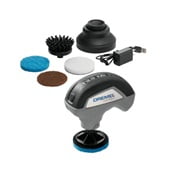
A multi-tool setup can help you switch between household tasks without pulling out several larger tools. You can also compare a versa cleaning tool when your focus stays on tubs, tile, glass, and grout.
Choosing the right Dremel rotary tool benefits
You’ll notice that the right tool type can make detailed work easier to guide and easier to finish cleanly. Your setup also affects how quickly you can move from shaping to smoothing.
- You can handle detailed engraving, light cutting, sanding, and polishing with one compact system.
- You can switch attachments for different materials instead of changing your whole workflow.
- You can choose corded or cordless formats based on where your projects happen.
- You can use variable speed settings for delicate surfaces or tougher material removal.
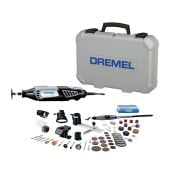
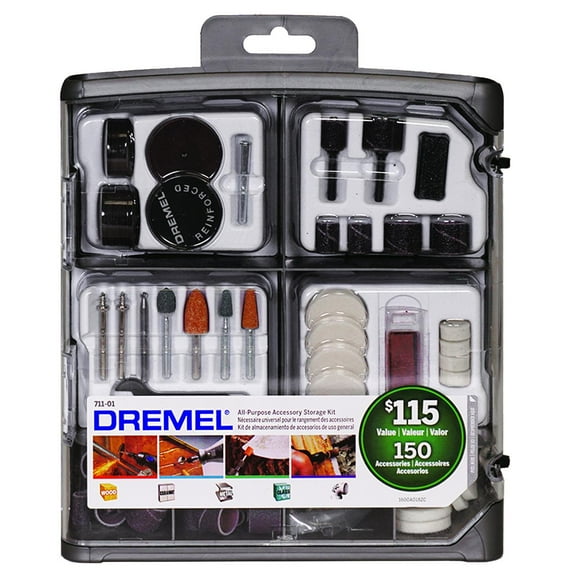
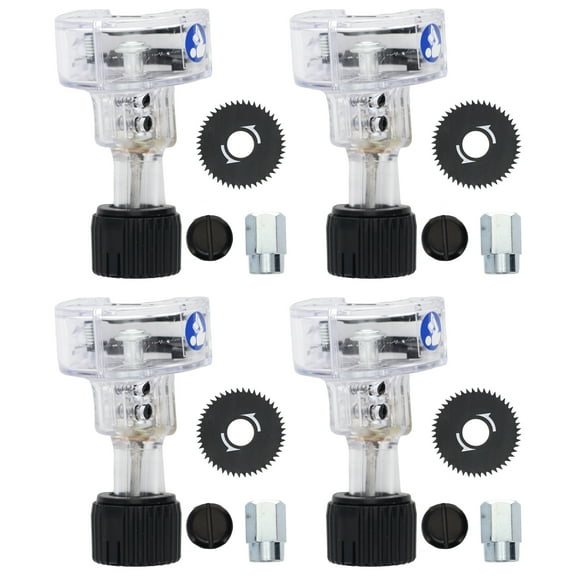
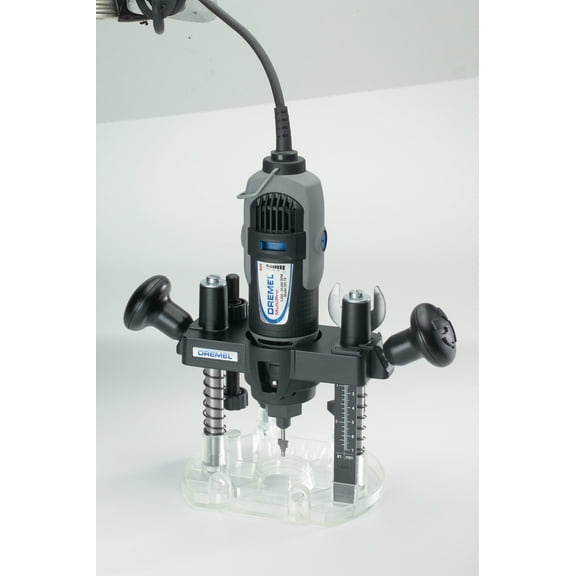
With Dremel accessories, you can expand one tool into a wider project kit for crafting, repair, and workshop tasks. Your results often depend on picking the right attachment before you start.
You may also appreciate smaller tool bodies for edge work, trim areas, and decorative details. Your hands can stay closer to the work surface when control is critical.
Comparing power source and speed control
You should compare corded and cordless options first because that choice shapes how and where you work. Your workspace, outlet access, and session length can point you to the right format.
A corded tool gives you steady runtime for long sanding, grinding, or cutting sessions at a workbench. You may like that consistency when your projects stay in one place.
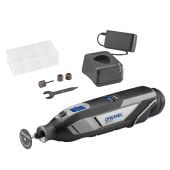
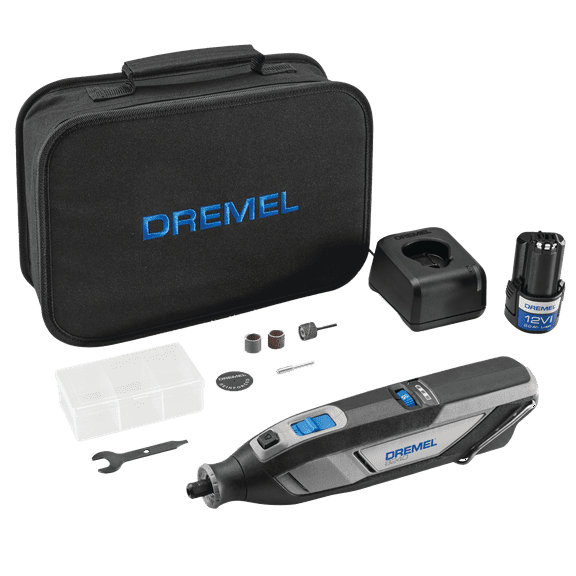
A cordless rotary tool gives you easier movement for repairs, outdoor touchups, and quick tasks away from an outlet. You can also compare 12v lithium-ion and 4v usb rechargeable formats for size and portability.
You should also look for speed control because different materials respond differently to a fast or gentle touch. Your glass etching and fine engraving jobs usually need more control than heavy sanding.
Variable speed can help you work more carefully on wood, glass, plastic, and soft finishing steps. You may prefer simpler speed setups when your task centers on straightforward sanding or cleaning.
Checking Dremel accessories and attachment compatibility
You should confirm accessory compatibility before you choose a tool, especially if you already own rotary tool bits. Your collet size and attachment system can affect which accessories fit securely.
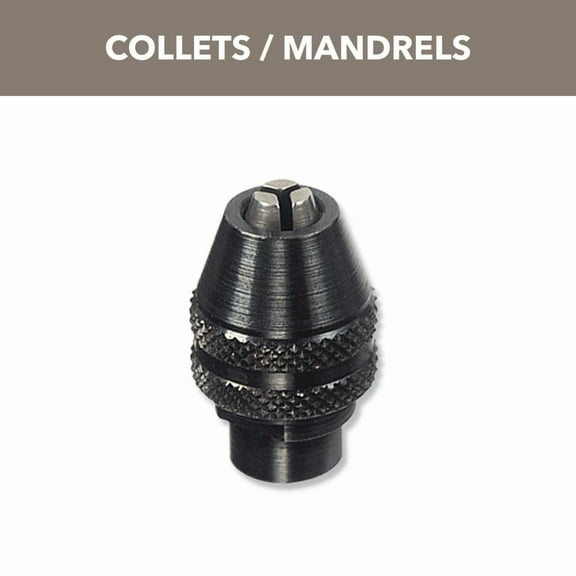
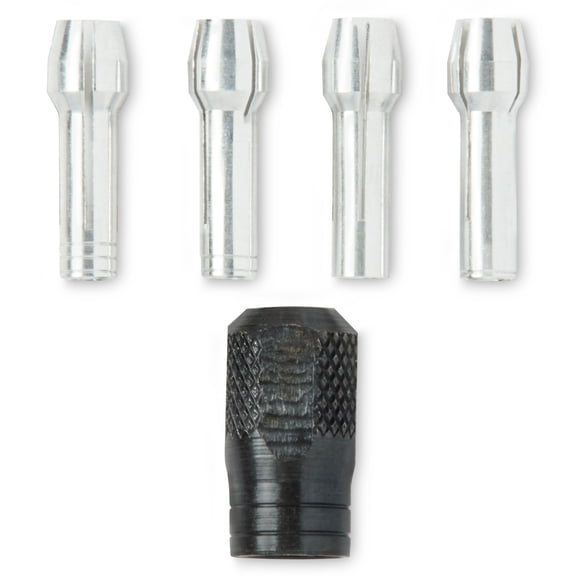
Collet size matters because it determines the shank diameter your tool can hold. You can think of it as the connection point between your tool and your bit.
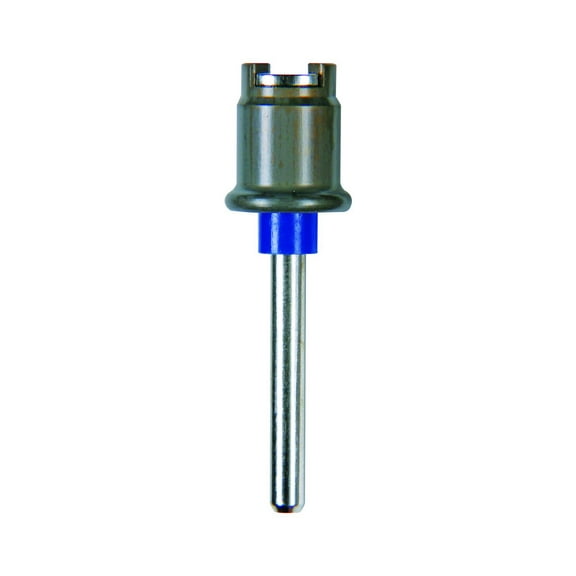
A quick-change system matters when you want faster accessory swaps during multi-step projects. You’ll spend less time pausing when your sanding discs, cutting wheels, and engraving cutters change easily.
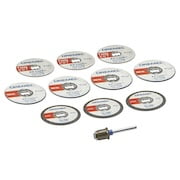
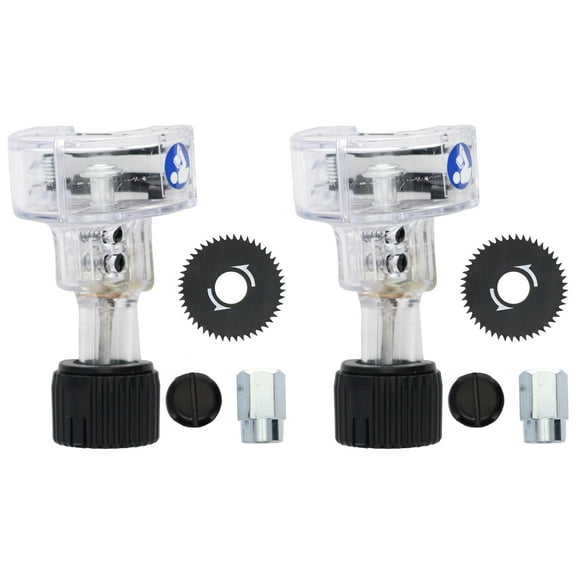
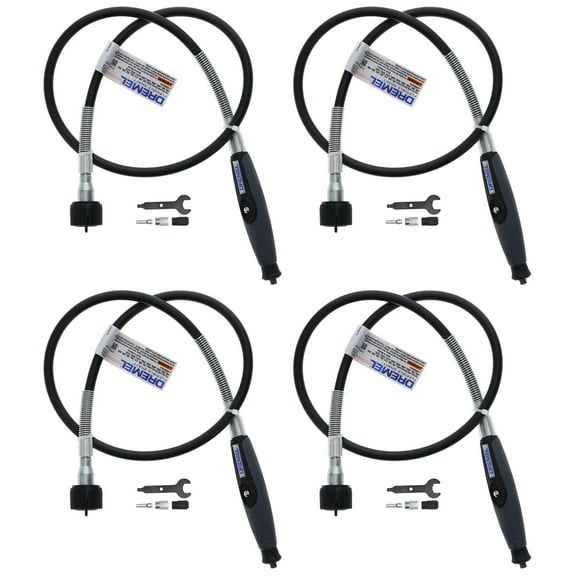
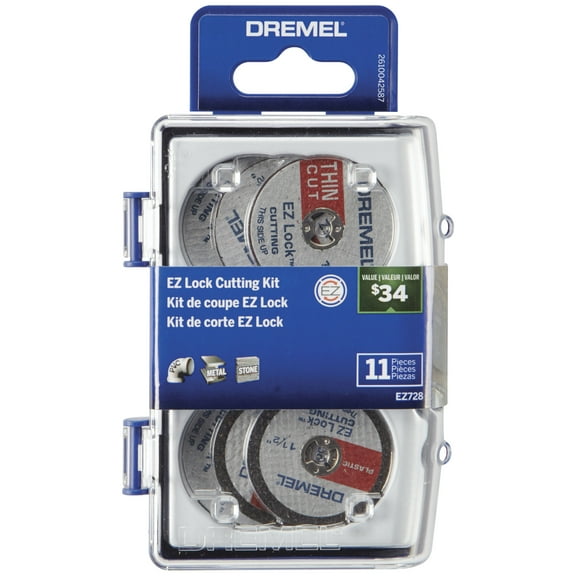
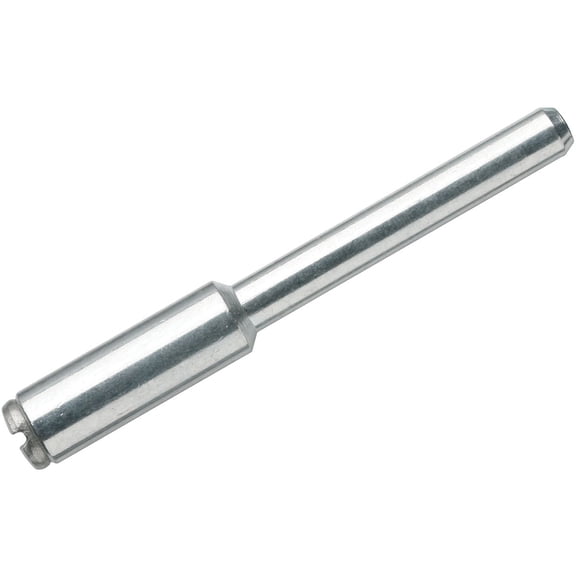
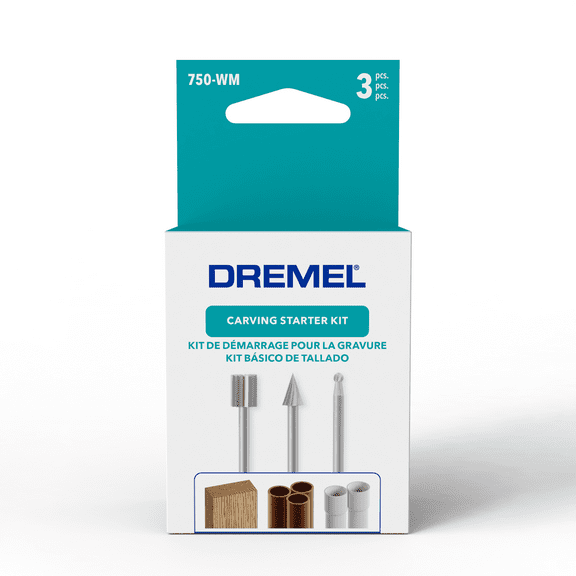
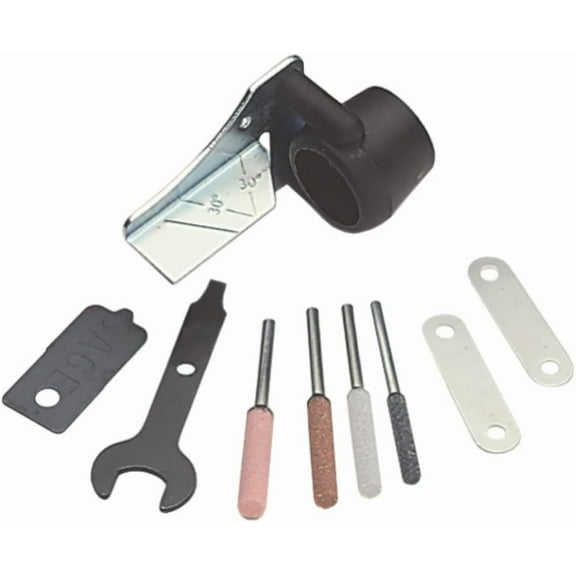
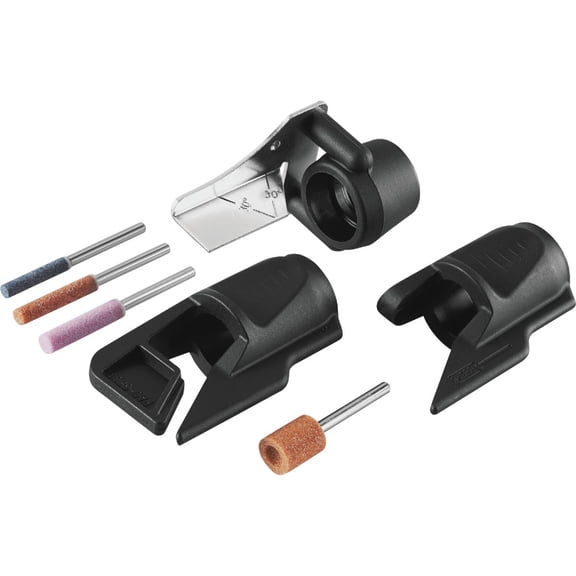
Dremel attachments can help you tailor your setup for sharpening, polishing, cleaning, cutting, and detail sanding. You should compare accessory kits if your projects often shift between materials and finishes.
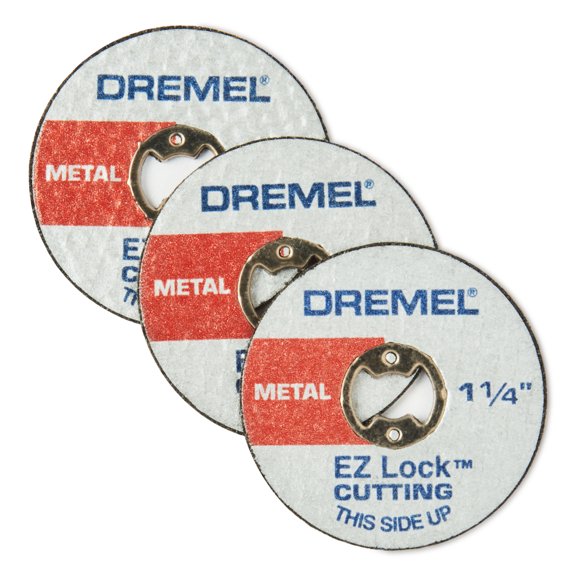
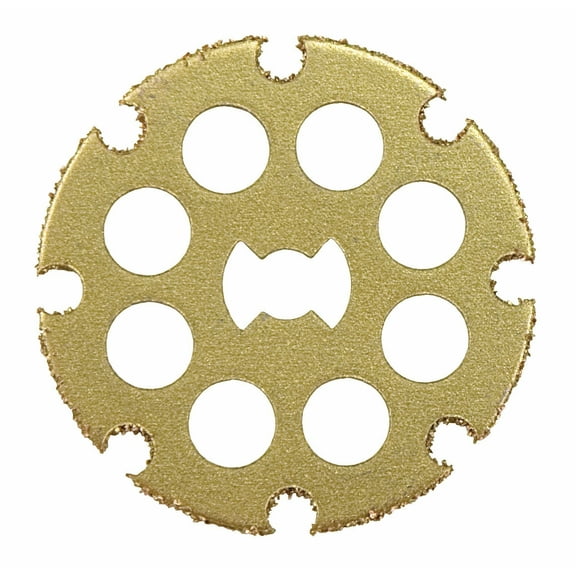
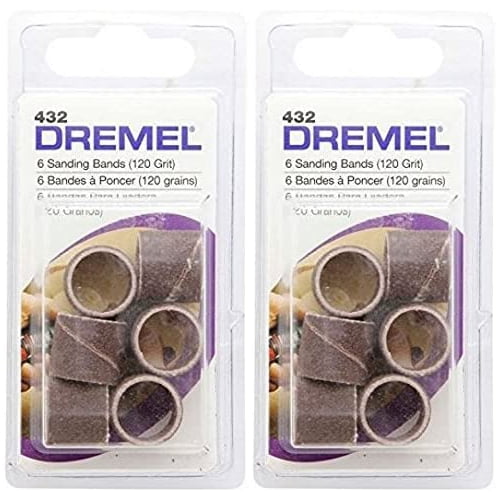
Rotary tool bits also vary by purpose, so you should match the bit shape to the result you want. Your sanding discs smooth surfaces, while your cutting wheels help with narrow cuts and trim work.
Matching tool types to materials and use cases
You should choose by material next, because woodworking, metal carving, glass etching, and DIY crafts each need a different approach. Your project surface often tells you which tool and accessory are the right choice.
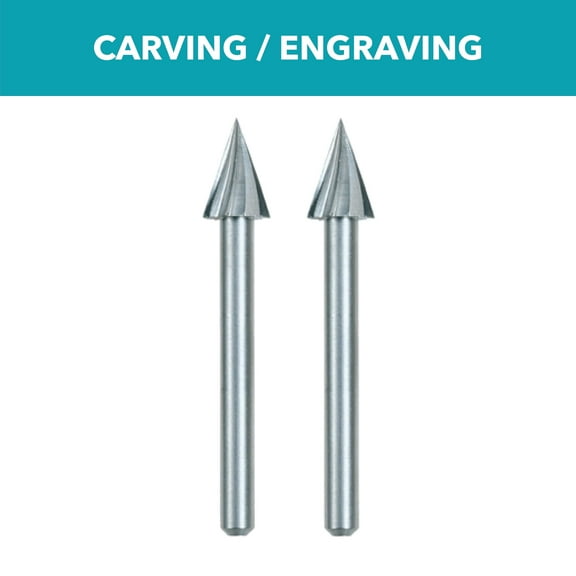
For woodworking, you may want sanding drums, carving bits, or cutoff wheels for shaping edges and refining small details. You can use a rotary tool for decorative trimming, hobby builds, and touchup work.
For metal carving or light metal cutting, you should check whether your chosen accessory works on that surface. Your tool choice should also support the control you need for lines, edges, and cleanup.
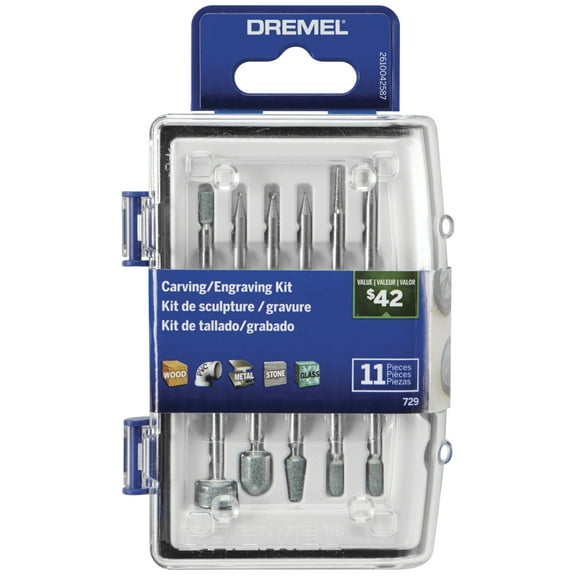
For glass etching, you’ll usually want a lighter touch and steady speed control for more precise detail. You can pair engraving cutters with a tool that feels balanced in your hand.
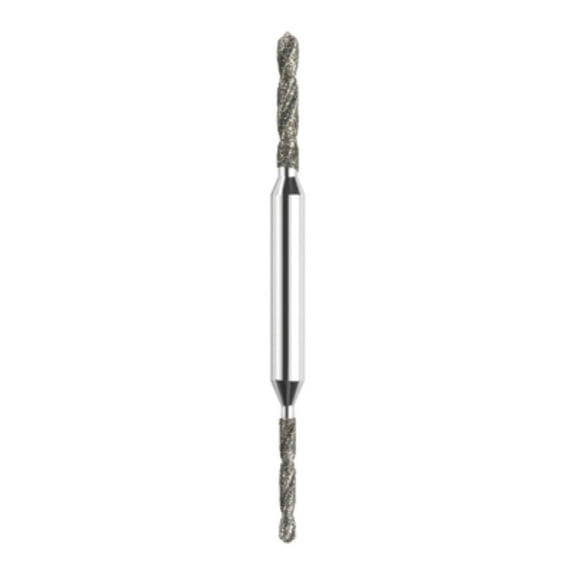
For DIY crafts, you may combine polishing, engraving, drilling, and trimming across several materials in one session. You’ll benefit from a setup that supports quick attachment changes and compact handling.
When you compare Dremel by tool type, power source, and accessory fit, you can build a setup that matches your materials and workflow. Your projects feel easier to start when your tool and attachments align from the beginning.