

Stronghold Table Tops & Dewalt Tools | Walmart



















About Stronghold Table Tops & Dewalt Tools | Walmart - Walmart.com
You can compare tool brands easily when you understand power sources, user needs, and battery ecosystems before you choose. You may find this featured brands page useful when your projects call for matching tools, accessories, and storage across one lineup.
How to choose tool brands by project type
If you handle repairs at home, you may want tool brands that cover drills, drivers, saws, and basic hand tools. You can keep your setup simpler when one brand offers kits, bare tools, and matching storage.
When your work is more specialized, you may compare power tool brands, hand tool brands, and mechanics tool brands by task. You can narrow choices when you match the brand’s focus to your garage, shop, or jobsite routine.
You may also compare tool manufacturers by how complete their systems feel across everyday jobs. You can look for batteries, chargers, impact sockets, tool boxes, and outdoor equipment within the same family.
- You can build around one battery platform for fewer charging interruptions.
- You can match hand tools, power tools, and storage for a more organized setup.
- You can choose kits or bare tools based on what you already own.
- You can compare options for DIY projects, mechanical work, or contractor tasks.
Choosing between power tool brands and hand tool brands
Power Source is a major decision when you compare featured brands. You can choose cordless for mobility, corded for steady runtime, pneumatic for shop air setups, or gas-powered for outdoor work.
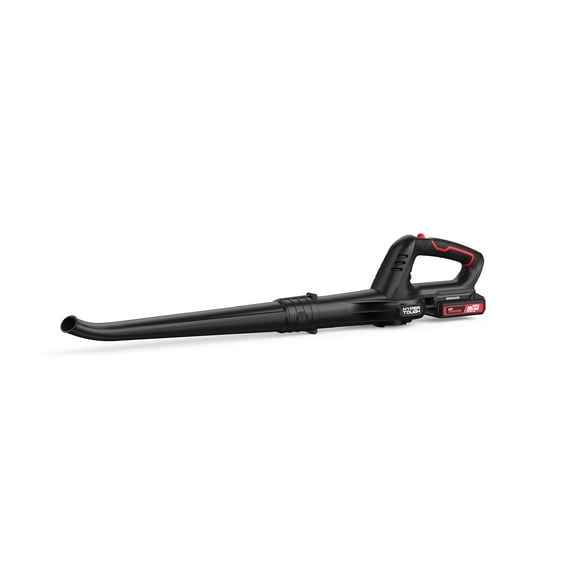
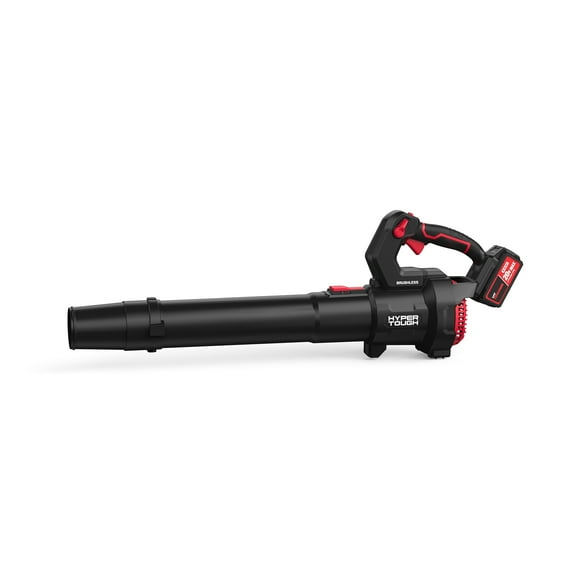
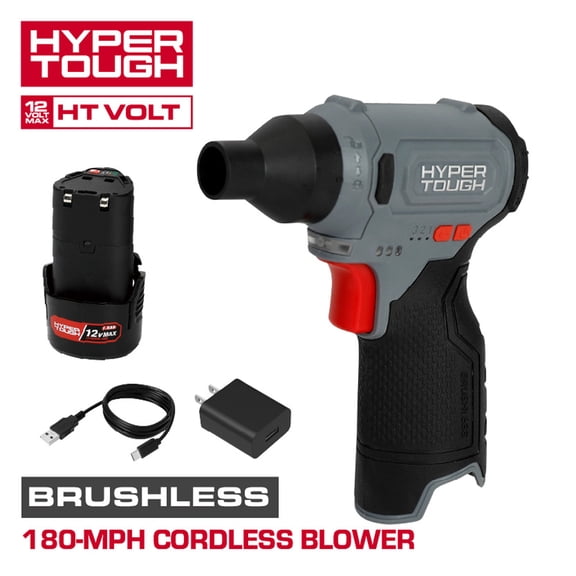
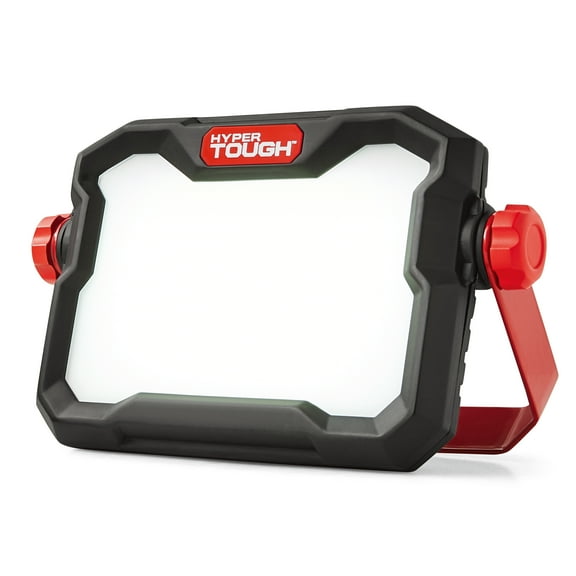
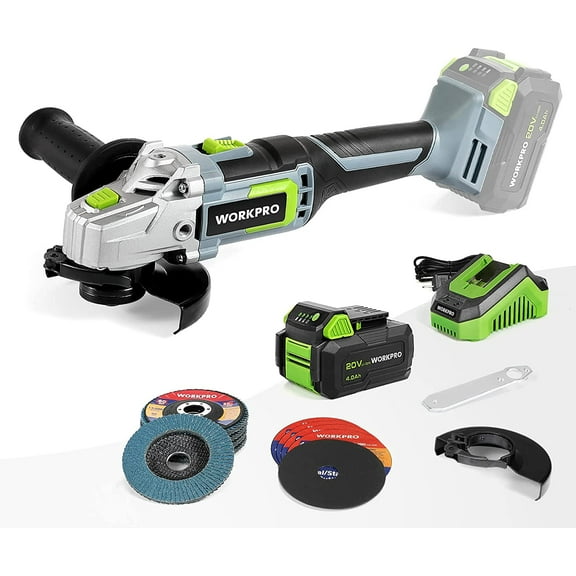
If you move between rooms, ladders, or driveways, you’ll likely prefer cordless tool brands with broad battery compatibility. You can work with fewer cords when your drill, light, and blower use the same pack.
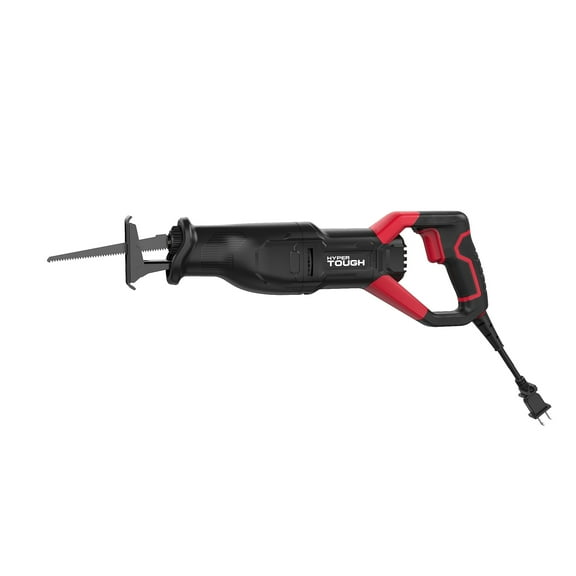
When you stay near an outlet, you may prefer corded tools for long cutting, grinding, or sanding sessions. You can keep going without waiting on a battery rotation.
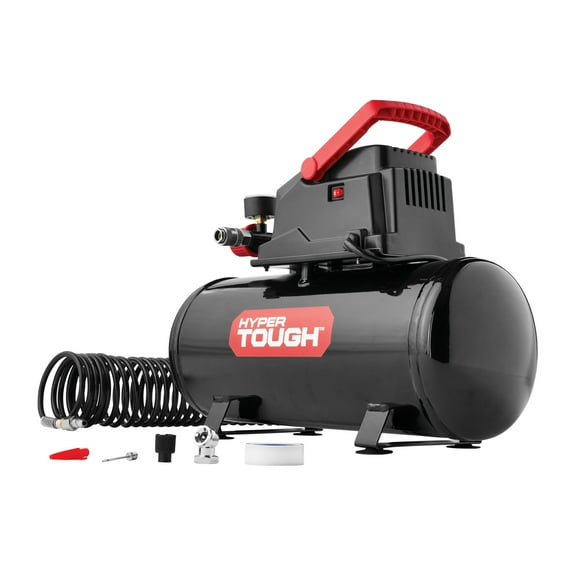
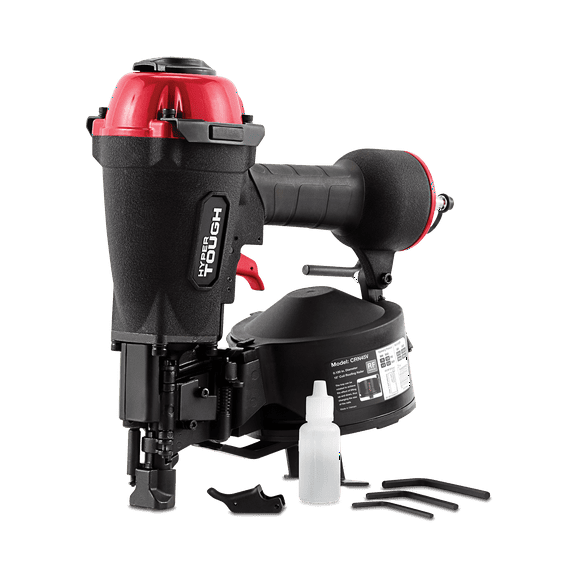
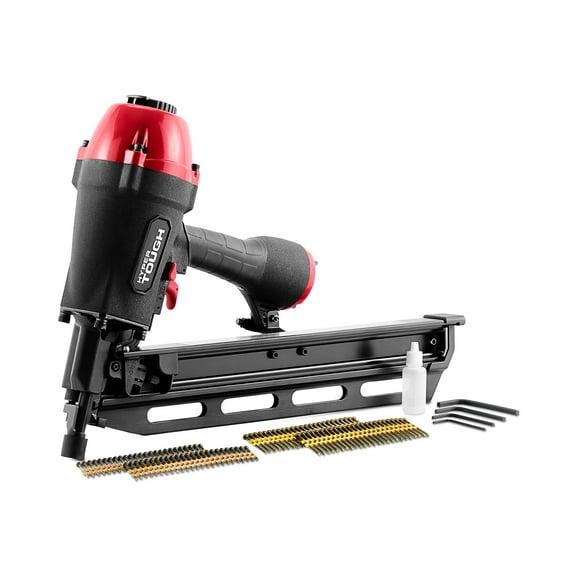
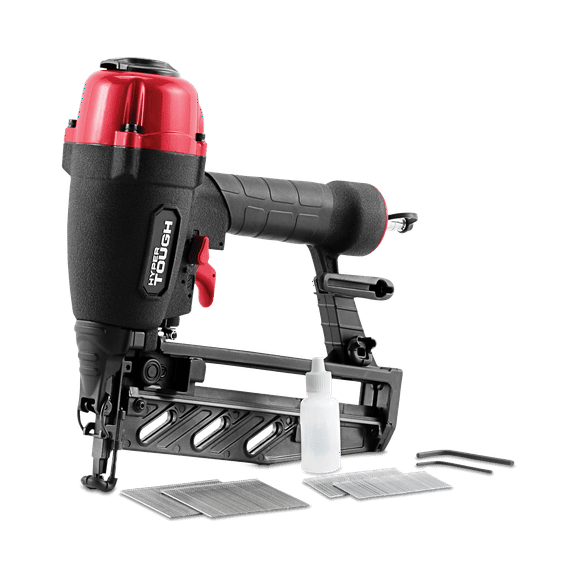
If your garage already uses an air compressor, you may compare pneumatic options for fastening and automotive jobs. You can also look at mechanics tool brands that pair ratchets, sockets, and specialty tools for vehicle work.
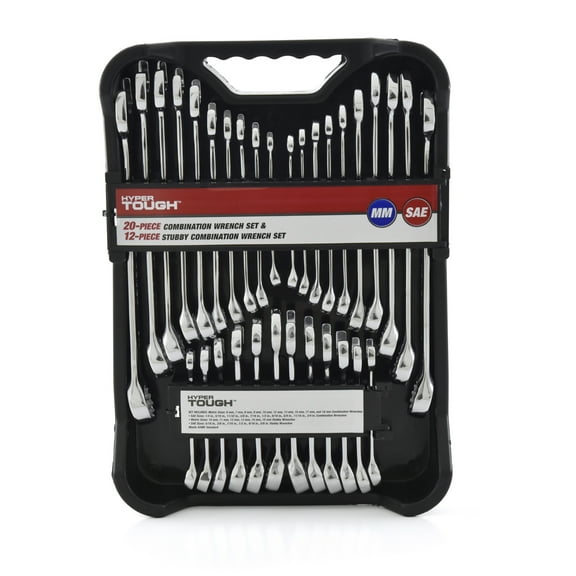
For detail work and assembly, you may lean toward hand tool brands with pliers, screwdrivers, wrenches, and measuring tools. You can cover daily fixes without adding batteries, chargers, or extra bulk.
How voltage ecosystems affect tool brands
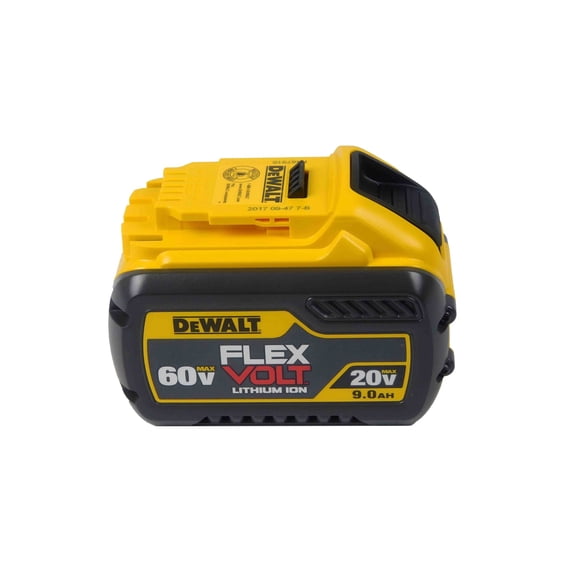
Voltage Ecosystem matters when you want batteries to work across several tools. You should compare 12V, 20V, 40V, and 60V MAX systems by the kind of tasks you handle most often.
If you want lighter tools for smaller jobs, you may consider 12V systems for compact handling. You can reach tight spaces when your driver or ratchet stays smaller in your hand.
For common home projects, you’ll often see 20V systems across many power tool brands. You can build a versatile setup with drills, impact drivers, lights, saws, and combo kits on one platform.
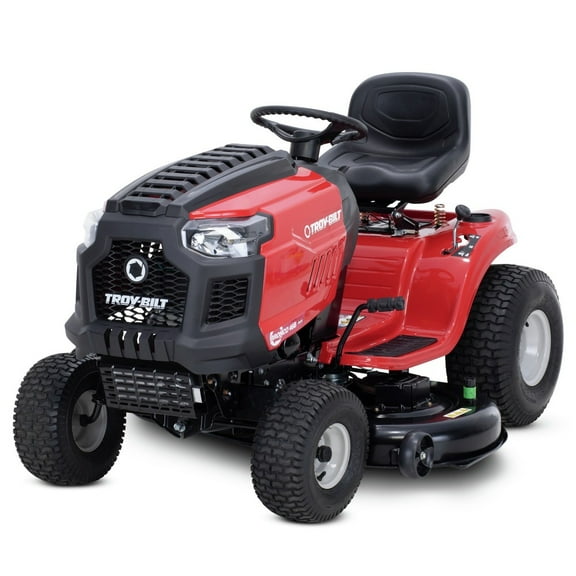
If you handle larger yard tasks, you may compare 40V and 60V MAX platforms in outdoor power equipment. You can match blowers, trimmers, and mowers more smoothly when batteries stay within one system.
Battery cross-compatibility is a decision-critical detail, so you should check whether packs fit across the brand’s lineup. You can avoid mix-ups when your chargers and batteries match the exact platform.
What to look for in motors, kits, and reliability
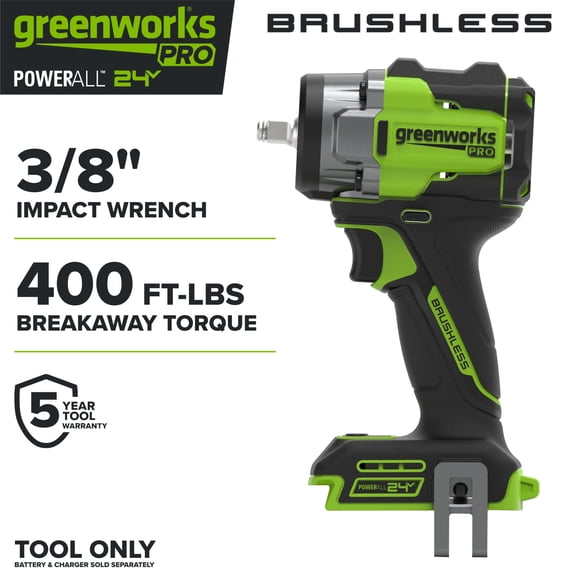
Brushless vs brushed motors can shape how a tool feels during repeated use. You may choose brushless when you want stronger efficiency, less maintenance, and longer runtime from the same battery.
If you use tools occasionally, brushed models may still fit your routine and task list. You can focus on the jobs you do most instead of paying for features you won’t use often.
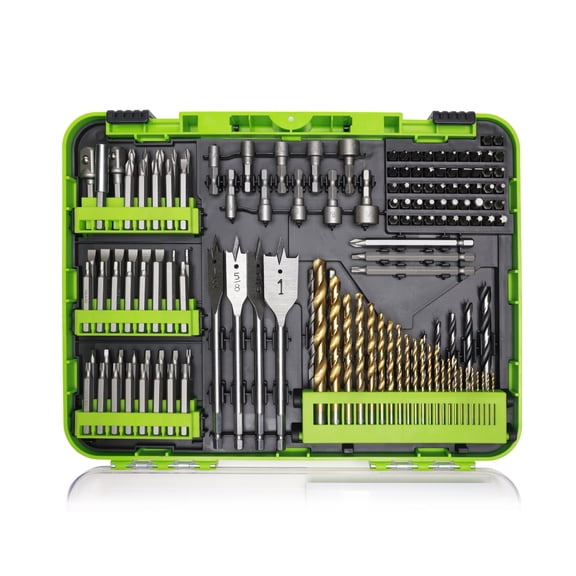
Tool kit contents also matter when you compare featured tool brands for your workspace. You can start with a combo kit if you need core tools, or choose bare tools if you already own batteries.
Warranty terms and reliability deserve a close look before you commit to a brand family. You can feel more confident when replacement parts, chargers, and matching tools remain easy to find.
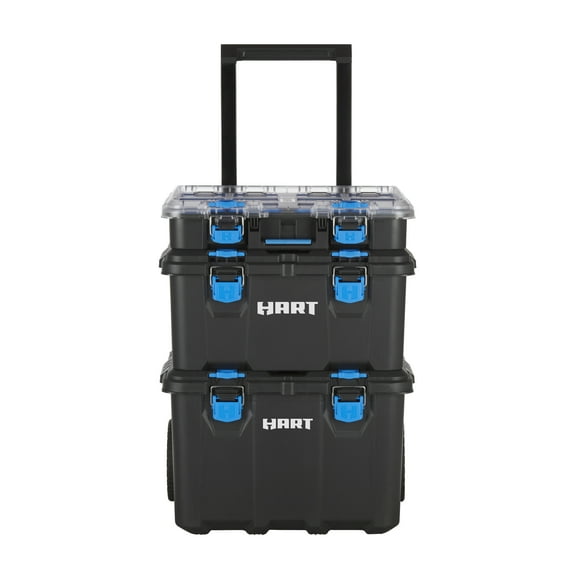
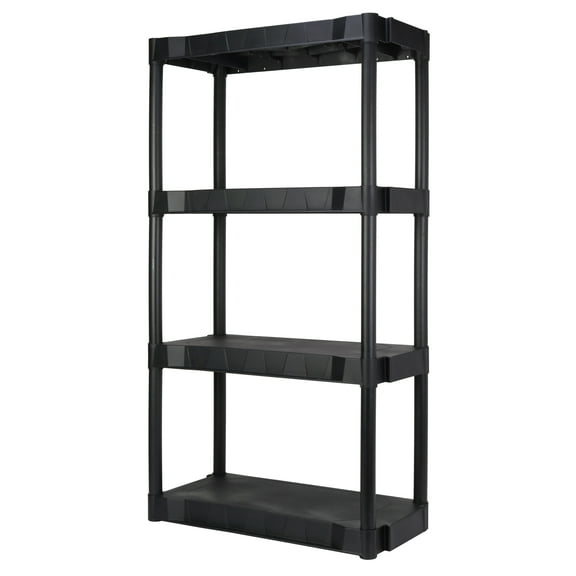
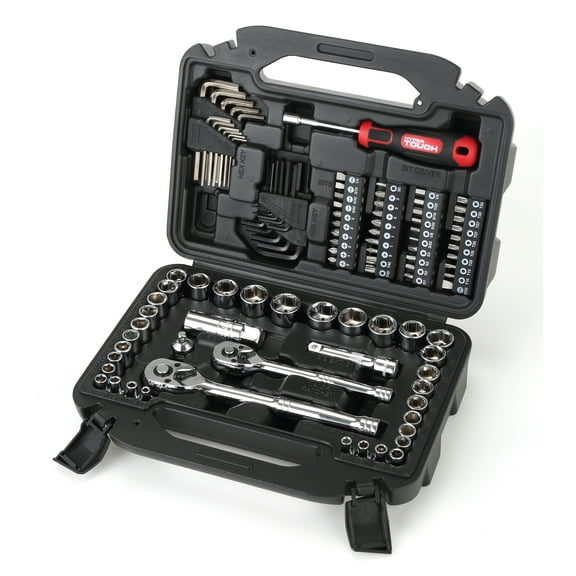
You should also compare storage options within each lineup. You can keep sockets, drivers, blades, and batteries organized when your tool storage matches your tools and accessories.
Matching tool brands to DIY, contractor, mechanic, and gift needs
User Type helps you sort choices by how often and how hard you use your tools. You can compare options for a DIYer, homeowner, professional contractor, or mechanic without guessing which lineup fits your routine.
If you’re a homeowner, you may want a straightforward mix of hand tools, drills, and outdoor equipment. You can cover furniture assembly, wall mounting, trimming, and seasonal cleanup with fewer platform gaps.
If you’re a professional contractor, you may focus on runtime, lineup depth, and repeat-use comfort. You can compare cordless systems, brushless motors, and available bare tools for expanding your setup over time.
If you’re a mechanic, you may prioritize mechanics tool brands with ratchets, sockets, impact tools, and compact lights. You can work efficiently when your automotive tools match your garage tasks.
For father’s day tool gifts or holiday tool sets, you can simplify your choice by starting with complete kits. You can give a more practical setup when the brand also offers add-on tools for future projects.
When you compare tool brands with these decision points in mind, you can choose a lineup that fits your tasks now and later. You can gain a more connected setup with batteries, tools, and storage that work together.