

Brackets and Angle Irons in Hardware
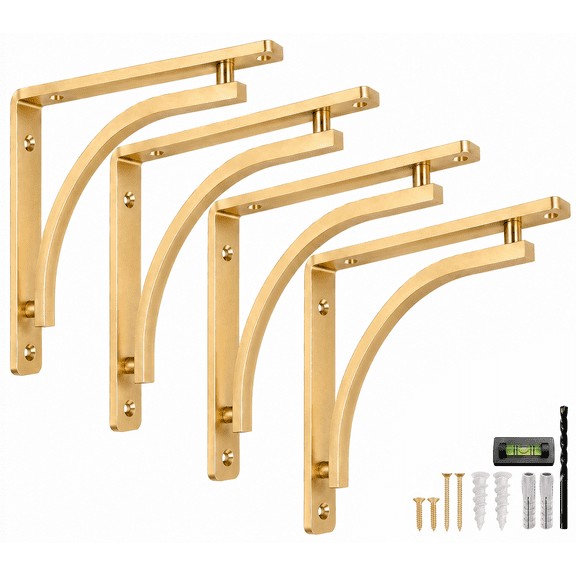


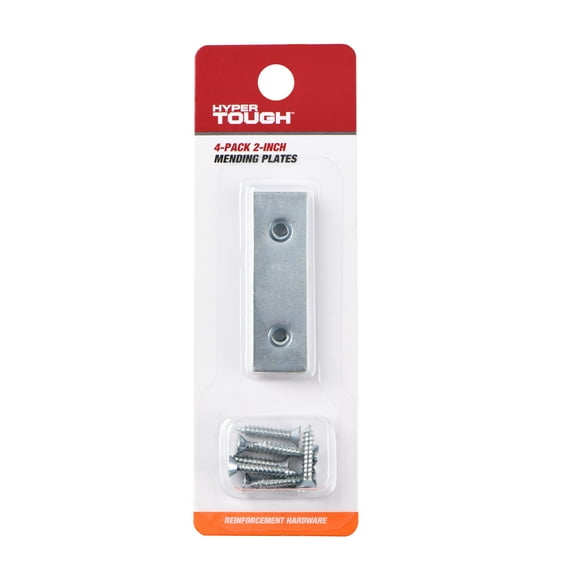

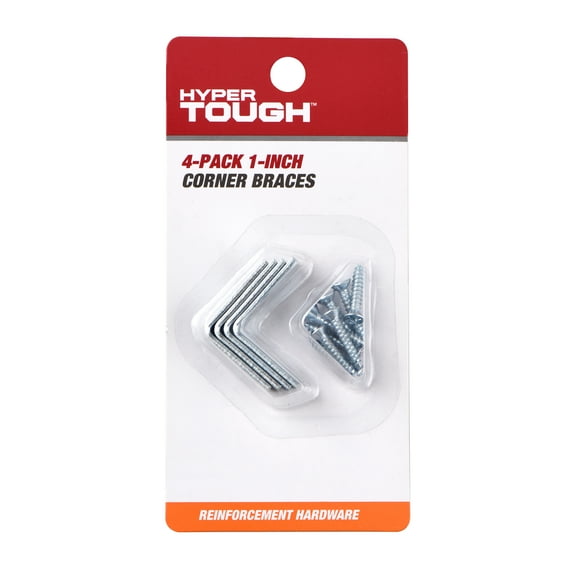
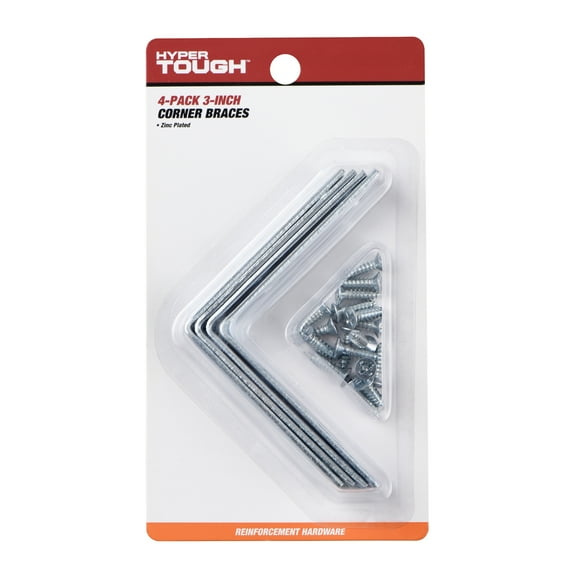
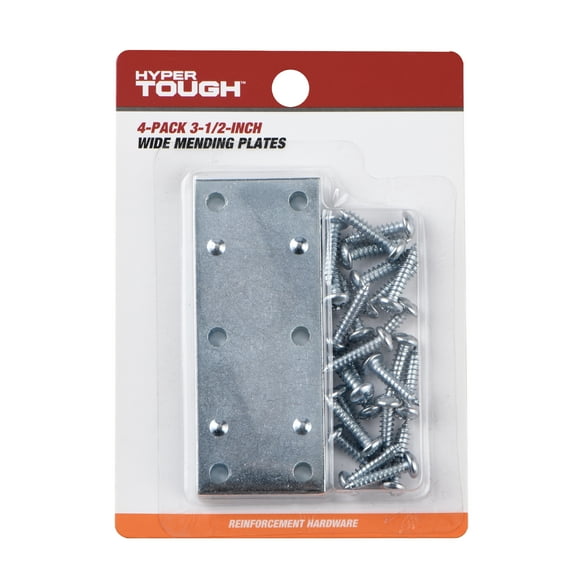


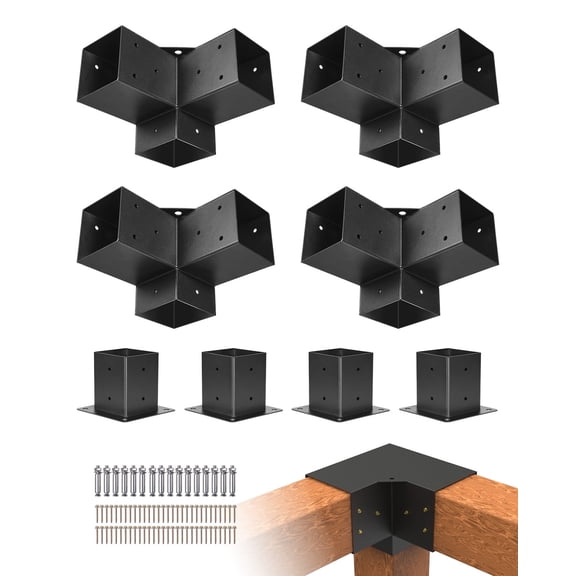
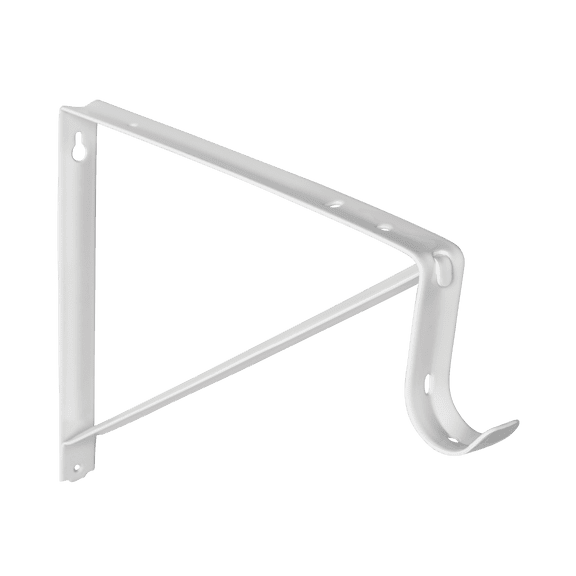
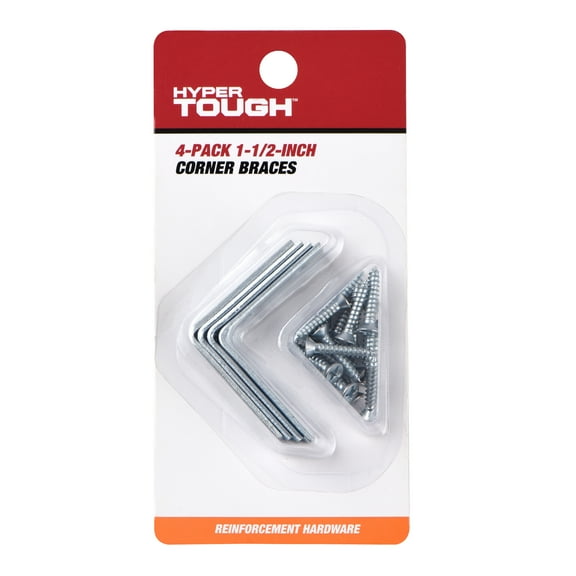

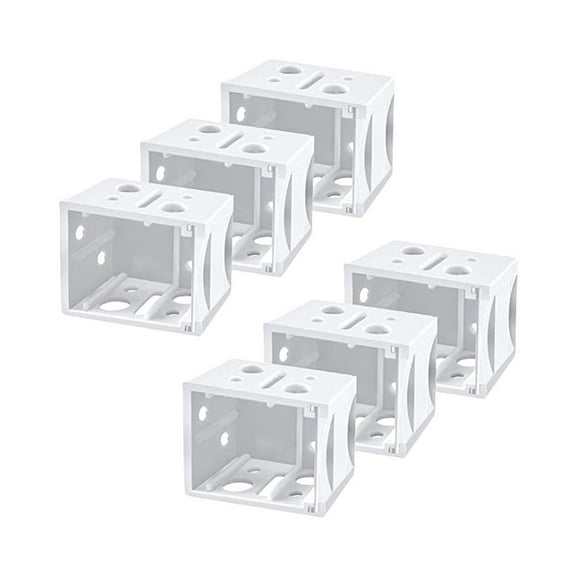
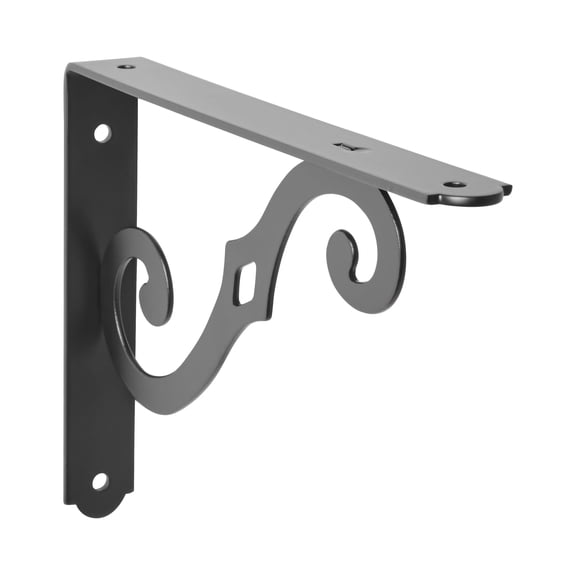


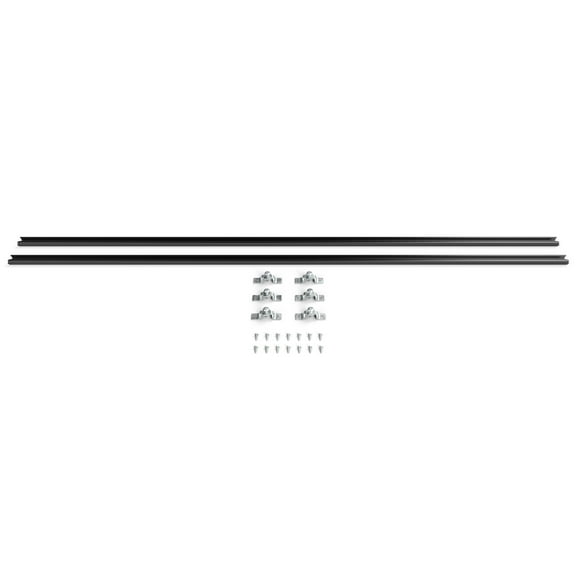

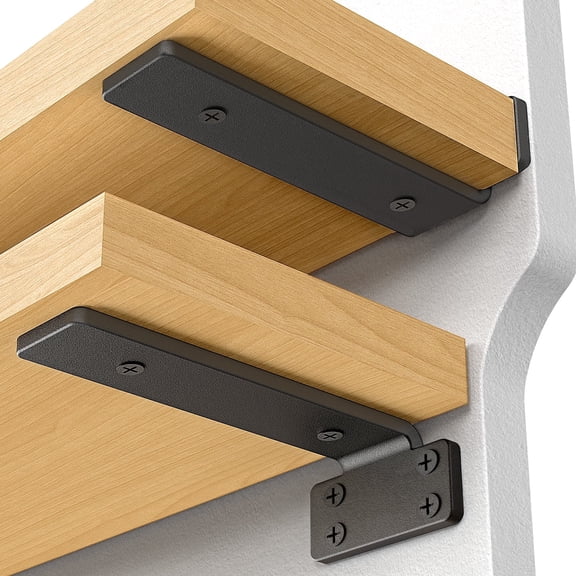






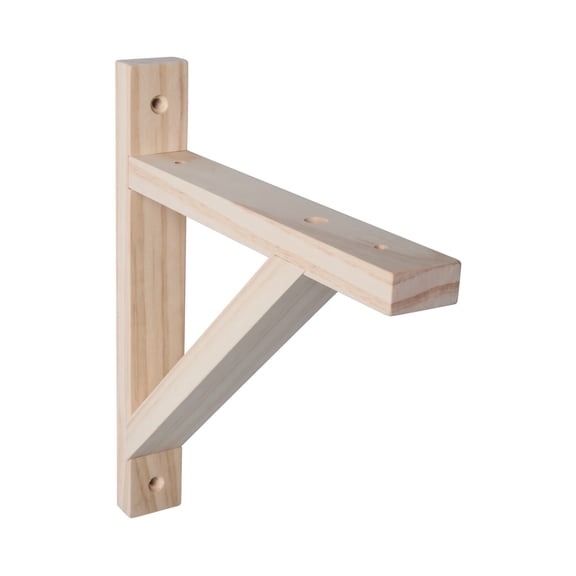
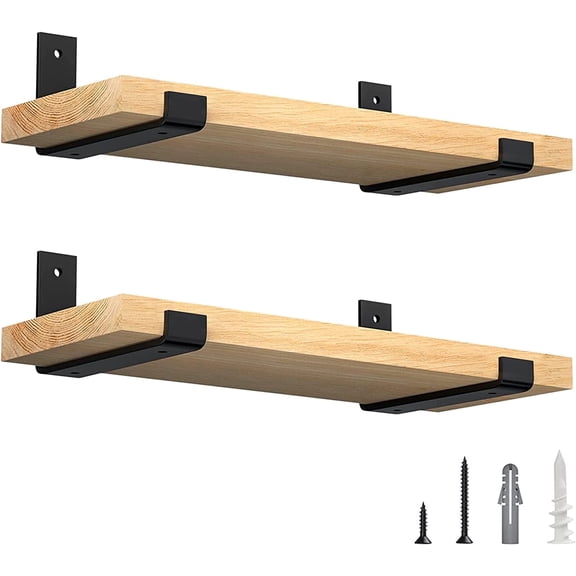

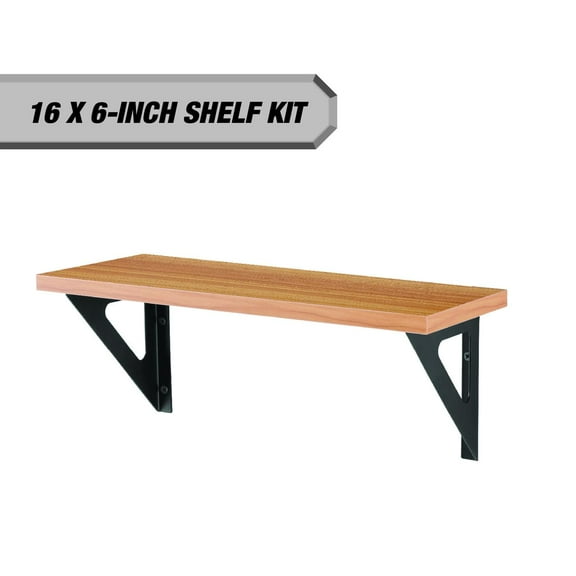
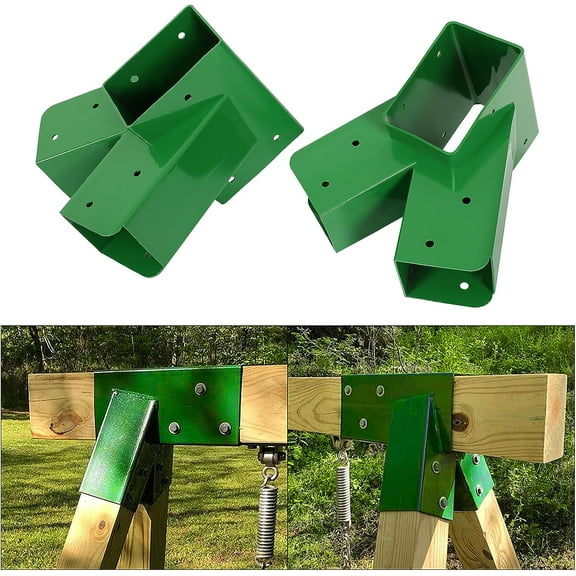
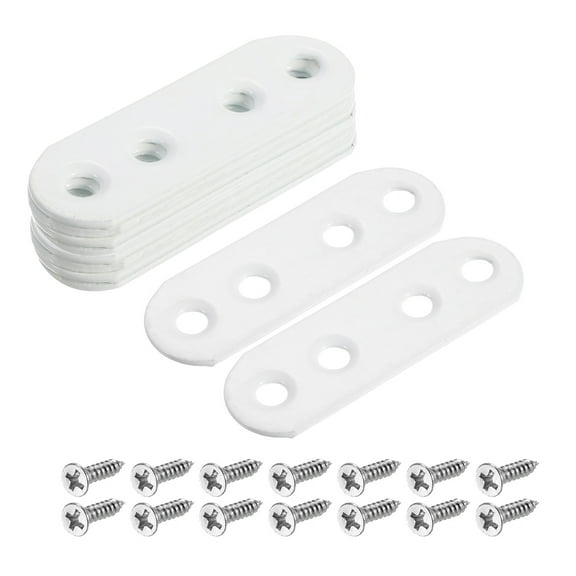
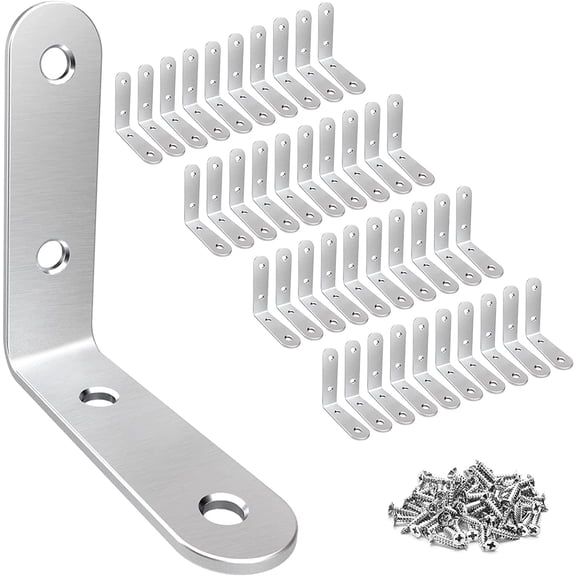
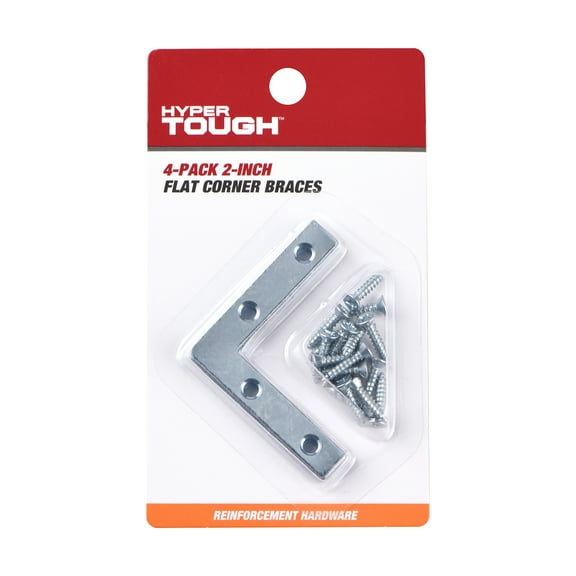
About Brackets and Angle Irons in Hardware - Walmart.com
Brackets and angle irons help you build steadier shelves, tighter corners, and cleaner repairs across wood, drywall, and framing projects. You can compare shapes, materials, and load ratings here, so your hardware fits the job instead of forcing a workaround.
If you're replacing worn supports or starting a new install, you need parts that match your measurements and mounting surface. You can narrow your choices faster when you know how L-brackets, corner braces, and flat mending plates differ.
How to choose brackets and angle irons
When you compare brackets and angle irons, you should start with the joint you need to support. You can use angle irons for longer runs, while corner braces help you reinforce 90-degree connections.
For simple repairs, you may want flat mending plates that bridge a crack or seam without adding a corner. If you're building shelving or furniture, you may prefer metal angle brackets that sit neatly inside corners.
- You can reinforce shelf corners with L-brackets that hold two surfaces at a right angle.
- You can stabilize frames and workbenches with angle irons that span longer edges.
- You can repair split boards or flat joints with mending plates and other joint fasteners.
- You can match indoor or outdoor spaces by comparing stainless steel, zinc plated steel, brass, and cast iron finishes.
Load capacity matters early in your search because your project determines how much support you need. You should compare light duty, medium duty, and heavy duty L brackets before you choose a size.
If you're mounting a decorative corner, you may only need a lighter support piece with a smaller profile. If you're supporting a utility shelf, you should check weight rating and steel gauge for stronger reinforcement.
Choosing material and finish
You should match the material to your space because moisture, wear, and appearance all affect your choice. You can use stainless steel in damp areas, while zinc plated steel works well for many indoor projects.
If your bracket will show, you may want brass or cast iron for a more finished look. You can coordinate visible hardware with hinges, pulls, and nearby metal accents for a cleaner result.
For garages, laundry spaces, and covered outdoor spots, you should consider corrosion resistance before you buy. You can reduce replacement hassles when you choose a finish that fits the environment.
When you compare metal angle brackets, you should also look at edge shape and surface finish. You can get a neater fit when smooth edges and an even coating sit flush against wood or wall surfaces.
Selecting the right size and load capacity
You should measure length, width, and leg depth before you pick your hardware. You can avoid alignment issues when your bracket dimensions match the boards, studs, or panels you're joining.
Hole spacing is another key detail because your screws need to land where the material can support them. You should check whether the hole pattern lines up with your shelf, frame, or stud placement.
Screw size compatibility also affects how secure your installation feels once it's mounted. You can compare hole diameter with your planned fasteners, so your screws sit correctly without extra shifting.
If you're handling shelving support or structural framing, you should compare steel gauge along with weight rating. You can often use thicker metal for tougher jobs that need less flex under load.
For lighter décor installs, you may want a smaller corner brace that stays less visible. For workshop benches or storage supports, you may lean toward heavy duty L brackets with a broader footprint.
Matching bracket types to your project
You can use L-brackets for shelving support, cabinet corners, and furniture assembly where two surfaces meet cleanly. You may choose corner braces when you want compact reinforcement inside a square frame.
Angle irons work well when you need added strength along a longer section or edge. You can use them in structural framing, bench supports, and utility builds that need a more rigid connection.
Flat mending plates fit wood jointing projects where the repair sits on one plane instead of a corner. You can use these joint fasteners to reconnect cracked boards, straighten seams, or reinforce flat joints.
For drywall mounting, you should look closely at the wall material and the fasteners you plan to use. You can pair your bracket choice with anchors, wood screws, or structural connectors for a more compatible install.
If appearance matters, you may want a finish that blends into visible furniture or exposed shelving. If function leads your project, you may focus first on size, load rating, and mounting layout.
What to look for before installation
You should confirm your measurements twice before you install, especially around corners, stud spacing, and shelf depth. You can prevent return trips when your bracket width and hole pattern match your plan.
It also helps to compare the number of mounting holes and the space around each one. You can get a steadier fit when your screws have room to seat evenly without crowding the edge.
For a smoother project, you may also want related hardware ready before you start. You can complete many installs more easily with wood screws, drywall anchors, and the right hand tools nearby.
When you choose the right brackets and angle irons, you give your project cleaner alignment and stronger support from the start. You can finish repairs, shelving, and framing work with hardware that matches your dimensions, material, and load needs.