

Auto & Tires

Vehicle maintenance




Tire brands













Auto services

















Automotive pros










About Auto & Tires - Walmart.com
Keep your car rolling with automotive tires and parts
With the right equipment and the proper care, you can keep your car running like new for many years. Walmart carries the tires, oils, fluids, and auto parts and accessories you need to stay on the road without worry. Plus, auto tools make it easy to find the right products for your car. With Walmart's convenient, affordable auto services, you can get your car serviced while you shop.
Car and truck tires
If you're looking for tires for your car or truck, be sure to pick out a set that's right for your vehicle and driving conditions. For the optimal performance at all times, consider buying tires for the worst weather and driving conditions you're likely to encounter in a specific season, and use Walmart's Tire Finder to select the right size for your vehicle. It's a good idea to get multiple sets of tires for different seasons if you live in an area with extreme weather conditions.
Winter tires
Winter tires are made with a softer compound and feature more rubber than summer tires. They need to stay soft and flexible so they can grip the road better, even in colder conditions. When the temperature hits 44 degrees Fahrenheit, summer and all-season tires become hard and lose their effectiveness. Look for winter tires for better traction and safer handling in the cold months.
Lawn and tractor tires
When it comes to lawn and tractor tires, there are three main kinds to choose from:
Turf tires are the least aggressive of the three styles and are meant primarily for mowing your yard.
Worksite (also known as R4) tires are used on hard surfaces like asphalt, concrete, and gravel. They're a bit wider so they distribute the weight they re carrying more evenly, which means less stress on the tire but also less traction. They're best used in dry conditions.
Agriculture tires are the most aggressive of the three, providing better traction for soft fields and loose dirt. They're recommended for working in the snow, mud, and general farm use.
Trailer tires
Trailer tires aren't like car and truck tires. They don't need to be steered and aren't connected to complex suspension, steering, and braking systems. Don't use car and truck tires on a trailer; it's a safety hazard. Instead, look for Special Trailer (ST) tires. They provide a heavy-duty load capacity, and the stiff sidewalls help to prevent your vehicle from swaying. Also, they're designed for trailer wheels, which are typically narrower than the wheels on a car.
ATV tires
The first step to choosing the right ATV tire is knowing the type of terrain you'll be riding on.
All-purpose tires are good for year-round riding in "non-extreme" conditions. If you're going to be riding around in yards and woods and other normal terrain, this is the tire for you.
Sand tires are probably the most recognizable ATV tires. The rear tires look like paddles and the front tires provide a rib down the middles or sides to assist with steering. You won't get far on the sand without these.
Mud tires have deep, thick lugs to offer traction and support in extreme mud conditions.
There are also motocross tires, offering traction and speed for dirt race tracks with jumps. Off-road tires are great for everything from mountainous terrain to racing across a wide-open desert.
Golf cart tires
If you have your own golf cart, you'll eventually need to get new tires, especially if you play a lot of golf. Modern golf cart tires are tubeless and come in a variety of sizes and tread patterns. Standard golf cart tires measure 18-inches tall (outer diameter) by 8.5-inches wide (across the tread) by 8-inches at the bead (inner diameter). They're designated as NHS, which means "non-highway service," and aren't designed to withstand heavy loads or high speeds.
Tire accessories
Walmart makes it easy to shop for motor oil, transmission fluid, and car lubricants too. When choosing motor oil, be sure to consult your car's owner's manual for specifications and choose the best viscosity for your conditions. Low-viscosity oil is good for easier starts in cold weather, while high-viscosity oil is good for higher temperatures and maintaining proper oil pressure under loads.
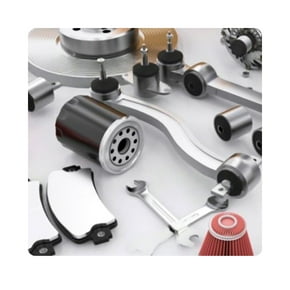
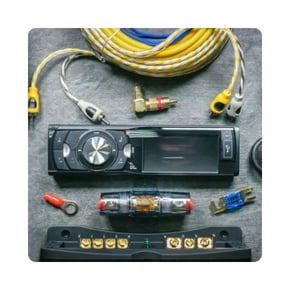
Walmart also carries car batteries, replacement parts, interior and exterior car accessories, and everything you need for auto detailing and car care, from auto paint to car wax and polish. Be sure to shop for car safety and security devices for that extra peace of mind so you can save money and live better.
Related Links
- All Auto Deals
- Tires Deals
- Batteries and Accessories Deals
- Oils and Filters Deals
- Wheels Deals
- Car Care Deals
- Auto Electronics Deals
- Interior Accessories Deals
- Tools & Equipment Deals
- RV Parts Deals
- Exterior Accessories Deals
- Truck & Jeep Accessories Deals
- Powersports Deals
- Undercar Parts Deals
- Underhood Parts Deals
- Universal Auto Accessories Deals
- Windshield Wipers Deals
- All Replacement Auto Parts
- Air Intake and Fuel Delivery
- Batteries and Accessories
- Belts and Hoses
- Body and Paint
- Brakes & Brake Parts
- Charging and Starting Systems
- Engine Cooling
- Engine Management
- Engine Parts
- Exhaust Parts & Emissions Parts
- Exterior Car Parts & Accessories
- Filters
- Fuses, Fuse Blocks & Fuse Boxes
- Gaskets
- Heating and Cooling
- Ignition and Tune Up
- Interior Parts & Accessories
- Lighting
- Performance Parts
- Steering Parts
- Suspension Parts
- Transmission & Driveline
- Windshield Wiper Blades
- Parts by Vehicle Model
- Cold Air Intakes
- Intake Manifolds
- Auto Air Filters
- Cabin Air Filters
- Fuel Filters
- Oil Filters
- Alternators
- Starters
- Brake Calipers
- Brake Hoses
- Brake Pads
- Brake Rotors
- Timing Belts
- V-Belts
- Serpentine Belts
- Car Belts
- Heater Hoses
- Coolant Hoses
- Radiator Hoses
- Car Hoses
- Car Headlights
- LED Headlights
- Tail Lights
- Tail Light Assemblies
- CV Axles
- Differentials
- Driveshaft Universal Joints
- Carburetors
- Distributors
- Fuel Pumps
- Ignition Coils
- Spark Plugs
- Spark Plug Wires
- Superchargers
- Engine, Ignition & Fuel
- Catalytic Converters
- Exhaust Pipes
- Exhaust Systems
- Exhaust Tips
- Mufflers
- Blower Motors
- Radiators
- Water Pumps
- Center Links
- Drag Links
- Power Steering Pumps
- Rack and Pinions
- Tie Rod Ends
- Ball Joints
- Lift Kits
- Shocks
- Struts
- Sway Bars
- Headlights
- All Batteries and Accessories
- 12 Volt Batteries
- AGM Batteries
- ATV Batteries
- Batteries by Vehicle Make
- Car Batteries
- Deep Cycle Batteries
- Electric Scooter Batteries
- EverStart Batteries
- Golf Cart Batteries
- Lawn Mower Batteries
- Marine Batteries
- Mobility Scooter Batteries
- Motorcycle Batteries
- Powersports Batteries
- RV Batteries
- Tractor Batteries
- Truck Batteries
- ATV Parts & Accessories
- Dirt Bike Parts & Accessories
- Forklift Parts
- Go Karts Parts & Accessories
- Golf Cart Parts & Accessories
- Jeep Parts & Accessories
- Marine Parts & Accessories
- Mini Bike Parts & Accessories
- Moped Parts & Accessories
- Motorcycle Parts & Accessories
- RV Parts & Accessories
- Snowmobile Parts & Accessories
- Tractor Parts & Accessories
- Truck Parts & Accessories
- UTV Parts & Accessories
- Shop By Model
- All Oils and Fluids
- Bulk Motor Oil
- Marine Oils
- Motor Oil
- Motorcycle Oil
- Synthetic Motor Oil
- UTV / ATV Oils & Fluids
- Oil Change Tools & Accessories
- Oil Changes at Auto Care Centers
- Enterprise B2B Bulk Motor Oil
- 0W-20 Oil
- 0W-20 Synthetic Oil
- 5W-20 Oil
- 5W-30 Oil
- 5W-30 Synthetic Oil
- Diesel Motor Oil
- Funnels
- Oil Filter Wrenches
- Oil Drain Pans
- AC Chemicals and Refrigerants
- Additives
- Antifreeze & Coolants
- Automotive Fluids
- Automotive Greases
- Automotive Oils
- Brake Cleaners
- Brake Fluids
- Gasket Sealers
- Engine Cleaners
- Power Steering Fluids
- Starting Fluids
- Transmission Additives
- Transmission Fluids
- Windshield Washer Fluids
- A/C Charging
- R-134A Refrigerant
- Fuel Injector Cleaners
- Fuel Stabilizers
- Octane Boosters
- Brake Grease
- Carburetor Cleaners
- All Tires
- All Season Tires
- ATV Tires
- Buy Tires & Schedule Installation
- Car Tires
- Commercial Truck Tires
- Crosswind Tires
- Douglas Tires
- Golf Cart Tires
- Hankook Tires
- Kumho Tires
- Lawn Mower Tires
- Motorcycle Tires
- Motor Home Tires
- Performance Tires
- Racing Tires
- Snow Tires
- Specialty Tires
- Summer Tires
- SUV Tires
- Tire and Wheel Accessories
- Tires at Auto Care Centers
- Tire Type
- Tires By Vehicle
- Tires By Brand
- Tractor Tires
- Trailer Tires
- Truck Tires
- Toyo Tires
- Uniroyal Tires
- Vercelli Tires
- Yokohama Tires
- Whitewall Tires
- All Wheels and Rims
- Aftermarket & Performance Wheels and Rims
- ATV Wheels and Rims
- Hubcaps
- Jeep Wheels and Rims
- OEM Wheels and Rims
- Off-Road Wheels and Rims
- Offset Wheels and Rims
- Trailer Wheels and Rims
- Truck Wheels and Rims
- Wheels and Rims by Brand
- Wheels and Rims by Color
- Wheels and Rims by Material
- Wheels and Rims by Size
- Wheel Accessories
- Wheel Savings
- ATV Wheels
- 16 Inch Rims
- 17 Inch Rims
- 18 Inch Rims
- 19 Inch Rims
- 20 Inch Rims
- 22 Inch Rims
- 24 Inch Rims
- 26 Inch Rims
- Black Rims
- Chrome Rims
- White Wheels
- Alloy Wheels
- Aluminum Wheels
- Forged Wheels
- Steel Wheels
- Lug Nuts
- Wheel Covers
- All Auto Detailing & Car Care
- Car Air Fresheners
- Car Detailing Accessories
- Car Detailing Brands
- Car Sealants
- Car Polish
- Car Soap
- Car Wash Kits
- Car Wash Supplies
- Car Wax
- Clay Bar
- Exterior Car Detailing
- Glass Cleaner
- Headlight Restoration
- Interior Car Detailing
- Microfiber Car Towels
- Pressure Washers
- Tire Shine
- Wheel Cleaner
- Car Upholstery Cleaner
- Car Leather Cleaner
- Car Interior Cleaner
- Car Carpet Cleaner
- Waterless Car Wash
- Car Shampoo
- Bug & Tar Remover
- Car Wash
- Armor All
- Archoil
- Auto Drive
- BF Goodrich
- Bridgestone
- Carlisle
- Castrol
- Chemical Guys
- Continental
- Cooper Tires
- Detroit Axle
- Dorman
- Douglas Tires
- EverStart
- Falken Tires
- Firestone
- Fram
- General Tire
- Goodyear Tires
- Hankook Tires
- Hyper Tough
- Kenwood
- Mastercraft
- Meguiar's
- Michelin
- Mickey Thompson
- Mobil 1
- Nitto
- Noco
- Pennzoil
- Pioneer
- Pirelli
- Rain-X
- Starfire
- SuperTech
- Tyger Auto
- Valvoline
- WeatherTech
- Tires By Size
- 195/65R15 Tires
- 205/55R16 Tires
- 205/65R15 Tires
- 205/65R16 Tires
- 205/75R14 Tires
- 205/75R15 Tires
- 215/45R17 Tires
- 215/55R17 Tires
- 215/60R16 Tires
- 225/40R18 Tires
- 225/45R17 Tires
- 225/45R18 Tires
- 225/50R17 Tires
- 225/55R17 Tires
- 225/60R16 Tires
- 225/60R17 Tires
- 225/60R18 Tires
- 225/65R17 Tires
- 225/75R15 Tires
- 235/40R19 Tires
- 235/45R18 Tires
- 235/50R18 Tires
- 235/55R17 Tires
- 235/55R18 Tires
- 235/55R19 Tires
- 235/60R18 Tires
- 235/65R17 Tires
- 235/65R18 Tires
- 235/70R16 Tires
- 235/75R15 Tires
- 235/85R16 Tires
- 245/40R18 Tires
- 245/40R19 Tires
- 245/45R18 Tires
- 245/45R20 Tires
- 245/60R18 Tires
- 245/65R17 Tires
- 245/70R17 Tires
- 245/75R16 Tires
- 255/75R17 Tires
- 265/50R20 Tires
- 265/60R18 Tires
- 265/65R17 Tires
- 265/65R18 Tires
- 265/70R16 Tires
- 265/70R17 Tires
- 265/75R16 Tires
- 275/55R20 Tires
- 275/60R20 Tires