

EverStart
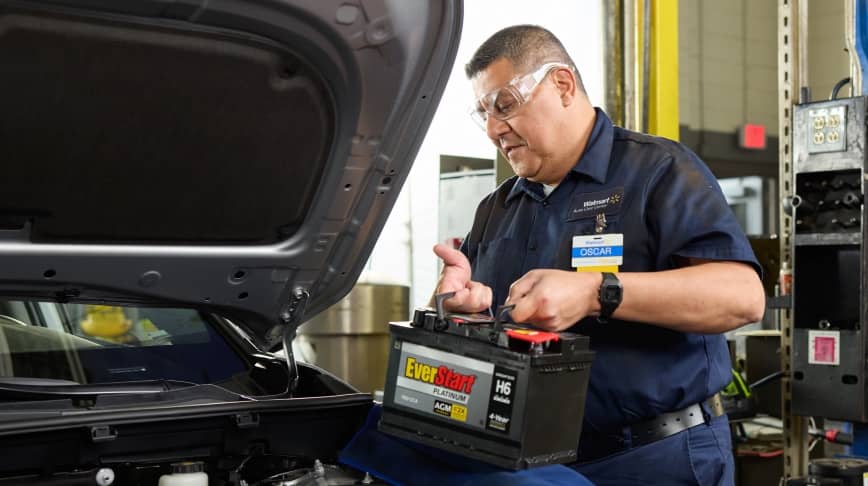
Batteries by vehicle



Batteries by type
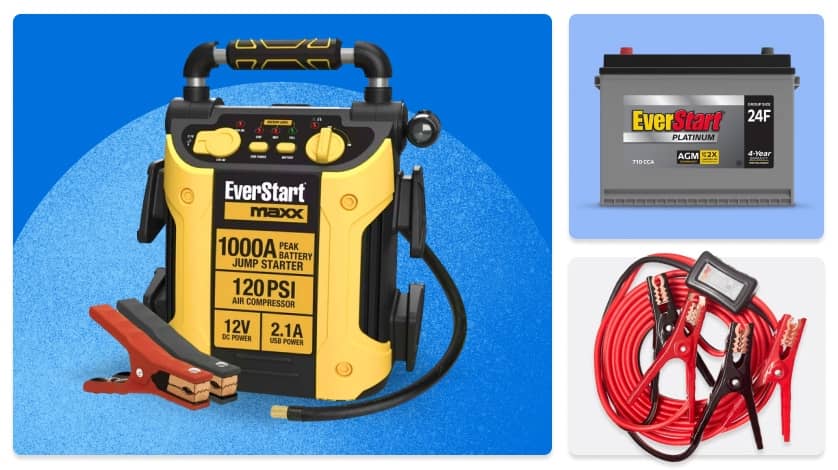
Power up with EverStart
FAQ
About EverStart - Walmart.com
EverStart helps you power daily driving, weekend towing, and seasonal equipment with battery choices built for automotive, marine, powersports, and lawn use. You can compare fit, chemistry, and warranty details in one place, which makes your next replacement simpler.
If you’re researching ever start options, you’ll find clear paths for vehicle compatibility and support questions here. You can also use this page as your EverStart battery website hub for warranty lookup, category guidance, and battery selection.
How to choose the right EverStart battery
You should start with battery type, because your vehicle or equipment needs a specific design. You can compare automotive, marine, powersports, and lawn and garden options based on starting demands and operating conditions.
For your car, truck, or SUV, you may want an EverStart battery with the right group size and cold cranking amps. For your boat, you should check whether your setup needs starting power, cycling support, or both.
On your motorcycle, ATV, or UTV, you may prefer a compact powersports battery that fits tight battery boxes. For your mower or tractor, you can look for lawn and garden formats made for seasonal starts.
- You can match your battery type to your vehicle category for a cleaner fitment process.
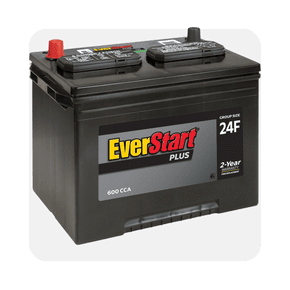
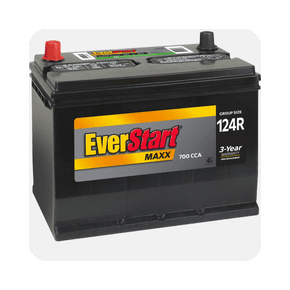
- You can compare group sizes like Group 24, Group 35, Group 65, and Group H6.
- You can review warranty tiers such as Maxx, Plus, and Standard before you choose.
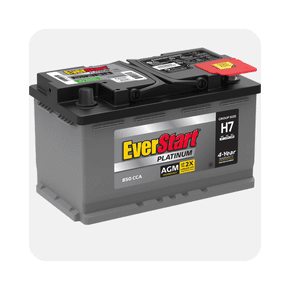
- You can check whether lead-acid or AGM fits your maintenance preferences.
Choosing EverStart battery features that matter
You should confirm your group size first, because the wrong case size can affect fit and terminal reach. You can often narrow choices by checking your current battery label or your owner materials.
You should also compare terminal configuration, because your cables need the correct position and layout. You can avoid installation frustration when your posts line up with your vehicle connections.
Cold cranking amps matter when you need dependable starts in colder weather. You can use higher starting output for vehicles with stronger starting demands, larger engines, or winter use.
When you compare chemistry, you may choose lead-acid for familiar replacement needs and broad fitment. You may choose AGM when you want spill-resistant construction, vibration support, and maintenance-free convenience.
You can also compare warranty tiers in practical terms. Maxx, Plus, and Standard tiers help you weigh coverage length, intended use, and replacement expectations for your vehicle category.
Understanding EverStart battery warranty and support
You may search for EverStart battery warranty details before you buy or after installation. You can use warranty information to confirm coverage timing, product line, and the next steps for support.
If you need an EverStart warranty check, you should gather your purchase details and battery information first. You can then review your receipt, packaging, or battery label to confirm the model and purchase timing.
For an EverStart battery warranty check online, you may begin with your Walmart account history when your purchase appears there. You can also use your battery details to prepare for in-store assistance if your order history isn’t available.
If you’re researching an EverStart battery warranty claim, you should locate the battery label and any serial information. You can bring that information to a Walmart store, where associates can help review your next steps.
You may also look for EverStart battery warranty lookup or EverStart battery warranty check terms when you need fast answers. You can use this page to understand the process before you head to a store.
How to read fitment and serial details
You should check your battery label for group size, product line, and other fit clues before you replace it. You can compare those details with your vehicle requirements for a more accurate match.
If you need EverStart serial number lookup guidance, you should start by finding the printed code on the battery case or label. You can use that code, along with your receipt, when you ask for warranty support.
You may also see shoppers search EverStart Maxx battery warranty or EverStart Maxx warranty when they own that tier. You can use the same preparation steps for Maxx, Plus, or Standard lines before visiting a store.
Using EverStart batteries for real vehicles and equipment
You can use automotive options for commuting vehicles, family SUVs, work trucks, and vehicles with frequent stop-and-start routines. You should compare group size, terminal layout, and starting output before you replace your current battery.
For your boat, you can look at marine choices when you need power for engine starts and time on the water. You should check fit, reserve needs, and operating style before you choose a battery type.
For your ATV, motorcycle, or side-by-side, you can focus on compact powersports sizes and vibration-ready construction. You should verify case dimensions and terminal placement, because space is often limited.
When you’re replacing a mower or tractor battery, you can review lawn and garden formats for seasonal equipment needs. You should consider storage habits, maintenance preferences, and fitment details before installation.
If you’re wondering who sells EverStart batteries, you can find them at Walmart with category guidance in one place. You can compare battery types and warranty paths without jumping between separate resources.
With EverStart, you can narrow your options by battery type, warranty tier, group size, and chemistry. You can move forward with clearer fitment details and a simpler warranty process for your next replacement.