







SuperTech
Shop by Product
Save with SuperTech

Shop Motor oil


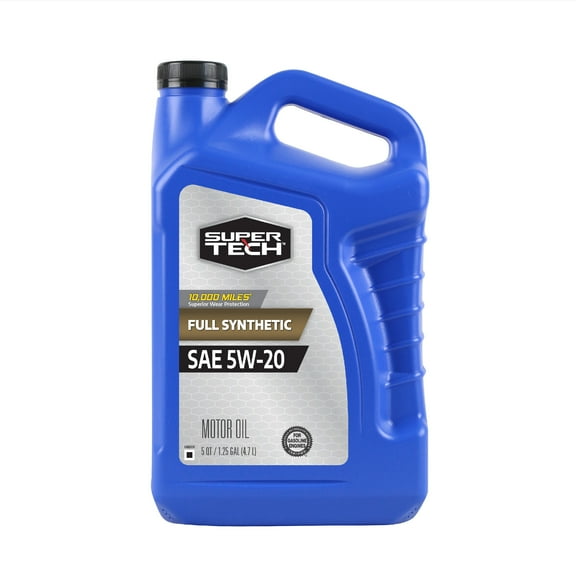
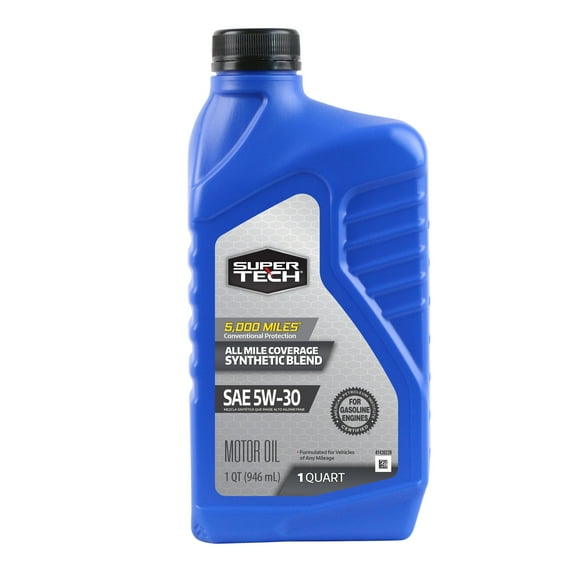
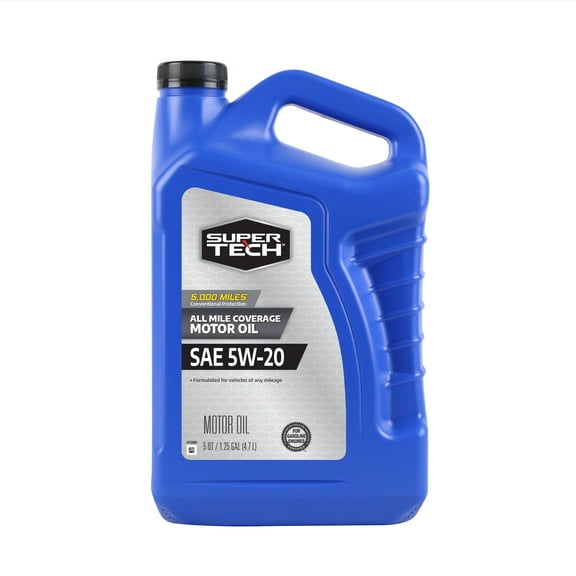

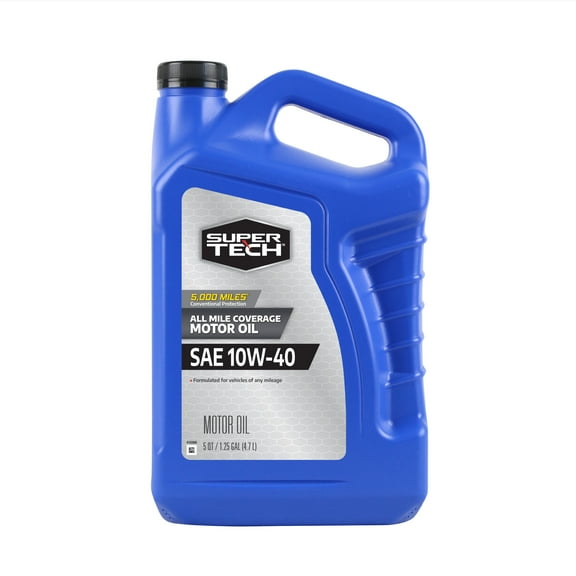
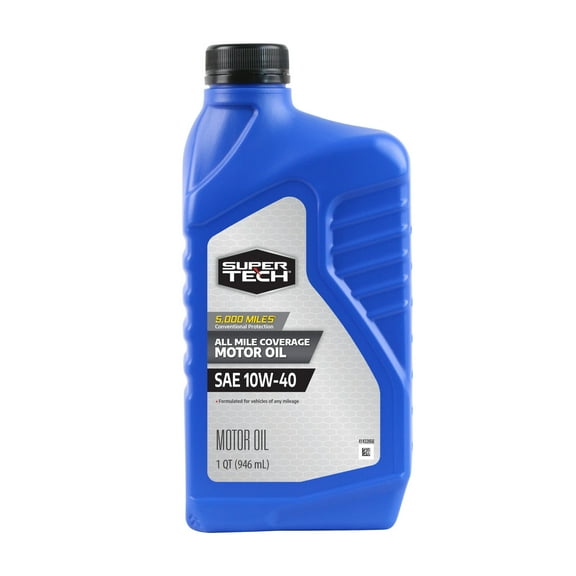
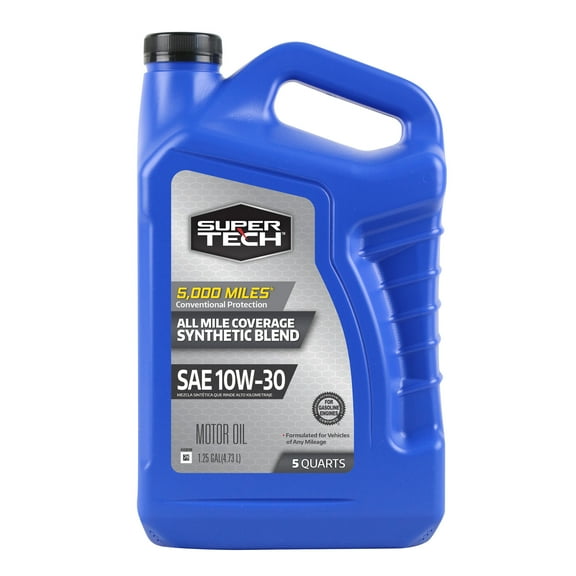

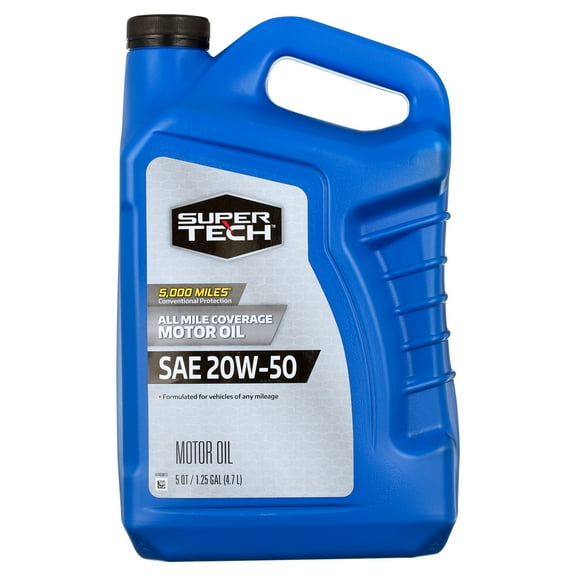

FAQ
About SuperTech - Walmart.com
Supertech helps you maintain your vehicle with filters, motor oil, and fluids for routine service needs. You can use this page to compare product types, check fitment details, and narrow options by your vehicle.
If you're looking for super tech brand essentials, you'll find paths for oil filters, air filters, cabin filters, motor oil, and antifreeze. You can also use this guide to understand lookup terms before you choose parts for your next maintenance job.
How to choose Supertech products by product type
You should start with the service item your vehicle needs now. Your choice may center on an oil filter, air filter, cabin filter, motor oil, or antifreeze.
When you choose an oil filter, you usually focus on engine oil changes and fitment details. When you choose an air filter or cabin filter, you focus on airflow paths and the part location.
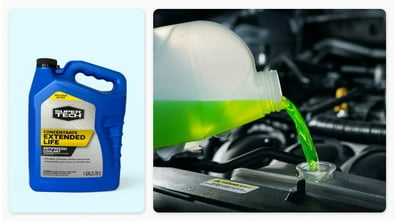
Motor oil choices depend on your owner's manual and your driving conditions. Antifreeze choices depend on your vehicle requirements and the fluid type listed for your cooling system.
- You can match oil filters to routine oil changes and engine-specific fitment details.
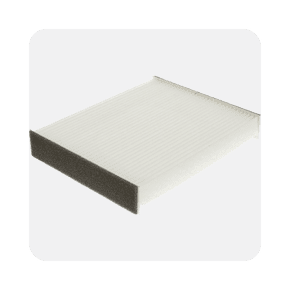
- You can compare air filters and cabin filters by where they install and how often you replace them.
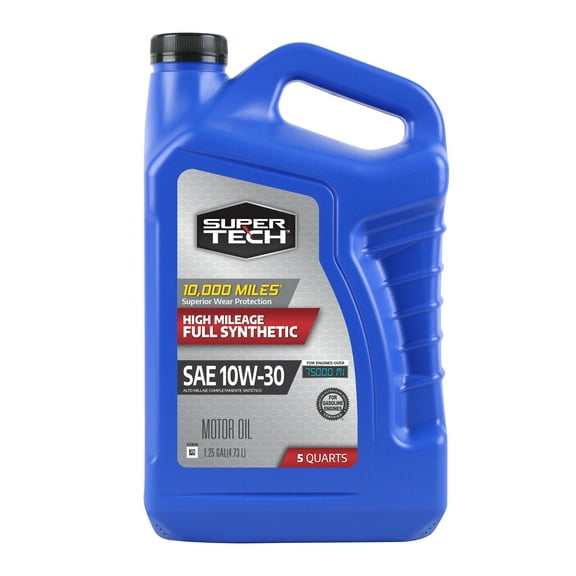
- You can check motor oil by viscosity grade, synthetic type, and container size for your service plan.
- You can review antifreeze options by vehicle requirement and fluid compatibility notes.
You benefit from choosing by product type because your maintenance plan stays organized. You can also avoid mixing unrelated parts when your vehicle needs a specific service item.
As you compare these categories, you can focus on the exact part of your service routine. Your shortlist gets clearer when you separate filters, fluids, and oil before checking specs.
Choosing the right Supertech filter lookup details
You should use your vehicle's make, model, year, and engine type before you select a filter. Your fitment details matter because small specification changes can affect how a part installs.
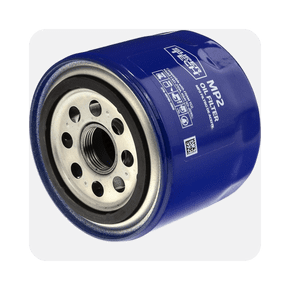
For a supertech oil filter lookup, you should compare thread size, gasket diameter, and bypass valve rating. Those details help you confirm that your filter matches your engine's mounting surface and oil flow needs.
For a supertech air filter lookup by vehicle, you should check the exact engine and trim information. Your air box dimensions and panel shape can change across model years.
If you use a supertech filter finder, you can narrow choices faster and avoid sorting through unrelated sizes. Your lookup process is highly accurate when you enter the full vehicle information from your registration or manual.
You can make filter selection easier when you collect your vehicle details before you search. Your time goes farther when your results already match your car, truck, or SUV.
What to look for in filter materials and service life
You should compare filter media because materials affect how the filter captures debris during normal driving. Your options may include cellulose, synthetic blend, or high-density media.
Cellulose media can suit standard replacement intervals and everyday commutes. Synthetic blend media can support longer service intervals and more varied driving conditions.
High-density media can appeal to you when you want a filter built for extended mileage plans. Your choice should still follow the interval listed for your vehicle and driving routine.
You may also compare mileage ratings, such as 10,000 miles or 20,000 miles, in plain terms. Those ratings help you match a filter to your planned oil change schedule.
When you compare service life, you can match your filter to your driving pattern. Your daily commute, highway use, and seasonal miles all shape the interval you may prefer.
Choosing motor oil by viscosity and formula
You should match motor oil to the SAE viscosity grade listed in your owner's manual. Your vehicle may call for 5W-30, 10W-30, 5W-20, or another approved grade.
When you compare conventional and full synthetic formulas, you should think about your climate and driving habits. Your cold starts, highway miles, and stop-and-go use can influence which formula fits your routine.
You may also check whether the oil meets the API certification noted for your vehicle. That specification gives you a quick way to confirm the oil type aligns with your manual.
If you're comparing supertech products for a multi-vehicle household, you should list each required viscosity first. Your notes can help you choose the right bottle for each engine without confusion.
You can also compare bottle sizes based on how much oil your engine takes. Your service plan becomes simpler when you buy the amount that matches your vehicle capacity.
How to match Supertech options to real maintenance scenarios
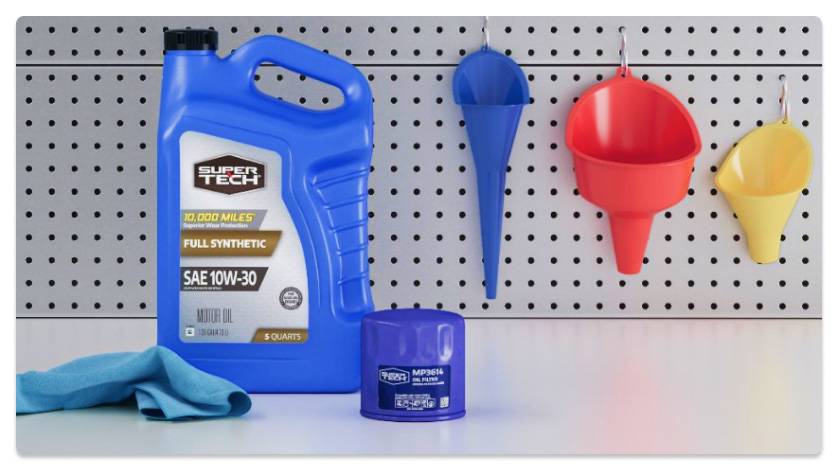
You might need an oil filter and fresh motor oil for a weekend oil change at home. In that case, you should verify fitment first, then confirm the viscosity grade and oil quantity.
You may be replacing an engine air filter during seasonal maintenance. For that job, you should confirm your make, model, year, and engine type before you choose the panel shape.
If you're changing a cabin filter, you should check the exact vehicle application and installation location. Your replacement process may differ depending on whether the filter sits behind the glove box or under the cowl.
You may also be restocking antifreeze for scheduled vehicle care. In that case, you should confirm the required fluid type and compare the container size with your service plan.
When you maintain more than one vehicle, you should keep a simple list of fitment details and fluid specs. Your list can make repeat purchases faster and more accurate across different cars or trucks.
You can also use this page when you want a straightforward replacement part without extra guesswork. Your maintenance routine stays moving when your lookup details and product type line up clearly.
Why this Supertech guide helps you choose with confidence
You can use this Supertech page as a practical guide for product type, fitment, filter media, and oil viscosity. Your maintenance routine gets easier when you start with the right lookup details and clearer part matching.
If you want dependable vehicle upkeep, you should compare specifications before you choose. Your time in the garage goes more smoothly when the filter or fluid fits the first time.