














A5 Binders in Binders & Accessories









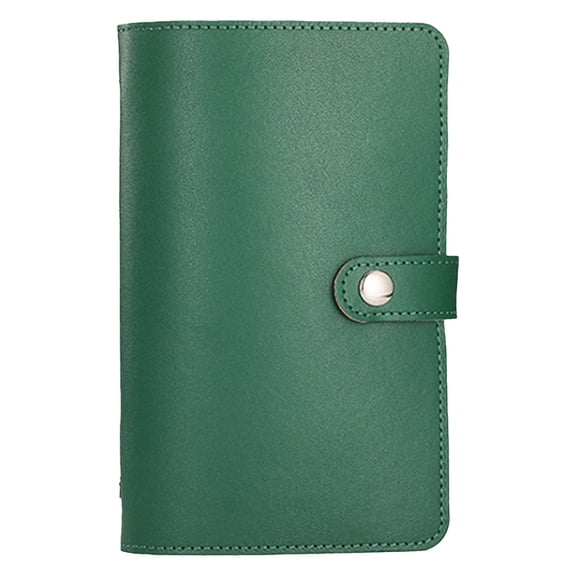


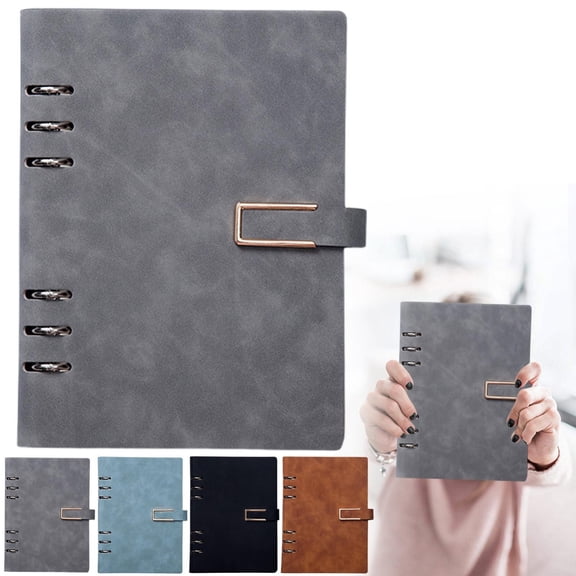


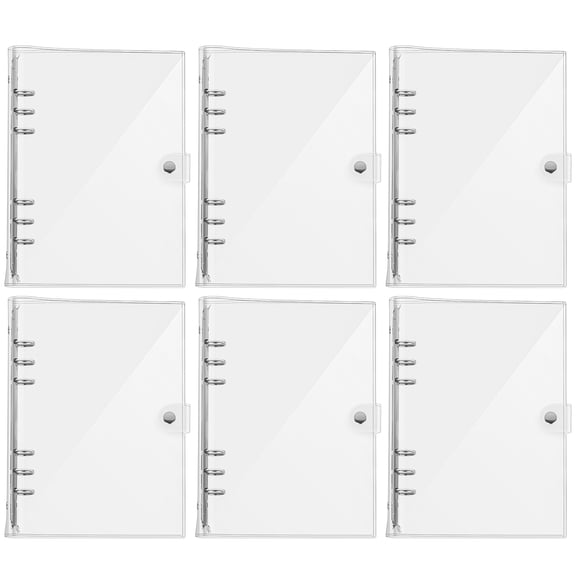


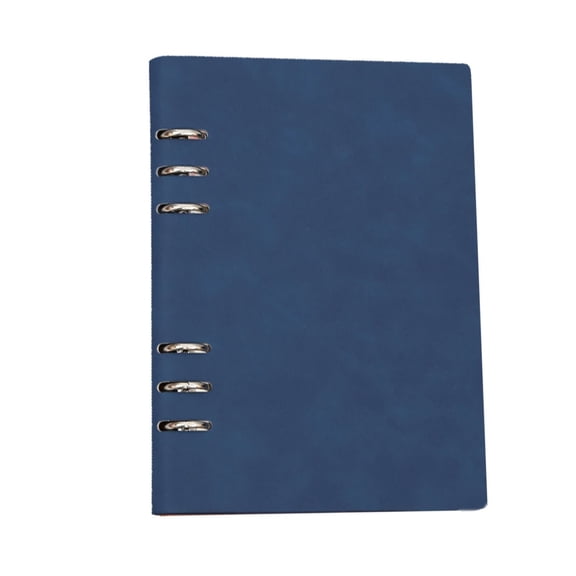
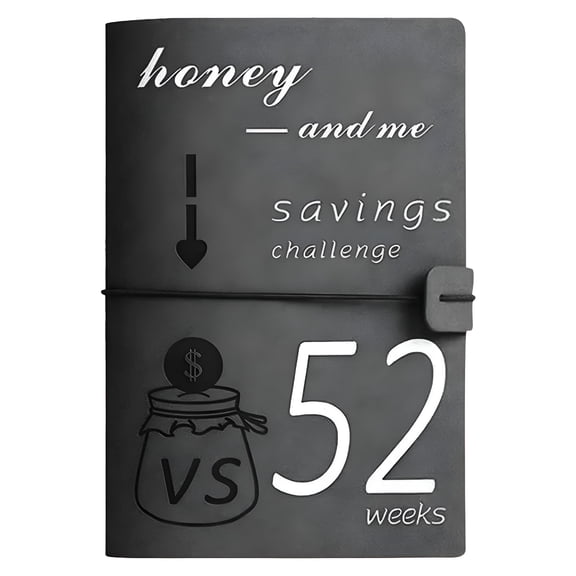
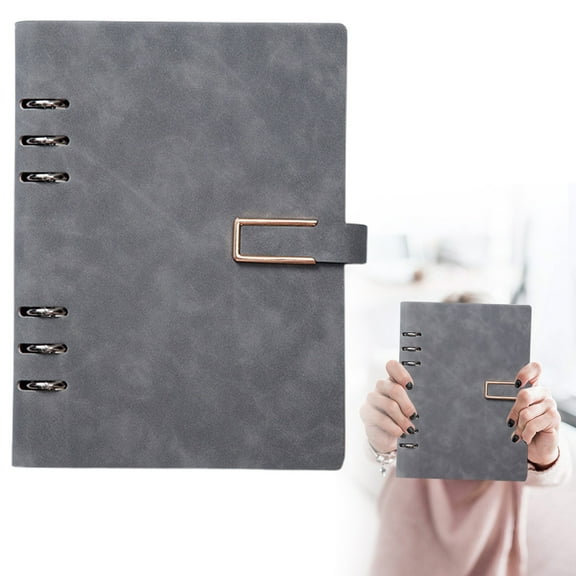


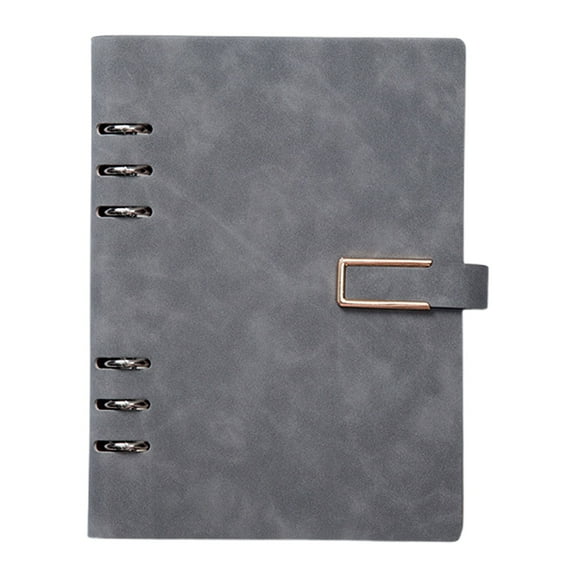
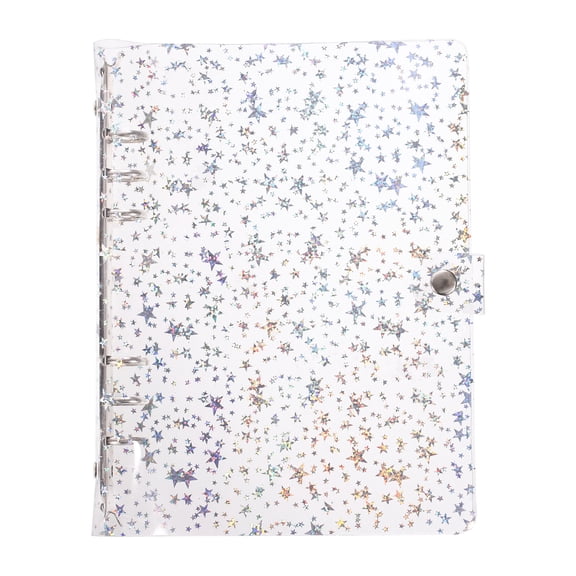






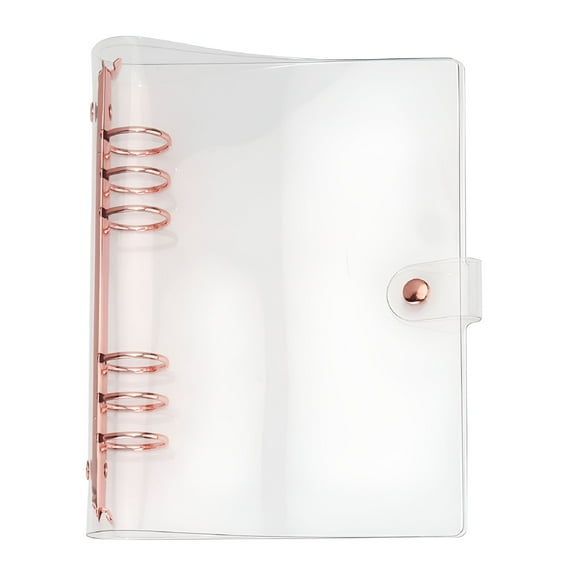
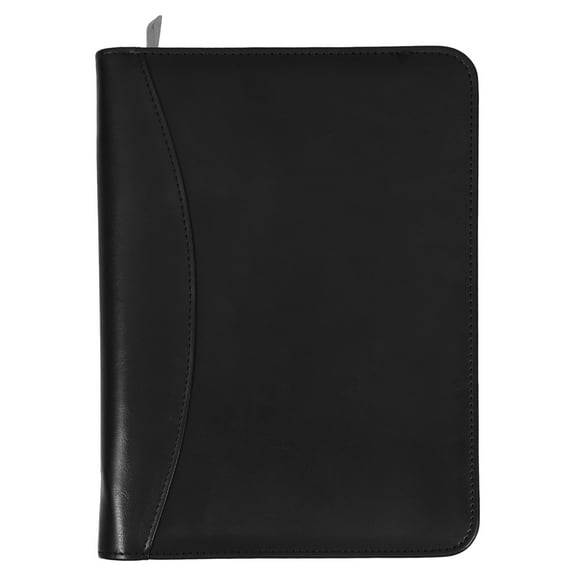
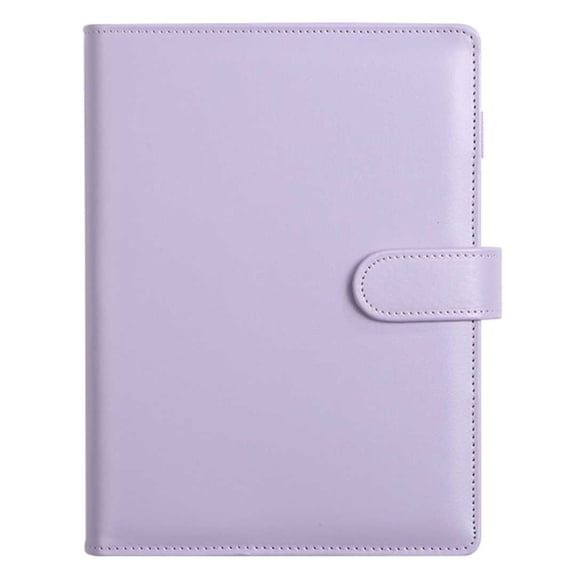


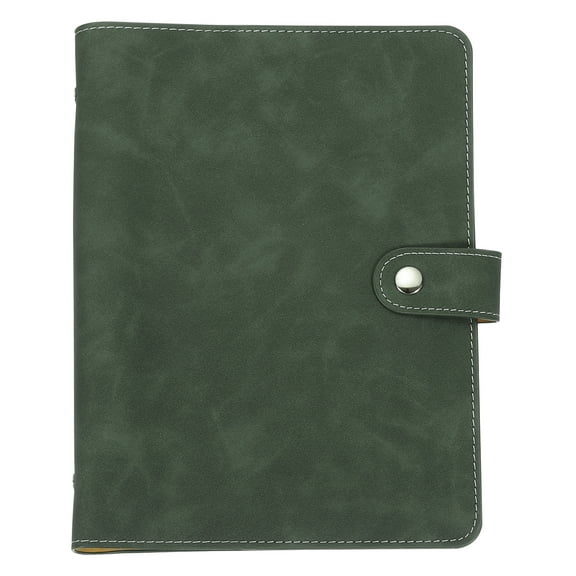




About A5 Binders in Binders & Accessories - Walmart.com
A5 binders give you compact organization that fits daily planning, journaling, and collecting without the bulk of full-size formats. You get a portable setup sized for A5 paper, which is half a standard letter sheet.
If you carry notes between home, school, and work, you’ll notice this format slides into totes and backpacks more easily. You can also sort inserts, sleeves, and dividers without wasting space on oversized covers.
How to choose A5 binders for your routine
When you compare a5 binders, start with how you’ll use them each day. You should measure whether you need a planner, an organizer, or a binder for collectible pages.
For daily planning, you may want slimmer covers that travel easily and open flat on a desk. For journaling, you may prefer room for inserts, dashboards, and tabbed sections.
If you track budgets, you can look for layouts that support envelopes, pockets, and labeled dividers. If you collect photocards, you should check binder depth and sleeve compatibility before you choose.
- You get a compact size that travels more easily than full-size binders.
- You can organize planners, filler paper, sleeves, and dividers in one format.
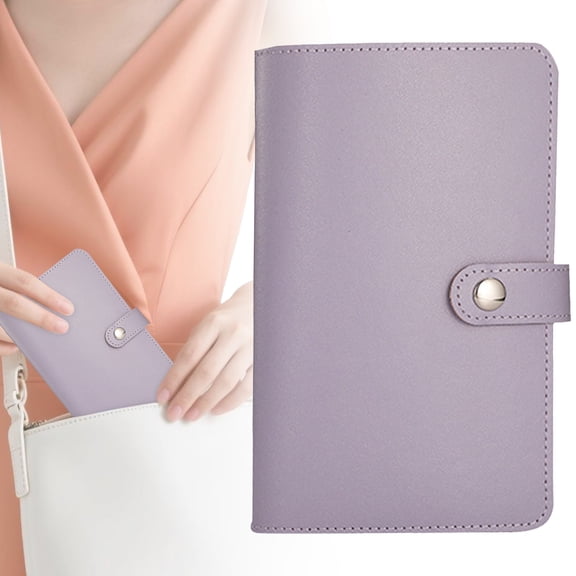
- You may match closures and cover materials to your daily carry style.
- You should compare ring spacing to make sure your inserts fit correctly.
Choosing the right 6 ring A5 binder
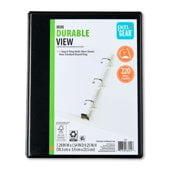
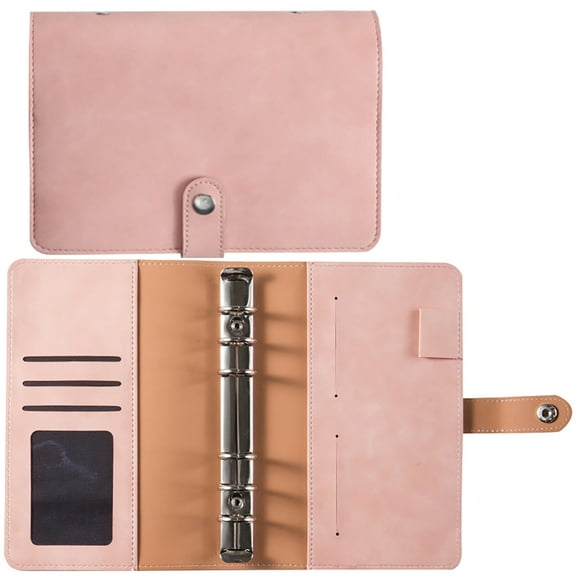
A 6 ring A5 binder works well when you want broad insert compatibility for planning pages and accessories. You should check ring spacing carefully, because standard six-ring layouts can differ from some European spacing.
If you already own a5 binder inserts, you’ll want to compare hole placement before adding new covers. You can avoid mismatch by checking product details for A5 sizing and ring layout.
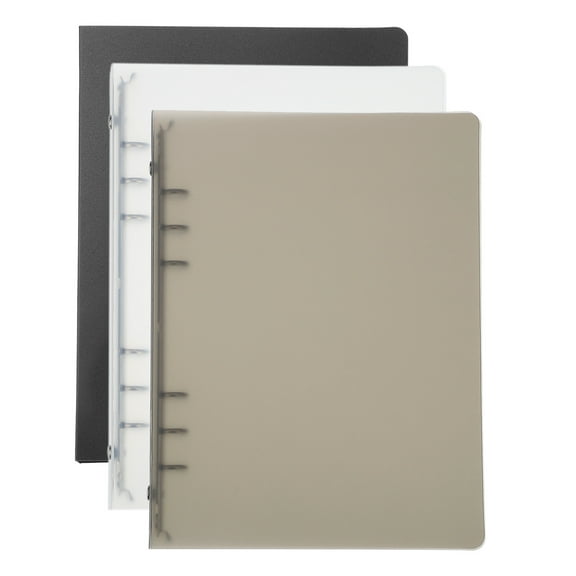
You may also see 3-ring and discbound options in this category, and each format changes what refills you can use. If compatibility matters most, you should compare your current pages first, then choose the matching mechanism.
Ring capacity matters when you carry stickers, dashboards, and sleeve pages. You’ll want more room for a thick a5 binder planner, while a slim setup suits lighter everyday notes.
What to look for in covers, closures, and pockets
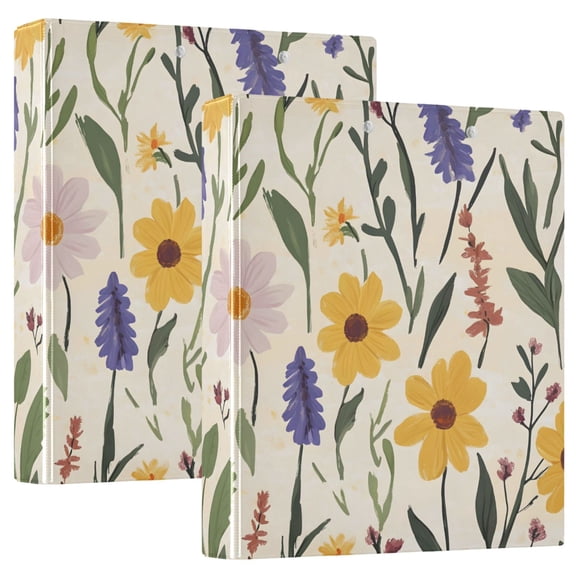
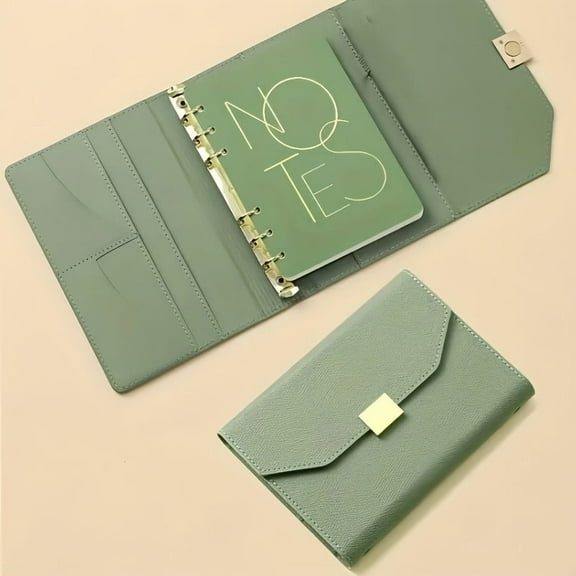
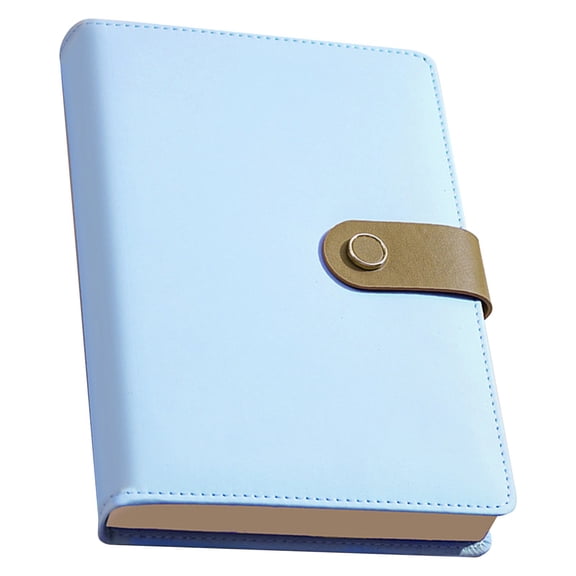
Cover material changes how your binder feels in hand and how it fits your routine. You can compare PU leather, clear PVC, kraft paper, and fabric based on structure, flexibility, and appearance.
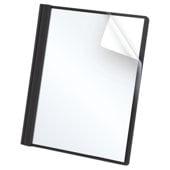
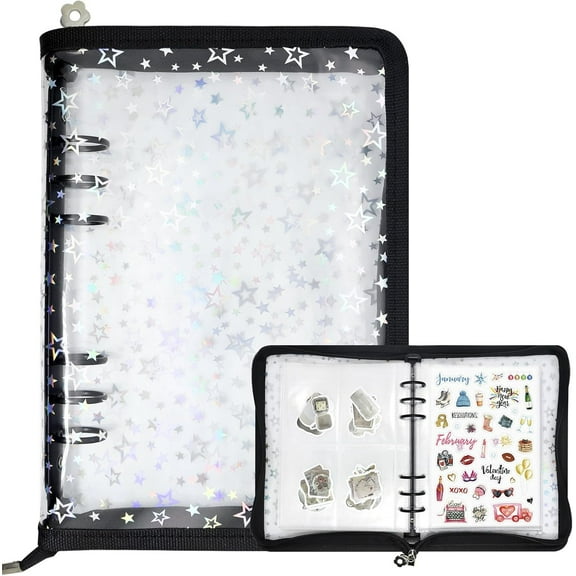
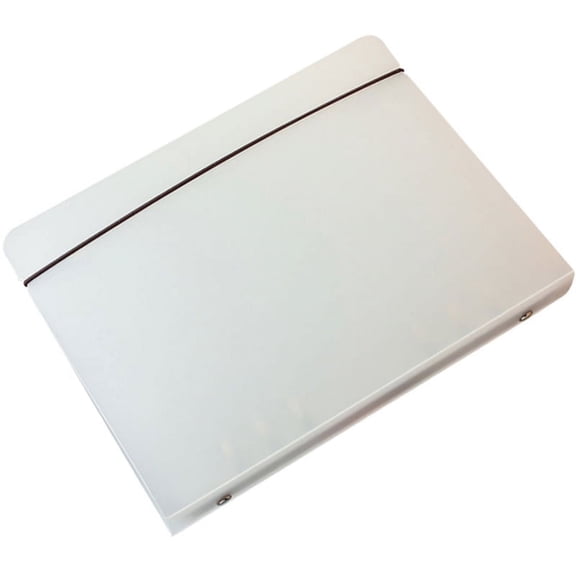
If you want quick visibility, an a5 clear binder lets you see covers, labels, or decorative dashboards at a glance. If you prefer a classic desk look, you may lean toward PU leather or fabric finishes.
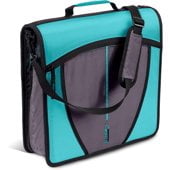
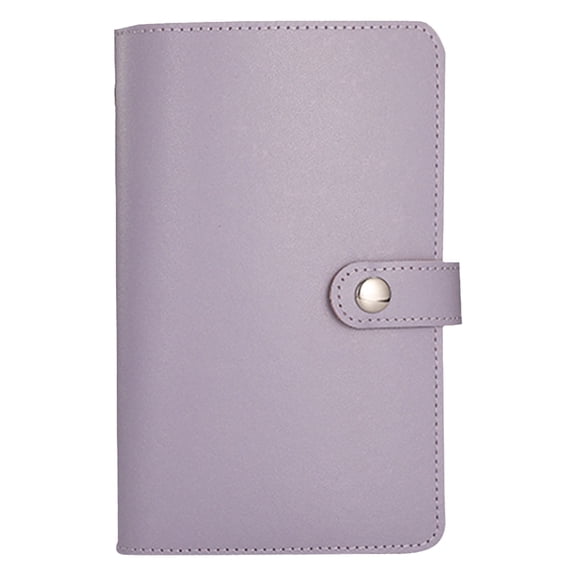
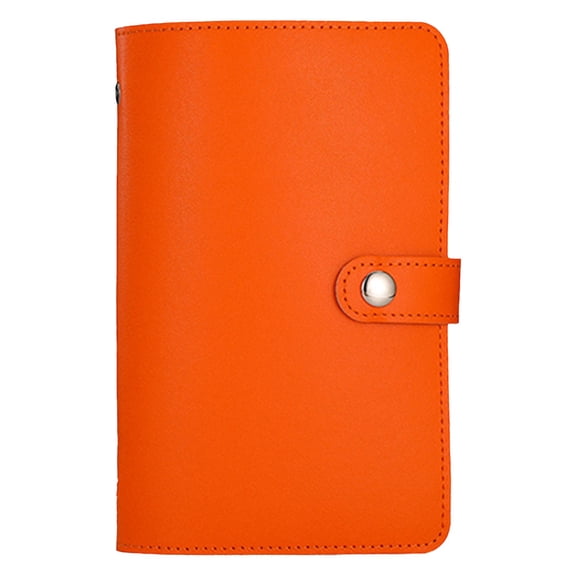
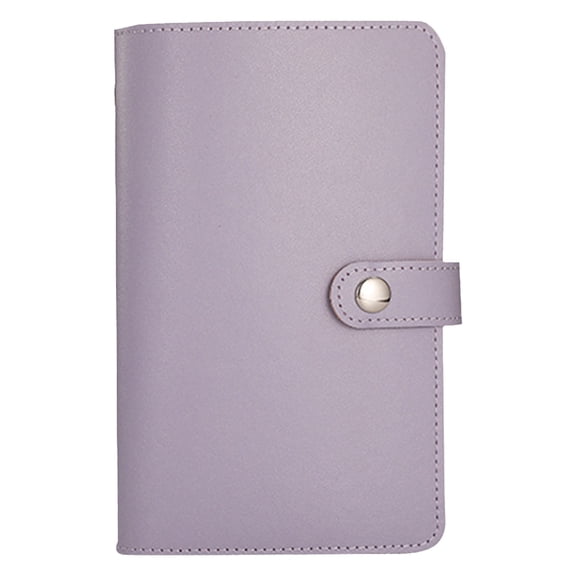
Closure style also shapes daily use, especially when you carry pens, cards, and loose inserts. You can choose snap button, zippered, elastic band, or open styles based on how secure you want contents to stay.
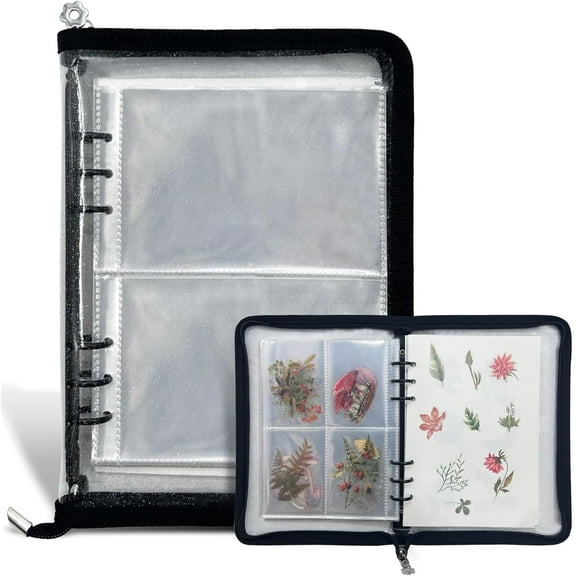
A zippered a5 binder organizer helps you keep small accessories together in one place. An elastic band gives you a lighter profile, while no closure can make page access faster.
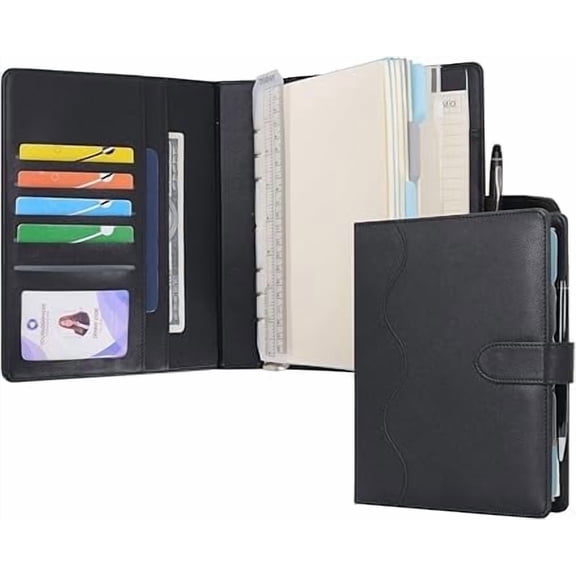
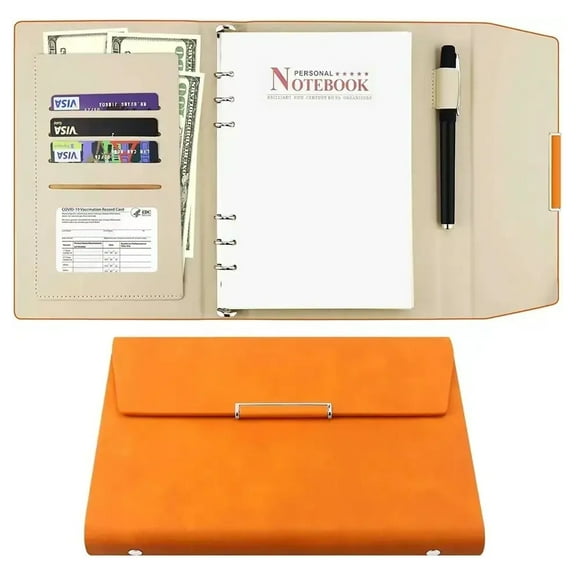
Pocket configuration deserves a close look before you buy. You should compare ID slots, passport pockets, pen loops, and extra compartments if you want one binder to hold daily essentials.
If you use your binder away from your desk, those built-in pockets can reduce the need for a second pouch. You’ll appreciate pen loops and card slots when you want a neater travel setup.
Matching A5 binders to inserts and accessories
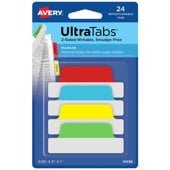
The right binder works only if your pages and accessories fit the format you choose. You should confirm that your filler paper, dividers, envelopes, and sleeves are made for A5 dimensions.
A5 paper measures 148 millimeters by 210 millimeters, so you get a page that feels smaller and easier to carry. You can think of it as half of a standard letter page.
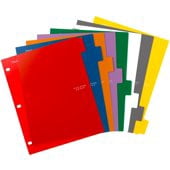
If you use an a5 notebook binder for notes, you may want lined or dotted filler paper for writing. If you build a planner system, you can add calendars, trackers, and tab dividers.
An a5 binder planner often pairs with dashboards, pockets, and budget inserts for structured layouts. You should also check whether your accessories need extra ring clearance or wider covers.
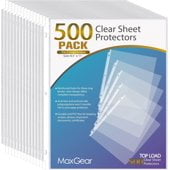
For collectors, a5 binder inserts can include sleeve pages sized for photocards and small keepsakes. You’ll want to compare sleeve dimensions, page thickness, and ring count before combining pieces.
Use cases for planning, budgeting, journaling, and collecting
If you plan each day on the go, a slim binder with an elastic band can keep pages tidy in your bag. You can turn it into a portable command center with calendars and note sheets.
For budget tracking, you may want pockets, envelopes, and labeled dividers that separate categories clearly. You’ll find closure security especially useful when you carry cash envelopes or receipts.
If journaling is your focus, you can build sections for prompts, memory pages, and creative inserts. You may enjoy switching covers and dashboards as your layouts change through the year.
For photocard collecting, you should look for sleeves designed for the cards you store and covers with enough depth. You can also use an a5 clear binder when you want visible cover pages.
If you need one format for mixed tasks, an a5 binder organizer can combine notes, cards, pockets, and planning pages. You get a compact system that adapts as your routine changes.
With the right ring format, closure, and pocket layout, you can keep A5 pages organized without carrying a bulky binder. You’ll end up with a setup that fits your paper, your accessories, and your daily routine.