













Hunting Gear & Supplies | In

Hunting by pursuit
Hunting essentials
At the range
Shop now
Hunting deals











FAQ
About Hunting Gear & Supplies | In-Store & Online - Walmart - Walmart.com
You’ll find hunting gear for changing weather, varied terrain, and different game seasons in one place. You can compare apparel, optics, archery equipment, tree stands, and decoys with pickup and delivery options.
If you need hunting supplies fast, you can check online availability and choose shipping or store pickup. You can also use this page as your starting point for gear hunting essentials before opening day.
How to choose hunting gear by category
When you compare hunting gear, you should start with the gear category that matches your hunt plan. You may need quiet apparel, clear optics, dependable archery gear, stable tree stands, or realistic decoys.
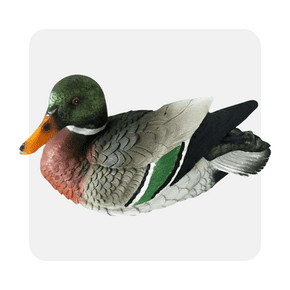
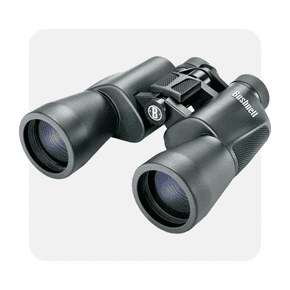
For deer hunting, you might focus on scent-conscious clothing, binoculars, and tree stand accessories. For waterfowl or turkey hunting, you may compare decoy spreads, calls, outerwear, and field-ready storage.
- You can build a complete setup with apparel, optics, archery gear, tree stands, and decoys.
- You can match hunt equipment to deer hunting, waterfowl, turkey hunting, or big game trips.
- You can choose pickup or delivery when you need hunting supplies without extra stops.
- You can compare hunting accessories like packs, gloves, face coverings, and range-ready extras.
If you want broad coverage, you should look for category combinations that support your full outing. You can pair outerwear with optics, or match decoys with waterproof boots and storage.
Choosing camo patterns and visibility details
You should compare camo patterns based on the ground cover and season you expect. You may choose Realtree or Mossy Oak for wooded cover, solid green for simple concealment, or blaze orange for visibility rules.
When you shop hunting stuff for mixed terrain, you should check whether your pattern fits brush, timber, marsh, or field edges. You can also choose layering pieces that keep your pattern visible across jackets, bibs, and hats.
Blaze orange matters when your local rules call for visible outer layers during firearm seasons. You should check whether your vest, cap, or jacket helps your setup meet those requirements.
What to look for in season-ready hunting equipment
You should compare seasonality features before you choose hunting equipment for opening day. You may want cold weather insulation, waterproof shells, early season breathability, or all-weather layering options.
For cold mornings, you can look for insulated jackets, thermal base layers, and gloves that keep movement easy. For wet fields, you should check waterproof finishes, sealed areas, and water-ready storage.
Early season hunts often call for lighter fabrics that help you stay mobile in changing temperatures. All-weather setups let you layer your clothing, adjust coverage, and keep key gear protected.
Noise control is another decision point you shouldn’t skip. You should compare soft fabrics, quiet closures, and silent zippers because small sounds matter in blinds and tree stands.
If technical details appear, you can use fabric noise notes as a practical guide. Lower rustle and quieter zipper movement usually help you stay less noticeable when you shift position.
Matching hunting supplies to your activity type
You should match your hunting supplies to the activity type before you narrow colors or materials. Deer hunting, waterfowl, turkey hunting, and big game trips each call for different combinations.
For deer hunting, you may prioritize tree stands, binoculars, scent-conscious layers, and quiet fabrics. For waterfowl, you might focus on decoys, waterproof outerwear, gloves, and gear that handles mud and water.
Turkey hunting often calls for mobile seating, lightweight camo, and compact accessories you can carry easily. Big game trips may push you toward durable packs, layered apparel, and optics with longer viewing comfort.
If you need hunting equipment with local convenience in mind, you can check store pickup and online stock options. That approach helps you cover last-minute needs without changing your hunt plan.
How to build a practical hunting setup
You can build a more useful setup when you compare fit, weather coverage, and packability together. You should measure clothing layers, check stand compatibility, and confirm your optics fit your carry system.
It also helps to think through access points, sitting time, and terrain before you choose gear. You may want waterproof boots for marsh ground, insulated bibs for cold sits, or compact decoys for mobile hunts.
As you compare hunting gear, you should look for combinations that support your season from start to finish. You can leave with a clearer list, stronger compatibility, and fewer gaps in the field.
Related Links
- Archery
- Attractants & Scent Eliminators
- Binoculars
- Decoys
- Deer & Game Feeders
- Game Calls
- Game Processing Equipment
- Hunting Accessories
- Hunting Backpacks
- Hunting Blinds
- Hunting Clothing
- Hunting Knives
- Hunting Sights
- Hunting Specialty Gear
- Metal Detectors
- Multi Tools
- Night Vision
- Range Gear
- Rangefinders
- Scopes
- Trail & Game Cameras
- Treestands