

Sketchbooks and Art Paper for Artists




















About Sketchbooks and Art Paper for Artists - Walmart.com
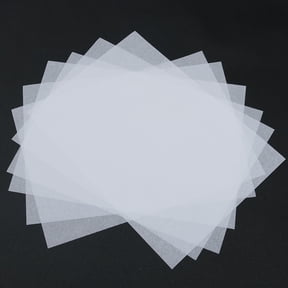
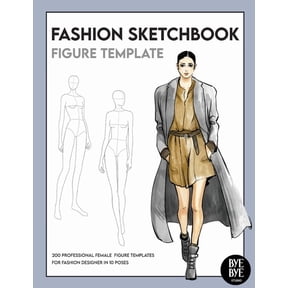
You can compare sketchbooks and art paper by paper weight, media type, binding, and size, so your next project starts on the right surface. You'll notice this category covers dry sketching, layered mixed media work, and watercolor pages that handle more moisture.
If you're filling a classroom list, building a studio kit, or packing supplies for travel, you need options that match your tools. You can narrow your choice faster when you understand sheet weight, binding style, and page size before you pick.
How to choose sketchbooks and art paper
You should start with the media you use most, because pencils, markers, watercolor, and acrylic place different demands on paper. You'll usually want lighter sheets for dry techniques and thicker pages for wetter applications.
When you compare drawing sketchbooks and sketch pads for drawing, you should also check whether pages are acid-free. You can keep artwork looking cleaner over time when your paper is made for longer-lasting storage.
You can use this quick guide to match common choices to your routine. You'll make a clearer decision when you compare the surface to your tools first.
- You can choose 50 lb sheets for pencil, charcoal, and quick practice sketches.
- You can move to 80 lb paper when your work includes ink, light marker, or layered dry media.
- You can pick 140 lb sheets when you use watercolor or heavier mixed media techniques.
- You can select spiral bound sketchbooks when you want pages to fold back while you draw.
- You can choose hardcover books when you want a firmer surface for drawing away from a table.
- You can check 5.5 x 8.5 sizes for travel and 11 x 14 pads for larger studies.
Choosing paper weight and mixed media paper
You should treat paper weight as a key decision point, because it affects how your pages feel and how much layering they can handle. You'll often see 50 lb, 80 lb, and 140 lb options across this category.
If you mainly sketch with graphite, colored pencil, or charcoal, you may prefer lighter sheets that turn pages easily. You can use 50 lb paper for practice, gesture drawing, and everyday note sketches.
When you want more flexibility, 80 lb mixed media paper gives you a middle ground for dry tools and light wet work. You'll appreciate that balance when your process shifts between pen, marker, and soft washes.
If your art includes watercolor or heavier paint, you should compare 140 lb sheets and watercolor sketchbooks first. You can get a sturdier surface that resists warping more effectively during wet applications.
You may also want heavyweight drawing paper when your style includes repeated erasing or layered shading. You'll get pages that feel more substantial under your hand during detailed studies.
Acid-free paper matters when you plan to keep, frame, or revisit finished work later. You can feel more confident storing sketches, class assignments, and portfolio pieces on pages designed for longer-term quality.
Comparing spiral bound sketchbooks and other bindings
You should compare binding types based on where and how you draw, because page movement changes your setup. You'll usually find spiral bound, hardcover, and glue bound formats in this category.
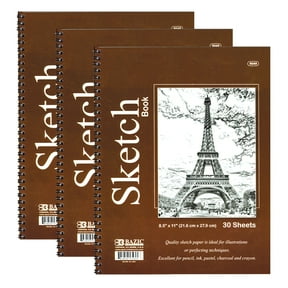
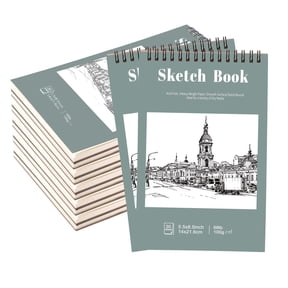
Spiral bound sketchbooks help you fold pages back fully, which can free up space on smaller desks. You'll also find them useful when you sketch standing up, outdoors, or between classes.
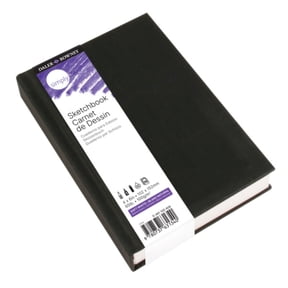
If you want a book-like feel, hardcover drawing sketchbooks give you a more structured format. You can use the firmer cover as support when a table isn't available.
Glue bound pads work well when you want to remove finished pages cleanly for display or scanning. You can compare them with artists sketch pads when you share work, build assignments, or post studies.
You should also think about how often you flip pages during your process. You'll likely prefer flexible binding for quick studies and sturdier covers for journaling, field notes, or ongoing series work.
Picking the right size for your projects
You can make size selection easier by matching page dimensions to your workspace and routine. You'll usually see portable books and larger pads that suit very different drawing habits.
A 5.5 x 8.5 sketchbook fits easily into backpacks, totes, and travel kits. You can carry it for daily practice, commute sketches, and spontaneous ideas.
Many artists choose a 9 x 12 drawing pad because it balances workspace and portability. You'll have enough room for studies, class exercises, and finished sketches without carrying a bulky pad.
If you work at an easel or larger desk, 11 x 14 pads give you more room for broad strokes. You can map compositions, practice perspective, or build layered pieces with more freedom.
You should also consider whether you frame, scan, or store your finished pages. You'll often find that a consistent size makes organization easier across school, studio, and hobby projects.
Use cases for drawing sketchbooks and watercolor sketchbooks
You can match your paper to your routine, whether you're practicing fundamentals or building a portfolio. You'll get more usable pages when your tools and surface work together from the start.
For classroom assignments and back to school sketchpads, you may want 9 x 12 pads with 50 lb or 80 lb paper. You can cover figure drawing, shading drills, and note-based sketch work with a familiar format.
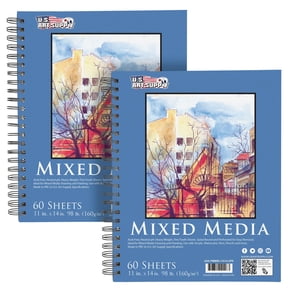
If your projects mix ink, marker, pencil, and light washes, you should compare mixed media paper in pads or books. You'll have a more versatile surface for experimentation without switching formats constantly.
When you paint on location, watercolor sketchbooks with 140 lb pages can support wetter techniques in a portable format. You can capture travel scenes, nature studies, and color tests with pages made for water-based work.
For journaling or urban sketching, you may prefer spiral bound sketchbooks in smaller sizes that open quickly. You'll be able to sketch on a bench, in a café, or during a short break.
If you build finished pieces for review, you should look at glue bound artists sketch pads with acid-free sheets. You can remove pages for critique, storage, or display while keeping your work organized.
You can also pair your paper choice with tools like drawing pencils, art markers, or watercolor supplies for a more consistent setup. You'll make fewer compromises when your surface matches your technique and pace.
You can choose sketchbooks and art paper with more confidence when you compare weight, media type, binding, size, and acid-free pages together. You'll end up with a surface that supports your process and keeps your artwork easier to use, store, and share.