

Sketching Pads in Sketchbooks & Art Paper




























About Sketching Pads in Sketchbooks & Art Paper - Walmart.com
Your medium sized sketchbook can make everyday drawing feel easier, especially when you want portable pages, useful paper choices, and bindings that match your routine. You can compare sizes, paper weight, and cover styles here, so your sketching pad fits quick studies, class notes, or longer art sessions.
How to choose a medium sized sketchbook
You should start with size, because dimensions shape how you carry, store, and use each pad. You may like A5 or 5.5 x 8.5 for commuting, while 8 x 10 or 9 x 12 gives your hand more room.
If you draw on the go, you may prefer a lighter format that slips into a tote or backpack. If you work at a desk, you may want broader pages for gesture work, layouts, and practice shading.
Your medium sized sketchbook often gives you a practical middle ground between pocket formats and oversized pads. You get enough space for proportions and details, while your bag stays easier to manage.
Choosing a sketching pad by paper weight and texture
You should compare paper weight first, because it affects how the page feels and how much layering it can handle. You’ll usually see options like 50 lb, 70 lb, 90 lb, and 100 lb or higher.
If you want light pencil practice or quick warmups, you may find 50 lb or 70 lb paper easier for everyday use. If you use heavier marks, you may want 90 lb pages or a cardstock sketchbook.
You should also check tooth, which describes the page texture your tools grip. If you use graphite or charcoal, you may prefer more tooth, while smoother sheets can suit cleaner line work.
- You can use lighter paper for sketch drills, rough concepts, and frequent page turns.
- You can choose midweight sheets for classroom drawing, journaling, and everyday pencil work.
- You can pick heavier pages when you want sturdier sheets for layering, ink, or mixed media experiments.
- You can compare smooth and textured paper based on how much grip your pencils or charcoal need.
Your paper choice can also affect erasing, smudging, and how your marks build over time. You’ll want to match the sheet to your tools instead of forcing one surface to do everything.
What to look for in an art sketchbook binding
You should compare binding types next, because they change how your pages open, turn, and store. You may notice spiral bound, glue bound, tape bound, and hardcover formats across this category.
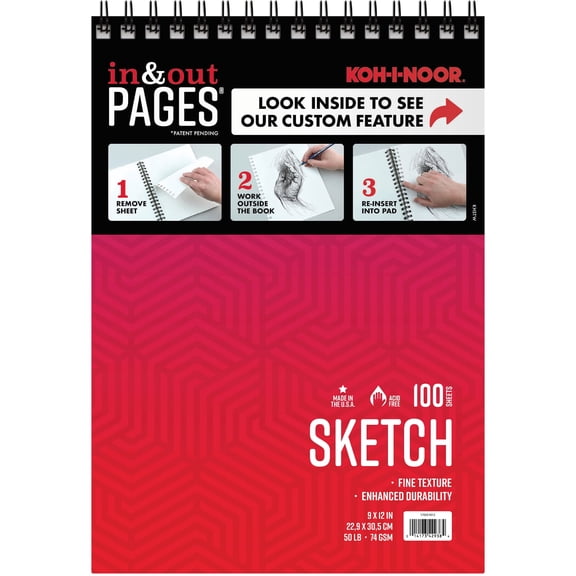
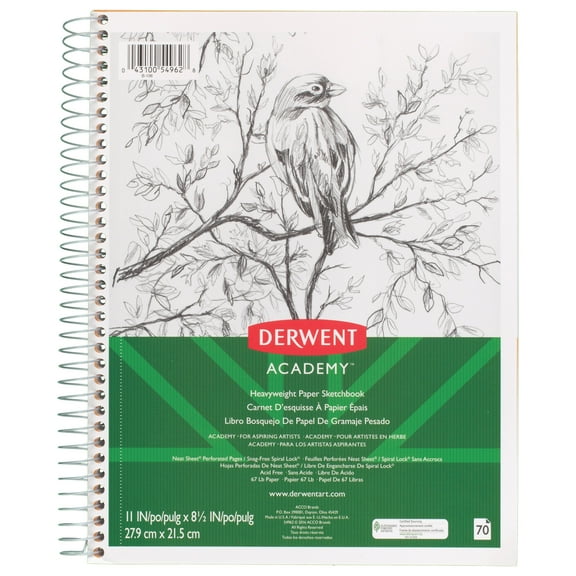
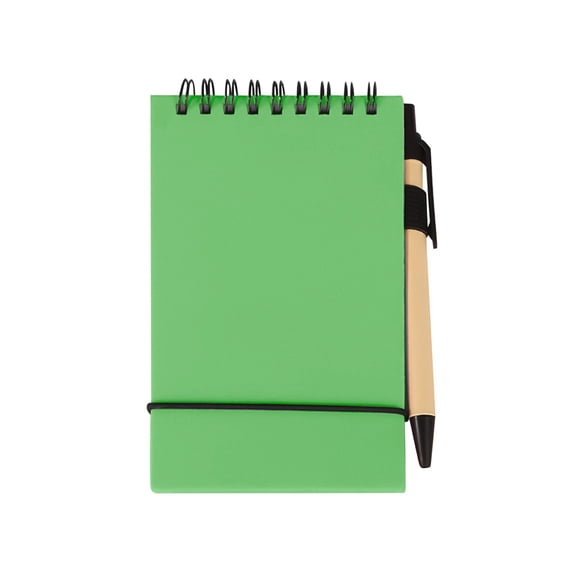
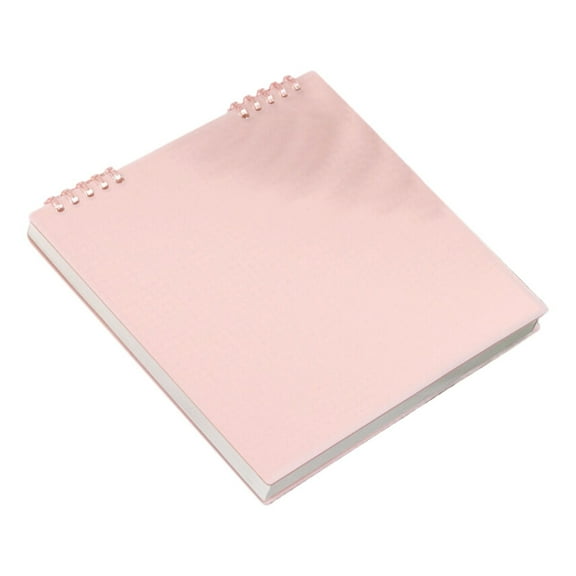
If you like flat-lay pages, you may prefer a spiral bound art sketchbook for easier drawing across the full spread. If you remove finished work often, you may lean toward glue bound pages.
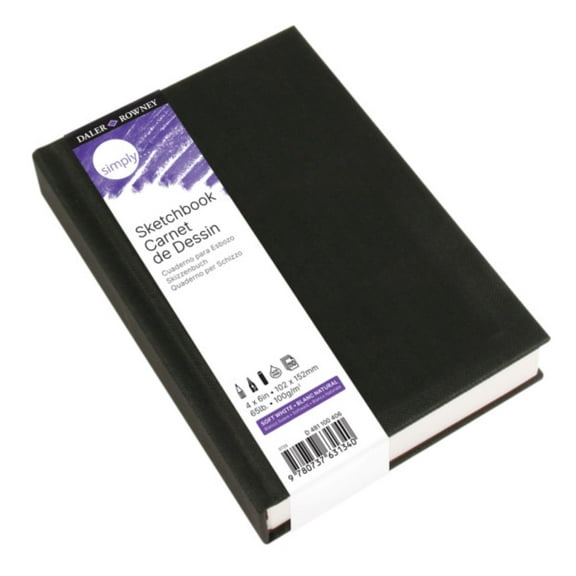
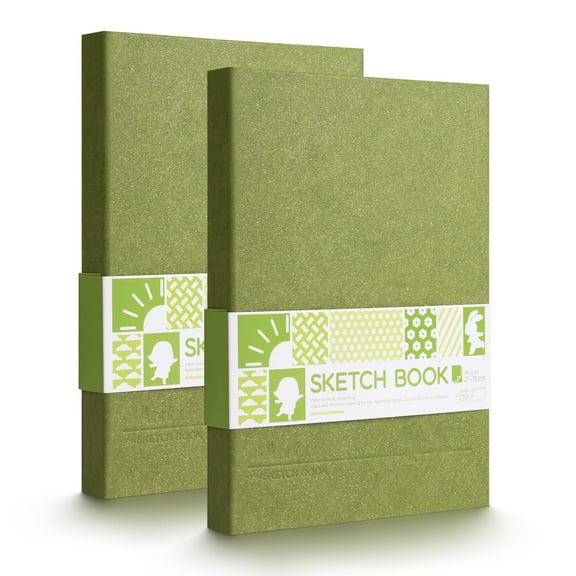
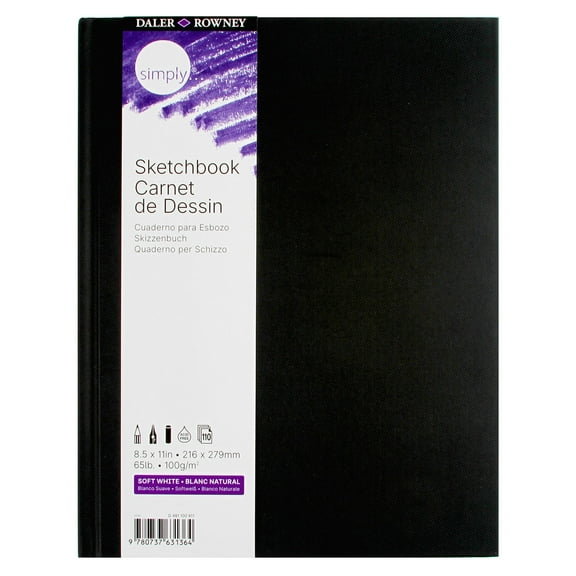
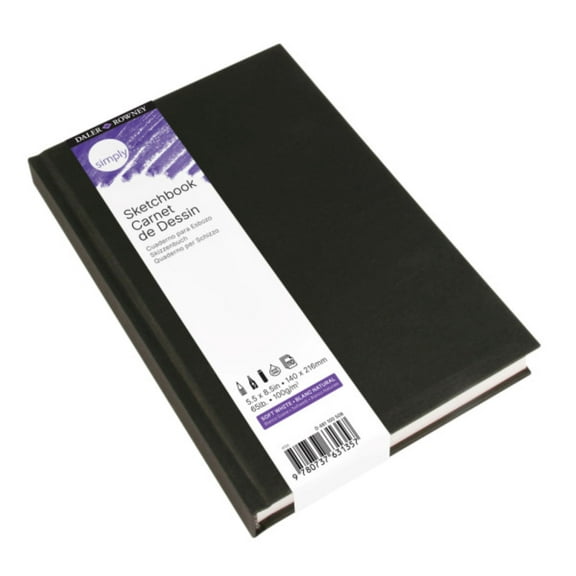
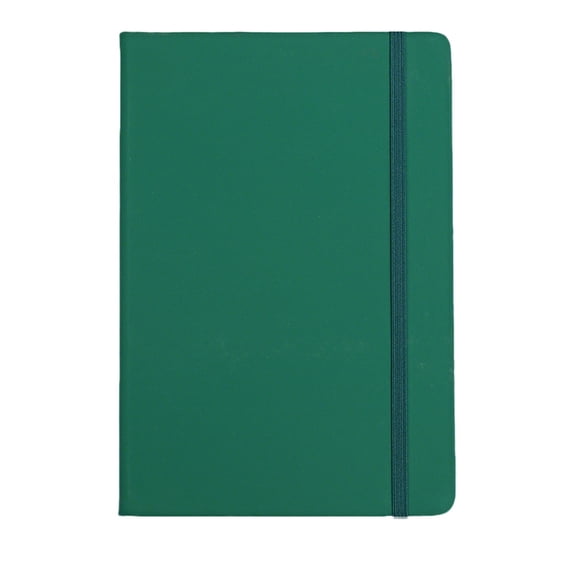
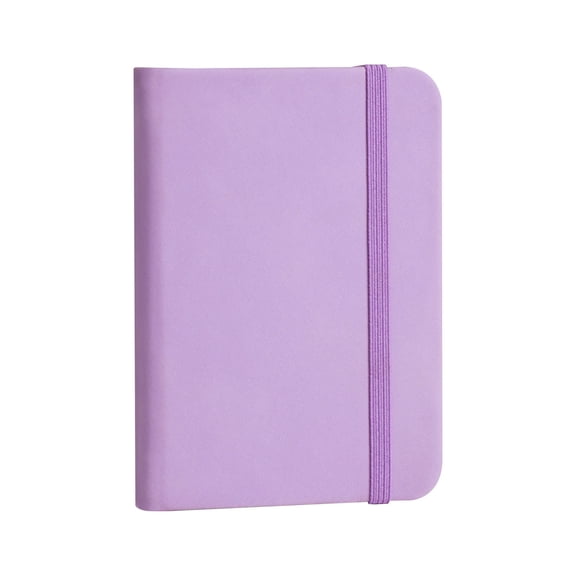
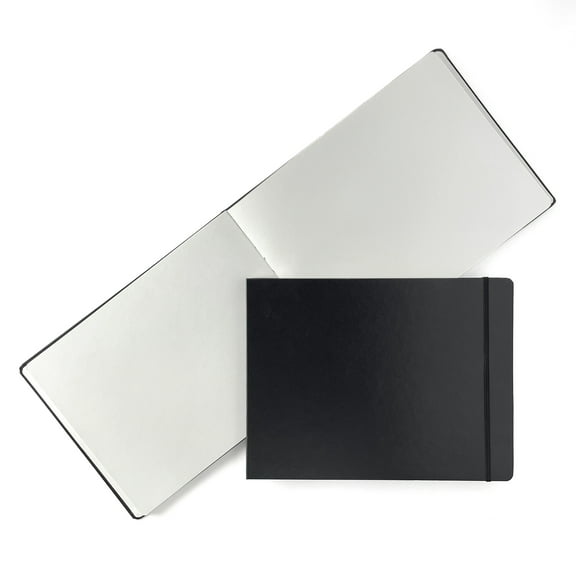
You can consider tape bound options when you want a clean spine and a book-like feel in hand. You may choose hardcover designs when your sketchbook travels often and needs added structure in a crowded bag.
Your binding choice can shape how comfortably you sketch on a bench, in class, or at home. You’ll want a format that fits your habit, not just your tools.
Matching a drawing sketchbook to your routine
You should compare use cases before you choose paper and binding, because your routine decides what matters most. You may need a drawing sketchbook for figure studies, a sketching pad for thumbnails, or an art sketchbook for journaling.
If you focus on sketching, you may want easy page turning and paper that supports quick line work. If you practice detailed drawing, you may look for smoother sheets and sizes that support careful composition.
You can also match pages to journaling when you want written notes beside sketches and color planning. If you explore mixed media, you may prefer heavier sheets that feel sturdier under layered materials.
Your setup may also change by location, and that choice matters more than many shoppers expect. You may want a compact pad for travel, while your home workspace may suit larger sheets and firmer covers.
Key differences between cover styles and formats
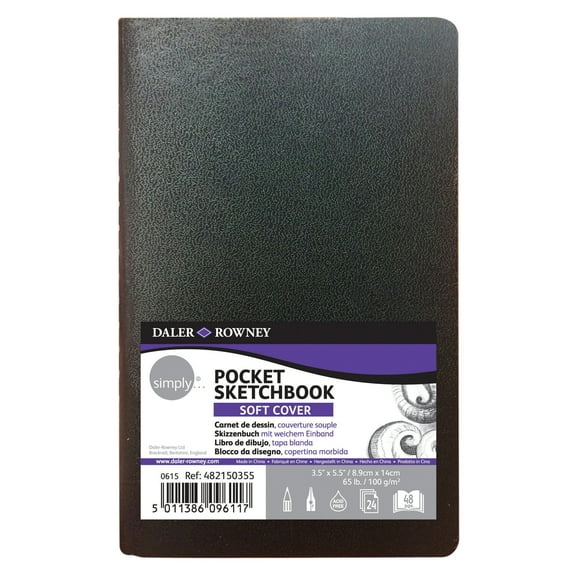
You should check cover construction if you carry supplies between class, work, and home. You may prefer softcover formats when you want less weight, or hardcover formats when you want stronger page protection.
If you store loose references, you may like a cover and binding that keeps pages aligned inside your bag. If you sketch outdoors, you may appreciate a firmer surface that feels steadier on your lap.
Your format can also support related tools that round out your setup for drawing sessions. You may pair your pad with sketching pencils, colored pencils, and erasers for cleaner studies and revisions.
Why these sketchbook details matter
You’ll get more from a sketchbook when size, paper weight, texture, and binding work together for your style. Your pages feel easier to use, and your practice stays more consistent from first line to finished study.