

Paint Apparel and Safety Gear for Home Improvement


















About Paint Apparel and Safety Gear for Home Improvement - Walmart.com
You need paint safety apparel that keeps your setup clean, comfortable, and easy to manage from prep through cleanup. You can compare coveralls, masks, gloves, and eye protection by paint type, work time, and the coverage you want.
How to choose paint safety apparel
Start by matching your gear to the kind of painting you do and the mess you expect. You may want light coverage for sanding dust, while you may prefer full coverage for spray painting and overspray.
Protection level matters because your project can create fine particles, drifting mist, or sticky splatter. You should compare disposable, reusable, chemical-resistant, and dust-proof options based on how much contact your clothes and skin may face.
- You can use disposable apparel when you want quick cleanup after one project.
- You may choose reusable pieces when you want long wear across repeat jobs.
- You can look for dust-proof coverage when sanding, scraping, or prepping surfaces.
- You may prefer chemical-resistant layers when your project involves coatings, solvents, or spray applications.
Comfort also affects your choice because long projects can feel hard in heavy gear. You should look for breathable materials and roomy fits when you paint in warm garages, workshops, or outdoor spaces.
Choosing between disposable paint coveralls and protective paint suits
You can narrow your options quickly when you compare coveralls and suits by coverage, movement, and cleanup needs. You may want disposable paint coveralls for short jobs, while you may prefer protective paint suits for involved spraying sessions.
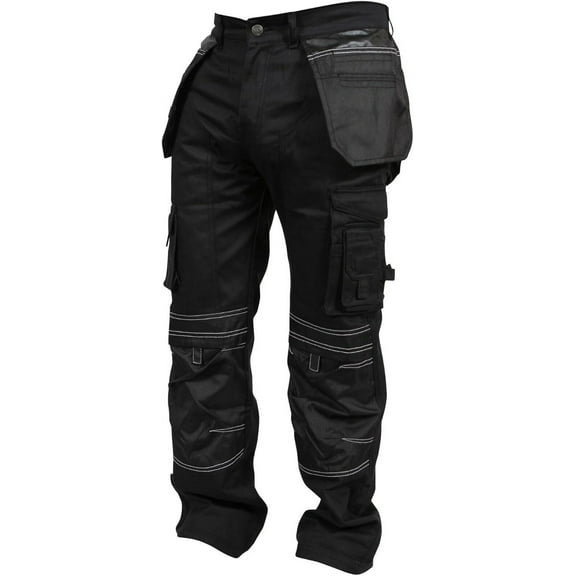
Coveralls usually give you one-piece coverage over your regular clothes, which helps limit paint transfer. You should check whether elastic cuffs, attached hoods, and front closures fit the way you work.
Paint suits often make sense when you want head-to-toe coverage during spray work. You can pair them with shoe covers and hoods when you want few exposed gaps around ankles, wrists, and hair.
Fit matters because you need to bend, reach, and crouch without feeling restricted. You should measure your chest, waist, inseam, and layering needs so your apparel moves with you and resists tearing.
What to look for in materials and breathability
Material choice can change how your apparel feels during a full project. You may compare polypropylene, Tyvek, microporous fabrics, and latex accessories based on airflow, splash resistance, and flexibility.
Polypropylene can work well when you want lightweight coverage for dust, dirt, and light paint mess. You may like it for prep work because it often feels lighter during long sessions.
Tyvek-style material can appeal to you when you want a balance of durability and light weight. You should consider it when your job includes movement, ladder work, and frequent contact with painted surfaces.
Microporous fabrics can help you compare breathability with barrier performance in a practical way. You may notice they feel comfortable when you need coverage without a heavy, stiff feel.
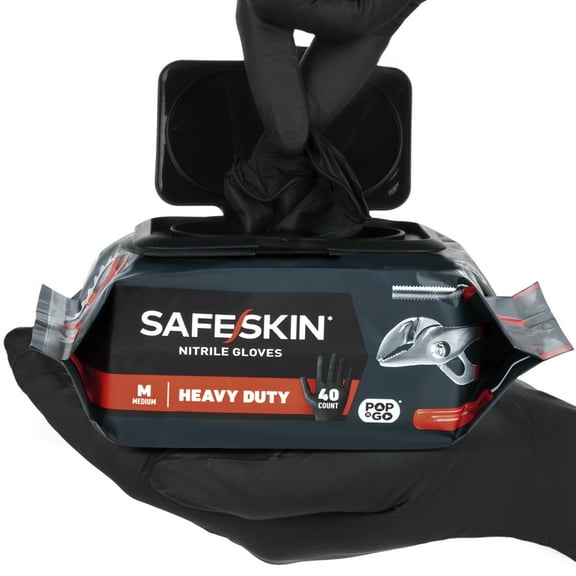
Latex accessories can appear in gloves and related gear, but you should always check material details before you choose. You may also prefer nitrile gloves when you want a different fit or finish for painting tasks.
How to compare paint safety gear and respirators for painting
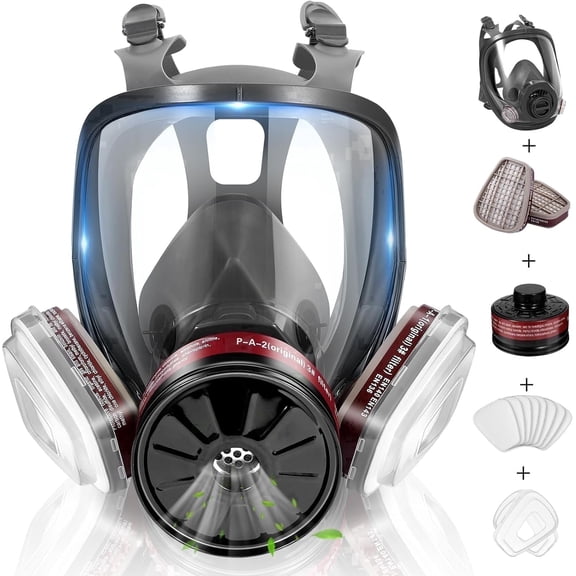
Your apparel works effectively when you build a complete setup with paint safety gear that matches your project. You should think about respirators for painting, safety glasses, gloves, and masks as connected parts of one system.
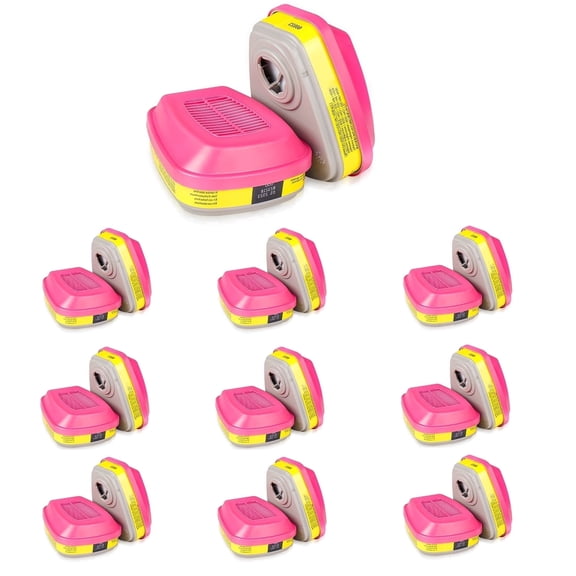
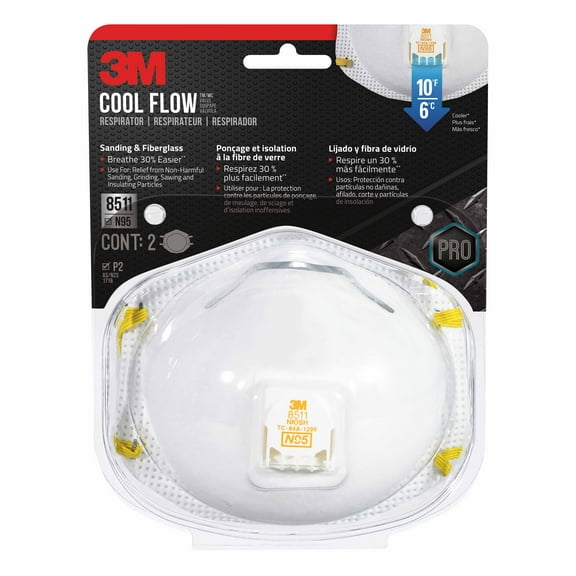
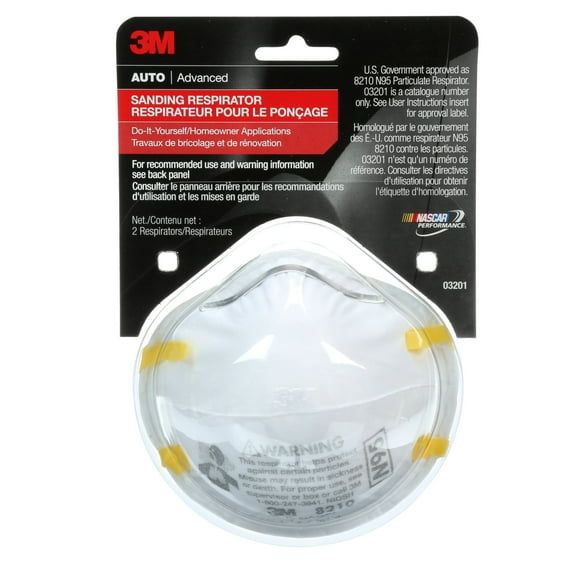
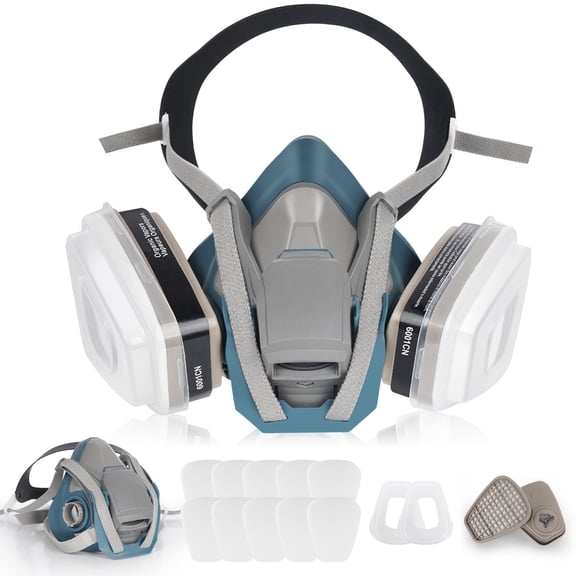
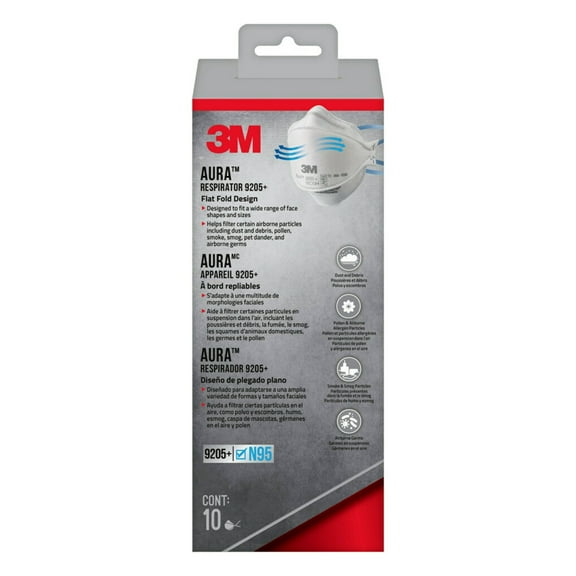
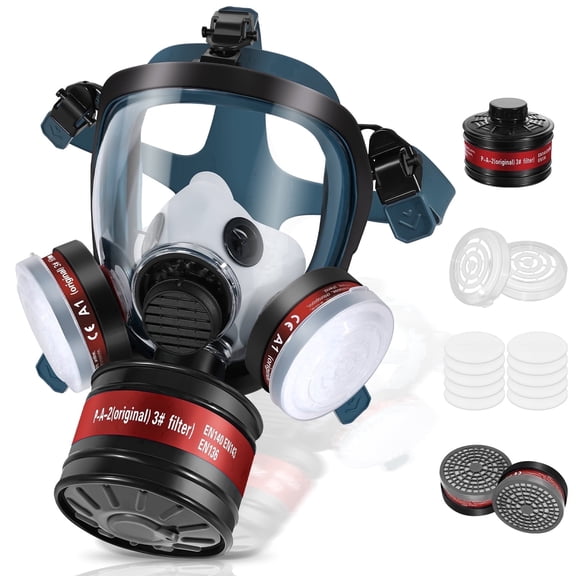
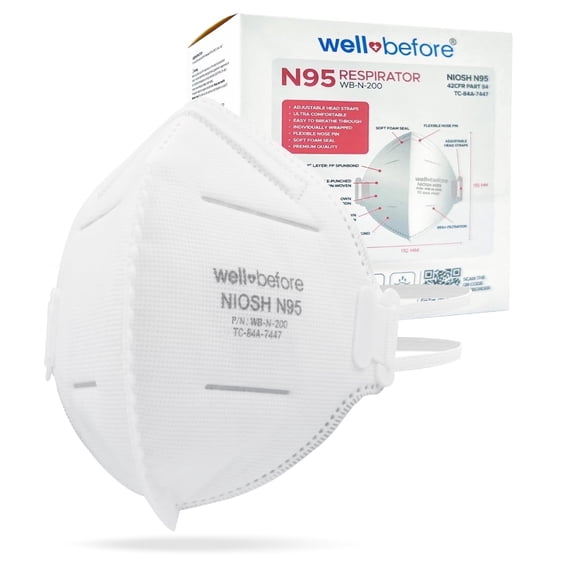
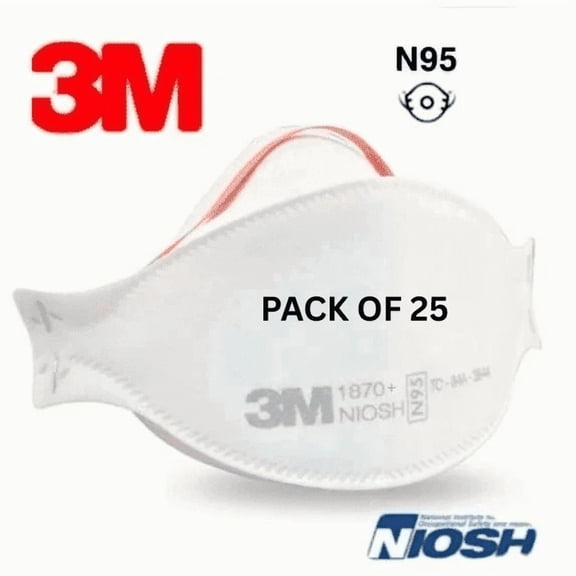
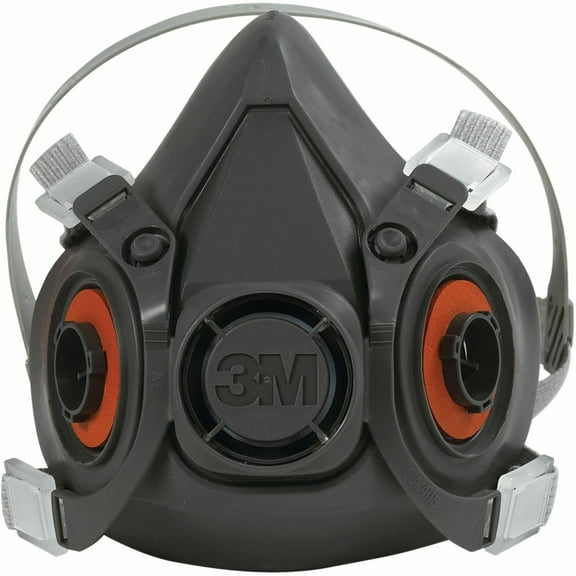
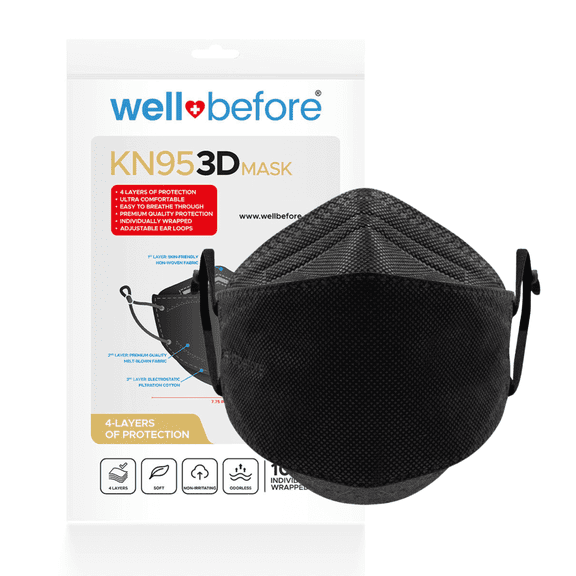
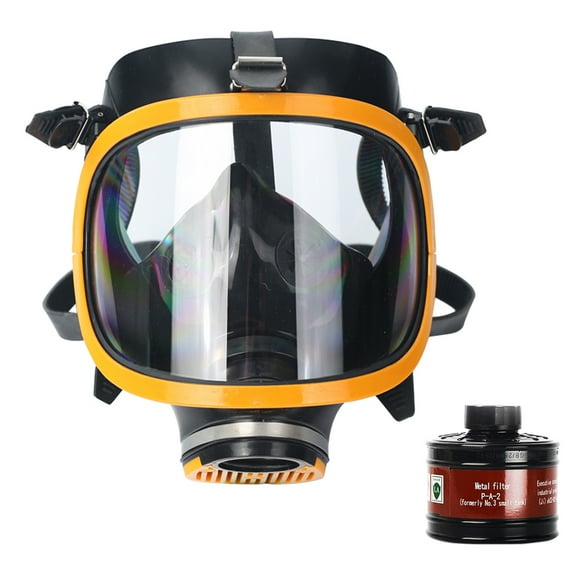
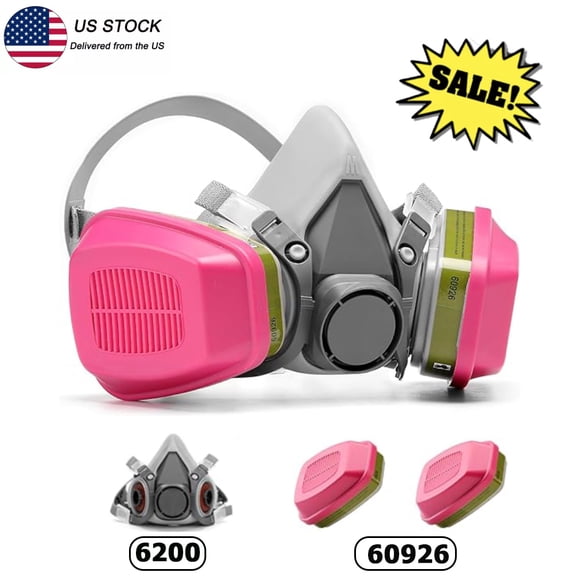
Respirators for painting are highly important when your project creates airborne spray or fine particles. You should compare filtration ratings like N95 and P100 because they help you judge the particulate filtering you want.
An N95 option may suit you when you want filtration for many paint prep and sanding tasks. A P100 option may fit your needs when you want high particulate filtration for heavy airborne particles.
Safety glasses help you keep your view clear when you roll ceilings, edge trim, or spray overhead areas. You should check for a secure fit with your mask or respirator so your gear feels easy to wear together.
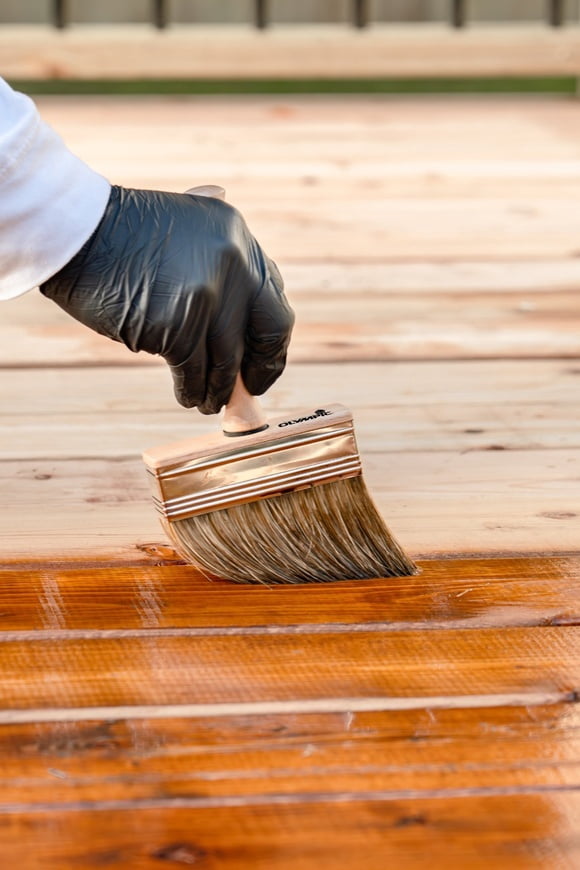
Nitrile gloves can give you a flexible grip when you handle brushes, tape, rollers, and tools. You may also add dust masks, shoe covers, and hoods when you want complete coverage around hands, feet, and hair.
Matching your setup to real painting projects
You can build a smart setup when you match each item to the way you paint. You may need different coverage for brush painting a bedroom than for spraying cabinets, fences, or workshop equipment.
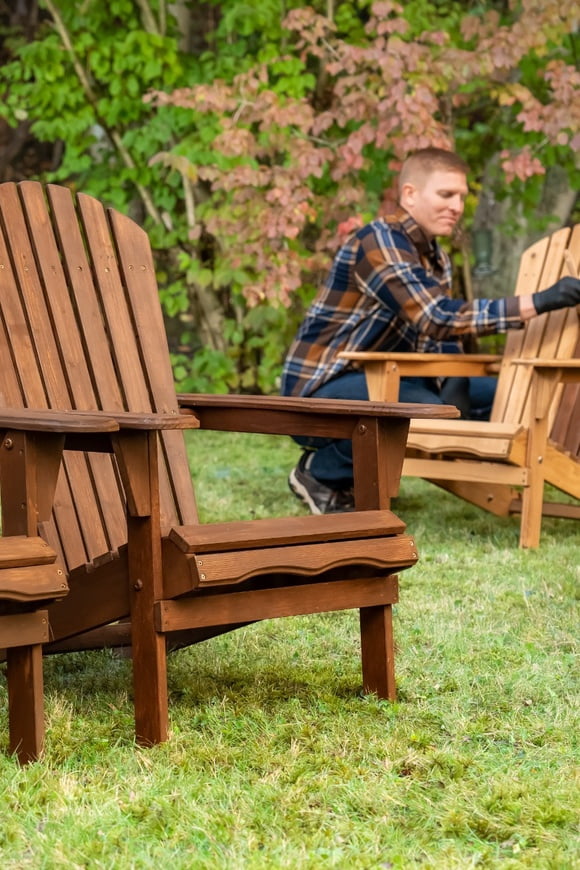
For interior brush and roller projects, you may want lightweight coveralls, safety glasses, and gloves. You can focus on comfort, easy movement, and splash control when you expect low airborne mist.
For sanding, patching, and surface prep, you may lean toward dust-proof apparel and filtration-focused face coverage. You should compare N95 and P100 options when fine particles become a large part of your work area.
For spray painting, you may want protective paint suits, shoe covers, hoods, and respirators for painting. You can create complete coverage when overspray may settle on clothing, hair, and exposed areas.
If you handle several projects each season, you may compare disposable and reusable options by cleanup routine. You should choose the setup that fits your schedule, storage space, and the kind of mess each job creates.
With the right paint safety apparel, you can work with clean coverage and steady comfort through each project stage. You can feel more prepared when your coveralls, gloves, eye protection, and respirator match your project from start to finish.