

Paint Coveralls in Paint Apparel and Safety











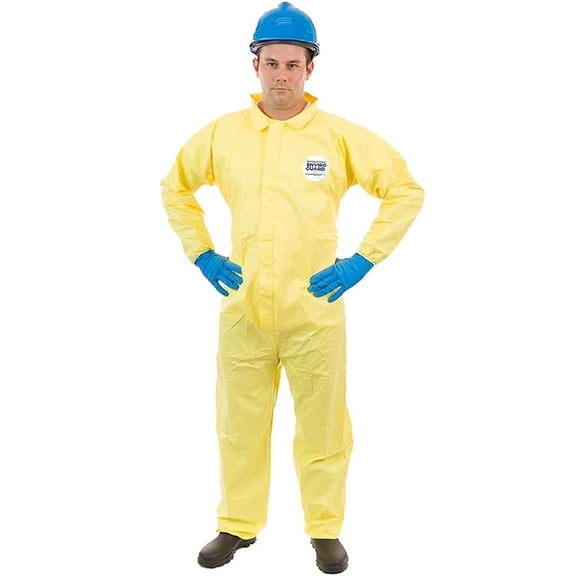
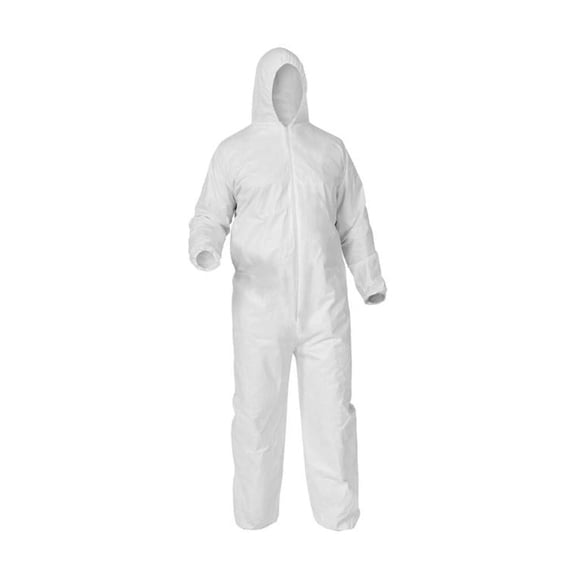
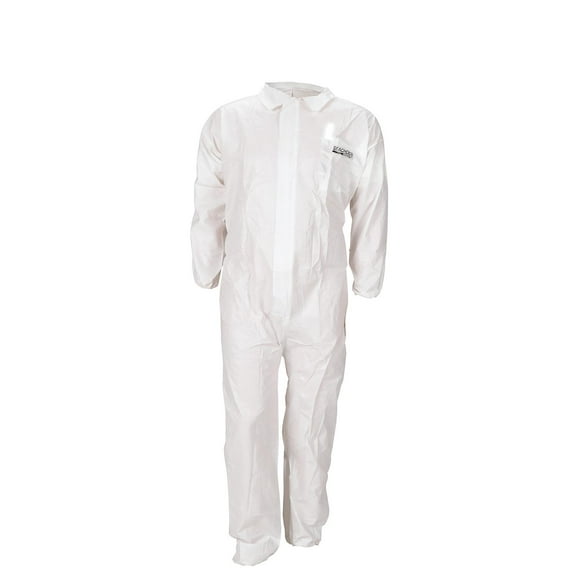
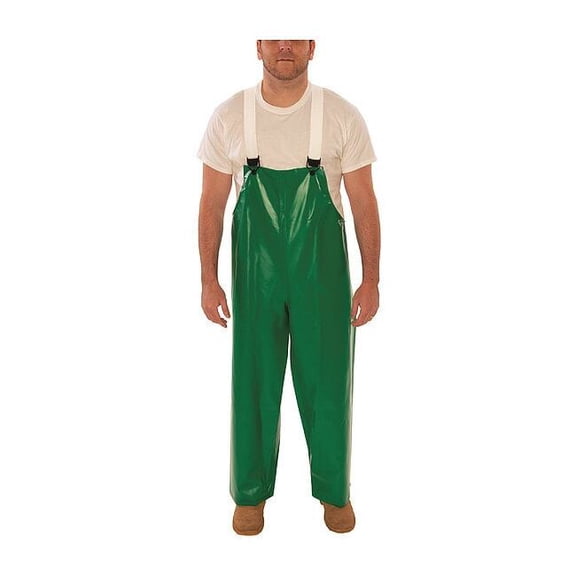





About Paint Coveralls in Paint Apparel and Safety - Walmart.com
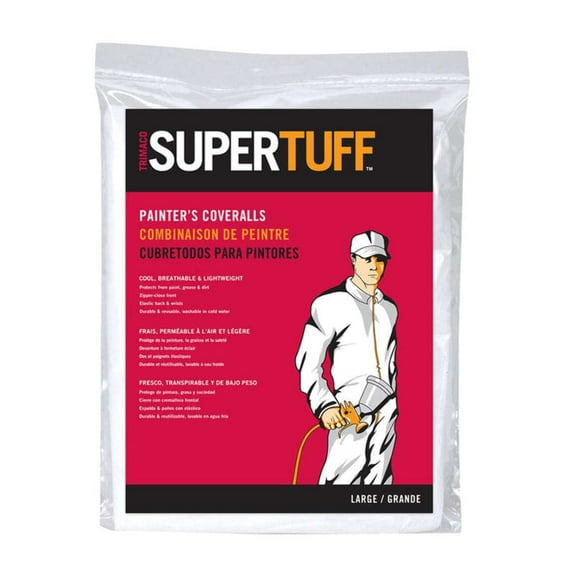
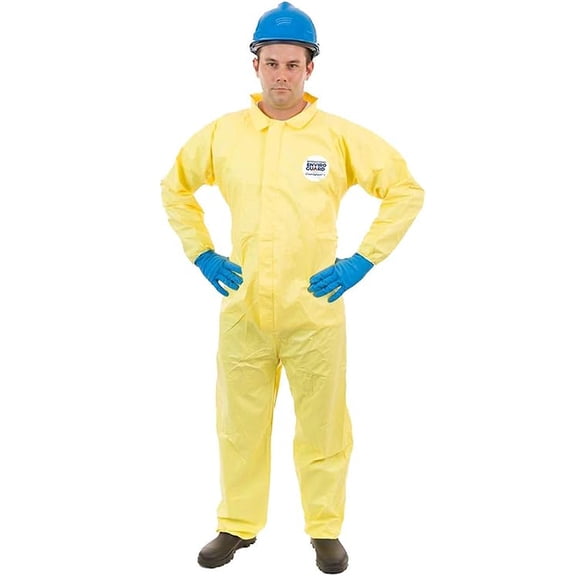
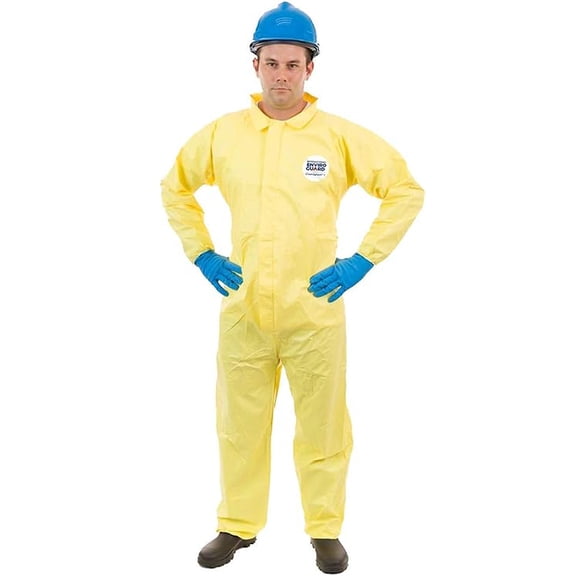
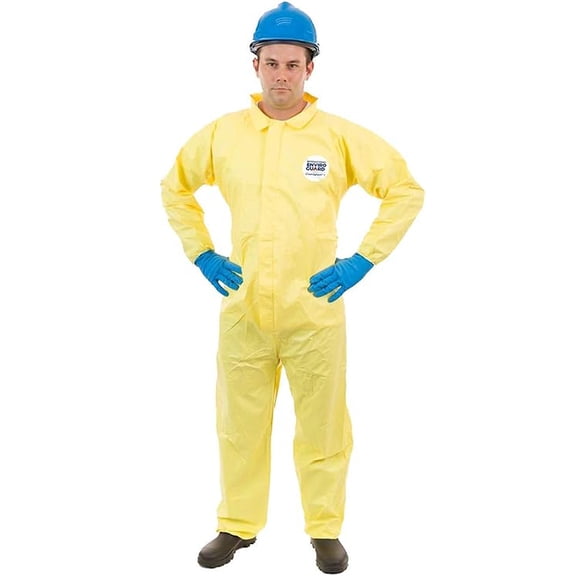
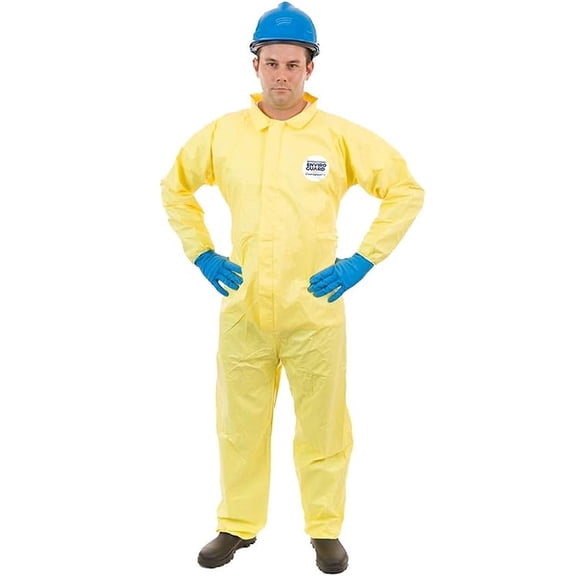
Painters coveralls help you keep your clothes covered during prep, rolling, and spray jobs. You can compare barrier materials, fit details, and coverage options to match your project and work pace.
Choosing painters coveralls for your project
When you compare paint coveralls, you should start with what you need to block. You may want lighter coverage for dust and sanding, or fuller coverage for overspray and splashes.
For many jobs, you may notice the right suit helps you move without dragging fabric or exposing cuffs. You can also choose disposable or reusable options based on cleanup and repeat use.
As you narrow your options, you should focus on four decisions that affect daily wear. You may want to compare material, coverage type, reusability, and garment style before you choose.
What to look for in a disposable paint suit
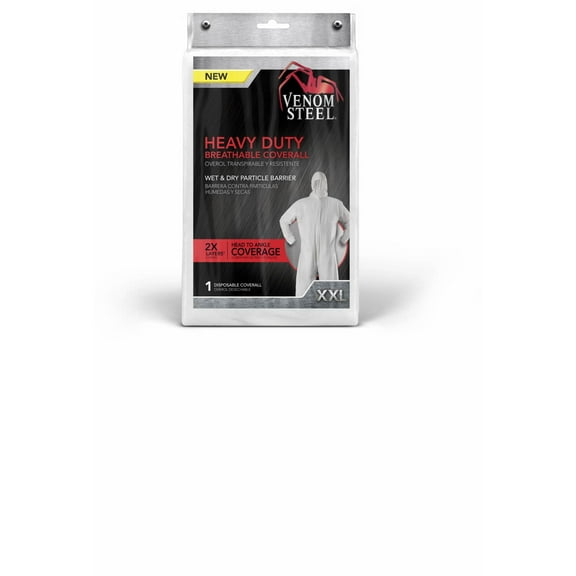
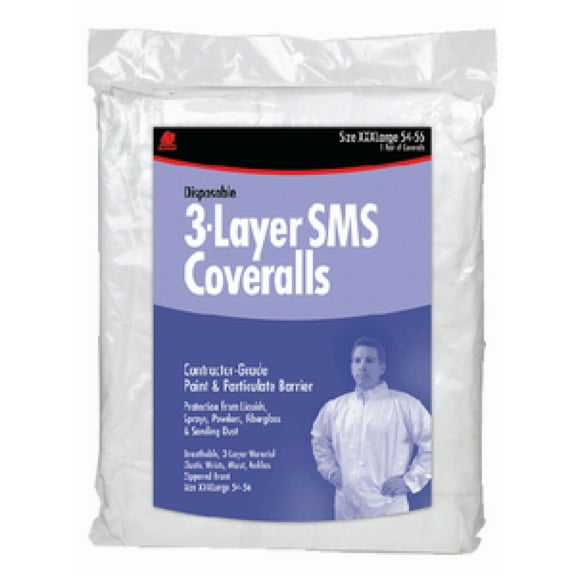
You can use material choice as your first filter because each fabric handles a different mess. You’ll often see SMS fabric, microporous film, polypropylene, and Tyvek across painter coveralls and paint suits.
- You can choose SMS fabric when you want a balance of airflow and light barrier coverage.
- You can choose microporous film when you want a stronger barrier against fine spray and messy splatter.
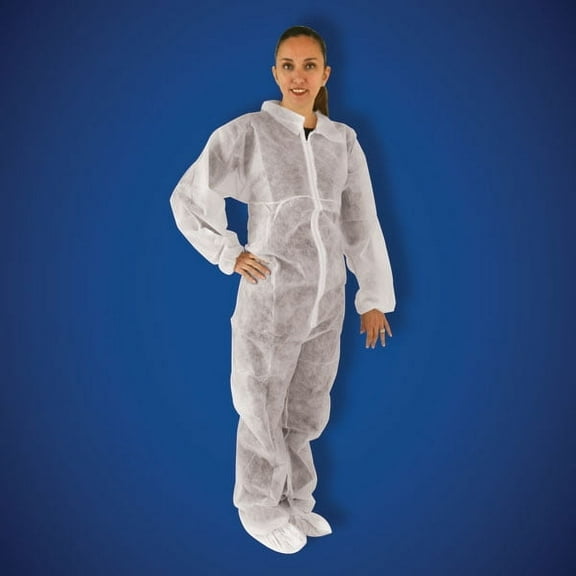
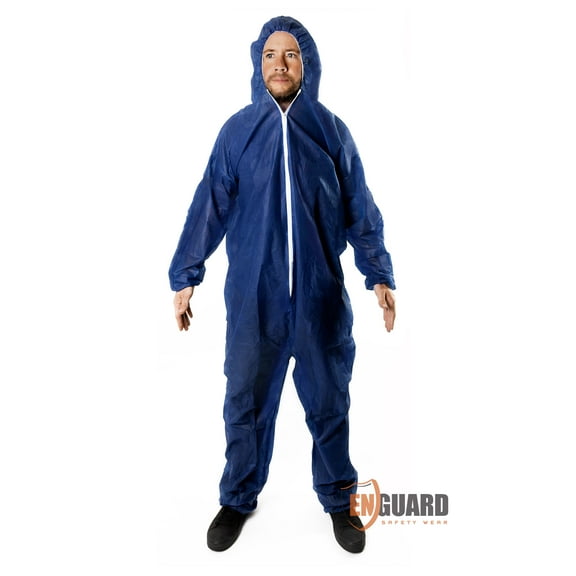
- You can choose polypropylene when you want lightweight coverage for prep, sanding, and general shop tasks.
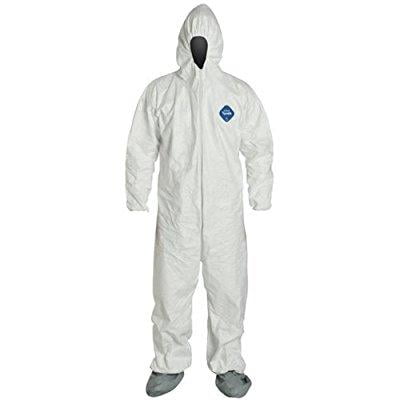
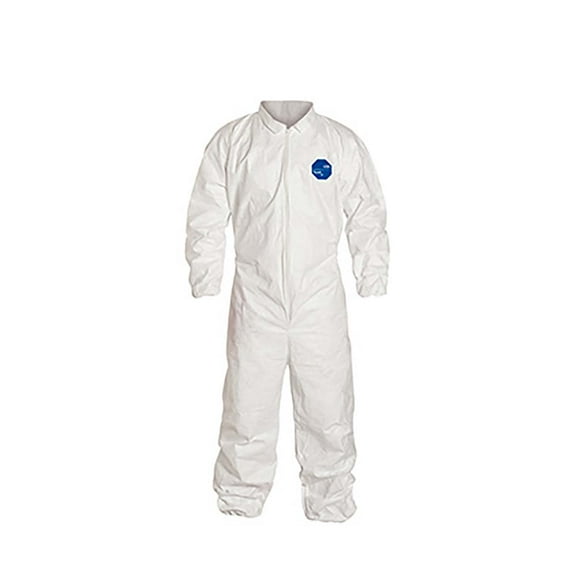
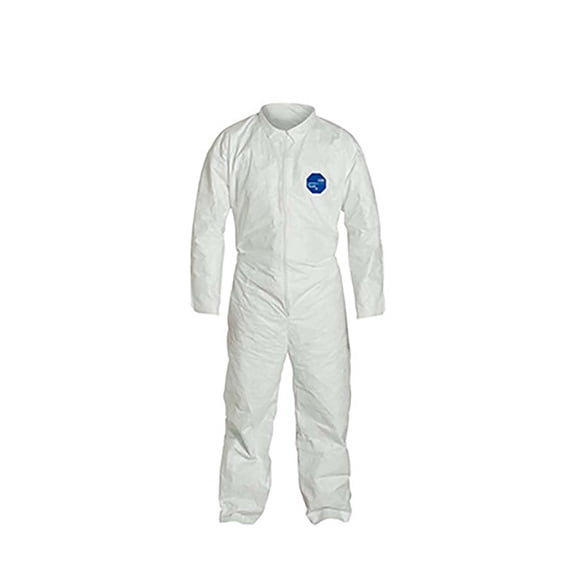
- You can choose Tyvek when you want durable full-body coverage with a smooth outer layer.
If you work in warm spaces, you should compare breathability along with barrier level. You can usually feel cooler in lighter fabrics, while denser layers can give you more separation from overspray.
For spray work, you may prefer a disposable paint suit with a film layer that helps block fine particles. If you’re sanding or sweeping, you may prefer a lighter painters suit that feels less restrictive.
Comparing coverage type and fit details
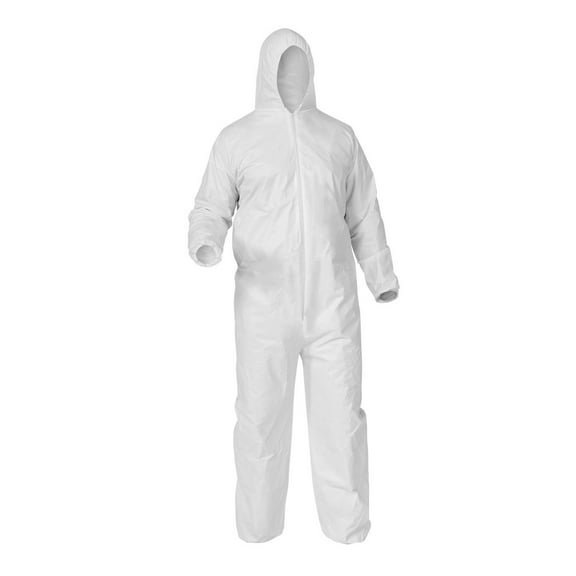
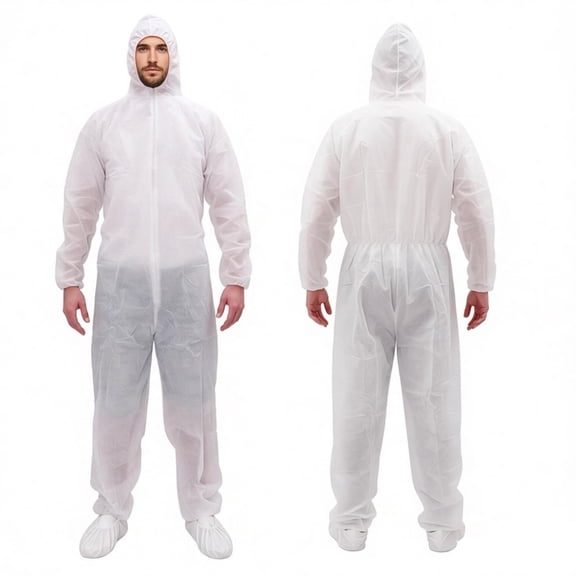
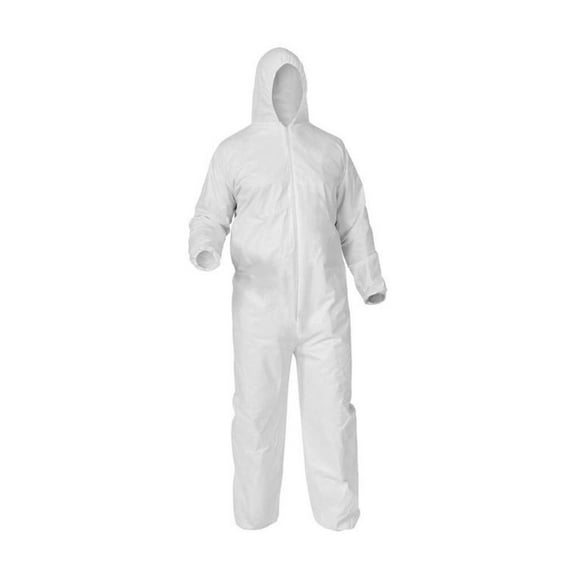
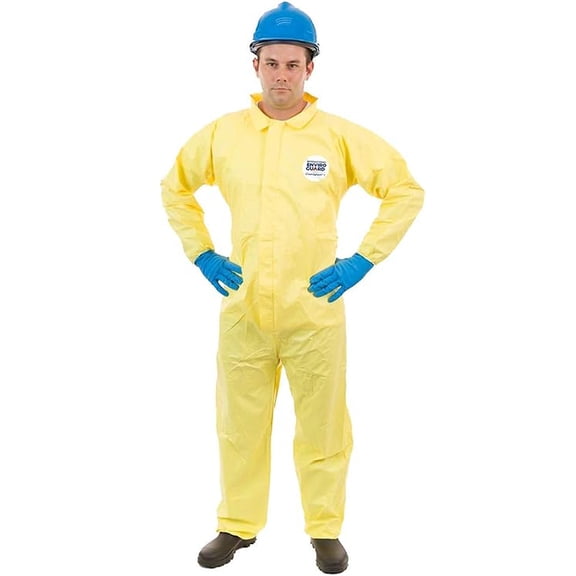
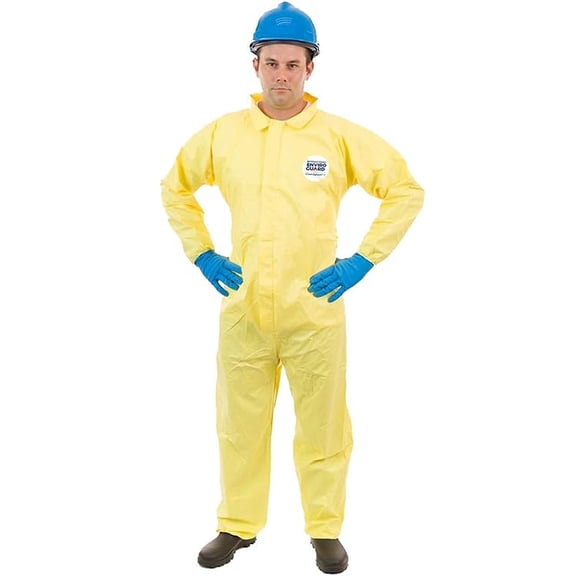
You should check whether you want hooded or hoodless coverage before you compare sizes. You may also want booted legs, elastic wrists, and elastic ankles for a fuller body seal.
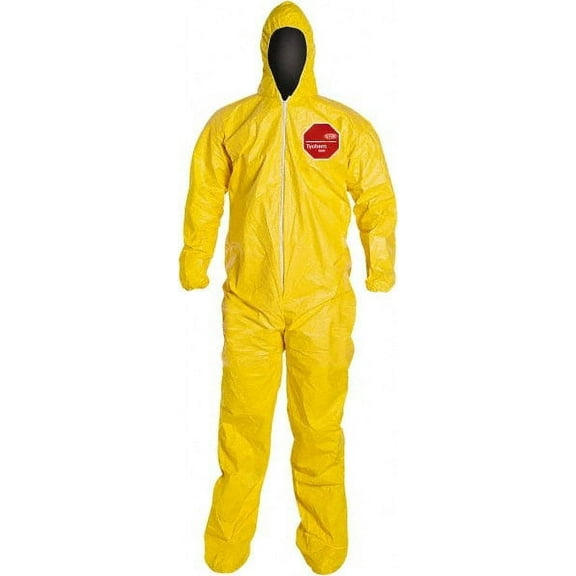
A hooded full body paint suit can help you cover your head and neck during spraying. A hoodless option can work well when you already wear separate head protection.
Booted painter jumpsuit styles can help you cover footwear in messy areas. Elastic wrists and ankles can help you keep sleeves and legs closer to your gloves and shoes.
Fit matters because you may often wear layers underneath your painters coverall. You should consider sizing up when you want room for bending, kneeling, and reaching over work clothes.
When you compare sizes, you should look for range of motion across the shoulders, seat, and knees. You can notice a loose fit makes ladder work, trim work, and rolling easier.
Deciding between disposable, reusable, and washable options
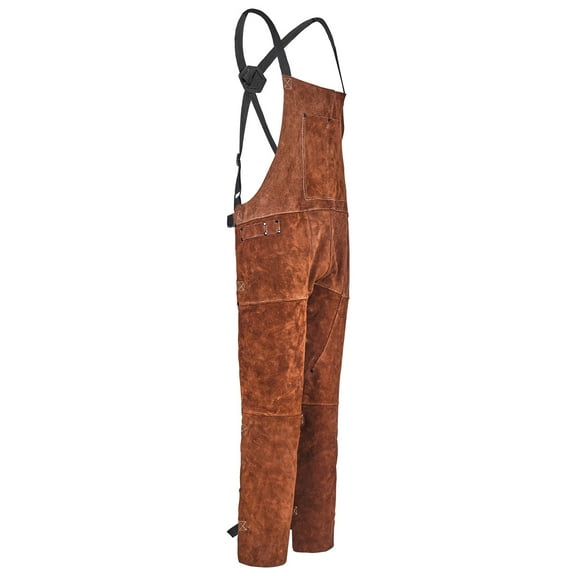
You can choose disposable painting coveralls when you want quick cleanup after a messy project. You may prefer reusable or washable options when you handle repeat tasks and want a sturdier garment.
Disposable styles can make sense for one-room repainting, cabinet spraying, and touch-up days. You can remove them after the job instead of carrying dried paint and dust into your vehicle.
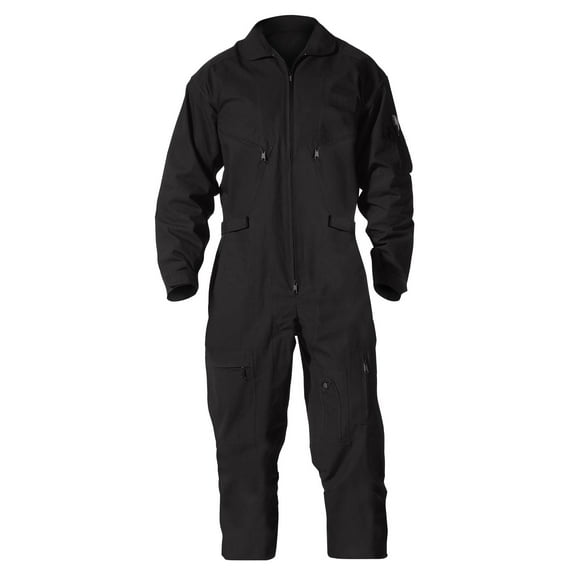
Reusable paint coveralls can work well when you paint often and need familiar fit and coverage. Washable options can also help you keep the same workwear ready for the next project.
As you compare these choices, you should think about how much overspray and debris you expect. You may also want to consider how much cleanup time you’re willing to handle afterward.
Choosing garment style for real jobsite use
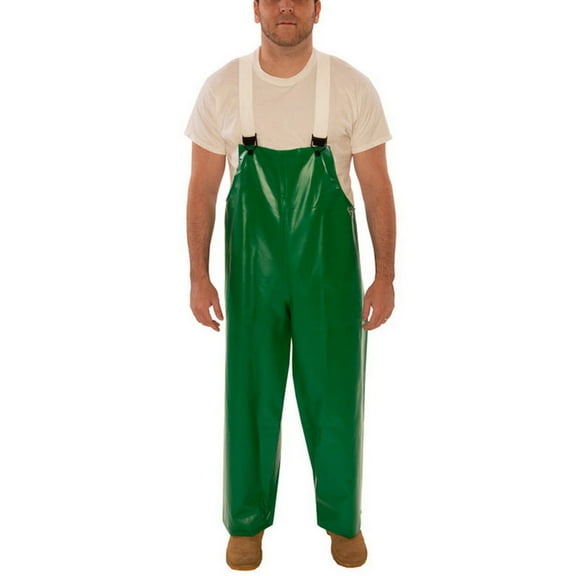
You can compare a jumpsuit, coverall, two-piece suit, or jumper based on how you move. You may prefer one-piece coverage when you want fewer gaps during spraying or sanding.
A painter suit in jumpsuit form can help you get dressed quickly before prep starts. A two-piece option can feel easier when you want separate top and bottom flexibility.
If you paint ceilings, trim, or doors, you should look for full-length coverage with secure cuffs. You can appreciate that design when you reach overhead or move around fresh overspray zones.
For interior repainting, you may want paint jumpsuit styles that layer over everyday clothes. For exterior touch-ups, you might choose lighter painter coveralls that feel easier in changing temperatures.
During furniture refinishing or spray booth work, you should compare hooded designs and tighter cuff details. You can use those features when you want cleaner transitions at your wrists, ankles, and neckline.
With the right painters coveralls, you can match barrier level, fit, and coverage to the work in front of you. You can finish with cleaner clothes, easier cleanup, and steadier comfort through long painting sessions.