


Find auto parts that fit
Let’s search for parts that fit your vehicle.Winches & Winch Accessories in Towing Hitches, Winches & Accessories




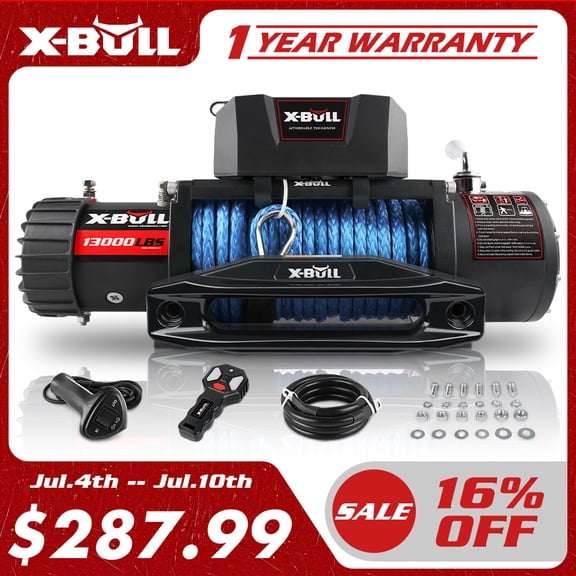
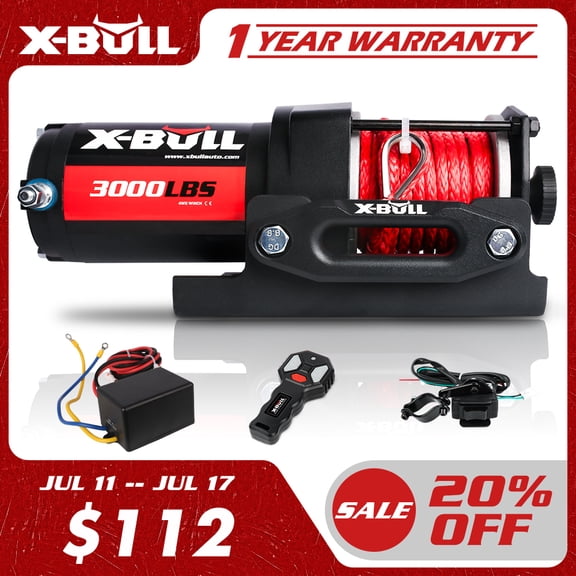
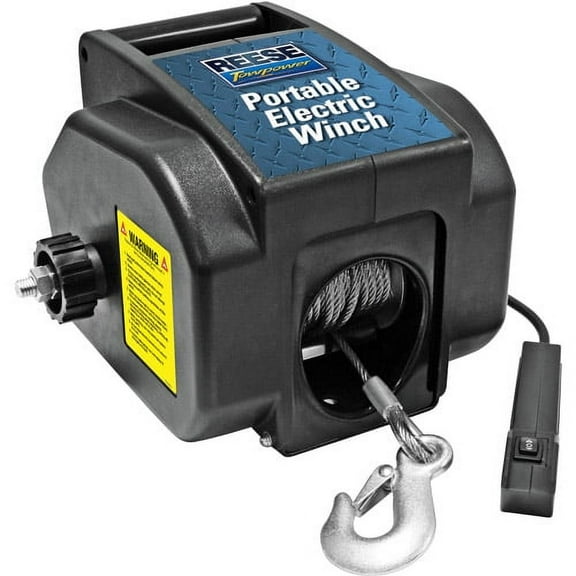


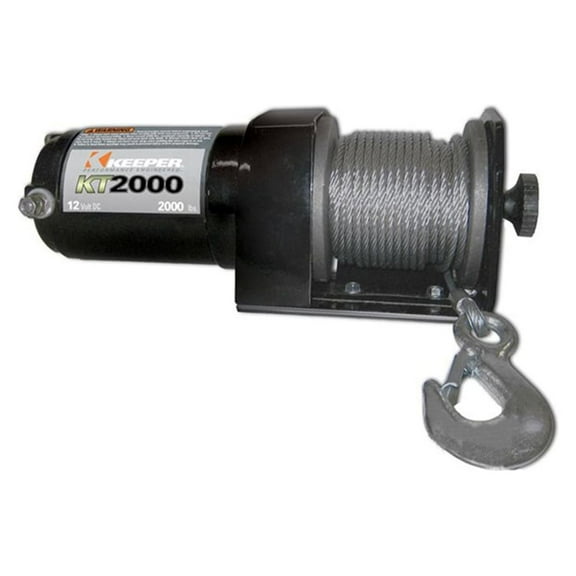










About Winches & Winch Accessories in Towing Hitches, Winches & Accessories - Walmart.com
You can compare winches and winch accessories by pull strength, power source, rope material, and mounting fit. You'll find this category covers vehicle recovery, trailer loading, and equipment handling with purpose-built options.
When you choose the right setup, you get steady pulling control and smooth installation planning. You'll also narrow your options quickly by matching capacity and accessories to your vehicle or trailer.
How to choose winches and winch accessories
You should start with winch type because power delivery changes how you use the equipment. You can compare electric winches, manual hand crank models, and hydraulic options based on your towing setup.
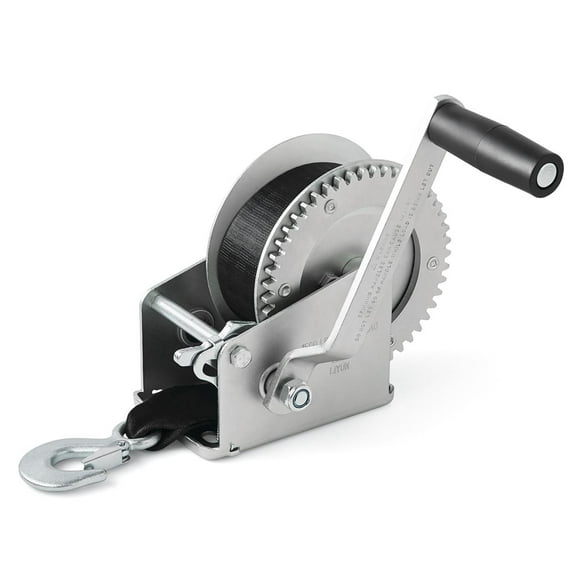
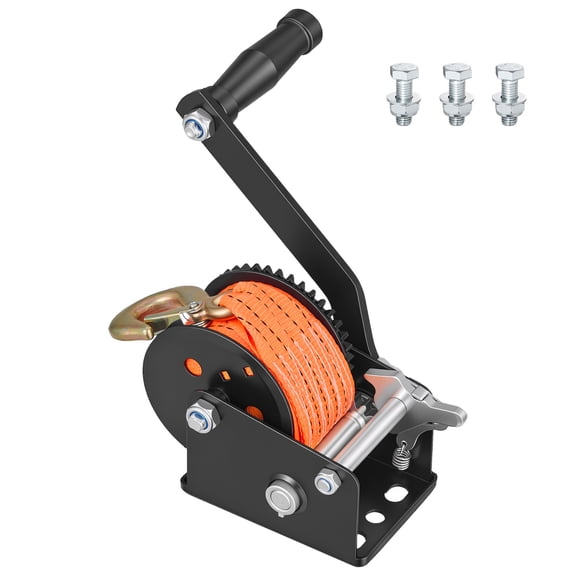
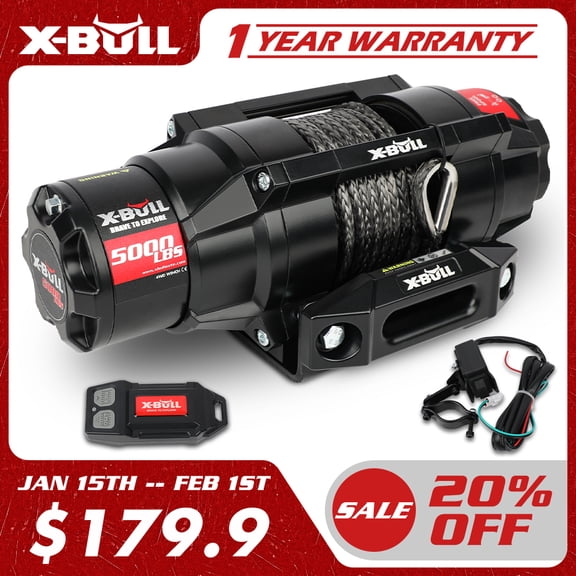
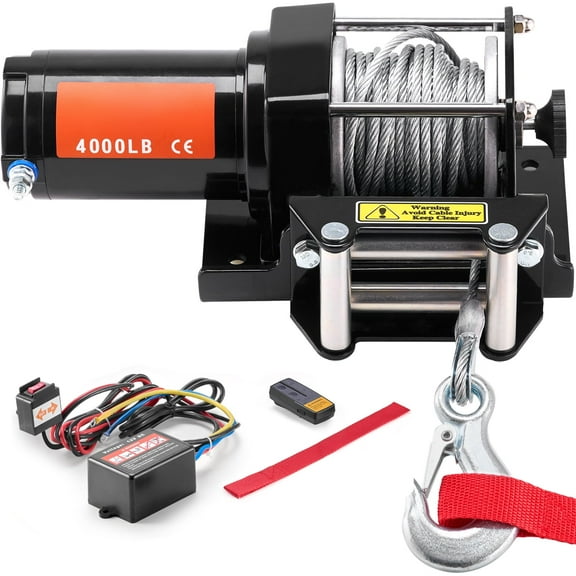
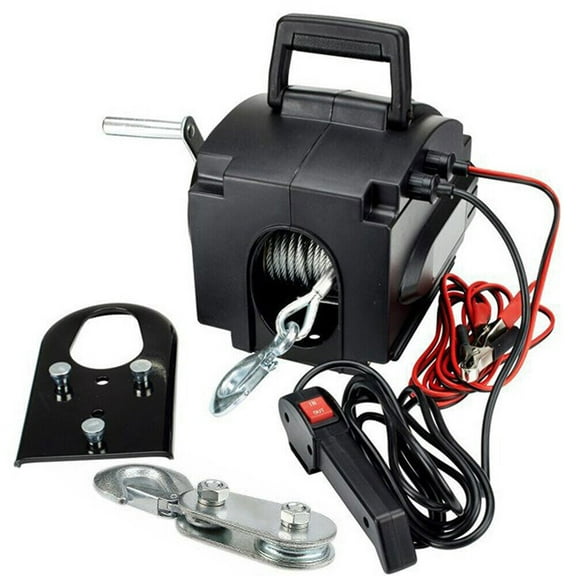
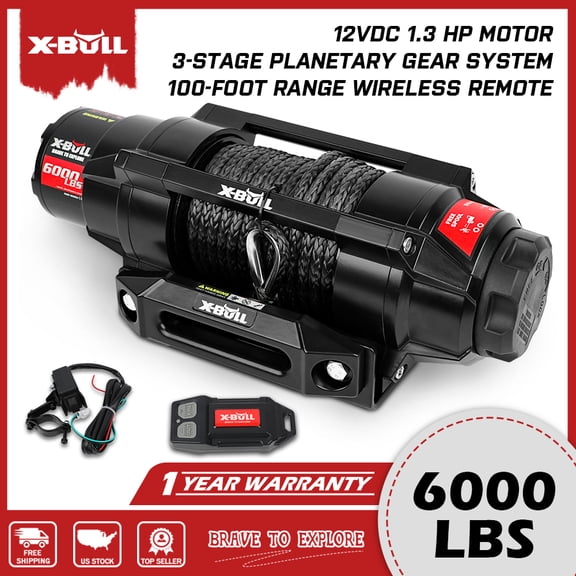
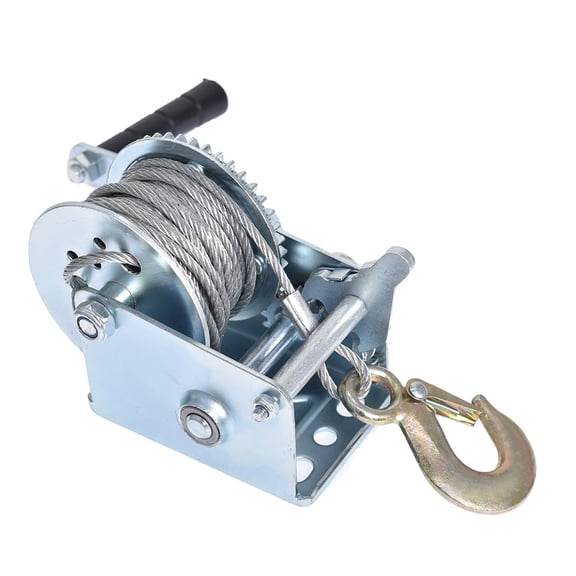
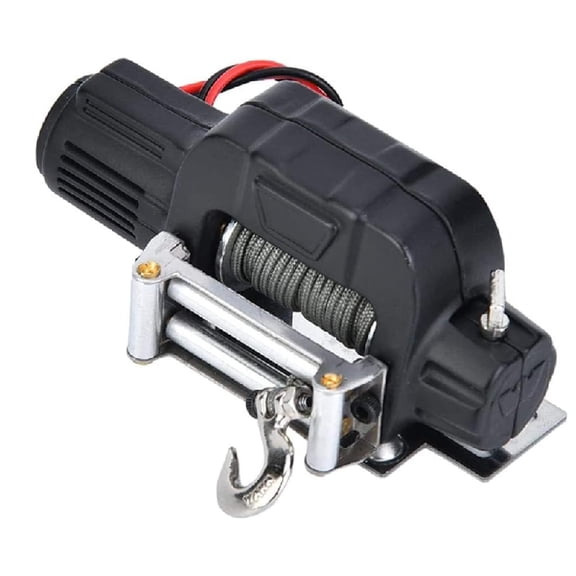
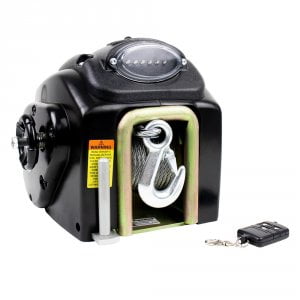
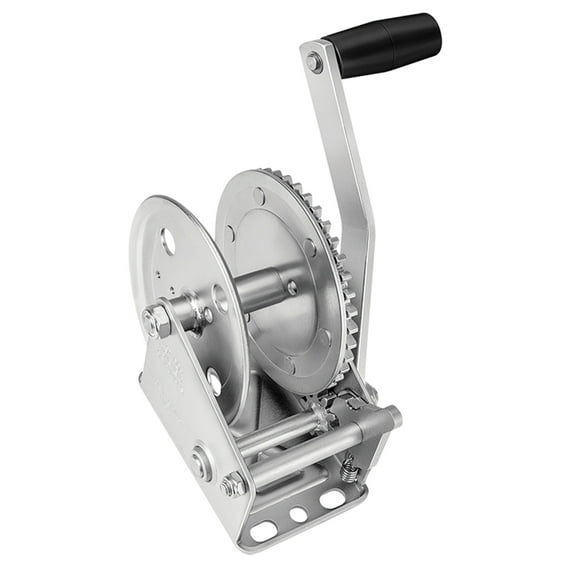
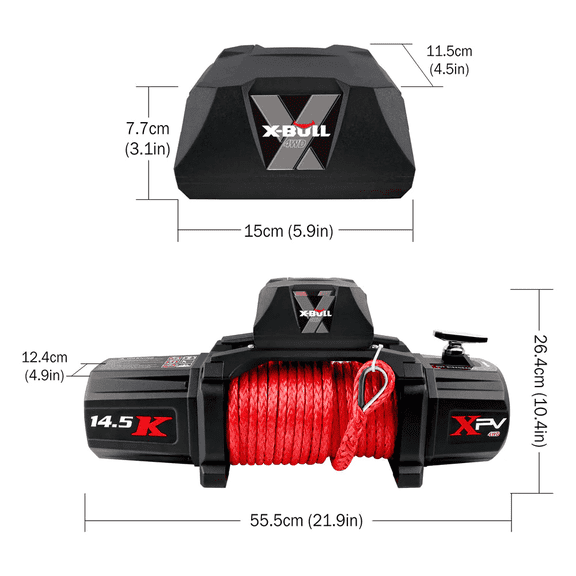
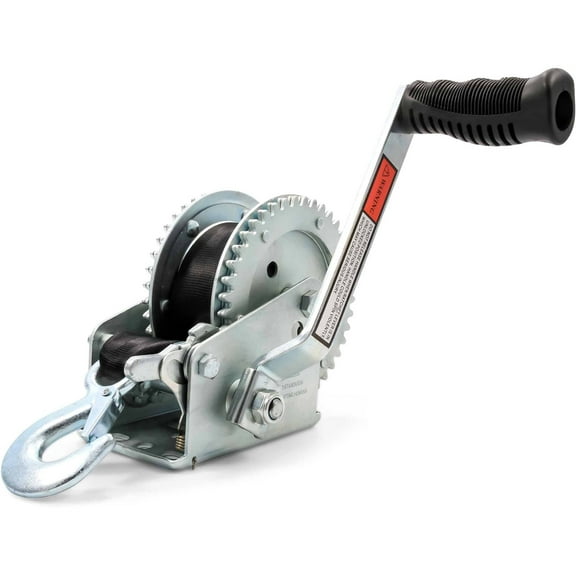
Electric winches suit many vehicle recovery jobs because you can connect them to a 12V battery system. Manual hand winches fit lighter trailer tasks when you want simple operation without electrical wiring.
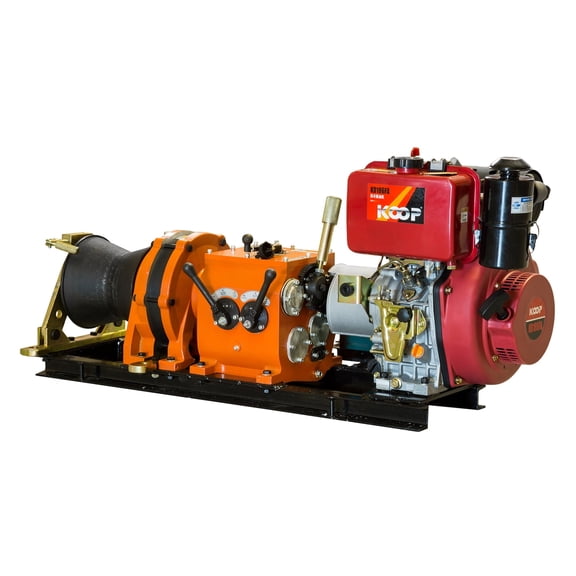
Hydraulic choices can make sense when your equipment already supports that power source. You should check your vehicle or trailer setup first so your installation path stays clear.
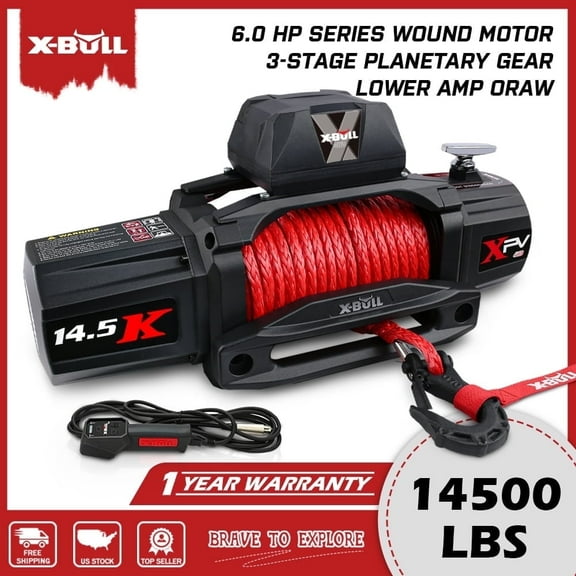
- You can use electric winches for off-road recovery and heavier pulling tasks.
- You can choose manual hand winches for small trailers, boats, and loading jobs.
- You can pair hydraulic options with compatible equipment for steady pulling power.
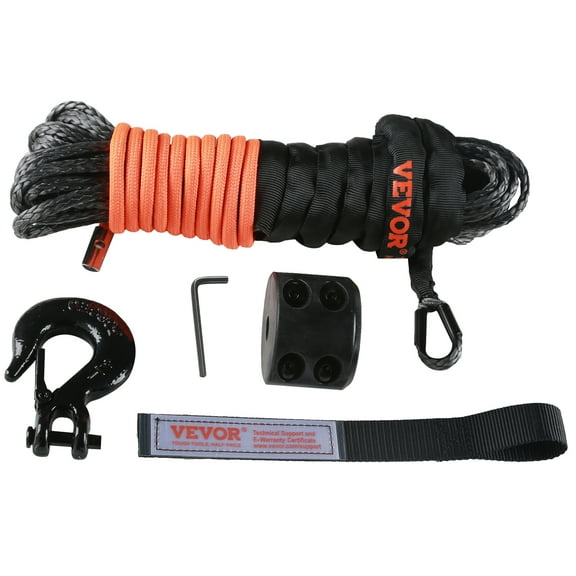
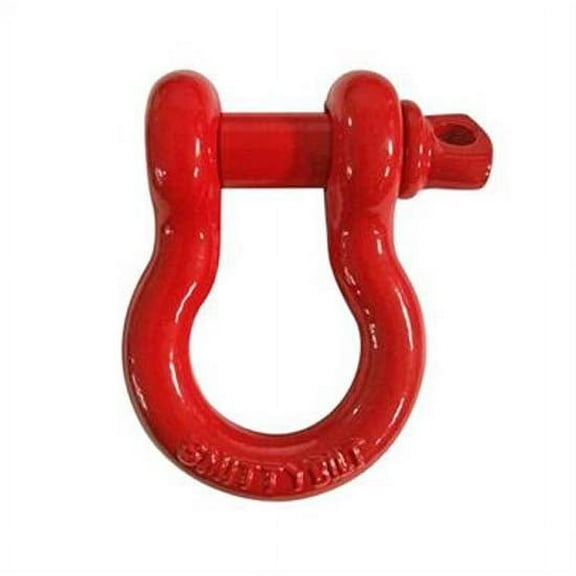
- You can complete your setup with winch accessories like shackles, straps, fairleads, and hooks.
Choosing electric winches and trailer winches by capacity
You should treat weight capacity as a key buying decision, not a small detail. You can use the common guide of at least 1.5 times your vehicle's gross weight.
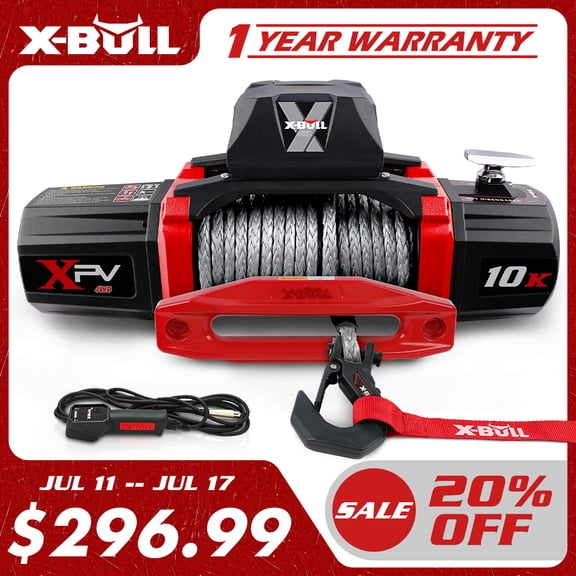
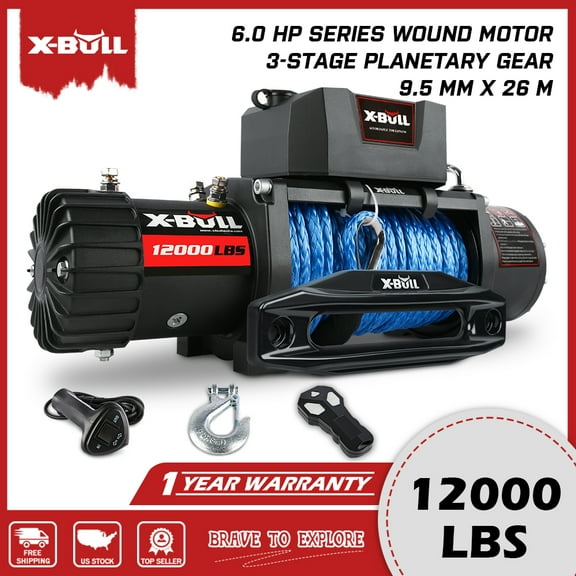
If your vehicle weighs around 6,000 pounds, you may look toward a 9,500-pound class. If you tow or recover heavier rigs, you may need a 12,000-pound option.
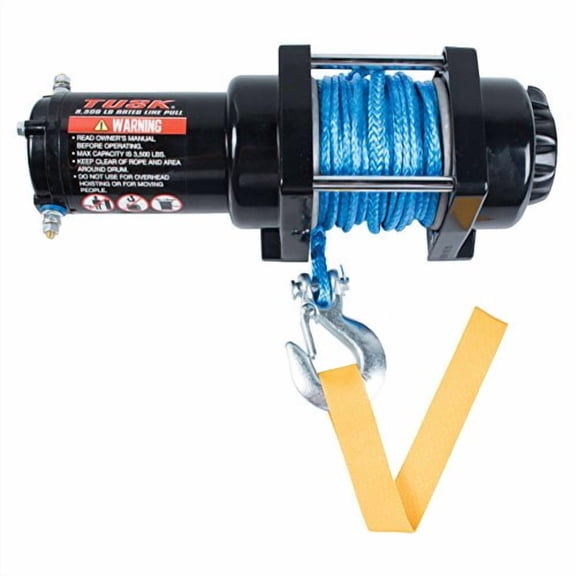
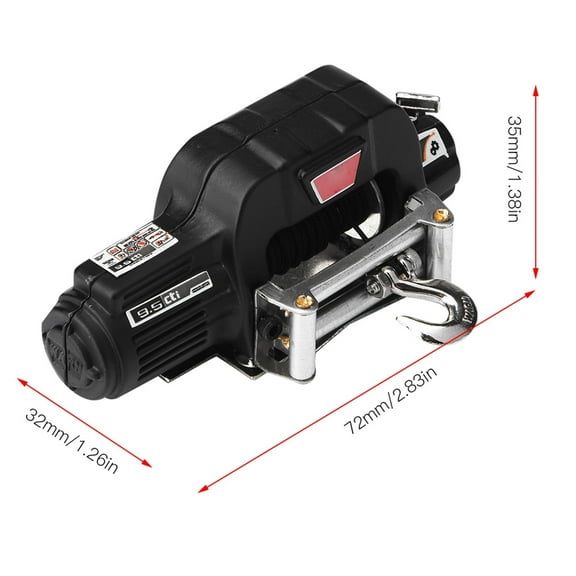
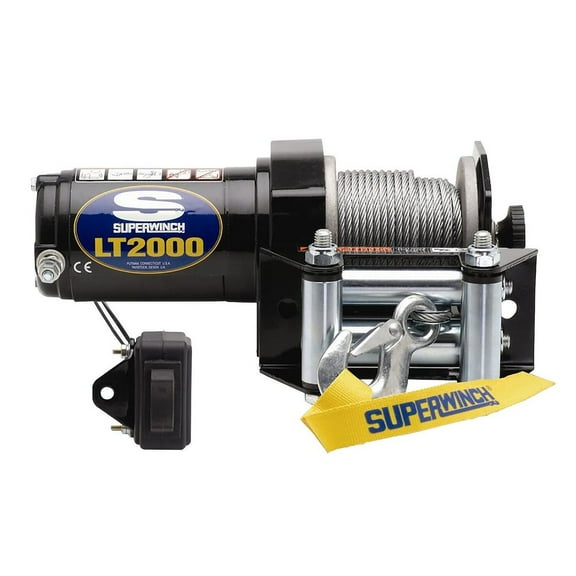
You can also find lighter capacities like 2,000 pounds for smaller trailers and utility tasks. Trailer winches often suit boat trailers, ATV trailers, and loading jobs that need controlled pulling.
Before you decide, you should consider cargo weight, incline, rolling resistance, and surface conditions. You can avoid guesswork when you compare your real load instead of just your empty vehicle.
Key differences in synthetic winch rope and winch cable
You should compare rope material carefully because it changes handling, storage, and wear patterns. You can choose synthetic winch rope or traditional winch cable based on your conditions.
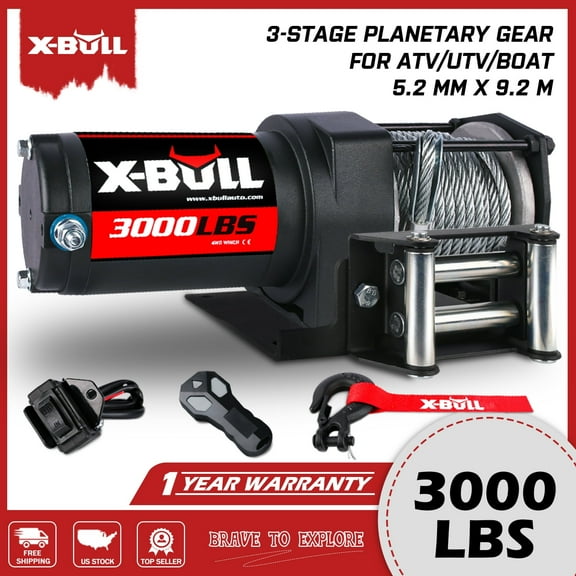
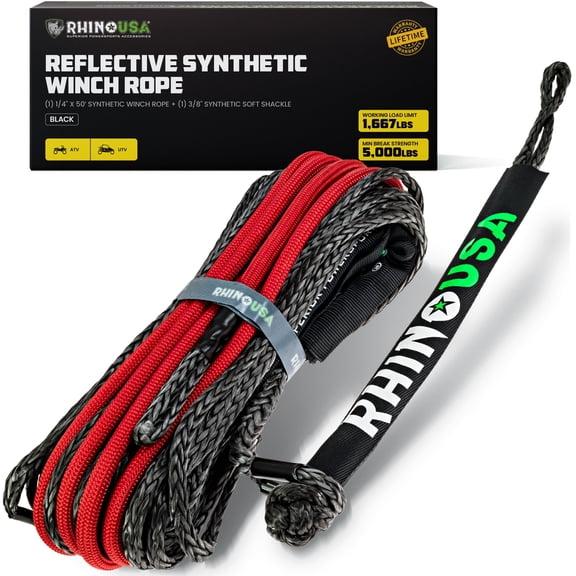
Synthetic winch rope feels lighter in your hands and can be easier for you to handle. You may prefer it when you want less weight on the front of your vehicle.
Steel winch cable gives you a familiar option for rough abrasion contact and repeated heavy pulling. You should inspect either material often so your setup stays ready for the next job.
You can also match your rope choice with the right fairlead and drum compatibility. Your selection works well when the line material and hardware work together by design.
What to look for in winch accessories
You can complete your setup with winch accessories that support mounting, line guidance, and connection points. You should look for a winch mounting plate that matches your vehicle, bumper, or trailer frame.
A mounting plate affects fitment, bolt pattern alignment, and load support during pulling. You should confirm dimensions and compatibility before you choose a plate for your application.
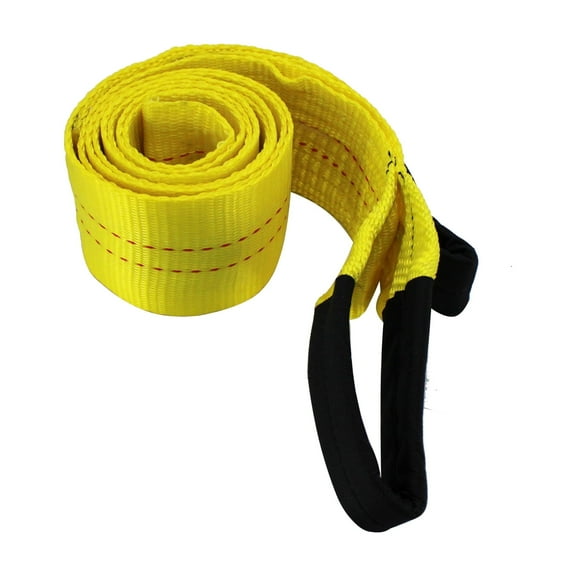
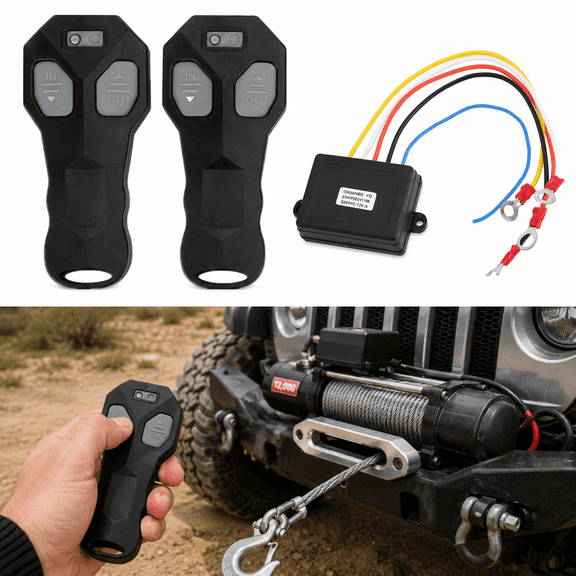
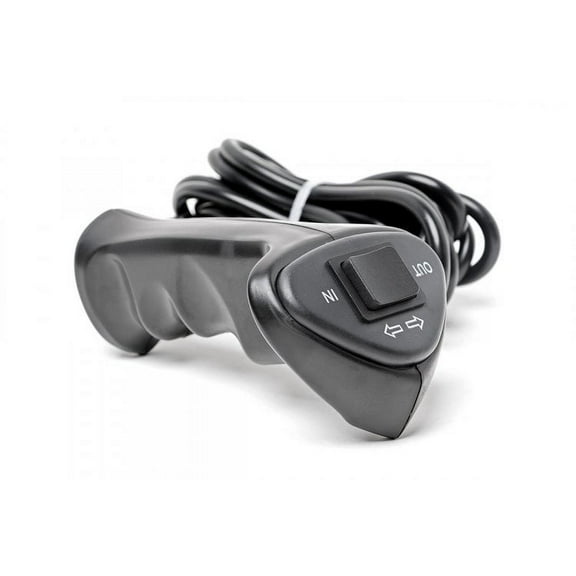
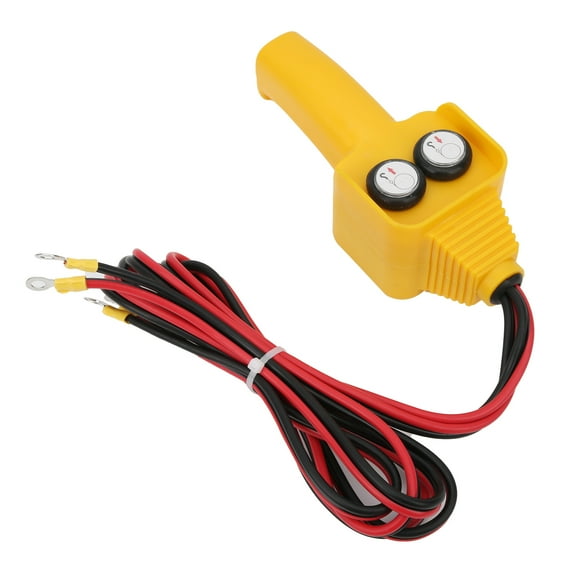
Fairleads help guide line movement across the opening, and straps help you create useful anchor connections. You can also compare shackles, hooks, remote controls, and replacement hardware for a more complete system.
When you replace worn parts, you can keep your pulling setup consistent across repeated jobs. Your accessory choices matter because small hardware differences can affect fit and daily convenience.
Use cases for winches and winch accessories
You can use this category for off-road recovery when mud, sand, or steep terrain slows your vehicle. Electric winches and a synthetic winch rope often suit drivers who want lighter handling during setup.
You can use trailer winches for loading boats, personal watercraft, or equipment onto a trailer. Manual hand winches often fit these tasks when you want controlled movement and simple installation.
For work trucks and utility trailers, you may combine a higher-capacity model with a winch mounting plate. You can add straps and shackles when you need flexible connection points for different loads.
If you upgrade an existing rig, you should compare line material, capacity, and mount fit together. You can build a more organized setup when each part matches your vehicle and intended pulling job.
Choose winches and winch accessories with confidence
You can narrow your decision by comparing winch type, pulling capacity, rope material, and mounting compatibility together. When your setup matches your real load and installation needs, you get smooth pulling and a clean fit.