

Exterior Car Parts and Accessories
Bumpers & AccessoriesFenders & AccessoriesGrilles & Grille GuardsCar LightingTruck Bed AccessoriesMud Flaps & Splash GuardsParts by Vehicle ModelSide View, Towing MirrorsTailgates; Tailgate PartsWindshield PartsExterior Door PartsHoods & Hood AccessoriesHornsTrunk PartsBack Glass Washer PartsVehicle CoversVisors & Bug DeflectorsBody Kits & Side SkirtsRunning Boards; Nerf BarsCar CustomizationRacks & Cargo CarriersTowing Hitches & WinchesTruck Tool BoxesSpoilers & WingsCar & Truck Wraps
Exterior essentials
Shop by category



Resist the elements









FAQ
About Exterior Car Parts and Accessories - Walmart.com
Guide to Exterior Car Parts and Accessories
Exterior car accessories may enhance your vehicle's appearance, but they're essential and functional depending on your needs, too. Carriers, racks, and covers protect your vehicle from getting dinged and scratched up from bikes, skis, and luggage. Other accessories, such as hitches, let your vehicle do double duty by towing everything from boats to campers.
Exterior parts
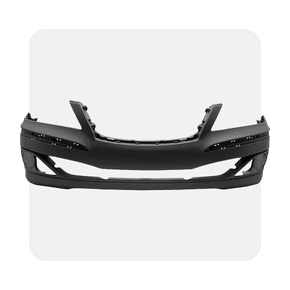
- Bumpers: Replacing a scratched, cracked, or dented bumper? Input your vehicle's make and model to find one that will fit your car. Metal bumpers are great if you do a lot of off-roading, while plastic bumpers are lighter and more aerodynamic.
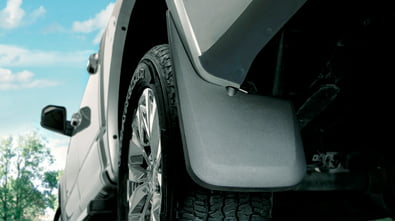
- Mud flaps and splash guards: Adding mud flaps or splash guards to your car can help prevent dents and dings by deflecting debris away from your car's fender wells.
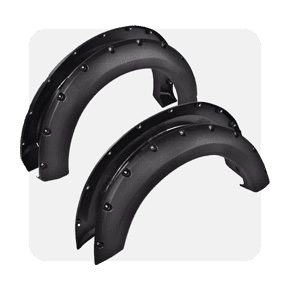
- Fenders and fender flares: When buying fender flares, determine how much coverage you'd like and the style of fender flare. Fender flares come in four styles: OE, street, pocket/bolt, and extended style.
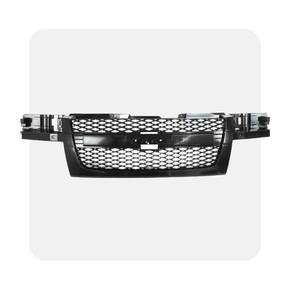
- Grilles, grille guards, and bull bars: Grille guards and bull bars can help protect the front end of your car in the event of an accident or collision. If your grille has been cracked in an accident, it can easily be replaced.
- Side view mirrors and towing mirrors: Mirrors are essential for driving safely. Towing mirrors extend further than regular side view mirrors, making it easier for you to see farther back behind your vehicle.
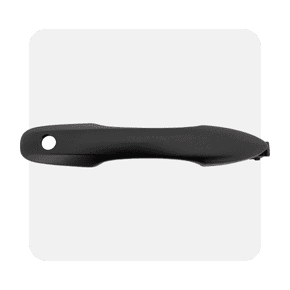
- Exterior door parts: Some common exterior door parts include replacement handles, locks, latches, and door hinges.
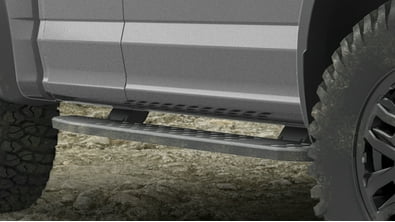
- Nerf bars and running boards: Running boards provide a flat surface to put your feet, while nerf bars have a rounder, narrower surface.
Cargo management
- Roof racks: Look for a multipurpose and low-profile modular rack that lets you add on for different uses. All-aluminum racks are lighter than steel, and both are durable.
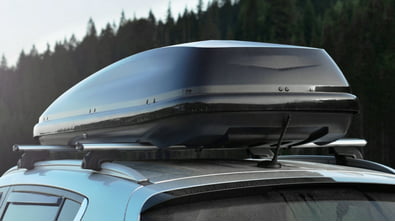
- Cargo carriers: Carriers mount to or sit on top of racks. Choose from lightweight, waterproof bags or aerodynamic, sleek hard tops. Bags let you carry oddly-shaped objects, and they fold flat when you need to store them. Hard carriers come in various lengths and heights. Look for a self-standing top lid for easy loading.
- Cords and straps: You can never have too many adjustable straps and bungee cords to hold down items on your rack. Tread carefully when placing bungee cords to avoid injuries if they whip back when you're packing the car.
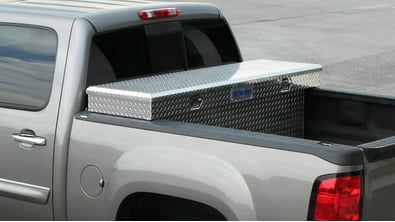
- Truck tool boxes: A truck tool box that's weatherproof with a reinforced steel lid protects your gear from elements and may deter theft.
Truck bed and tailgate accessories
- Bed extenders: Add up to two feet onto the back of your truck bed with an extender so you'll be able to haul extra long, large loads.
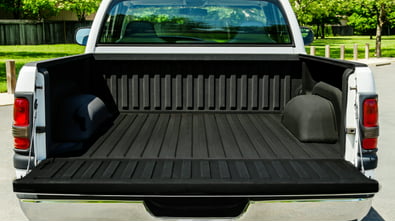
- Bed liners and coatings: To protect your new truck or replace your old truck's liner, choose a drop-in or spray-on liner. Drop-in liners are easy to install and remove. Spray-on options won't slip or rattle around, and they provide texture for non-skid surfaces. Sprays can't be removed once they're put on.
- Truck tents: Truck tents are meant for camping and typically fit two average size adults. Higher truck tents allow you to get dressed much easier. Look for a tent with folded seams, double stitching and edges of the floor that are slightly raised off the truck bed, which minimizes bugs and water intrusion.
- Racks: Heavy-duty racks mount on top of the truck bed and/or rails and triple your space while protecting your rear windshield.
Other accessories
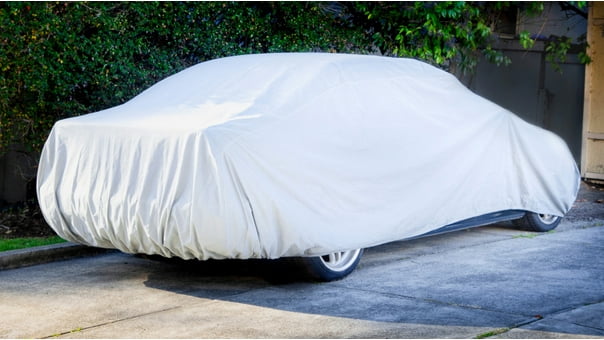
- Vehicle covers: Choose a cover depending on whether you're keeping the car indoors or outdoors. Protect your car indoors from dust, bugs and animals that crawl in. Indoor covers are more breathable than outdoor covers, which are airtight to keep out weather along with critters. Measure your vehicle before buying a cover, or purchase one specifically designed for your make and model.
- License plate covers and frames: Update your cover or frame to freshen up your car's appearance. Frames come in numerous finishes, such as polished mirror, brushed, black pearl and black powder coat.
- Ventshade collection: This collection of custom-molded window visors keeps your car interior cool on hot days and dry in bad weather. They're easy to install with special auto tape.
- Bug deflectors: Generally used on trucks and SUVs, bug deflectors are thin pieces of plastic that can help protect your hood and windshield from bugs and other debris.
- Bumper stickers and decals: vinyl car wraps.
Towing and trailer hitches
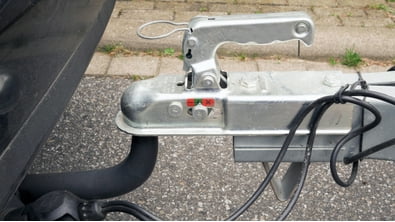
If you have a boat, trailer or camper, you'll need a trailer hitch to tow it. You can also use a trailer hitch for bike racks. To get the right tow setup, you'll need to know the following:
- Weight: The weight capacity of your vehicle will determine what you can and can't tow.
- Ball: Having the correct ball mount and trailer ball is important for your towing setup. You'll need the right size to fit the receiver on whatever you're towing.
- Owner's manual: To ensure you choose the right towing setup, consult with a hitch installer shop or look in your vehicle's owner manual.
Related Links
- Bug Deflectors and Shields
- Bumpers
- Bumper Cover Conversion Kits
- Bumper Cover Reinforcements
- Bumper Cover Supports
- Bumper Covers & Guards
- Bumper End Caps
- Bumper Face Bars
- Bumper Guards
- Bumper Hardware
- Bumper Impact Absorbers
- Bumper Impact Bars
- Bumper Push Bars
- Front Bumpers
- Off-Road Bumpers
- Rear Bumpers
- Rear Diffusers & Bumpers Panels
- Step Bumpers
- Truck Bumpers
- Automotive Spotlights
- Brake Lights
- Car Emergency Lights
- Car Lighting Accessories
- Car Lighting Wiring Harnesses
- Clearance and Side Marker Lights
- Cornering Lights
- Fog Lights
- Headlight Bulbs
- Headlights
- Interior Car Lighting
- LED Car Lights
- License Plate Lights
- Light Bars
- Motorcycle Lights
- Parking Light Bulbs
- Reverse Lights
- Rock Lights
- Shop Car Lighting by Brand
- Tail Lights
- Tow Lights
- Turn Signal Bulbs
- Bed Liner Sprays & Truck Bed Coatings
- Bed Liners & Truck Bed Mats
- Camper Shell Clamps
- Cargo Bars
- Tailgate Parts & Components
- Tie Down Anchors & Hooks
- Truck Bed Air Mattresses
- Truck Bed Cargo Bags
- Truck Bed Dividers
- Truck Bed Extenders
- Truck Bed Organizers
- Truck Bed Rail Caps
- Truck Bed Rails
- Truck Bed Slides
- Truck Bed Storage Boxes
- Truck Bed Tents
- Truck Cargo Nets
- Truck Ramps
- Truck Tarps