




Find auto parts that fit
Let’s search for parts that fit your vehicle.Towing Hitches, Winches & Accessories in Exterior Car Parts & Accessories




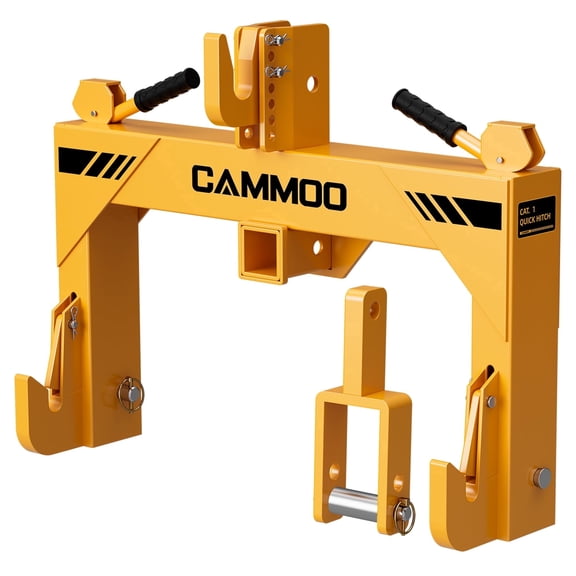
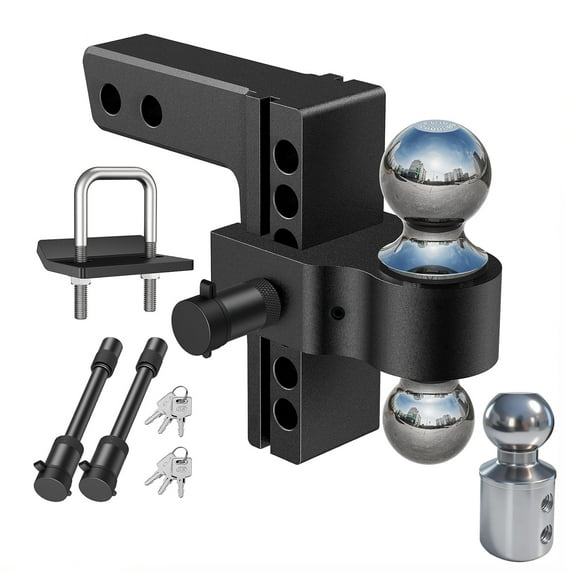


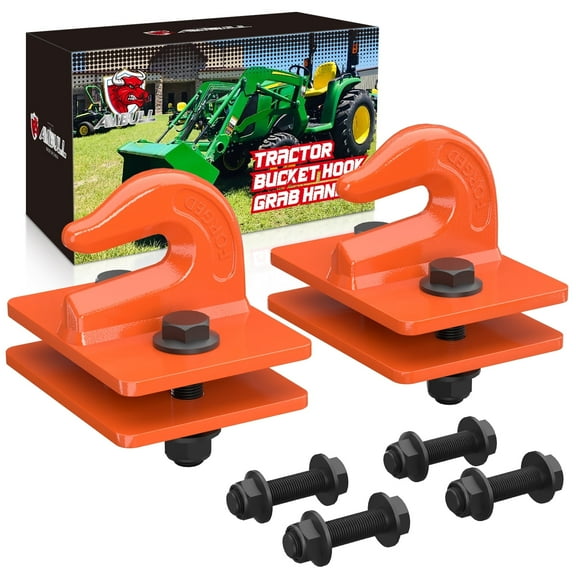
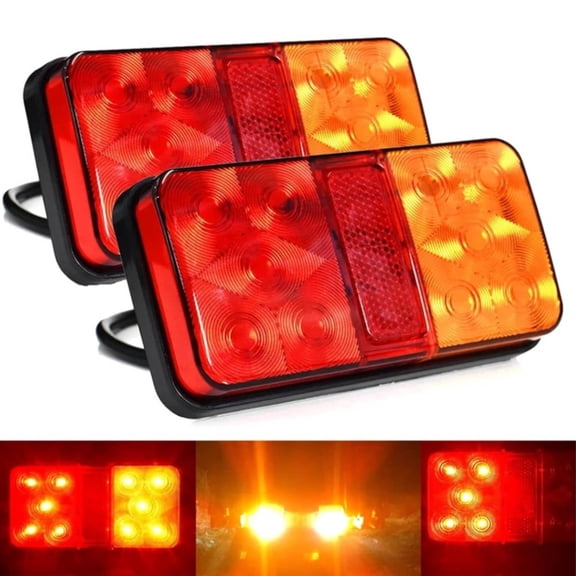

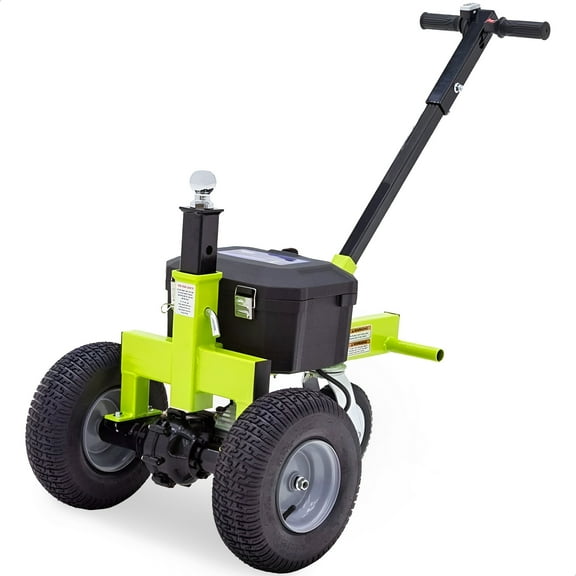
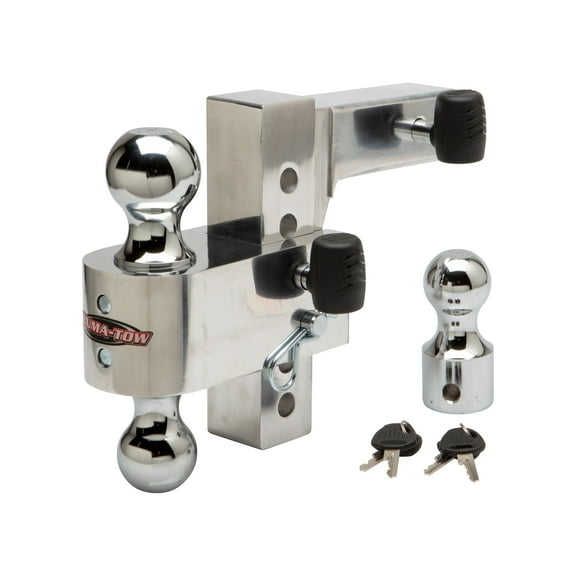
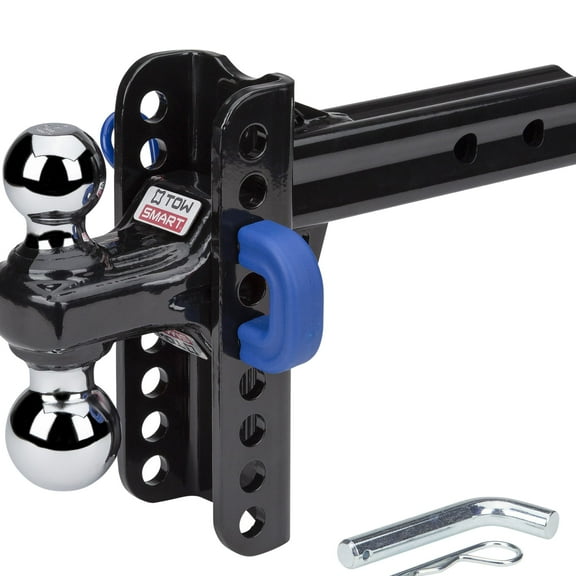

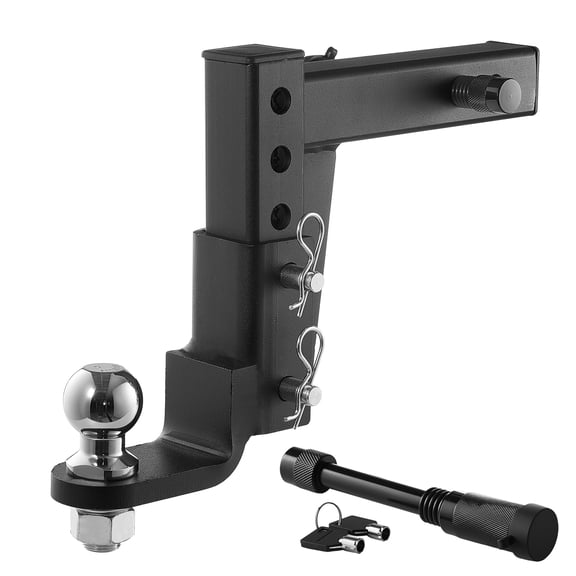

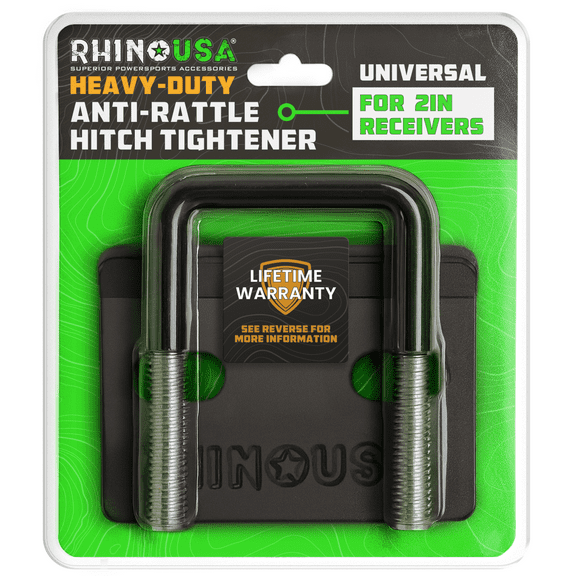
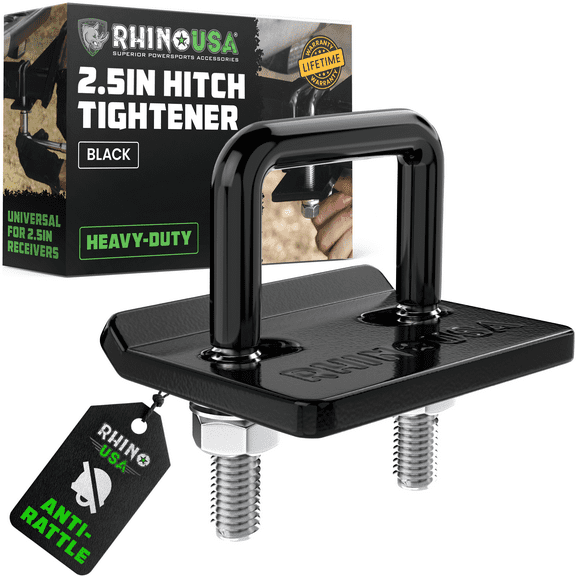
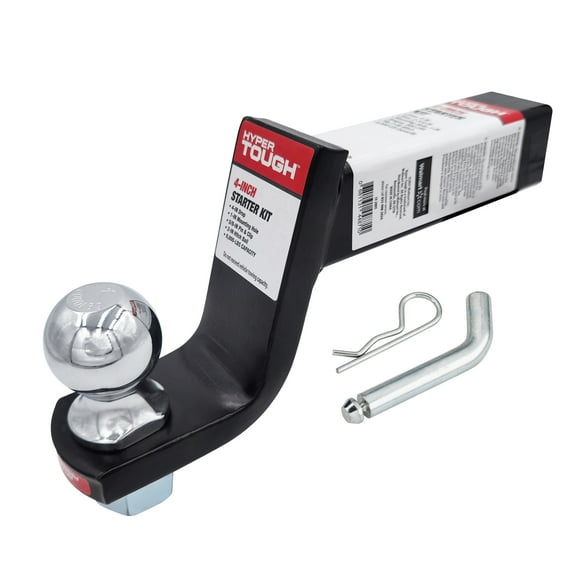


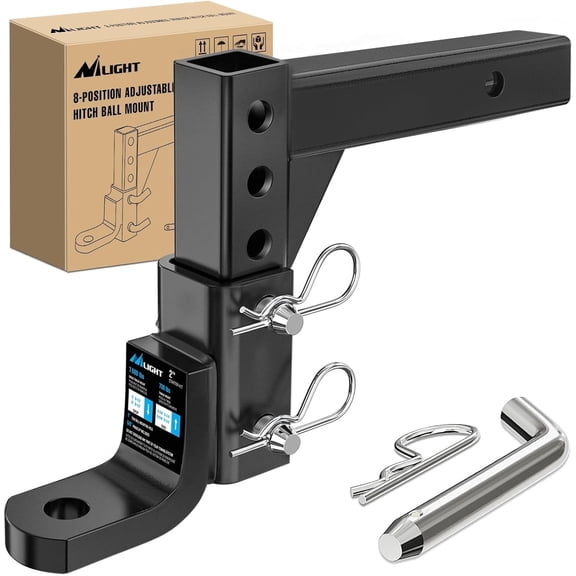
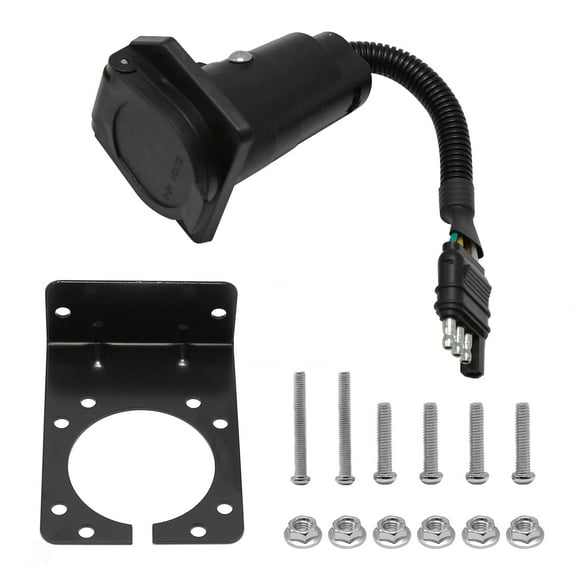
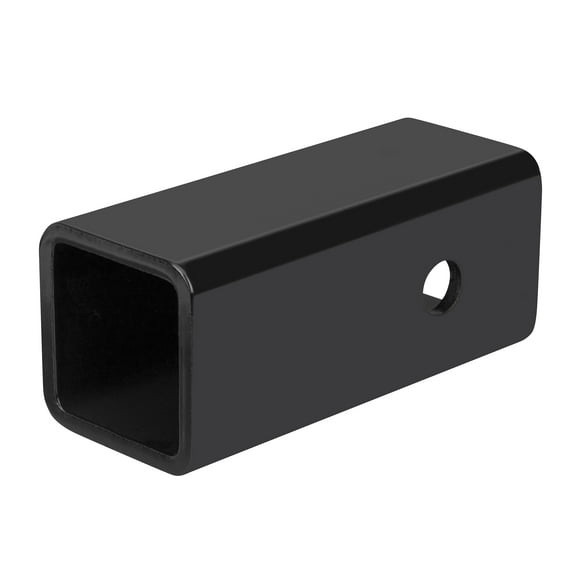
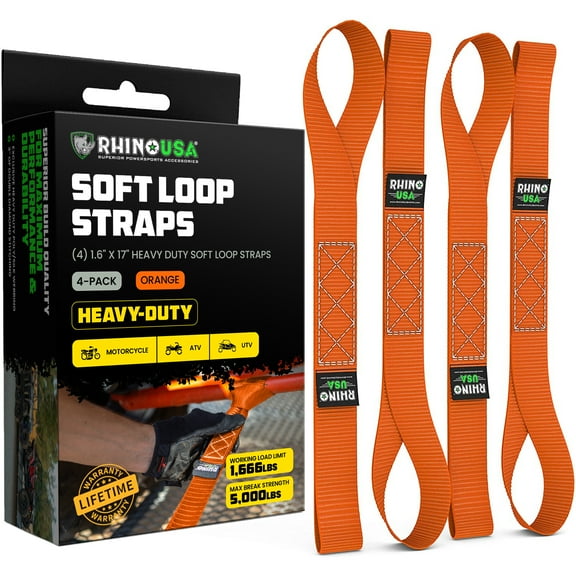


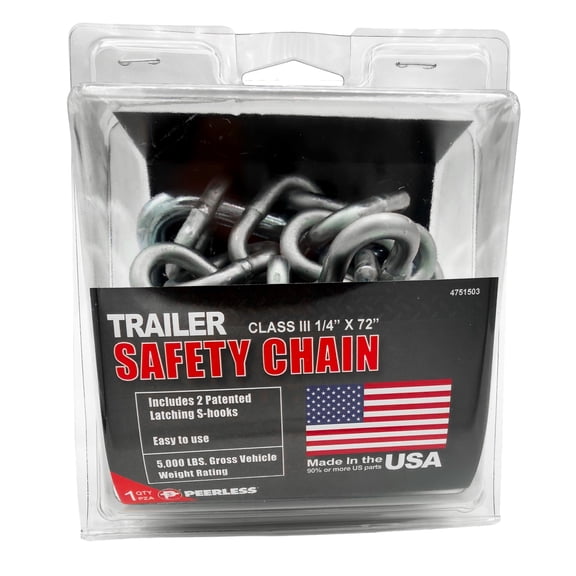
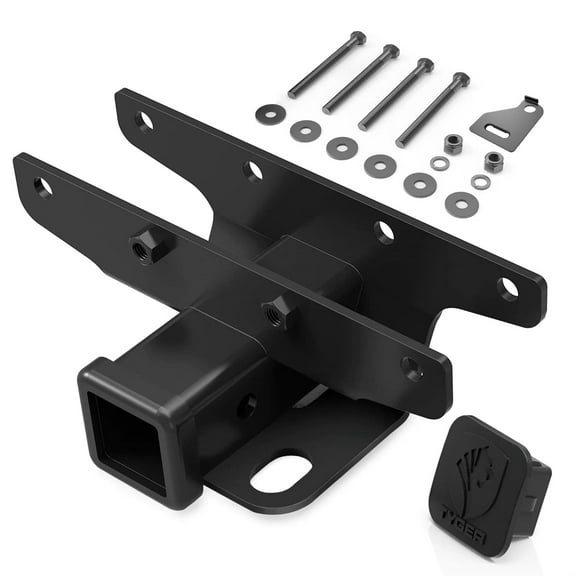


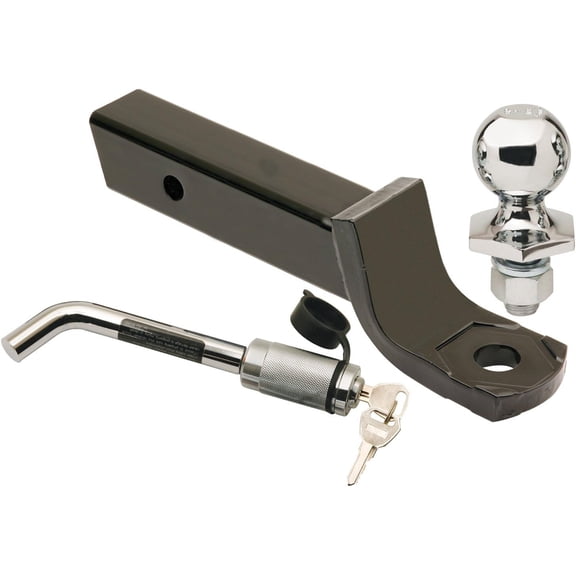

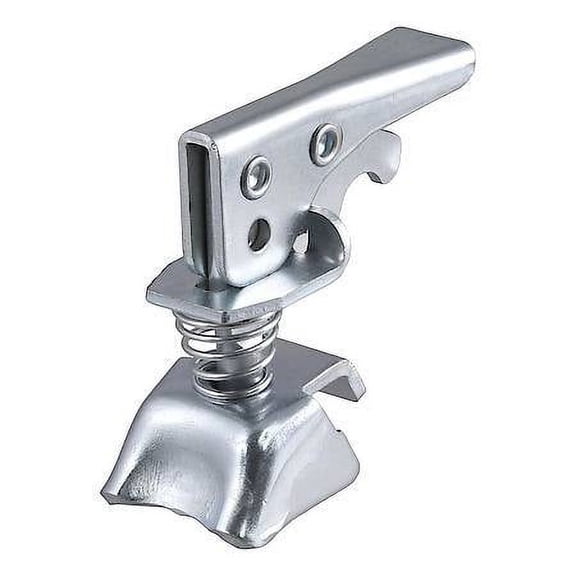
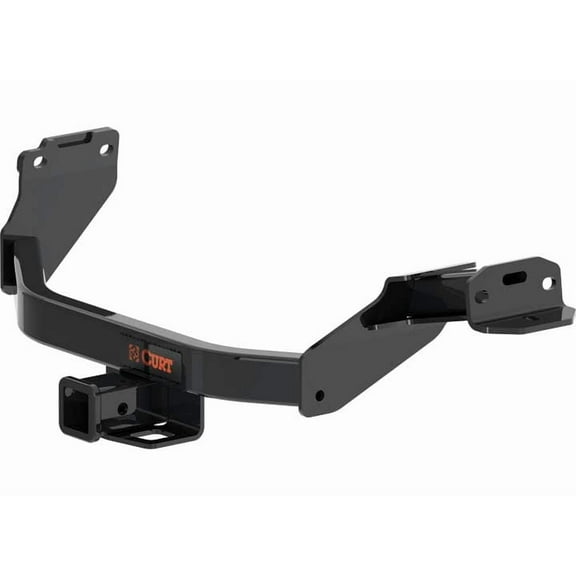
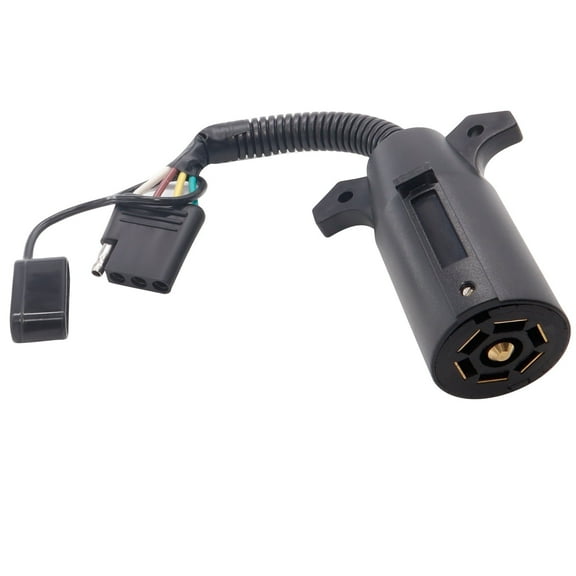
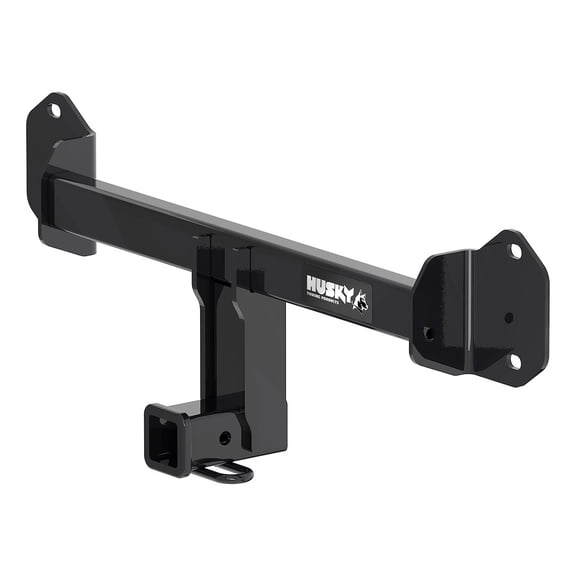

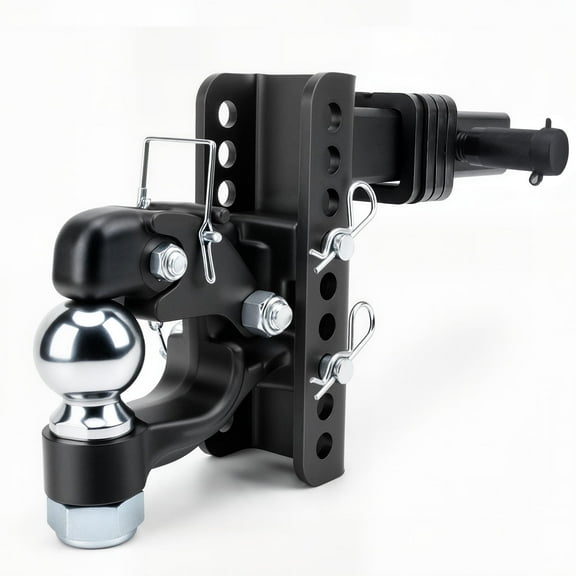

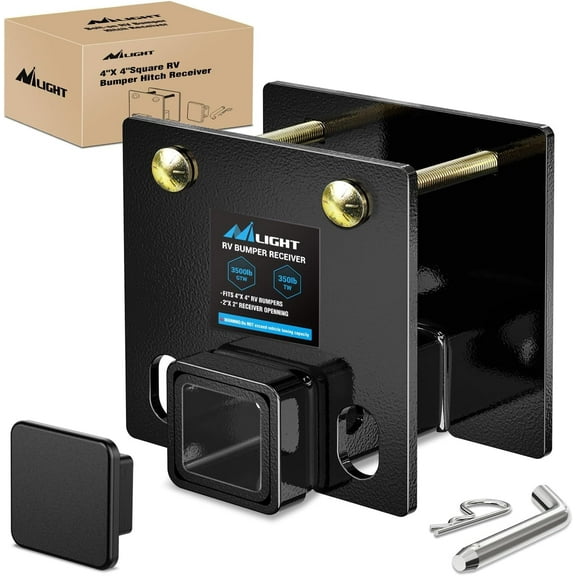


About Towing Hitches, Winches & Accessories in Exterior Car Parts & Accessories - Walmart.com
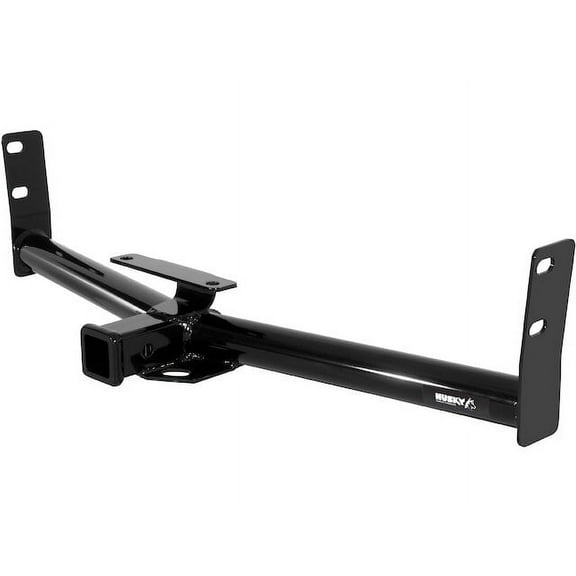
Towing hitches help you tow with confidence when you match your setup to your vehicle, trailer, and load. You can compare hitch classes, receiver sizes, and electric winches in one place for trucks, SUVs, Jeeps, and ATVs.
If you haul a utility trailer, launch a boat, or recover off-road gear, you need fitment details that make sense. You’ll find practical guidance here on towing capacity, line pull rating, and installation choices that matter.
How to choose towing hitches for your vehicle
You should start with your vehicle fitment, because a truck, SUV, Jeep, or ATV uses different mounting points and load ranges. You’ll want a hitch designed for your exact vehicle type and intended trailer use.
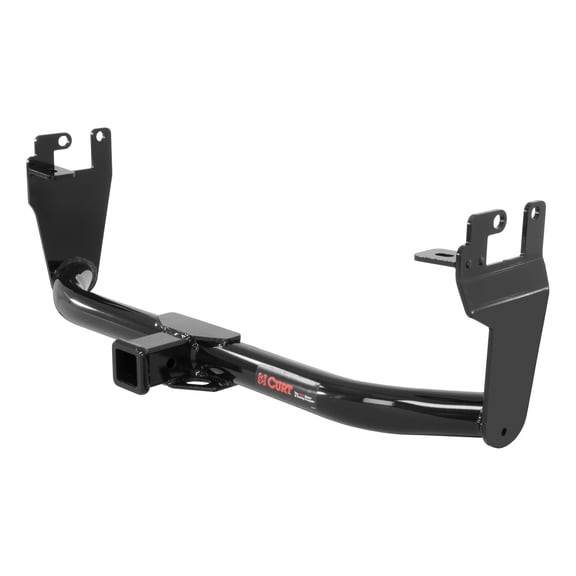
When you compare hitch class options, you’re really comparing gross trailer weight and tongue weight limits. You can use Class I and Class II for lighter hauling, while Class III, Class IV, and Class V support heavier setups.
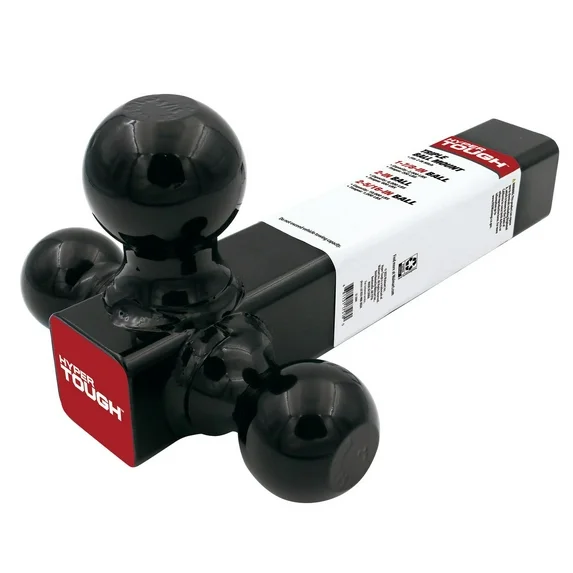
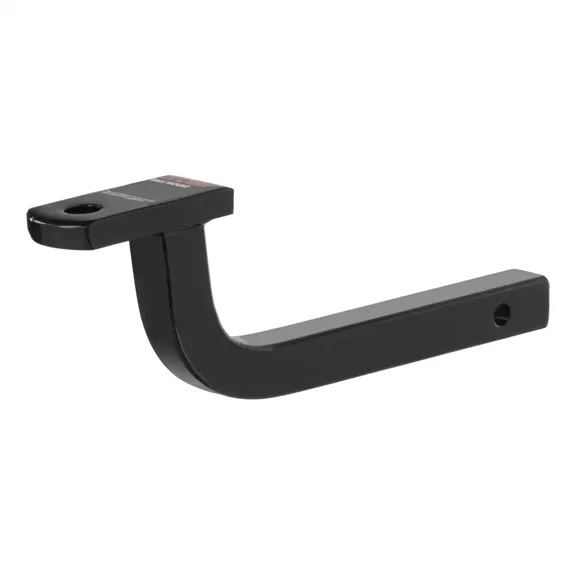
Your receiver size also shapes what fits your setup. You’ll commonly see 1.25 inch, 2 inch, and 2.5 inch openings, and your ball mount shank must match that receiver.
- You can match hitch class to your trailer size and expected cargo weight.
- You can choose receiver hitches that fit your ball mounts and towing accessories.
- You can narrow options by vehicle fitment for cleaner installation planning.
- You can compare manual, electric, and hydraulic winches by pulling needs.
Choosing the right trailer hitches and receiver sizes
You should check whether your trailer uses a coupler and ball mount combination that works with your receiver opening. You’ll avoid guesswork when your receiver size and shank size line up from the start.
A 2 inch receiver hitch often works for many common towing setups, especially when you need broad accessory compatibility. You may prefer 1.25 inch receivers for lighter-duty applications and 2.5 inch receivers for heavier-duty trucks.
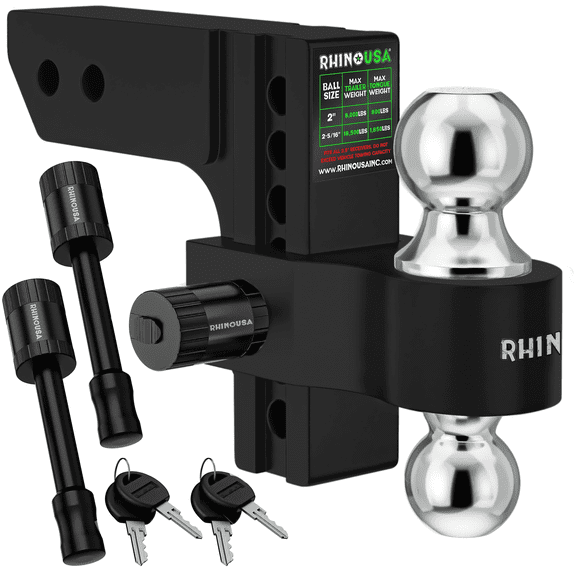
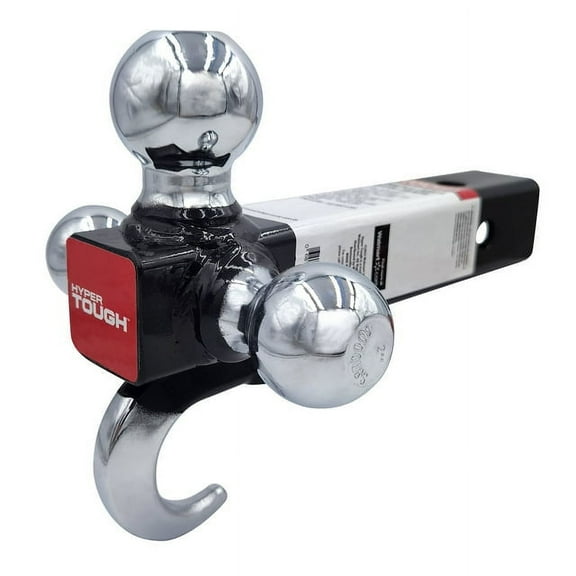
You should also compare hitch pins, ball mounts, and other towing accessories before you finalize your setup. You’ll get a smoother fit when those pieces match your receiver size and trailer connection.
If you’re considering a class 3 trailer hitch, you should verify your vehicle limits before adding cargo or trailer weight. You’ll want your gross trailer weight and tongue weight numbers to stay within manufacturer guidance.
What to look for in electric winches and power sources
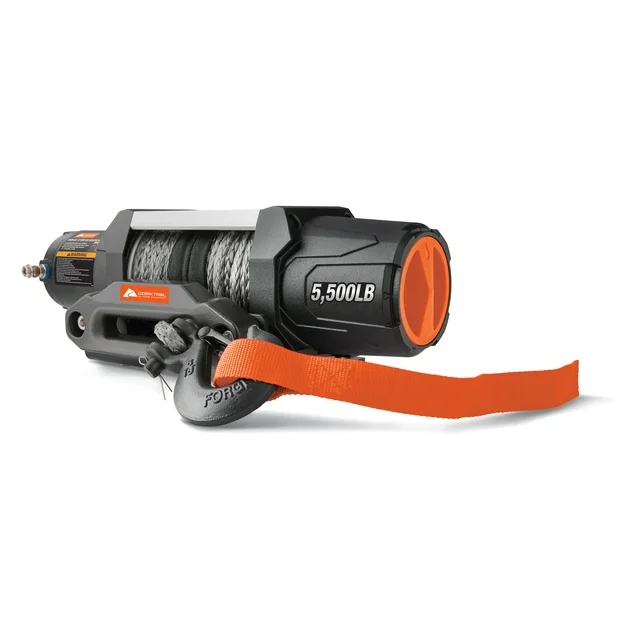
You can choose electric winches when you want push-button pulling for vehicle recovery, trailer loading, or equipment movement. You may compare electric, hydraulic, and manual designs based on power access and use frequency.
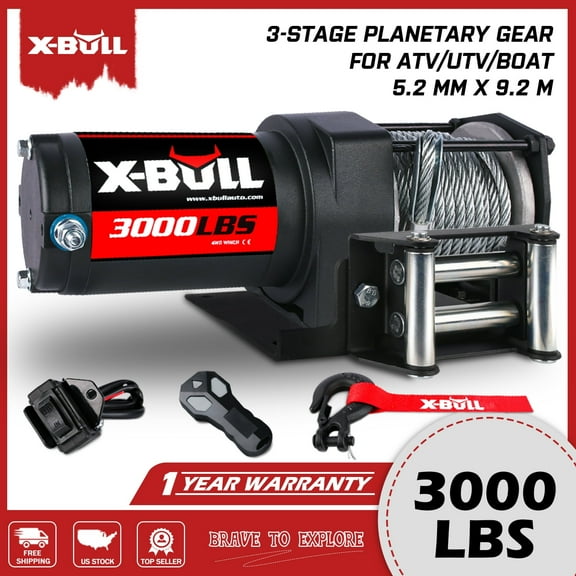
When you review winch capacity, you should compare the line pull rating to the weight you expect to move. You’ll often see options like 2000 lbs, 9500 lbs, and 12000 lbs for different vehicles and tasks.
A 12000 lb winch may suit larger trucks and heavier recovery needs, while lower capacities fit smaller equipment. You should still check your vehicle setup, mounting plate, and electrical support before choosing.
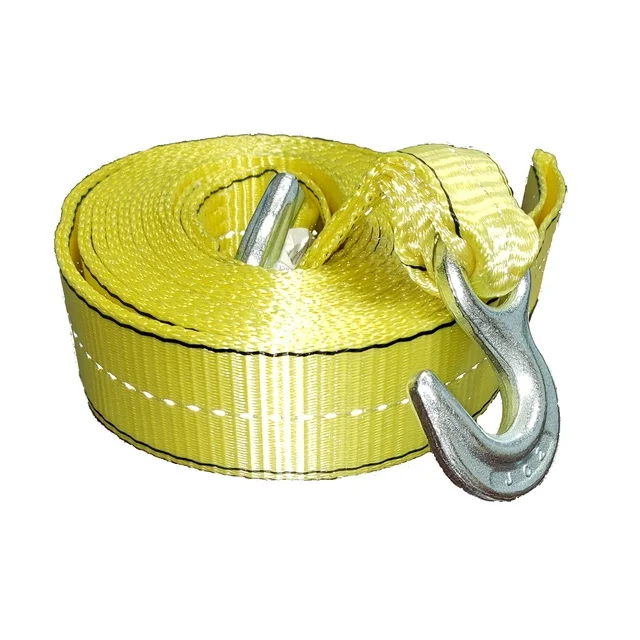
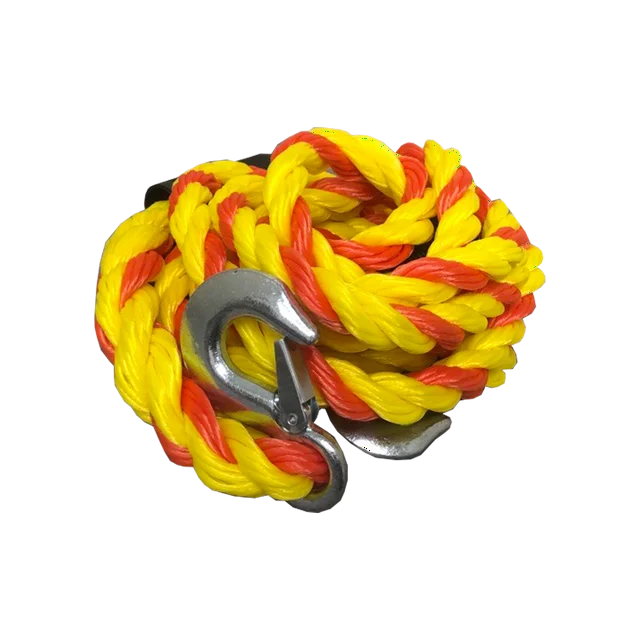
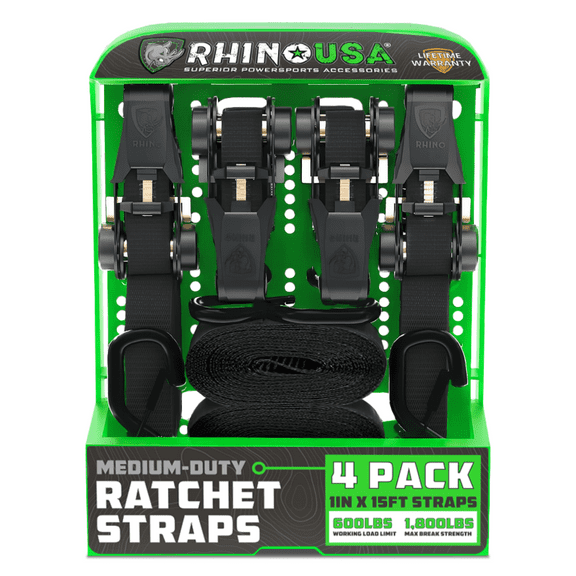
You may also want winch straps and related recovery gear that fit your intended use. You’ll build a more complete setup when your straps, hooks, and mounting hardware match your winch capacity.
How to compare towing capacity and installation needs
You should measure towing capacity against your vehicle limits, not just the trailer’s stated weight. You’ll need to account for cargo, fluids, and gear that affect gross trailer weight and tongue weight.
Installation complexity matters when you compare bolt-on designs with setups that may require drilling or welding. You can often narrow choices faster when you check mounting style before you compare finishes or accessories.
If you want a simpler upgrade, you may look for options designed around vehicle-specific bolt locations. You’ll appreciate clearer installation planning when fitment details call out your truck, SUV, Jeep, or ATV.
You should also think about seasonal use before you choose between trailer hitches and winches. You may want boat trailer hitches for warm-weather hauling, or an ATV winch for trail and property tasks.
Which combinations fit common towing and recovery jobs
If you tow a small utility trailer, you may prefer a lighter hitch class and a 1.25 inch receiver setup. You’ll often pair that with a matching ball mount for yard tools, bikes, or compact cargo.
For campers, work trailers, or boat trailer hitches, you may step up to Class III or Class IV options. You’ll usually want a 2 inch receiver and towing accessories that support frequent hookup changes.
If you drive a heavy-duty truck, you may compare Class V models and 2.5 inch receiver hitches for larger loads. You’ll need to confirm that your ball mounts, hitch pins, and trailer hardware fit that larger opening.
When you outfit a Jeep or ATV, you may focus on electric winches with capacity matched to vehicle weight and terrain. You’ll get more useful guidance when you compare line pull rating, mounting fit, and power source together.
You can shop this category with a clearer plan when you compare hitch class, receiver size, winch capacity, and vehicle fitment side by side. You’ll make a smarter towing setup when each part matches your load, your vehicle, and your installation needs.