

Marine Accessories and Parts in Boating








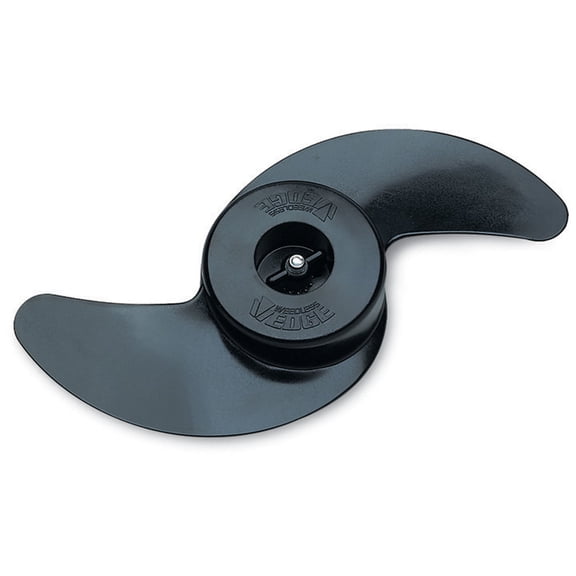


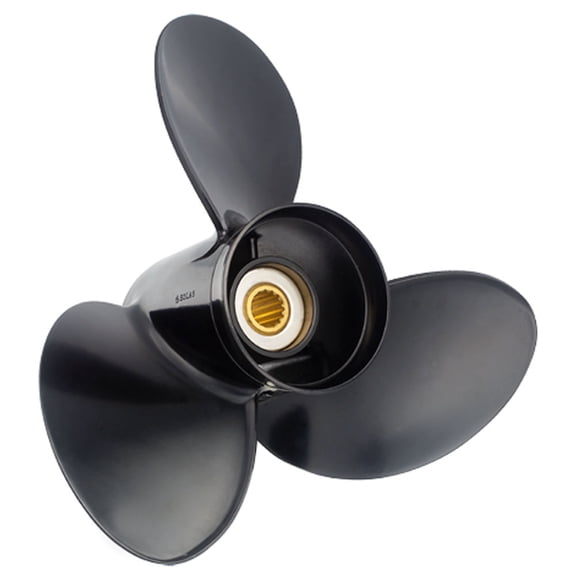

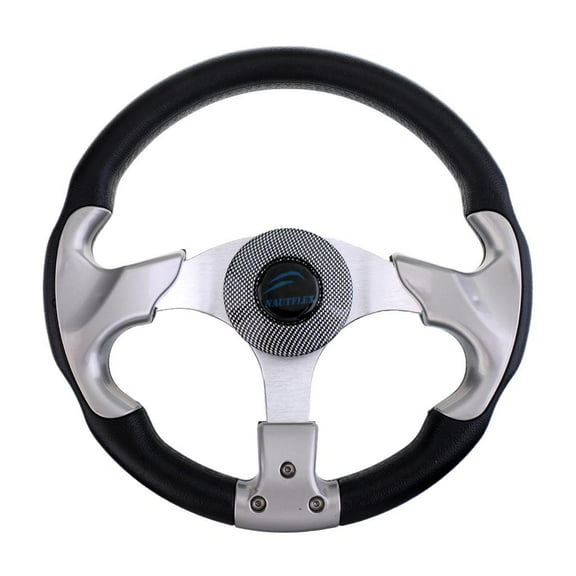
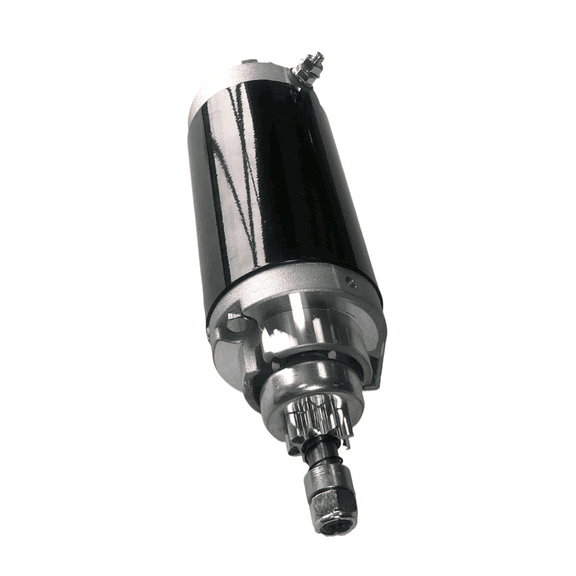


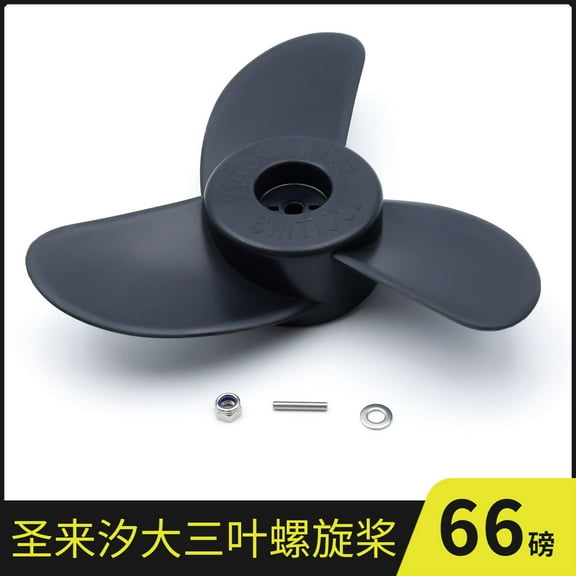
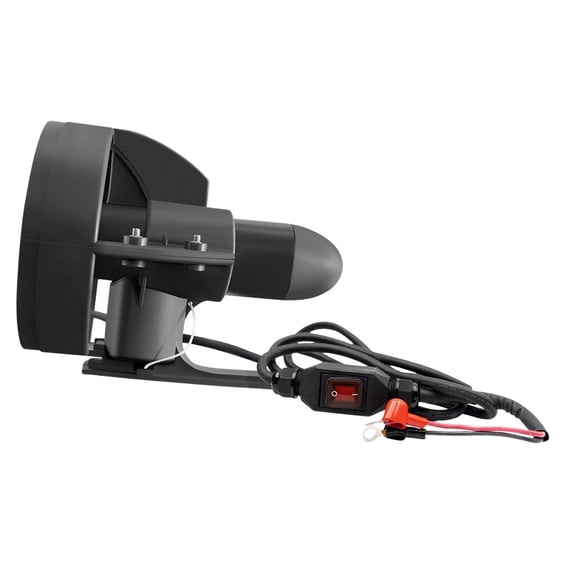


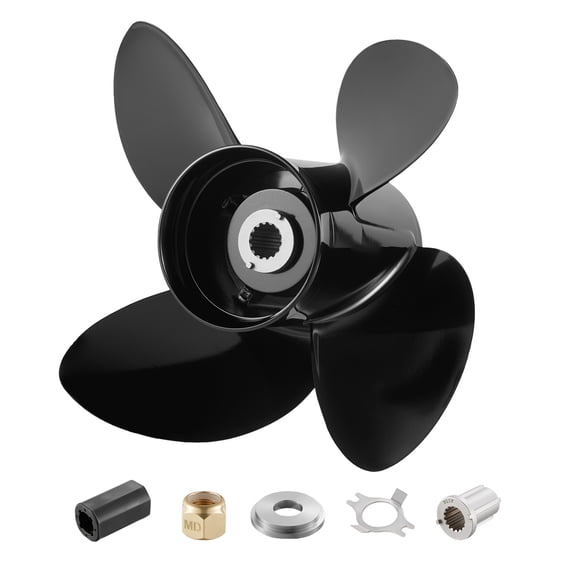


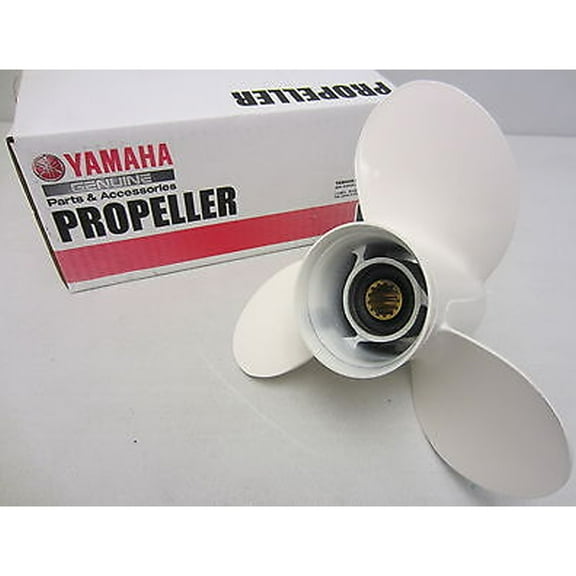



About Marine Accessories and Parts in Boating - Walmart.com
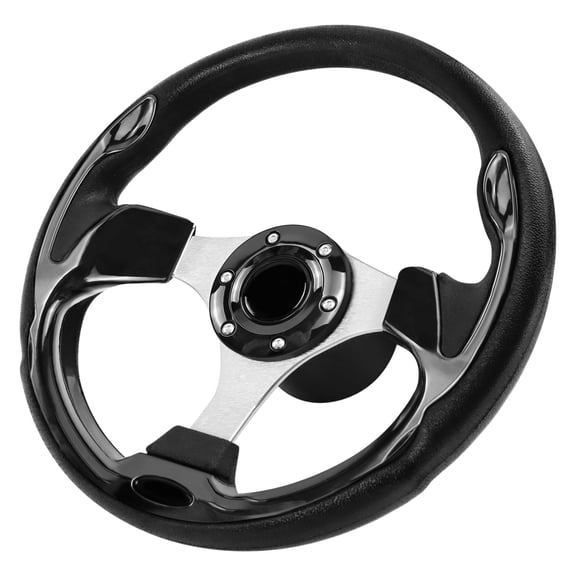
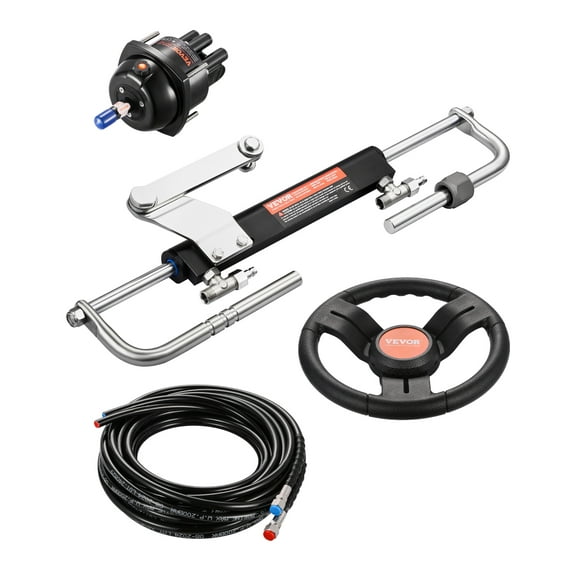
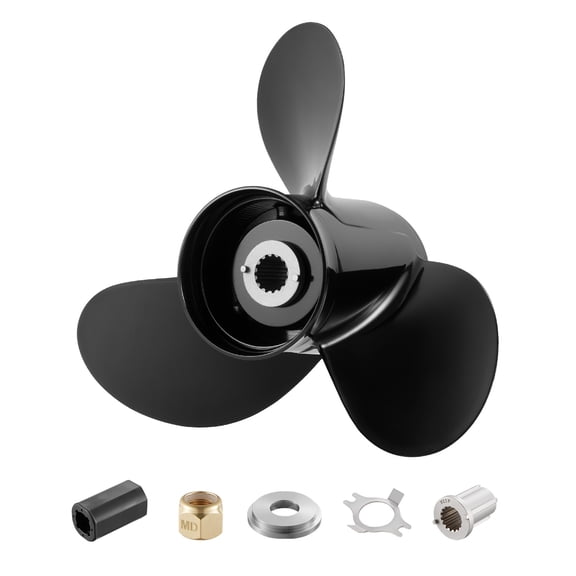
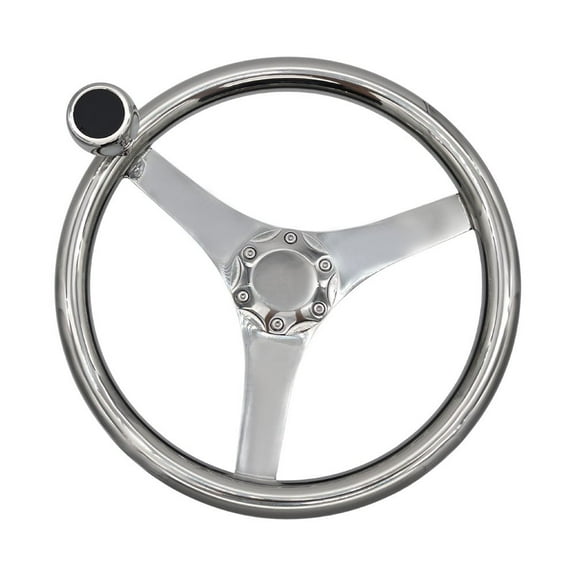
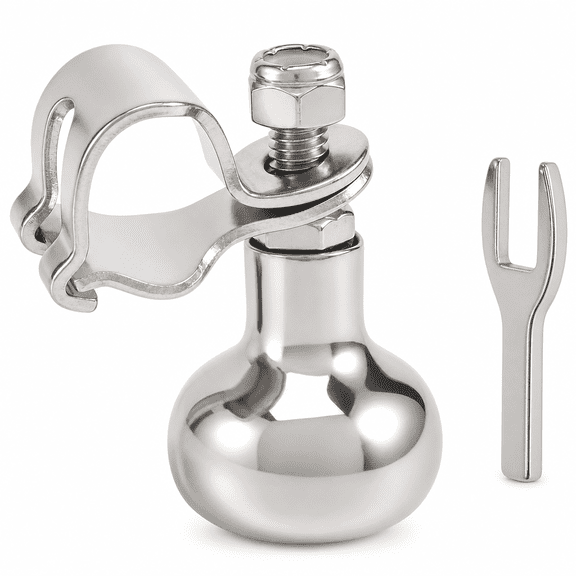
Your stainless steel steering wheel knob search should lead you to marine accessories and parts that match your boat, water conditions, and installation needs. You can compare steering hardware with propellers, anchors, and bilge pumps in one category built for real boating decisions.
When you shop this category, you can focus on control, corrosion resistance, and fit before you choose a part. You also get a clearer path to parts that make sense for pontoon, fishing boat, sailboat, and yacht setups.
How to choose a stainless steel steering wheel knob
You should start with the material because water exposure changes how your hardware holds up over time. You can compare stainless steel, aluminum, brass, and nylonic plastic based on where and how you boat.
If you boat in saltwater, you should look closely at 316 stainless steel because you need strong corrosion resistance. If you use freshwater more often, you may also compare 304 stainless steel and other marine-grade metal options.
You should also check your steering wheel shaft compatibility before you choose a knob. You can compare shaft diameter and grip thickness so your steering setup feels secure and comfortable in your hand.
- You can use stainless steel when your boat sees frequent splash, spray, and dockside exposure.
- You can choose aluminum when your priority is lighter hardware with a clean, simple look.
- You can consider brass when your setup calls for a classic finish and solid marine hardware styling.
- You can review nylonic plastic when you want a lighter touch point for casual steering use.
Choosing materials, part types, and water suitability
You should treat part type as a separate decision because steering wheel knobs, propellers, anchors, and bilge pumps solve different onboard needs. You can narrow faster when you match the part to steering control, propulsion, holding power, or water removal.
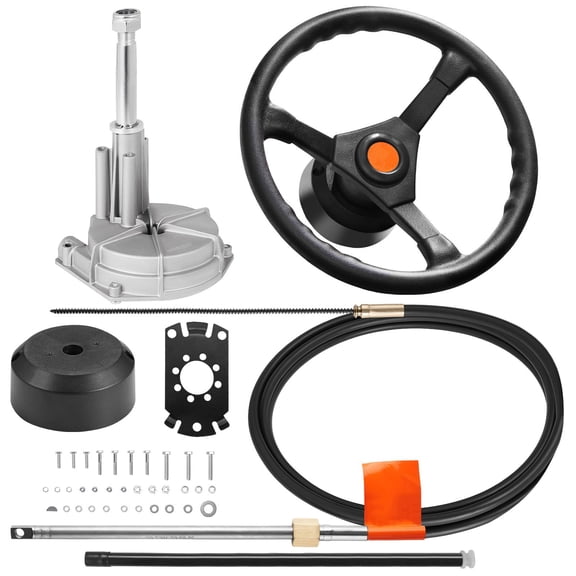
If your focus is helm control, you can prioritize a stainless steel steering wheel knob with a shape that supports one-hand turns. If your focus shifts below deck or at anchor, you can compare marine accessories and parts built for those tasks.
You should also match your hardware to saltwater or freshwater use instead of assuming every finish performs the same. You can look for marine-grade construction when your boat stays around spray, humidity, and changing weather.
For saltwater setups, you may want metal choices that resist rust staining and surface wear over repeated outings. For freshwater use, you can still compare finish durability, fastener design, and long-term appearance.
How fit and installation affect your boating setup
You should measure before you buy because shaft diameter and grip thickness affect how your steering knob mounts and feels. You can avoid guesswork when you compare your wheel dimensions with the listed fit details.
If you want a quicker update, you can look for a simple bolt-on design that fits your steering wheel layout. If your helm has limited clearance, you may prefer a setup that needs more careful placement.
You should think about your boat type too because a pontoon, fishing boat, sailboat, and yacht can use different steering arrangements. You can choose hardware that suits open helm layouts, tighter consoles, or longer days at the wheel.
On a fishing boat, you may want a knob that helps with repeated steering adjustments around docks and trolling paths. On a pontoon, you may prefer a comfortable grip for steady cruising and frequent turns.
Prop depot and boating equipment parts
You can use this section as a practical guide when you compare prop depot options with steering hardware and other onboard components. You should keep your selection tied to compatibility, water exposure, and the job each part handles.
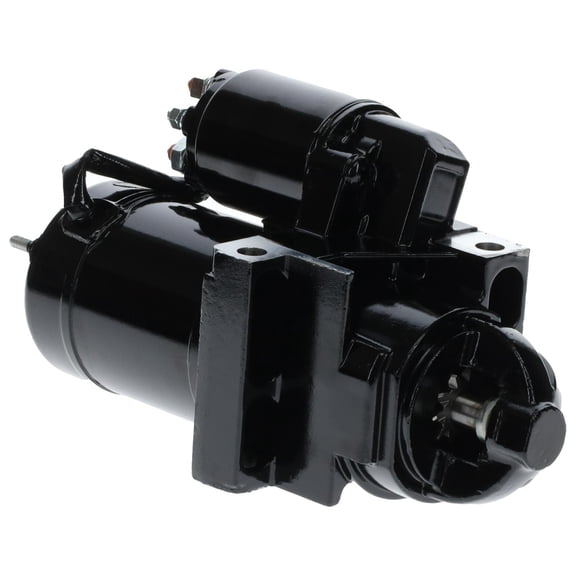
If you need broad category coverage, you can review boating equipment parts alongside helm components instead of searching each system separately. You may also notice lifestyler boating equipment parts in your research when you compare general marine hardware options.
You should consider how one upgrade affects the rest of your setup. You can pair steering components with propellers, anchors, and bilge pumps to support smoother handling and more organized maintenance planning.
Matching marine accessories and parts to real use cases
You can narrow your options faster when you connect each attribute to a real boating scenario. You should match material, part type, boat compatibility, and environment suitability before you commit.
For a saltwater fishing boat, you may lean toward 316 stainless steel steering hardware because you want lasting finish stability. For a freshwater pontoon, you may compare lighter materials and easier bolt-on installation.
On a sailboat, you may focus on compact fit and dependable grip where helm space feels tighter. On a yacht, you may care more about finish consistency, hardware appearance, and smooth steering touchpoints.
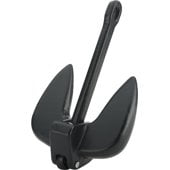
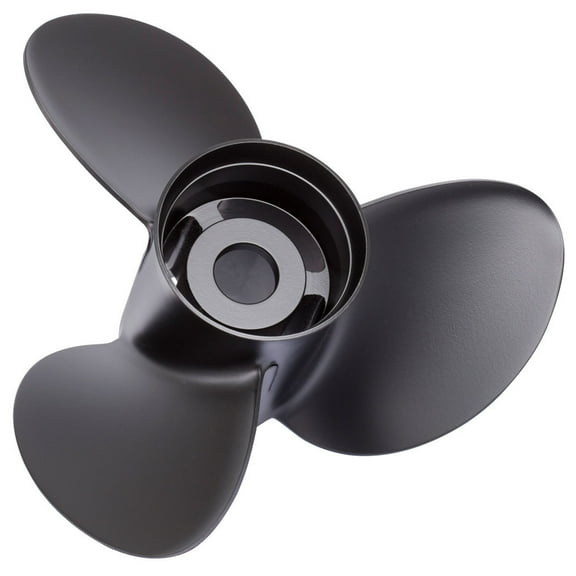
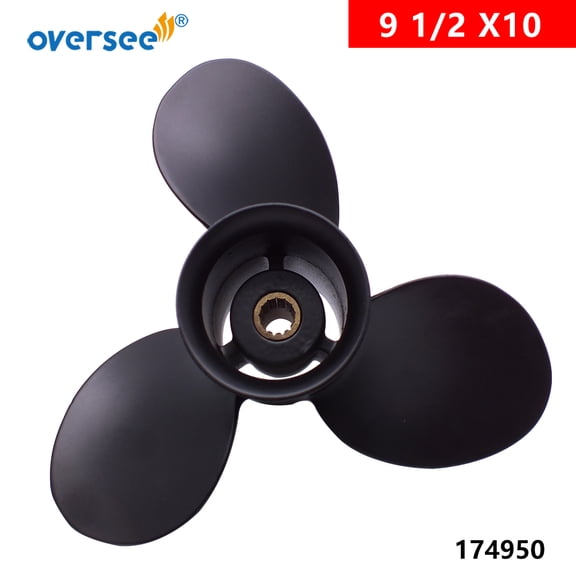
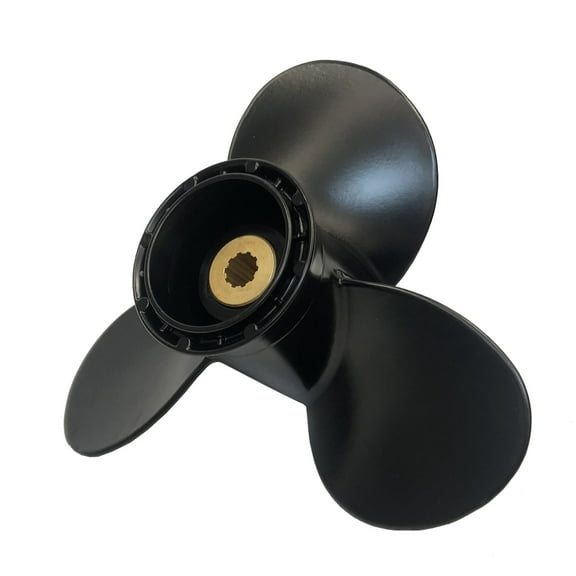
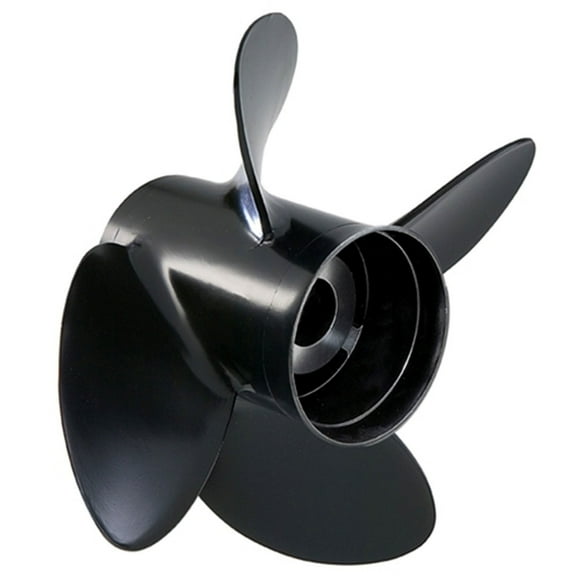
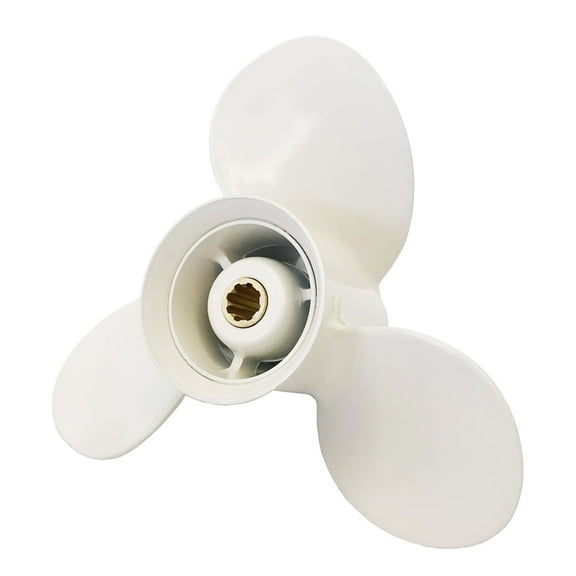
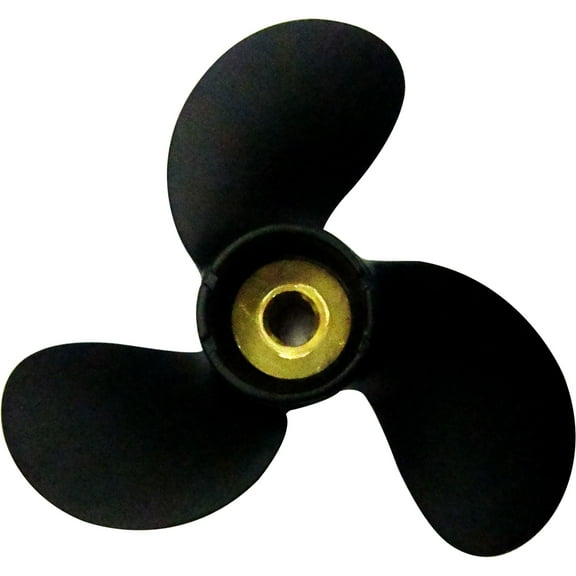
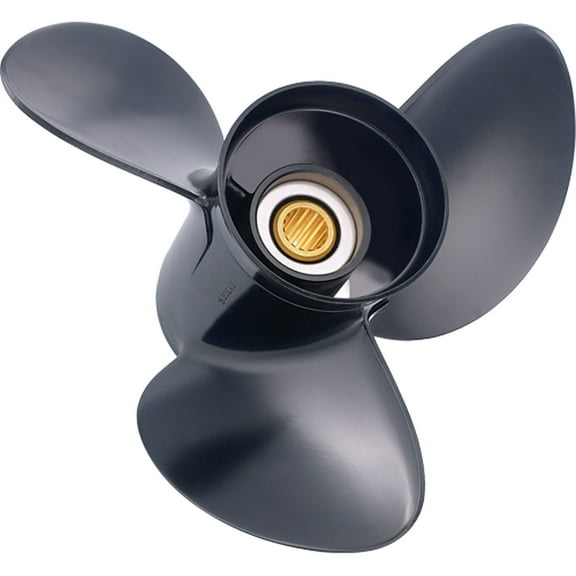
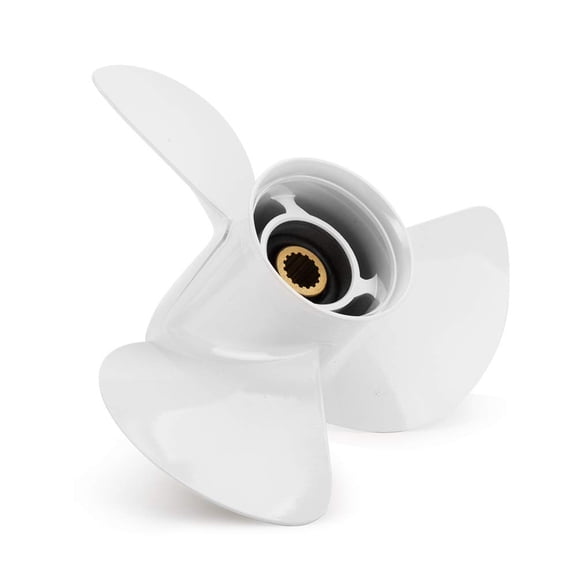
If you need anchoring support, you can compare anchor materials and intended water conditions with the same decision process. If you need propulsion support, you can review propellers based on compatibility and intended boating environment.
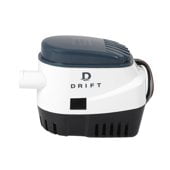
You should approach bilge pumps differently because flow needs and mounting space shape that choice more than steering specs. You can still use the same category logic by checking boat type, environment, and installation requirements.
Your marine accessories and parts purchase feels easier when you compare fit, material, and water suitability in a structured way. You can choose hardware that supports smoother steering, cleaner installation, and longer-lasting use on the water.