



Boats & Marine
Shop by category
Get out on the water
FAQ
About Boats & Marine - Walmart.com
When you shop accessories for boat use, you can cover docking, maintenance, and onboard setup in one place. You’ll find marine-focused gear that fits freshwater weekends, saltwater trips, and seasonal upkeep.
If you’re comparing boating essentials, you likely need parts that handle moisture, sun, and repeated loading. You can use this guide to compare equipment types, materials, maintenance products, and water compatibility with less guesswork.
How to choose accessories for boat needs
You’ll want to start with the job your boat needs to handle at the dock, on the trailer, or on the water. You can narrow choices quickly when you match equipment type to your routine.
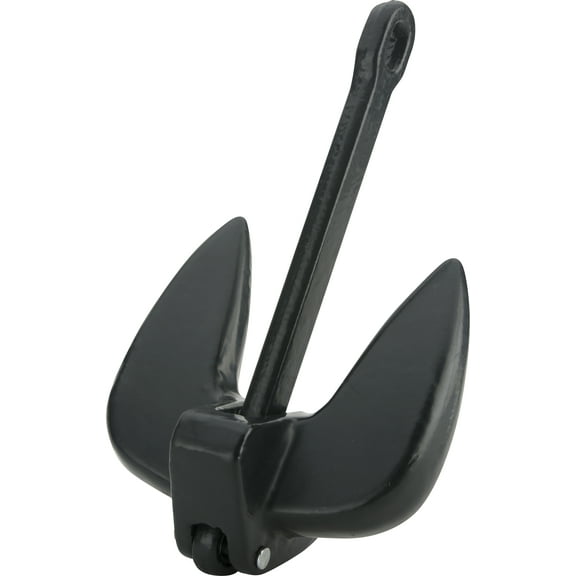
For anchoring, you’ll want to compare anchor style, weight, and bottom conditions before you choose. For docking, you can focus on dock lines and fenders that fit your boat’s size.
If you’re managing onboard water, bilge pumps matter because you need reliable water removal in wet conditions. You can also compare power source and output to match your boat layout.
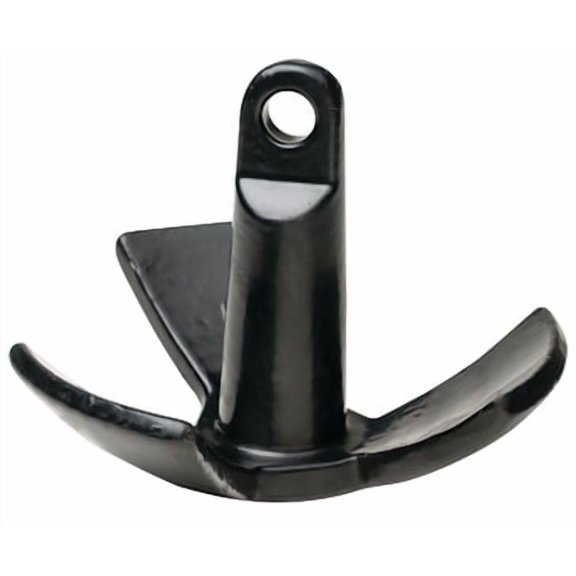
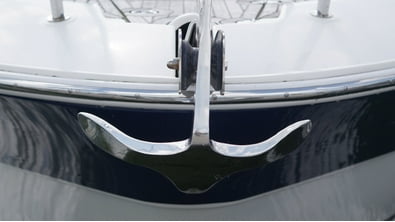
- You can use anchors for holding position during fishing, sandbar stops, or overnight tie-ups.
- You can use dock lines to secure your boat with added control during loading and docking.
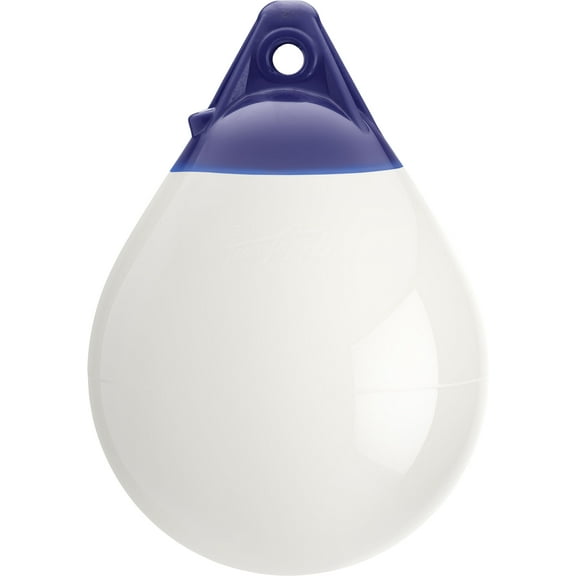
- You can use fenders to cushion contact against docks, pilings, and neighboring boats.
- You can use bilge pumps to support routine onboard water management in changing conditions.
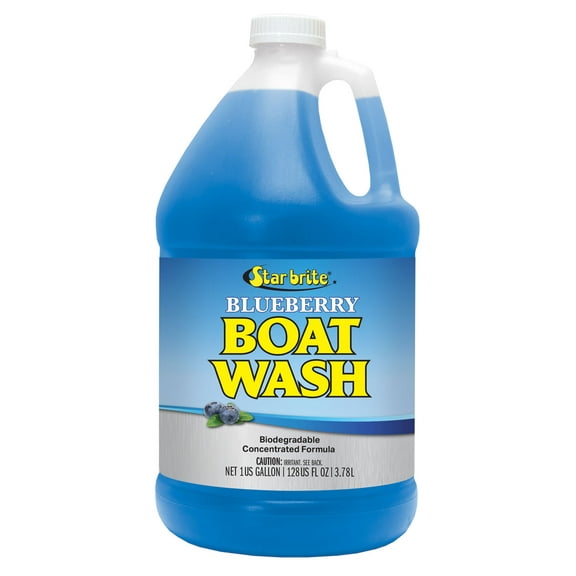
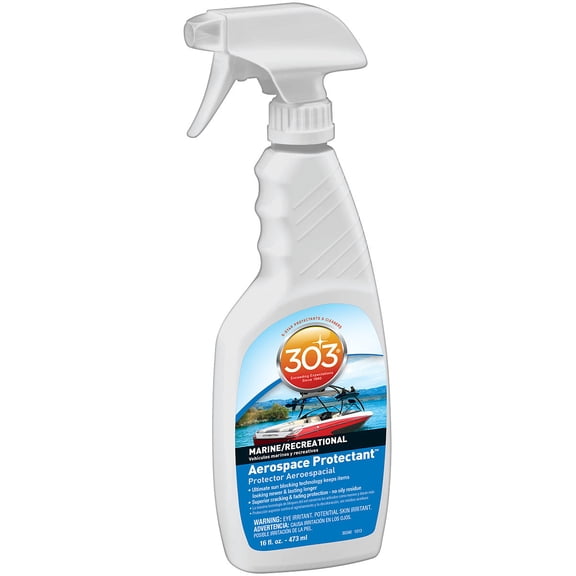
- You can add cleaners, marine wax, sealants, and protective sprays to support regular upkeep.
You may also shop with pickup and delivery in mind when local intent matters to you. If you search marine store near me, you’re often looking for fast access and practical selection.
Choosing equipment type and fitment
You should measure your boat length before you choose many boating accessories. You’ll get a proper fit when your fenders, lines, and covers match your boat’s size.
With dock lines, you can compare diameter and length based on cleat size and docking setup. You’ll want enough reach for your slip, trailer stops, or changing water levels.
When you choose fenders, you should check diameter and shape for your hull and dock style. You can use larger fenders when you need added buffer along taller docks.
For anchors, you can compare holding style with the bottoms you use frequently. You’ll notice sand, mud, rock, and grass can call for different anchor designs.
If you’re selecting bilge pumps, you should check output and mounting needs in plain terms. You can think of higher output as faster water removal for larger spaces.
What to look for in marine-grade materials
You should compare marine-grade stainless steel, nylon, heavy-duty vinyl, and aluminum before you buy. You’ll usually need materials that handle water, sun, movement, and hardware exposure.
Marine-grade stainless steel works well when you want corrosion resistance around wet hardware. If you boat in saltwater, you’ll usually look harder at corrosion resistance than standard outdoor gear.
Nylon helps when you want dock lines with strength and controlled stretch. You’ll appreciate that stretch when your boat moves with wake, wind, or changing tide.
Heavy-duty vinyl makes sense when you want fenders and protective pieces that wipe clean easily. You can use it where repeated dock contact and splash are part of normal boating.
Aluminum can be useful when you want lighter components with solid outdoor durability. You should still check whether exposed metal parts suit freshwater or saltwater conditions.
If you boat in saltwater, you may also compare corrosion resistance and sacrificial anodes on compatible equipment. You’ll use those details to help manage metal wear in a marine environment.
Choosing maintenance type for regular upkeep
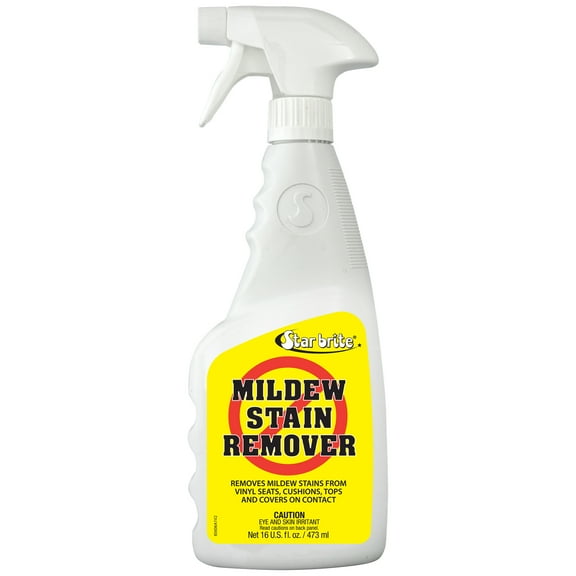
You can keep your boat looking ready when you choose maintenance products by task. You should compare cleaners, marine wax, sealants, and protective sprays based on the surface you’re treating.
Cleaners help you remove everyday grime from decks, hull areas, and common touchpoints. You’ll want formulas that match marine surfaces instead of general household use.
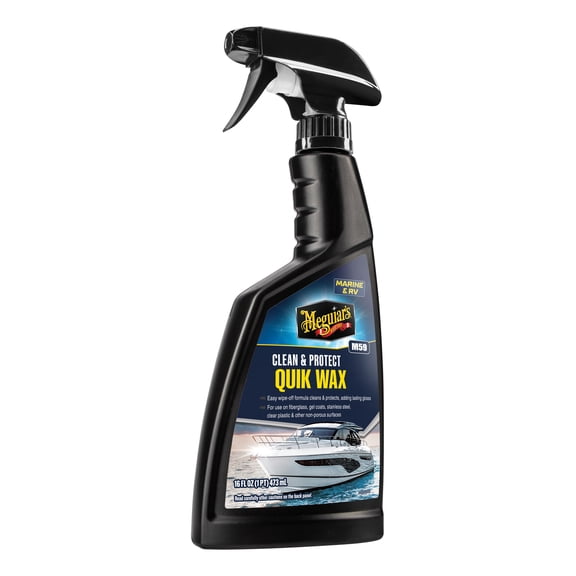
Marine wax matters when you want a polished finish and a smoother cleanup routine. If you’re comparing marine spray wax options, you can look for easy application between deeper cleanings.
Sealants work when you need added surface coverage on parts exposed to weather and spray. You should check the intended material so your choice matches gelcoat, metal, or trim surfaces.
Protective sprays fit into quick upkeep because you can apply them to targeted areas as needed. You’ll often use them between washes when your boat sees frequent weekend use.
Freshwater and saltwater compatibility decisions
You should match accessories for boat use to the water type you use frequently. You’ll usually need different durability priorities for freshwater lakes than for saltwater coasts.
In freshwater, you may focus on fitment, storage, and routine cleaning intervals. In saltwater, you’ll often prioritize corrosion resistance, sealed components, and marine-grade hardware.
If you split time between both environments, you should look for versatile marine supplies with broad compatibility. You can also keep separate maintenance items to simplify post-trip cleanup.
When you search boat and marine supplies near me or boating equipment near me, you’re often trying to solve that compatibility question quickly. You can use category filters and fulfillment options to narrow choices faster.
You may also compare accessories by season, trip length, and docking style before you choose. That approach helps you build a setup that feels well-organized every time you launch.
With the right boating equipment, maintenance products, and marine-grade materials, you can support docking, cleaning, and time on the water with fewer mismatches. You’ll feel more prepared when each item fits your boat, your water type, and your routine.