






Outdoor Sports
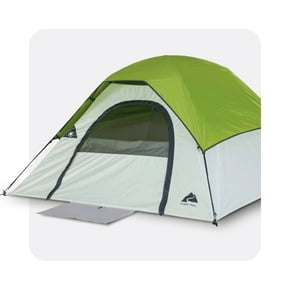
Camping accessories
Brands for the trail
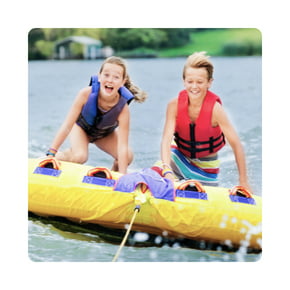
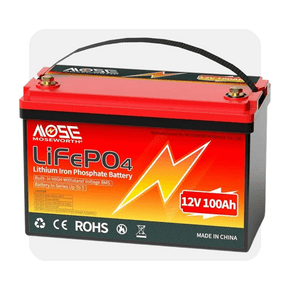
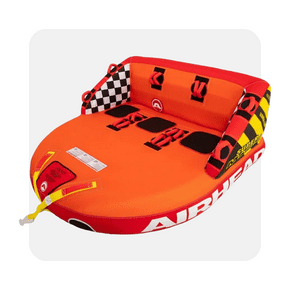
By land and by sea
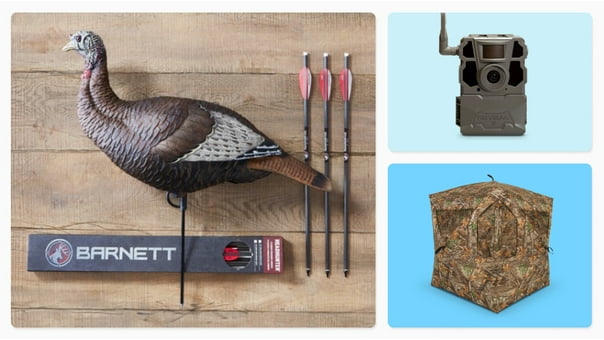
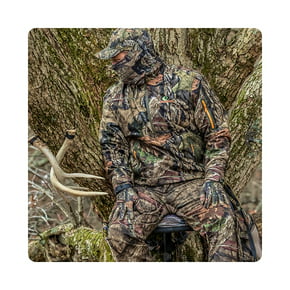
Hunting Essentials
Kayaks

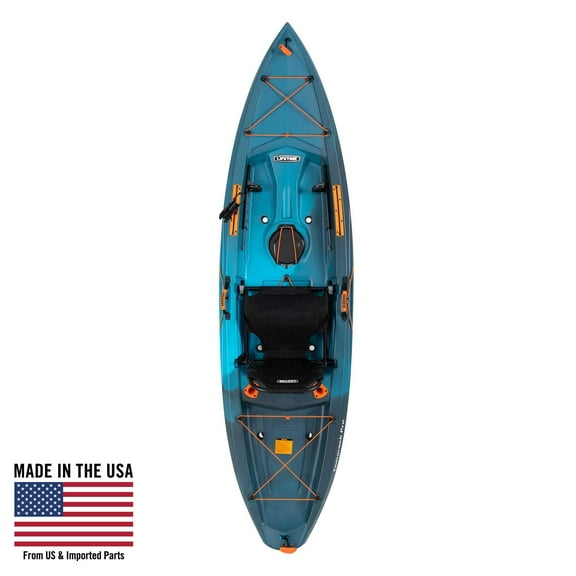
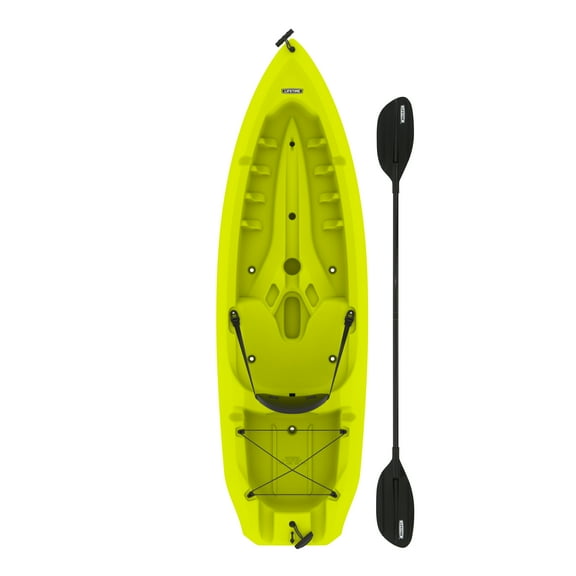

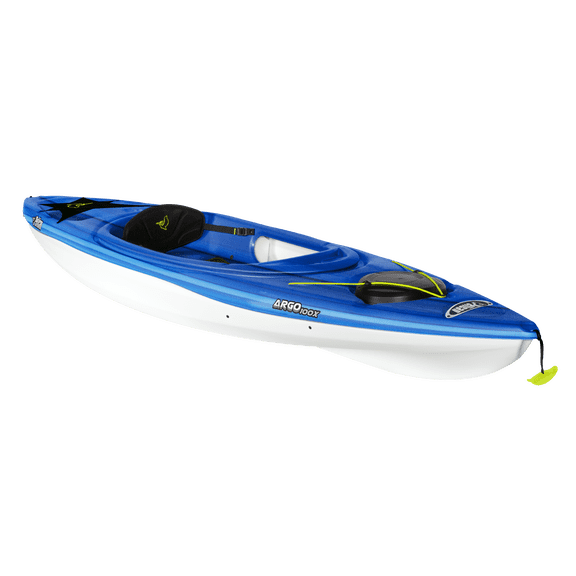
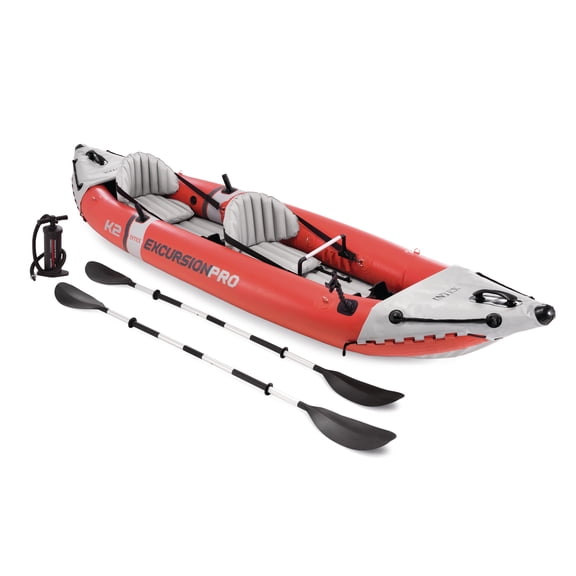
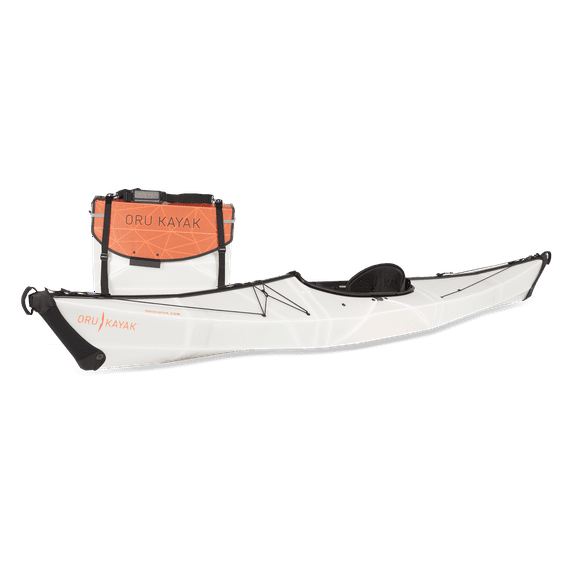
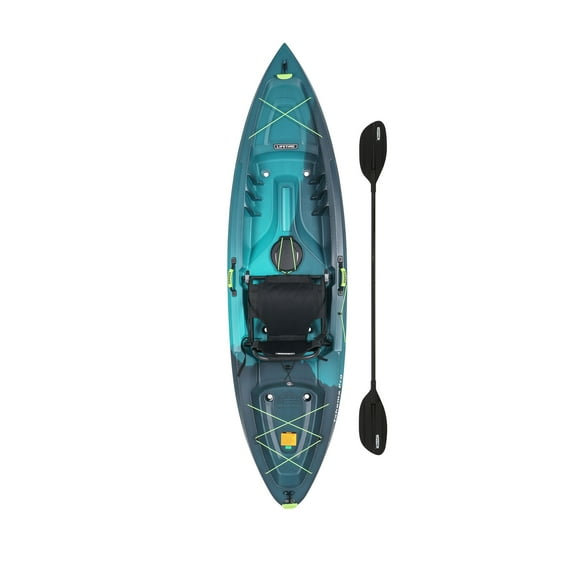

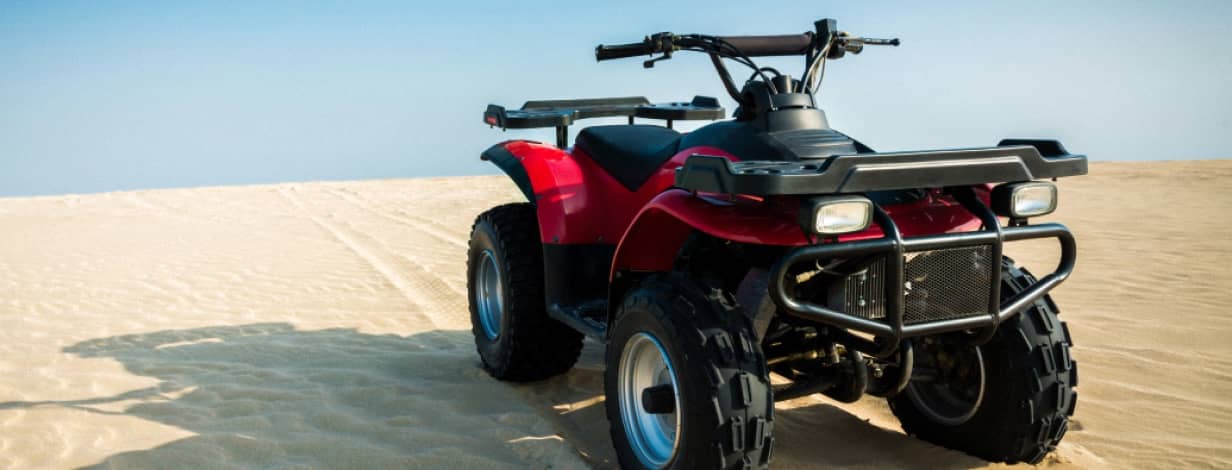
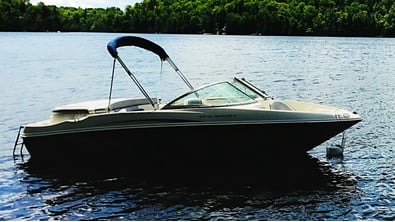
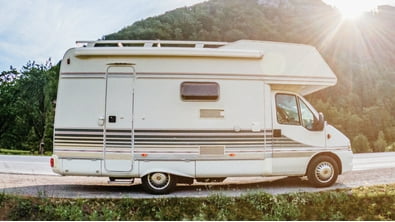
Shop boating & marine
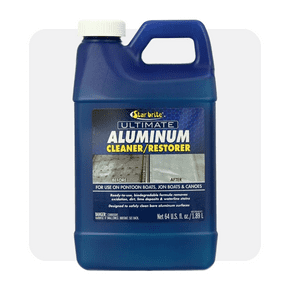



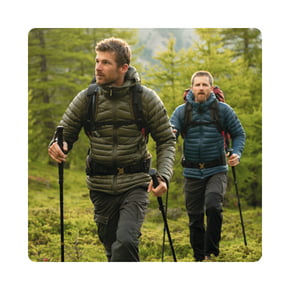
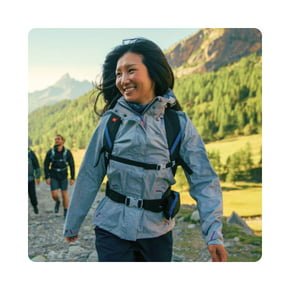
Dress for the elements

Explore by brand


FAQ
About Outdoor Sports - Walmart.com
Your outdoor sports choices should match your activity, conditions, and skill level. You can use this guide to compare outdoor sports gear for camping, cycling, climbing, and water sports.
Choosing outdoor sports gear by activity type
When you compare activity type first, you can narrow your options faster. You should look for gear that matches movement, terrain, and carrying needs.
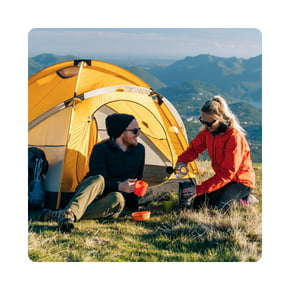
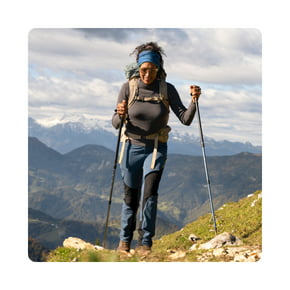
For camping, you may want tents, navigation tools, and packs that balance coverage and pack weight. For cycling, you may focus on bikes, helmets, and fit details that support longer rides.
If you climb, you should check weight ratings and secure connection points on your equipment. If you head to the water, you may prefer gear built for wet conditions and easier transport.
- You can choose camping gear that supports overnight setup, storage, and changing weather.
- You can compare cycling equipment by frame style, ride position, and protective gear fit.
- You can review climbing gear by load guidance, packability, and technical compatibility.
- You can select water sports equipment by portability, drying time, and splash-ready materials.
What to look for in outdoor recreation equipment
When you review outdoor recreation equipment, you should compare durability level before anything else. You can match weatherproof, heavy-duty, or lightweight designs to your trip length and season.
Weatherproof options help you stay prepared when rain, wind, or damp ground changes your plans. Heavy-duty builds may suit repeated use when your gear sees rough transport and tougher surfaces.
Lightweight choices can make carrying and setup easier when you move often. You should balance lower weight with the coverage, storage, or support your activity needs.
Materials matter when you plan for outdoor activities across seasons. You can look for coated fabrics, reinforced panels, and sturdy hardware that hold up through repeated packing.
Comparing equipment type and key specifications
You can make quicker decisions when you compare equipment type with the specs that affect real use. You should focus on dimensions, weight ratings, and fit before smaller extras.
For tents, you can check sleeping capacity, packed size, and pole design. Those details help you match shelter space to your group and trunk room.
For bikes, you should compare wheel size, frame geometry, and rider height guidance. Those measurements help you choose a ride that feels controlled on paths, roads, or mixed terrain.
For protective gear, you should use sizing charts and adjustable closures to check fitment. A closer fit can help you stay comfortable during longer rides, climbs, or water sessions.
For navigation equipment, you can compare battery format, screen visibility, and mounting style. Those features help you keep directions accessible when you change routes or conditions.
When technical terms appear, you should connect them to your routine. A higher weight rating can mean more support, while a lighter packed weight can mean easier carrying.
Matching outdoor sports equipment to age group and fit
You should also compare user age group before you choose outdoor sports equipment. Adults, kids, and youth often need different sizes, reach ranges, and comfort features.
For kids and youth, you may look for simplified setup, lighter carry weight, and smaller dimensions. Those details can help you match gear to shorter strides and developing skills.
For adults, you may focus on capacity, adjustability, and activity-specific support. You can also compare sizing ranges carefully when helmets, pads, or harness-style gear are involved.
Fit matters across many sports and outdoors categories because movement changes from one activity to another. You should measure carefully and review size guidance before you choose protective items.
How to use outdoor sports gear in real situations
You can match gear combinations to the way you actually spend time outside. That approach helps you avoid overpacking and keeps your setup aligned with your plans.
If you camp on weekends, you may want a lightweight tent, compact navigation tools, and storage that fits in your vehicle. Those choices can support quicker setup at developed campgrounds.
If you ride local trails, you may prefer a bike matched to your height, plus protective gear with adjustable fit. Those details can help you stay comfortable through changing pace and terrain.
If you climb during day trips, you should check gear specifications and carrying weight together. That comparison helps you build a setup that feels manageable on longer approaches.
If you rotate between lakes, beaches, and parks, you may want water sports items that dry faster and carry easier. You can also compare weatherproof bags and navigation tools for changing conditions.
When you shop across categories, you can create a more coordinated setup for outdoor sports. You’ll get gear that fits your activity, your age group, and your expected conditions.
You can choose with more confidence when you compare activity type, durability, specifications, and fit together. That practical approach helps your outdoor sports setup feel ready for the trail, road, campsite, or shoreline.
Related Links
- Shop all Hunting
- Archery
- Attractants & Scent Eliminators
- Binoculars
- Decoys
- Deer Feeders
- Game Calls
- Game Processing Equipment
- Hunting Accessories
- Hunting Backpacks
- Hunting Blinds
- Hunting Clothing
- Hunting Knives
- Hunting Sights
- Hunting Specialty Gear
- Metal Detectors
- Multi Tools
- Night Vision
- Range Gear
- Rangefinders
- Scopes
- Trail Cameras
- Treestands