


All Light Bulbs in Light Bulbs



















About All Light Bulbs in Light Bulbs - Walmart.com
Light bulbs help you set the right mood, brightness, and fit for every room in your home. You can compare base types, bulb technologies, and color temperatures more easily when you have clear shopping guidance.
How to choose light bulbs for your space
You should start with the socket and fixture type before you compare brightness or smart features. Your fixture may need an E26 standard base, an E12 candelabra base, or a GU10 pin base.
You'll also want to match the bulb shape to your lamp, ceiling fan, vanity, or recessed can. Your choice affects how the bulb looks, how the light spreads, and how securely it fits.
When you narrow the basics first, you can avoid ordering a bulb that doesn't match your fixture. You can then focus on brightness, color tone, and connected features with more confidence.
Comparing technology types and everyday benefits
You can choose from LED, incandescent, halogen, and CFL options depending on how you use each room. Your daily routine often determines whether you want long-lasting convenience, familiar glow, or directional brightness.
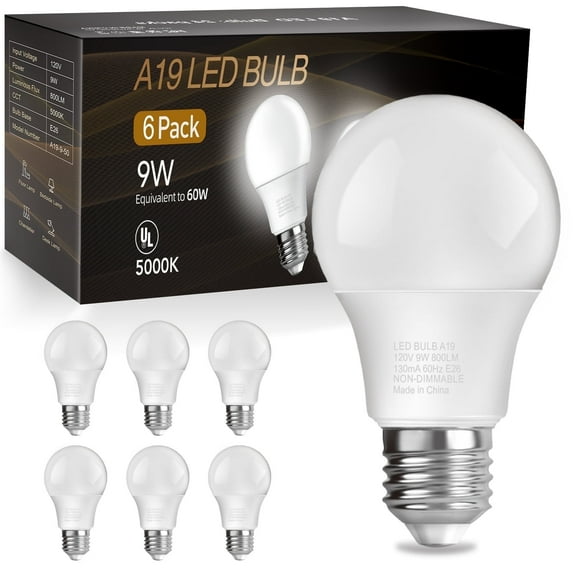
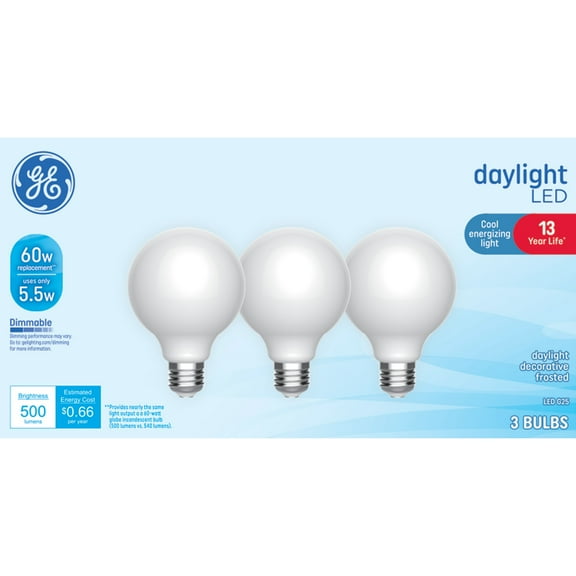
- You can use led light bulbs when you want lower wattage with strong light output.
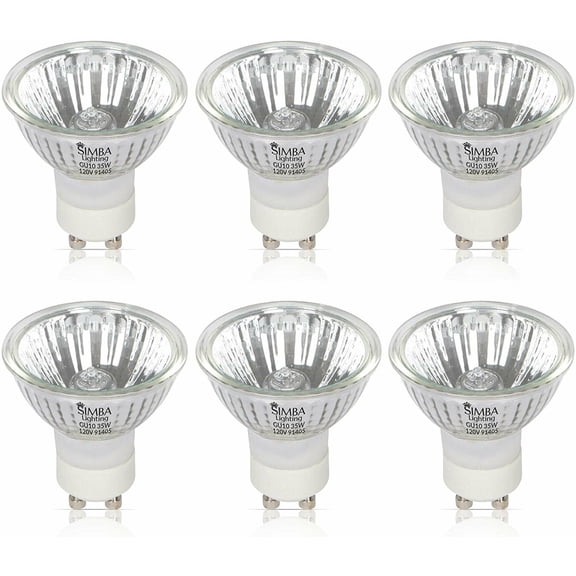
- You can pick halogen light bulbs when your fixture needs crisp, focused light.
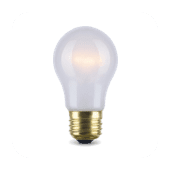
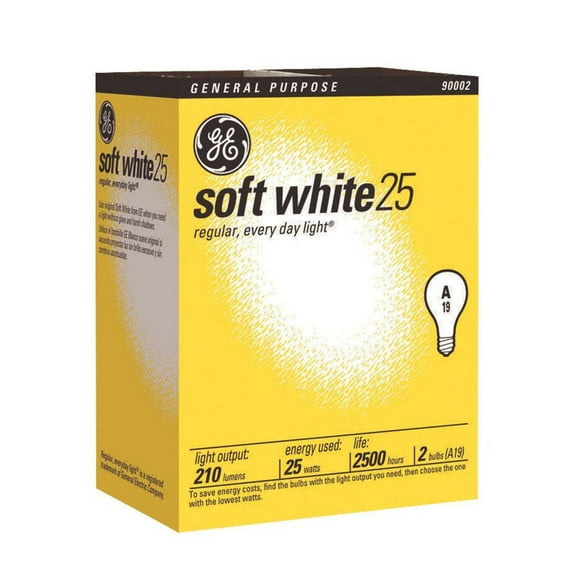
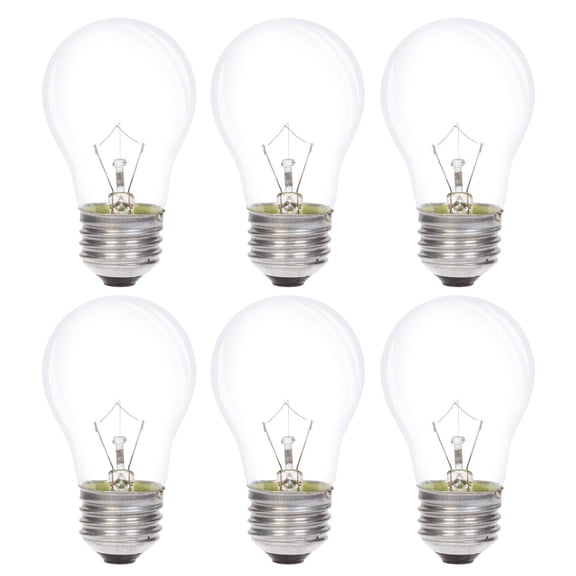
- You can use incandescent styles when your lamp calls for a classic shape and familiar warm tone.
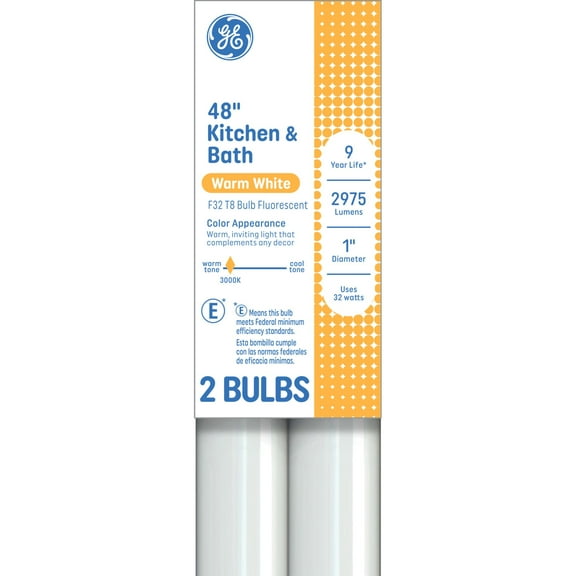
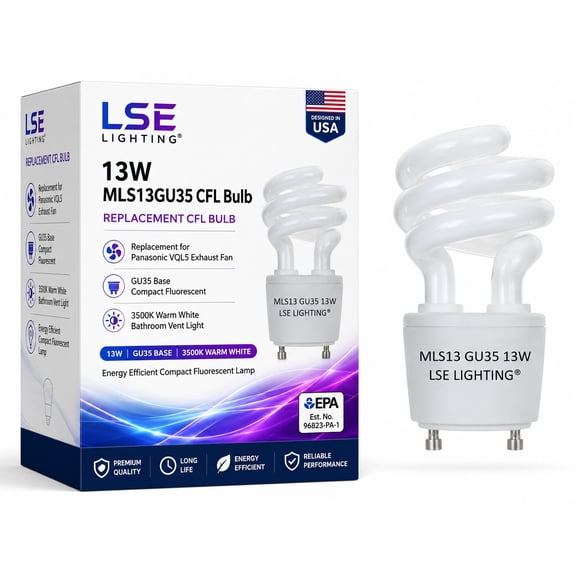
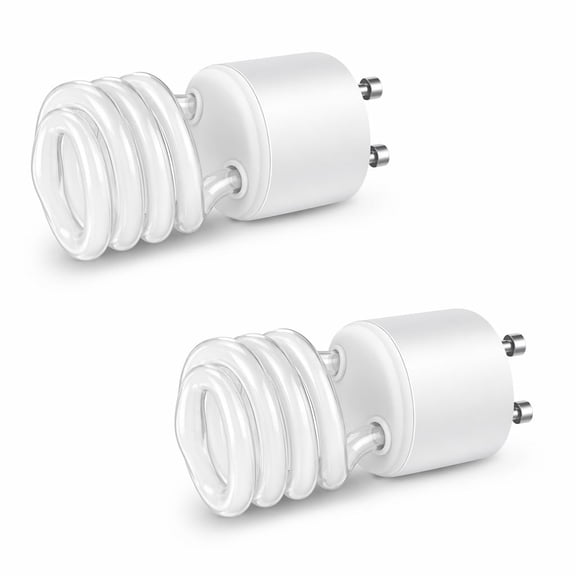
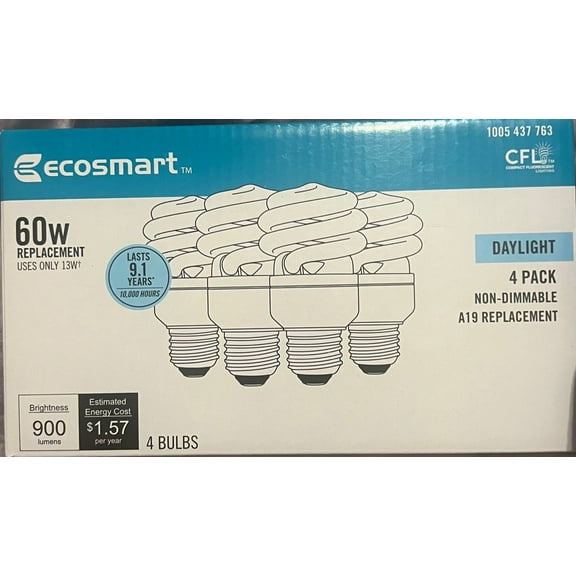
- You can consider CFL options when your fixture allows their spiral or covered design.
LED options make it easier for you to compare lumens instead of relying on older wattage habits. You'll usually read lumens as brightness, while wattage tells you how much electricity the bulb uses.
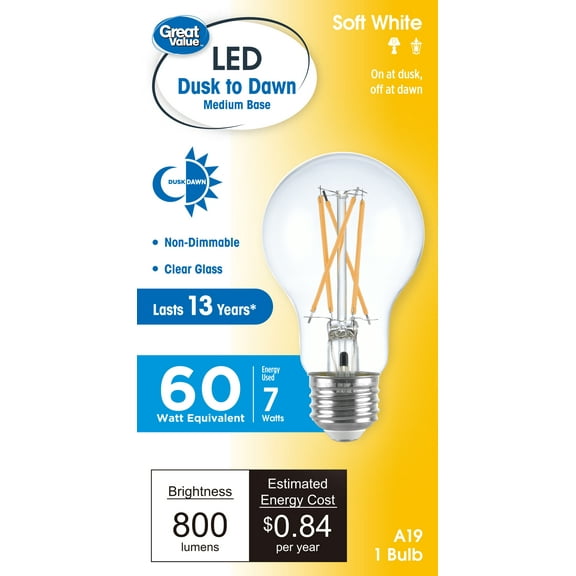
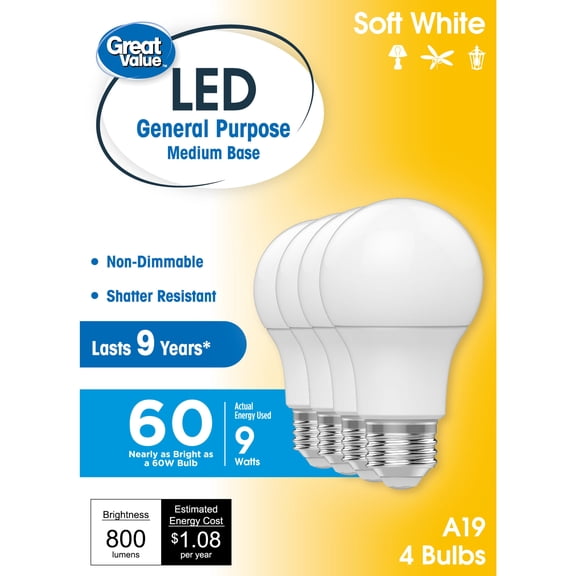
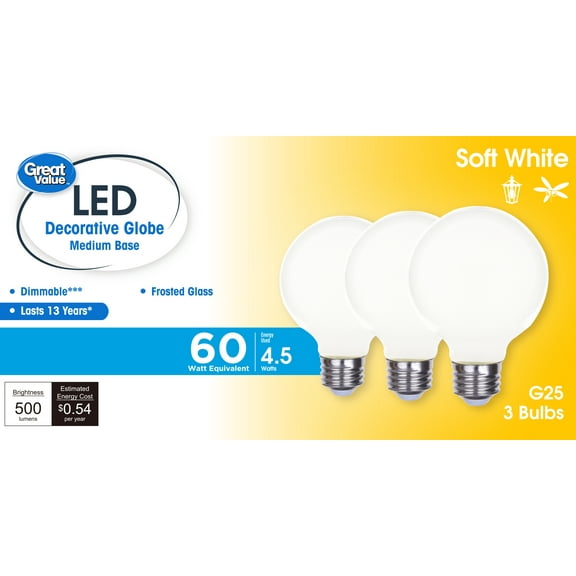
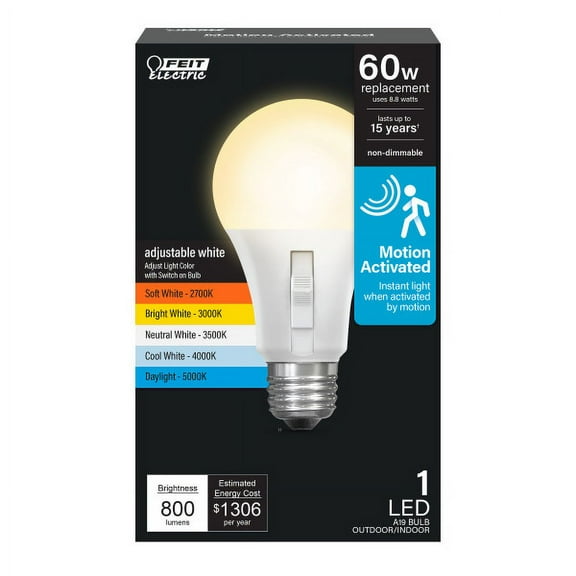
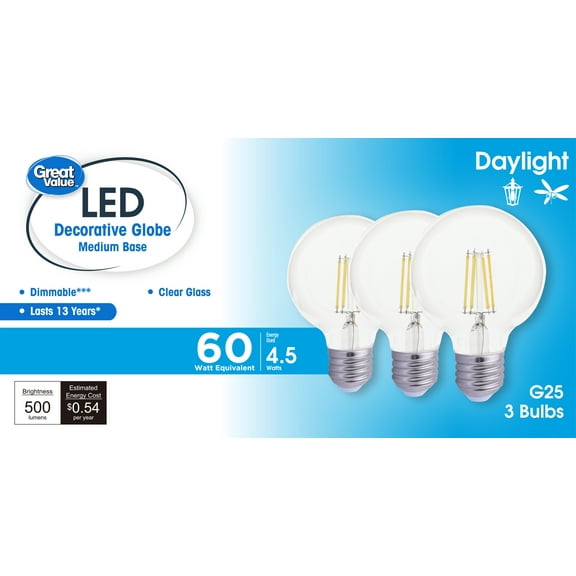
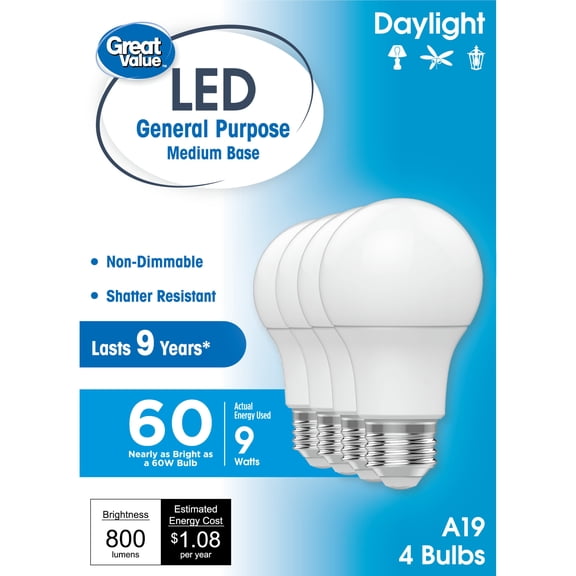
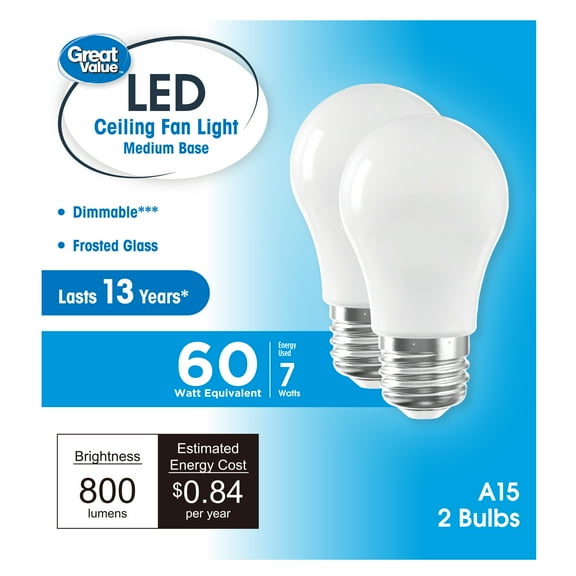
For example, you may choose around 800 lumens when you want light similar to a traditional 60-watt bulb. You can use that simple comparison when you're updating table lamps, bedrooms, and hallways.
Choosing base type, brightness, and beam style
You should check the base label on your current bulb or fixture before you order a replacement. Your E26 base fits many standard lamps and ceiling fixtures, while your E12 base fits many chandeliers and decorative sconces.
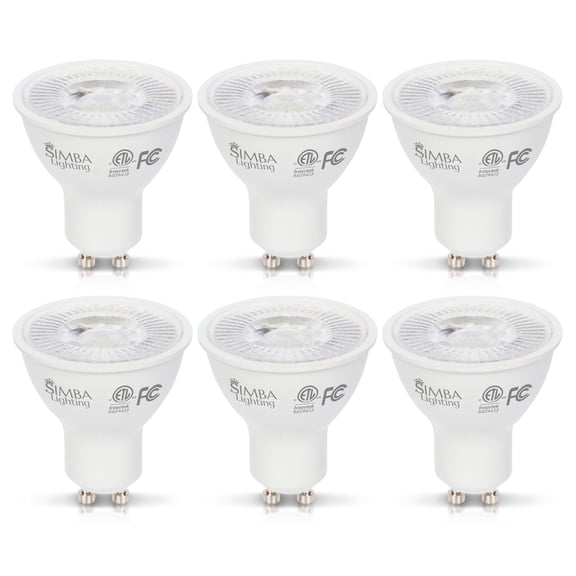
If your fixture uses a twist-and-lock or pin style, you may need GU10 bulbs instead of a screw base. You can often find that style in track lighting and recessed directional fixtures.
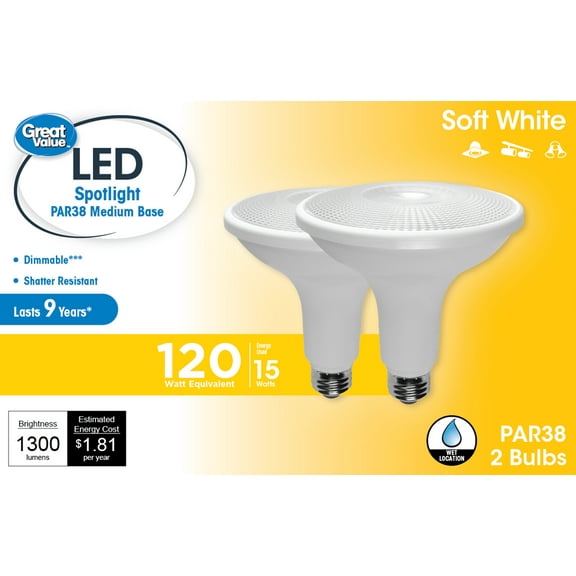
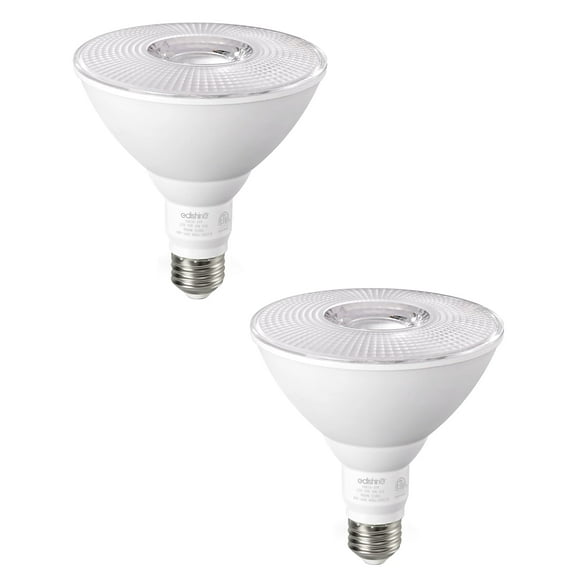
You may also compare flood light bulbs when you want broader light coverage for recessed cans or outdoor setups. Your beam spread matters because a wider beam fills space differently than a narrow spotlight.
Brightness should match your task and room size, not just your old bulb's wattage. You can look for lumen information first, then use wattage as a guide for energy use.
Picking color temperature and smart features
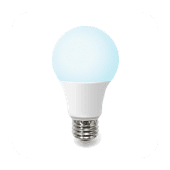
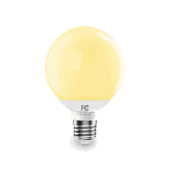
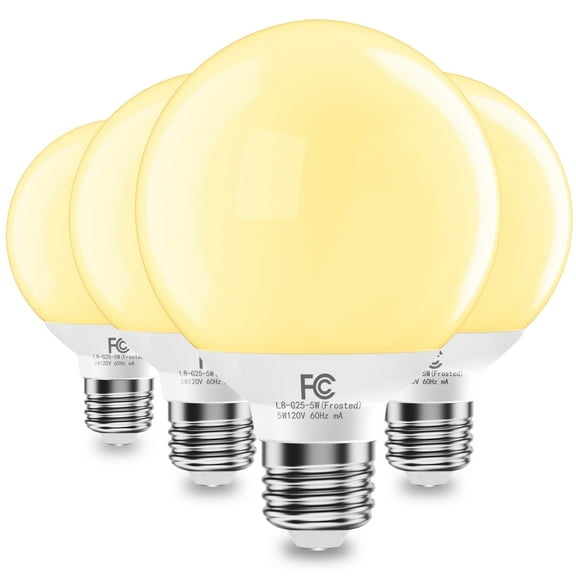
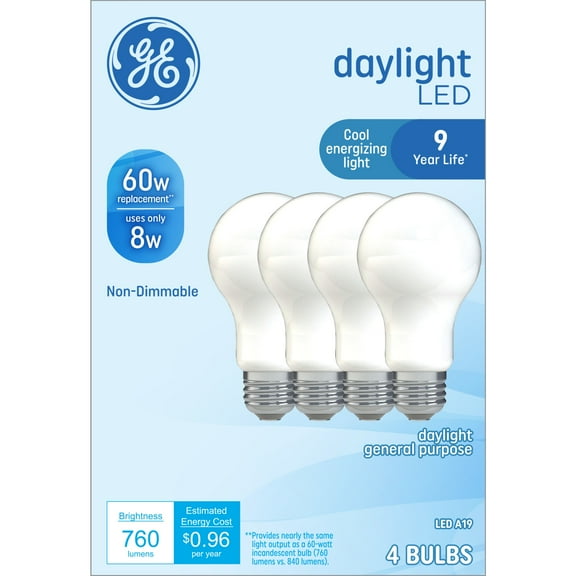
You can shape how a room feels by choosing warm white, soft white, or daylight light bulbs. Your warm white bulbs often feel cozy in bedrooms, while your daylight bulbs can feel clearer in workspaces.
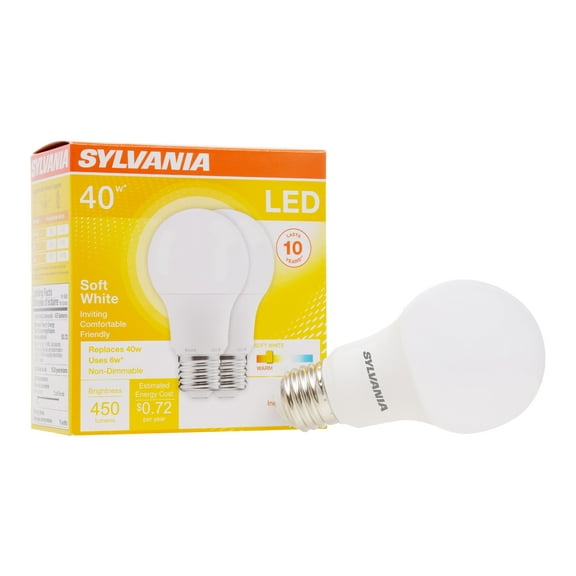
Soft white often gives you a balanced look for living rooms, dining spaces, and many everyday fixtures. You should compare color temperature labels carefully when you want a consistent look across open rooms.
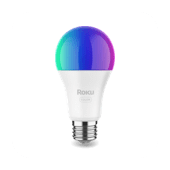
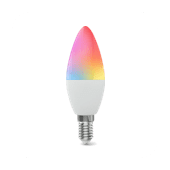
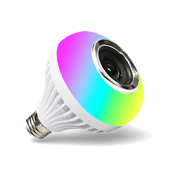
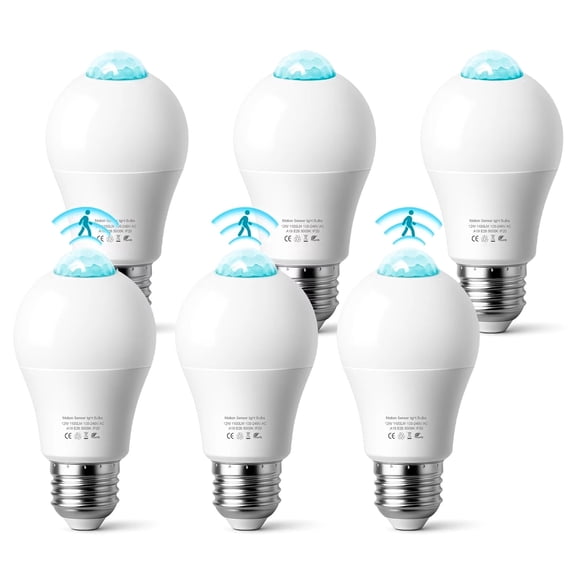
Smart light bulbs can add app control, scheduling, dimming, and voice assistant support to your home. You should check whether your bulb uses Wi-Fi, Bluetooth, or a separate hub before you choose it.
Wi-Fi bulbs usually connect through your home network without extra hardware in many setups. Bluetooth bulbs may work well when you want local control nearby and a simpler setup path.
If you use connected devices already, you should confirm platform compatibility and protocol details before ordering. Your smart setup works more smoothly when your bulbs match your preferred app and control method.
Matching light bulbs to real rooms and routines
You can use energy efficient light bulbs in kitchens, laundry rooms, and entryways where lights turn on often. Your frequent-use spaces usually benefit from efficient output and less frequent bulb changes.
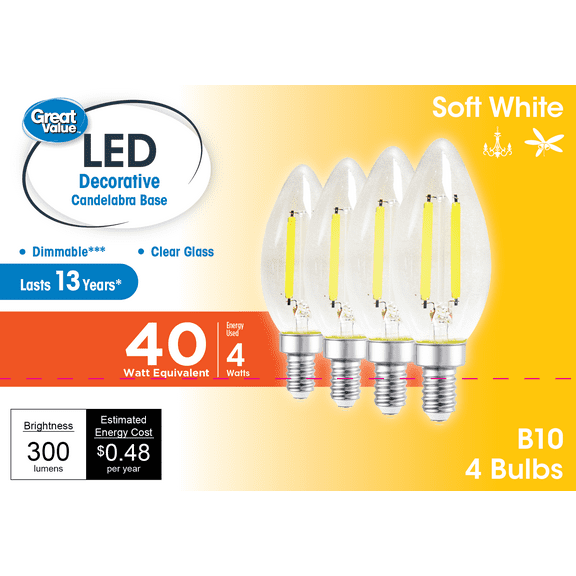
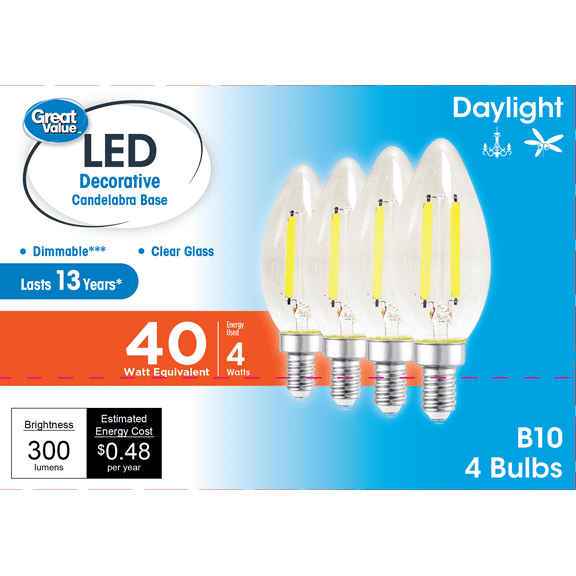
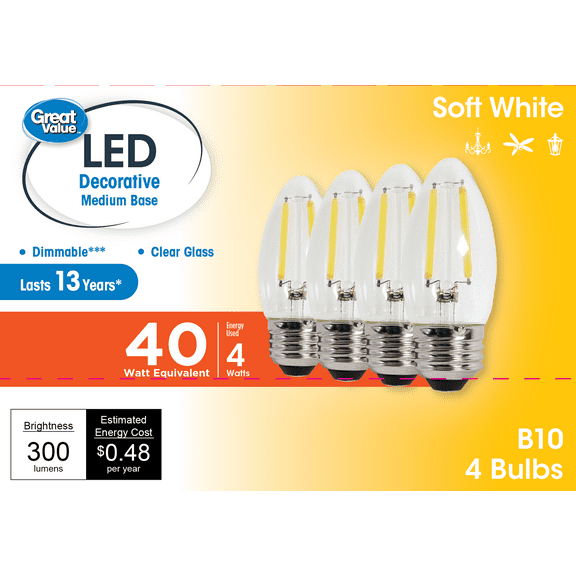
For chandeliers and decorative wall fixtures, you may need candelabra light bulbs with an E12 base. Your fixture can keep its intended look when the bulb size and shape stay proportional.
In home offices, craft rooms, and garages, you may prefer daylight tones that support clearer visual detail. Your tasks can feel easier when your bulb color matches how you use the room.
For patios, porches, and security fixtures, you can compare outdoor light bulbs and flood styles carefully. Your outdoor setup may need broader beams, fixture compatibility, and dependable brightness after sunset.
You may still choose halogen light bulbs for certain accent fixtures that rely on directional output. Your display shelves, track heads, or specialty lamps may call for that focused beam pattern.
When you're replacing several bulbs at once, you should compare base type, lumens, and color temperature together. Your home feels more consistent when each room gets the right fit, tone, and brightness.
With the right light bulbs, you can match each fixture to the way you live and use your space. Your home feels more comfortable, functional, and cohesive when every bulb fits the room correctly.