


Light Bulbs
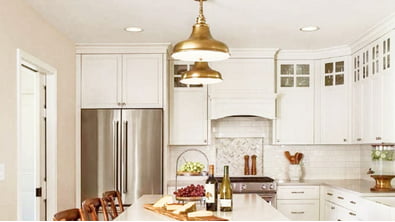
Set the mood

Shop by category
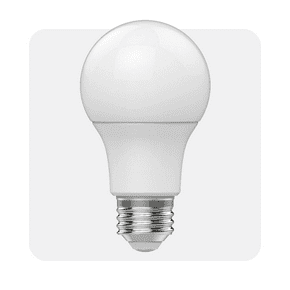
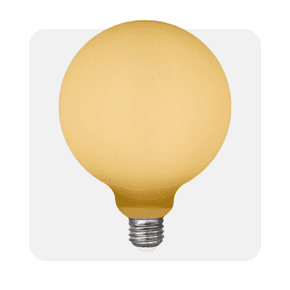
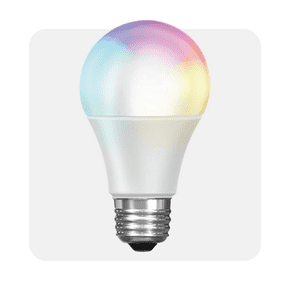
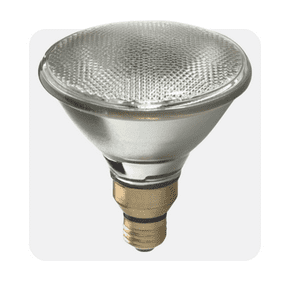
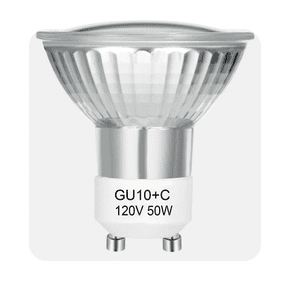
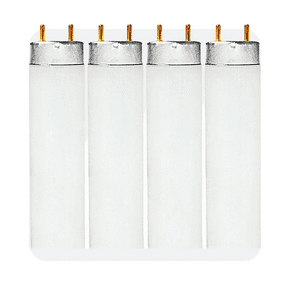
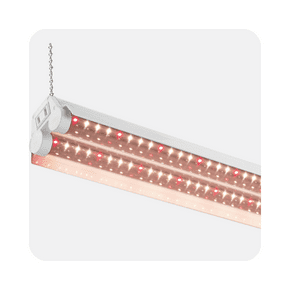
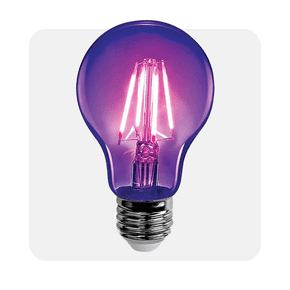


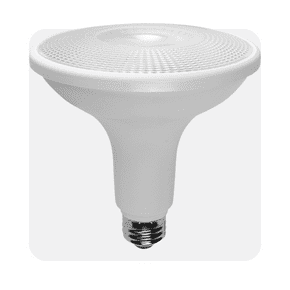
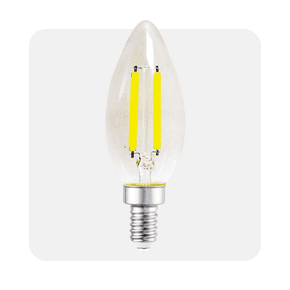
Shop by shape




Specialty light bulbs
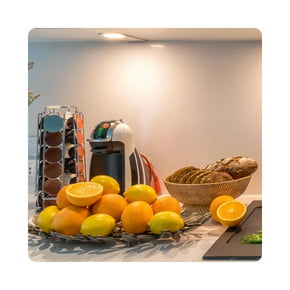
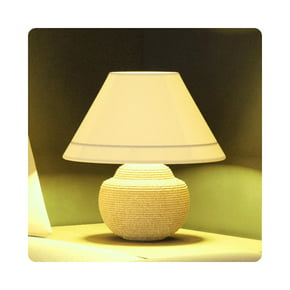
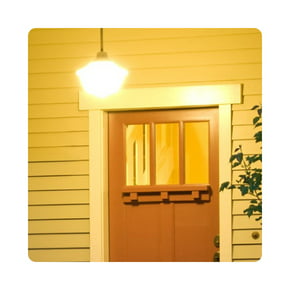
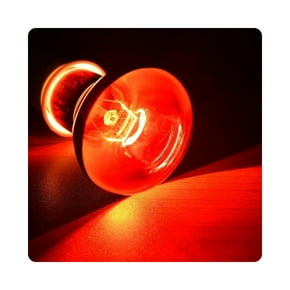

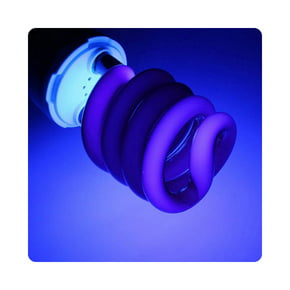
Shop by base type
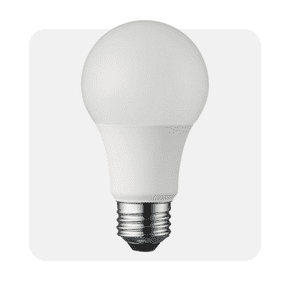


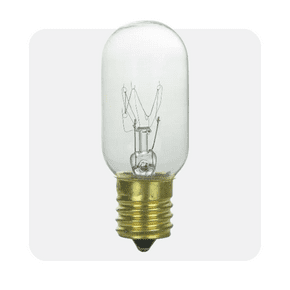





FAQ
About Light Bulbs - Walmart.com
Keep Your Home Bright with the Right Light Bulbs
Light bulbs are easy to forget about until you need them. They shine light in the dark where we need it most, whether the bulbs are being used in an exterior fixture that adds safety and security to your property, or in a night light that keeps your children comfortable at night. From high-wattage flood light bulbs to the replacement oven light bulbs that you never thought you'd need, Walmart's Light Bulbs department has every type of light bulb that you could ever want. Spring cleaning? Moving into a new place? Buy light bulbs in bulk and stock up so that you'll never have to worry about being in the dark for longer than it takes to replace an old bulb with a new one. With a great assortment comes great responsibility, and we know that with all of the options out there, the perfect light bulb can be difficult to find. Read our helpful tips below to find the perfect light bulb for your space.
Incandescent vs. CFL vs. LED Light Bulbs
Before shopping for light bulbs, it's important to understand what's out there. There are significant differences between the different technologies that light bulbs use, and each one has its own strengths and weaknesses.
Incandescent light bulbs were the standard in light bulb technology for many years, but are now being phased out for everyday usage. You'll still be able to find decorative incandescent light bulbs, but incandescent light bulbs use more energy and burn out faster than light bulbs with LED technology. Incandescent bulbs are the most expensive choice of bulb because of the amount of energy they require to run.
CFL, which stands for "compact fluorescent lamp", light bulbs are small fluorescent light bulbs that run using fluorescent technology. These light bulbs were first introduced on a large scale in the late 20th century, and since then, the technology has advanced dramatically. At first, the light quality that CFL light bulbs gave off was unappealing to many people. Today, light bulb manufacturers have managed to make CFL bulbs with a wider range of light quality, and many of them are indistinguishable from traditional incandescent light bulbs. CFL bulbs last much longer than incandescent light bulbs, and they also use a lot less energy than traditional incandescent light bulbs.
LED light bulbs are the best choice for those who want to save on lighting costs, switch their bulbs out less often, and help the environment. When compared to traditional incandescent light bulbs, LED light bulbs offer a much longer lifespan, lower operating cost, and the added benefit of being much cooler to the touch while they're running. LED light bulbs might cost more than incandescent and CFL light bulbs do upfront, but they can have up to double the life of a CFL light bulb, making them a wiser investment. Sometimes, CFL and LED light bulbs seem interchangeable, but that's not the case. Though they can reach the same brightness, LED light bulbs use much less energy to reach the desired brightness than their CFL counterparts (this is why LED light bulbs are so cost and energy efficient). In the past, many people associated the color emitted from LED light bulbs with a harsh and unappealing color output, but LED light bulbs have come a long way in a short amount of time - they can easily mimic the "warm glow" associated with traditional incandescent bulbs. If you're looking for the most versatile, energy and cost efficient, and safe light bulb, LED technology is the best choice for you.
Choosing the Right Light Bulb
Finding the right light bulb is no longer just a matter of reading the wattage information on your lamp. While that information is certainly helpful, you now have more options than a standard incandescent bulb, which is typically the only information listed on a lamp. Here are some basic terms used in the light bulb industry:
Wattage: the amount of energy a light bulb uses
Lumens: the measurement of light a bulb gives off (also known as the brightness of a light bulb)
Kelvin: the color temperature of a LED light bulb; 2000-3000K gives off a warm white light, 3100-4500K give off a bright white light, and 4600-6500K give off a daylight light.
Related Links
- A Light Bulbs
- A15 Light Bulbs
- A19 Light Bulbs
- Appliance Light Bulbs
- B10 Light Bulbs
- Blunt Tip Light Bulbs
- BR30 Light Bulbs
- BR40 Light Bulbs
- Bulged Reflector Light Bulbs
- C7 Light Bulbs
- C9 Light Bulbs
- Candelabra Light Bulbs
- Candle Light Bulbs
- CFL Bulbs
- Chandelier Light Bulbs
- Circline Light Bulbs
- G25 Light Bulbs
- Globe Light Bulbs
- Linear Light Bulbs
- MR16 Light Bulbs
- PAR20 Light Bulbs
- PAR38 Light Bulbs
- R20 Light Bulbs
- T8 Light Bulbs
- Shop All