




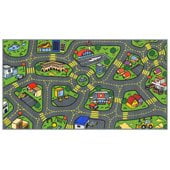
Toddler Curtains in Toddlers’ Room Decor


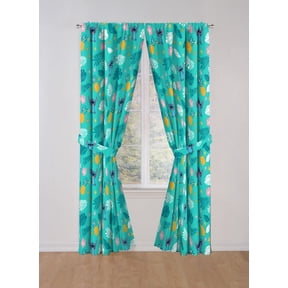
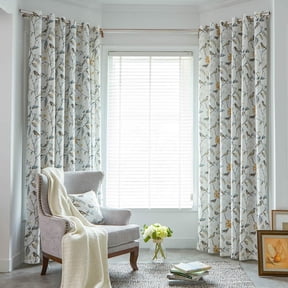
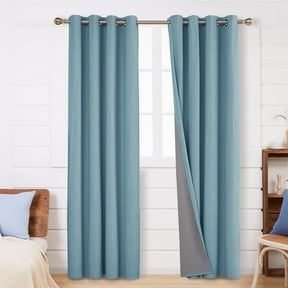




















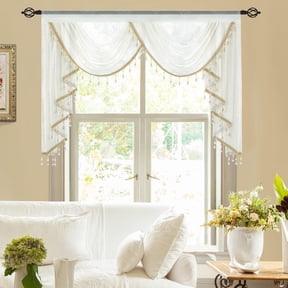


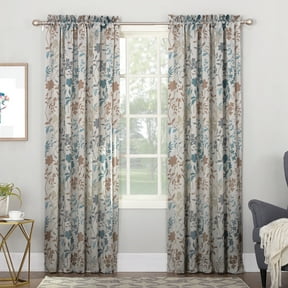
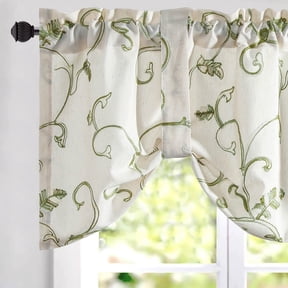


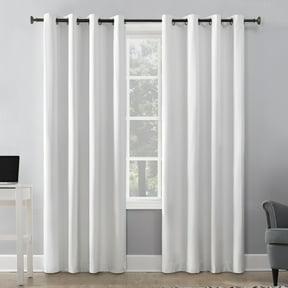


About Toddler Curtains in Toddlers’ Room Decor - Walmart.com
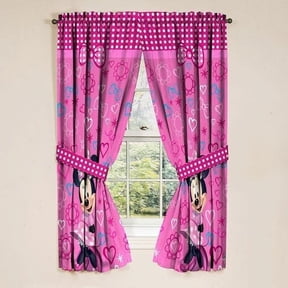
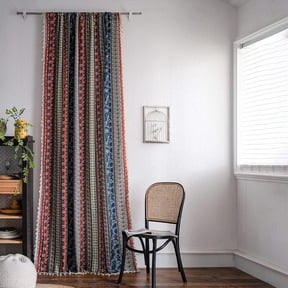
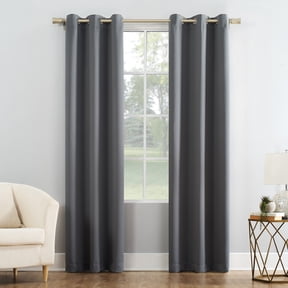
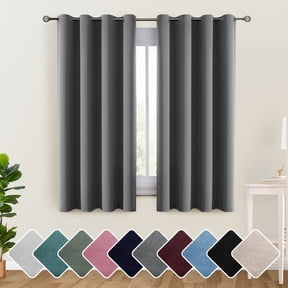
Kids curtains help you shape a calmer, more playful room with light control, easy care, and themes that fit your child’s space. You can compare blackout panels, cheerful prints, and simple hanging styles that work for bedrooms, nurseries, and play areas.
How to choose kids curtains for your room
When you choose kids curtains, you can start with light filtration, room style, and window size. You can narrow your options faster when you know whether your room needs darkness, softness, or decorative color.
For a nursery, you may want nursery curtains that support naps and soften the look of the room. For a play area, you may prefer brighter patterns and lighter fabrics that keep the room open.
If you’re decorating kids bedroom curtains for a shared room, you can compare solid colors with themed prints. You can also match hardware-friendly headers to the rod you already have.
Choosing the right kids blackout curtains
Light filtration is often your first decision because it changes how the room feels during naps, bedtime, and early mornings. You can choose blackout, room darkening, or sheer panels based on how much outside light you want.
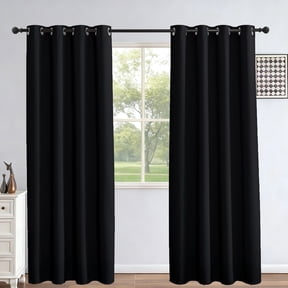
Kids blackout curtains are useful when you want stronger coverage for bright windows or earlier bedtimes. If you compare labels, you may see 99% blackout, which means you can expect very little light passing through.
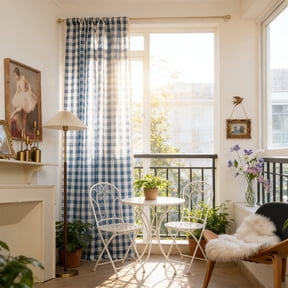
Room darkening styles let you soften sunlight without making the room fully dim. Sheer panels let in more daylight, so you can use them when you want a lighter look.
- You can use blackout panels for nap routines and media rooms.
- You can choose room darkening curtains for balanced light and privacy.
- You can pick sheer styles when you want daylight and a softer finish.
- You can layer panels if you want both decoration and flexible coverage.
What to look for in safety and materials
Safety matters when you’re choosing curtains for little ones, and you may want cordless designs for a cleaner setup. You can also check whether fabrics include OEKO-TEX certification when that detail matters to your household.
Material affects drape, feel, and daily upkeep, so you should compare polyester, cotton blend, and microfiber options. Polyester often gives you easy care, while cotton blends can give you a softer look.
Microfiber can feel smooth and may help you create a cozy finish in toddler room curtains. You should also check the care label, because machine-washable panels can make routine cleanup simpler.
Comparing headers, sizing, and fit
Header type affects how your curtains hang, so you should compare grommet, rod pocket, and tab top options. Grommet kids curtains usually slide easily, while rod pocket styles can create a more gathered look.
Tab top curtains give you a casual style that works well in playful spaces. You can choose the header that fits your rod, your room style, and how often you open the panels.
Before you buy, you should measure your window width and length for a fuller drape. You’ll usually want extra panel width beyond the glass so your curtains don’t look flat.
For length, you can decide whether you want curtains to stop at the sill, below the sill, or near the floor. You should measure from the rod position, not just the window frame.
Matching design themes to real rooms
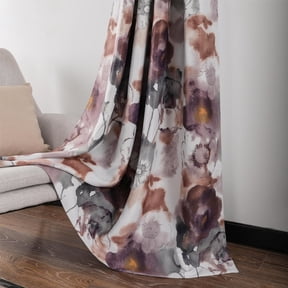
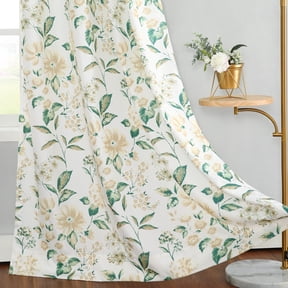
Design theme helps you tie the room together, and you can compare dinosaur, stars, animals, and solid colors. Patterned panels can become part of the room decor instead of feeling like an afterthought.
If you’re styling nursery curtains, you may want stars or soft animal prints that blend with bedding and wall art. If you’re updating a growing child’s room, solid colors can give you longer-lasting flexibility.
For toddler room curtains, you can use playful themes that echo books, bedding, or toy storage. In playroom curtains, you may prefer energetic prints that bring color without changing the whole room.
You can also use kids bedroom curtains to separate sleep space from study space through color and light control. When you coordinate curtains with rugs and bedding, you can create a more finished room.
Using kids curtains in everyday spaces
You can use these panels in bedrooms, nurseries, reading corners, and shared play spaces throughout your home. Each room may need a different mix of darkness, softness, and easy maintenance.
In a nursery, you might choose blackout panels, a rod pocket header, and machine-washable fabric for simple upkeep. In a playroom, you may prefer sheer or room darkening panels with bright animals or star prints.
For a shared bedroom, you can use solid colors or simple themes that work across ages. If your windows get strong morning sun, you may want thicker panels that keep the room more comfortable.
When you compare light filtration, header type, material, and theme together, you can choose with more confidence. The right combination helps your child’s room feel more finished, more functional, and easier to manage every day.
You can get the full benefit of your choice when your curtains fit the window, support your room routine, and match your decor plan. That means your space can feel more restful at bedtime and more polished all day.
Popular in Toddler Curtains in Toddlers’ Room Decor - Walmart.com
- Kids Room Curtains With Butterflies
- Kids Room D Cor
- Reduced Price in Kids' Window Treatments
- Kids' Room Draperies
- Cartoon Curtains Kids Bedroom
- Reduced Price in Kids' Rooms
- Top Rated Products in Kids' Window Treatments
- Spa Blue Curtains
- Clearance in Kids' Window Treatments
- RLF Home Kids' Window Treatments
- Rollback in Kids' Window Treatments