

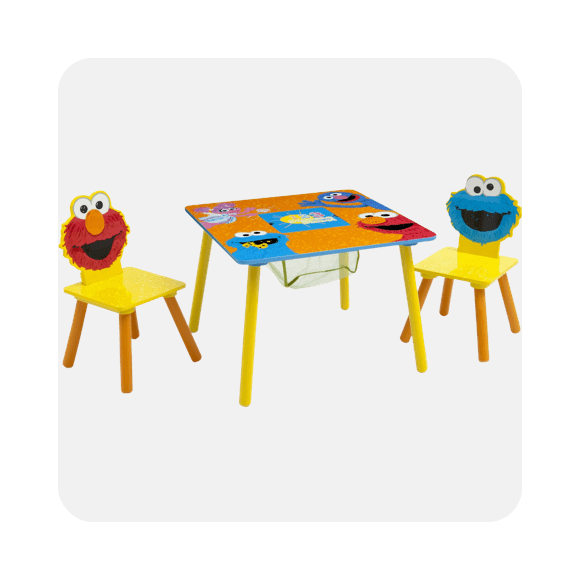
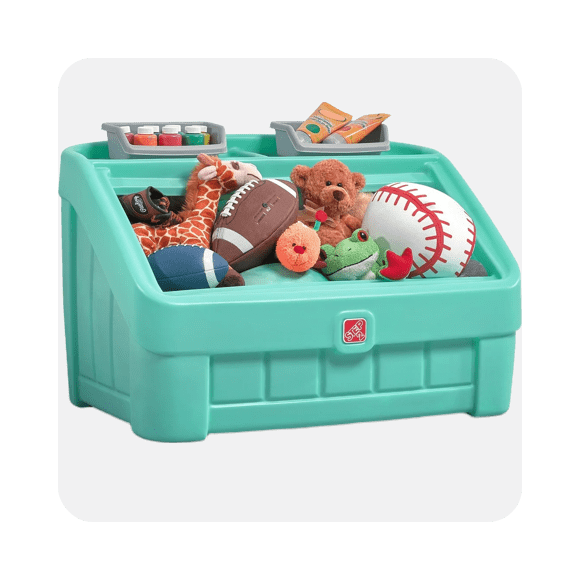
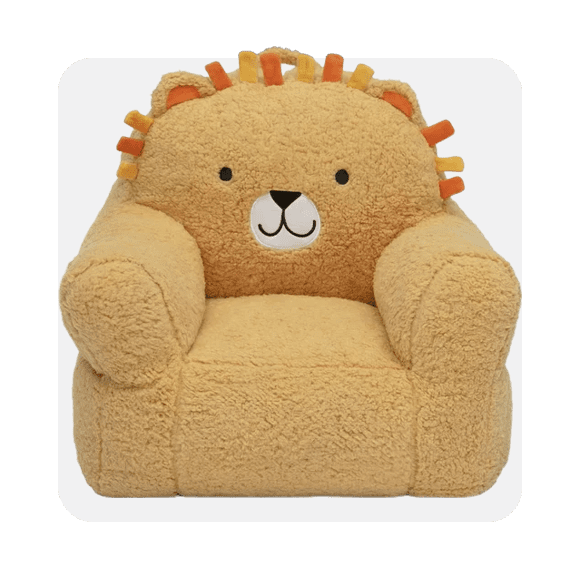
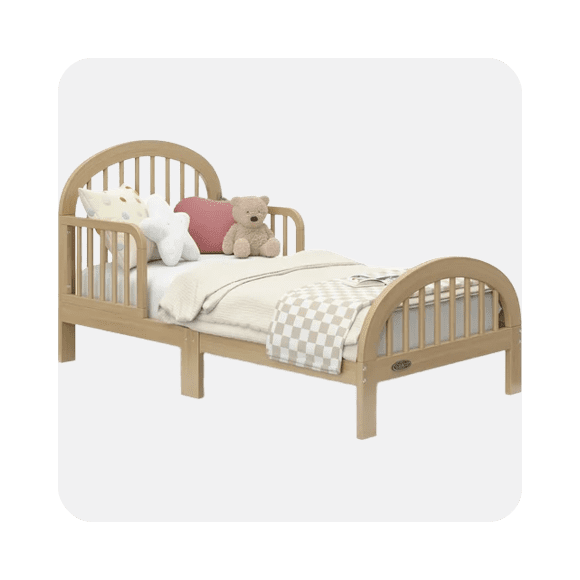




Toddlers’ Room Decor in Toddlers’ Room



























About Toddlers’ Room Decor in Toddlers’ Room - Walmart.com
Nursery decor helps you shape a calm, coordinated room that feels finished from day one. You can compare themes, materials, and sizes to create a space that fits your nursery layout and style.
As you plan your baby’s room, you’ll want decor that looks cohesive and works with daily routines. You can choose accents that add warmth, visual interest, and easy coordination with bedding, furniture, and lighting.
How to choose nursery decor by theme
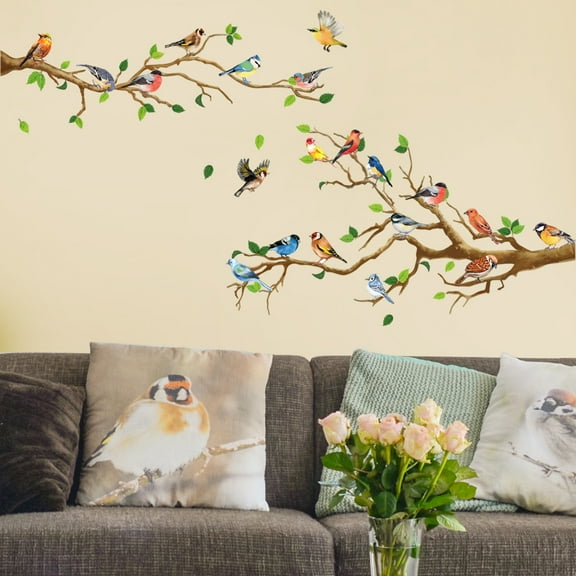
When you choose nursery decor, you’ll usually start with a theme that guides every accent. You can keep the room consistent by repeating colors, shapes, and textures across wall art, mobiles, rugs, and shelves.
For woodland nursery decor, you can look for trees, forest animals, and natural wood tones. For safari rooms, you can compare animal prints, warm neutrals, and playful shapes that keep the room lively.
If you prefer boho, you can combine soft textures, rainbows, tassels, and earthy shades. If you like floral, outer space, or celestial styles, you can match stars, moons, blossoms, or constellations across the room.
- You can use one clear theme to make mixing decor pieces easier.
- You can choose repeated colors to connect walls, floors, and shelves.
- You can pick flexible motifs that still work as your child grows.
- You can build a calm room by limiting too many competing patterns.
Choosing baby room decor by product type
As you compare baby room decor, you’ll want each product type to serve a clear purpose. You can use wall art for focal points, mobiles for movement, rugs for softness, and shelves for display.
With nursery wall decor, you can define the crib wall or changing area without filling every surface. You can use nursery wall art to echo your theme through animals, letters, moons, or gentle abstract shapes.
If you add a nursery hanging mobile, you can bring height and motion into the room. When you include rugs, shelves, and nightlights, you can balance comfort, storage, and a softer evening look.
What to look for in materials and mounting
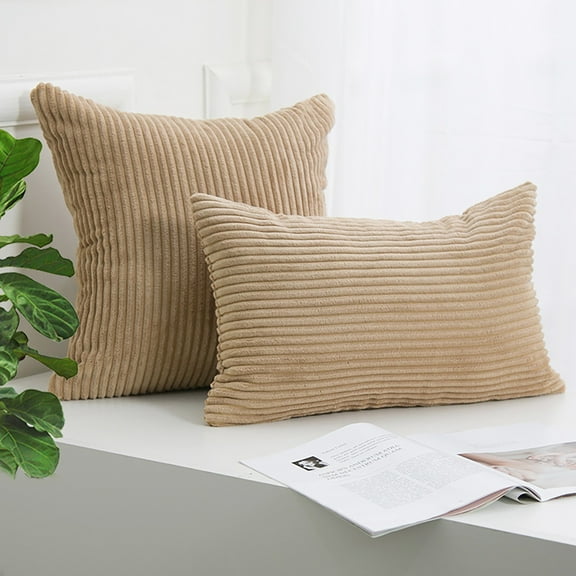
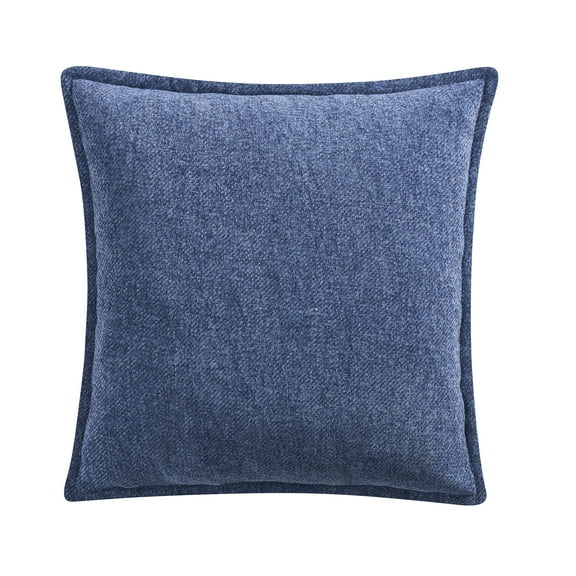
When you review materials, you should compare what feels soft, sturdy, and easy to maintain. You can choose organic cotton, wood, plush, canvas, or silicone based on texture, cleanup, and the look you want.
For wall pieces and shelves, you should check whether mounting hardware matches your wall type and item weight. You can also look for clear installation details, because secure placement matters in a busy nursery.
If product details mention low chemical emissions or OEKO-TEX labels, you can use that information as a comparison point. You should still focus on format, material, and mounting guidance when choosing each piece.
Comparing color palettes and nursery wall decor styles
Your color palette can shape how open, cozy, or playful the room feels. You can compare neutral, pastel, monochrome, baby boy nursery decor, and baby girl nursery decor styles by how they pair with furniture.
Gender neutral nursery decor works well when you want flexible colors and timeless patterns. You can use beige, cream, sage, gray, or soft wood tones to keep the room easy to update later.
If you’re planning baby girl nursery decor, you might compare florals, blush tones, soft lavender, or warm peach accents. If you’re choosing baby boy nursery decor, you might lean toward blue, green, space themes, or woodland details.
How size and scale affect your nursery layout
Before you choose decor, you should measure your wall space, floor area, and shelf depth. You can avoid a crowded look by matching each piece to the room’s size and furniture placement.
Large nursery wall decor can anchor one wall, but you’ll want breathing room around the crib and dresser. Smaller accents work well when you layer frames, place nightlights on shelves, or add a compact rug.
If your nursery is tight on space, you can use vertical shelves and lighter visual elements. In larger rooms, you can combine art, textiles, and lighting to keep empty areas from feeling unfinished.
Choosing nursery decor that lasts longer
As you plan ahead, you may want decor that still makes sense in a toddler room. You can choose stars, animals, florals, and simple shapes that feel age-flexible instead of overly baby-specific.
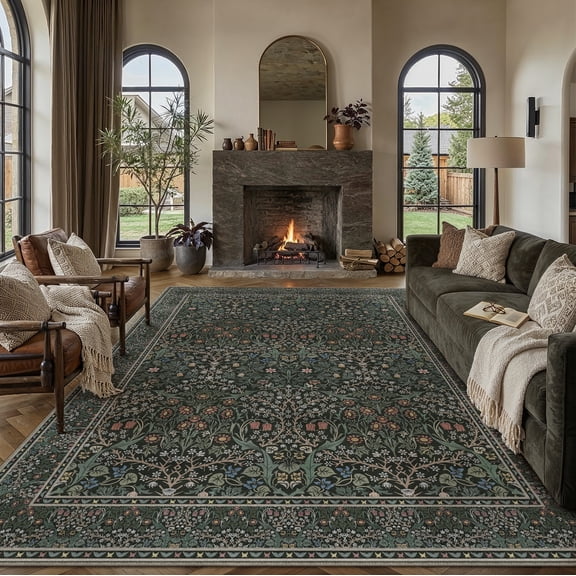
Wooden shelves, canvas prints, and neutral rugs often transition easily with new bedding or wall colors. You can refresh the room later by swapping a few accents instead of redoing the entire design.
That adaptability can make your choices feel more intentional from the start. You’ll have an easier time keeping the room coordinated as your child’s interests and storage needs change.
How to match nursery decor to real-life routines
If you’re decorating for naps and feedings, you can prioritize softer lighting and calm wall designs. You can place nightlights near seating areas and use gentle colors that keep the room visually balanced.
For shared spaces, you can choose decor that blends with the rest of your home without losing its nursery feel. Neutral palettes, simple nursery wall decor, and natural materials can help the room feel connected.
When you want a giftable look, you can combine a themed mobile, framed art, and a small rug. You can also choose shelves and timeless motifs that help the room stay useful beyond the newborn stage.
With nursery decor, you can create a room that feels coordinated, practical, and easy to update over time. You’ll get the most from your space when your theme, materials, and scale all work together.