

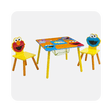
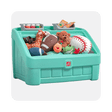
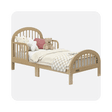



Toddlers’ Room







































About Toddlers’ Room - Walmart.com
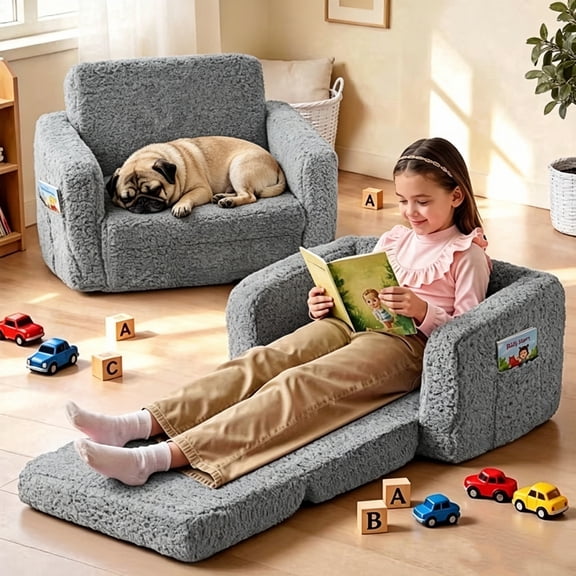
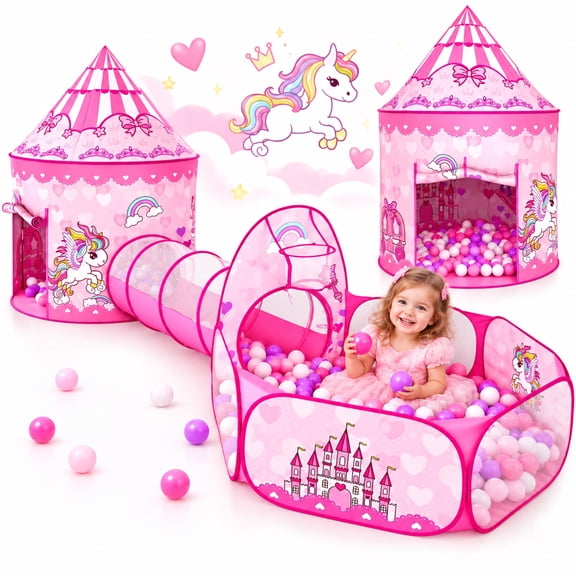
Your toddler room can feel organized, playful, and ready for daily routines when you choose furniture and decor for this active stage. You can create a toddler bedroom that supports sleep, storage, and easy transitions from the nursery years.
How to choose toddler room furniture
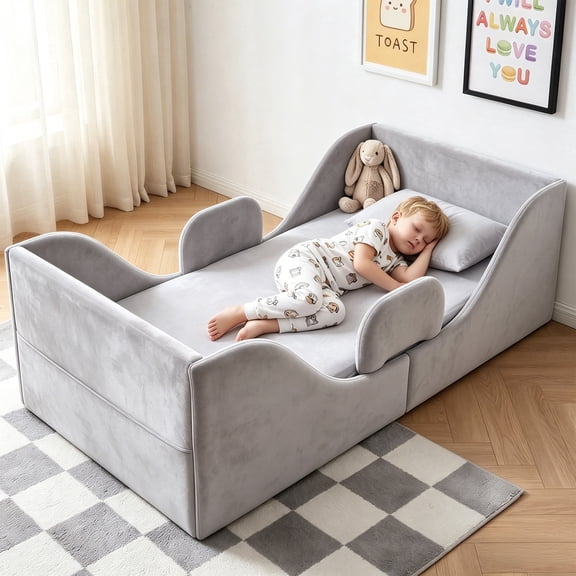
When you compare toddler rooms, you’ll usually start with furniture type because each piece shapes how your child uses the space. You can look for toddler beds, toy organizers, bookcases, and dressers that fit your floor plan and daily routine.
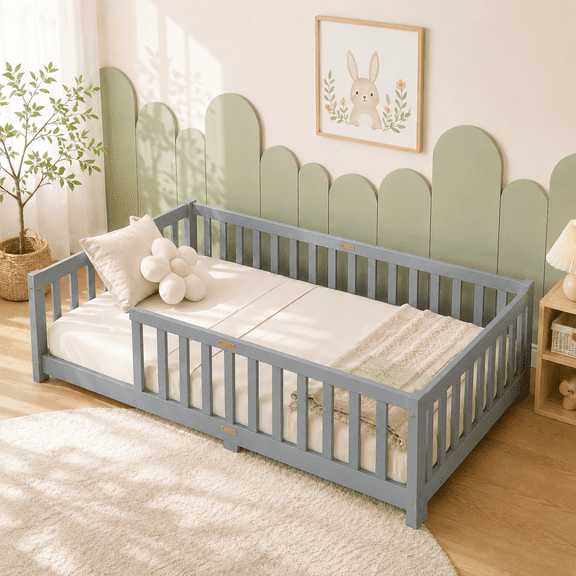
If you’re planning a crib-to-bed move, you’ll want to check weight limits and guardrail compatibility before you choose a sleep setup. You can use those details to match your child’s size, movement, and bedtime habits.
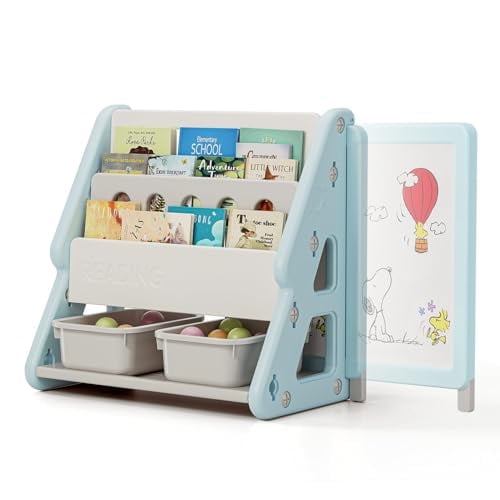
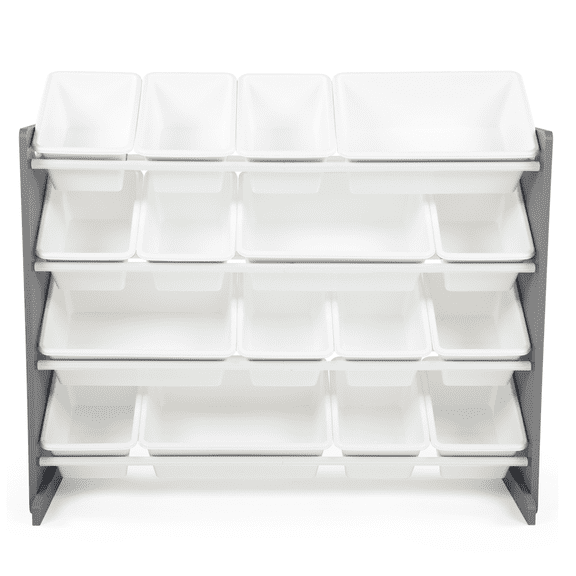
For play-heavy spaces, you may prefer toy organizers with open bins that help you sort blocks, puzzles, and stuffed animals. You can pair them with low bookcases so your child can reach favorite stories during quiet time.
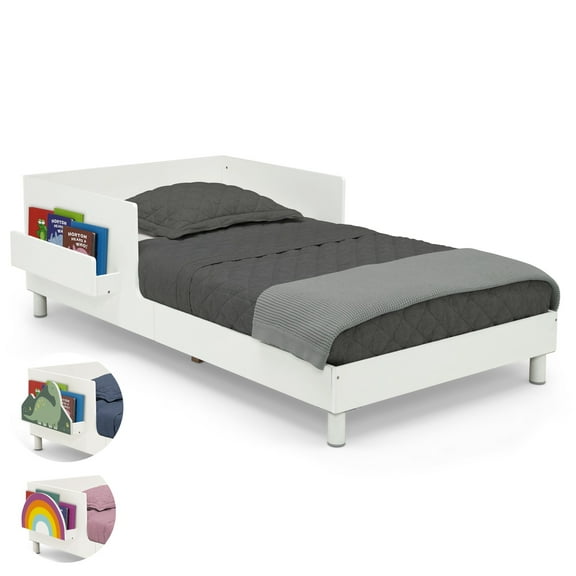
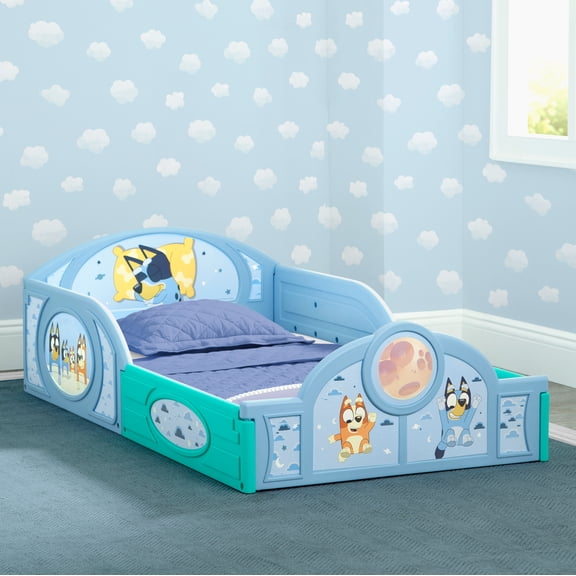
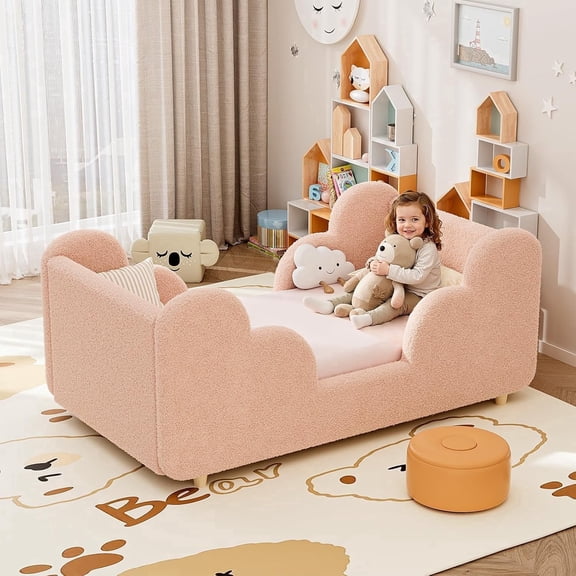
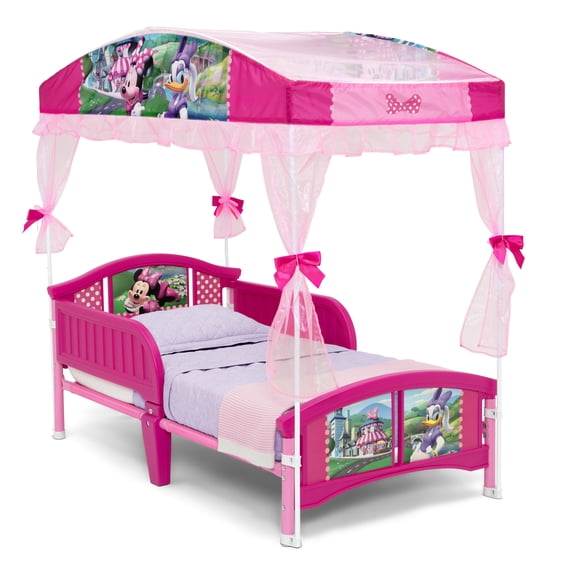
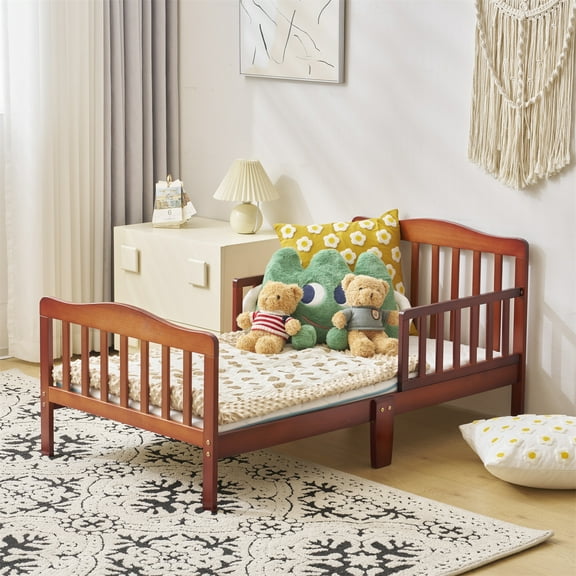
- You can use toddler beds to support the transition from crib to independent sleep.
- You can use toy organizers to keep books, art supplies, and play pieces easier to sort.
- You can use bookcases and dressers to combine display space with everyday clothing storage.
Choosing safety features for a toddler bedroom
As you compare materials and construction, you’ll want to focus on details that support everyday use in a busy toddler bedroom. You can look for rounded corners, anti-tip kits, and finishes designed for children’s spaces.
If certifications matter in your search, you may look for GREENGUARD Gold certified options or JPMA certification on relevant products. You can use those labels as decision points when you compare room furniture for younger children.
Material choice also affects how your room looks and feels over time. You may choose solid wood for a classic look, engineered wood for versatile finishes, plastic for lightweight storage, or metal for simple frames.
When you measure a shared room or smaller layout, you’ll want pieces that leave open floor space for movement and play. You can check dresser depth, bookcase height, and bed footprint before you commit.
Comparing toddler room decor ideas by style
Style choices shape how your toddler room feels today and how easily it adapts later. You can compare character-themed, modern, Scandinavian, and boho looks based on how often you plan to refresh the space.
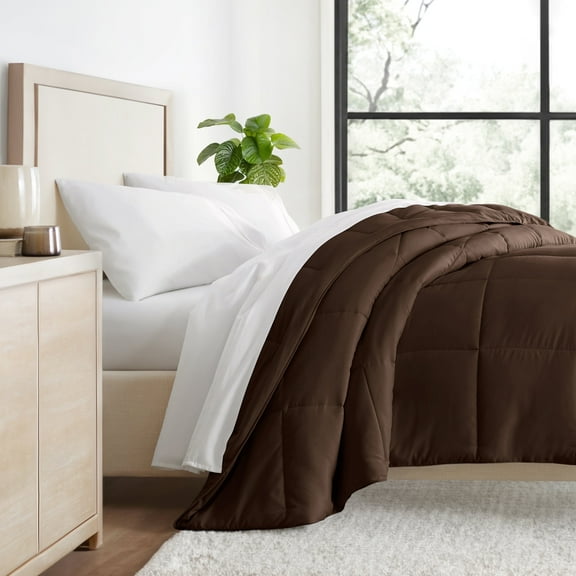
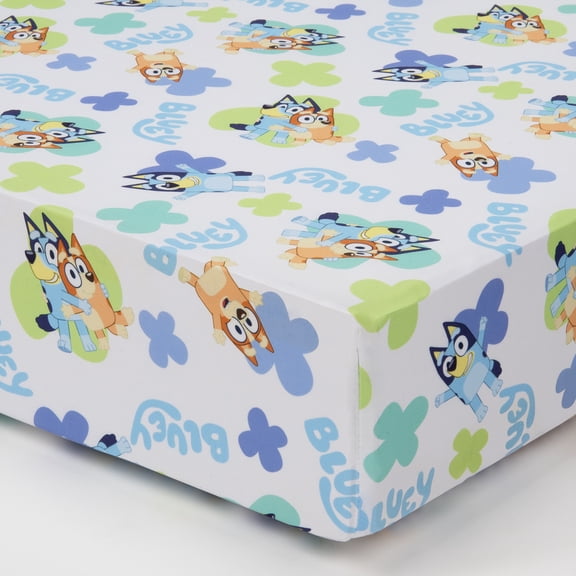
If you want a room that grows with your child, you may start with a simple furniture base and change accent pieces over time. You can add themed bedding, wall art, or rugs without replacing every major piece.
Color palette matters just as much as theme when you build a balanced room. You can choose neutral tones for flexibility, pastel shades for softness, vibrant colors for energy, or monochrome looks for a cleaner finish.
For toddler room decor ideas that stay useful longer, you can mix playful details with practical storage and easy-to-match furniture. You’ll often get more styling freedom when your larger pieces stay simple.
Matching storage capacity to daily routines
Storage functions effectively when you match capacity to what your child actually uses each day. You can compare toy volume, shelf count, drawer size, and bin access before you select organizers.
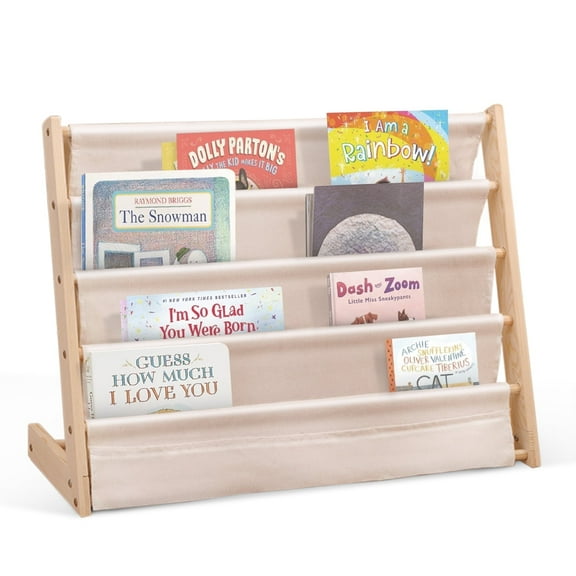
If your child has many picture books, you may want front-facing shelves or low bookcases that make covers easy to see. You can keep reading materials visible without crowding the floor.
For larger toy collections, you’ll want organizers that separate categories clearly. You can assign bins for building toys, pretend play pieces, art tools, and plush items to make cleanup easier.
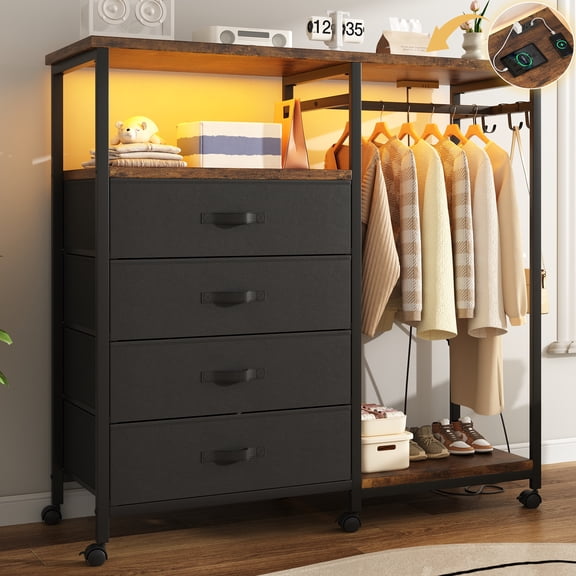
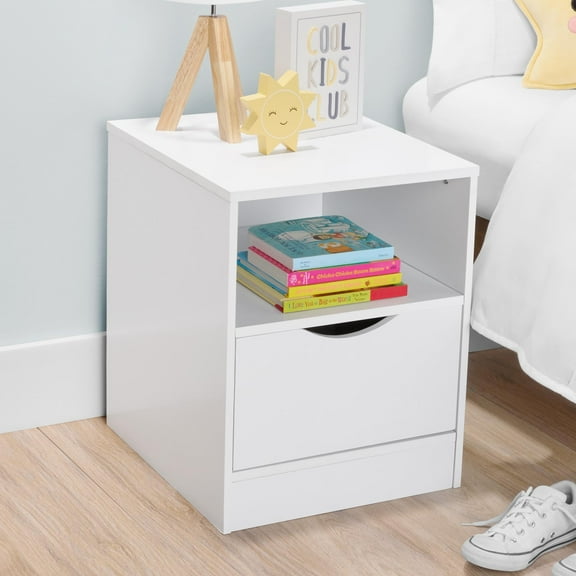
Dressers can also do more than hold clothes in a toddler room. You can use wider tops for lamps, sound machines, framed photos, or baskets that hold bedtime essentials.
Using toddler rooms for sleep, play, and growth
Your setup should support more than one part of the day, since toddler rooms often handle sleep, reading, dressing, and play. You can plan zones that make each activity feel easier to manage.
During bedtime transitions, you may place a toddler bed near a dresser or bookshelf to keep pajamas and favorite books close. You can create a calmer routine when essentials stay within reach.
In compact spaces, you’ll want furniture that serves two purposes without making the room feel crowded. You can combine a low bookcase, a dresser, and a toy organizer to cover storage without overwhelming the layout.
If you’re updating a shared space, you may use color and storage zones to give your child a clear area of their own. You can keep the room cohesive while still making it feel personal.
When you’re gathering toddler room decor ideas, you can focus on pieces that support changing interests and active routines. You’ll create a toddler room that feels easier to organize, easier to style, and easier to use every day.