




Survival Gear in Health & Safety
























About Survival Gear in Health & Safety - Walmart.com
When you compare survival supplies, you need clear choices for emergencies, outages, and remote trips. You can use this guide to match shelter, navigation, first aid, tools, and hydration gear to your plans.
If you're building a home reserve or a grab-and-go setup, you should compare kit size, duration, and storage style first. You can also look for food shelf life, water options, and weather-ready cases before you commit.
How to choose survival supplies by gear type
You should start with gear type because each category covers a different need during a power outage or outdoor stay. Your setup usually works harder when you balance shelter, navigation, first aid, tools, and hydration.
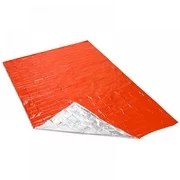
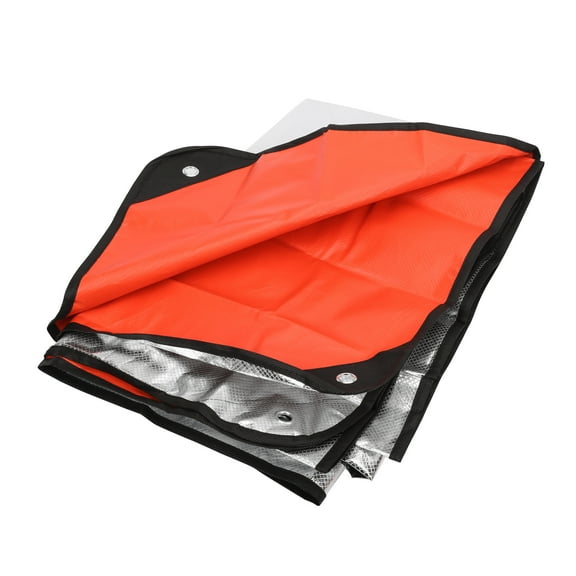
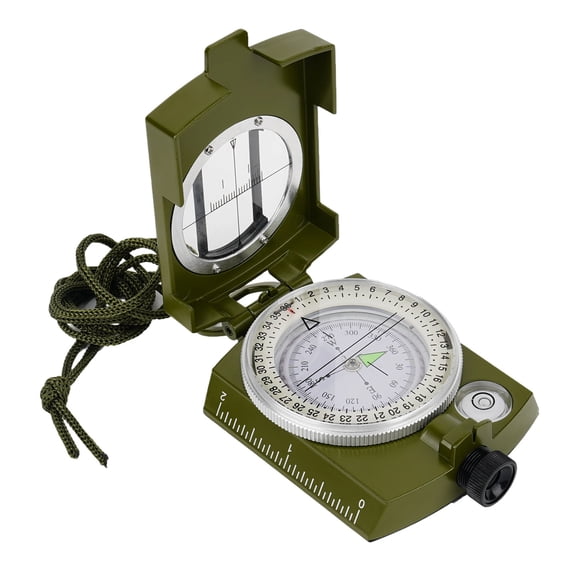
For shelter, you can compare tents, tarps, blankets, and compact covers that help you create a temporary base. For navigation, you may prefer compasses, maps, signal tools, and lighting that help you stay oriented.
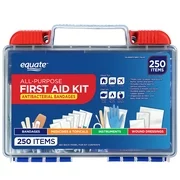
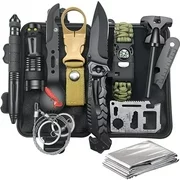
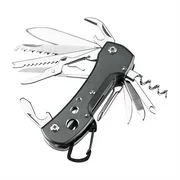
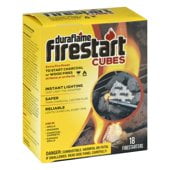
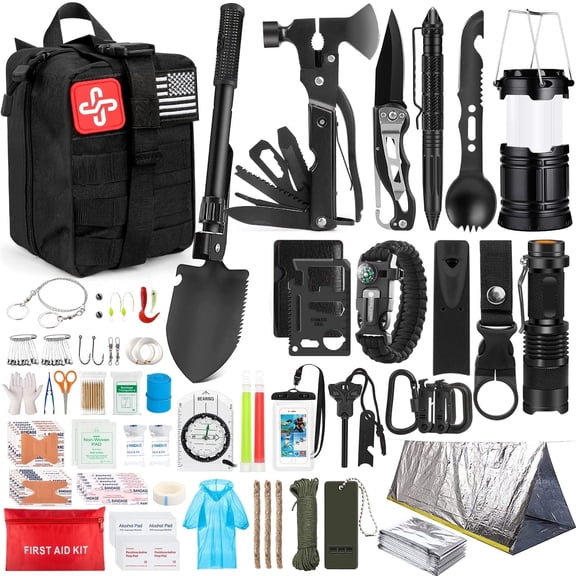
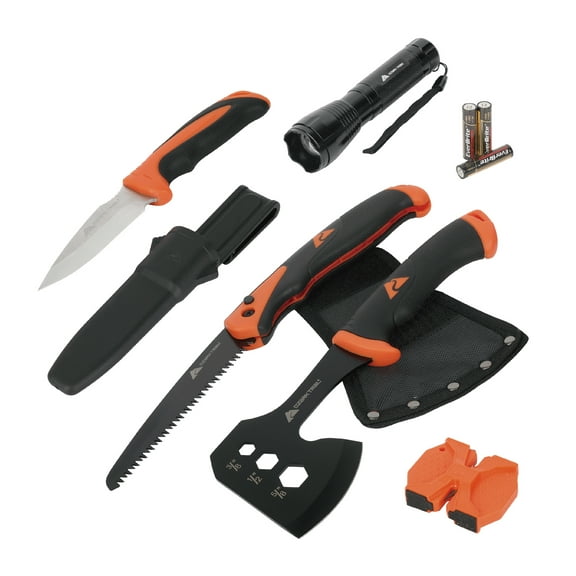
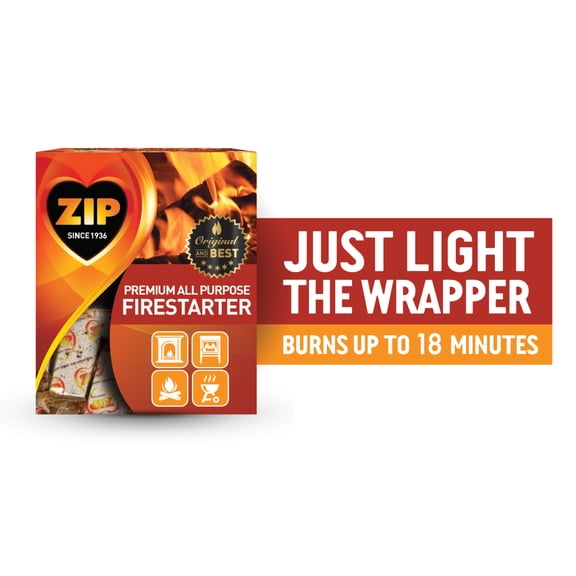
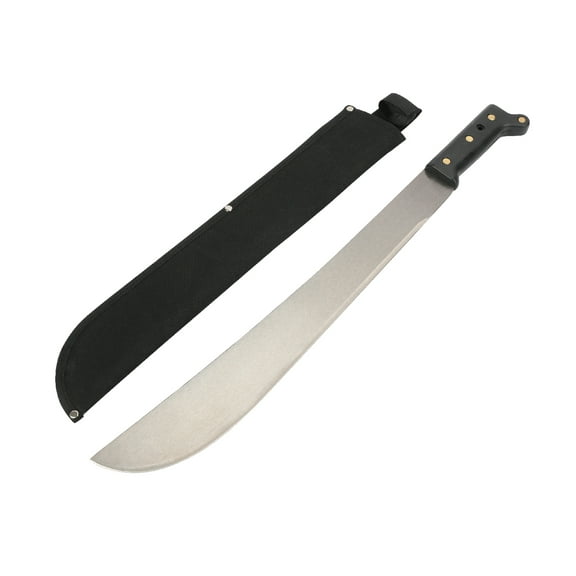
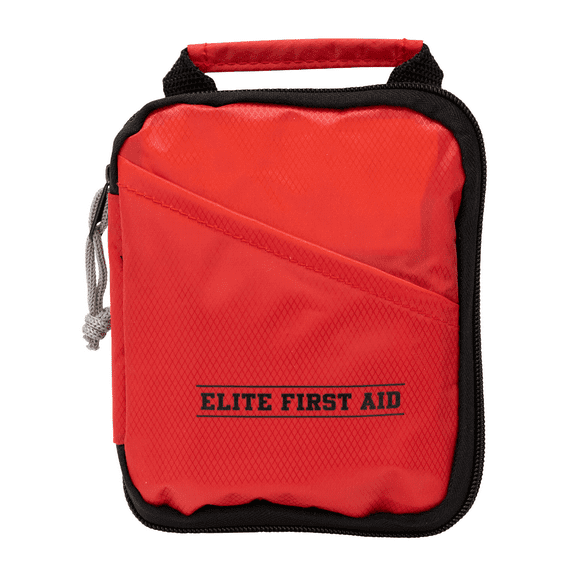
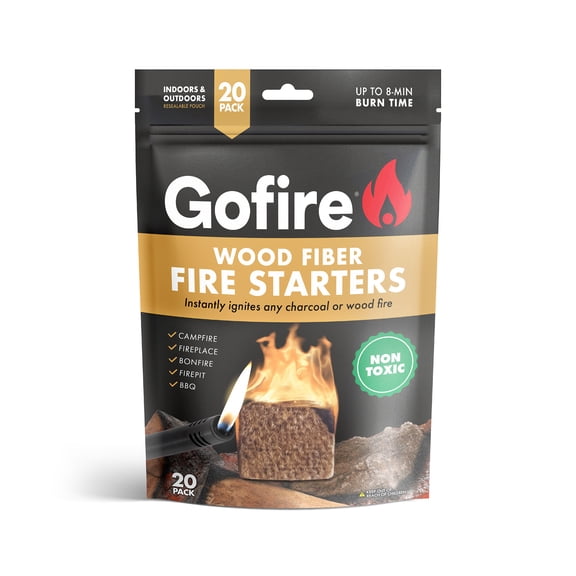
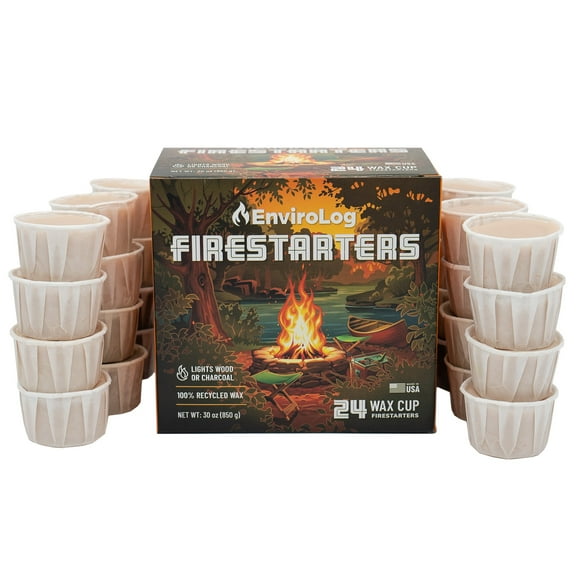
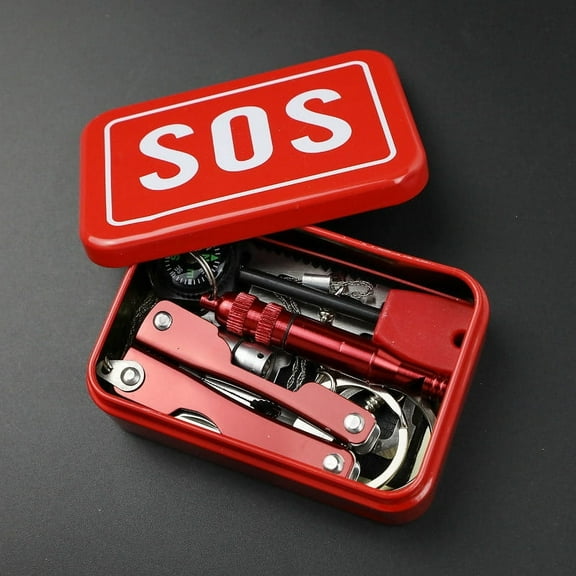
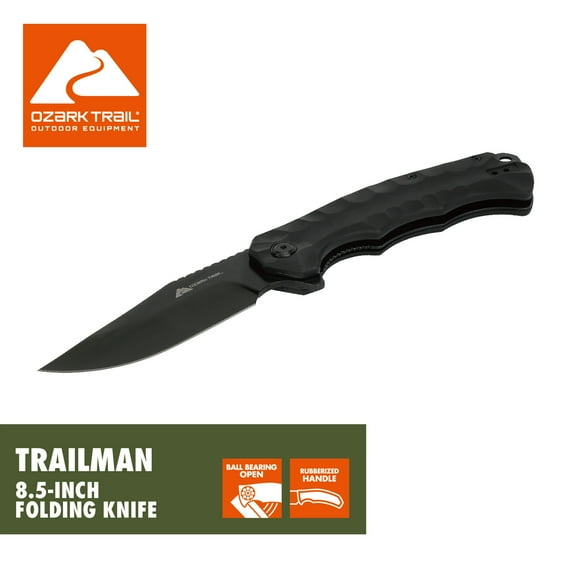
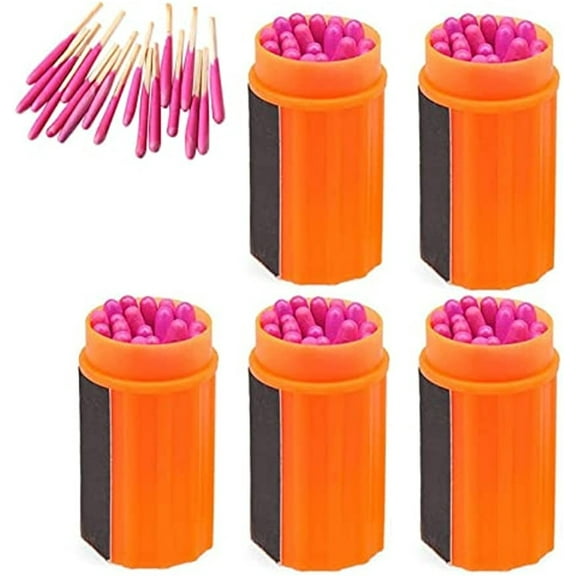
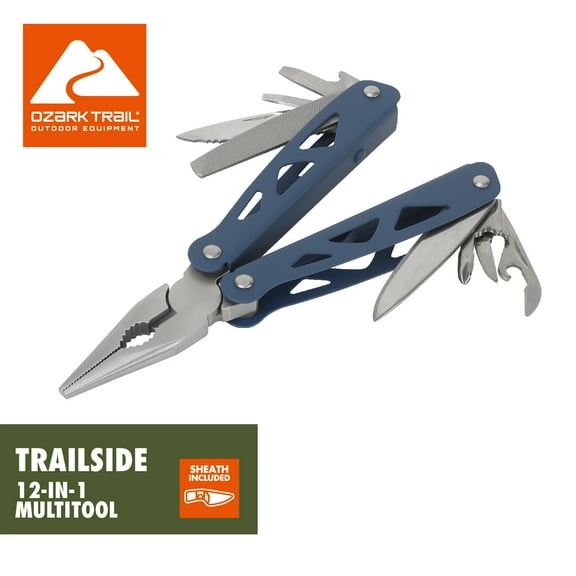
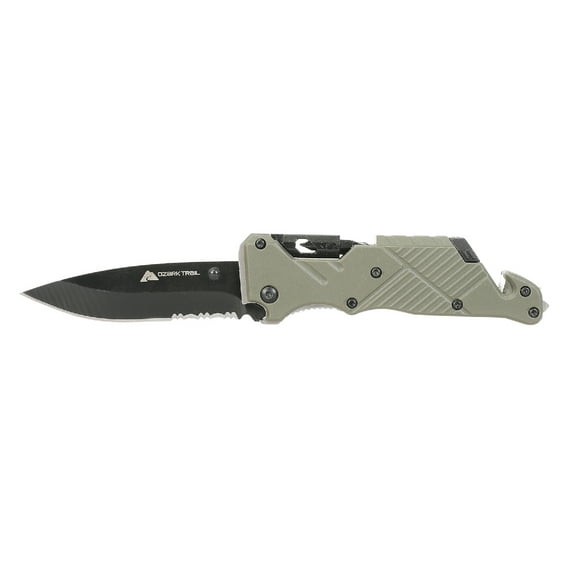
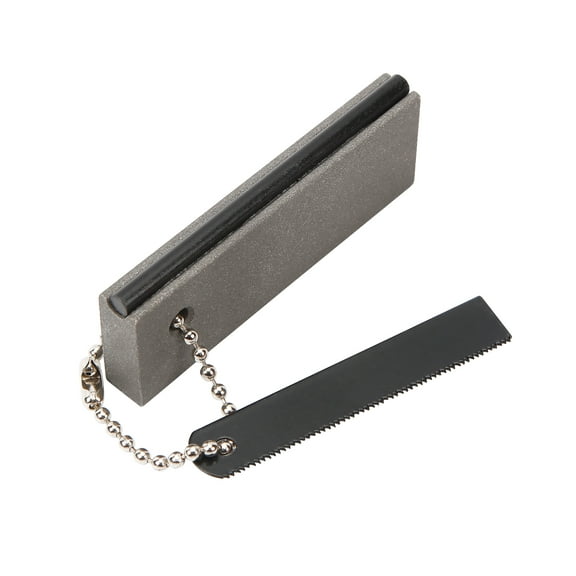
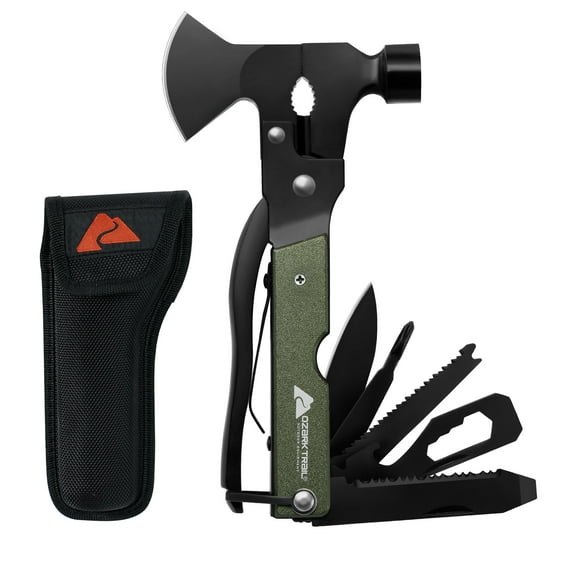
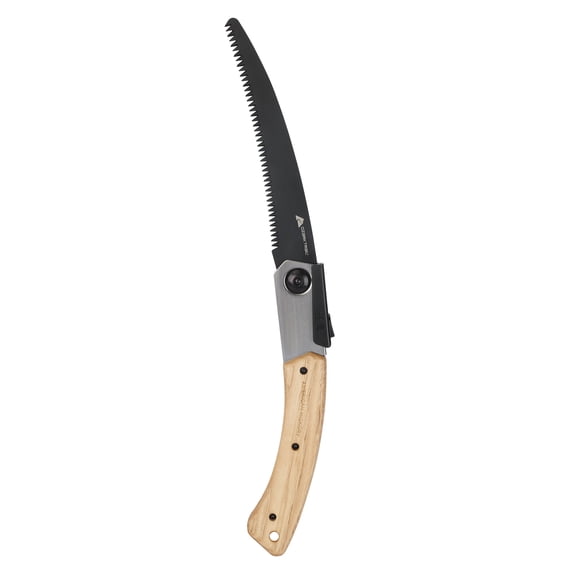
With first aid, you should check bandages, wraps, wipes, and organized pouches that keep supplies easy to sort. With tools, you can compare multi-tools, fire starters, cord, and cutting tools for repair tasks.
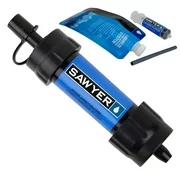
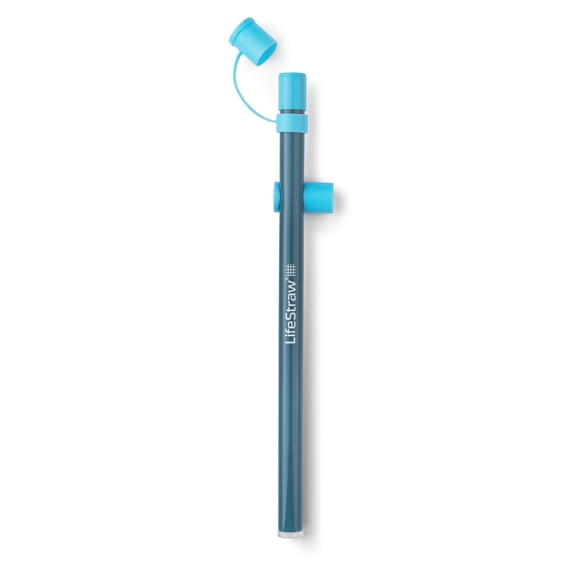
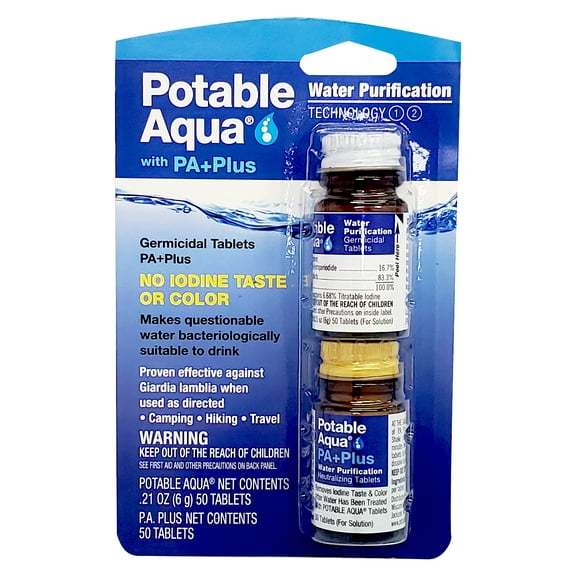
Hydration matters just as much, so you should look for water storage, filters, purification tablets, and drinking containers. Your choices in these five groups can turn scattered survival stuff into a more complete plan.
- You can cover shelter, navigation, first aid, tools, and hydration in one checklist.
- You can build around home storage, vehicle storage, or portable carry needs.
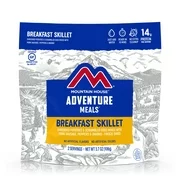
- You can compare food and water formats by duration, shelf life, and daily use.
- You can choose weather-ready containers with waterproof or rugged construction.
Choosing the right survival kit size and duration
You should match kit size to the number of people you expect to support. Your options often include 1-person, 2-person, 4-person, and family setups with different carrying weights.
A 1-person option may fit your car, desk, or solo hiking bag when you need compact coverage. A family option may suit your home closet or vehicle when you need broader coverage.
You should also compare duration because a 72-hour setup serves different situations than a 7-day or 30-day reserve. Your timeline affects food quantity, water storage, and the amount of shelter and hygiene gear.
When you review a 72-hour rating, you should treat it as a starting point for short disruptions or evacuations. When you review a 7-day or 30-day setup, you should expect more storage space and planning.
Calorie count per day matters when you compare emergency food components inside a survival kit. You should check whether daily portions align with how long you want your supplies to last.
Shelf life matters too, especially if you want long-term storage between seasons or emergency updates. You can compare five-year and 25-year shelf life options to fit your rotation habits.
What to look for in storage, portability, and protection
You should compare backpack-style kits and heavy-duty tubs before you choose where your supplies will live. Your backpack can support mobility, while your tub can support garage, basement, or closet storage.
If you expect evacuation use, you may prefer padded straps, organized compartments, and compact dimensions. If you expect home storage, you may prefer stackable containers with room for extra food and water.
You should also check whether the casing or pouch can handle wet ground, rough transport, or changing temperatures. Your gear may feel easier to manage when you choose waterproof materials and sturdy closures.
Thermal ratings can help you compare sleeping bags, blankets, and shelter pieces for colder nights outdoors. You should pair those ratings with your region, season, and likely use case.
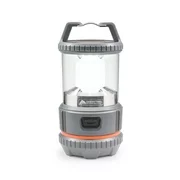
Lighting, batteries, and signaling tools can matter when visibility drops during storms or campsite setup. You should look for organized layouts that let your important items stay easy to reach.
Using survival kit and camping gear for real scenarios
You can build emergency preparedness around a family kit, shelf-stable food, water storage, and first aid basics. Your home setup may work well with a 7-day or 30-day plan in a heavy-duty tub.
For vehicle readiness, you may prefer a 1-person or 2-person pack with blankets, tools, lighting, and hydration. Your trunk setup should stay compact enough for daily space needs.
If you camp often, you can blend a survival kit with camping gear like compact shelter, water filtration, and fire-starting tools. Your summer packing list may benefit from lightweight storage and navigation tools.
For wilderness survival use, you should focus on portability, weather resistance, and dependable hydration options. Your setup may also need signaling gear, cord, and thermal items for overnight conditions.
During disaster relief planning, you can prioritize family capacity, longer food duration, and easy-to-carry organization. Your checklist may also include sanitation items, backup lighting, and extra water containers.
You should think about where you will use each item, not just where you will store it. Your choices become easier when your gear type, kit size, and duration match your real routine.
When you choose survival supplies with clear priorities, you can build a setup that stays useful in storage and practical in motion. Your checklist can support emergencies, camping, and longer disruptions with fewer gaps.