




Hiking Gear and Camping Essentials Outdoors
















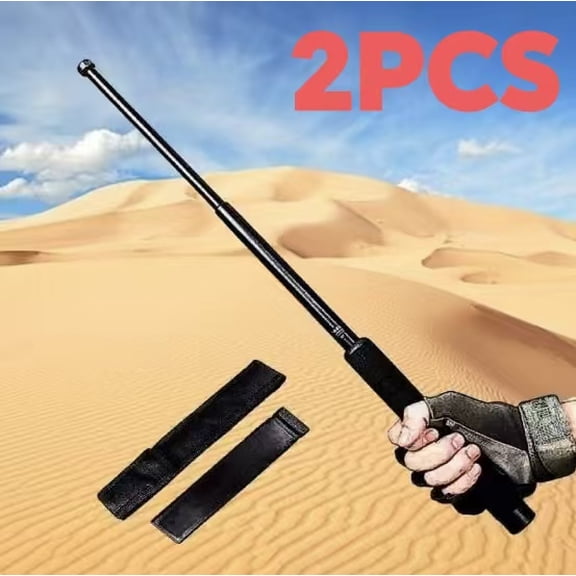


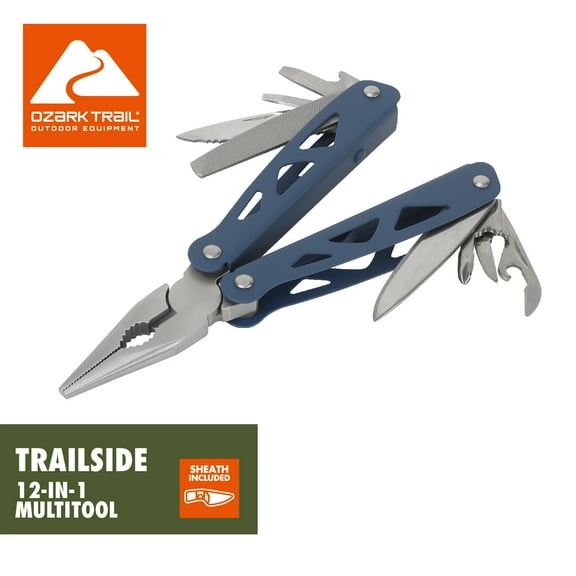


























About Hiking Gear and Camping Essentials Outdoors - Walmart.com
Hiking gear helps you prepare for day hikes, overnight trips, and changing trail conditions with smarter packing choices. You can compare packs, poles, tents, and hydration options in one place, so your setup matches your route.
How to choose hiking gear for your trail plan
Your trail plan should guide every choice, because short walks and multi-day routes call for different hiking essentials. You may want lighter trail gear for fast day hiking, while longer trips need added capacity and shelter support.
Consider how long you’ll be outside before you compare liter capacity, tent size, and water storage. You can often use smaller packs for snacks and layers, while backpacking gear supports food, sleep systems, and extra clothing.
Look for gear types that match how you move on the trail. You may prefer backpacks for carrying weight, trekking poles for balance, tents for overnight coverage, and hydration packs for quick water access.
Key benefits of hiking equipment
The right hiking equipment helps you stay organized, comfortable, and ready for uneven terrain. You can carry only what fits your route, which keeps your load more manageable over long miles.
- You can match pack size to trail duration, from day hiking outings to multi-day backpacking trips.
- You can use trekking poles to support rhythm on climbs, descents, and rocky sections.
- You can choose hydration packs or bottles that keep water easier to reach during movement.
- You can compare single-person and multi-person tents based on sleeping space and carried weight.
- You can balance lightweight designs with heavy-duty materials, depending on distance and conditions.
Your gear choices also shape how quickly you set up camp or adjust on the move. You can expect to notice that well-matched hiking supplies reduce repacking, fumbling, and wasted space in your load.
Seasonal planning matters when you build a reliable trail kit. You can pack spring hiking gear for wet paths and extra layers, while summer hiking essentials often focus on airflow and water capacity.
What to look for in backpacks, poles, tents, and hydration packs
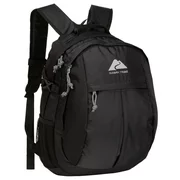
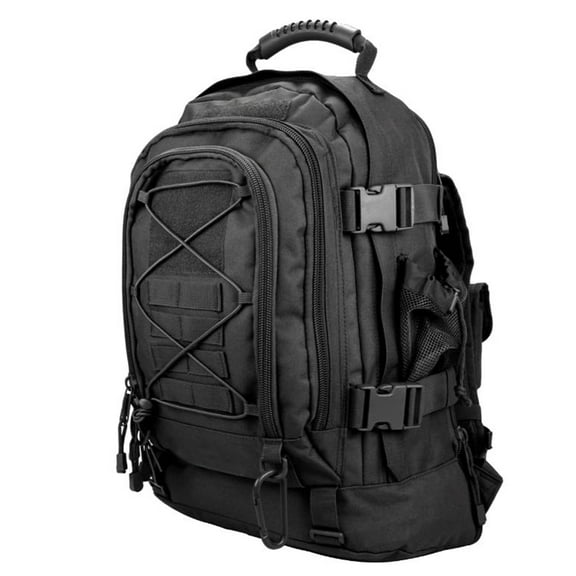
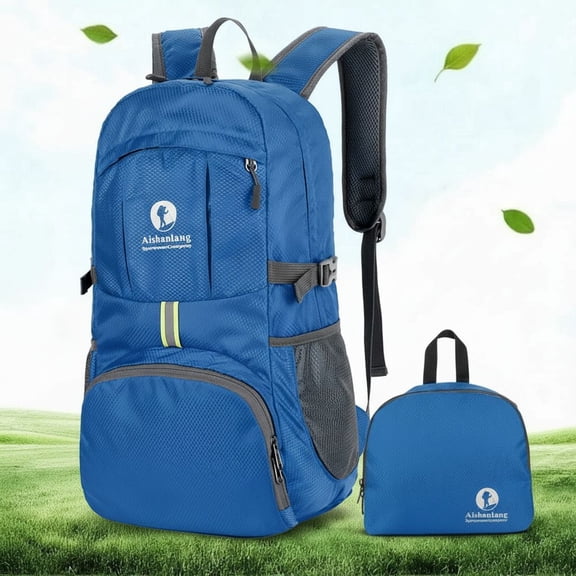
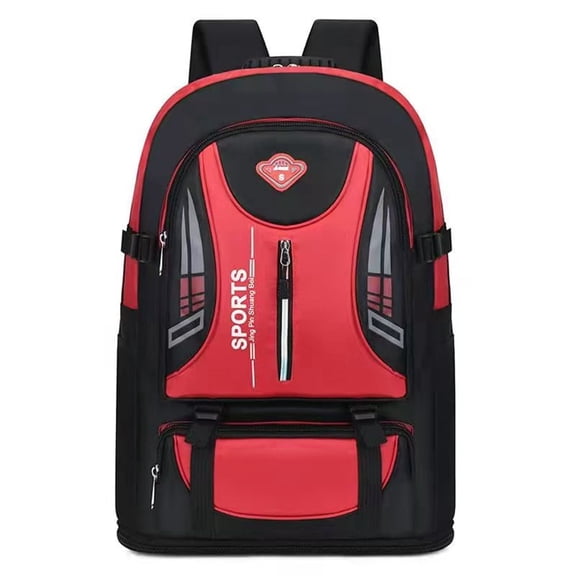
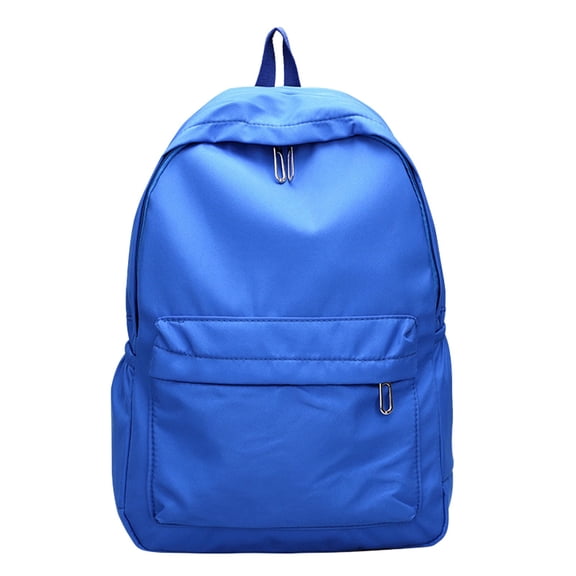
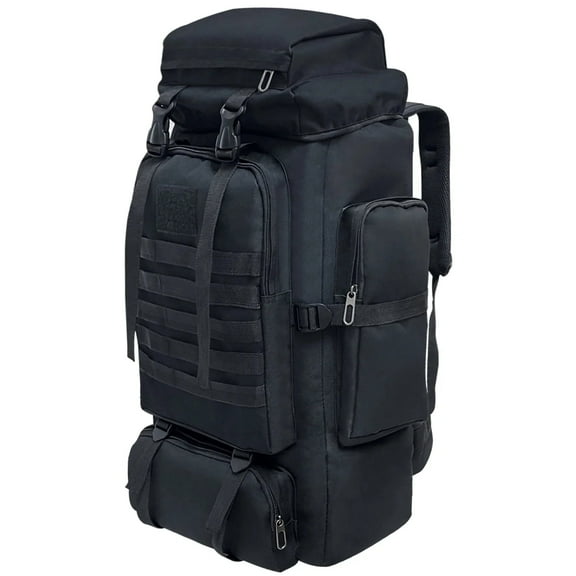
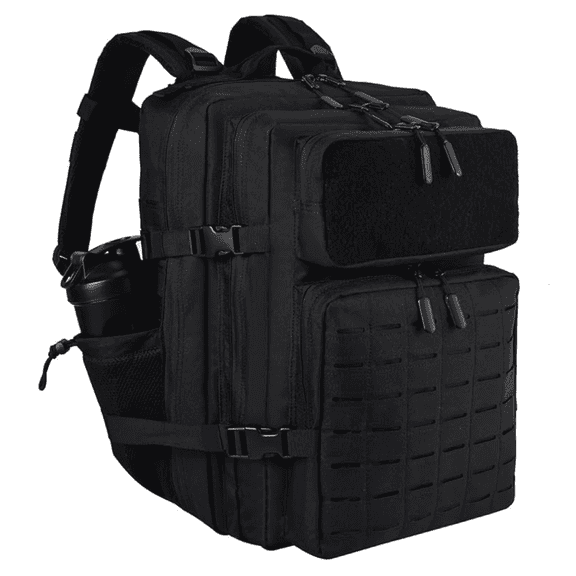
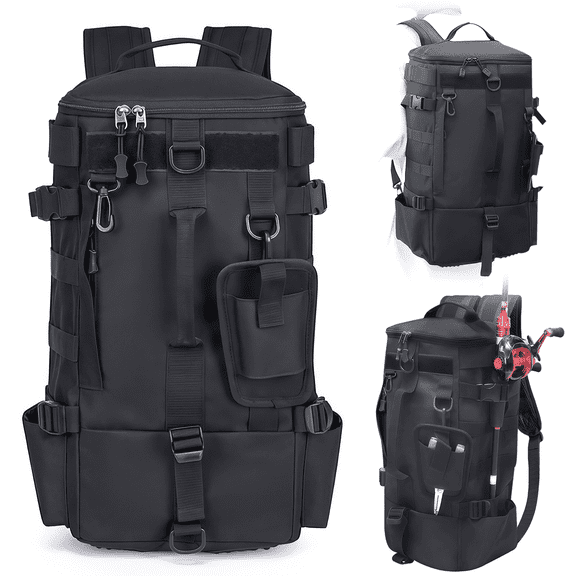
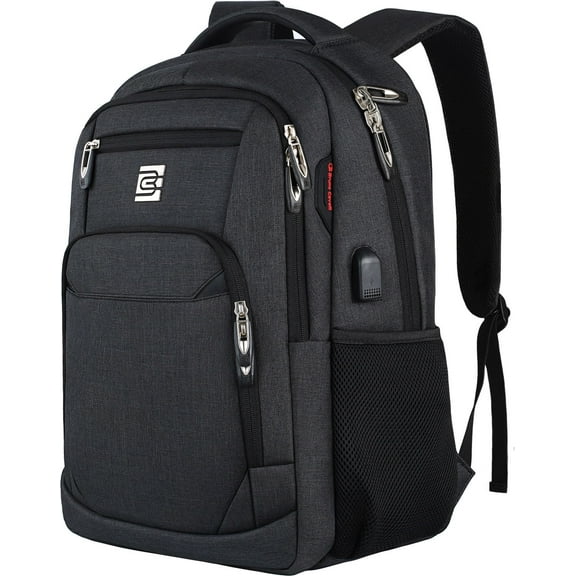
Backpacks perform well when you compare liter capacity, torso fit, and strap adjustability together. You may need enough room for your trip length, plus a shape that sits securely while you walk.
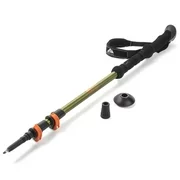
Trekking poles should match your height and comfort preferences with adjustable sections and grip styles. You can check collapsed length for packing, then extend them for climbs or uneven ground.
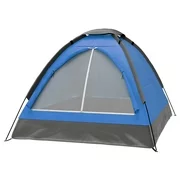
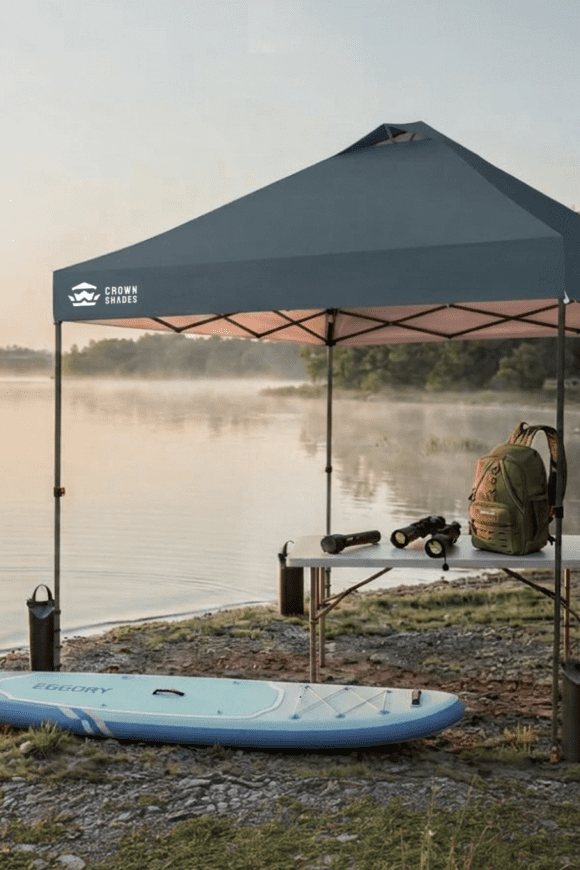
Tents require close attention to capacity, packed weight, and setup style before you commit. You may choose single-person options for lower carried weight, while multi-person shelters offer added room for shared trips.
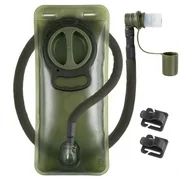
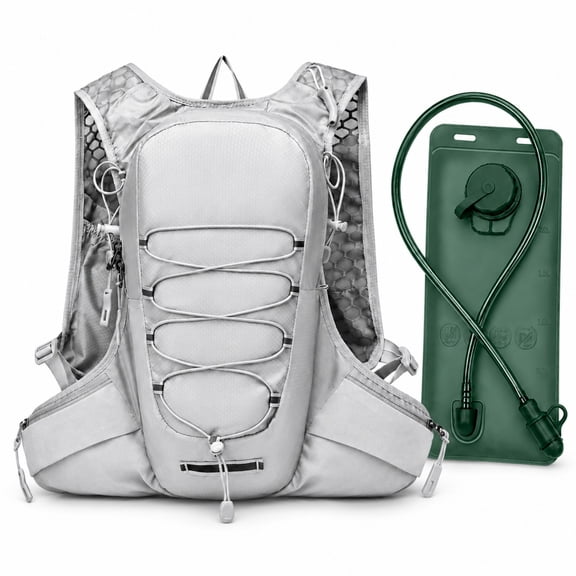
Hydration packs help you carry water closer to your body with a design built for movement. You can compare reservoir size, pocket layout, and strap fit to keep snacks and small items within reach.
Durability matters when you expect rough use, repeated packing, or shifting weather. You should compare lightweight builds with heavy-duty materials, because lower weight can help pace while tougher fabrics handle abrasion.
Technical details can help you choose with more confidence. You can use waterproof ratings to compare weather resistance, and denier count to gauge how sturdy a fabric may feel on the trail.
Choosing backpacking gear by activity level and conditions
Day hiking usually calls for a compact setup that carries water, layers, snacks, and navigation basics. You can focus on lighter outdoor gear that supports movement without the bulk of overnight equipment.
Backpacking trips need more capacity and a wider planning range for sleeping, cooking, and extra clothing. You may want backpacking gear that balances weight, comfort, and storage access over several days.
Mountaineering setups often require a more specialized approach to carrying, layering, and shelter choices. You can look for heavier-duty construction, secure adjustability, and pack layouts that support technical gear.
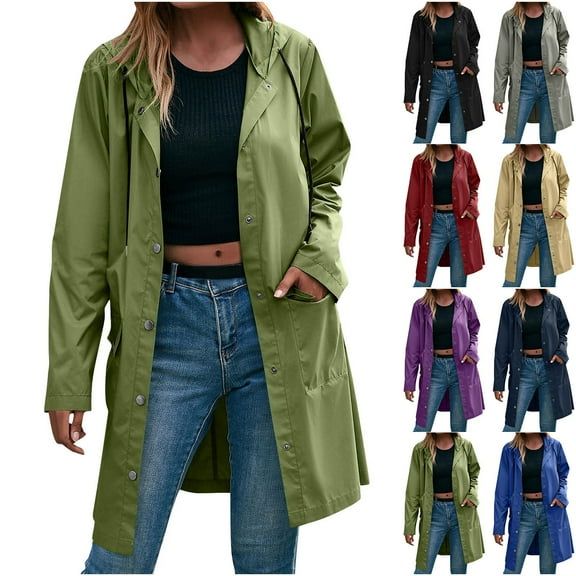
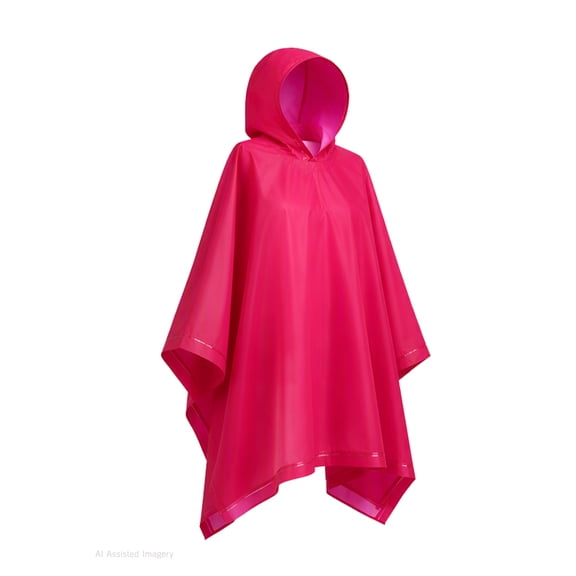
Weather also changes what belongs in your hiking supplies list. You may want weatherproof materials and fuller coverage when rain is likely, while dry forecasts can support lighter shelter choices.
Fit can make a big difference once your pack is loaded and your route gets longer. You should check hip belts, sternum straps, back panels, and pole adjustments so your gear works with your stride.
Comfort often comes down to tradeoffs that fit your priorities. You can choose lightweight pieces for faster movement, or select cushioned and structured options when support matters over long distances.
How to build your hiking essentials checklist
Start with the route length, expected weather, and how much water access you’ll have on the trail. You can then choose capacity, shelter size, and support gear without carrying extras you won’t use.
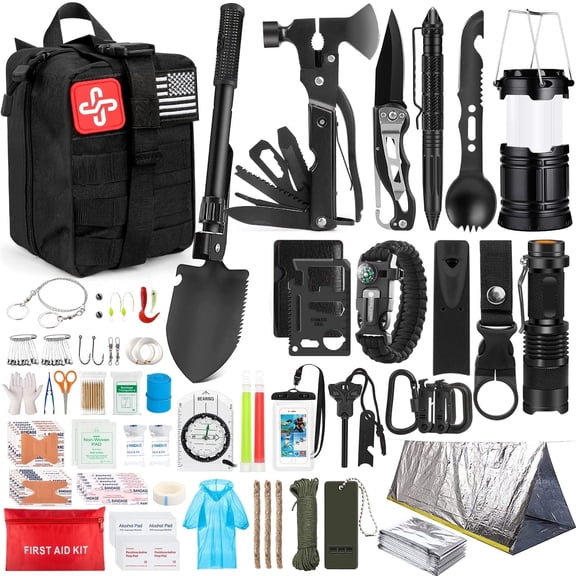
Next, compare your core categories before filling small pockets with accessories. You’ll usually want a carrying system, water storage, shelter if needed, and stability support for steeper terrain.
When you choose hiking gear with your route, season, and load in mind, you get a setup that works harder for every mile. You can head onto the trail with gear that fits your plan, your pace, and your pack space.