

Sound Level Meters for Noise Measurement










About Sound Level Meters for Noise Measurement - Walmart.com
You can compare weight sound and light measurement tools by matching measurement type, accuracy needs, and work setting. You’ll find this category covers mass checks, decibel readings, and lux readings in one focused destination.
When you choose by application, you can narrow options for industrial floors, laboratory benches, environmental testing, or home tasks. This helps you get useful results when your tool matches your testing routine and reading range.
How to choose weight sound and light measurement tools
You should start with the measurement type you need most often. You may need weight and mass tools for package checks, sound and decibel tools for noise readings, or light and lux tools for brightness verification.
As you compare device types, you can focus on digital scales, sound level meters, and lux meters. You’ll notice each type supports a different workflow, display style, and reading unit.
You can make quick decisions by checking a few category-specific details first. You’ll usually want to compare capacity, decibel range, or lux range before looking at extras.
- You can use precision weight scales for portioning, shipping checks, and repeatable lab measurements.
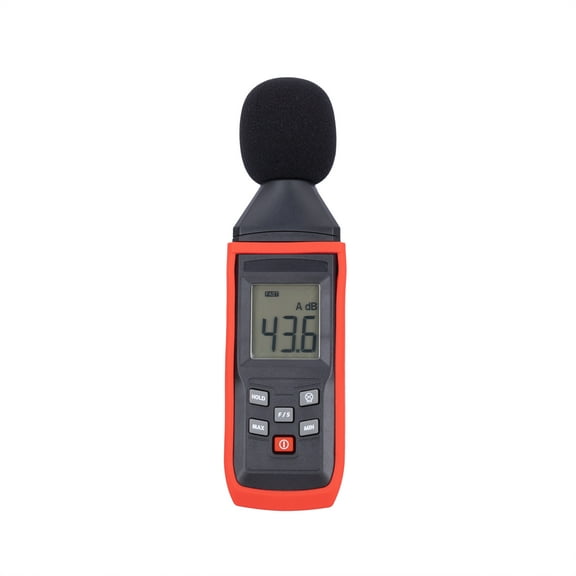
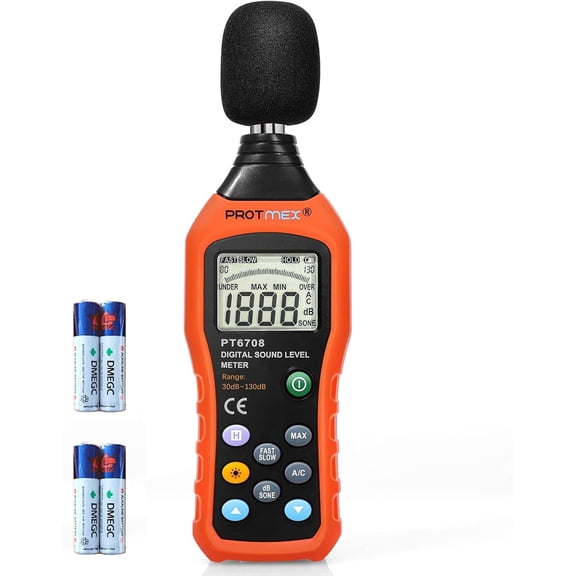
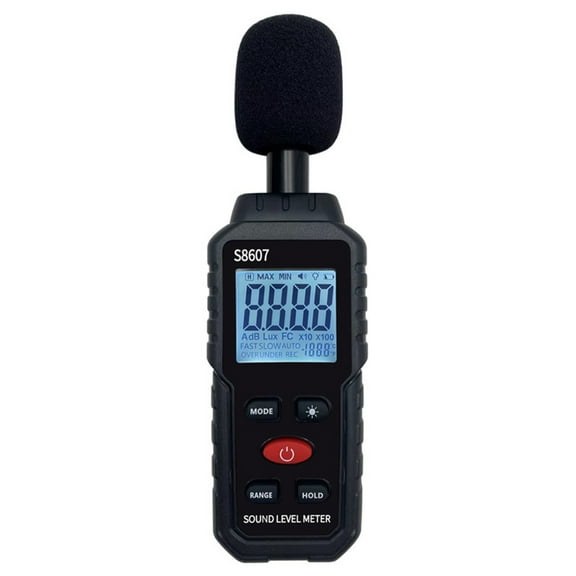
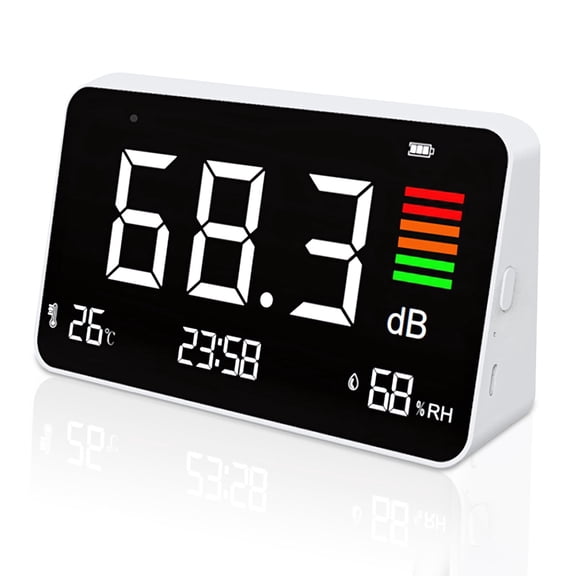
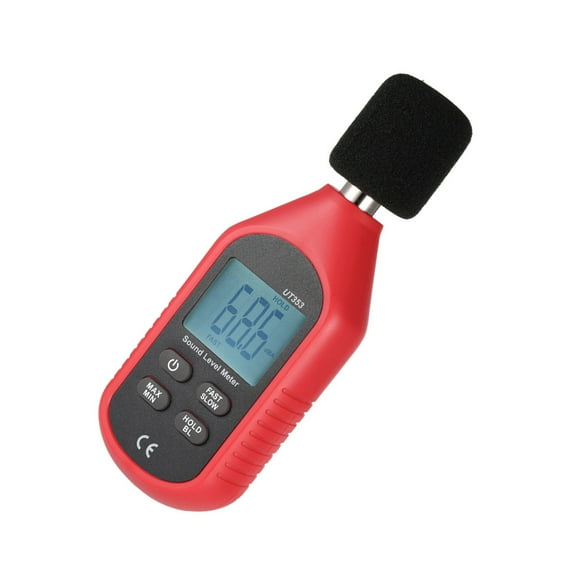
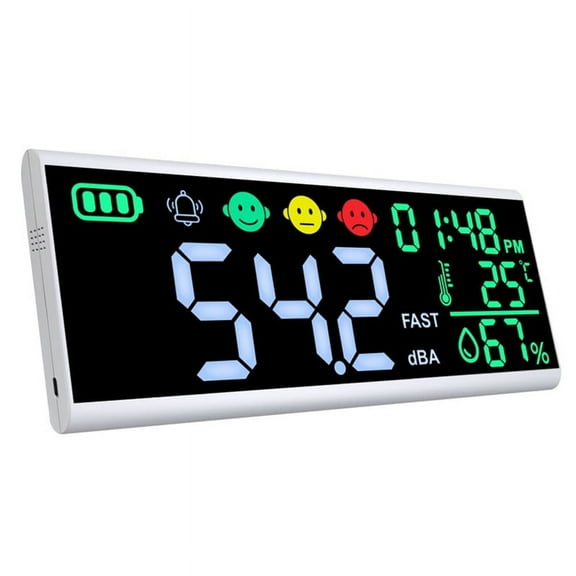
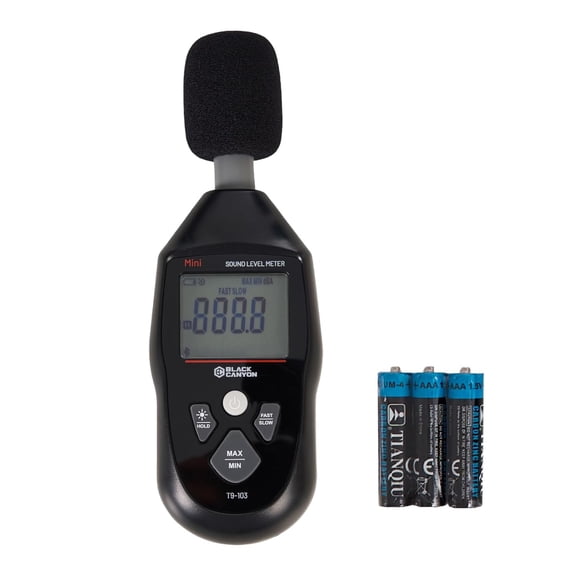
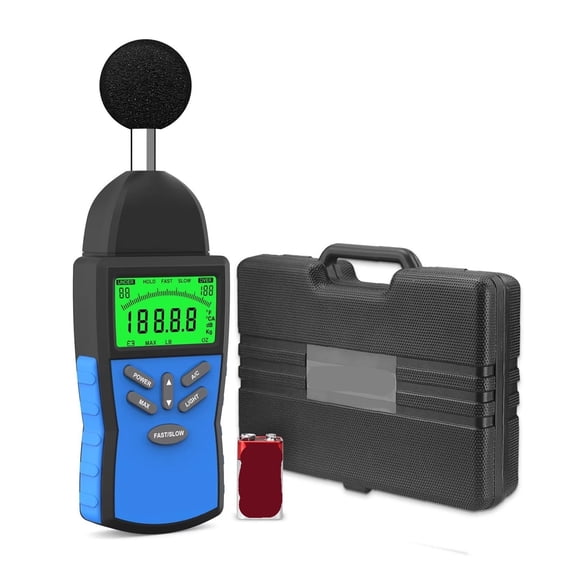
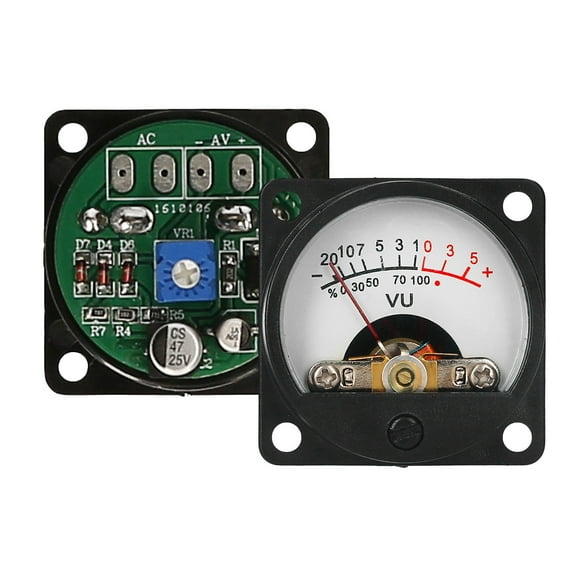
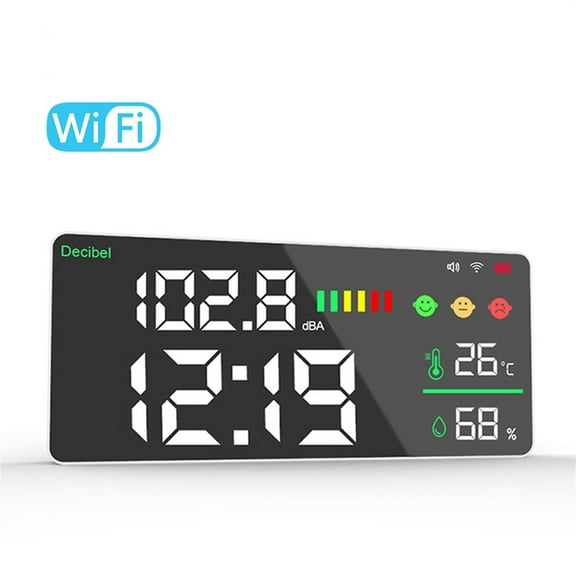
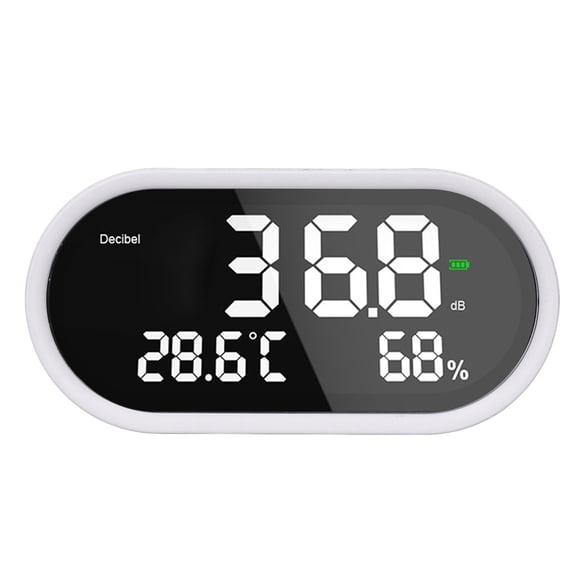
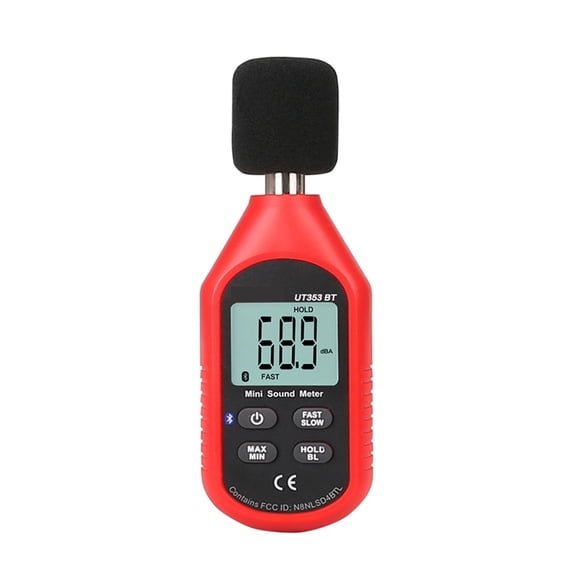
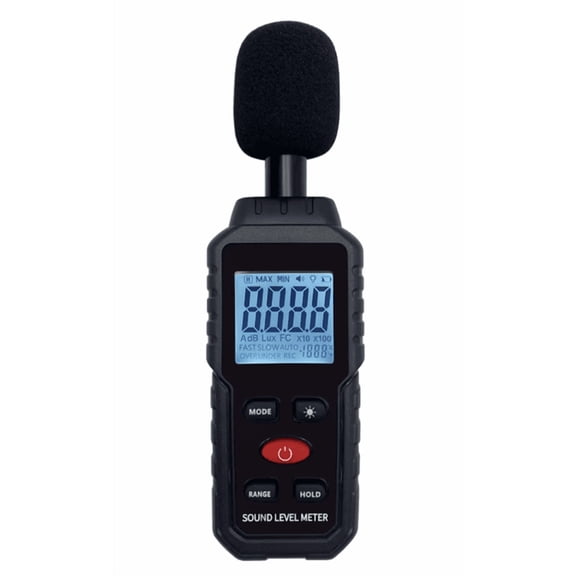
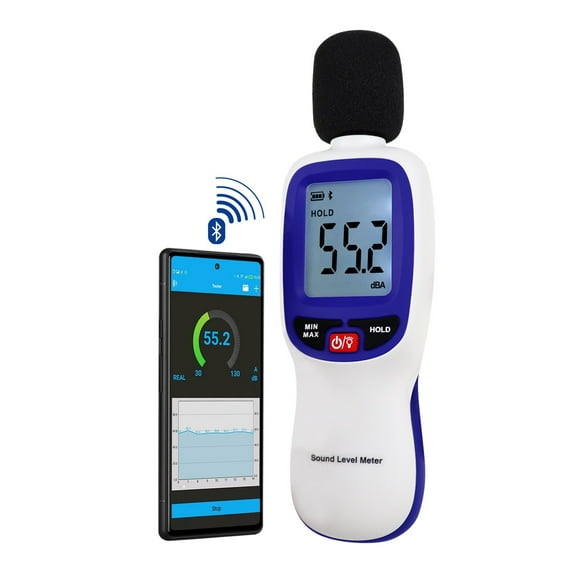
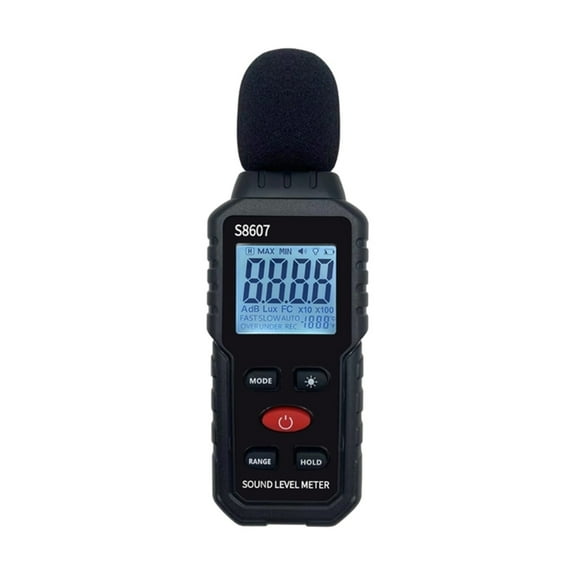
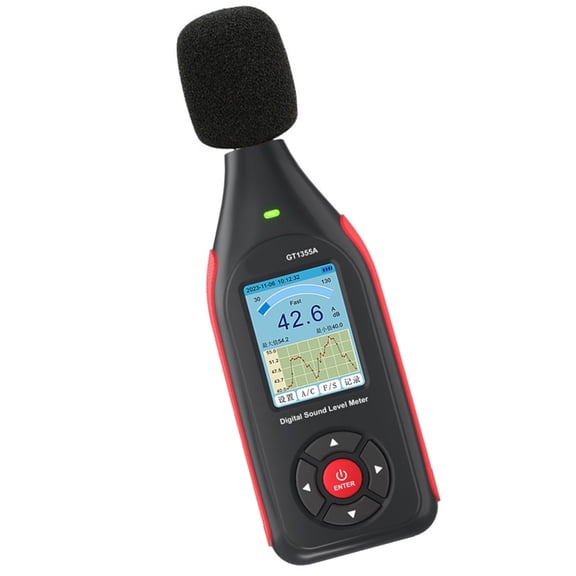
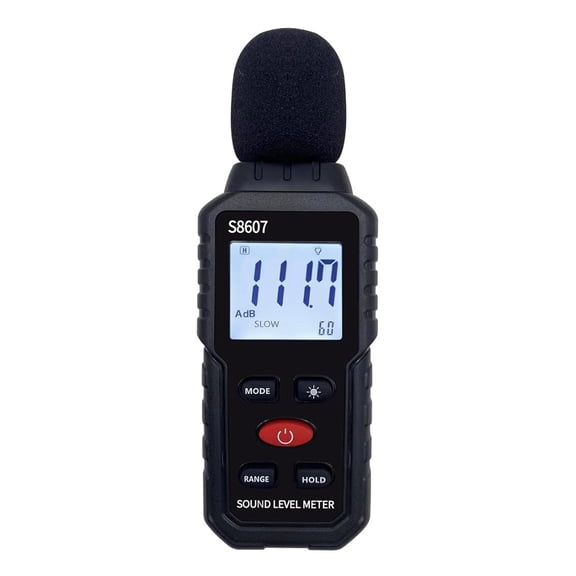
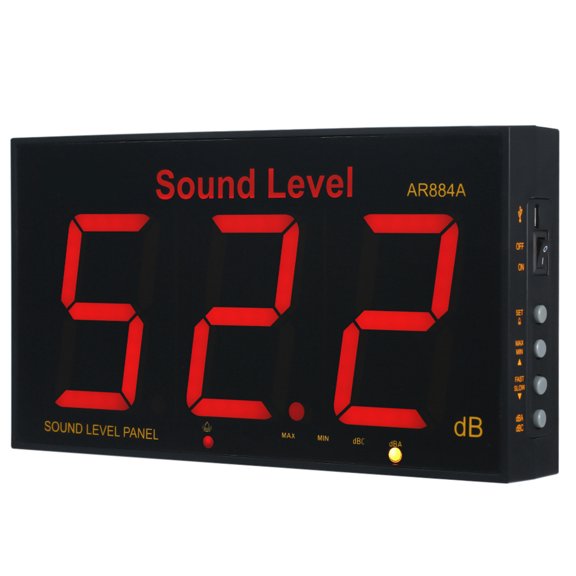
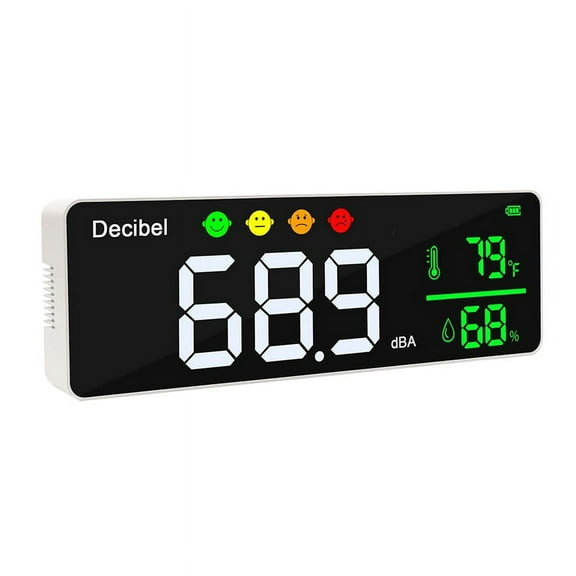
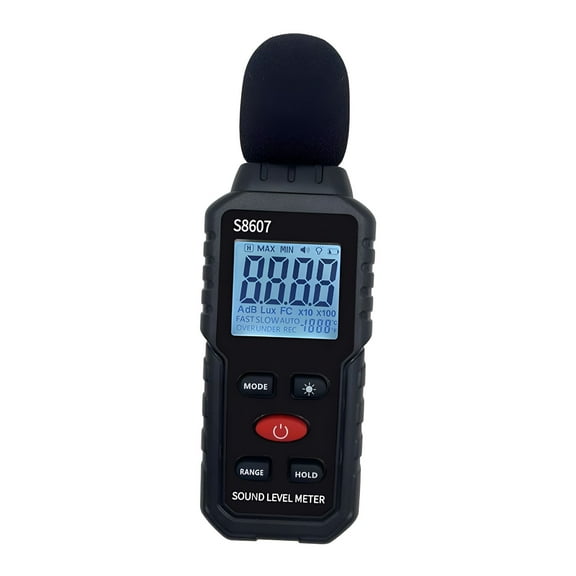
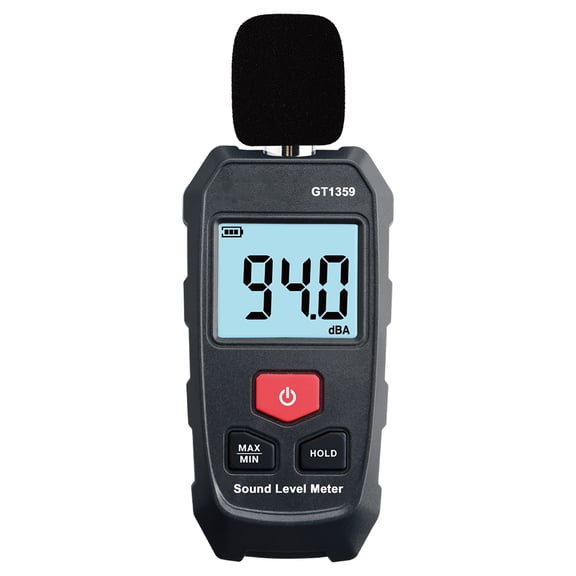
- You can use sound level meters or decibel testers to track equipment noise, room sound, or field readings.
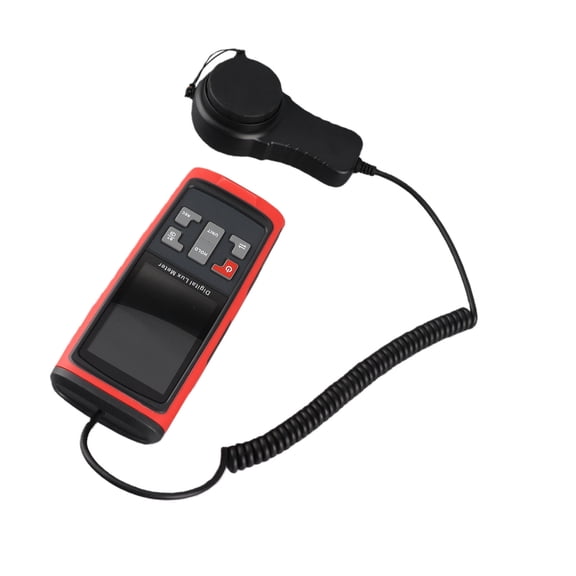
- You can use digital lux meters and other light measurement tools to verify workspace, display, or photography lighting.
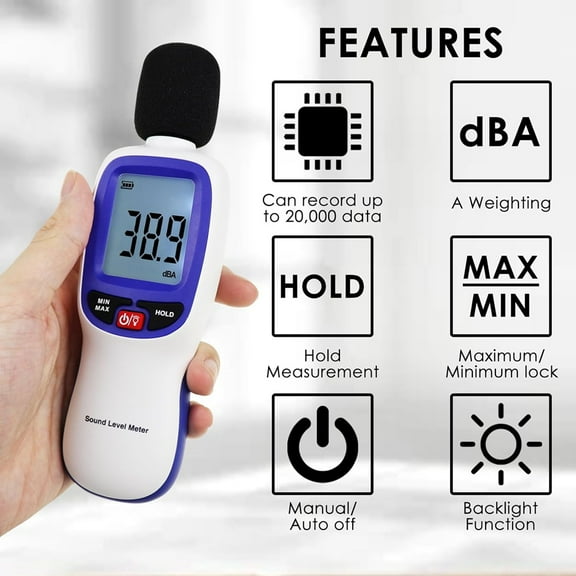
- You can compare backlit screens, memory storage, and USB export when you need simplified recordkeeping.
Choosing the right accuracy class
You should match the accuracy class to your task instead of choosing by appearance alone. You may want professional grade, high-precision, or hobbyist tools based on how exact your readings must be.
When you compare tolerance levels, you can judge how close each reading stays to the expected result. You’ll want tighter tolerances for calibration work, lab use, and detailed process checks.
You may also look for calibration support when repeatability matters. You’ll often see references to NIST certification, which helps you align readings with recognized standards.
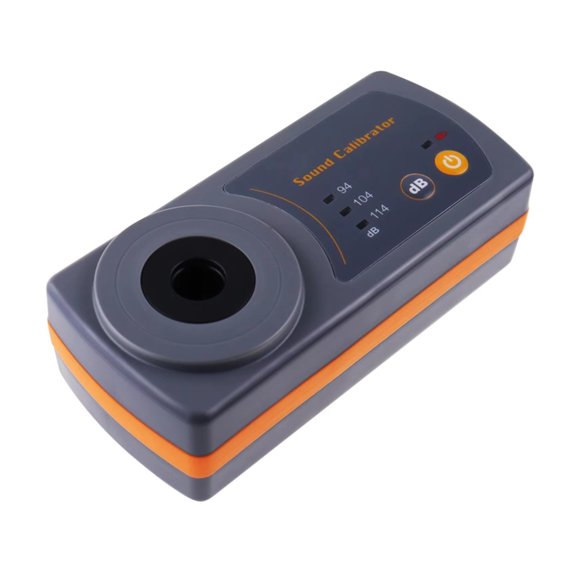
If you test often, you should check whether the tool allows simple recalibration steps. This helps reduce guesswork when your instrument supports routine verification between projects.
Precision weight scales for mass measurement
You can compare precision weight scales by capacity, readability, and platform size. You’ll want enough range for your items and enough resolution for the subtle changes you need to track.
For laboratory work, you may prefer finer increments and stable digital displays. For shipping or warehouse tasks, you may prefer larger platforms and clear readouts.
You should also check whether your scale supports tare functions and unit changes. You’ll move between grams, ounces, or pounds more smoothly when those controls are simple to access.
In busy settings, you may benefit from backlit LCD screens and simple button layouts. This helps you read measurements quickly when lighting is uneven or your workstation stays active.
Sound level meters for decibel testing
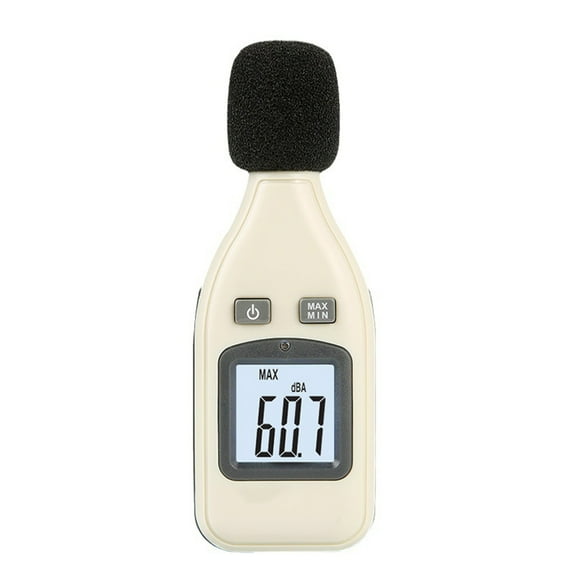
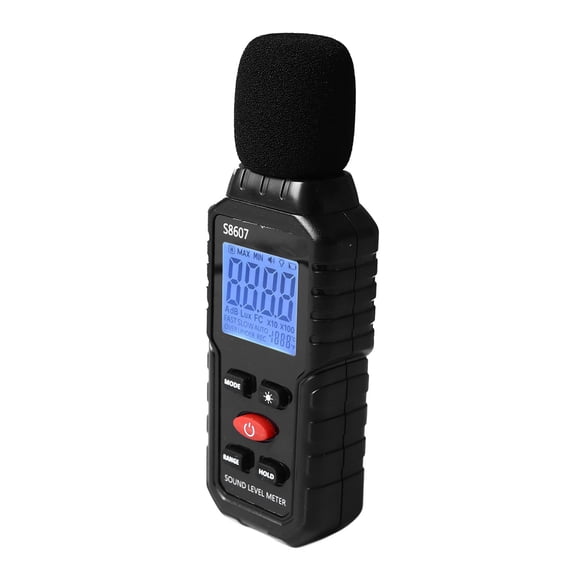
You can choose sound level meters by decibel range, response settings, and display readability. You’ll want a meter that fits your space, from quiet rooms to loud equipment areas.
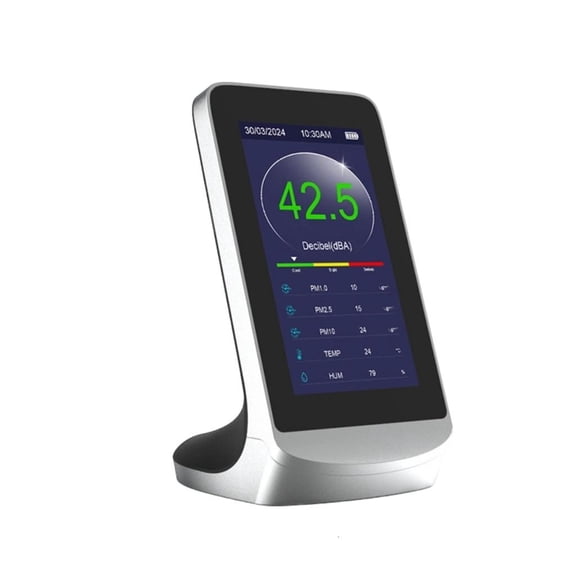
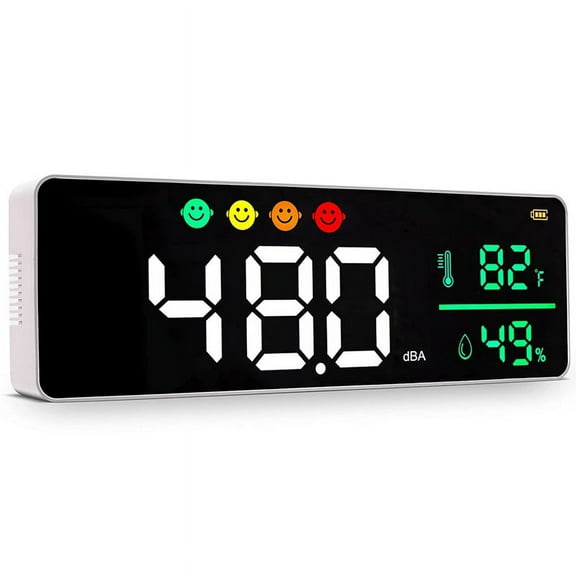
When you compare decibel testers, you should check if the screen is easy to read at a glance. You may also want memory functions when you need to review readings later.
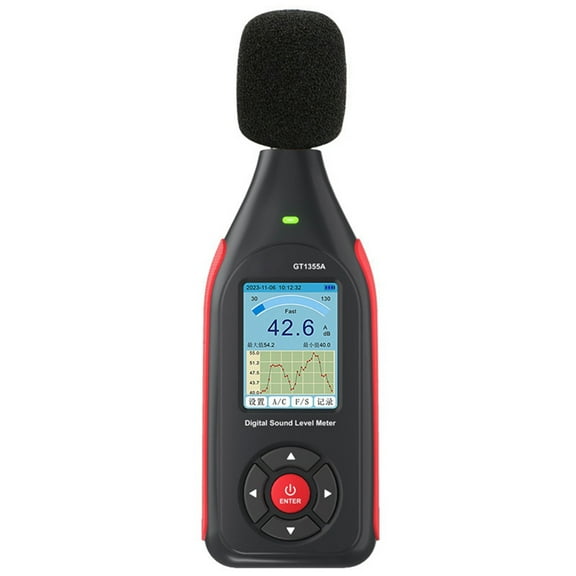
You can simplify sound checks by choosing a model with data logging or USB export. This helps reduce time spent copying numbers when your readings transfer directly to reports.
For environmental testing or facility checks, you should review operating temperature and humidity limits. This helps ensure dependable performance when your meter suits the conditions you work in.
Digital lux meters and light measurement tools
You can compare digital lux meters by lux range, sensor style, and display type. You’ll want a meter that reads the brightness levels common in your room, site, or workstation.
When you use light measurement tools for offices, retail displays, or hobby spaces, readability matters. You’ll benefit from backlit LCD screens when you check light in dim corners or changing conditions.
You should also consider memory capacity if you track multiple zones or repeated tests. You can keep records organized when your meter stores readings for later review.
If you work across indoor and outdoor settings, you should check environmental operating limits carefully. You’ll choose more confidently when temperature and humidity specs match your routine.
Matching application, connectivity, and display features
You can narrow options further by thinking about where and how you’ll use the instrument. You may need compact tools for home use or more advanced models for industrial and laboratory tasks.
When your work involves repeated measurements, you should compare data logging and connection options. You’ll appreciate USB export when you need to archive results or share them with a team.
You should also check memory capacity if you capture many readings in one session. You can avoid manual note-taking when your tool stores results between checkpoints.
Display design can shape your daily experience more than you expect. You’ll read results faster with clear digits, sensible button placement, and a backlit screen that stays visible.
You can choose this category with confidence when you focus on measurement type, accuracy class, and operating conditions. This helps you find a tool that fits your workflow and delivers clear readings.