

Industrial Test Measure Inspect Tools
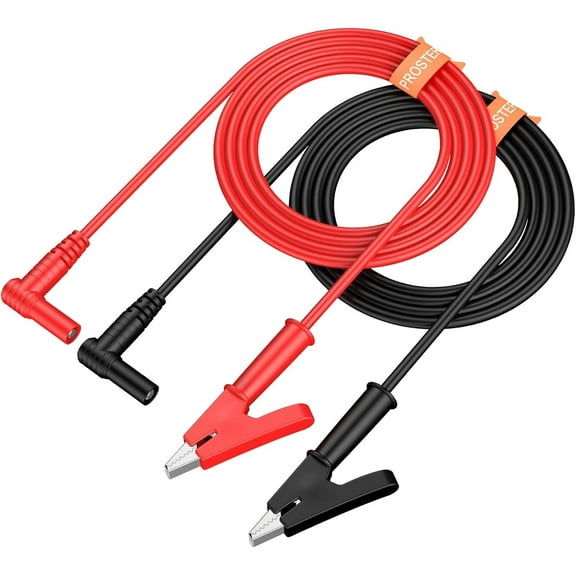
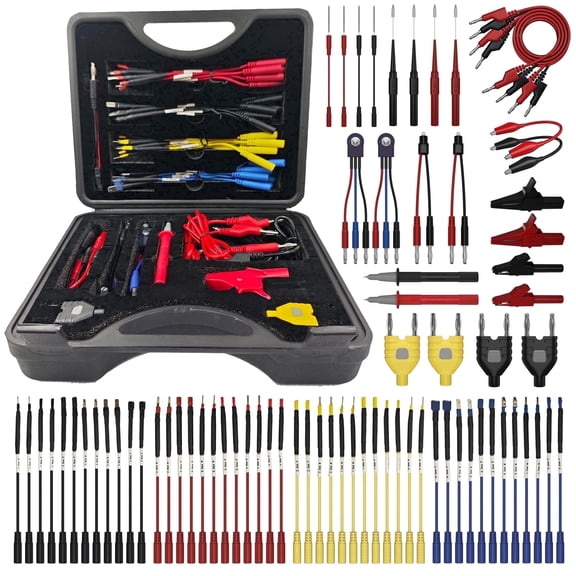




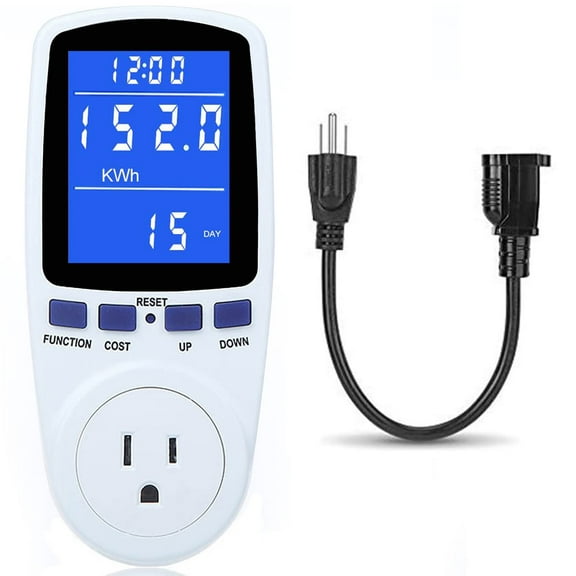


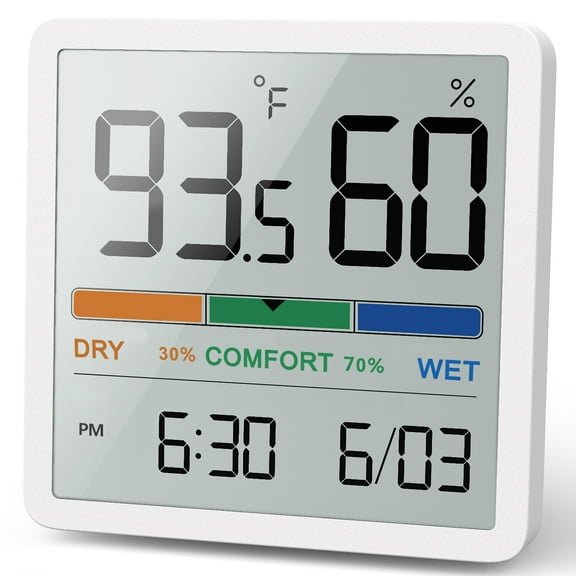


















About Industrial Test Measure Inspect Tools - Walmart.com
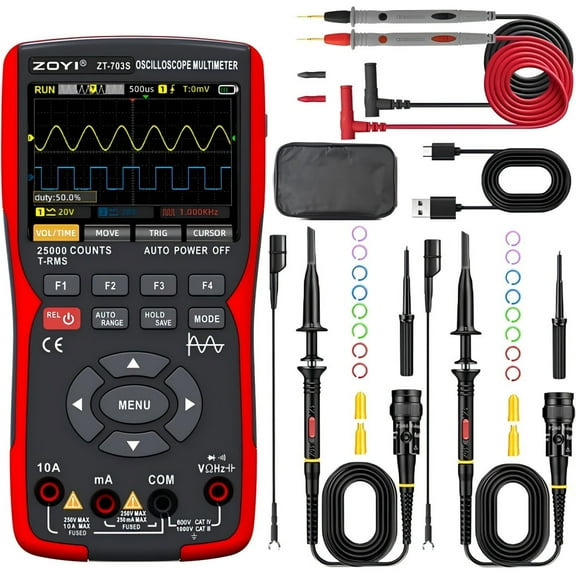
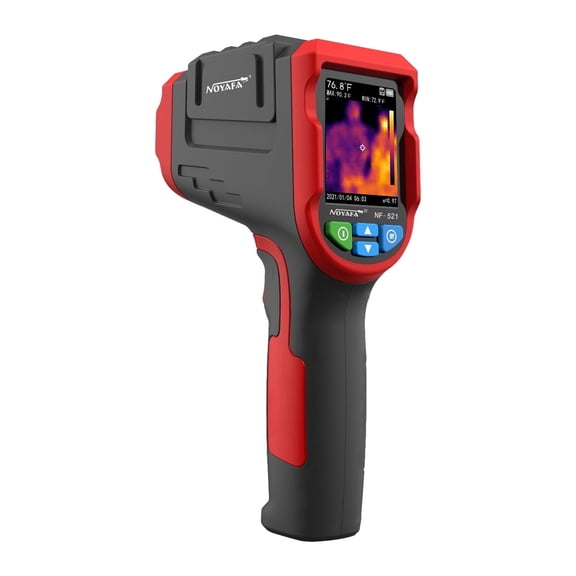
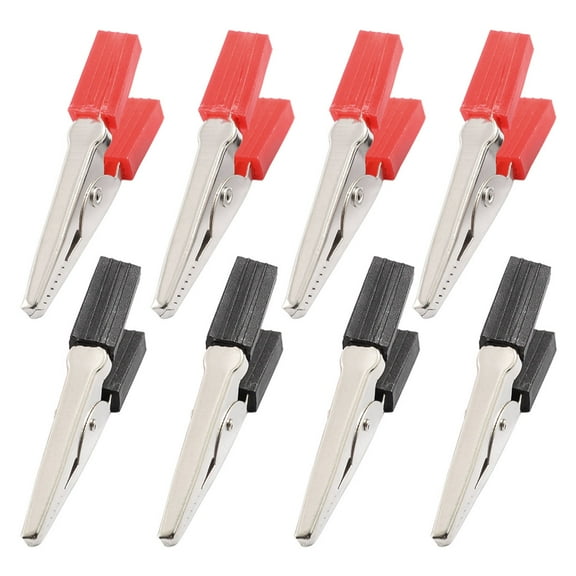
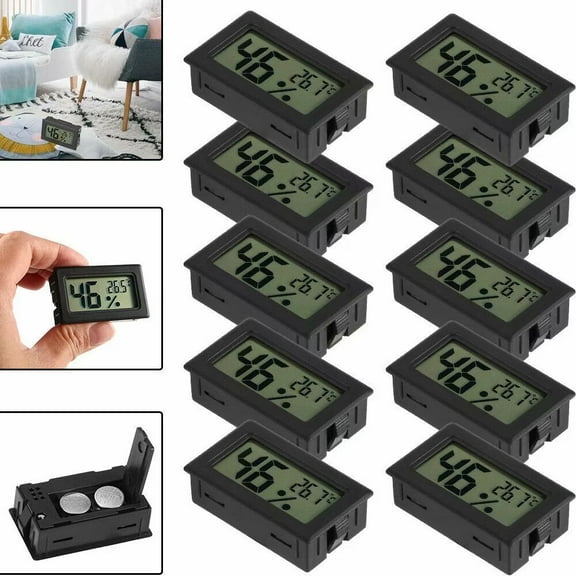
Test instruments help you capture reliable readings for electrical, thermal, pressure, and optical work. You can compare calibration options, display types, and power sources to match your workflow.
If you maintain equipment, verify output, or document results, you need tools built for repeatable measurements. You’ll also want rugged designs, clear screens, and specs that support professional reporting.
How to choose test instruments for your work
You should start with measurement type, because each task calls for a different reading method. You may need electrical tools for voltage checks, thermal devices for temperature patterns, pressure gauges for system readings, or optical tools for visual alignment.
Before you compare models, consider where and how you’ll use them each day. You can narrow your options faster when you match the instrument to the signal, surface, or system you’re testing.
You’ll also want to think about the results you need to record and share. If your process requires documented readings, you should look for data logging, internal memory, USB export, or Bluetooth sync.
Key benefits you can expect
You get more confidence in your readings when you choose instruments with clear accuracy targets and practical calibration support. You can work with fewer retests when your tool matches your tolerance and range requirements.
Rugged construction also matters when you work around dust, vibration, or changing temperatures. You’ll appreciate housings, protective boots, and drop-tested designs that fit active industrial spaces.
Fast readability helps you move through routine checks without slowing down your process. You can spot values quickly on digital, analog, LCD, or LED displays, depending on your environment.
- You can match electrical, thermal, pressure, and optical tools to specific testing tasks.
- You can choose NIST-traceable or factory calibrated options for reporting and verification needs.
- You can compare battery operated, corded, and rechargeable formats for bench or field work.
- You can select data logging and connectivity features that support documentation and recordkeeping.
You may also reduce guesswork when you compare plain-language specs before you buy. Your range, resolution, and display preferences often shape day-to-day usability as much as the headline function.
Choosing accuracy, calibration, and display details
You should check accuracy percentage and tolerance limits before anything else. You’ll get a clearer fit when you compare the instrument’s stated precision to the acceptable variation in your task.
Resolution matters when you need to see small changes in a reading. You can use higher resolution to track finer increments, while standard resolution may suit routine verification.
Calibration standards are another major decision point for professional buyers. You may need NIST-traceable documentation for controlled processes, or you may prefer factory calibrated tools for general operational checks.
If your team follows ISO-based procedures, you should confirm the paperwork and traceability details that support your records. You’ll avoid mismatches when your documentation needs align with the instrument listing.
Display type changes how easily you read results in real conditions. You can choose digital or LCD screens for quick numeric review, analog faces for glanceable trend movement, or LED displays for bright visibility.
Power source affects convenience during long shifts or mobile tasks. You may prefer battery operated units for portability, corded models for fixed stations, or rechargeable designs for repeated field use.
What to look for in durability and data handling
You should measure your environment as carefully as your target system. If you work in busy shops or job sites, you’ll want instruments built for dust exposure, light moisture, and occasional drops.
Check whether the housing, buttons, and ports look suitable for repeated handling. You can often tell a tool’s practical fit by its grip, screen protection, and port covers.
Data handling features can also shape your decision when reporting matters. You’ll benefit from internal memory when you gather multiple readings, and you can simplify records with USB export or Bluetooth syncing.
If you compare several models, focus on how each one supports your documentation routine. You should look for timestamped logs, easy file transfer, and simple review on the device screen.
Matching test instruments to real applications
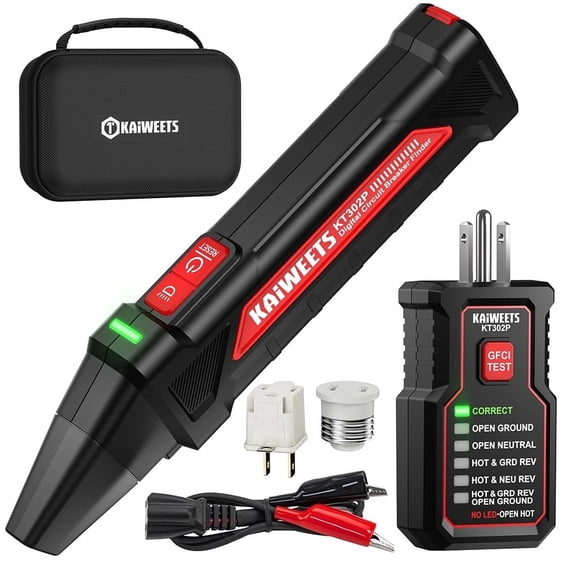
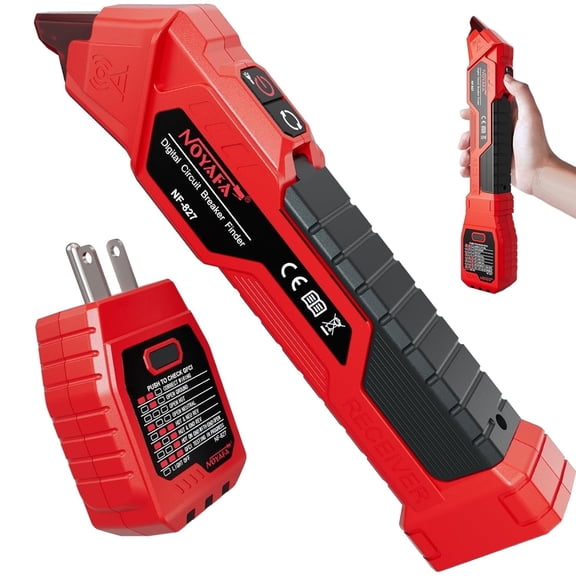
You might use electrical instruments during panel checks, circuit verification, or equipment maintenance. You can compare range, resolution, and display clarity to support quick readings in service work.
For thermal tasks, you may need temperature-focused tools that help you review hot spots or process consistency. You should consider screen readability and logging features when you document repeated scans.
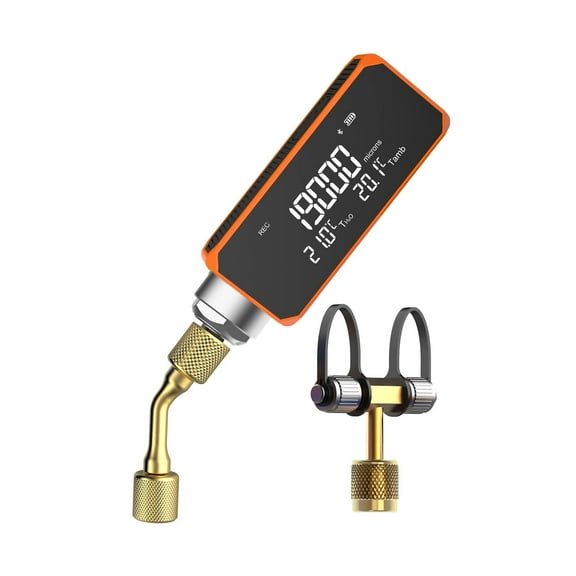
Pressure applications often require stable readings across a defined operating range. You can narrow your options by checking tolerance, calibration type, and power source for field or bench use.
Optical testing tasks call for instruments that support visual alignment, inspection, or light-based measurement. You’ll want features that help you view results clearly and handle equipment carefully in tight spaces.
If you split time between a plant floor and a service vehicle, you should compare rechargeable and battery operated formats. You can keep your setup flexible without giving up the display or calibration features you need.
When your process includes audits, service logs, or customer documentation, your choice becomes even more specific. You’ll gain a smoother workflow when your instrument supports traceable calibration and easy data export.
You can choose test instruments with the measurement type, tolerance, calibration standard, and connectivity your work actually demands. Your results stay easier to document, review, and repeat when those decision points line up from the start.