

Featured Paint Brands in Paint








































About Featured Paint Brands in Paint - Walmart.com
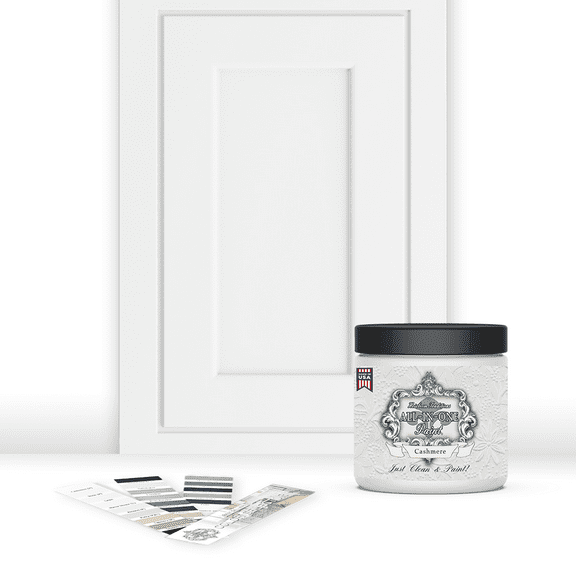
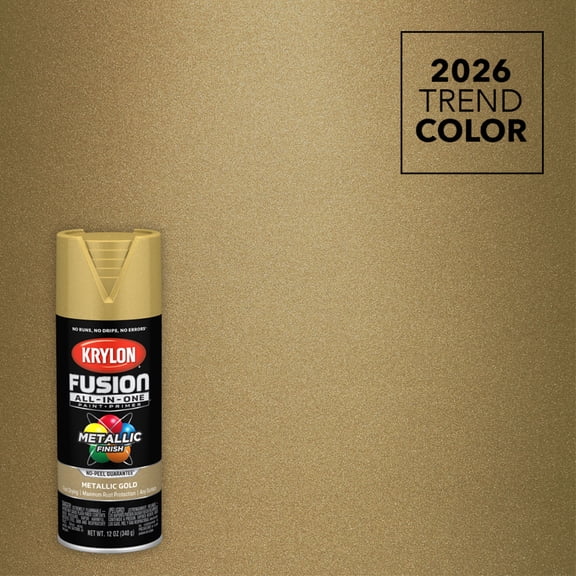
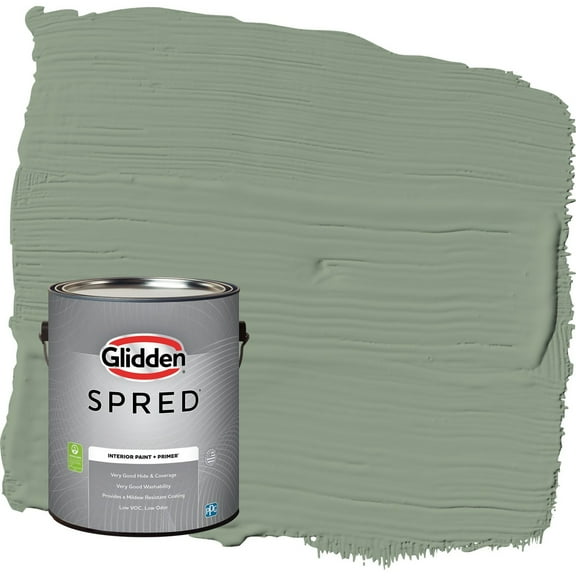
You can compare 1 bucket of paint options easily when you understand coverage, finish, and application for your room, surface, and project plan. You’ll find this page focuses on paint type, packaging format, application area, and color families that shape everyday paint jobs.
If you’re planning a bedroom refresh or a larger interior update, you’ll want guidance that matches how you choose paint. You can use these decision points to narrow wall paint, spray can choices, and liquid options without guessing.
How to choose 1 bucket of paint
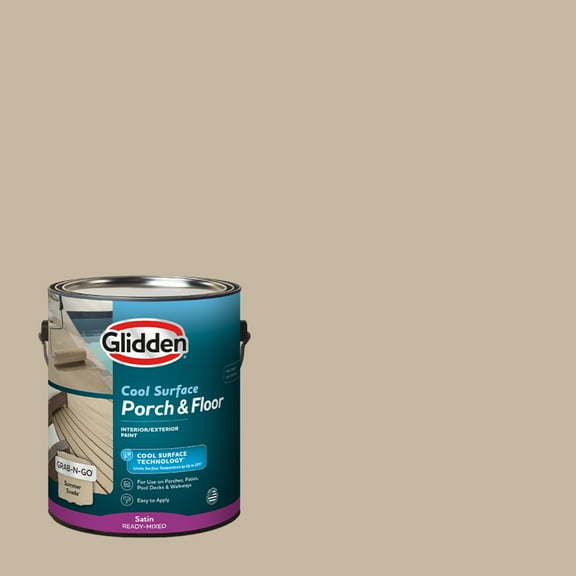
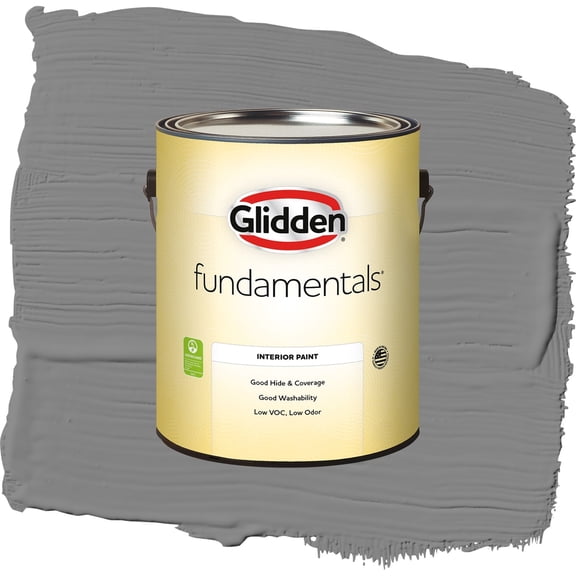
You should start with coverage, because one bucket can suit a single room project or part of a larger repaint. You’ll want to check the listed square footage, since wall texture and color changes can affect how much paint you use.
When you’re covering a bedroom wall paint project, you may need less paint for a small guest room than an open primary bedroom. You should also consider whether you’re painting over a similar shade or shifting from dark to light.
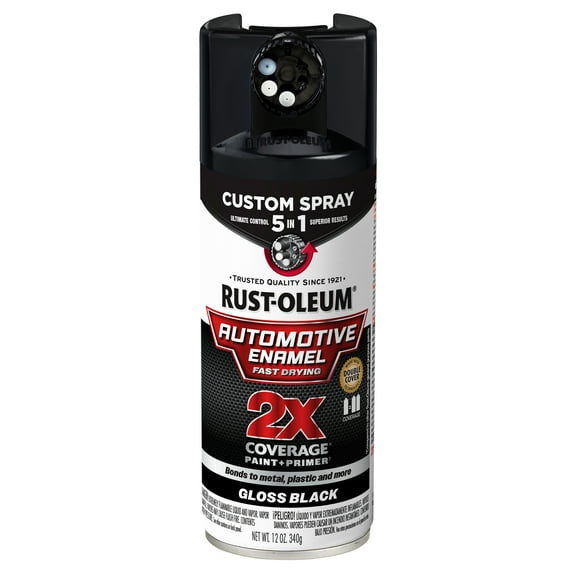
You can use a bucket format when your project includes several walls, repeated coats, or trim coordination across connected spaces. You’ll notice a spray can works differently, because you’re usually targeting smaller areas, accents, or quick touchups.
- You can compare bucket, liquid, and spray formats by project size.
- You can estimate coverage by room size, wall texture, and color change.
- You can match packaging to full-room painting, accents, or detail work.
- You can plan cleaner results when you choose the right format early.
Choosing bedroom wall paint and application area
You can narrow choices quickly when you decide where the paint will go first. You’ll shop differently for bedroom wall paint, general interior walls, exterior siding, or stone surfaces.
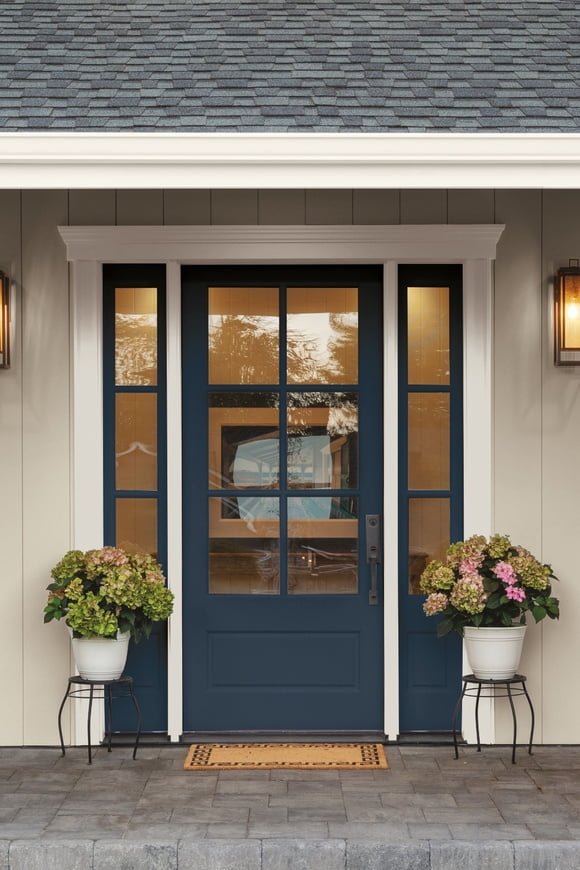
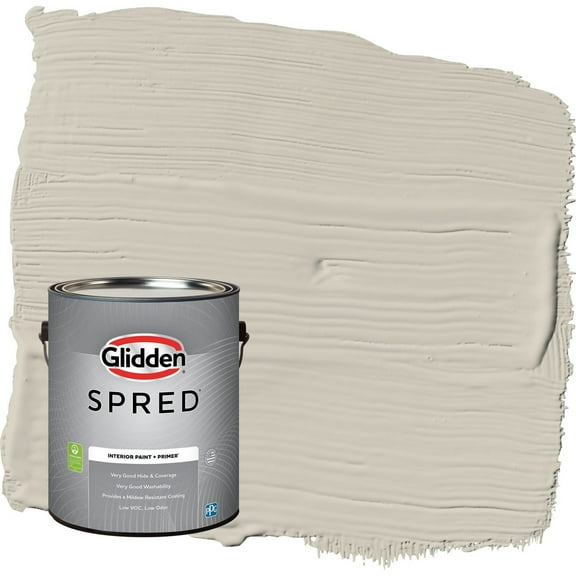
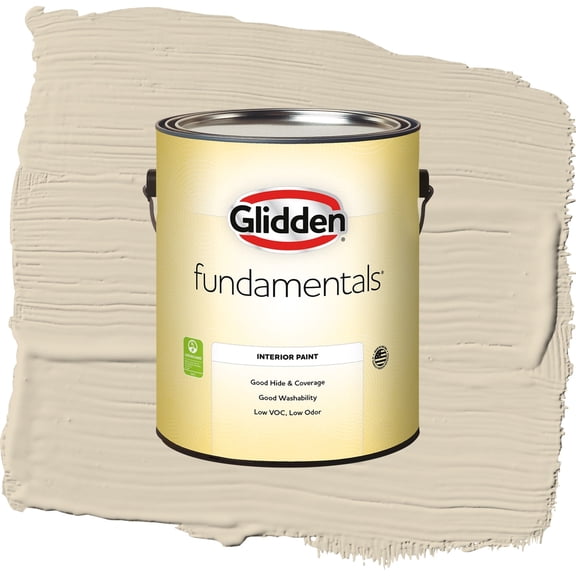
For bedrooms, you may want a color that feels calm across morning and evening light. You can compare blue white paint for a crisp look or almond beige paint for a softer, warmer finish.
If you’re painting a hallway, living room, or another interior area, you should think about touchups, color flow, and finish consistency. You’ll often want a shade that works across several walls without looking uneven.
When you’re painting exterior surfaces, you should check that the product is intended for outdoor use. You’ll need that distinction because outdoor surfaces face sun, moisture, and seasonal weather changes.
If you’re planning a stone project, you should compare products intended for masonry or textured materials. You’ll get more useful results when your paint matches the surface instead of a standard wall formula.
Comparing acrylic latex paint interior and liquid latex paint
You should compare paint type before you choose a color, because surface location affects application and cleanup. You’ll usually look at acrylic latex, liquid latex paint, and oil-based options for different paint jobs.
If you want acrylic latex paint interior coverage, you’ll often appreciate smooth rolling and simpler cleanup after painting. You can use it for many indoor rooms where you want straightforward brushing and touchups.
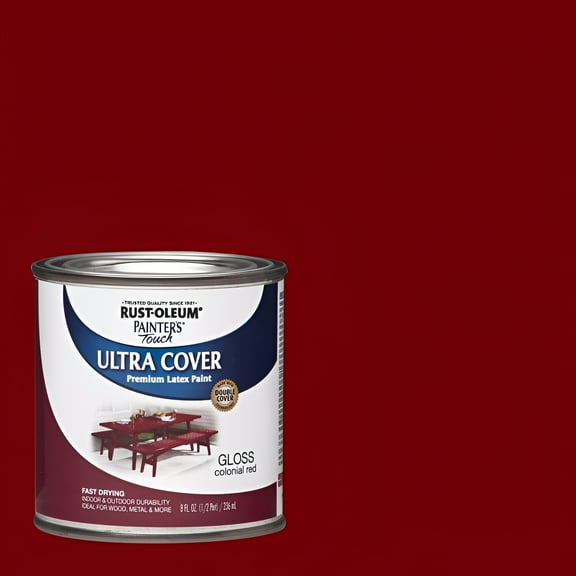
When you compare liquid latex paint, you’re usually looking at a standard liquid format for common wall projects. You may prefer it when you want familiar handling, common tool use, and easier repaint planning.
If your project calls for oil-based paint, you should check whether the surface and finish goals fit that option. You’ll want to compare drying behavior, cleanup steps, and where that paint type makes practical sense.
You should also separate interior and exterior needs before you commit to a can or bucket. You’ll want interior paint for spaces like bedrooms, while exterior formulas fit outdoor surfaces and changing weather.
Choosing color family and finish for your room
You can use color family as a shortcut when you already know the mood you want. You’ll often narrow choices with almond beige paint, blue white paint, or deeper earthy shades like od green.
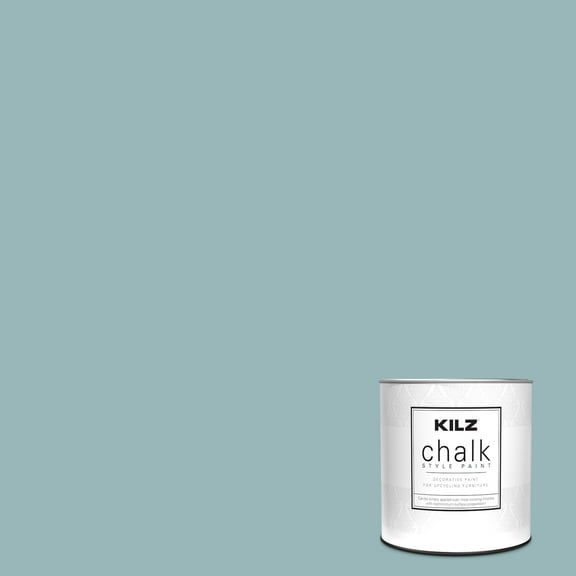
If you want a bright, airy room, you may lean toward blue white paint for walls and trim coordination. You can use that family in bedrooms where you want a cleaner backdrop for wood or black accents.
When you want warmth without a heavy look, you might consider almond beige paint for a softer neutral effect. You’ll often find it useful in bedrooms, hallways, and shared spaces where furniture changes over time.
You should also compare whether a solid paint look suits your project goals. You may want even color coverage on walls, doors, or furniture pieces where a uniform appearance matters.
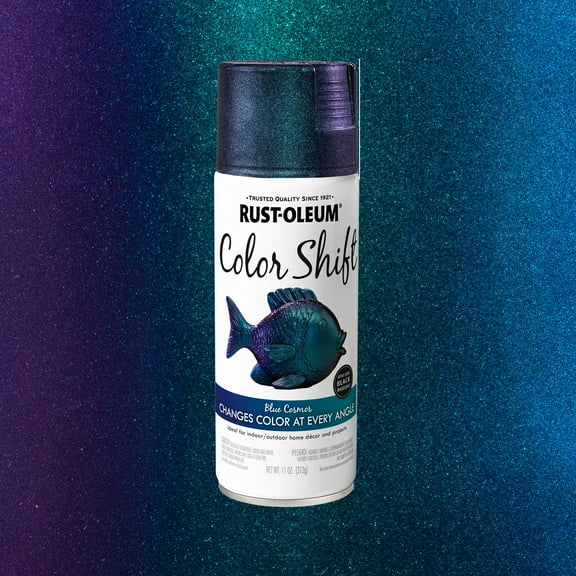
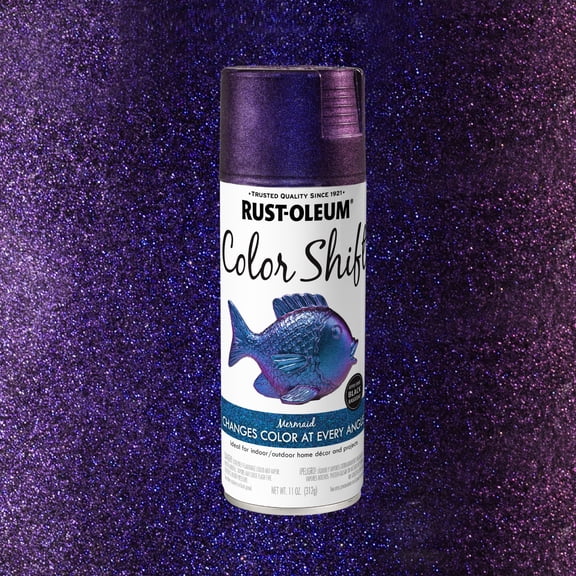
If you’re planning accent updates, you can also review specialty options like photochromic spray paint for niche decorative uses. You’ll want to confirm the intended surface and application method before you start.
Matching format to real paint jobs
You can simplify paint jobs when you match the package to the task instead of choosing by color alone. You’ll usually reach for a bucket on room projects, a liquid container for standard wall work, or a spray can for detail areas.
For full walls or multiple rooms, you may prefer a larger format that supports steady rolling without frequent refills. You can keep momentum during bigger projects when your paint volume matches your square footage.
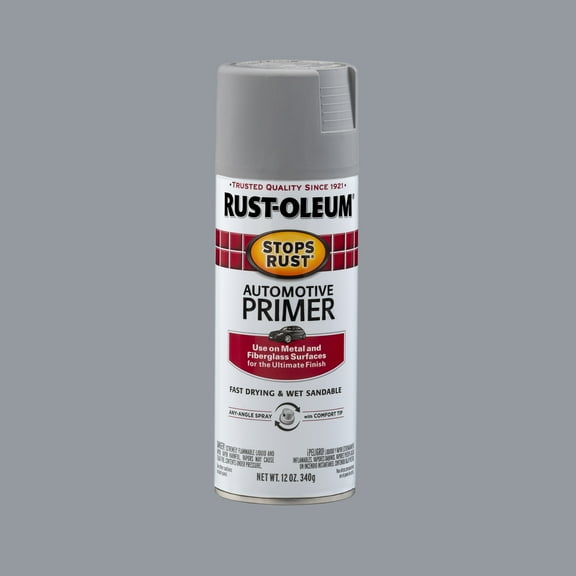
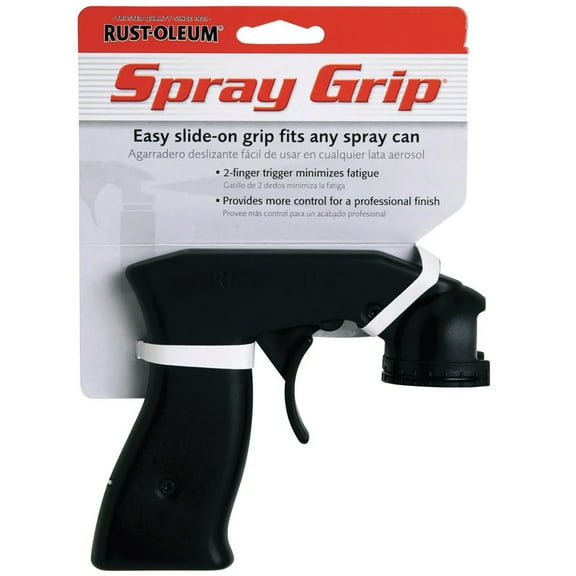
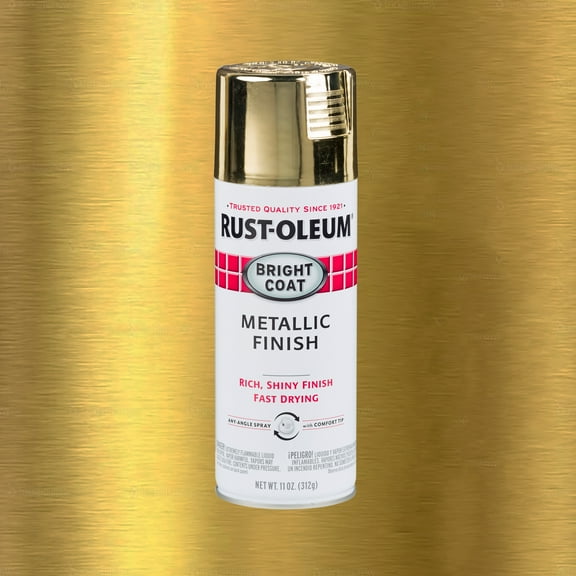
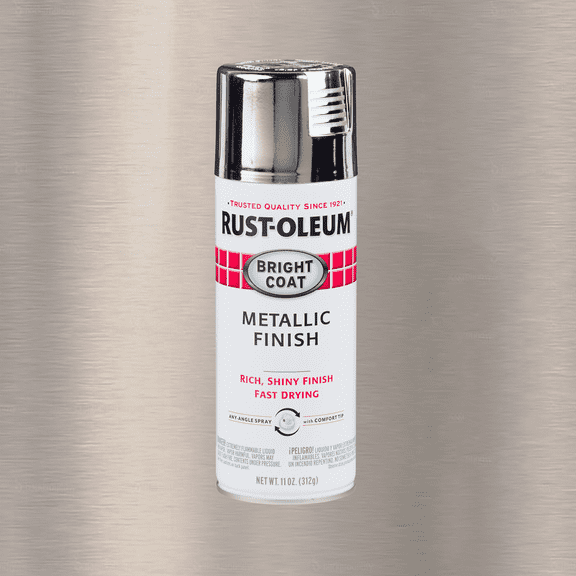
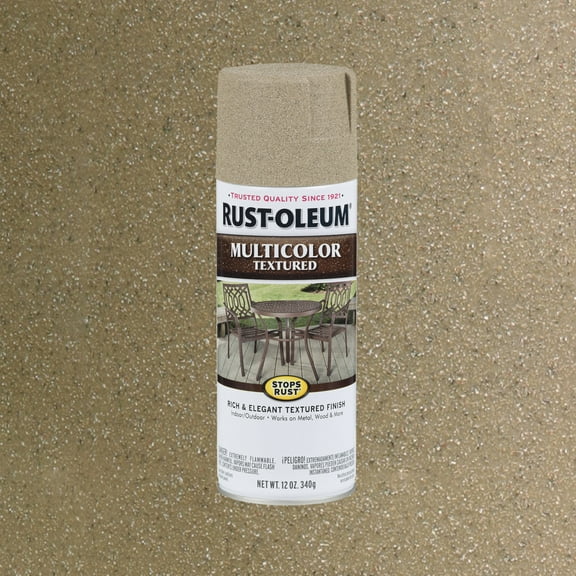
If you’re refreshing furniture edges, vents, metal décor, or small outdoor accents, you may prefer a spray can. You’ll get a different application style that fits narrow surfaces and quick coverage needs.
You should compare cleanup, storage, and touchup plans before you choose a format. You’ll make the project easier when your paint package fits your tools, your timeline, and the amount you expect to use.
You can feel more confident choosing paint when coverage, paint type, application area, and color all line up with your project. You’ll get a smoother path from planning to finished walls when those decisions are clear from the start.