






















Womens Shoes














































About Womens Shoes - Walmart.com
Women's shoes give you everyday options for work, weekends, workouts, and dressy plans. You can compare fits, materials, and heel heights at Walmart without losing sight of comfort or style.
If you're building a closet that works across seasons, women's footwear gives you flexible choices. You can move from women's sneakers to women's boots, flats, heels, and sandals with a clear buying path.
How to choose women's shoes by shoe type
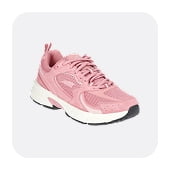
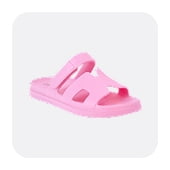
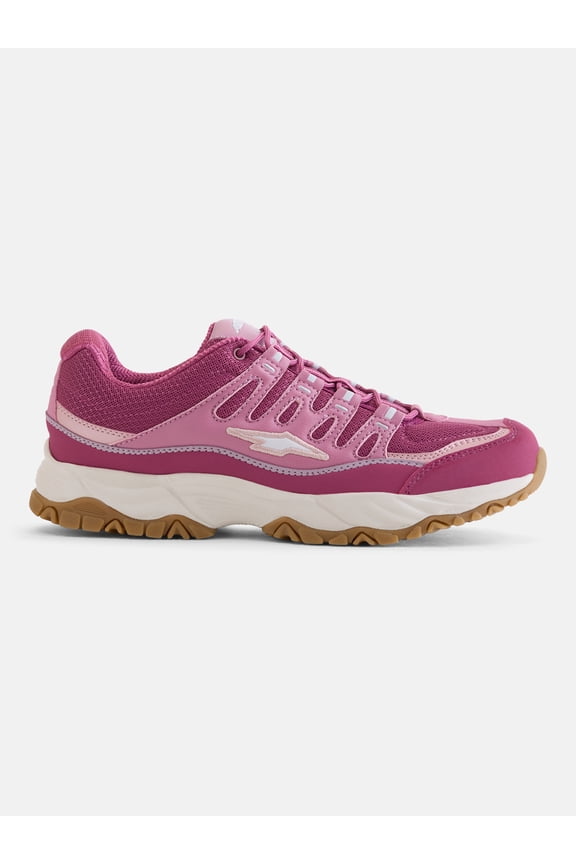
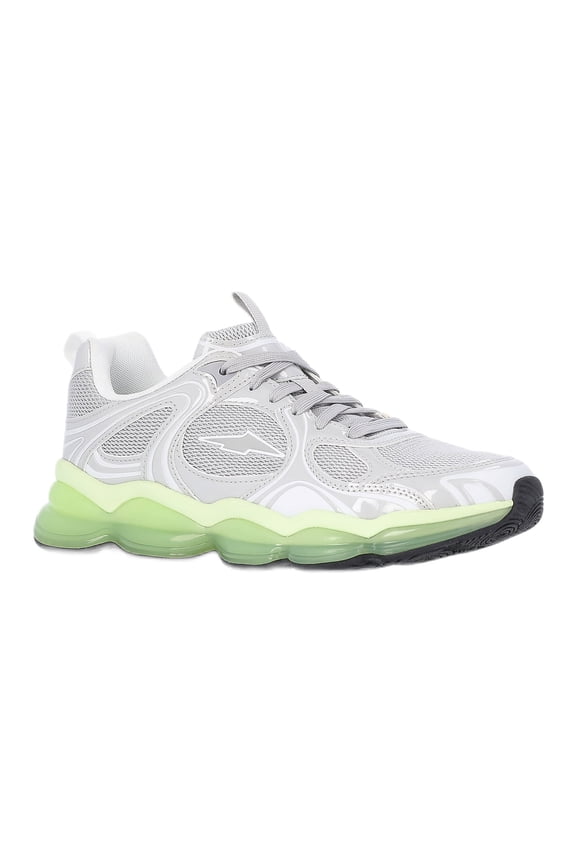
Start with shoe type, because it shapes how your pair feels and where you wear it. You may want sneakers for active days, boots for coverage, or sandals for warm weather plans.
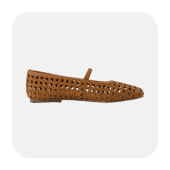
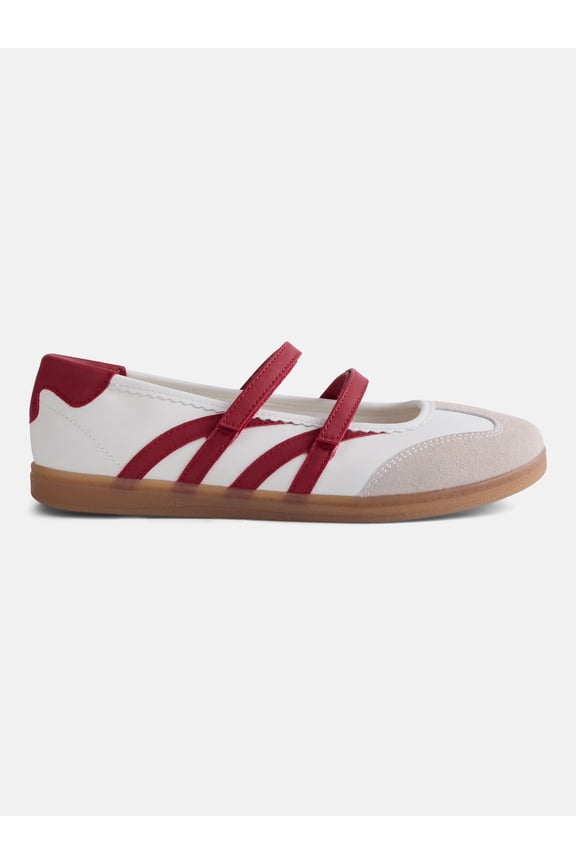
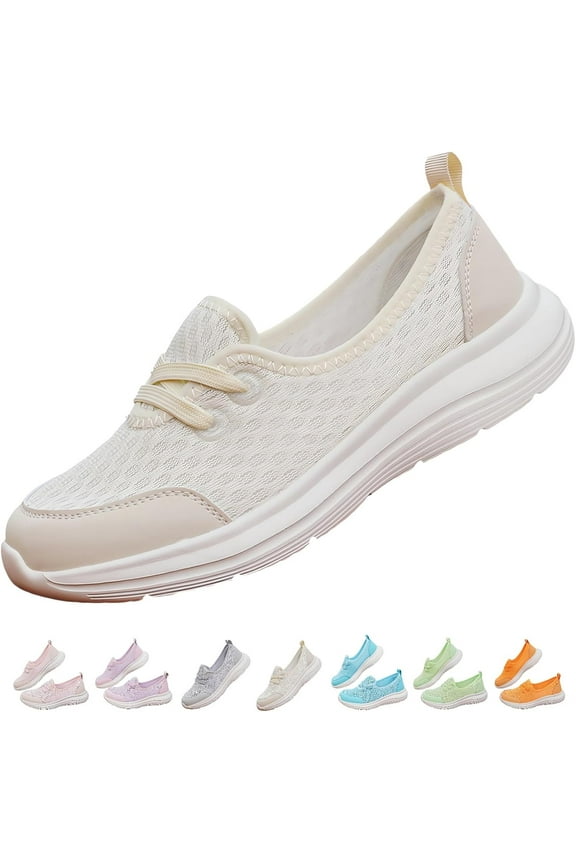
Flats help you keep a polished look with easy movement through long schedules. Heels can sharpen a dressy outfit, while low profiles often feel easier for longer wear.
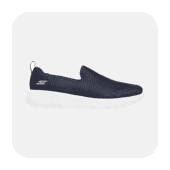
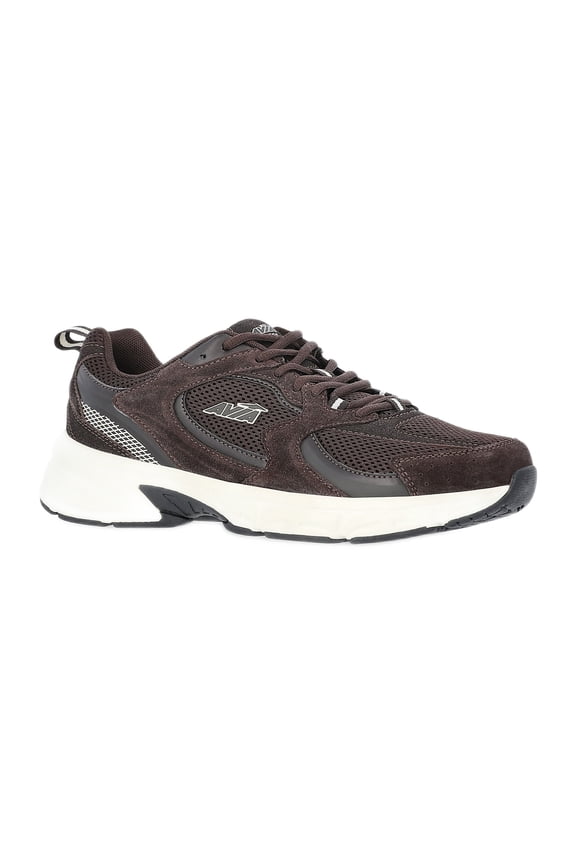
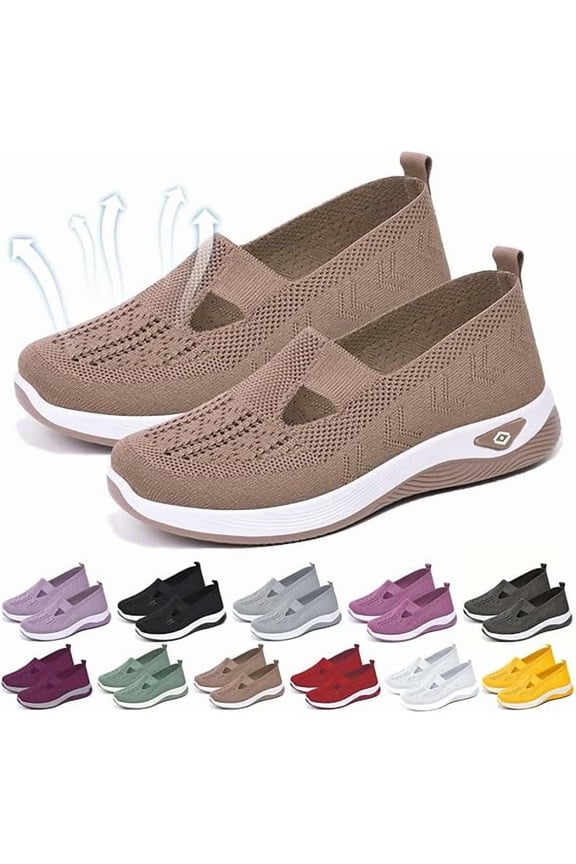
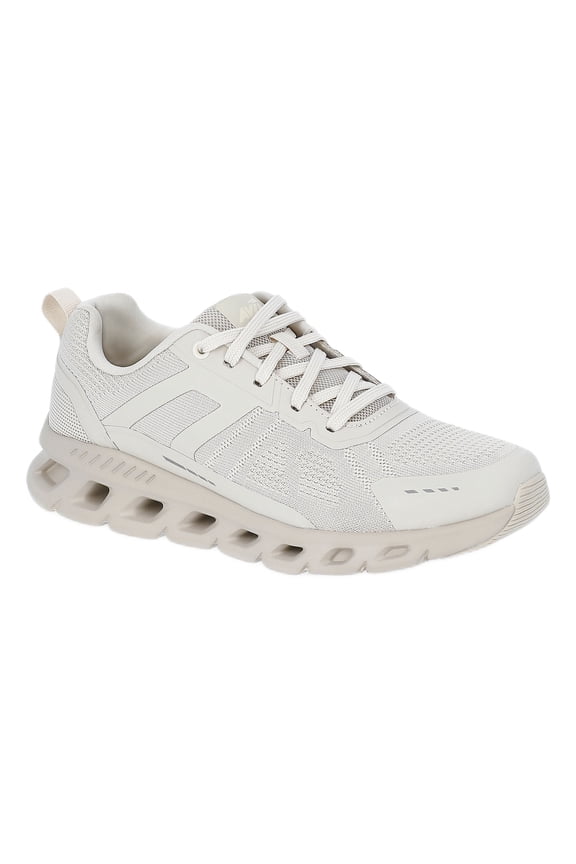
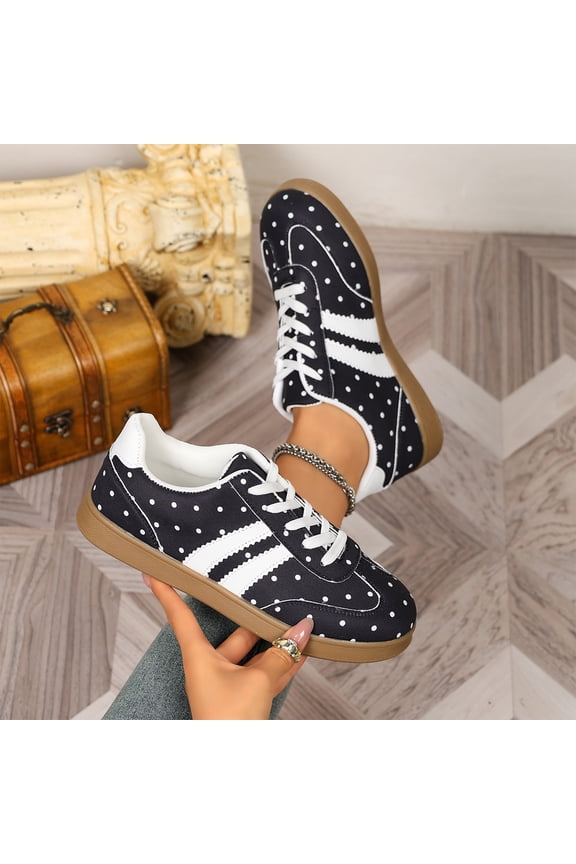
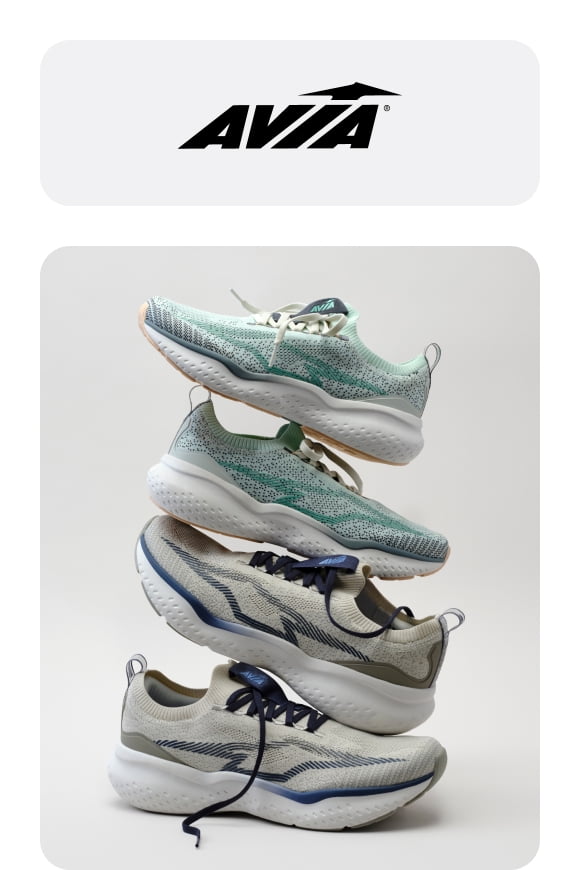
- You can choose sneakers when you want flexible movement, cushioned steps, and easy pairing with casual outfits.
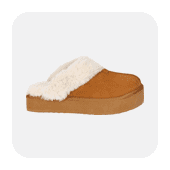
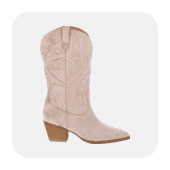
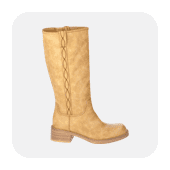
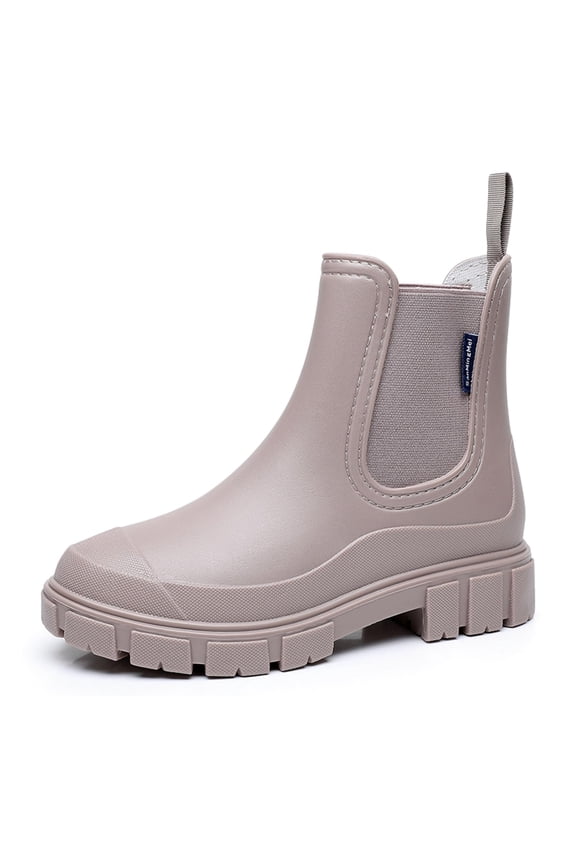
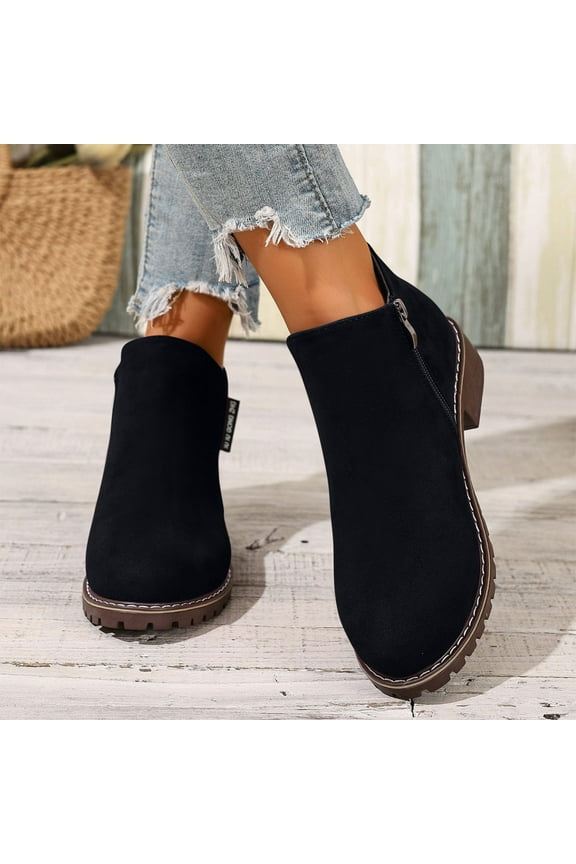
- You can choose boots when you want ankle coverage, seasonal styling, or a sturdier feel for outdoor plans.
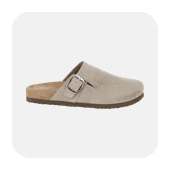
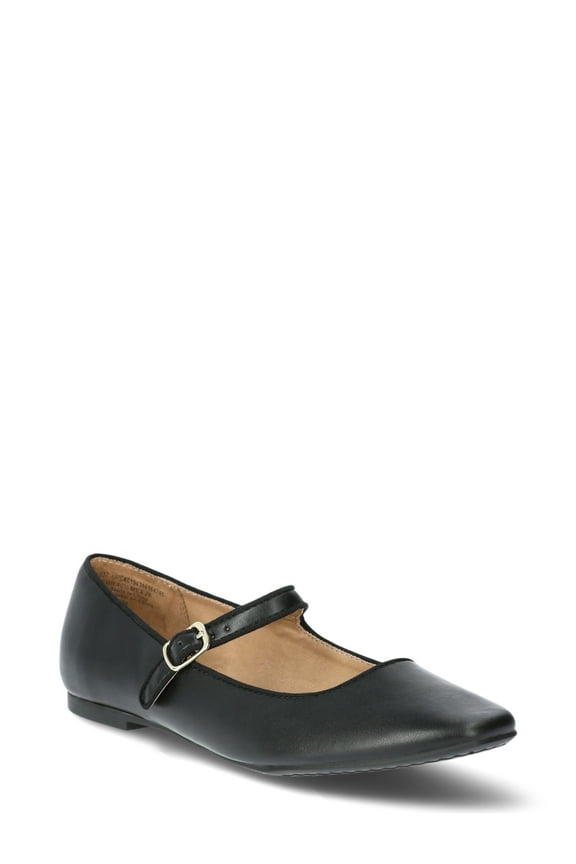
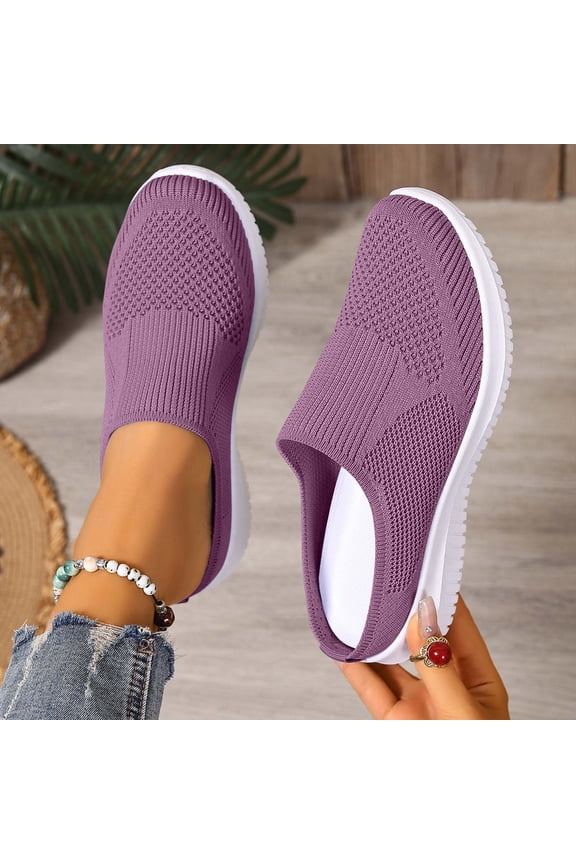
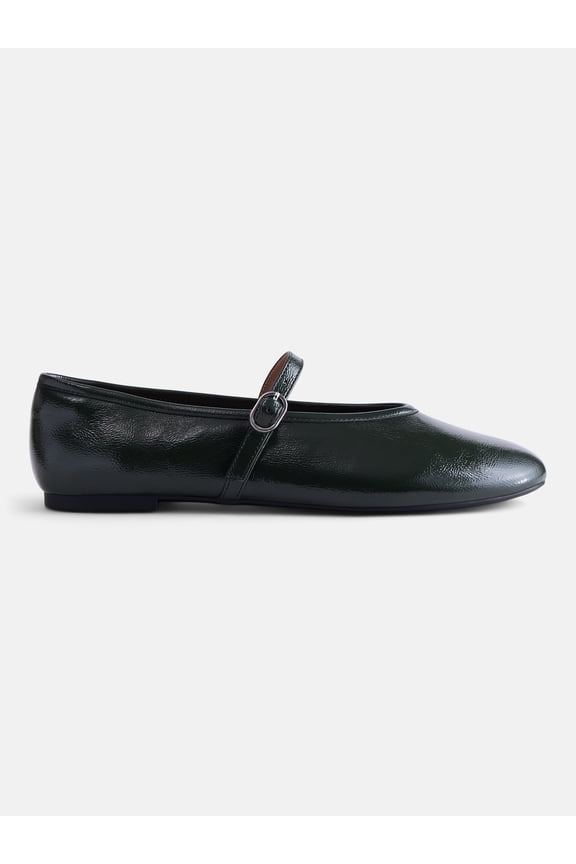
- You can choose flats when you want a simple profile that works with office looks and everyday errands.
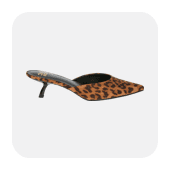
- You can choose heels when your outfit calls for added height, a dressier shape, or a defined finish.
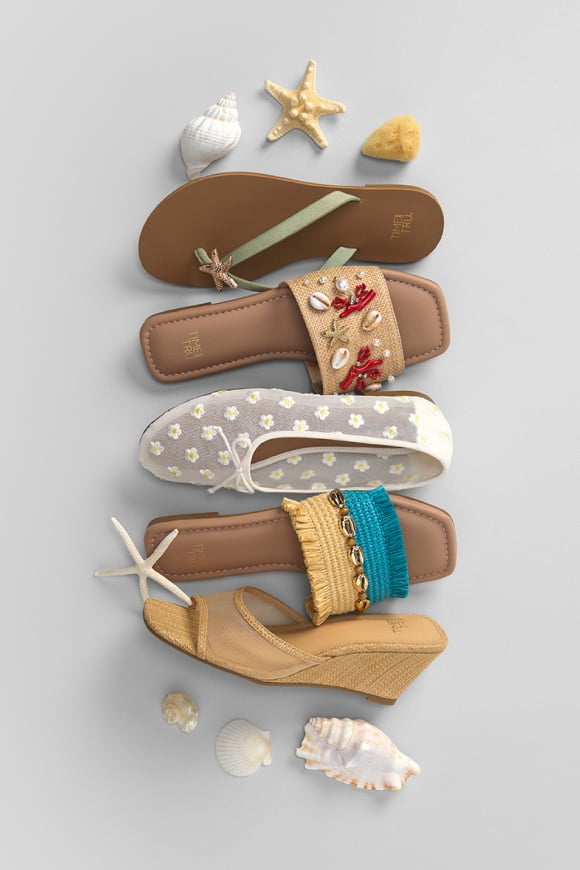
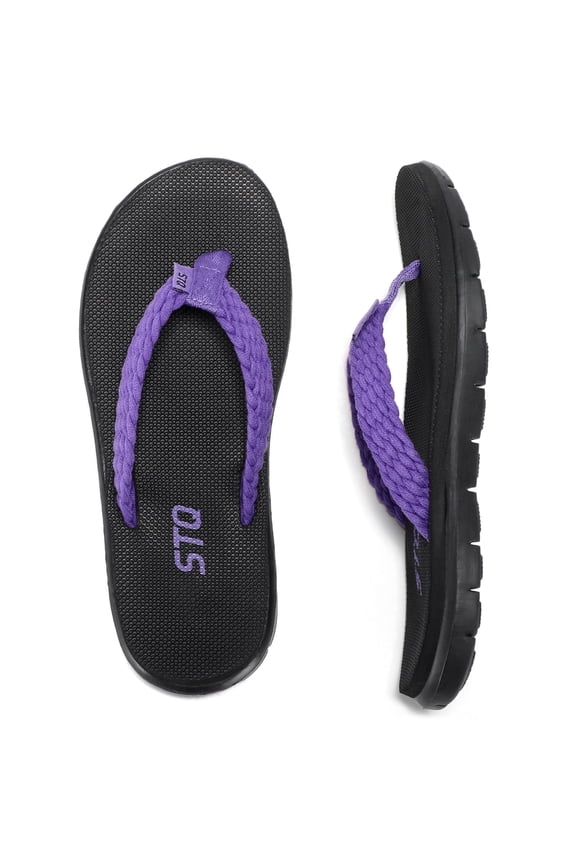
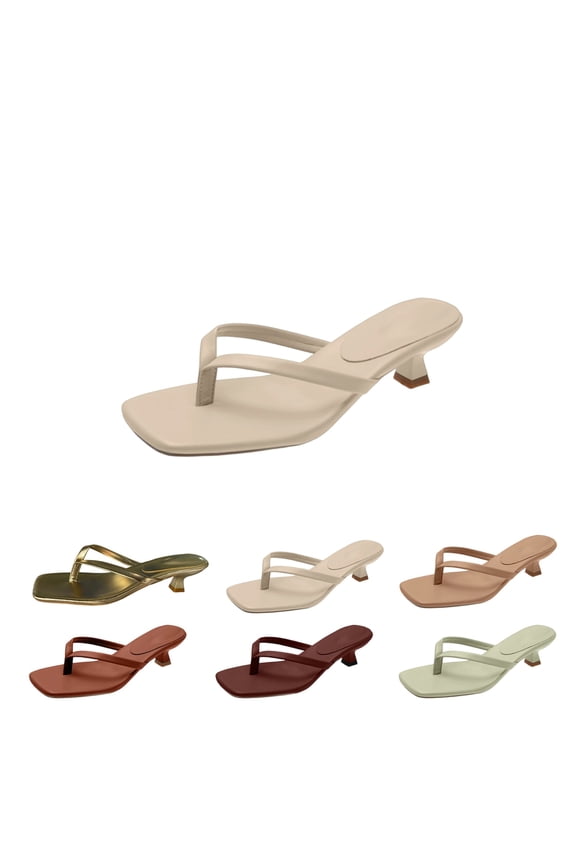
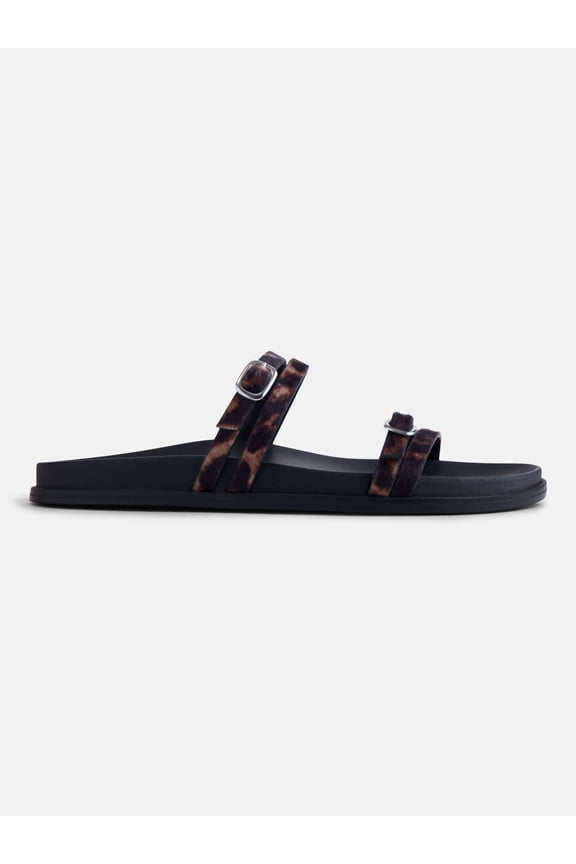
- You can choose sandals when you want open designs that suit warm days and relaxed occasions.
When you compare shoes for women this way, you narrow your options faster. You also match your pair to how often you'll wear it and what outfits you already own.
Choosing fit and size in women's footwear
Fit should guide every decision, because your comfort starts with the right shape. You can look for standard sizing, wide width options, narrow fits, and extended sizes.
If your toes need more room, wide width women's shoes can give you a less cramped feel. If your foot runs slim, narrower fits can help you feel more secure as you walk.
You may also compare arch support when you plan to stand or walk for hours. That feature can help your shoes feel steadier and more comfortable through longer days.
Check whether your usual size changes by shoe type before you choose. You may prefer a closer fit in flats, while boots often need room for socks.
Comparing materials and construction
Material affects how your shoes feel, look, and hold up over time. You can compare leather, canvas, synthetic, and suede based on your routine.
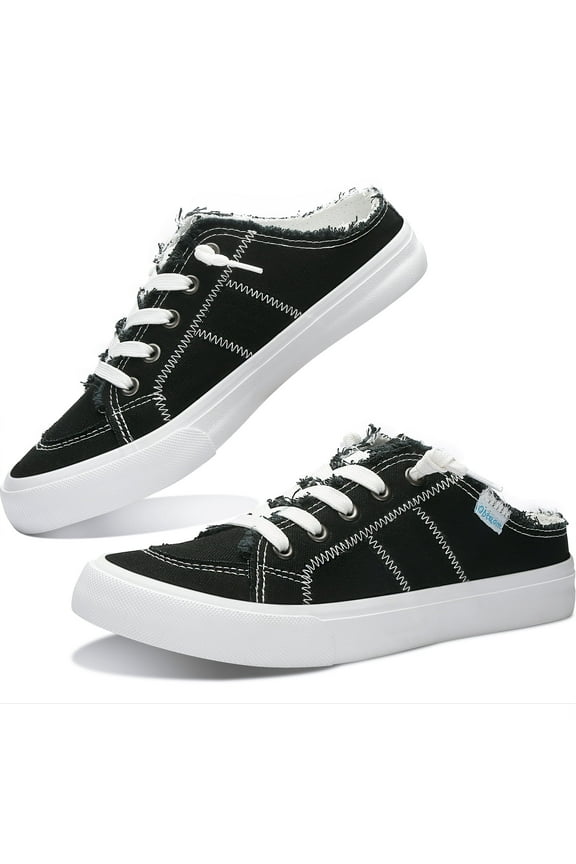
Leather often gives you a structured look that works well for women's boots and office styles. Canvas usually feels lighter and more casual, which suits sneakers and warm weather wear.
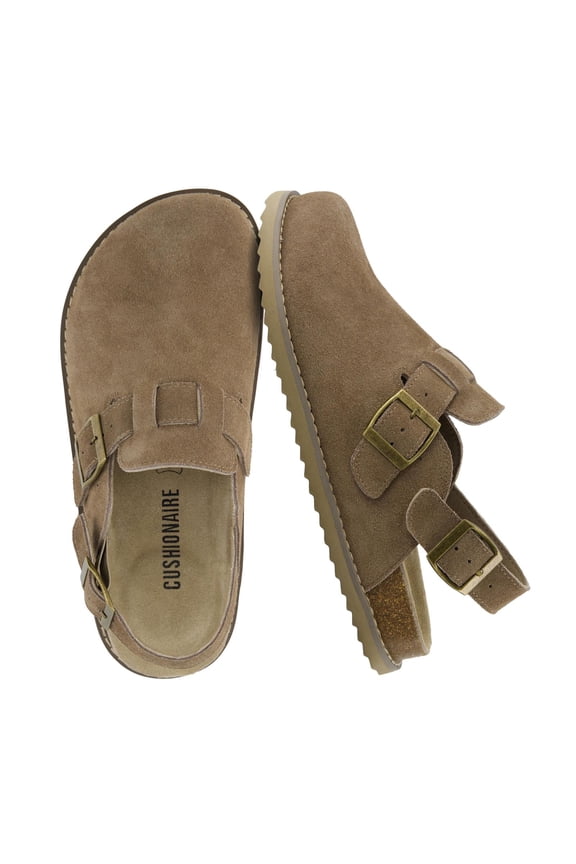
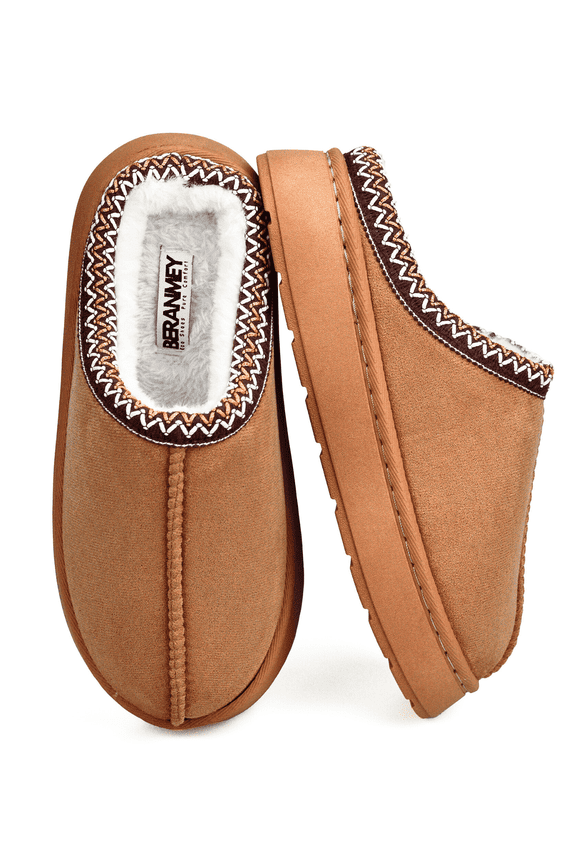
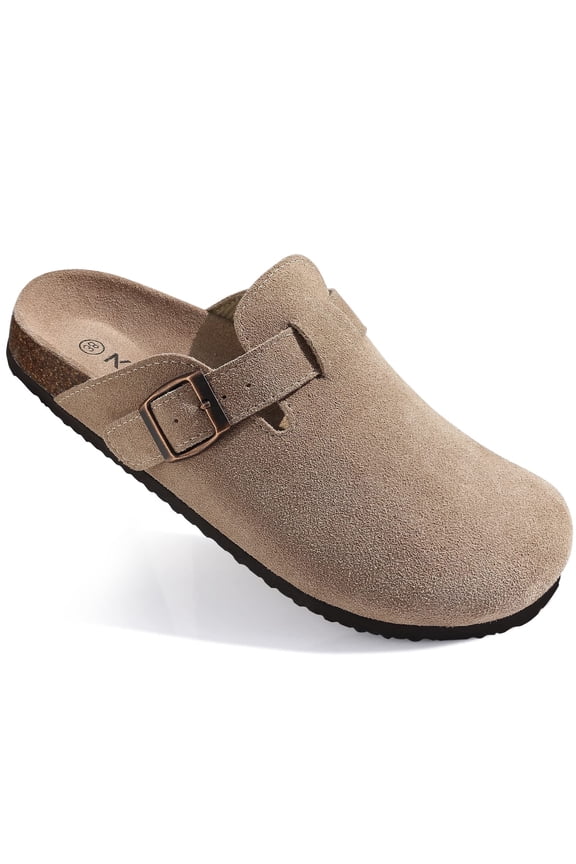
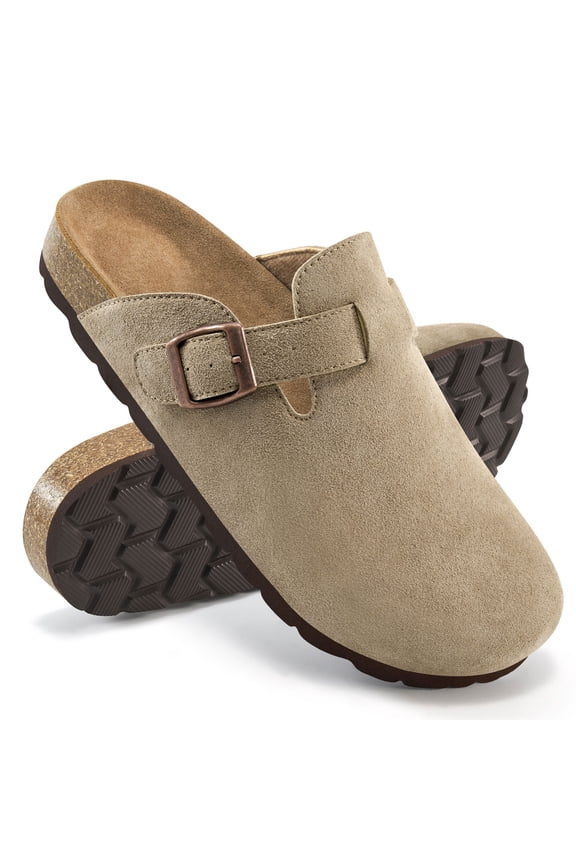
Synthetic materials can give you a smooth finish and easy styling across many occasions. Suede gives you a softer texture that pairs well with seasonal outfits and dressier looks.
You should also consider how often you'll rotate pairs during the week. If you wear one pair often, durable materials and supportive builds can matter more to your decision.
Matching occasion and comfort needs
Occasion helps you filter quickly, especially when your closet covers many settings. You can compare casual, athletic, dressy, work, and outdoor options with less guesswork.
For casual outfits, you may want women's sneakers, flats, or sandals that pair easily with jeans and leggings. For work, you may prefer closed-toe shapes, supportive insoles, and stable soles.
Dressy events often call for women's heels or low heel pumps that complement tailored clothing. Outdoor plans may push you toward boots or athletic pairs with added traction and coverage.
If you spend long hours on your feet, comfort becomes a daily requirement. You can look for softer footbeds, steady arch support, and shapes that don't feel restrictive.
Deciding on heel height and styling range
Heel height changes both the look of your outfit and the way your shoes feel. You can choose flat, low heel, mid heel, or high heel designs based on your plans.
Flat styles often support easy movement during commuting, errands, and long shifts. Low heels can give you a dressier finish without pushing your foot too far forward.
Mid heels often balance polish and wearability for dinners, office days, and events. High heels create a more dramatic silhouette when your outfit calls for extra lift.
You should also think about styling range before you decide. A versatile pair can work with denim, trousers, skirts, and dresses, which helps you wear it more often.
Using women's shoes across seasons
Your season matters, because coverage and breathability change what feels right. You can rotate women's summer sandals, everyday sneakers, and women's winter boots as weather shifts.
Warm months often make open designs and lighter materials feel more practical. Cooler months often make boots, closed toes, and layered styling easier to manage.
If your calendar includes travel, you may want pairs that cover several uses in one trip. Sneakers can handle sightseeing, while low boots can bridge daytime plans and evening outfits.
When you compare women's shoes by type, fit, material, occasion, and heel height, your choice becomes clearer. You can build a wardrobe that feels comfortable, fits properly, and works with more of what you wear.