

all interior paint






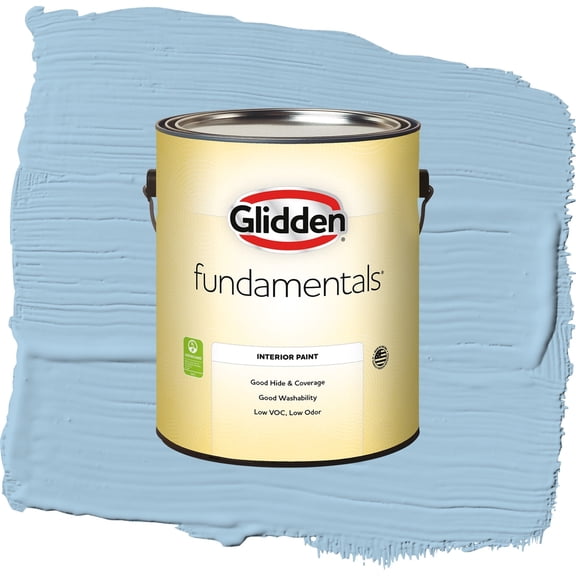
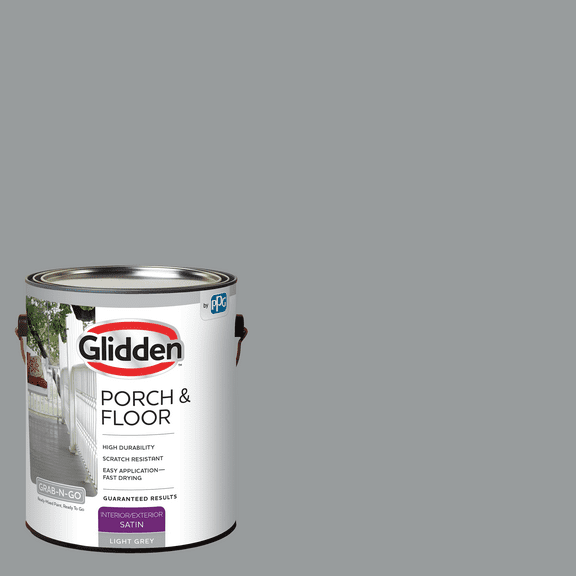
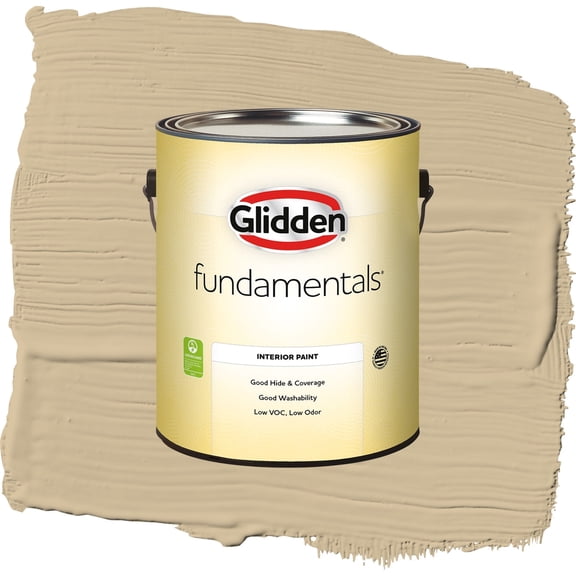
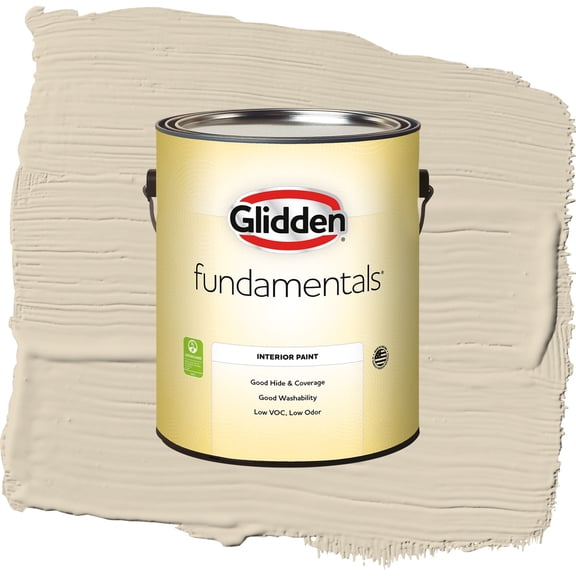


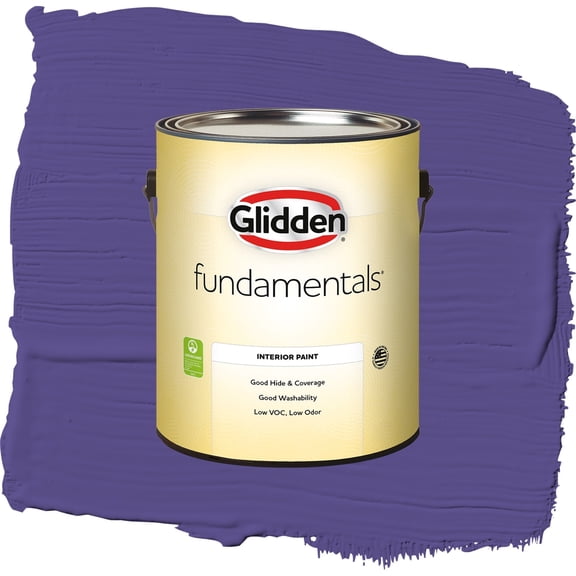


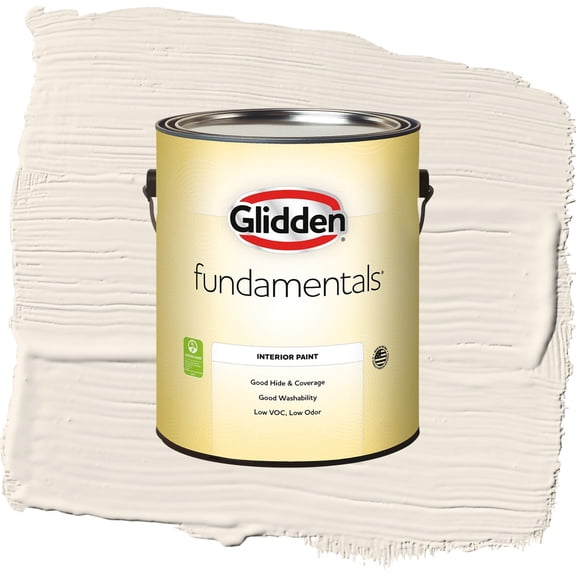


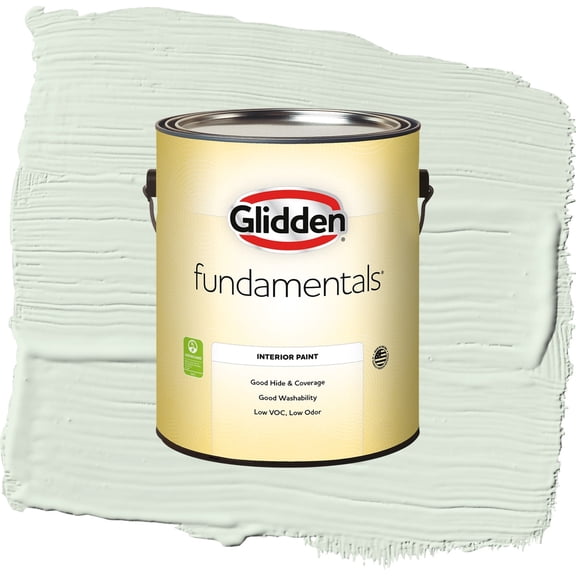

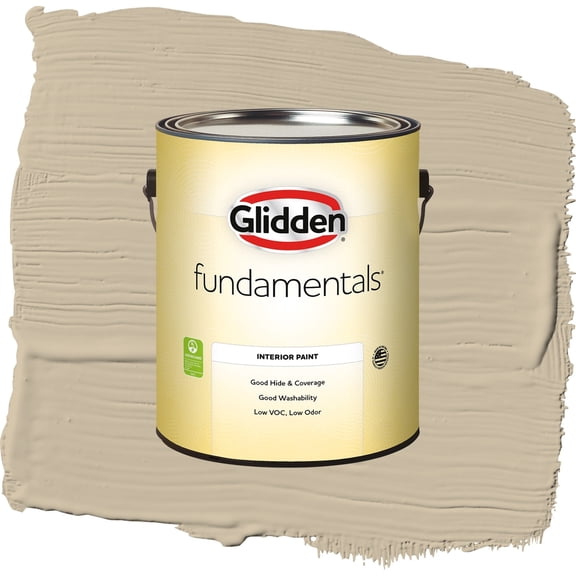


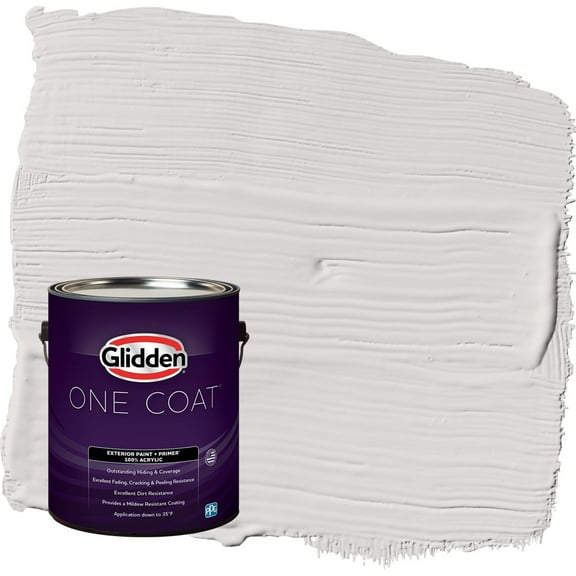
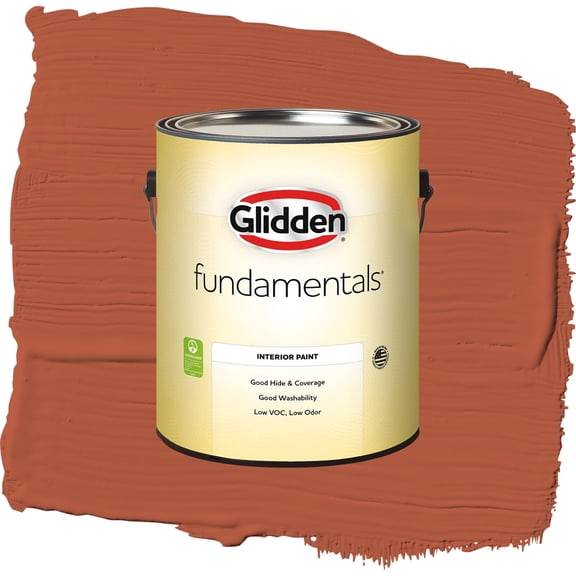
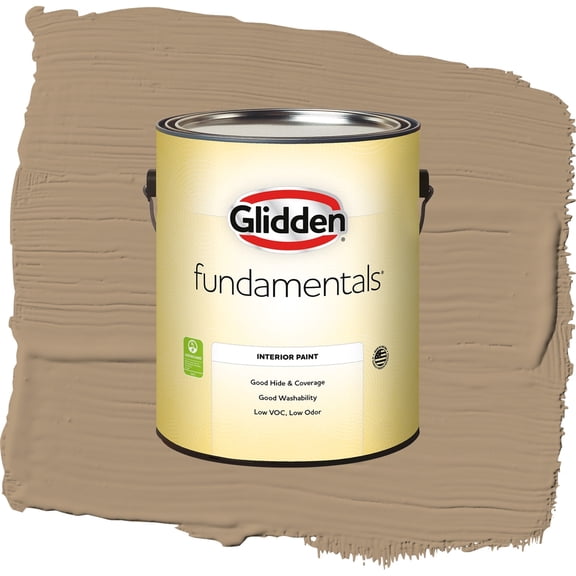
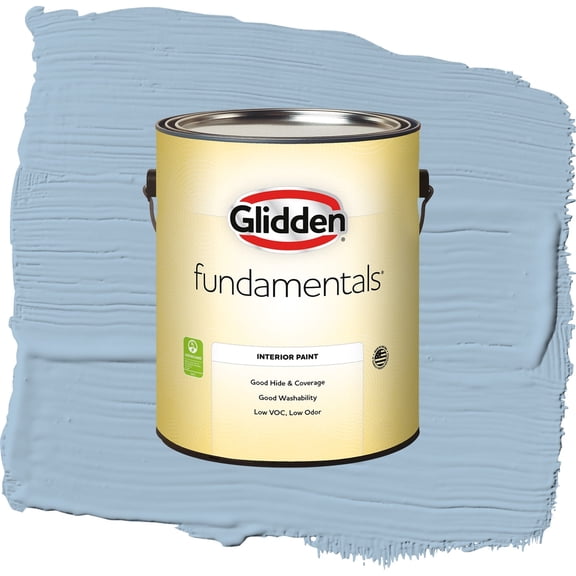
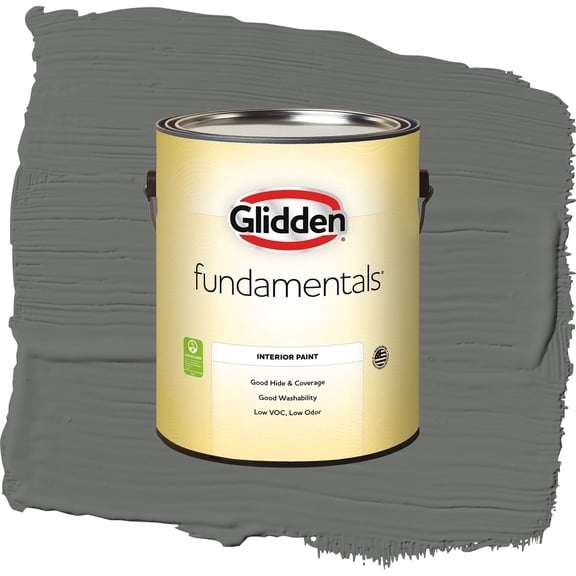

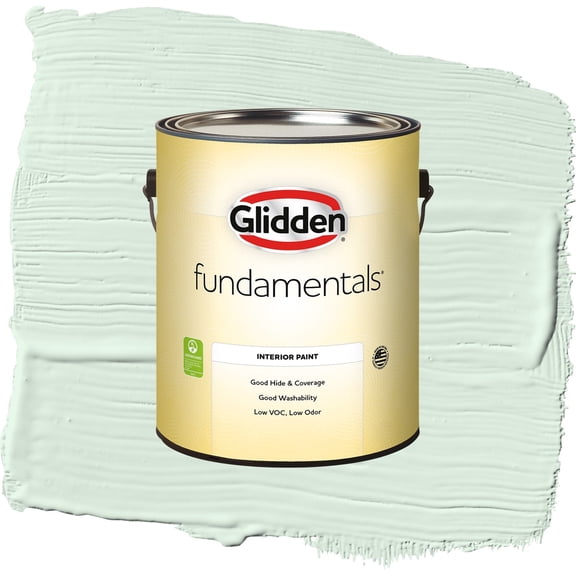
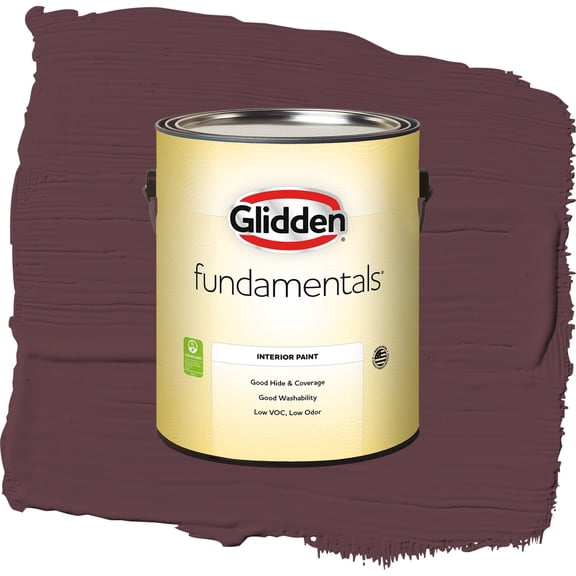
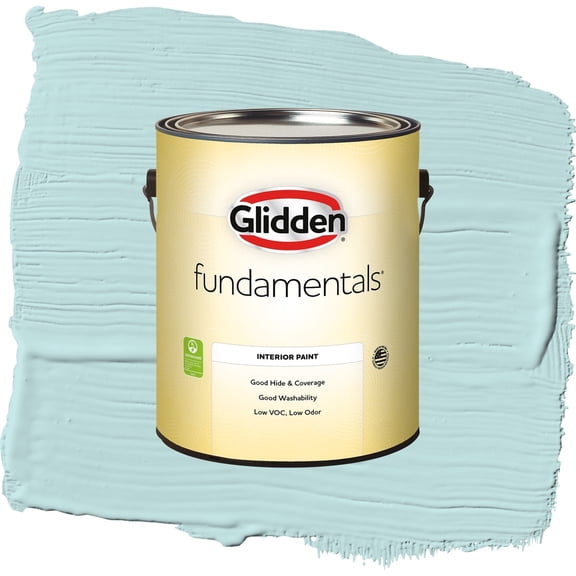
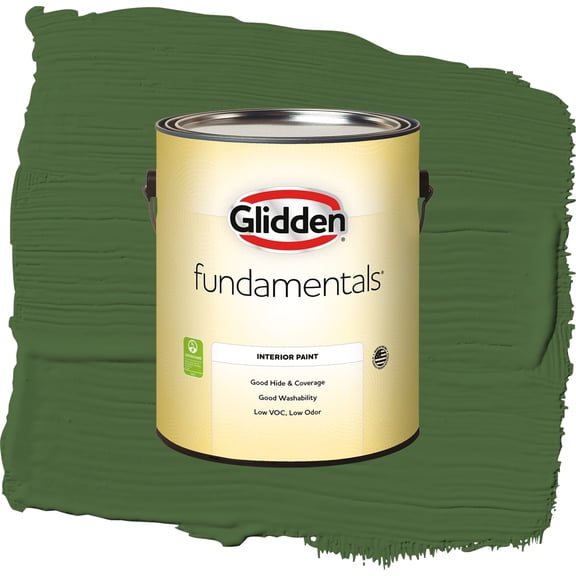
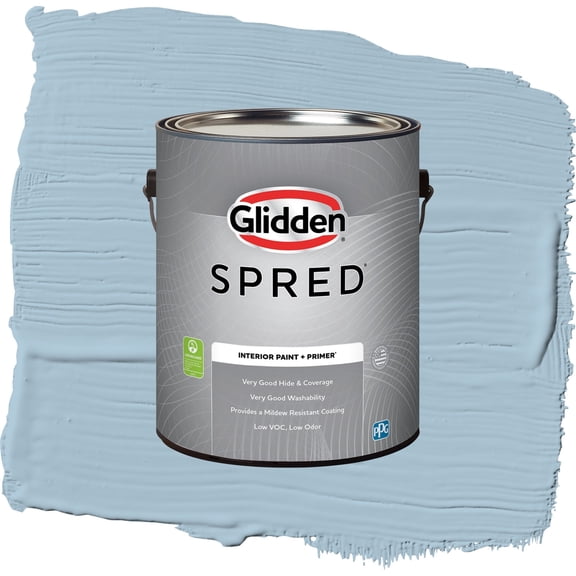
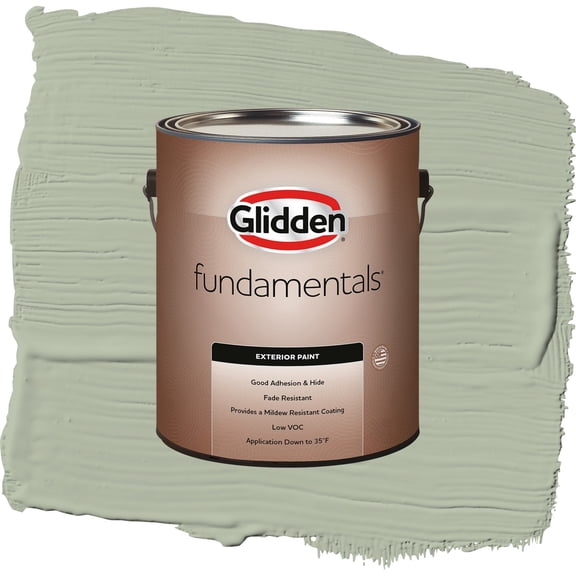
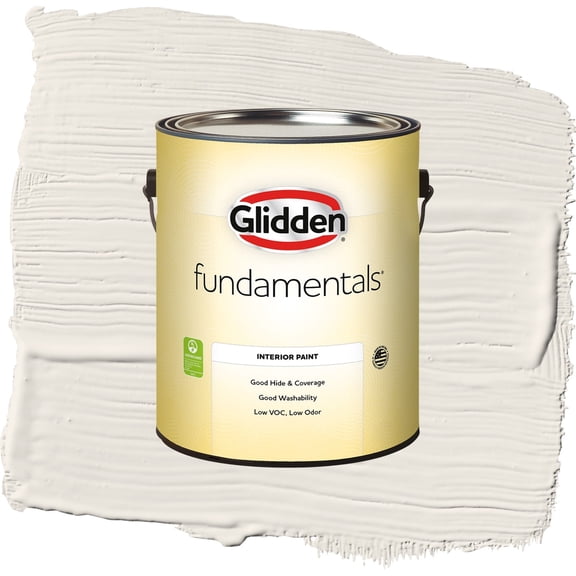

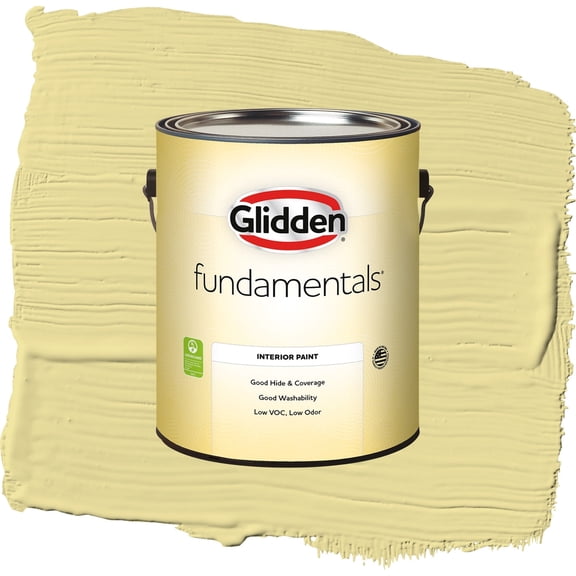

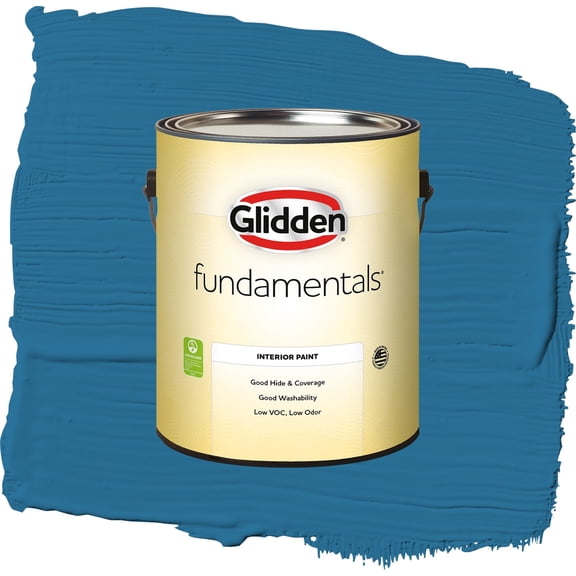
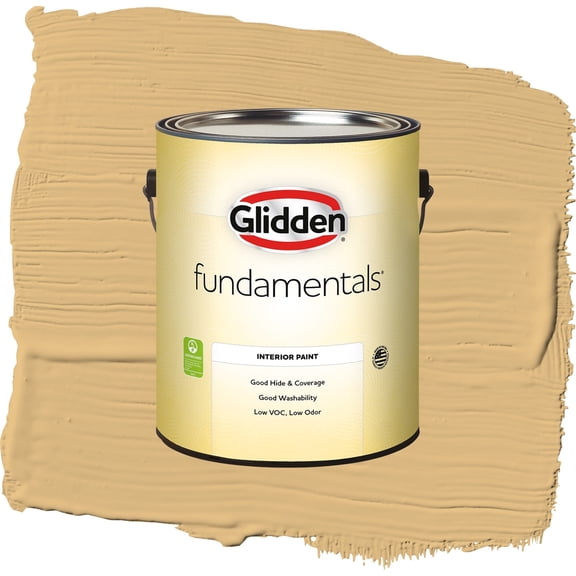
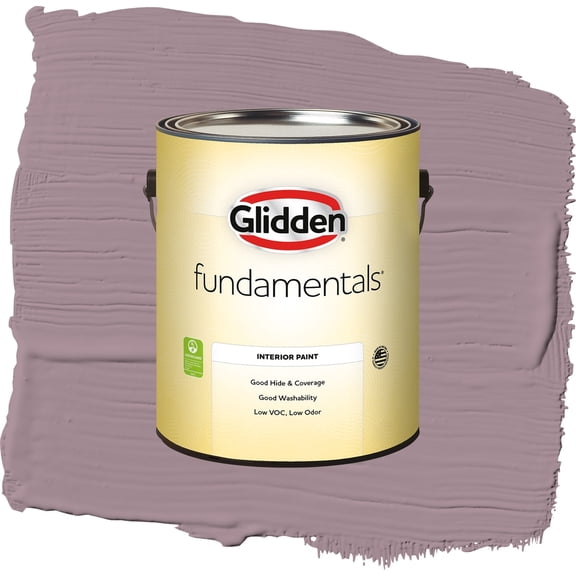
About all interior paint - Walmart.com
Interior paint helps you refresh walls, ceilings, cabinets, and trim with finishes that match each room’s traffic, light, and cleanup needs. You can compare sheen, paint type, coverage, and low-odor options to plan a smoother project from the first coat.
When you choose indoor wall paint, you’re usually balancing appearance with washability and touch-up results. You may also want paint and primer formulas that cut prep steps and help you cover color changes faster.
Choosing the right interior paint sheen
You should start with sheen because it changes how your walls look and how easily you can wipe them clean. You’ll usually see flatter finishes hide surface marks, while shinier finishes reflect more light.
For living rooms and bedrooms, you may prefer flat or matte interior paint when you want a softer look. You’ll often find eggshell adds a slight glow while still keeping everyday walls easy to maintain.
In kitchens, bathrooms, and busy hallways, you may want satin or semi gloss interior paint for easier wipe-downs. You’ll notice those finishes suit moisture-prone walls, doors, trim, and other high-contact surfaces.
If you’re painting ceilings, you’ll often look for ceiling paint with a flatter finish that keeps glare lower overhead. You can also use flatter sheens when you want patch areas and texture changes to show less.
- You can use flat or matte finishes when your walls have visible texture or patchwork.
- You can choose eggshell or satin when you want a balance of softness and easier cleanup.
- You can pick semi-gloss for trim, bathrooms, kitchens, and other spots that need frequent wiping.
- You can reserve high-gloss for accents when you want extra shine on doors or cabinets.
Comparing interior wall paint types
You’ll often compare latex interior paint, acrylic formulas, water-based options, and oil-based choices before you begin. You should focus on dry time, cleanup, surface compatibility, and the finish you want to maintain.
When you choose latex-based or water-based paint, you’ll usually get easier soap-and-water cleanup and a simpler weekend project. You may prefer these formulas for walls, bedrooms, living spaces, and many general repaint jobs.
If you’re painting cabinets, trim, or doors, you may compare acrylic blends with harder-drying options for a smoother finish. You should always check the label so your cabinet paint matches the surface and room conditions.
You can also compare paint and primer in one formulas when you want to simplify prep on previously painted walls. You’ll save a step on many jobs, though strong color changes may still need added prep.
What to look for in coverage and low VOC paint
You should check coverage before you choose a gallon count, because square footage affects your timeline and supply list. You’ll often see coverage estimates listed per gallon, which helps you plan walls, ceilings, and touch-ups.
For many rooms, you can estimate your wall area and compare it with the label’s square footage guidance. You should add extra paint when you’re covering dark colors, fresh drywall, textured walls, or large open spaces.
If you want a cleaner-feeling project flow, you may look for one-coat coverage claims and paint-and-primer formulas. You should still expect some rooms to need added coats when color contrast or wall texture is strong.
You may also prefer low VOC paint or odorless options when you’re painting bedrooms, nurseries, hallways, or shared family spaces. You’ll appreciate those choices when you want indoor renovation paint with a lighter painting experience.
Matching interior wall paint to each room
You should match your interior wall paint to the room’s traffic, moisture, and lighting before you settle on color. You’ll usually get a more practical result when finish and formula fit the space.
For bathrooms, you may want satin or semi-gloss finishes because you’ll likely need easier cleanup around sinks and busy surfaces. You should check moisture-friendly labeling when you’re painting walls that see daily steam.
In kitchens, you can choose finishes that handle splatters and regular wiping on walls, trim, and cabinets. You may also compare cabinet paint separately, since doors and boxes often need a different formula than walls.
For bedrooms and living rooms, you may prefer matte, flat, or eggshell when you want a calm look under lamps and daylight. You’ll often like these finishes when you want broad wall color without extra shine.
In entryways, stairwells, and other high-traffic areas, you should consider satin or semi-gloss for repeated contact points. You’ll usually notice those finishes make routine touch-ups and cleaning less complicated.
Planning your project with interior paint
You can make your project easier when you measure first and line up rollers, brushes, trays, and painter’s tape. You should also plan for primer, drop cloths, and edging tools when your room needs extra prep.
If you’re tackling spring home improvement paint projects, you may repaint several connected rooms with coordinated sheens and gallon sizes. You can also keep ceilings, trim, and wall colors organized when you plan each surface before opening cans.
When you compare interior paint options carefully, you’ll choose a finish that suits your walls, your routine, and your cleanup expectations. You’ll get a more polished result when sheen, coverage, and room use all line up clearly.