

Entry Door Hardware






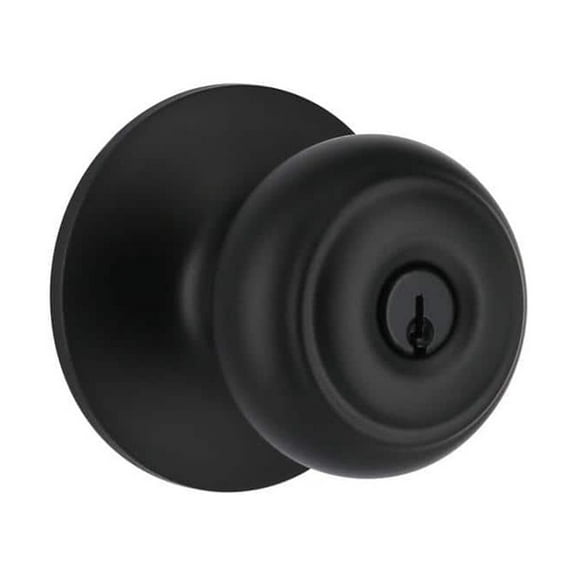
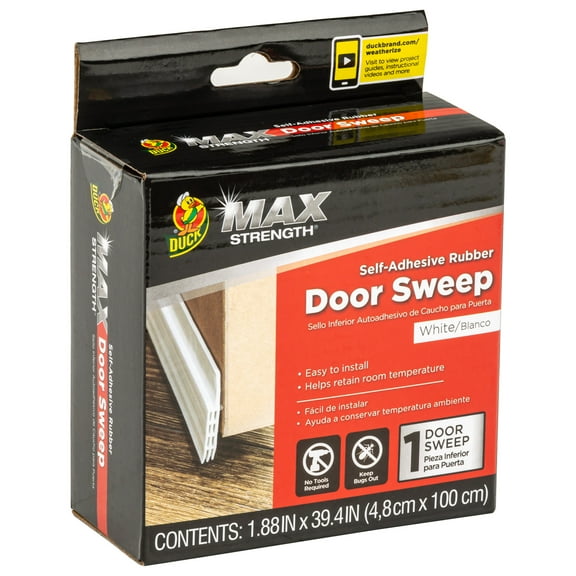

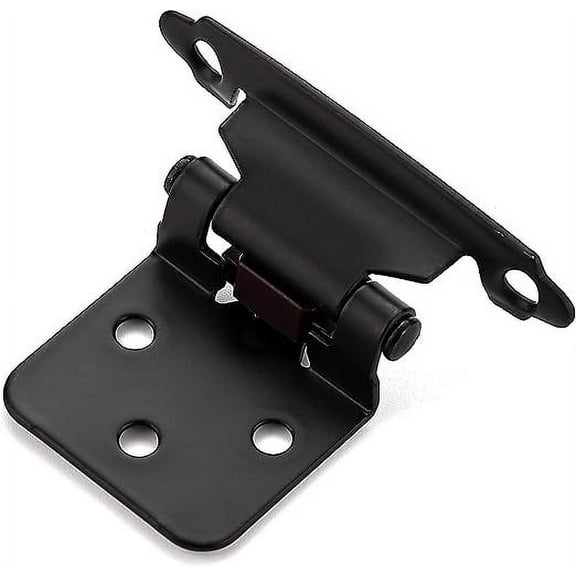


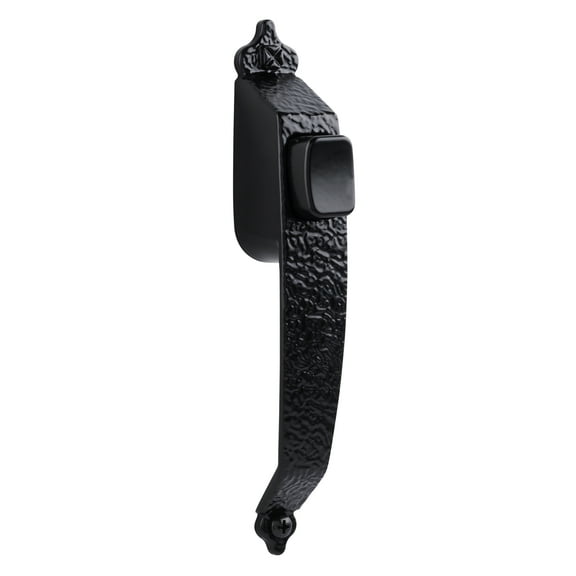





















About Entry Door Hardware - Walmart.com
Front door accessories help you match style, fit, and function at your entry. You can compare entry door hardware by type, finish, grade, and door compatibility.
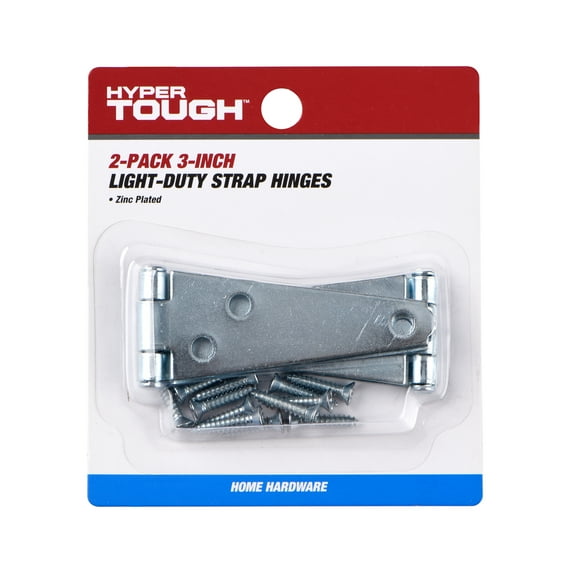
When you update your doorway, you need parts that match your door prep and daily routine. You can review handlesets, deadbolts, knobs, levers, and hinges with clear decision points.
How to choose front door accessories
You can start with hardware type because each option changes how your doorway looks and works. Your front entry door hardware should match your existing bore holes, latch prep, and door swing.
Before you compare finishes, you should check your door thickness and backset measurements. Your measurements can guide you toward options that fit standard 1-3/8-inch to 1-3/4-inch doors.
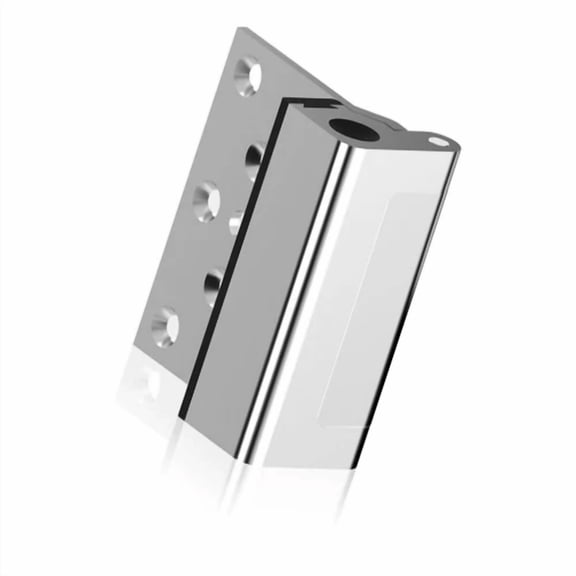
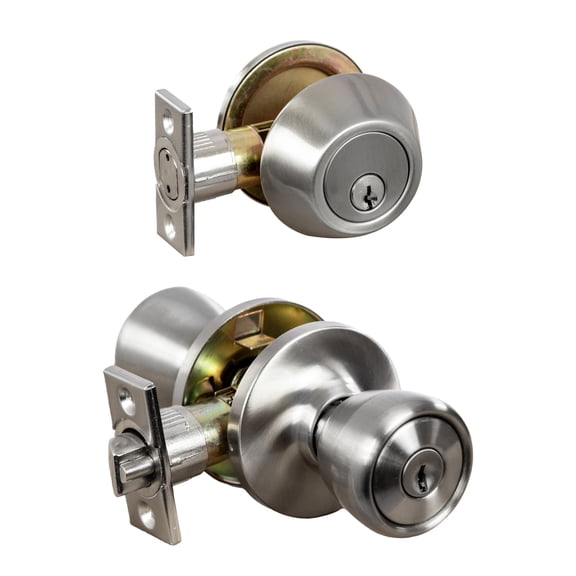
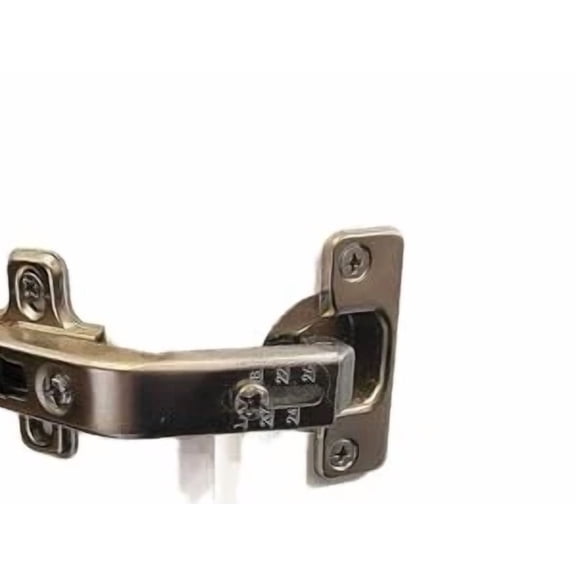
- You can coordinate knobs, levers, deadbolts, and hinges for a coordinated entry look.
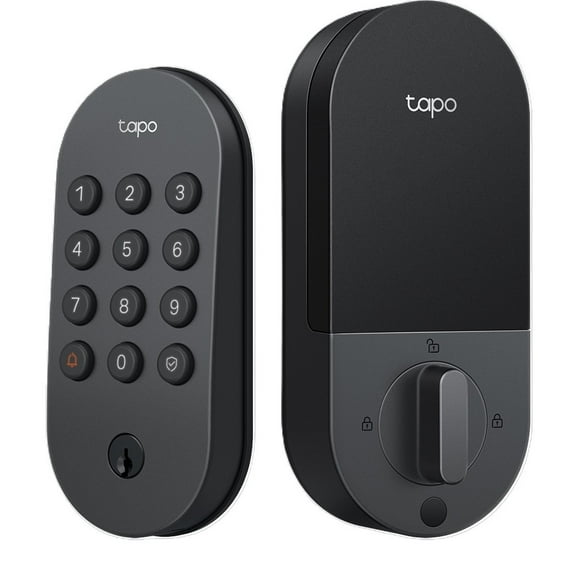
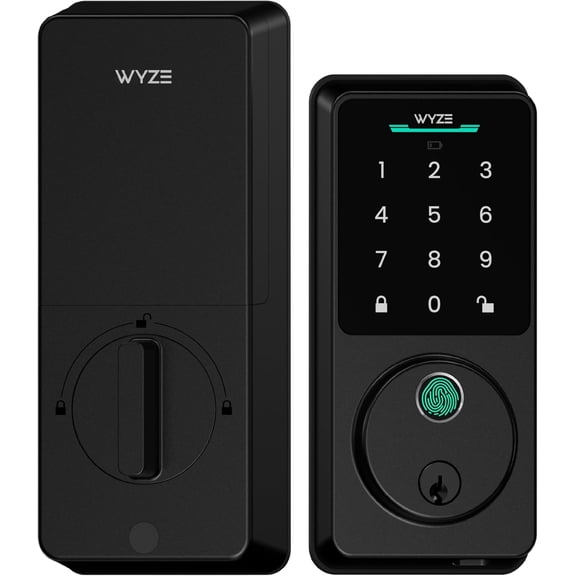
- You can compare keyed, keyless electronic, and smart Wi-Fi or Bluetooth access styles.
- You can check Grade 1, Grade 2, and Grade 3 classifications for your entry hardware needs.
- You can look for reversible designs and adjustable backset options before installation.
You should also compare how each hardware type feels in daily use. Your lever can suit frequent entry, while your handleset can create a more formal front door profile.
Choosing finishes and hardware types
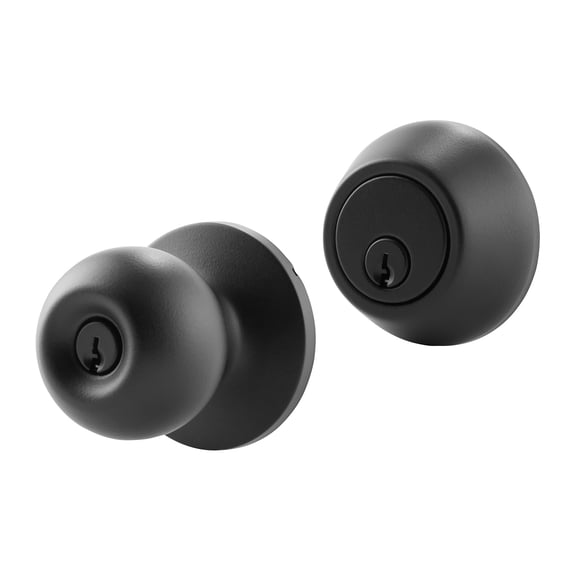
You can use finish as a practical design choice, not just a style detail. Your matte black hardware creates contrast, while satin nickel gives you a subtle metallic look.
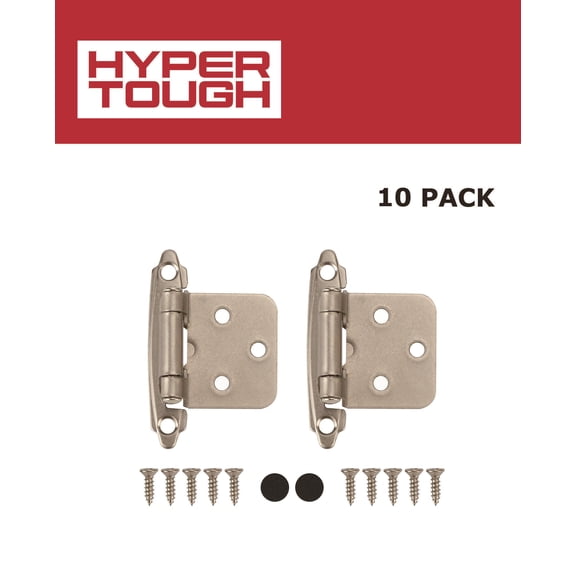
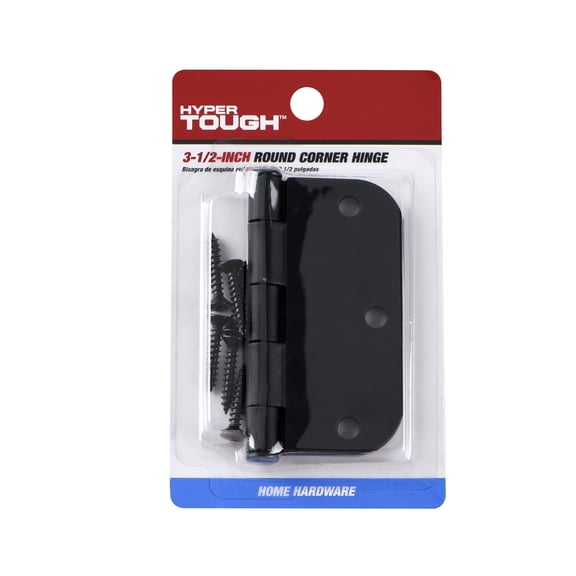
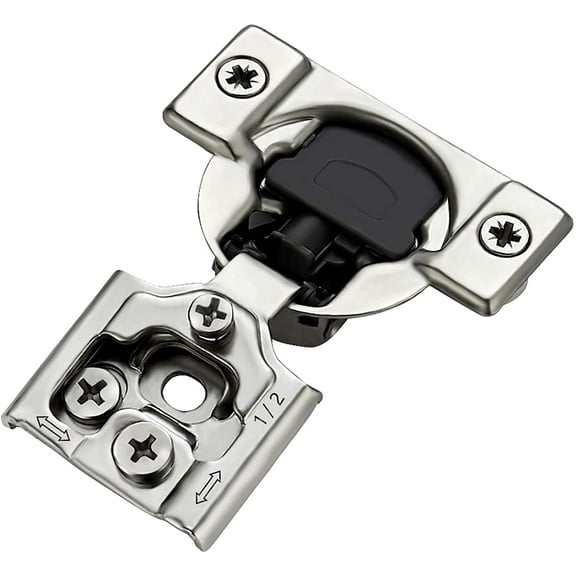
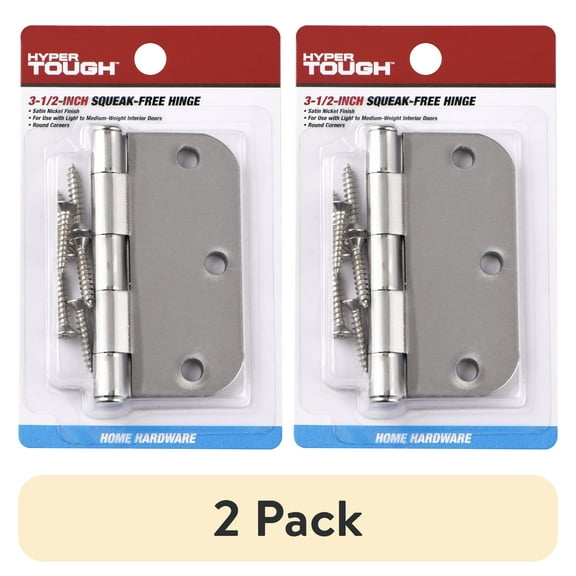
If your home includes warm accents, you may prefer polished brass or bronze. Your hinges, porch light, house numbers, and mailbox can help you choose a finish that feels consistent.
You can also compare hardware types based on your door's layout and your entry routine. Your handleset can suit a statement doorway, while your knob or lever can fit a straightforward setup.
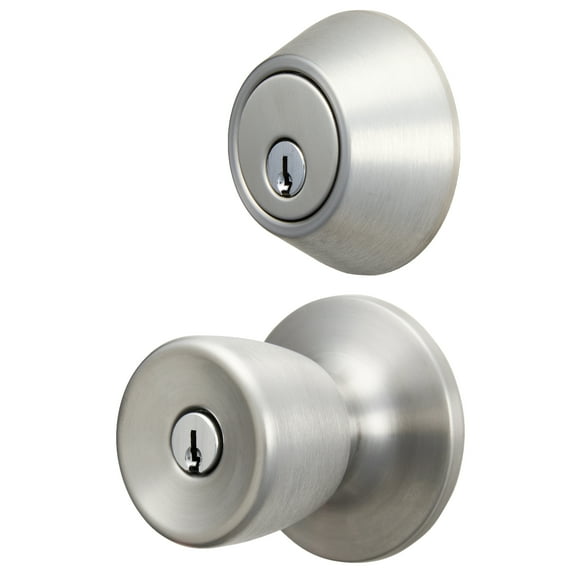
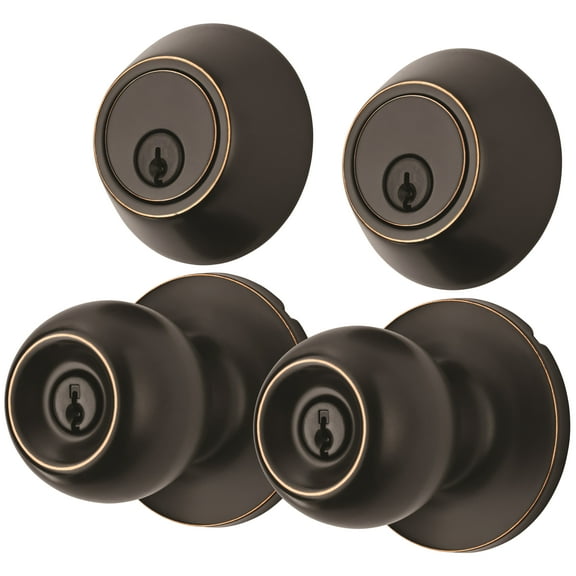
When you want a separate lock layer, you can pair a knob or lever with a deadbolt. Your door knobs and hinges should also align visually on a front-facing entry.
Comparing security grades and access options
You should check security grade before you focus only on appearance. Your ANSI or BHMA grade shows you how ANSI or BHMA classifies the lock.
If your home sees frequent use, you may compare Grade 2 and Grade 3 options carefully. Your Grade 1 choice can also suit demanding entry points with heavier daily traffic.
You can also decide whether keyed, keyless electronic, or smart access fits your routine. Your preference may depend on whether you want a key, keypad, or connected controls.
For a familiar setup, you may choose keyed hardware with a matching deadbolt. If you want no keys to carry, your keyless electronic option can simplify daily entry.
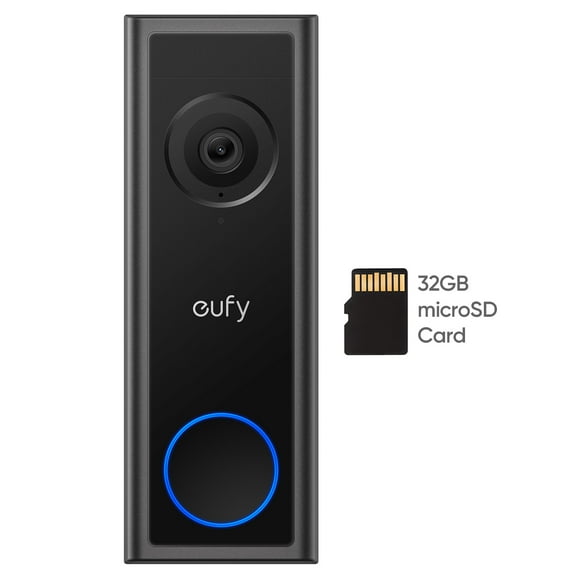
You may also consider smart Wi-Fi or Bluetooth systems for connected access. Your household can use app controls, temporary codes, or remote locking on compatible systems.
Checking fit, backset, and handing
You should measure before you choose entry door hardware because fit affects installation and appearance. Your door thickness often falls between 1-3/8 inches and 1-3/4 inches.
You should also check backset, which measures from the door edge to the bore hole center. Your common backset is often 2-3/8 inches or 2-3/4 inches.
If you want more flexibility, you can look for adjustable backset designs. Your hardware can then fit common measurements without requiring a different latch style.
You should also confirm handing before you order front door accessories. Your door may be left-handed, right-handed, or reversible, and that detail affects lever and handleset fit.
When you're replacing older front door fittings, you should compare the current bore holes and latch prep. Your new set can install more smoothly when those measurements line up.
Planning installation and everyday use
You can compare installation needs before you choose door hardware accessories. Your replacement project may only need a screwdriver when the new hardware matches existing prep.
If you're changing from a knob to a handleset, you may need extra drilling. Your project can also take more planning when trim plates and deadbolt spacing differ.
You should think about who uses the door frequently and how they enter. Your lever can feel easy to grip, while your knob can keep a classic profile.
For busy households, you may want front door accessories that reduce small daily hassles. Your choice of keyless entry, reversible handing, and matching hinges can make the doorway convenient to live with.
You can narrow entry door hardware with more confidence when you compare finish, fit, grade, and access style together. Your entry feels more complete when the hardware works smoothly and looks intentionally matched.