

Doors and Gates in Home Improvement
























About Doors and Gates in Home Improvement - Walmart.com
You can compare doors and gates by fit, swing, and material so your project feels planned from the first measurement. You’ll also find sliding, bifold, hinged, barn door, and security gate options for closets, entryways, patios, and interior rooms.
If you’re replacing an old panel or finishing a new opening, you need details that match your space. You’ll want sizing guidance, hardware notes, and application tips that make selection easier before installation starts.
How to choose doors and gates by type
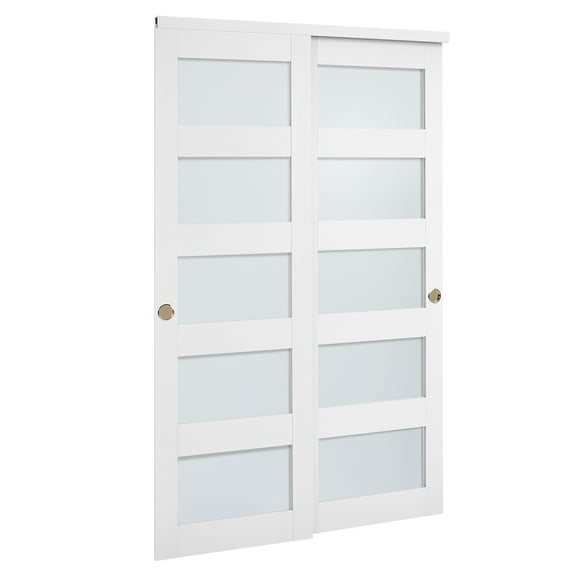
You should start with door type because it affects clearance, privacy, and daily movement through your room. You’ll notice sliding styles help when you can’t spare swing space beside a closet or passage.
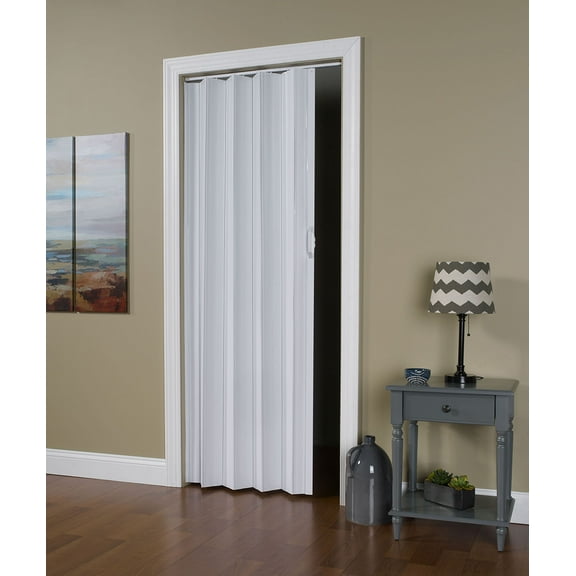
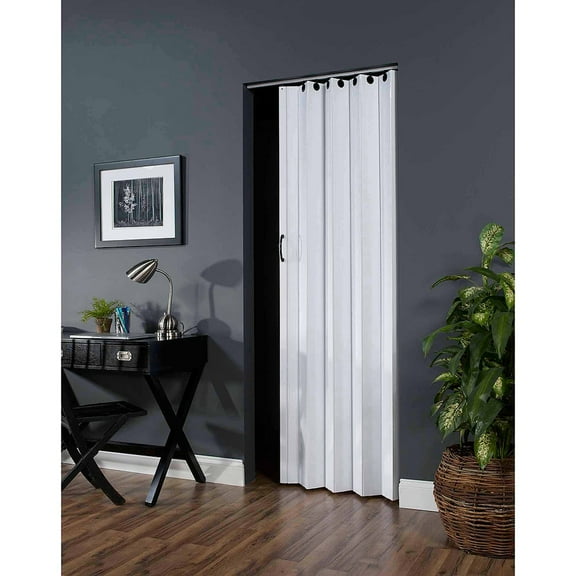
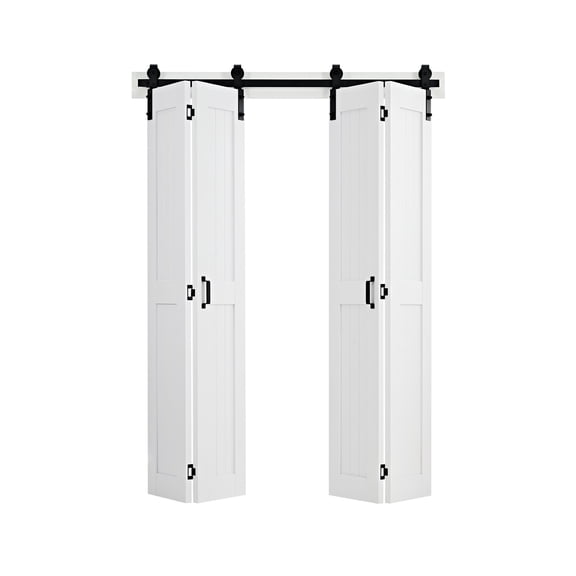
When you compare bifold panels, you get folding sections that stack tighter inside the opening. If you prefer a bold look, you can choose a barn door that glides across the wall.
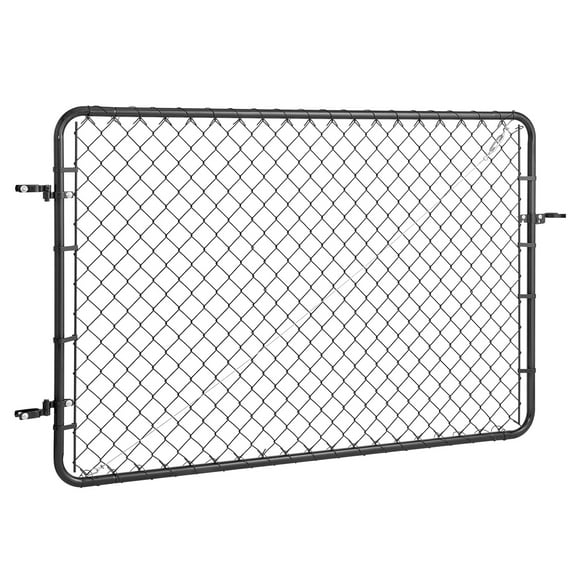
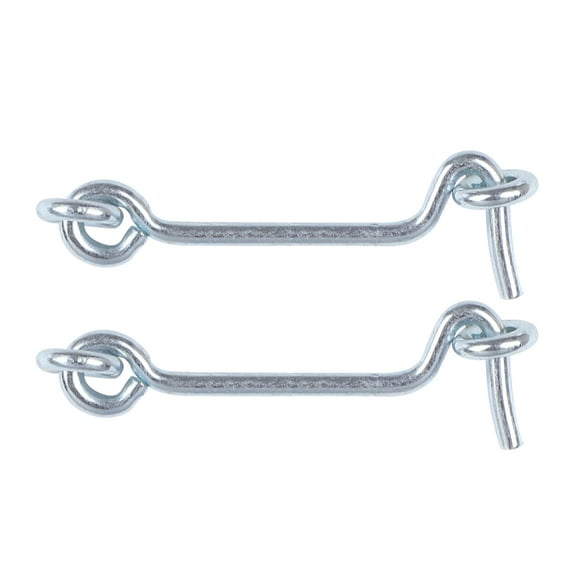
You may want hinged styles when your room calls for a traditional swing and simple access. You can also compare a security gate when your layout needs a controlled entry point.
- You can use sliding designs to keep floor space open near closets and compact rooms.
- You can choose bifold options when you want wide closet access without a full outward swing.
- You can pick hinged doors when you need familiar operation for bedrooms, halls, and utility spaces.
- You can consider barn door styles when your wall has enough side clearance for a track.
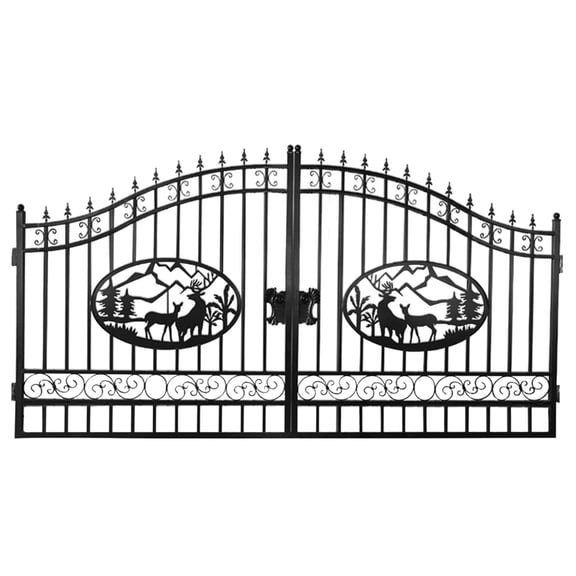
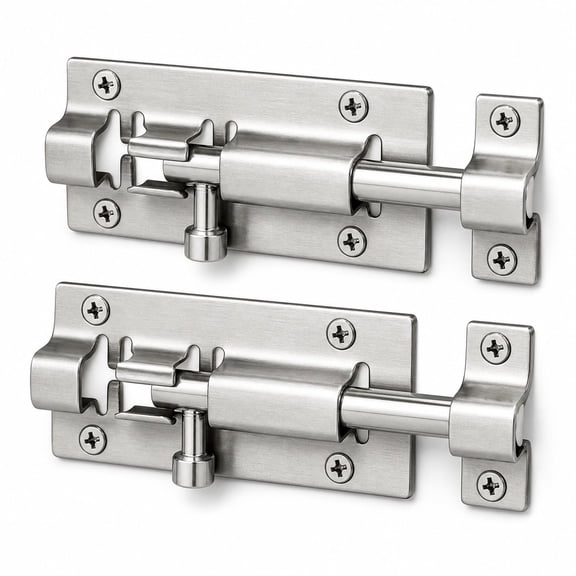
- You can add a security gate when your opening calls for visibility with controlled access.
Choosing the right size, including 48 inch sliding closet doors
You should measure carefully before you choose 48 inch sliding closet doors or any other width. You’ll want to compare the rough opening with the actual panel size, because those numbers aren’t always the same.
When you check nominal versus actual dimensions, you get a clearer picture of how the unit will fit. You should also measure jamb depth, because your wall thickness affects how the frame sits.
If you’re considering a 28 inch sliding door, you’ll want to confirm width, height, and track clearance. You can also compare 30 inch, 36 inch, and 48 inch options to match common room layouts.
You may see 48 sliding closet doors used across wider closet openings in bedrooms and dressing areas. You’ll often find narrower widths useful for pantries, laundry spaces, or compact interior transitions.
What to look for in material and core construction
You can compare wood, glass, steel, composite, and vinyl based on the room and finish you want. You’ll usually choose materials differently for closets, interior rooms, exterior entries, and patio access.
If you want a warm painted or stained look, you may lean toward wood styles. When you want light to pass through, you can consider glass panels for select interior or patio applications.
You might prefer steel when your exterior opening calls for a sturdy feel and a clean surface. You can also look at composite or vinyl when you want easy upkeep in active areas.
As you compare cores, you’ll see solid core and hollow core listed on many interior options. You’ll notice solid core feels heavier and helps reduce sound transfer, while hollow core feels lighter to move.
Comparing handing, swing, and hardware inclusion
You should check handing before you commit, because your hinges and swing direction affect furniture placement. You’ll want to note left-hand versus right-hand, plus in-swing versus out-swing, before ordering.
If your opening works with a slab, you’re choosing the door panel without the surrounding frame. When you choose pre-hung styles, you get the panel mounted in a frame, which can simplify replacement planning.
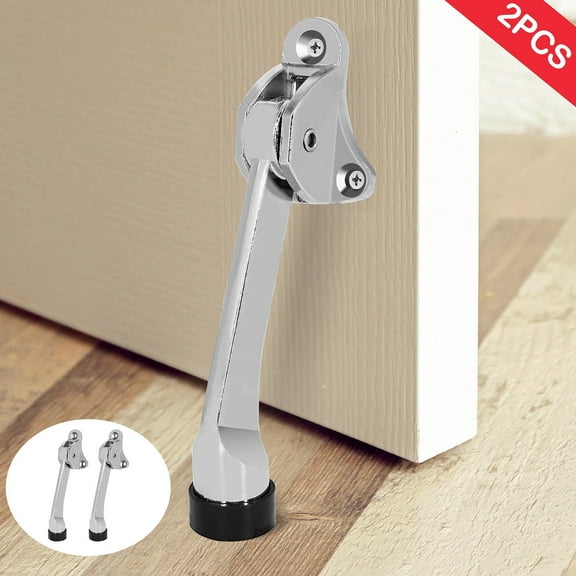
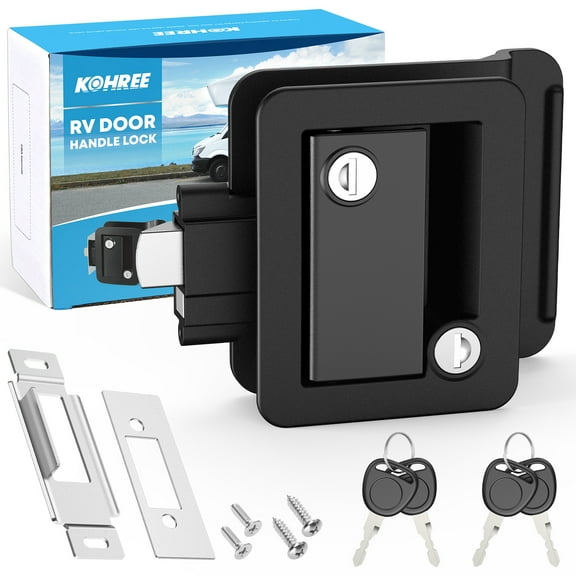
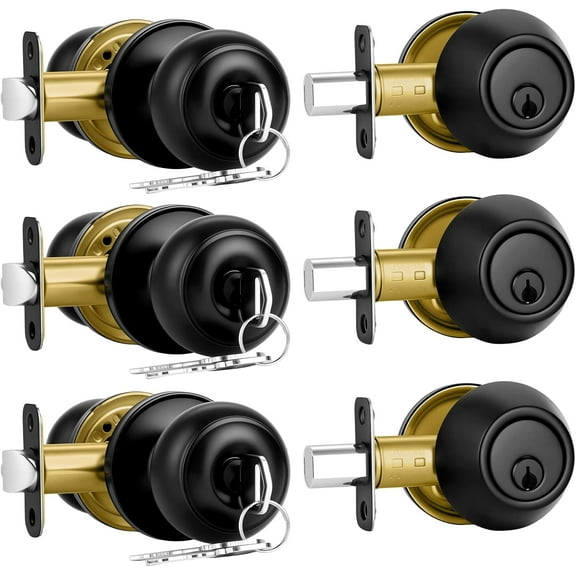
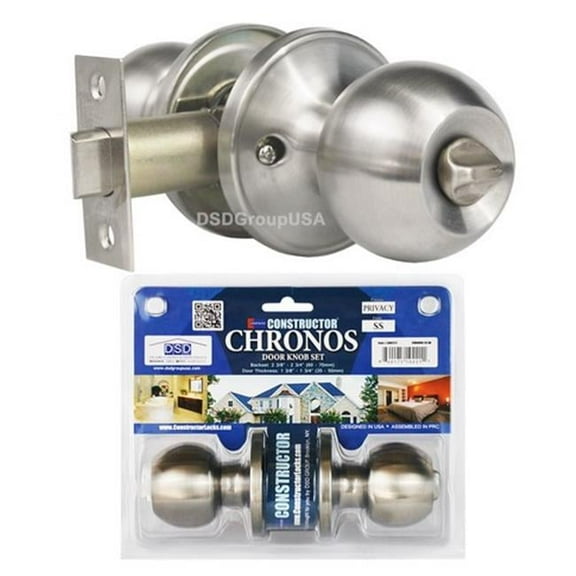
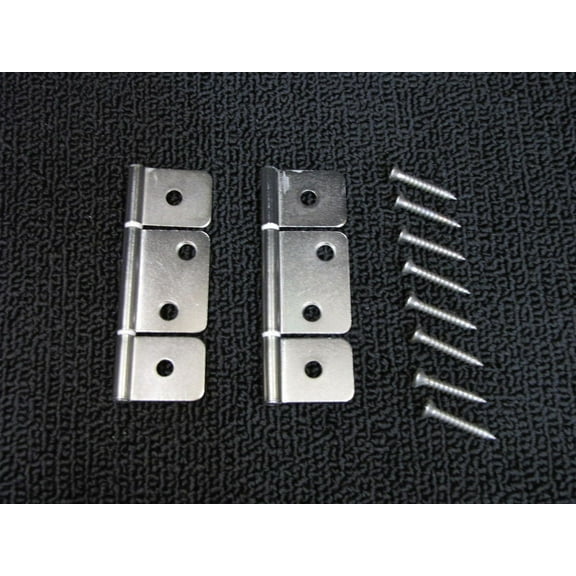
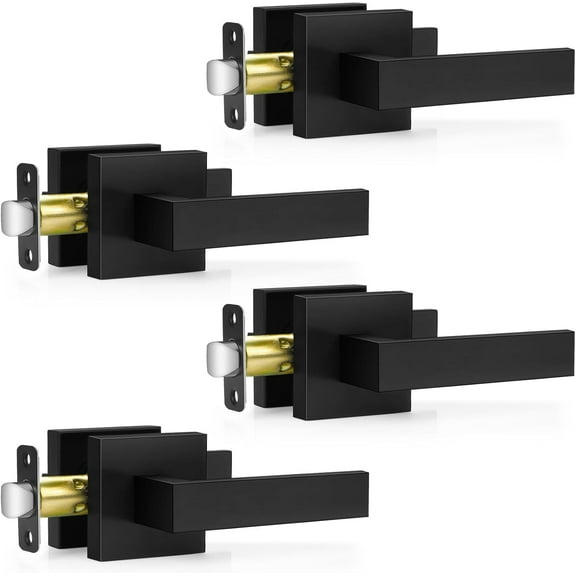
You should also compare included hardware, because tracks, hinges, and handles vary by type. You’ll want to confirm what comes in the box, especially for sliding systems and barn door setups.
For closet updates, you may focus on track design, smooth glide, and panel overlap. For entry projects, you’ll usually pay closer attention to frame style, threshold details, and swing direction.
Matching doors and gates to real spaces
You can use doors and gates across closet, interior, exterior, patio, and entryway projects with different priorities. You’ll likely focus on space savings indoors, while weather exposure and traffic matter more outdoors.
In a bedroom closet, you may choose 48 inch sliding closet doors to cover a wider opening cleanly. In a tighter hallway or pantry, you might prefer a 28 inch sliding door or a hinged option.
If your laundry area has limited clearance, you can compare bifold styles that fold inward neatly. When your room needs a design accent, you may choose a barn door with enough wall space beside the opening.
At an exterior entryway, you’ll often compare steel, composite, or glass-accented styles based on light and finish. For patios, you may look for panels that suit the opening width and coordinate with nearby trim.
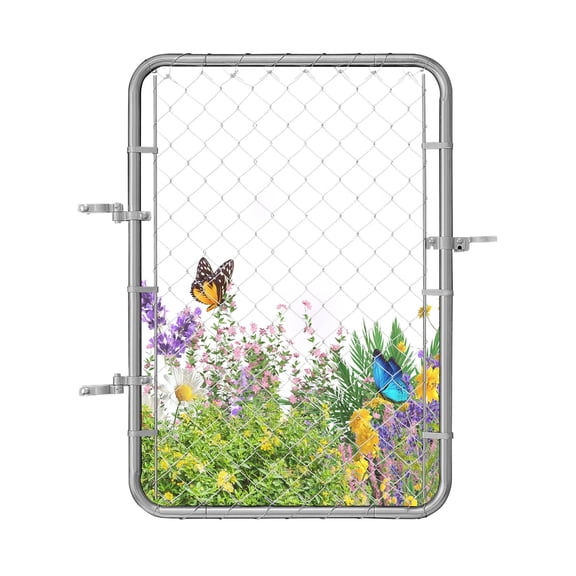
You can also use a security gate where you want controlled access without fully blocking visibility. If you’re replacing an older unit, you should remeasure every side so your new selection aligns with the opening.
You’ll make an informed choice when you compare type, width, material, handing, and included hardware together. With that approach, your new door or gate fits your opening, your routine, and your finish plan more smoothly.