



















Mens Shoes in Shoes













































About Mens Shoes in Shoes - Walmart.com
Men’s jeans give you everyday denim options that match your fit, wash, and comfort preferences. Across this category, you can compare key choices quickly and narrow pairs that suit your routine.
Whether your week includes work, weekends, or evenings out, you need details that guide your decision fast. With clear details on fit, stretch, rise, inseam, and wash, you can build your shortlist easily.
How to choose men’s jeans by fit
Start with fit because your jeans shape how denim sits through your hip, thigh, and leg. That silhouette helps you match your pair to your shoes, shirts, and daily movement.
Straight leg jeans for men give you a clean line from thigh to hem. You can wear them with sneakers, boots, or loafers and keep a balanced look.
Slim fit men’s jeans give you a closer cut through the seat and leg. If your wardrobe leans polished, you can use them with tees, overshirts, and casual jackets.
Relaxed fit jeans give you more room through the seat and thigh. On longer days, you may prefer that extra space with hoodies, work shirts, or layered looks.
Athletic fit jeans help you get added room up top with a cleaner lower leg. If straight fits feel snug, you can compare this shape before moving to wider options.
Skinny styles sit close from hip to ankle for a narrow outline. Bootcut pairs open slightly at the hem, so you can wear them over western or work boots.
- You can choose straight fits for versatile daily wear.
- You can pick slim fits for a closer silhouette.
- You can select relaxed or athletic fits for extra thigh room.
- You can try skinny or bootcut styles for specific shoe pairings.
Choosing fabric and stretch in men’s jeans
Next, compare fabric because your comfort changes with every blend and weave. The difference between stretch jeans for men and rigid denim becomes clear when you sit, walk, or commute.
One hundred percent cotton denim gives you a classic structure and a traditional hand feel. If you like a more defined shape, you may prefer cotton styles for everyday outfits.
Stretch denim includes added fibers that support easier movement through your day. During driving, errands, or desk time, you can appreciate that flexibility around the seat and knee.
Flex styles usually feel more forgiving when your routine changes often. If your day includes travel or long shifts, you can look for denim that moves with you.
Rigid jeans give you a firmer feel and a classic denim look. When you prefer a structured profile, you can compare rigid options with softer stretch pairs.
Comparing rise, size, and inseam
Rise changes how your jeans sit at the waist and how your tops layer. Before choosing a wash, you should check whether low, mid, or high rise feels right for you.
Mid rise jeans often feel familiar because they sit naturally around your waistline. You can wear them with polos, tees, and button-down shirts for an easy daily setup.
Low rise styles sit lower on the waist for a different profile. High rise options sit higher, and you can use them when you want extra coverage while sitting or bending.
After rise, measure waist size and inseam so your jeans look cleaner with your usual shoes. A proper inseam helps your hem fall neatly instead of bunching or lifting.
A shorter inseam keeps the break neater with low-profile sneakers or cuffed styling. If boots are part of your routine, you may want a longer inseam and a fuller stack.
You may also compare leg opening, closure style, and pocket layout before deciding. Those details help you match denim to commuting, jobsite tasks, or weekend plans.
Choosing washes and colors for your wardrobe
Wash and color shape how casual or polished your outfit feels. If you already know your go-to shoes and tops, you can choose denim that blends into your rotation.
Dark wash jeans usually look cleaner with sweaters, polos, and button-down shirts. For dinners or casual offices, you can use dark denim when you want a more refined look.
Medium wash pairs give you an easy middle ground for daily wear. You can match them with hoodies, flannels, tees, and casual jackets across changing seasons.
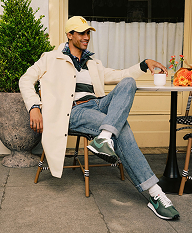
Light wash jeans create a laid-back look that feels natural on off-duty days. With white sneakers and simple tees, you can build an easy weekend outfit quickly.
Black jeans men often choose work well when a sharper color story fits your wardrobe. You can pair black or grey denim with monochrome layers, boots, or clean sneakers.
Using men’s jeans for real-life routines
Use fit, stretch, and wash together when you narrow options for specific plans. As you compare pairs, you should think about where your denim goes and which shoes finish the outfit.
If your week mixes office days and evenings out, straight or slim fits in dark wash make sense. You can keep the look versatile while staying comfortable through changing plans.
If your routine includes driving, commuting, or frequent movement, stretch denim can feel easier all day. You can pair athletic fit jeans with sneakers or boots for a practical setup.
If classic casual outfits define your wardrobe, rigid or cotton denim in medium wash fits naturally. You can wear those pairs with tees, flannels, and work shirts through the week.
If boots stay in regular rotation, bootcut or straight styles deserve a closer look. You can get a cleaner line over the shaft without crowding the hem.
When your closet leans modern, slim or skinny shapes in black or grey feel current. You can build sharp outfits with bomber jackets, knit tops, and minimal shoes.
When you compare silhouette, stretch, rise, inseam, and wash together, your choice feels more precise. Your next pair of men’s jeans can fit your routine naturally and make everyday dressing simpler.