











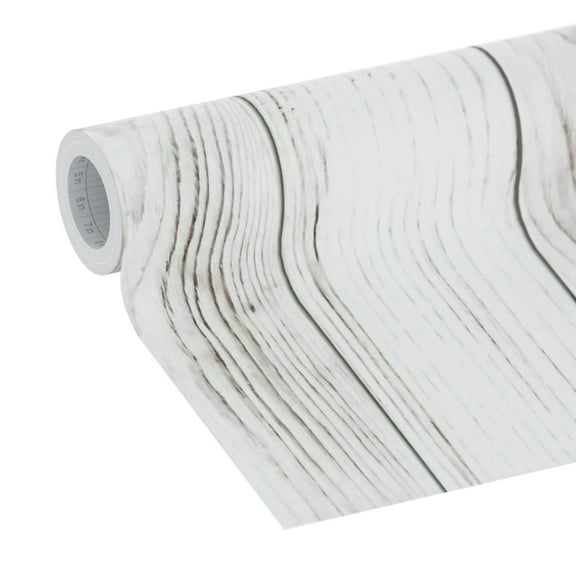
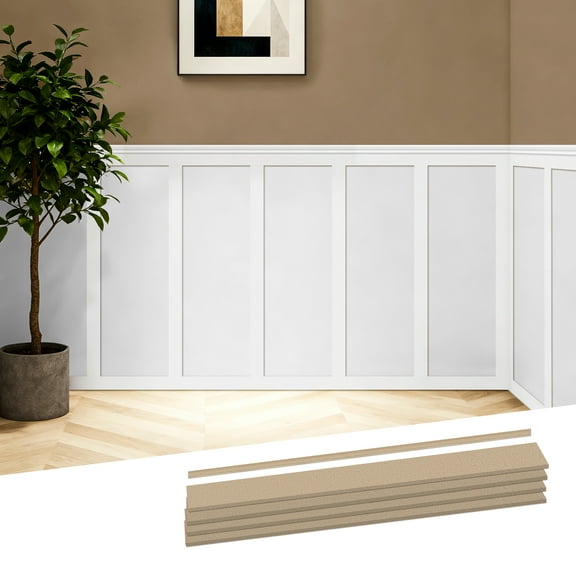




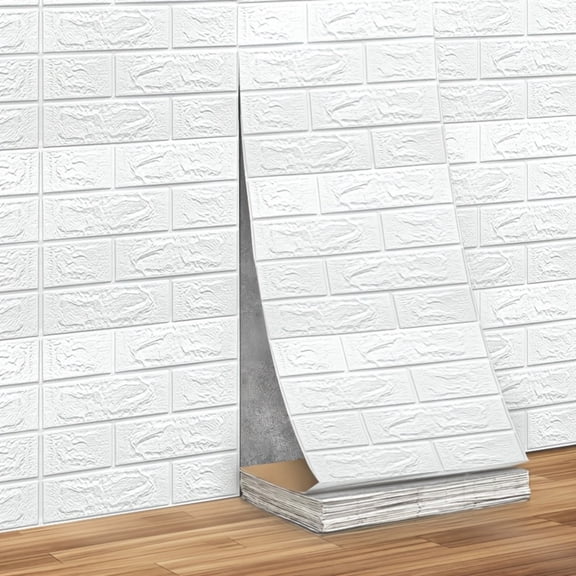






![White Distressed Wood Plank Wallpaper, Rustic Farmhouse Vintage peel and stick wallpaper, waterproof, Wall Decoration for Bedroom, Living Room, Kitchen Cabinet, Drawer, Dorm Room [17.7 * 118 in]](https://i5.walmartimages.com/seo/White-Distressed-Wood-Plank-Wallpaper-Rustic-Farmhouse-Vintage-peel-stick-wallpaper-waterproof-Wall-Decoration-Bedroom-Living-Room-Kitchen-Cabinet-Dr_b5536eef-2b1a-4f69-856b-121cf0e65231.eca271ea01c85a75dabe2f69d3d2bb89.jpeg?odnHeight=576&odnWidth=576&odnBg=FFFFFF)
![Beige, variant on White Distressed Wood Plank Wallpaper, Rustic Farmhouse Vintage peel and stick wallpaper, waterproof, Wall Decoration for Bedroom, Living Room, Kitchen Cabinet, Drawer, Dorm Room [17.7 * 118 in]](https://i5.walmartimages.com/asr/8b2ce771-3ffc-49ad-97de-2850cf1b088a.e232d3deae554e3d53ddf7648687efa5.jpeg?odnHeight=30&odnWidth=30&odnBg=FFFFFF)
![Black, variant on White Distressed Wood Plank Wallpaper, Rustic Farmhouse Vintage peel and stick wallpaper, waterproof, Wall Decoration for Bedroom, Living Room, Kitchen Cabinet, Drawer, Dorm Room [17.7 * 118 in]](https://i5.walmartimages.com/asr/3a7b1c7e-0490-481b-85b6-ca27271b201f.62d153b462d0acec74cb434b1111441d.jpeg?odnHeight=30&odnWidth=30&odnBg=FFFFFF)
![Blue, variant on White Distressed Wood Plank Wallpaper, Rustic Farmhouse Vintage peel and stick wallpaper, waterproof, Wall Decoration for Bedroom, Living Room, Kitchen Cabinet, Drawer, Dorm Room [17.7 * 118 in]](https://i5.walmartimages.com/asr/a75753a9-993c-41c0-97de-47839cda6b18.ab4b69899012c0549e2e8a6fadc14f20.jpeg?odnHeight=30&odnWidth=30&odnBg=FFFFFF)
![Bronze, variant on White Distressed Wood Plank Wallpaper, Rustic Farmhouse Vintage peel and stick wallpaper, waterproof, Wall Decoration for Bedroom, Living Room, Kitchen Cabinet, Drawer, Dorm Room [17.7 * 118 in]](https://i5.walmartimages.com/asr/f10df856-d02d-4b28-a9c9-d394f178bd28.1f8b286ddb081edb4bb9424e6b455c4c.jpeg?odnHeight=30&odnWidth=30&odnBg=FFFFFF)


About Wallpaper in Wallpaper, Wall Decals & Wall Coverings - Walmart.com
Wallpaper by pattern helps you shape each room with a clear design direction. You can compare floral, geometric, damask, stripe, and textured looks in one place.
When you shop this category, you can narrow your choices by application type, room use, and color palette. You’ll get a more focused path to walls that fit your space.
How to choose wallpaper by pattern
You should start with the visual effect you want on your walls. Your pattern choice can make a room feel softer, taller, calmer, or more structured.
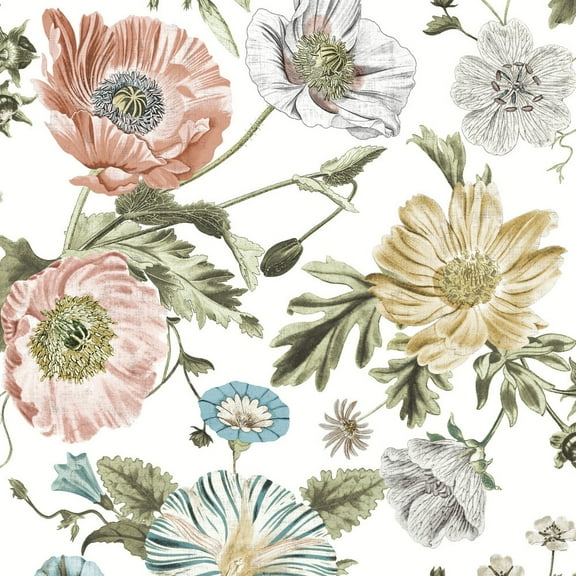
If you want a classic look, you may choose a floral wallpaper pattern or damask print. If you want a modern finish, you may compare geometric wallpaper and clean stripe layouts.
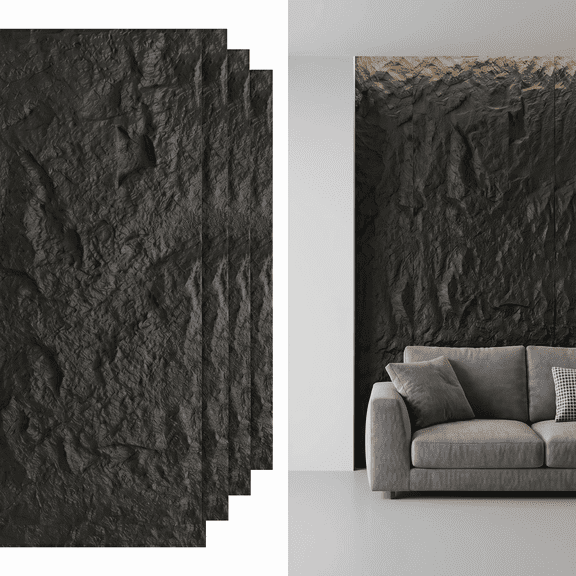
You can also use textured wallpaper when you want added depth without a busy print. Your walls can look layered and dimensional, even with a neutral color palette.
- You can use floral prints to soften bedrooms, dining areas, and reading nooks.
- You can use geometric wallpaper to add crisp lines in offices, entryways, and contemporary living rooms.
- You can use stripes to guide the eye upward or lengthwise, depending on your wall layout.
- You can use damask patterns when your space calls for traditional detail and formal symmetry.
- You can use textured wallpaper when you want subtle interest that works across many room styles.
Choosing a peel and stick wallpaper pattern
You should compare application types before you choose a print. Your install method affects setup time, removal, and how easily you can refresh a room later.
If you want a simpler update, you may look at a peel and stick wallpaper pattern. You can position it, smooth it, and remove it with less commitment than pasted options.
If you prefer a traditional wallcovering feel, you can compare prepasted and non-pasted rolls. Your choice may depend on how permanent you want the finished look to be.
You should also check pattern repeat and match type before you order. Your roll may use straight match, drop match, or random match, and each one affects alignment.
With a straight match, you’ll line up the design at the same point on each strip. With a drop match, you’ll offset the design so the pattern continues correctly.
With a random match, you can place strips with less alignment work. Your installation may feel easier when the pattern does not need exact vertical matching.
What to look for in materials and coverage
You should check the wallcovering material for the room you’re updating. Your choice can affect surface feel, moisture handling, and daily upkeep.
If you’re decorating a bathroom or kitchen, you may look for vinyl-coated options. You’ll usually get a surface that’s easier to wipe in damp areas.
If you’re styling a drier room, you may consider paper-based designs for decorative variety. Your bedroom or living room may give you more flexibility with finish choices.
You should also compare single roll and double roll coverage before you buy. Your project planning gets easier when you know how much wall area each option covers.
You can measure your wall height and width, then compare that number with the roll label. Your pattern repeat also matters, because larger repeats can require extra material.
If your room has windows, doors, or built-ins, you should account for those interruptions carefully. Your final estimate should include enough paper for matching and trimming.
Matching room suitability and color palette
You should match your wallpaper style to how each room feels and functions. Your bedroom may call for softer movement, while your hallway may suit stronger lines.
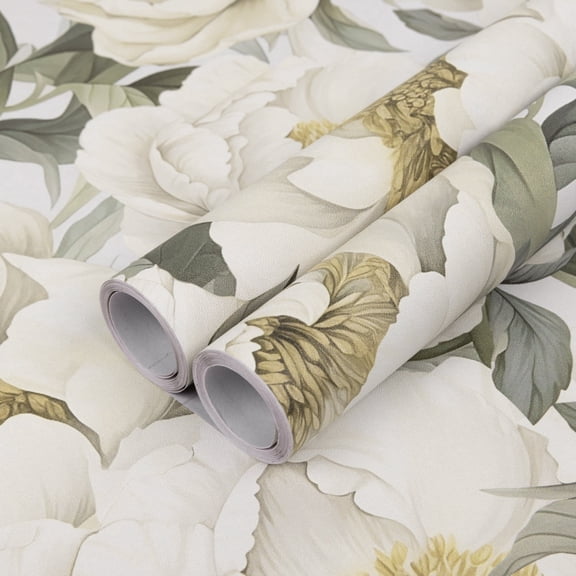
For a bedroom, you may choose a floral wallpaper pattern in blue, green, or neutral tones. Your space can feel relaxed without looking plain.
For a living room, you may compare damask, textured wallpaper, or geometric wallpaper in metallic or multi-color finishes. Your walls can become a focal point without adding extra decor.
For kitchens and bathrooms, you should consider practical surfaces and controlled pattern scale. Your smaller walls may look cleaner with stripes, small geometrics, or subtle textures.
You can use neutral colors when you want a flexible backdrop for changing furniture and accents. You can use metallic details when you want light to bounce across the wall surface.
If you want a nature-inspired look, you may choose green florals or leafy multi-color prints. Your room can feel fresh and layered without relying on large artwork.
Using wallpaper patterns in real spaces
You can use wallpaper by pattern to solve specific design goals in your home. Your choice of repeat, color, and texture can support both small rooms and open areas.
In an entryway, you may use geometric wallpaper to create a crisp first impression. Your narrow wall can look more defined with repeating shapes and balanced spacing.
In a powder room, you may choose a peel and stick wallpaper pattern for a faster update. Your project can feel manageable when you want a refreshed look with easier removal.
In a nursery or guest room, you may prefer a floral wallpaper pattern with soft colors. Your walls can add character without overwhelming bedding, curtains, or framed art.
Along a dining room wall, you can use damask or textured wallpaper for a layered backdrop. Your lighting may highlight raised details or subtle sheen during evening meals.
In a home office, you may select stripes or geometric prints to create visual order. Your workspace can feel intentional, especially when shelves and desks have simple lines.
You should finish with a pattern that fits your room size, wall condition, and installation comfort. Your final choice can bring color, structure, and a polished backdrop to everyday spaces.