

Soundproof Panels and Peel Stick Wallpaper

























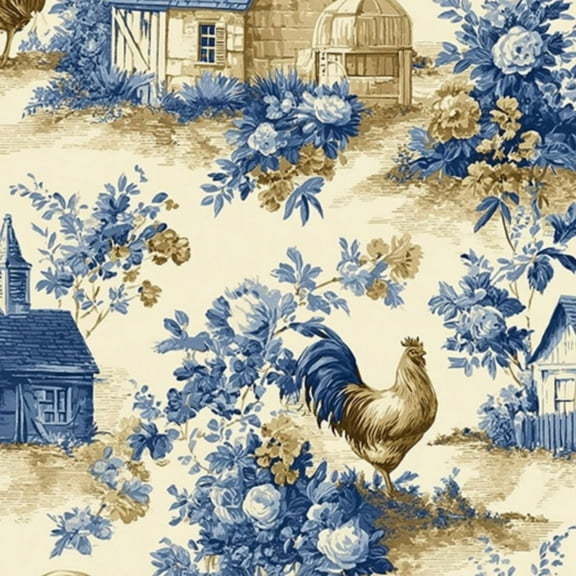









About Soundproof Panels and Peel Stick Wallpaper - Walmart.com
You can refresh your rooms with wallpaper and wall decals that fit your style, your walls, and your project size. You’ll find options for renters, busy households, and room makeovers that need quick visual impact.
When you compare wall coverings, you’ll want to think about application type, material, pattern, and room use before you choose. You can narrow your options faster when you know how removability, coverage, and texture affect your finished look.
How to choose wallpaper and wall decals
You should start with the update you want to make and the surface you plan to cover. Your choice may range from a full accent wall to small decals that frame a crib, desk, bed, or entry table.
If you’re decorating a nursery, you may want soft prints and nursery wall decals that change as your child’s space evolves. If you’re styling a living room, you may prefer larger patterns, textured wallpaper, or murals that anchor the whole wall.
Choosing the right application type
You’ll see peel and stick wallpaper, pre-pasted styles, non-pasted rolls, and self adhesive wallpaper across this category. You should compare how much prep time you want, how long you plan to keep the design, and how often you redecorate.
Peel and stick wallpaper works well when you want a simpler update with less setup. You can often position it section by section, which helps when you’re lining up stripes, geometric prints, or repeating florals.
Pre-pasted options can suit you if you want a traditional wallpaper feel with less separate adhesive handling. Non-pasted styles may appeal to you when you want more control over paste choice and final placement.
When removability matters, you should check whether the design is described as removable wall coverings or temporary wallpaper. You’ll want to review your wall finish and adhesive type so your project matches your space and your lease needs.
- You can use peel and stick styles for faster room refreshes.
- You can choose removable wall coverings when flexibility matters.
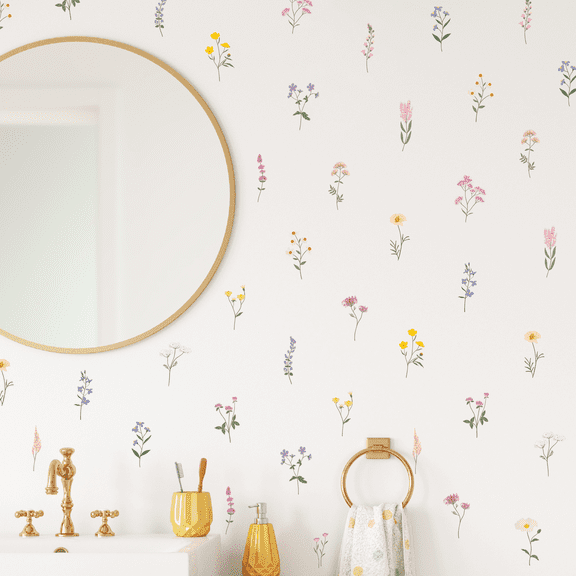
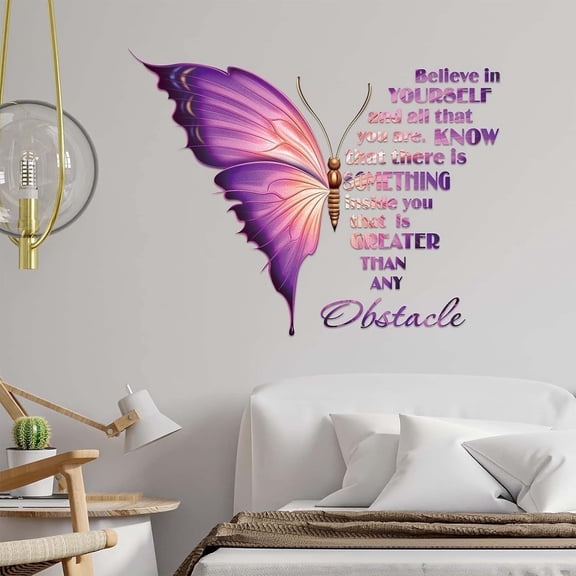
- You can use wall decals to add detail without covering the full wall.
- You can compare self adhesive wallpaper with pre-pasted and non-pasted options.
Comparing material, texture, and room conditions
You should match your material choice to the room’s moisture level, traffic, and cleaning routine. Your decision here affects how the surface looks, how it feels, and where it makes the most sense.
Vinyl styles can make sense when you’re decorating bathrooms, kitchens, or other splash-prone spaces. You’ll often notice they wipe clean more easily, which can help in busy family areas.
Paper options can give you a classic wallpaper look in bedrooms, dining rooms, or lower-moisture spaces. You may prefer them when your focus is print detail, softer texture, or a traditional wall finish.
Fabric-inspired and textured wallpaper can add depth that flat paint doesn’t provide. You can use those finishes to bring dimension to a reading nook, a feature wall, or a formal living area.
If pattern matters to you, you should also think about repeat alignment before you order. You’ll want to check whether the print has a straight or offset repeat so your seams line up cleanly.
Measuring roll coverage and planning pattern placement
You should measure your wall height and width before choosing any wallpaper and wall decals. You can multiply those numbers to estimate coverage, then compare that total with each roll’s listed coverage.
If your wall has windows, doors, or built-ins, you should still allow extra material for matching and trimming. You’ll usually want a little more coverage when your pattern has a large repeat or directional print.
For decals, you should map your layout with painter’s tape or paper guides before you apply anything. You can check spacing around furniture, cribs, headboards, or shelves and avoid a crowded final look.
When you’re covering a bedroom wall, you may center a bold motif behind your bed for balance. When you’re styling a hallway or nursery, you may spread smaller decals more loosely for a lighter effect.
Matching design style to each room
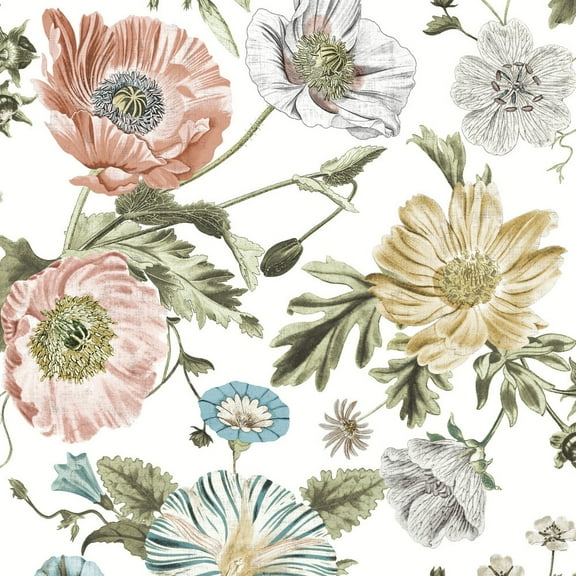
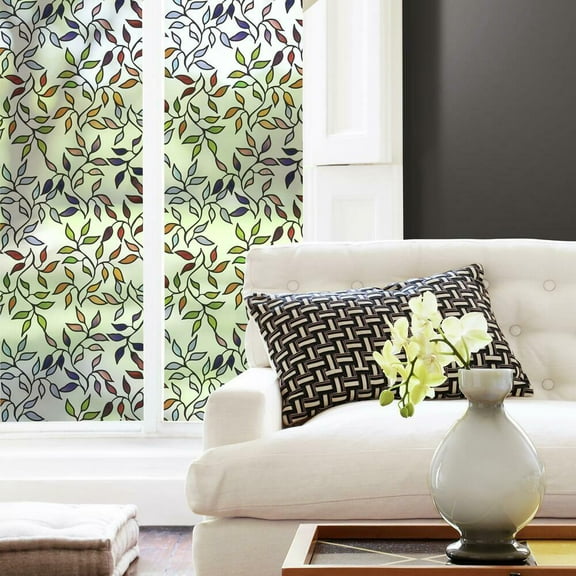
You can use floral wallpaper to soften bedrooms, nurseries, and sitting areas with a layered look. You may prefer geometric or modern prints when you want cleaner lines around desks, media consoles, and entry spaces.
Vintage-inspired patterns can bring character to powder rooms, breakfast nooks, or reading corners. You can use modern wall decals for bedroom walls when you want shape and contrast without committing to full coverage.
If you’re updating a nursery, you may choose stars, animals, clouds, or soft botanicals that work above a crib or changing table. If you’re refreshing a bathroom, you may focus on moisture-friendly materials and smaller prints that suit tighter walls.
You can also combine full-wall designs with smaller accents for a layered result. Your space may benefit from a mural on one wall and simple coordinating decals on another.
Peel and stick wallpaper for easy updates
You may want peel and stick wallpaper when you like to switch styles with the seasons or after a move. You can use it for an accent wall, bookcase backing, office corner, or apartment dining area.
If you’re testing a bold pattern, removable styles can help you try color and scale in a lower-commitment way. You’ll also find that wall decals can personalize playrooms, bedrooms, and study spaces with less measuring.
Wallpaper and wall decals give you flexible ways to shape each room around your routine, your layout, and your taste. You can create a finished look that feels intentional, measured, and easy to live with every day.