




wheelchairs


































About wheelchairs - Walmart.com
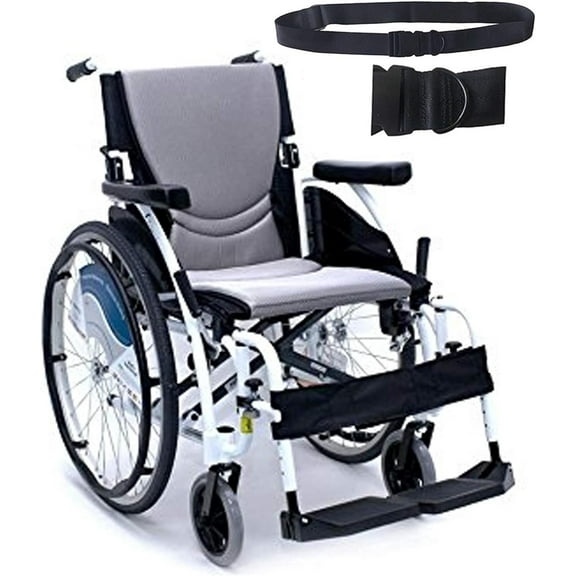
Wheelchairs help you move through daily routines with more control and comfort. You can compare frame type, propulsion, seat width, and armrest style to match your space and travel needs.
You may need a chair for appointments, home use, or longer outings. You’ll find options like lightweight wheelchairs, folding wheelchairs, transport wheelchairs, and electric wheelchairs for different routines.
Choosing wheelchairs by frame type
When you compare frame type, you should start with how you travel and store your chair. You may prefer folding frames when your trunk space is limited and your setup changes often.
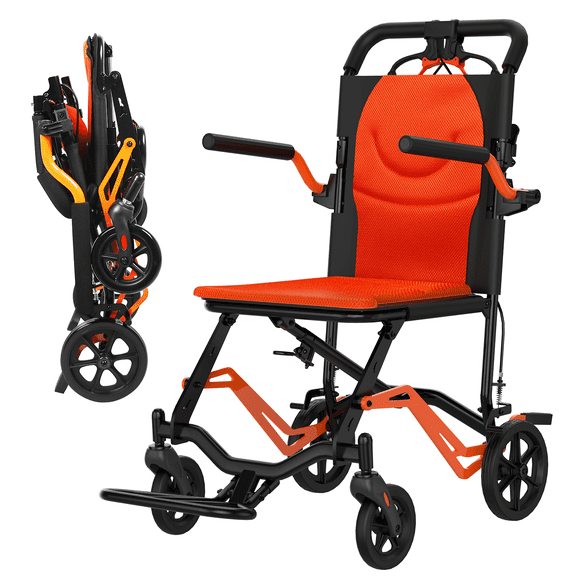
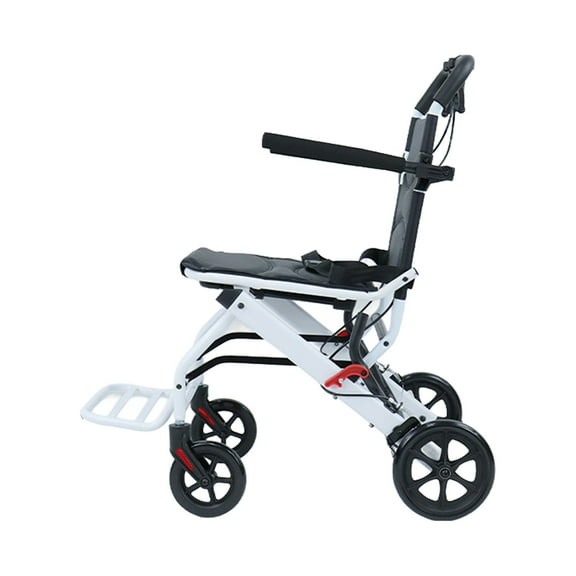
If you move your chair in and out of a vehicle, you should check frame weight carefully. You’ll notice lightweight frames are easier to lift, especially when aluminum alloy construction keeps the chair easier to manage.
You may also compare rigid and heavy duty designs for daily wear and body support. You’ll often want heavy duty frames when you need higher weight capacity and a sturdier feel.
- You can choose folding frames when you need simpler storage in closets, trunks, or tight entryways.
- You may prefer lightweight wheelchairs when you lift your chair often during errands, travel, or appointments.
- You can consider heavy duty options when you need bariatric wheelchairs with wider seats and higher capacities.
- You may check rigid styles when you want fewer moving parts and a more fixed setup.
How to choose manual, transport, and electric wheelchairs
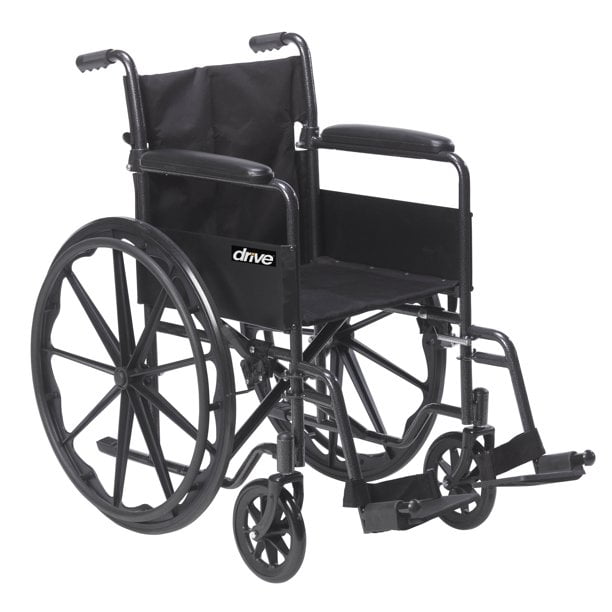
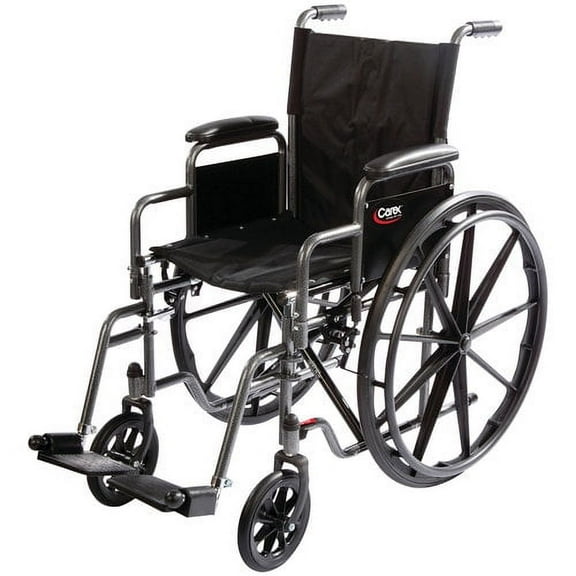
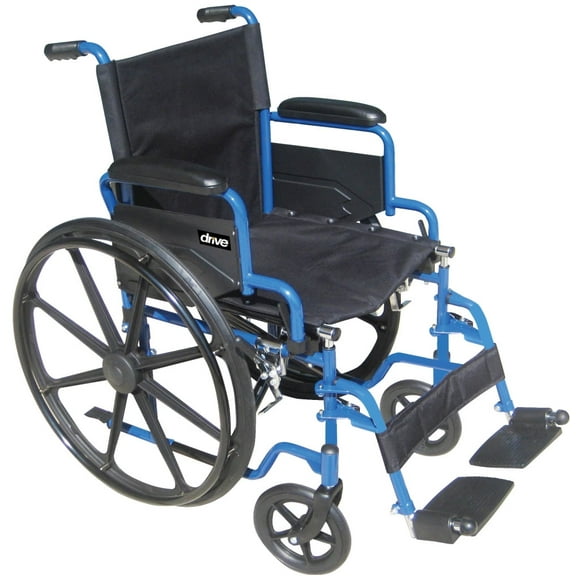
You should decide whether you want self-propelled movement or caregiver-assisted transport. You’ll usually see manual wheelchairs with large rear wheels that let you push yourself.
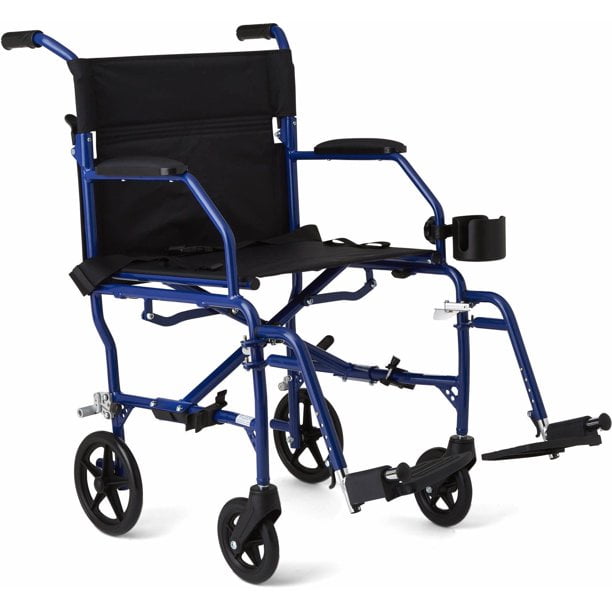
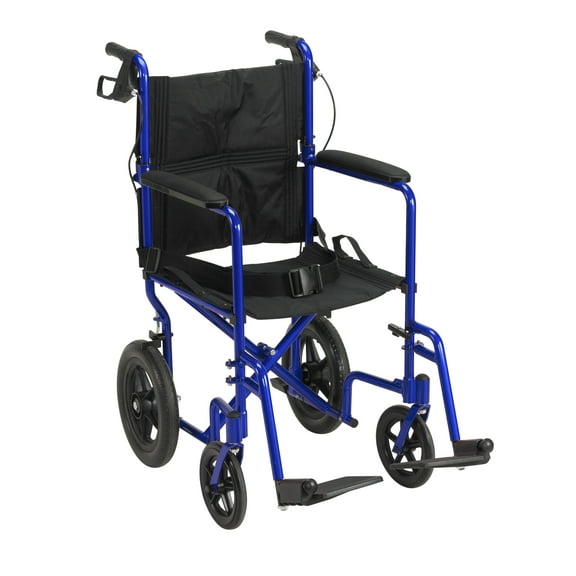
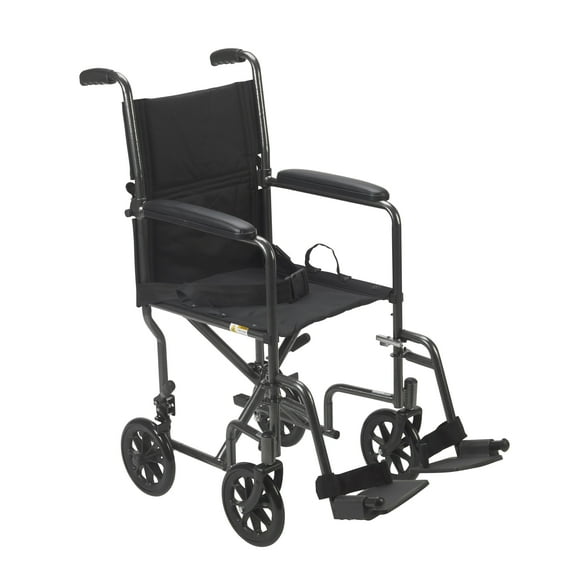
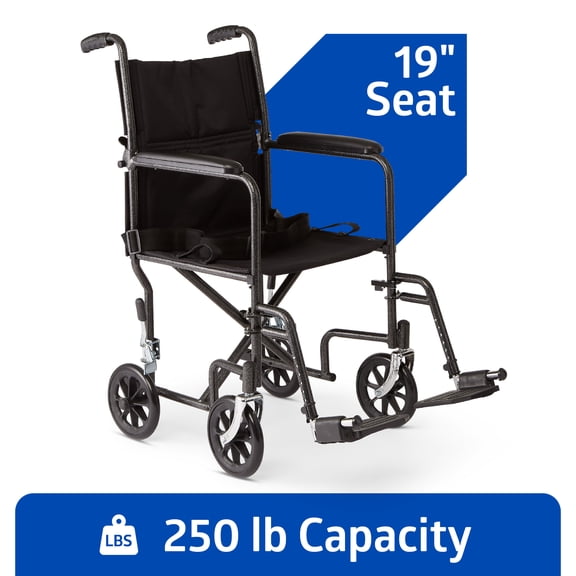
If someone often assists you, you may prefer transport wheelchairs with smaller rear wheels. You’ll often find they take up less room and feel easier to load for short trips.
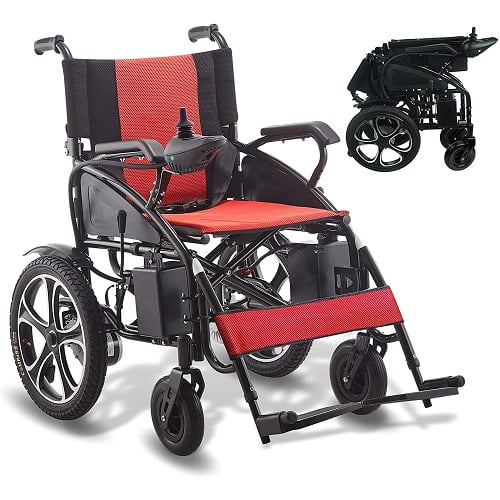
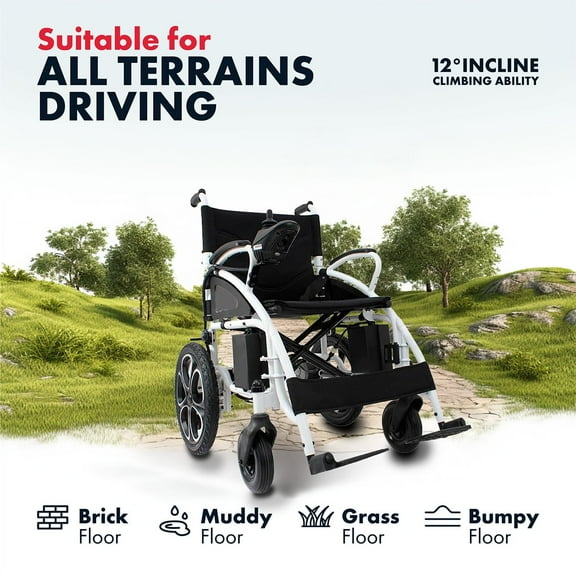
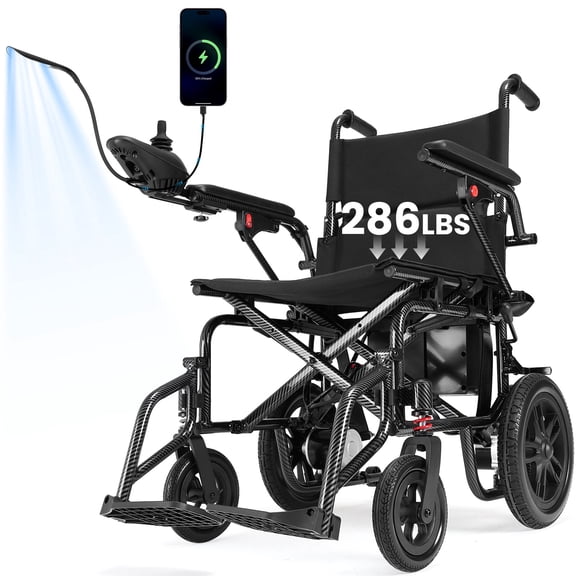
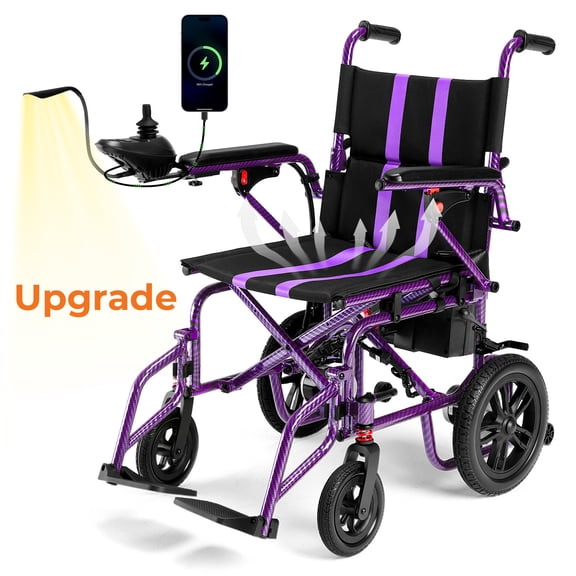
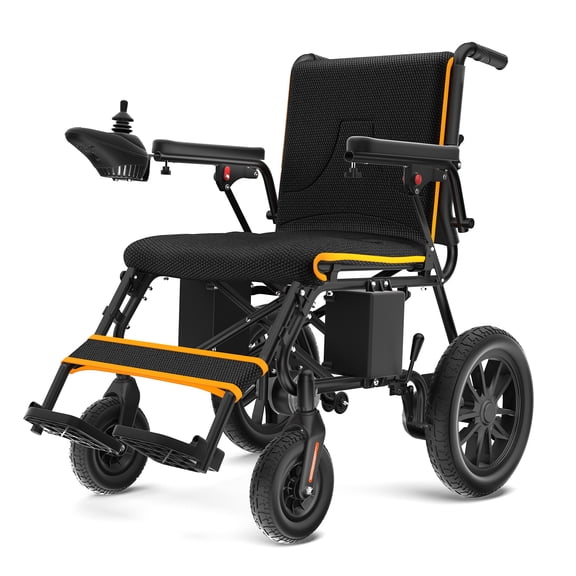
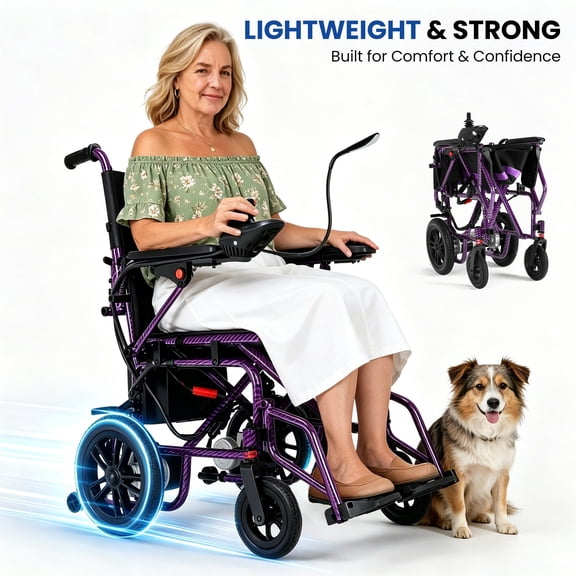
You can also compare electric wheelchairs and power chairs when you want joystick-controlled movement. You should check turning needs, charging routines, and the indoor space you use most.
For sidewalks, gravel, or grass, you should look at tire material and caster size. You’ll notice larger casters and pneumatic tires can feel smoother over uneven ground, while solid polyurethane tires need less upkeep.
Choosing the right seat width and weight capacity
You should measure your hips and add about two inches to estimate seat width. You’ll often see common widths like 16 inch, 18 inch, and 20 inch, plus narrow and wide options.
If your chair feels too tight, you may notice harder transfers and less comfort. If your chair feels too wide, you may find posture and arm reach less natural.
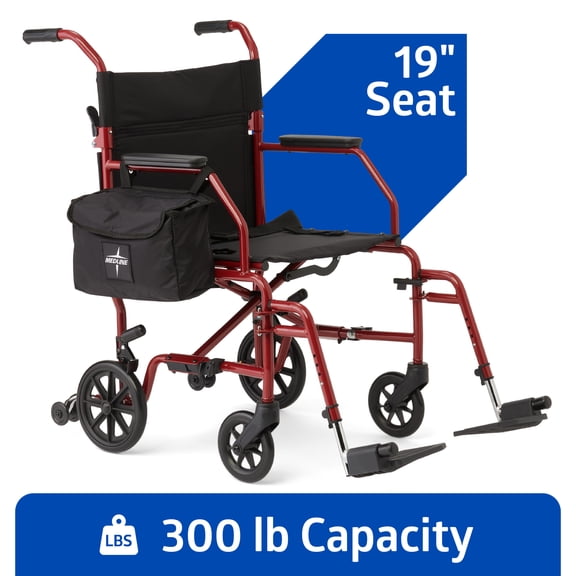
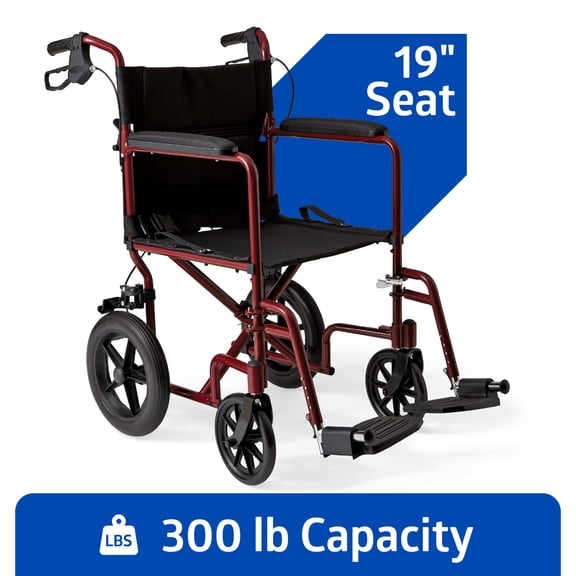
You should also match weight capacity to your everyday use. You’ll find standard chairs often support up to 250 pounds, while bariatric wheelchairs commonly support 300 to 500 pounds.
When you compare wide seat wheelchairs, you should also check overall chair width. You may need narrow wheelchairs for tighter doorways, hallways, or bathroom access inside older homes.
What to look for in armrests, comfort, and folding wheelchairs
You should compare armrest styles based on transfers, tables, and daily positioning. You’ll often see desk length armrests that slide under tables more easily during meals or work.
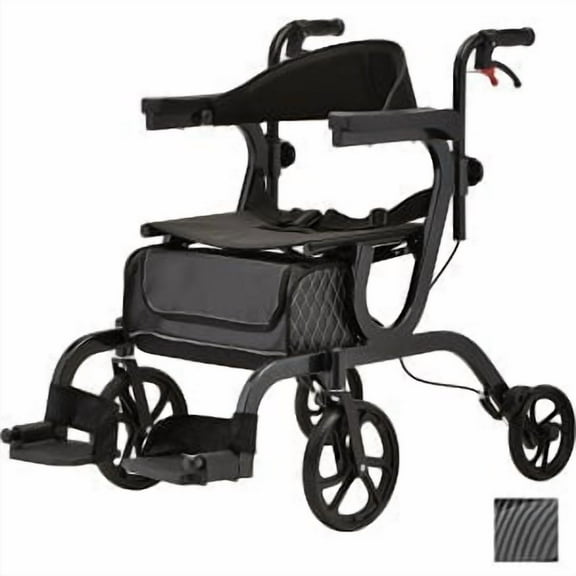
If you need easier side access, you may look for wheelchairs with removable armrests or flip-back arms. You’ll find those styles helpful when you transfer from a bed, chair, or vehicle seat.
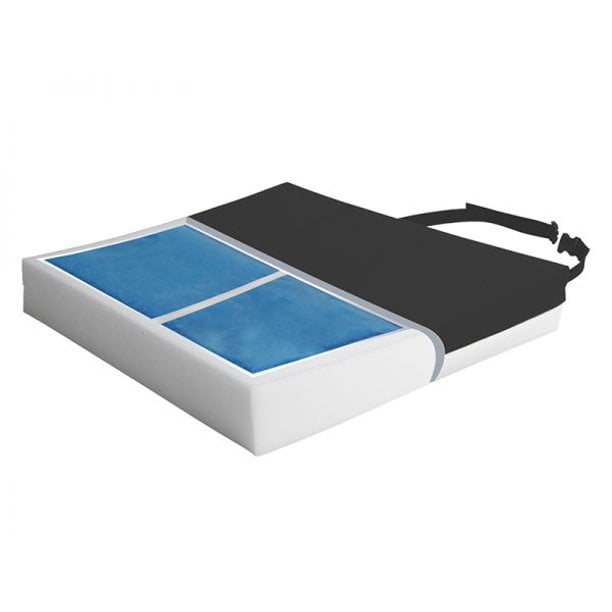
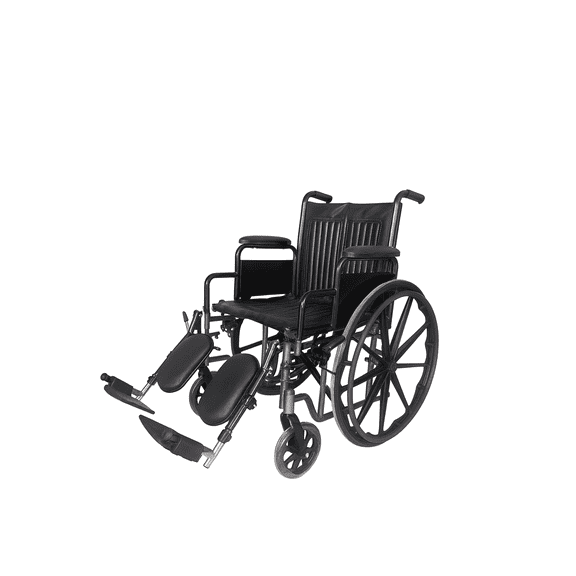
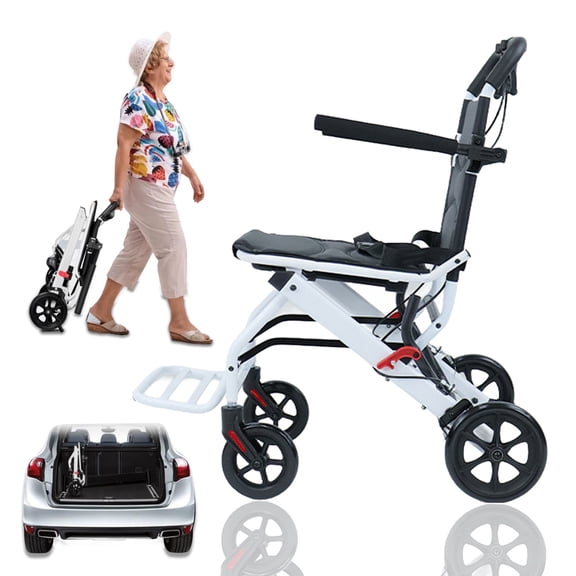
You should also check footrest style, seat padding, and back support during your comparison. You may want folding wheelchairs when you need compact storage after use and quicker loading between stops.
When trunk fit matters, you should review folded dimensions instead of open dimensions alone. You’ll make a clearer choice when you compare total chair weight with your lifting routine.
Matching wheelchairs to daily routines
If you travel often for appointments, you may want lightweight wheelchairs with folding frames. You’ll likely appreciate easier lifting, faster storage, and less bulk during repeated car transfers.
For short outings with a companion, you may prefer transport wheelchairs that move easily through stores and clinics. You’ll often get a smaller footprint that fits crowded aisles and waiting rooms.
If you spend longer hours seated, you should focus on seat width, arm support, and tire type. You may notice comfort changes quickly when your chair matches your body size and daily surfaces.
For home use, you should measure doorways, table height, and turning areas before choosing. You’ll want to compare narrow wheelchairs, removable armrests, and overall width for tighter layouts.
If you head outdoors often, you may compare caster size and tire construction more closely. You’ll usually want a setup that handles sidewalks, grass, and packed gravel with steadier movement.
When independence is your priority, you should compare large rear wheels with powered controls. You’ll narrow choices faster when you match propulsion style to your strength, support, and usual destinations.
You can shop more confidently when your chair matches your trunk space, body measurements, and daily route. You’ll feel the difference when the right wheelchair supports smoother transfers, easier transport, and steadier movement.