

V-Blocks in Calibration













About V-Blocks in Calibration - Walmart.com
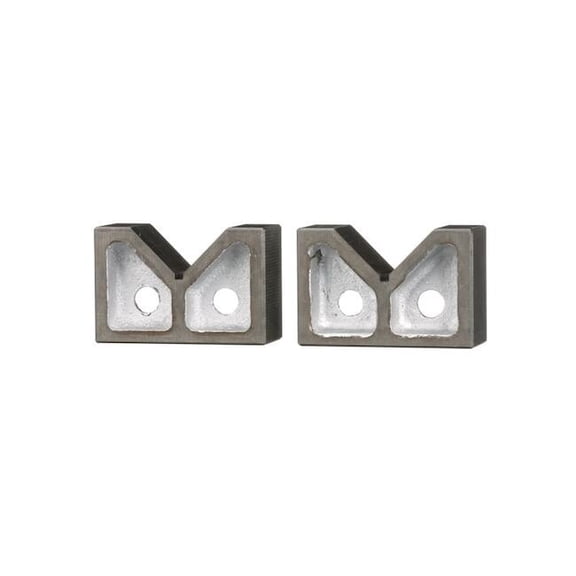
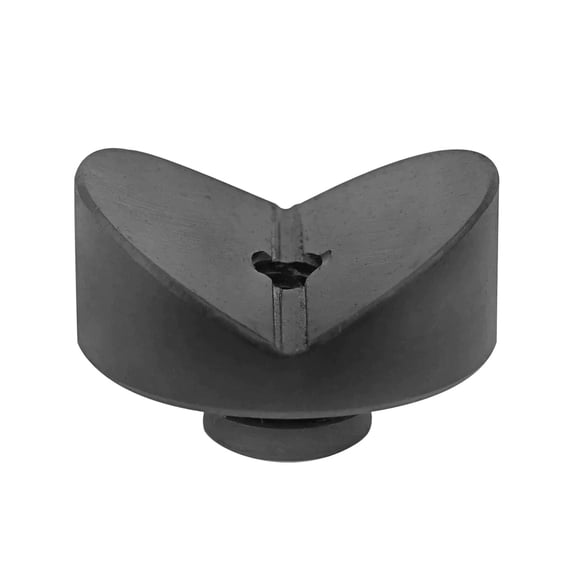
V blocks help you hold round workpieces steady for machining, layout, and inspection. You can compare precision options, magnetic holding styles, and clamp-ready setups that fit serious calibration work.
When you work with shafts, pins, or tubing, you need repeatable alignment and dependable contact points. You’ll find category guidance here that focuses on accuracy class, material choice, and workpiece compatibility.
Choosing the right v blocks
You should start with the type of holding method your job requires. You can choose magnetic, standard, or adjustable designs based on how often you reposition parts.
If you handle repeated inspection steps, magnetic v blocks can speed up placement on ferrous parts. If you need manual control, standard styles with clamps can give your setup a more fixed hold.
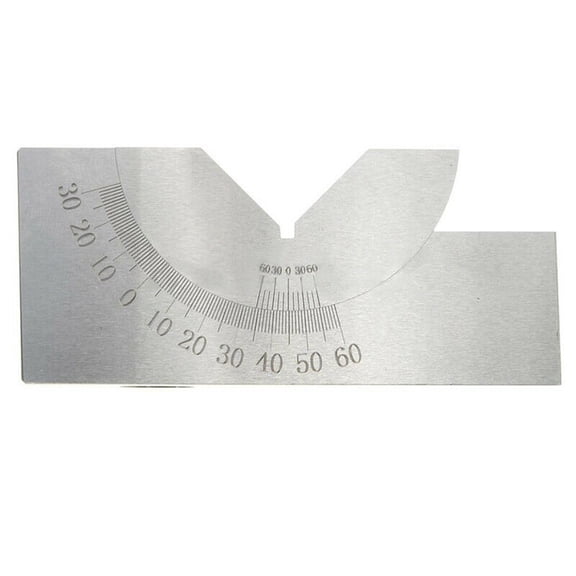
You may also compare adjustable options when your part sizes vary across jobs. You’ll gain flexibility for different diameters without changing your entire fixturing setup.
- You can hold cylindrical parts in a centered position for marking, drilling, or measuring.
- You can improve repeatability when your work calls for consistent part orientation.
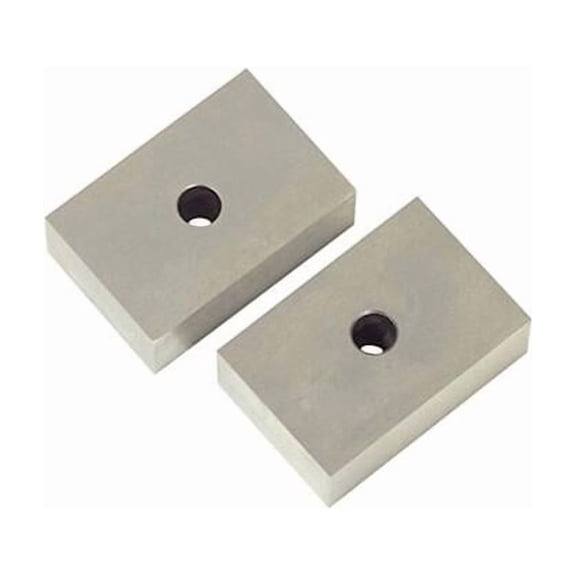
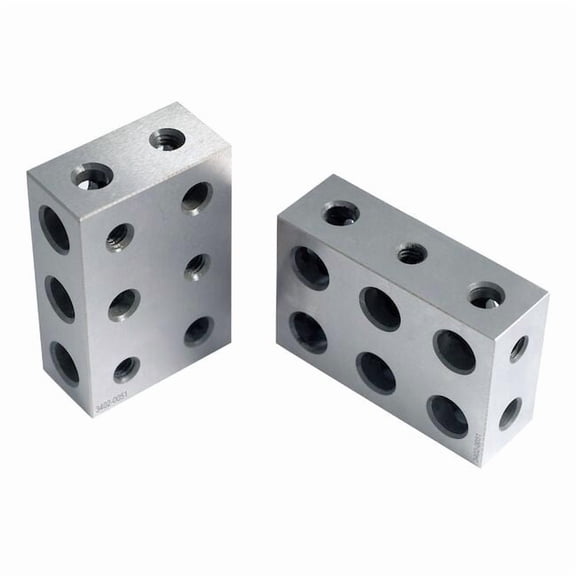
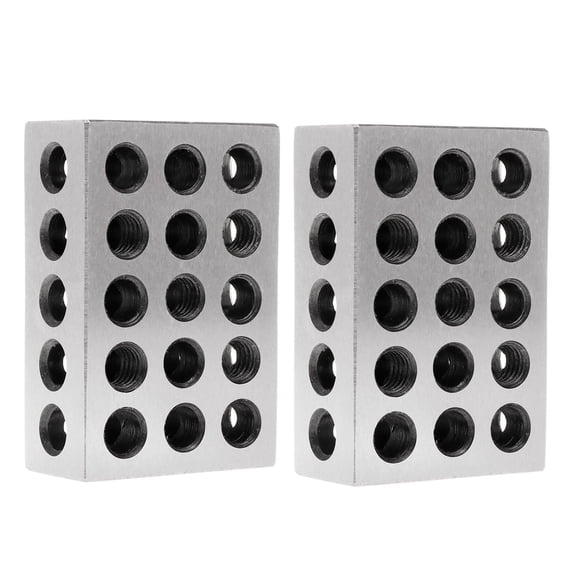
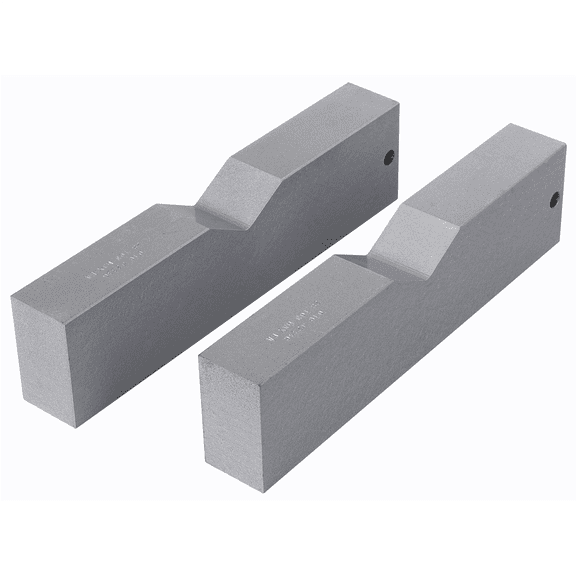
- You can choose matched pairs when your longer workpieces need support at both ends.
- You can select clamp-ready configurations when your setup needs extra mechanical security.
How to compare precision v blocks
You should match the accuracy class to the work you’re doing. You may choose workshop grade for general machining, precision grade for tighter alignment, or laboratory grade for exacting calibration tasks.
When you compare tolerances, you’re really deciding how exact the groove and faces need to be. You’ll want tighter precision when your indicators, height gauges, or inspection steps depend on repeatable positioning.
You can often use a single block for quick holding or a matched pair for longer parts. If your setup spans more length, you’ll usually want support at two points for steadier alignment.
You should also check the workpiece size range before you choose a block. You’ll want the V groove and overall dimensions to fit your shafts, rods, or round stock correctly.
Material choices and holding methods
You can compare hardened steel, cast iron, and granite based on your setup and surface needs. You’ll often choose hardened steel when you want durable contact surfaces for regular shop use.
If your workflow involves frequent machine-side setups, steel v blocks can suit repeated handling well. You may prefer cast iron when you want a traditional shop material for stable support.
You can consider granite when your inspection work calls for a nonmetal reference surface. You’ll often see it in metrology-focused setups where flatness and consistent support matter.
Magnetic holding force matters when you use ferrous parts and want faster placement. You should compare magnetic pull with mechanical clamping needs, especially when your part size or operation changes often.
If you need a more locked-in setup, clamping v blocks can add another level of restraint. You’ll appreciate that extra control when you’re checking dimensions, marking lines, or supporting drilling operations.
Magnetic v blocks vs standard setups
You should choose magnetic v blocks when your workflow depends on quick loading and unloading. You can position steel or iron parts faster when magnetic pull keeps the workpiece seated in the groove.
Standard machinist v blocks make sense when you want a straightforward fixture without magnetic components. You may also prefer them when you’re using clamps and want manual pressure you can adjust.
Adjustable versions can help when your shop handles several diameters in one shift. You’ll reduce setup changes and keep your fixtures useful across a wider range of cylindrical parts.
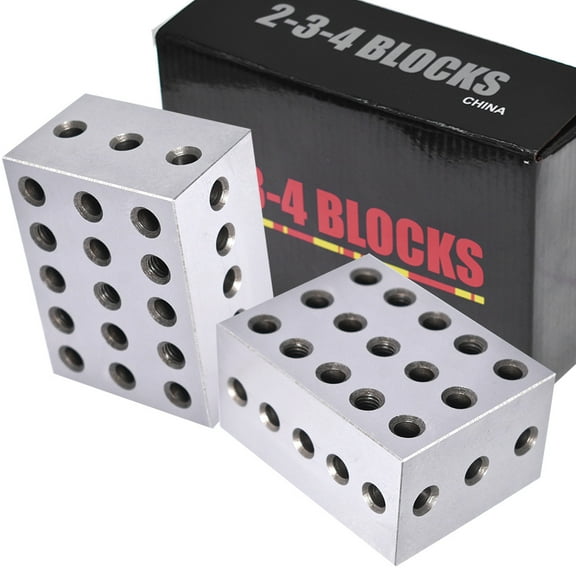
If you’re deciding between a single block and a v block set, consider your part length first. You’ll usually need matched support points for longer shafts, while shorter pieces may fit a single support.
Using machinist v blocks in real jobs
You can use machinist v blocks during layout work when you need steady lines on round stock. You’ll keep the part from rolling while you mark centers, check spacing, or prepare for machining.
During inspection, you can support a cylindrical part for dial indicator checks and height comparisons. You’ll benefit from a stable reference that helps keep your measuring routine consistent.
For drilling or light machining support, you can choose blocks with clamps for added hold. You should confirm the block size matches your workpiece diameter before you build the setup.
If your calibration bench handles repeated checks, precision v blocks can support more exact positioning. You’ll notice that a well-matched accuracy class helps your setup stay consistent from part to part.
You can also compare magnetic and standard options by material and workflow, not only by shape. You’ll make a clearer choice when you consider part metal type, handling speed, and alignment demands together.
When you select v blocks with the right type, material, accuracy class, and configuration, your setup becomes easier to repeat. You’ll get steadier support for cylindrical workpieces and more confident alignment across machining and inspection tasks.