



Potty Step Stools in Potty Training











































About Potty Step Stools in Potty Training - Walmart.com
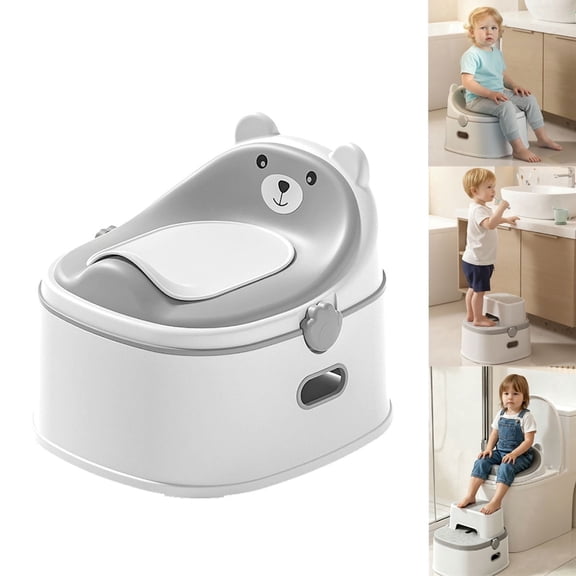
Toileting gets easier with the right potty step stool during early toilet training. This category focuses on toddler-friendly height and steady bathroom access.
These stools fit bathrooms with a compact footprint suited to toilets and sinks. A well-chosen stool helps your child reach the toilet or sink with less lifting from you.
Choosing a potty step stool for toileting
A potty step stool supports more than one bathroom task. It can work for toilet training, hand washing, and independent bathroom use as routines change.
The right design gives your child a stable place to step, turn, and stand. That matters during busy mornings and bedtime routines.
Look at benefits through the lens of daily use. A stool step for toilet routines should match your child’s height, confidence, and bathroom layout.
- Helps toddlers reach the toilet or sink with a height that suits early bathroom routines.
- Supports independent toileting with a consistent step placed in front of the toilet.
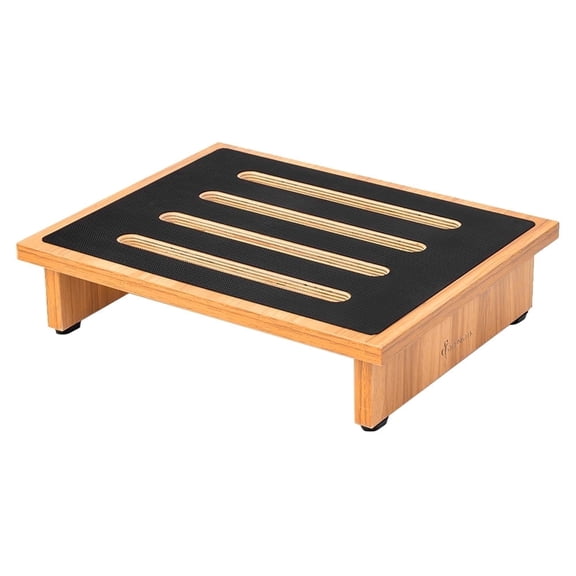
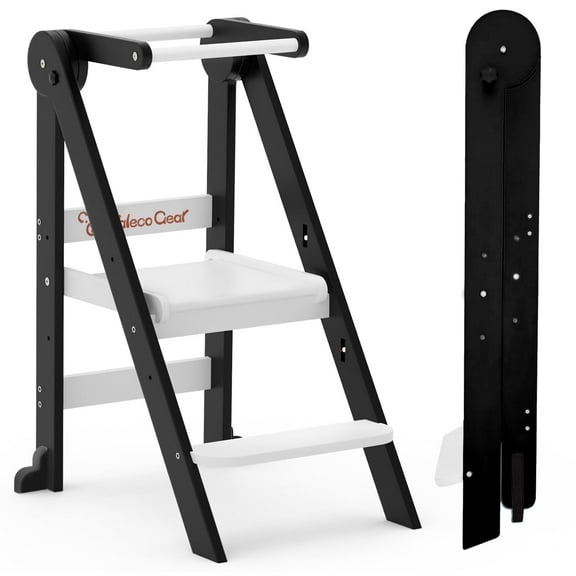
- Fits family bathrooms with compact, foldable, or lightweight designs that move when needed.
- Adds guidance for new users when handles, grip feet, and non-slip surfaces are included.
These benefits are specific to bathroom learning. A toilet potty stool is shaped for close toilet placement, not for closets, kitchens, or high shelves.
That focused design matters when space is tight and routines repeat every day. It also helps create a clear path between the toilet and sink.
How to choose a toilet step stool by age and design
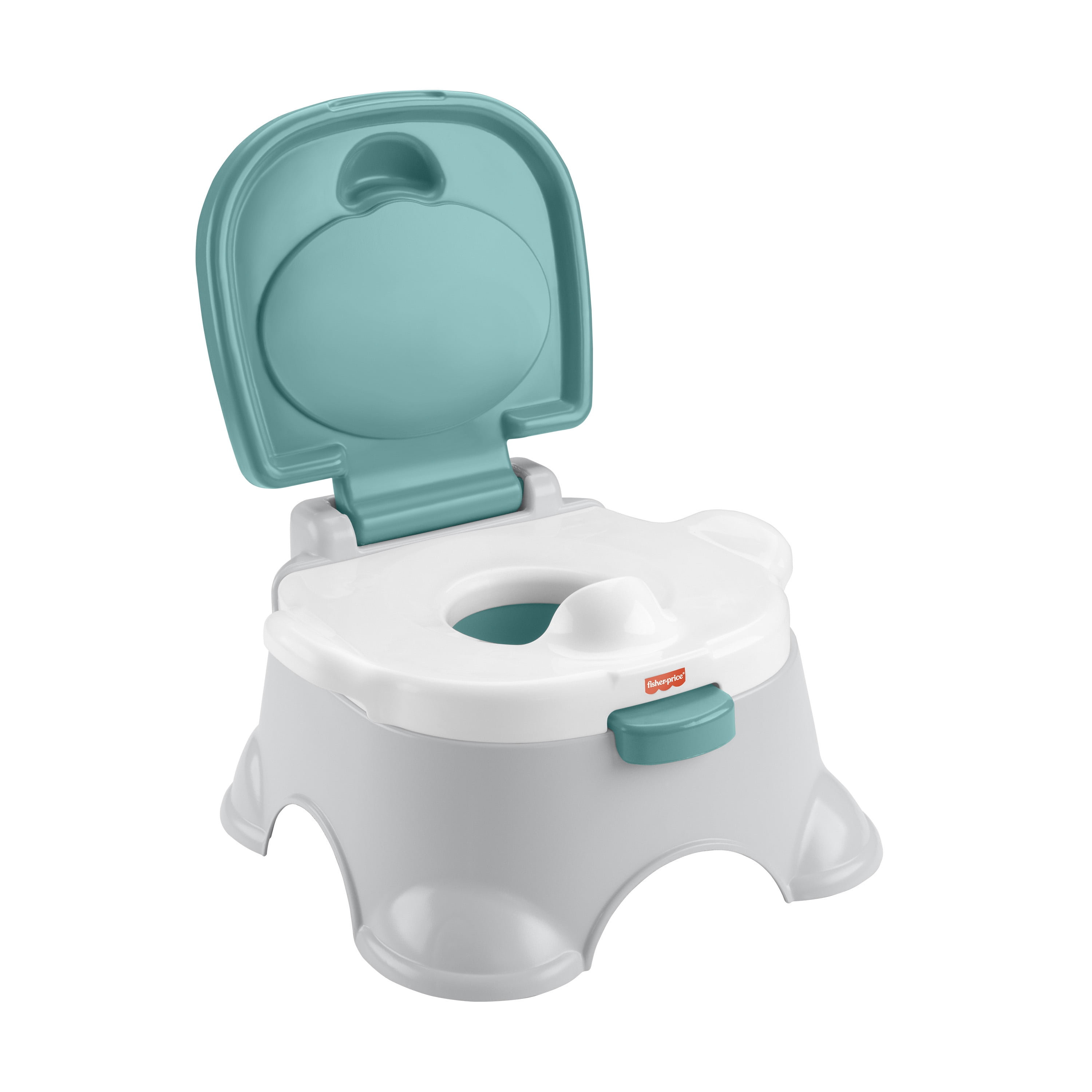
Start with user stage. A potty stool for toddler use often works well during early toilet training, when a lower rise feels easier to manage.
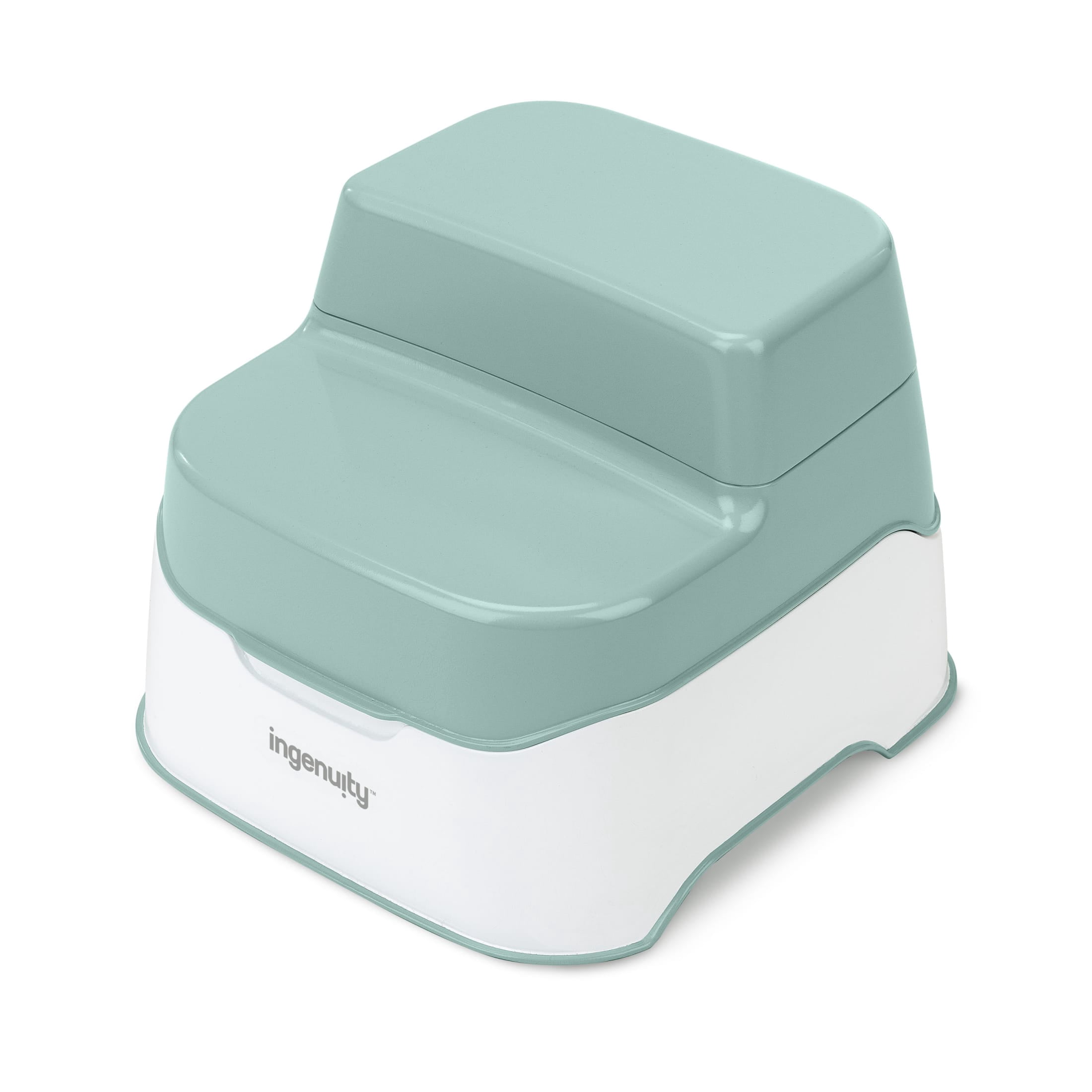
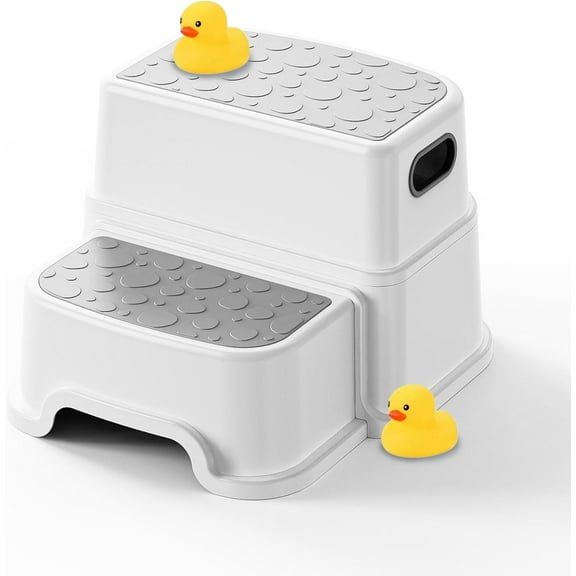
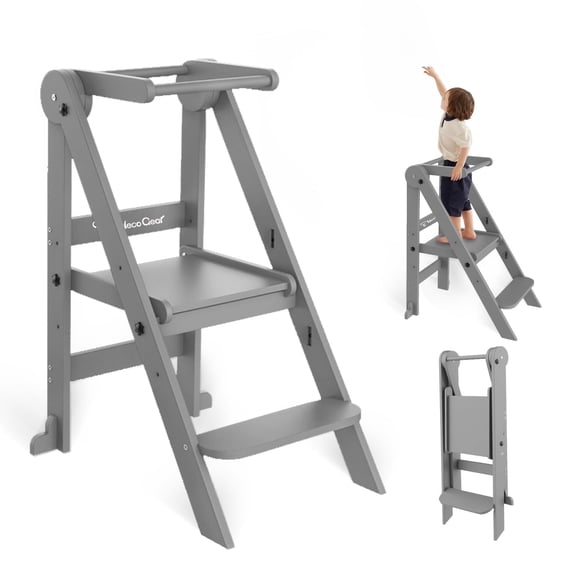
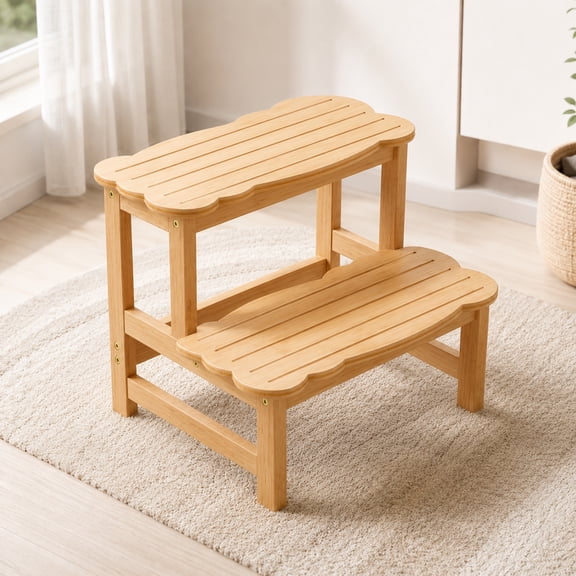
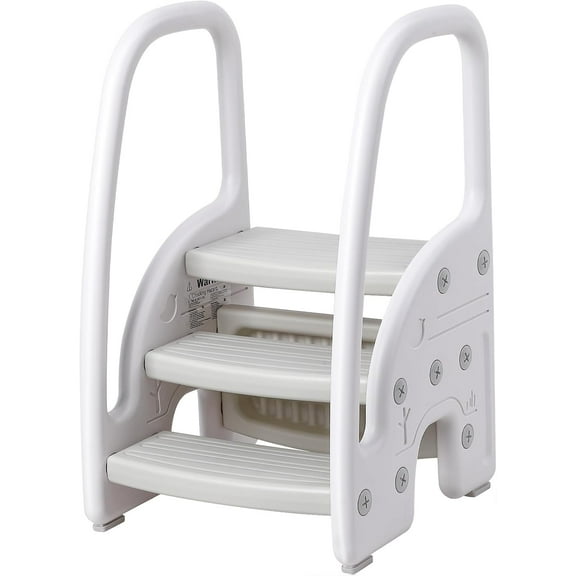
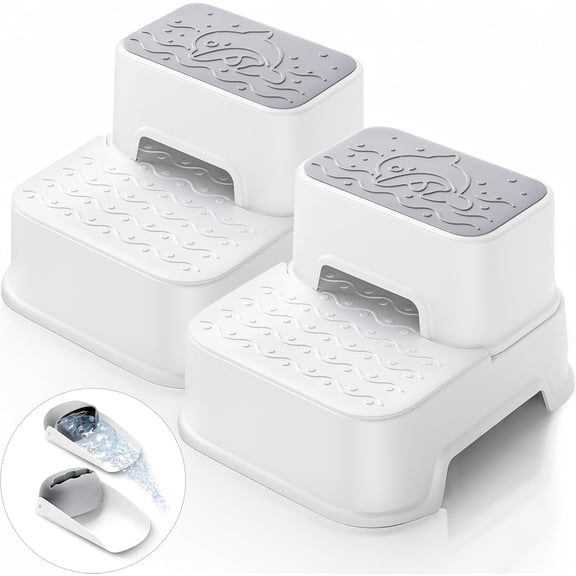
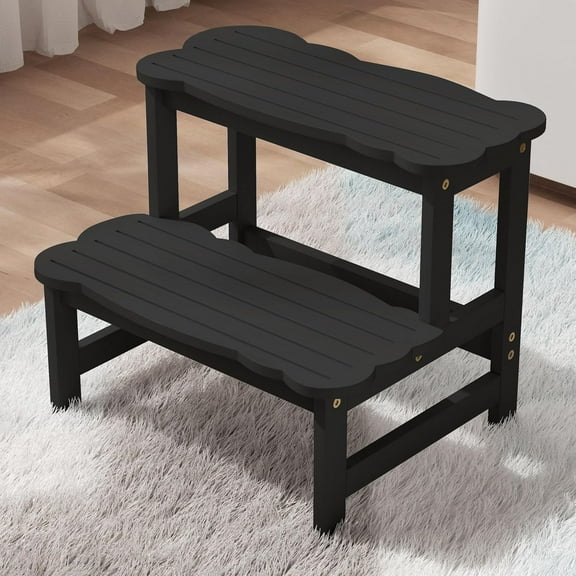
If your child has stronger balance, they may do well with a taller training stool or a double-step design. Check whether the step height lines up with the toilet or sink used most.
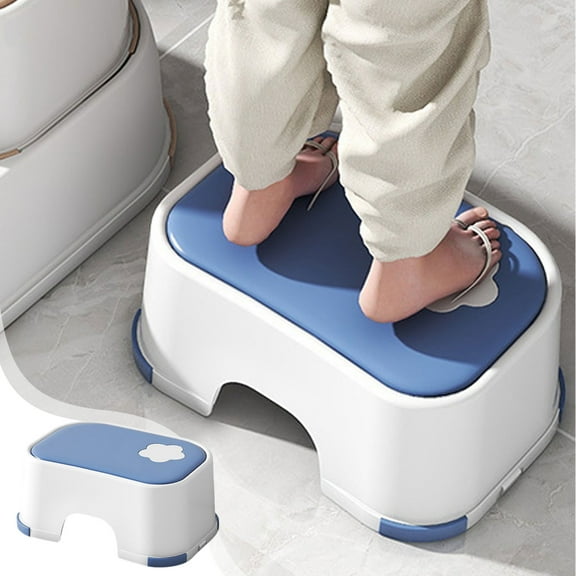
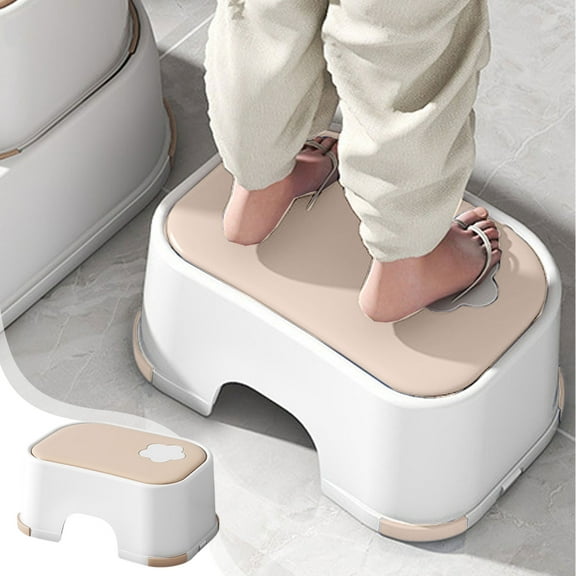
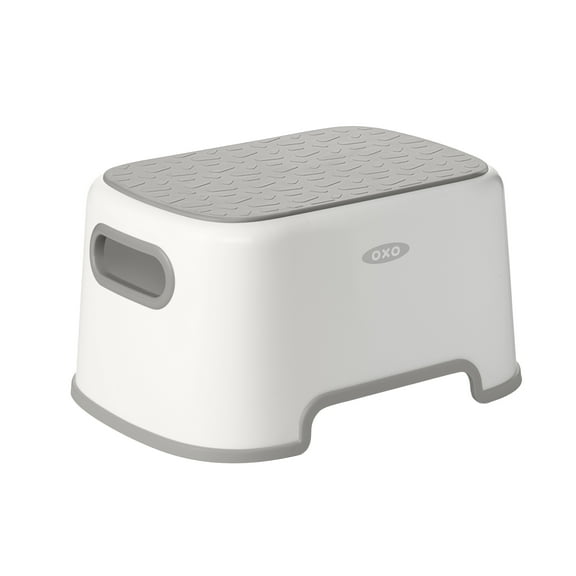
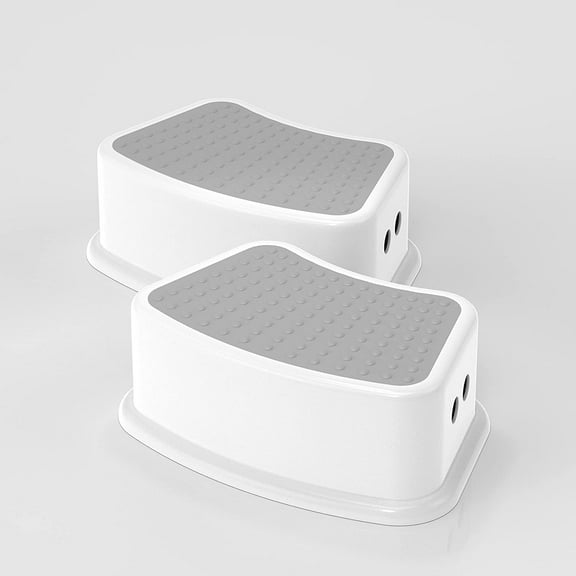
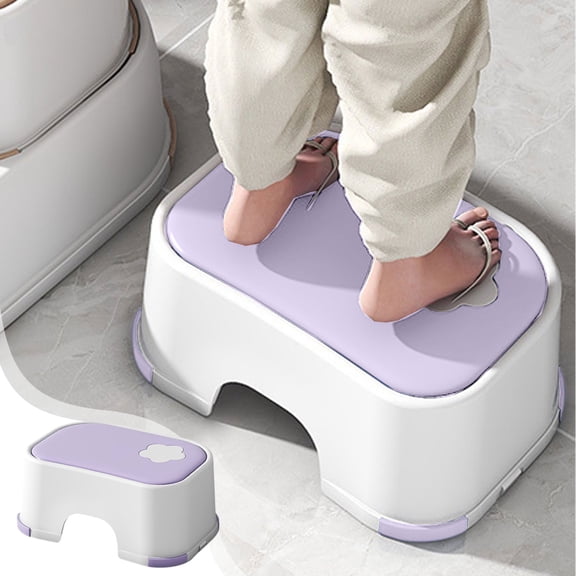
Next, compare design type. A single step keeps the footprint simple and works well in front of standard toilets.
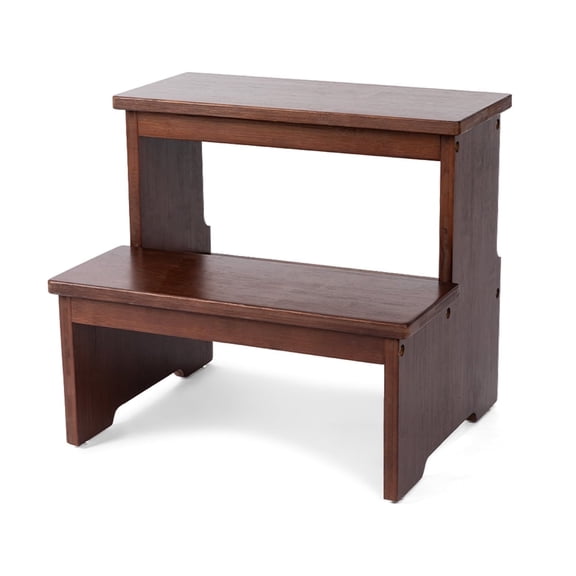
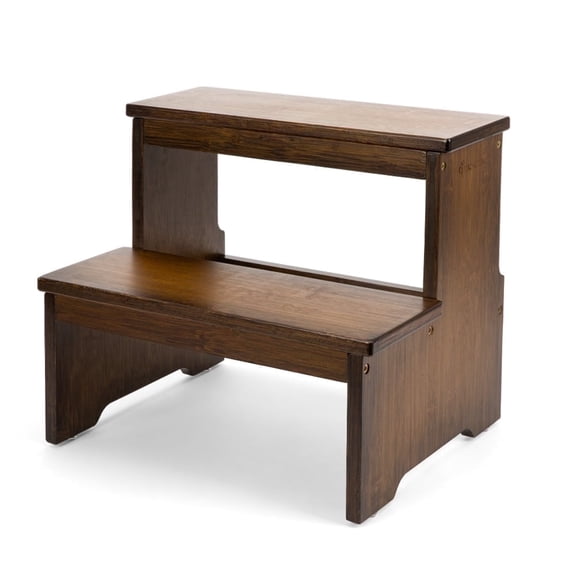
A double step can help with taller fixtures or shared sink access. A toddler step stool for toilet use should let feet land fully on the platform.
That gives a steadier stance during everyday routines. It also helps when your child turns, sits, and steps back down.
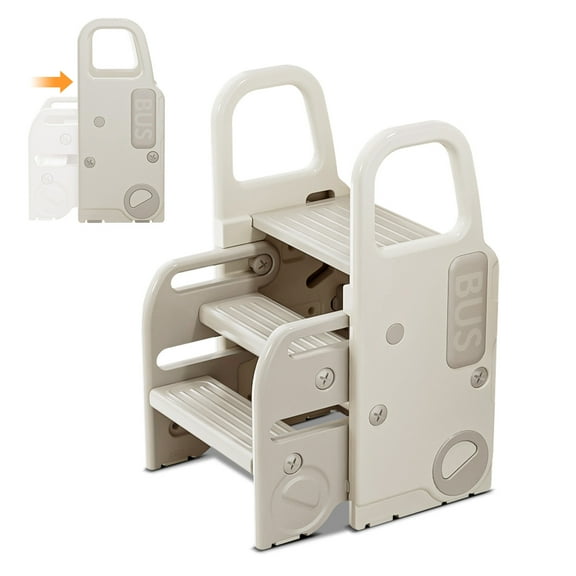
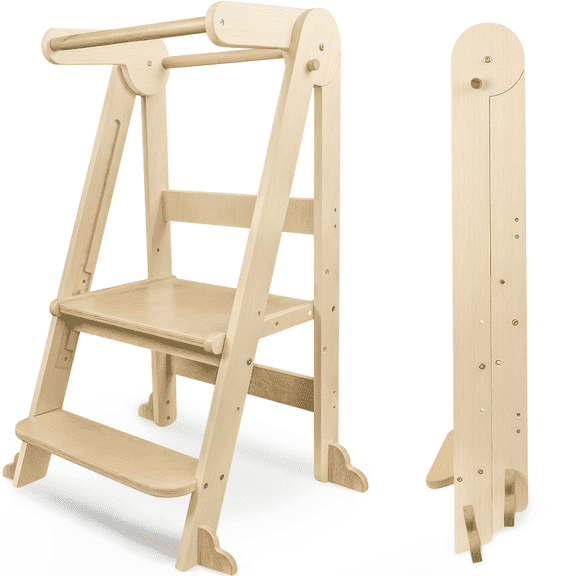
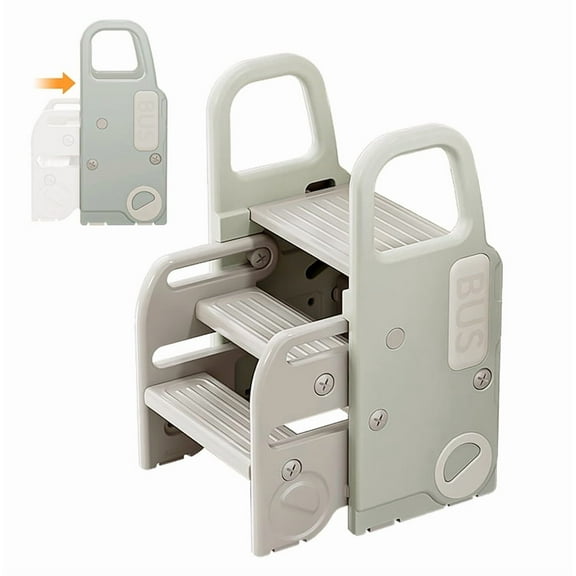
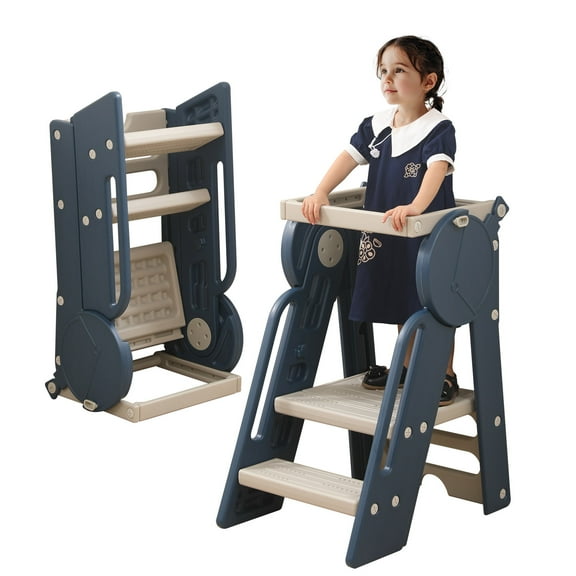
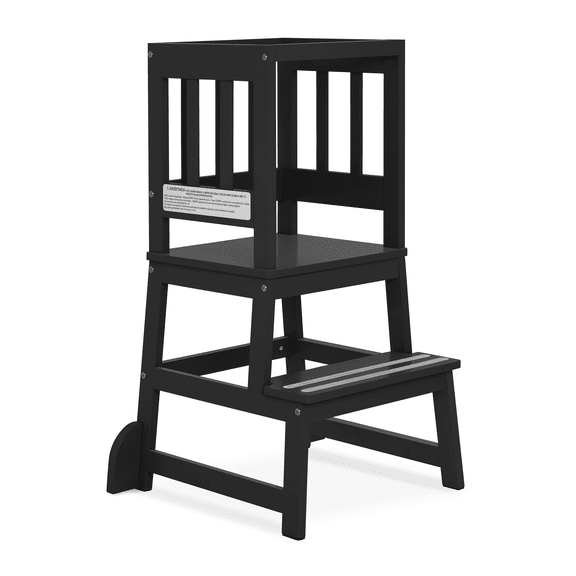
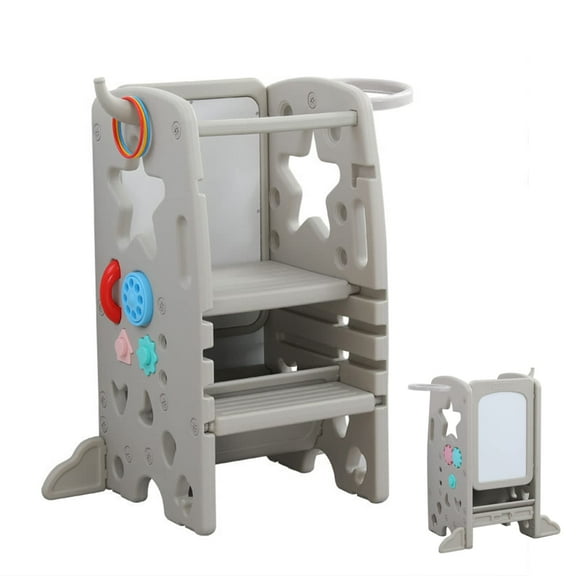
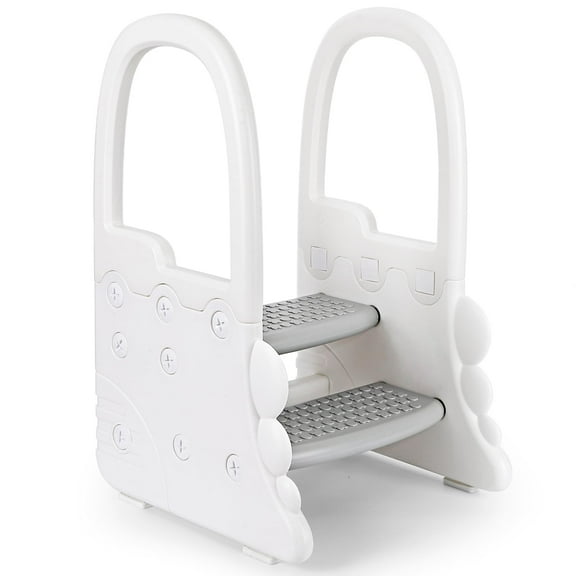
Support features shape the decision too. A toilet step stool with handles can help guide small hands during the climb and turn.
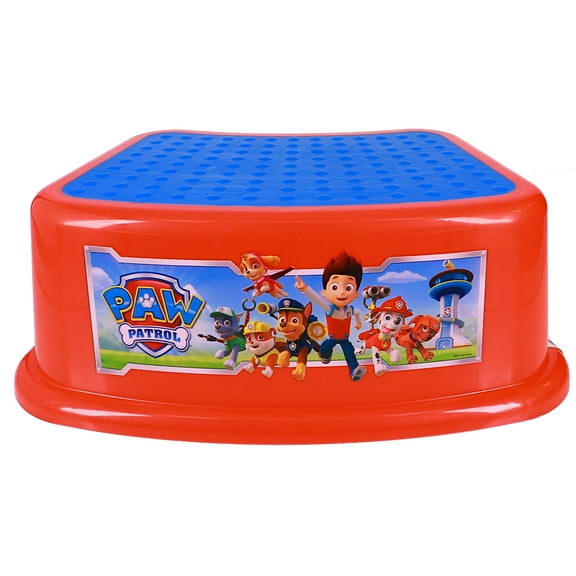
Non-slip surfaces add grip under small feet. Grip feet help the stool stay planted on tile, vinyl, and other smooth bathroom floors.
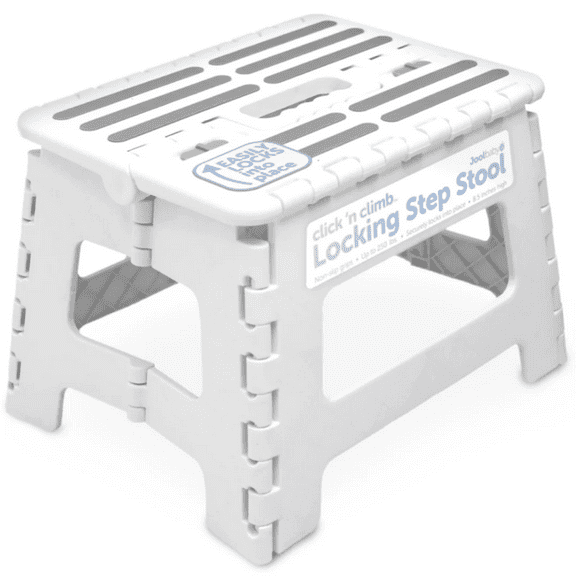
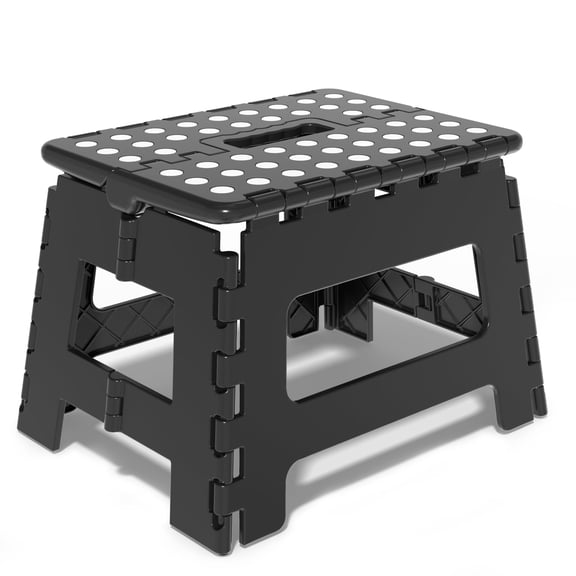
Storage matters in small bathrooms. A toddler potty step stool foldable design suits apartments, shared baths, and powder rooms with less open floor area.
Lightweight options are easier to move between the toilet and sink. Compact silhouettes can slide beside a vanity or tuck behind a door.
Matching potty stool for toddler use cases
Different bathrooms call for different setups. For toilet training, many families choose a potty step stool that stays in one place by the toilet.
That creates a repeatable routine and a clear visual cue. It can make each bathroom trip feel more familiar for a new user.
For sink reach, choose a toddler bathroom step with a wider top. It gives room for both feet while brushing teeth or washing hands.
Shared family baths need flexibility. A foldable stool can open for child use, then store away when adults need more floor space.
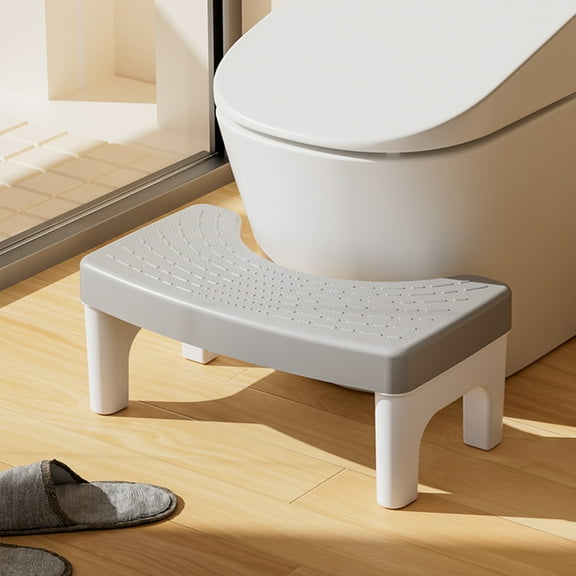
In a powder room, a compact toilet stool for kids can fit neatly between the toilet and vanity. That matters when door swing and walking space are limited.
Handles can help during transitional stages. A child learning to step up and turn may prefer a toilet step stool with handles.
Once routines feel familiar, some families switch to a simpler step format. Compare how much guidance your child wants with how much standing space you need.
Independent toileting often includes more than toilet access alone. Kids may step up to the toilet, then move to the sink for hand washing.
A portable training stool can support both tasks in one routine. That makes it useful for homes where one stool serves several bathroom moments.
What to look for in toilet step stool features
Measure the room before choosing. Check the space in front of the toilet, the height of the bowl, and the path to the sink.
A step stool for toilet toddler routines should fit without crowding feet or blocking cabinet doors. Those details affect comfort during daily use.
Compare platform shape and surface texture. A broader top can feel easier for small feet during turn-and-sit movements.
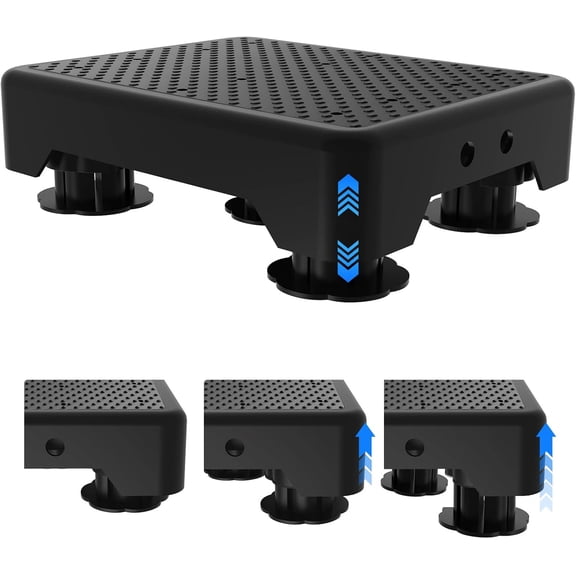
Textured stepping areas help with clear foot placement. Stable bases matter because bathroom floors often change from tile to rugs or bath mats.
Also consider how the stool will live in your home. Some families want a dedicated potty stool for kids that stays by the toilet.
Others need a portable piece that shifts between rooms. When storage is a concern, foldable and lightweight options make resets easier.
The right stool supports smoother bathroom routines for toddlers and kids. When height, stability, and storage match your space, toileting feels more consistent every day.