

Irons, Steamers & Accessories in Appliances






















About Irons, Steamers & Accessories in Appliances - Walmart.com
With irons and ironing boards, you can smooth shirts, press seams, and refresh fabrics with tools that fit your routine. You’ll also find choices like steam irons, garment steamers, and board sizes that match small spaces or larger loads.
How to choose irons and ironing boards
When you compare appliance types, you should start with how you handle wrinkles most often. You may prefer a steam iron for crisp collars, a dry iron for simple pressing, or a garment steamer for hanging pieces.
If you press workwear, uniforms, or cotton bedding, you’ll usually want steady heat and a comfortable grip. If you refresh dresses, jackets, or curtains, you may prefer clothes steamers that work vertically.
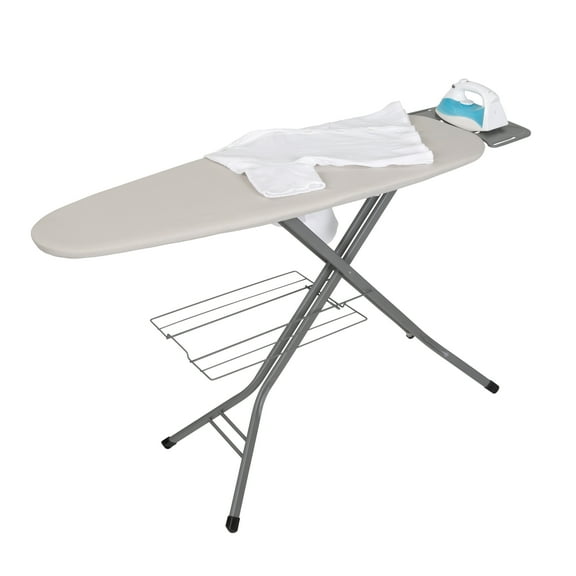
Board choice matters just as much as the iron in your hand. You’ll want a compact board for apartments, a standard size for everyday loads, or a wide-top surface for larger garments.
Choosing steam irons for your fabrics
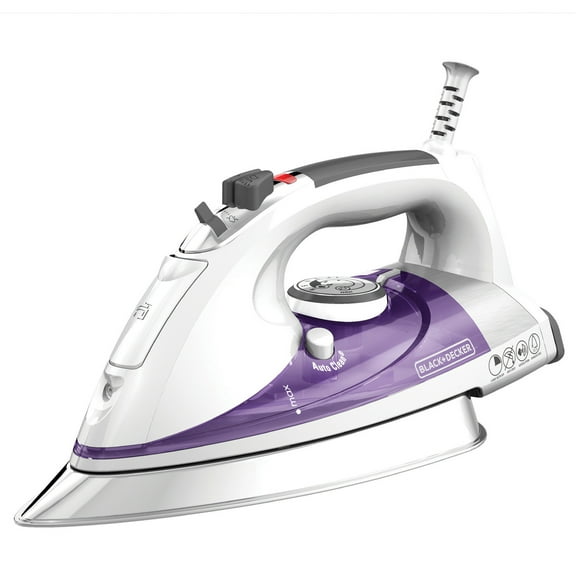
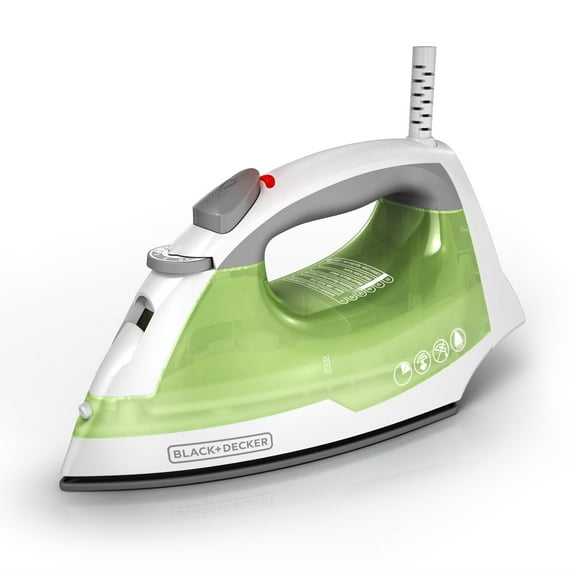
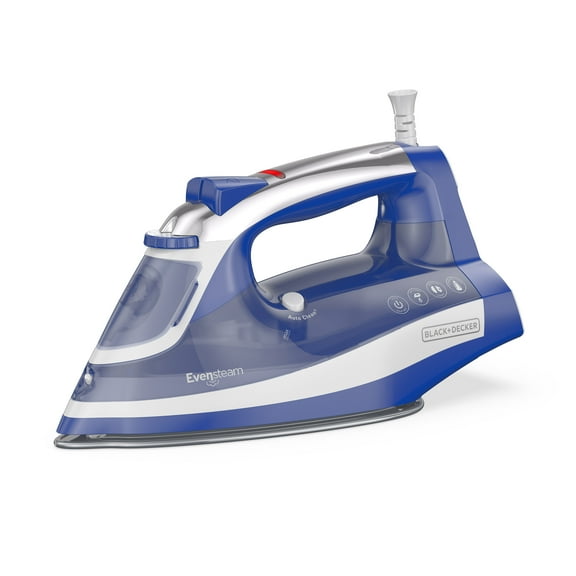
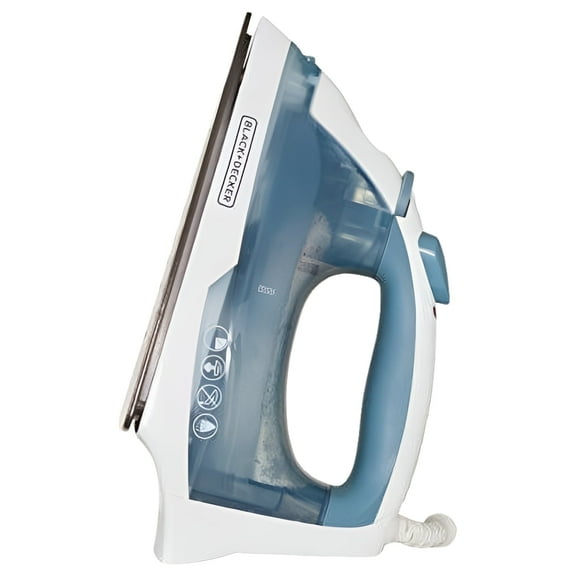
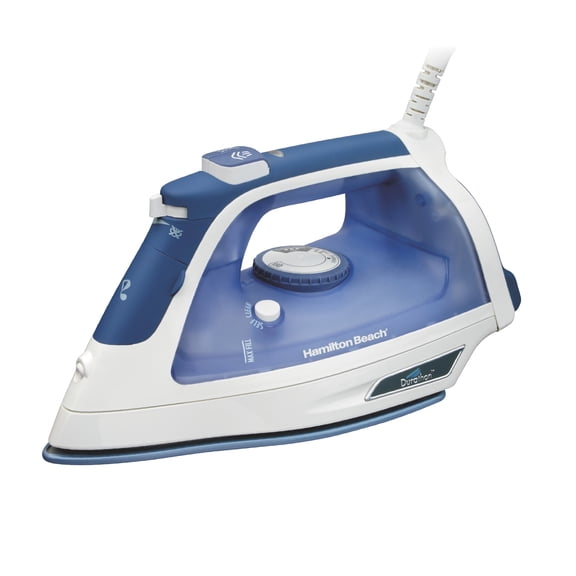
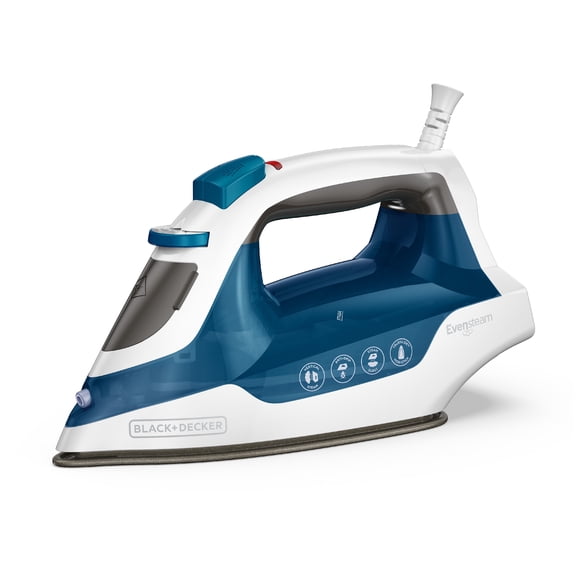
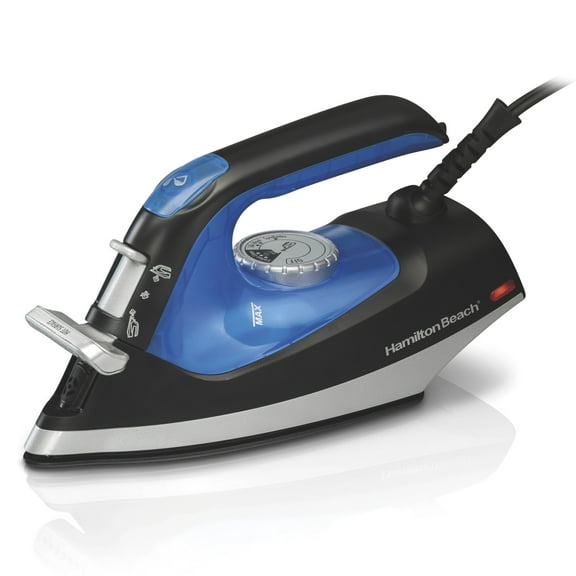
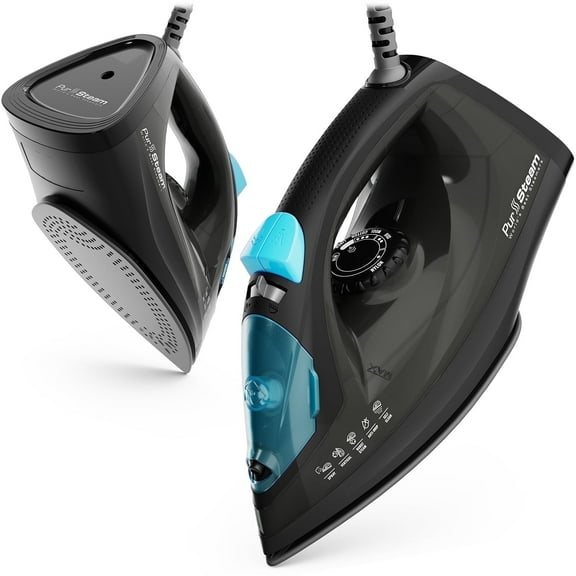
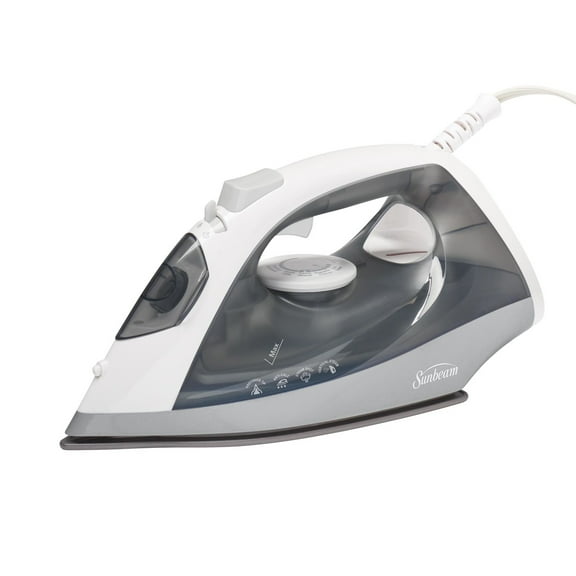
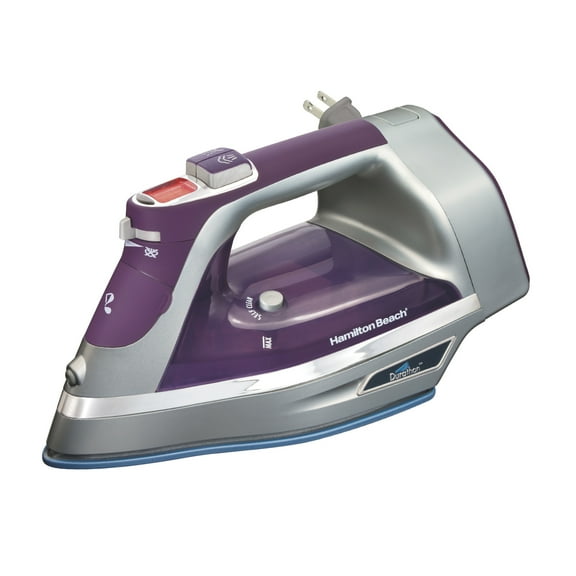
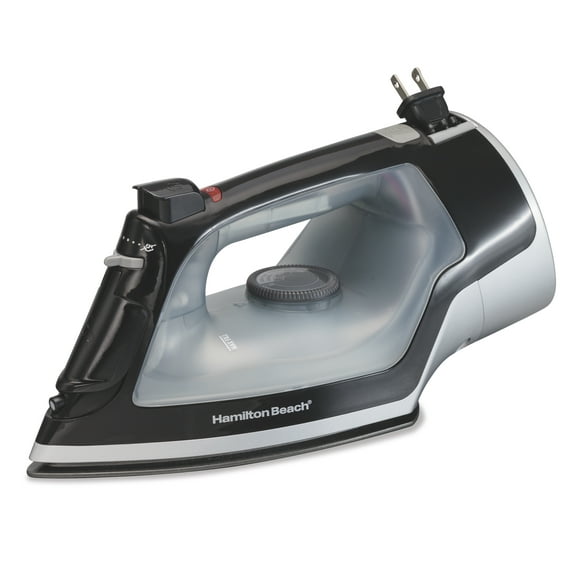
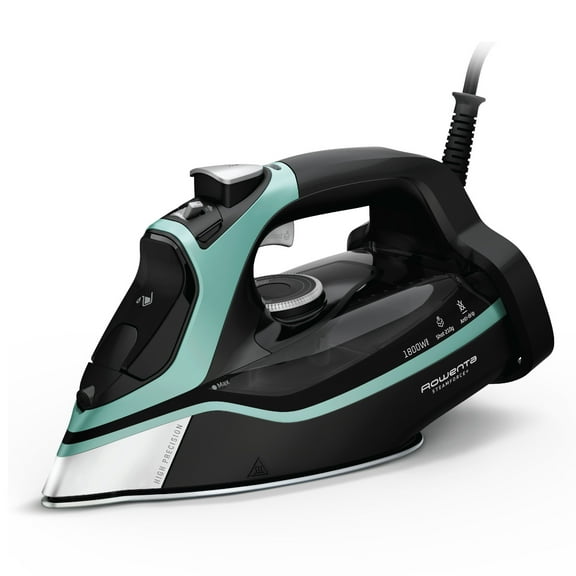
When you shop steam irons, you should compare steam rate and steam style in plain terms. You’ll notice continuous steam helps with all-over smoothing, while burst steam helps with stubborn creases.
If you press delicate blouses and everyday shirts, you may want lighter steam that feels easy to control. If you handle denim, linen, or stacked laundry, you’ll often prefer stronger output and wider coverage.
- You can smooth cotton shirts faster with steady steam and a soleplate that glides evenly.
- You can press pleats and seams with burst steam that targets thicker folds.
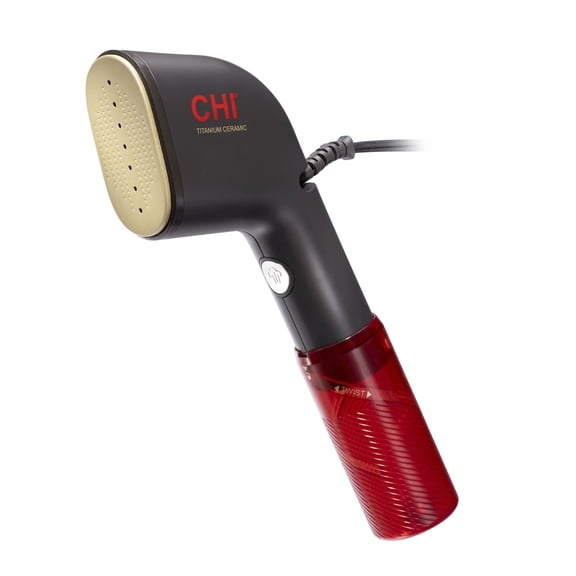
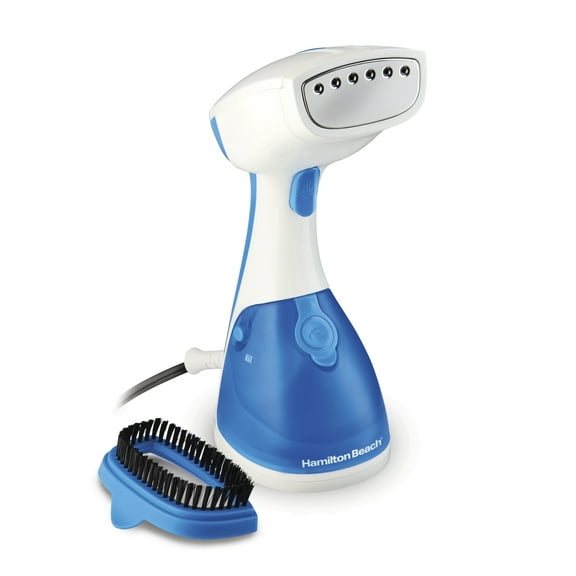
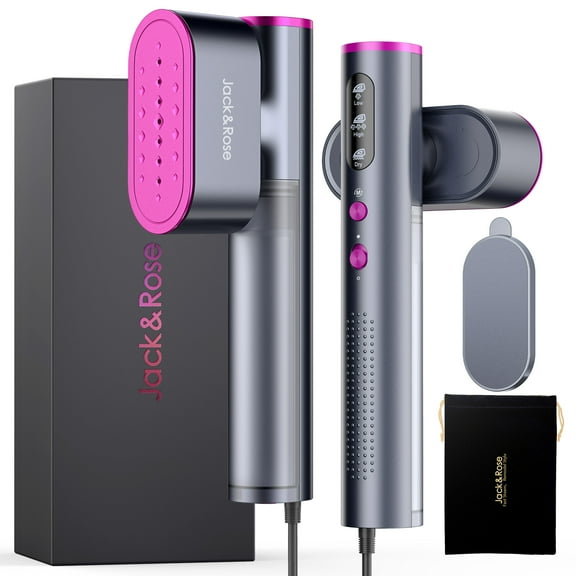
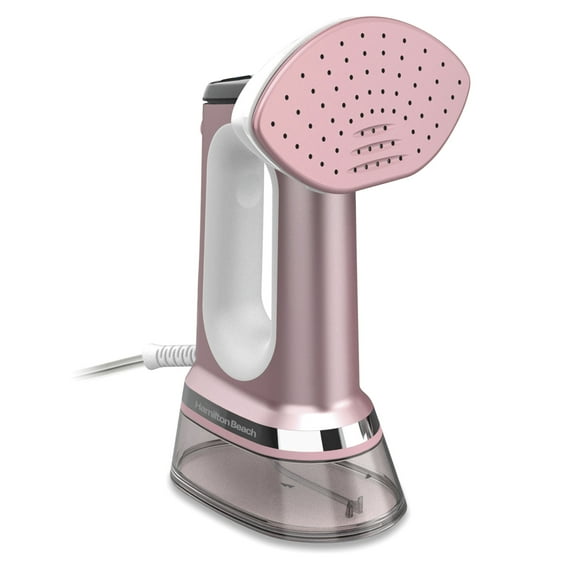
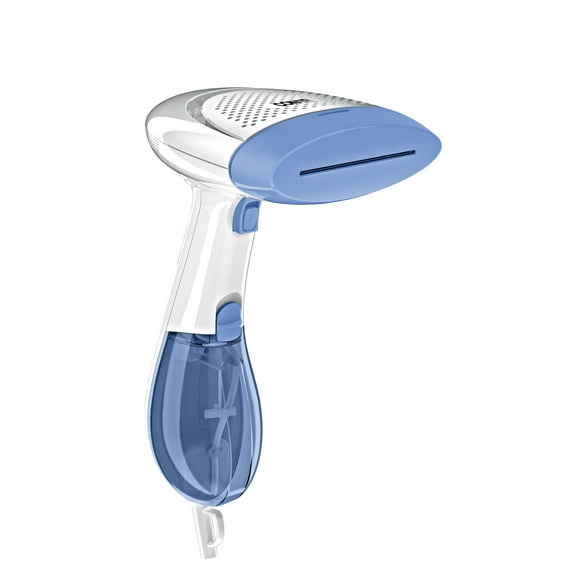
- You can refresh hanging garments with garment steamers that work without an ironing board.
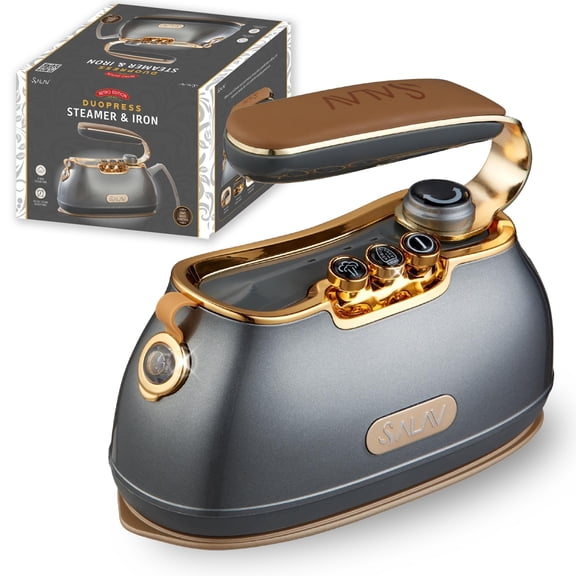
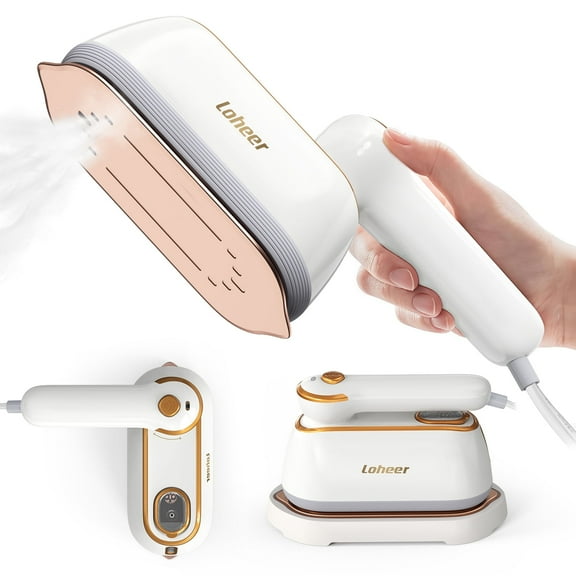
- You can fit travel routines with compact travel irons that tuck into luggage more easily.
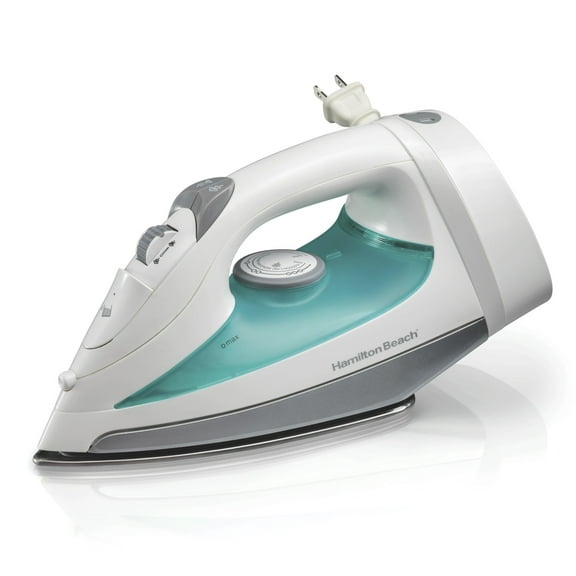
Feature details can make daily use feel simpler and more predictable. You may look for auto-shutoff, anti-drip performance, and a retractable cord when you want easier storage and cleaner results.
If you move around a board often, you should also compare corded and cordless designs. You’ll get continuous power from corded models, while cordless options can feel freer around sleeves and narrow areas.
Comparing soleplate materials and key features
Soleplate material changes how an iron moves across fabric and how heat spreads. You may notice ceramic offers smooth glide, while stainless steel often feels durable and distributes heat evenly.
If you want easier cleanup after repeated use, you might consider non-stick surfaces. You’ll often like that finish when you press mixed fabrics and want less drag on quick touch-ups.
Look closely at design features that affect how your routine flows. You may prefer anti-drip systems for lower-temperature pressing, especially when you want cleaner-looking results on lighter fabrics.
Retractable cords can help you store your iron with less tangling after each session. Auto-shutoff can also suit busy households when you want a more convenient appliance format.
Water tank size, handle shape, and control placement also deserve a quick comparison. You’ll appreciate easy-fill openings and clear controls when you switch fabrics during one ironing session.
Picking ironing boards and ironing board covers
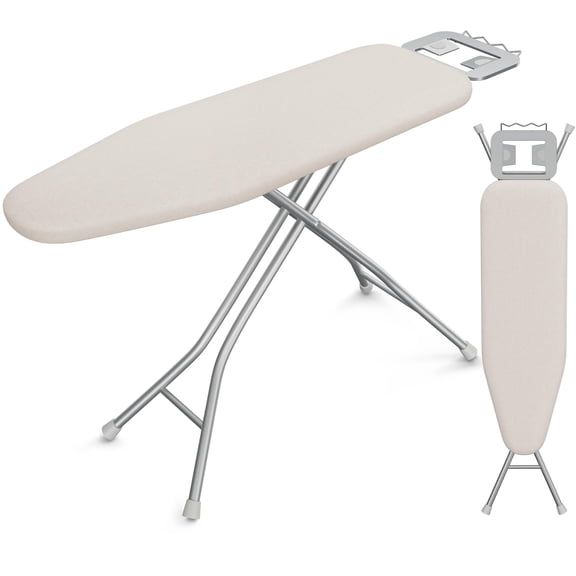
When you compare ironing boards, you should focus on stability, height adjustment, and surface size. You’ll feel the difference when a board stays steady through sleeves, hems, and larger flat pieces.
Compact boards can suit dorms, laundry closets, and smaller homes where storage matters every day. Standard boards give you familiar workspace, while wide-top options help when you press table linens or larger garments.
Height adjustment matters when you iron several pieces in one session. You’ll want a setup that fits your stance comfortably, so you can move through laundry with less strain.
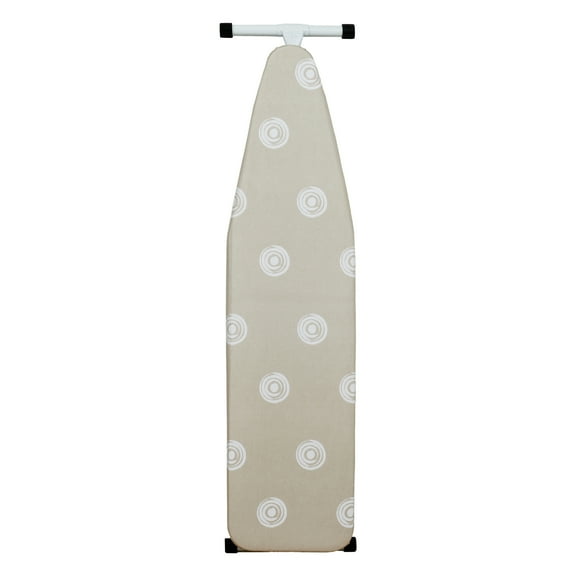
Don’t overlook ironing board covers when you update your setup. You can improve your pressing surface with covers that fit securely and padding that helps fabrics lie flatter.
If you rotate between quick touch-ups and full laundry days, you should match board size to your usual load. You’ll often find that the right board shortens setup time and supports smoother passes.
Using garment steamers and travel irons in real routines
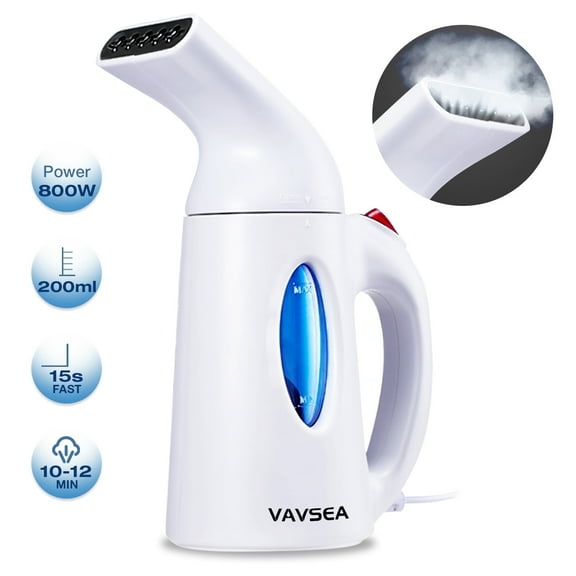
Garment steamers can fit mornings when you need fast garment care before work or events. You can use them on hanging pieces, which helps when you’d rather skip setting up a board.
If you handle blazers, dresses, or lightweight tops, fabric steamers can feel especially practical. You’ll also like them for curtains or quick refreshes between washes.
Travel irons make sense when you pack for weddings, business trips, or extended vacations. You can keep shirts and dress pants looking neater without relying on hotel tools.
At home, you may pair a steam iron with a sturdy board for weekly laundry and keep a garment steamer for in-between touch-ups. You’ll cover both detailed pressing and quick refresh jobs with that combination.
If you sew, craft, or press quilt blocks, you may care more about board stability and soleplate control. You’ll want smooth glide, easy handling, and a surface that supports repeated passes.
When you compare irons and ironing boards this way, you can choose tools that match your fabrics, space, and habits. You’ll end up with a setup that helps clothes look polished with less fuss.