

S.O.S Pads & Steel Wool Soap Pads
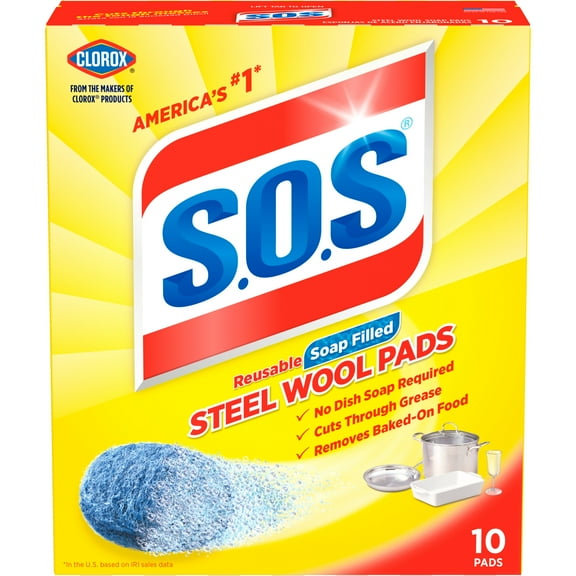

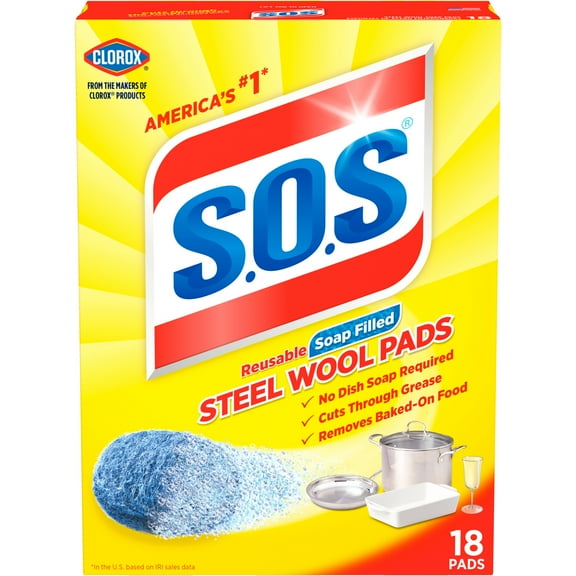


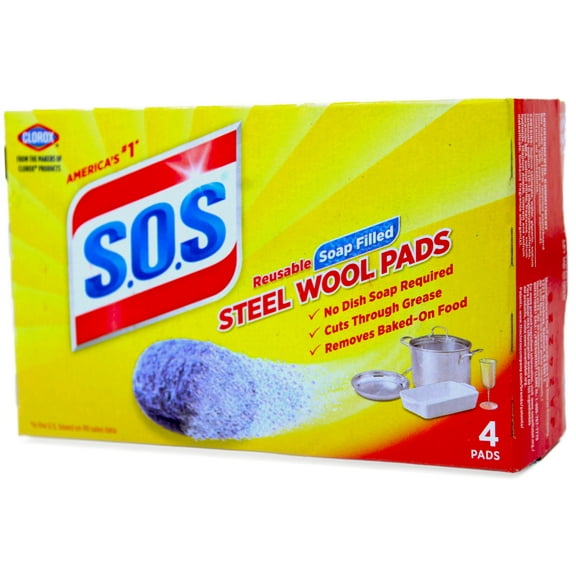






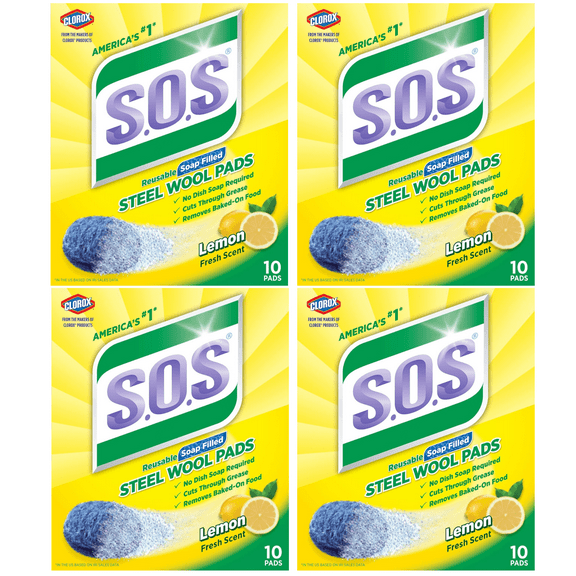
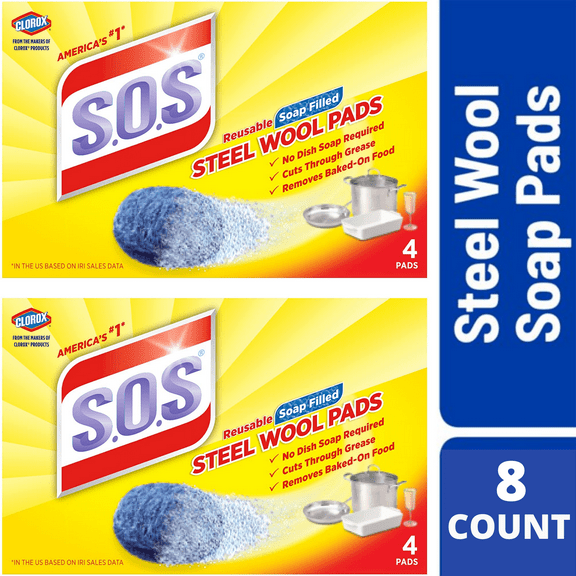


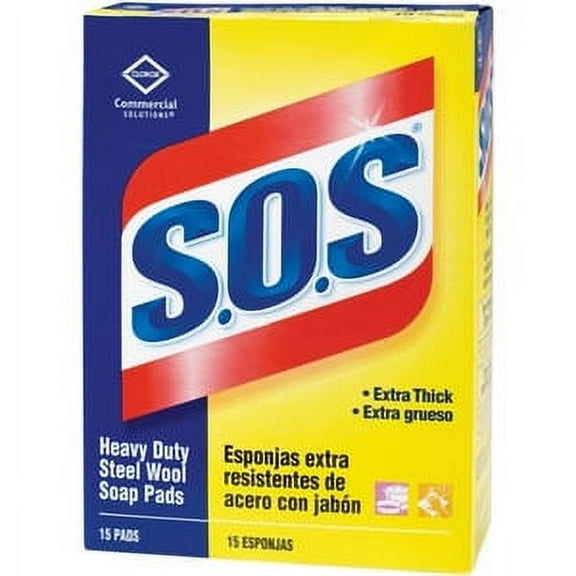
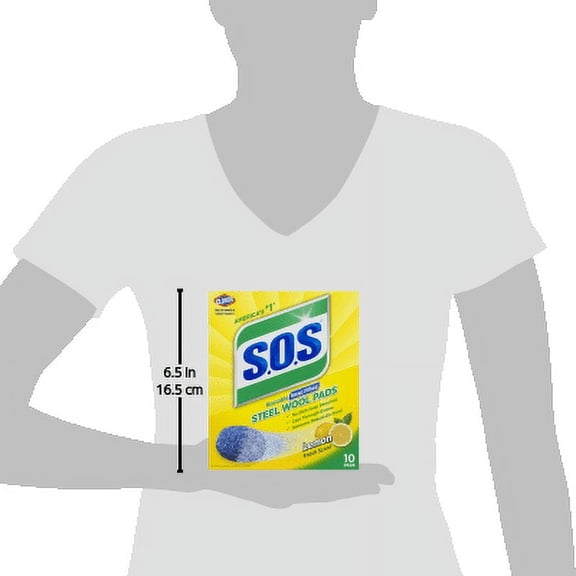
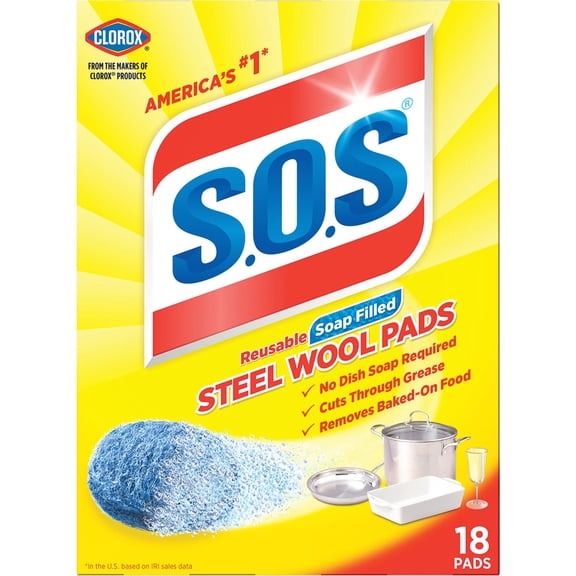
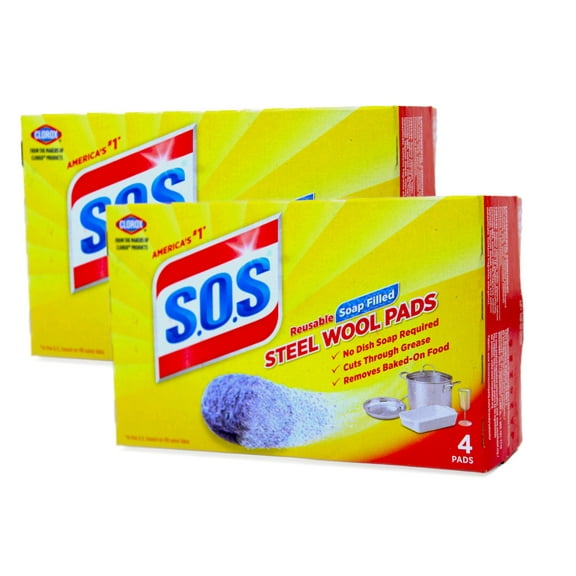
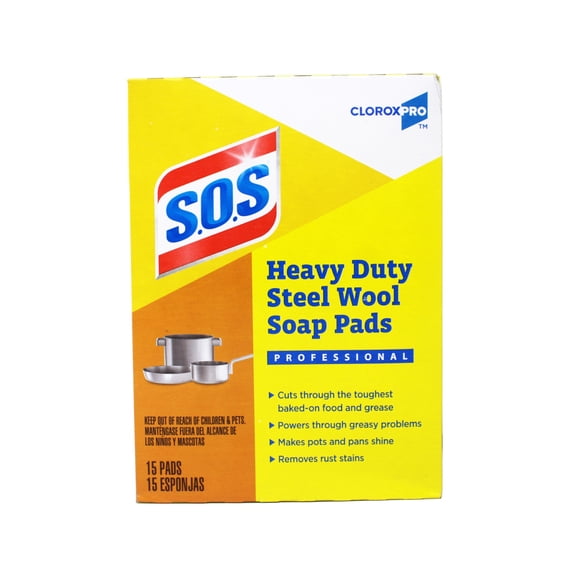
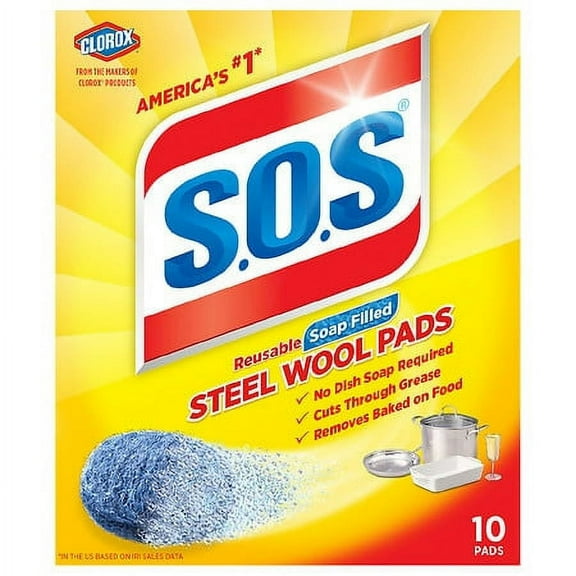
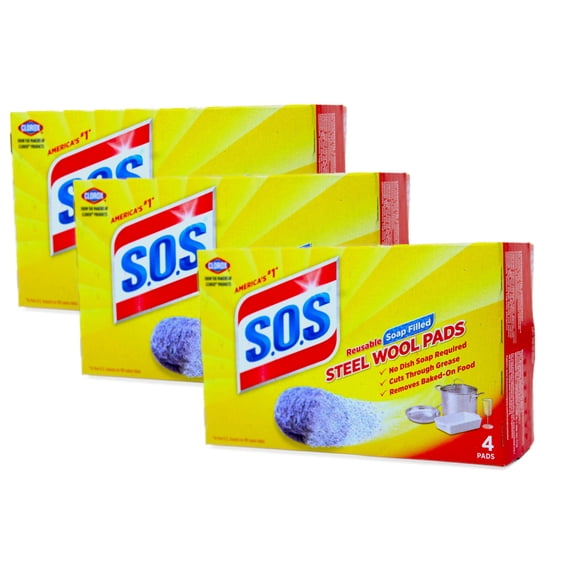
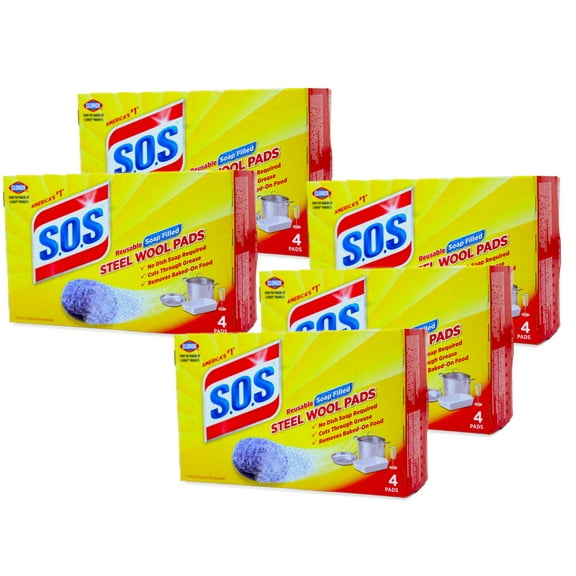

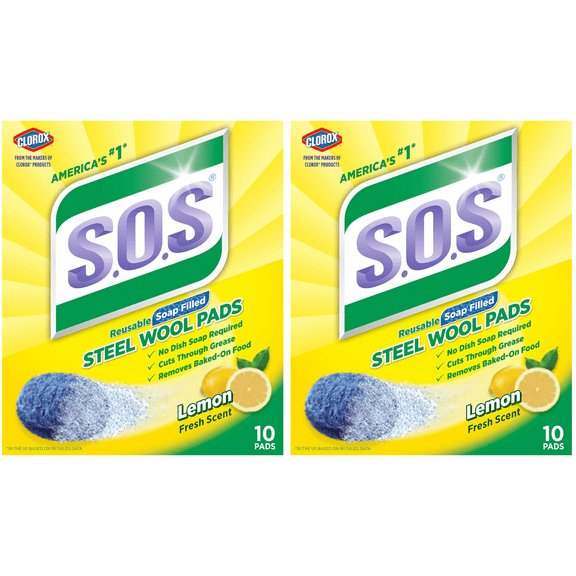
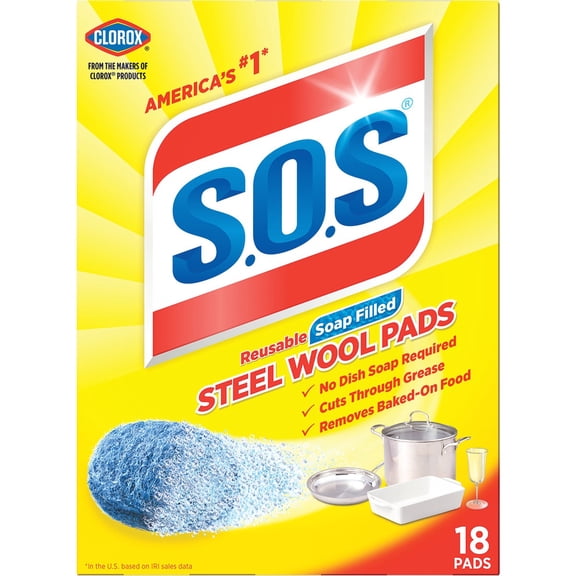
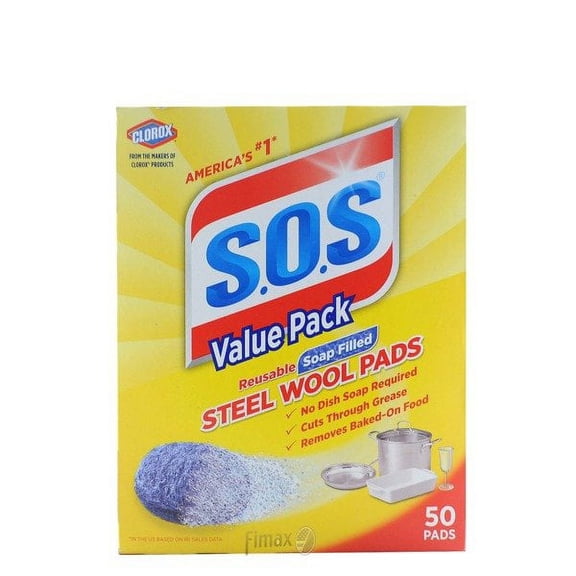


About S.O.S Pads & Steel Wool Soap Pads - Walmart.com
SOS pads help you handle stuck-on grease, oven residue, and outdoor grime with scrubbing power suited to demanding household cleanup. You can compare material, soap style, and surface compatibility to choose pads that fit your sink, stovetop, grill, or bathroom routine.
You may want a pad that cuts through baked-on messes quickly, or you may need mild scrubbing for coated finishes. You should also consider storage, soap longevity, and which surfaces match each abrasive rating.
How to choose sos pads by material
When you compare sos pads by material, you’re choosing how much scrubbing force your surface can handle. You should match abrasive rating to the mess and finish, especially around cookware, oven racks, and metal tools.
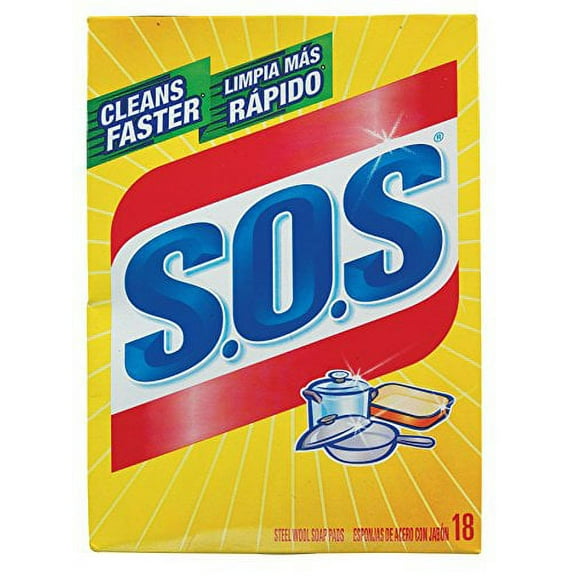
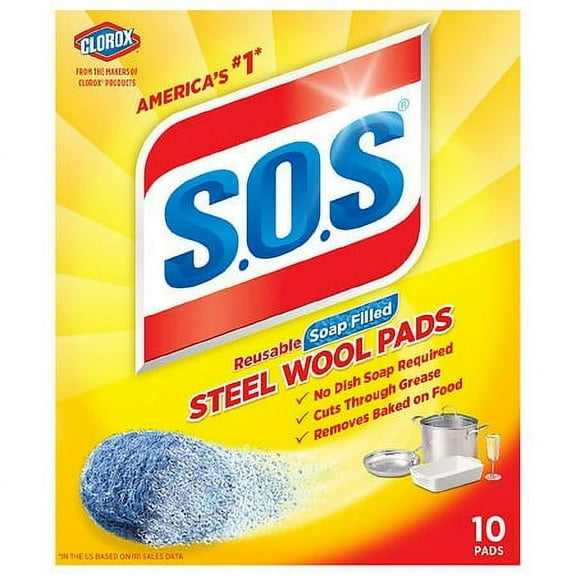
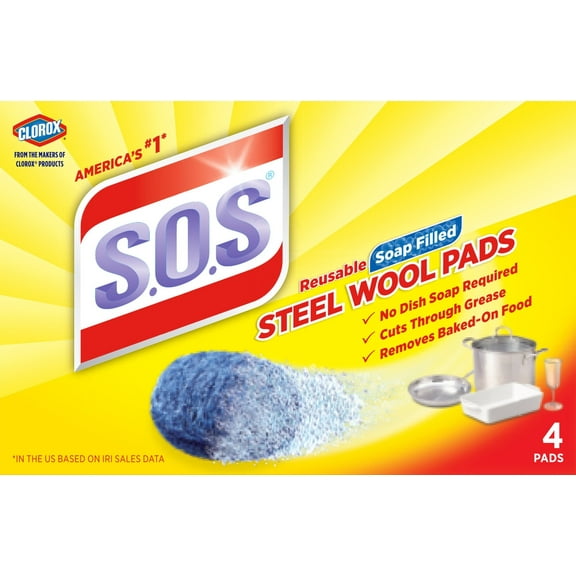
Steel wool options give you dense, heavy-duty scrubbing for burned food, rust marks, and greasy buildup on durable surfaces. You’ll often choose them for oven racks, broiler pans, grill grates, and uncoated metal cookware.
Copper versions can help you scrub stubborn residue while staying mild compared to traditional steel wool on some surfaces. You may prefer copper when you want firm cleaning action with a different feel in hand.
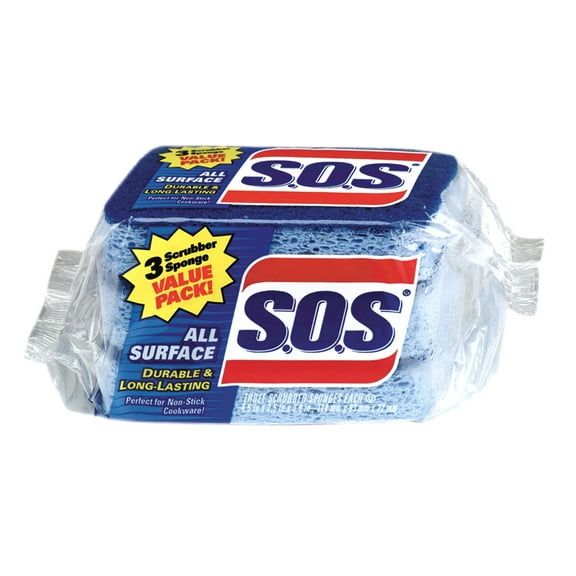
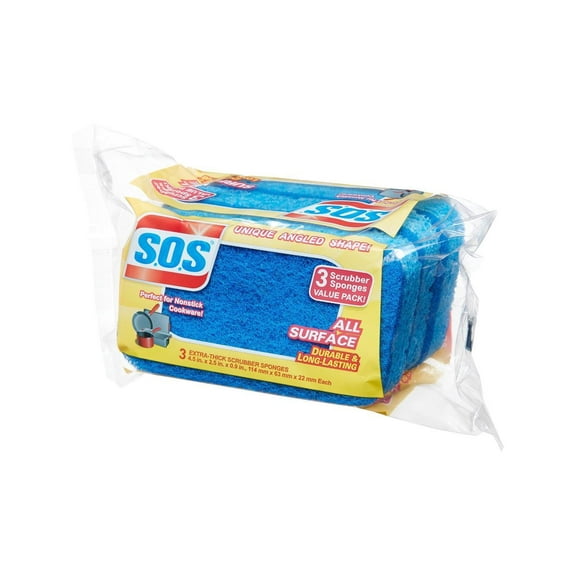
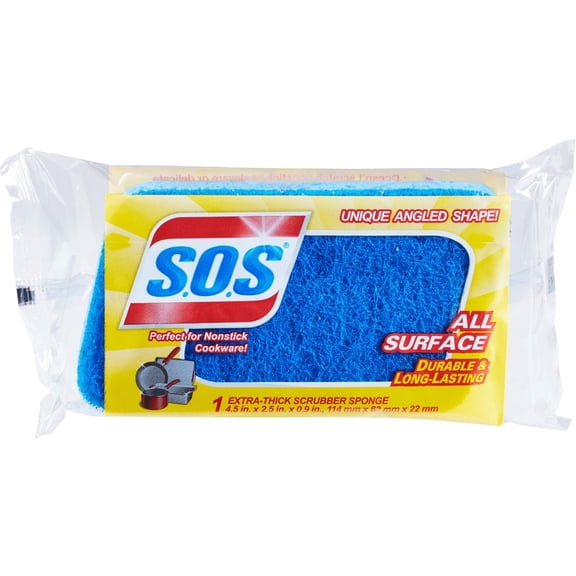
Non-scratch synthetic pads are useful when you need more control on surfaces that mark easily. You should check labels carefully, because non-scratch pads suit coated cookware and finished fixtures when steel wool can scratch them.
- You can use heavy-duty steel wool for oven racks, grill grates, and uncoated metal pans.
- You can choose copper when you want firm scrubbing with a different texture and flexibility.
- You can pick non-scratch synthetic pads for coated pans, glossy finishes, and lighter daily messes.
- You should always compare abrasive rating before using any sos scrub pads on a new surface.
Choosing sos soap pads and soap-free options
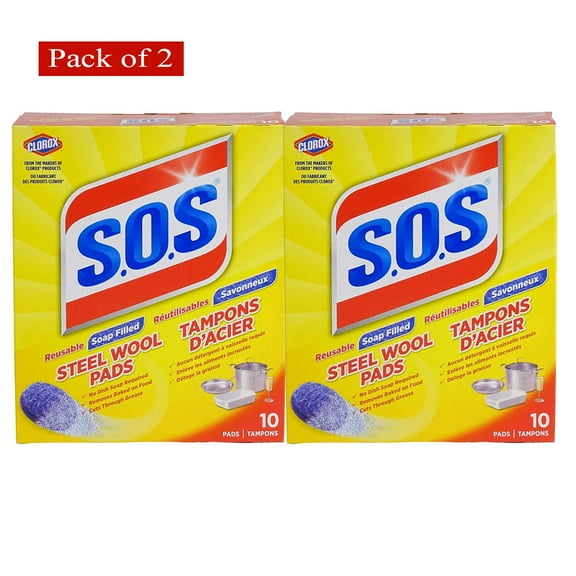
When you compare sos soap pads with soap-free styles, you’re deciding how much prep you want before scrubbing. You may like pre-soaped pads for quick sink cleanup, or you may want soap-free pads with your preferred cleaner.
Pre-soaped pads give you built-in suds, which can simplify greasy pan cleanup and reduce extra steps at the sink. You’ll want to wet them lightly first, because that usually helps the soap activate evenly.
Soap-free options give you more control over cleaner type and how much product you use during cleanup. You can pair them with dish soap for cookware, or use a separate household cleaner on outdoor tools.
Soap longevity matters when you clean several items in one session. You should look for suds that last through multiple washes, especially when you scrub pots, racks, or greasy stovetop parts.
What to look for in color, type, and surface compatibility
Color can signal a different pad style, and blue sos pads often match specific household cleaning preferences. You may use color to separate kitchen pads from bathroom or outdoor pads, which keeps your routine organized.
Silver or grey steel wool styles usually point you toward classic heavy-duty scrubbing. You’ll want those for cookware bottoms, oven racks, and metal surfaces that can handle a firm abrasive texture.
Surface compatibility is one of the primary decisions you’ll make in sos cleaning. You should avoid guessing, and you should check whether your surface is coated, polished, brushed, or unfinished.
If your cookware has a nonstick finish, you’ll usually want non-scratch synthetic pads instead of steel wool. If your surface is cast iron, stainless steel, or bare metal, you may choose a heavy-duty scrubber.
You should also consider reusability and storage after each use. You can extend pad life by rinsing thoroughly, squeezing out moisture, and letting the pad dry between cleaning sessions.
Using sos pad options in kitchens, bathrooms, and outdoors
Your kitchen often calls for a broad range of scrubbing choices. You may need heavy-duty pads for oven racks and burner grates, while your coated pans may need a mild non-scratch option.
In the bathroom, you might focus on soap scum, hard water film, and metal fixture residue. You should compare pad texture carefully, because glossy or decorative finishes may need a mild abrasive type.
Outdoor cleaning usually involves grills, garden tools, and weathered metal surfaces. You can use sturdy scrub pads when you need to loosen char, grease, or surface rust on durable items.
For oven racks, you’ll want a pad that handles baked-on residue without slowing your cleanup routine. You may prefer steel wool with soap when you want quick suds, or soap-free styles with your chosen cleaner.
If you clean in batches, you should think about grip, pad density, and how the soap performs across several items. You’ll notice that the right combination can make repeated scrubbing feel more controlled and consistent.
Why the right sos pads make cleaning easier
When you match material, soap integration, and abrasive level to the job, you get more controlled scrubbing and fewer cleaning setbacks. You can handle cookware, oven racks, bathroom fixtures, and outdoor metal surfaces with a pad that fits the task.
Your results also depend on simple details like storage, reuse, and surface checks before scrubbing. You’ll feel more confident choosing sos pads when you know which type suits each mess and helps you finish cleanup with less guesswork.