


Sponges and Scrubbers in Cleaning Tools




















About Sponges and Scrubbers in Cleaning Tools - Walmart.com
Sponges and scrubbers help you handle daily cleanup with the right mix of surface care, scrubbing texture, and pack size for your routine. You can compare kitchen-safe materials, scratch levels, and multi-pack options that fit dishes, counters, bathrooms, and tougher messes.
How to choose sponges and scrubbers
When you choose sponges and scrubbers, you should start with the surface you clean most often. You may want one option for delicate finishes and another for stuck-on residue.
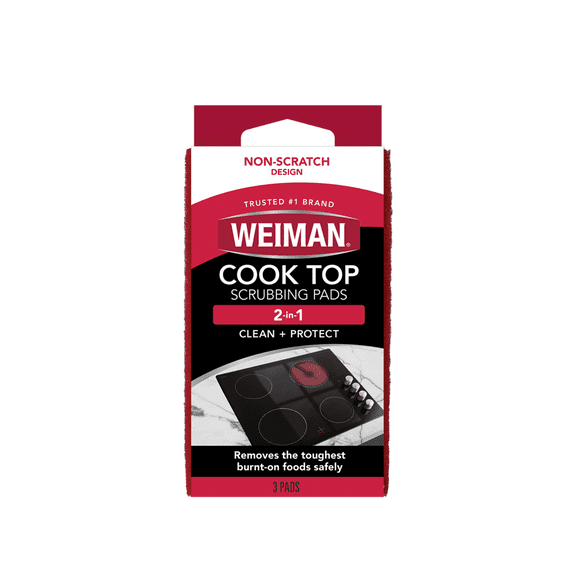
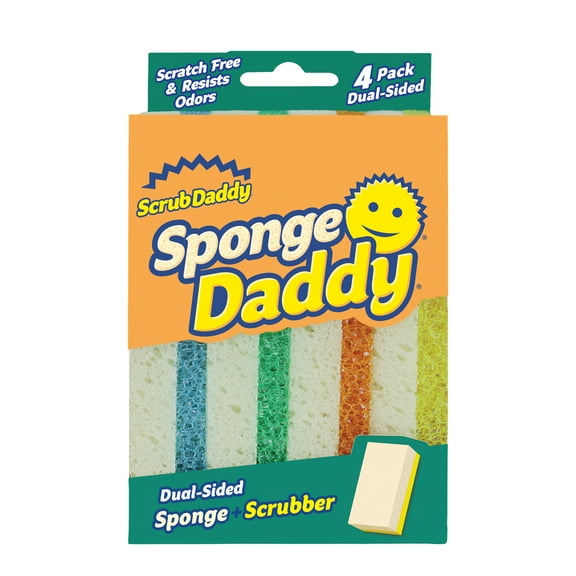
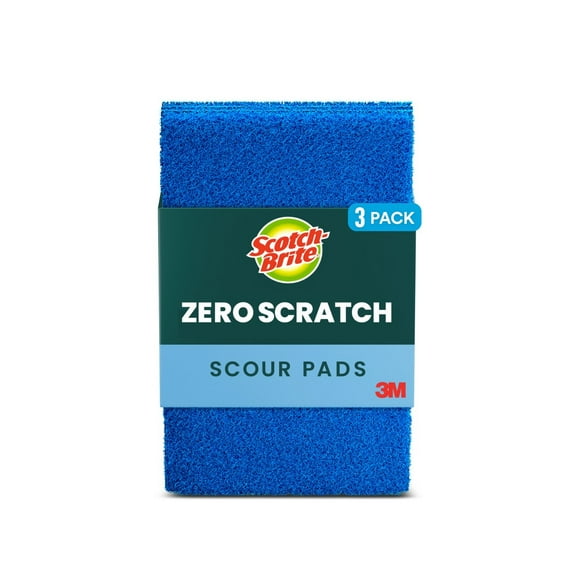
Scratch level matters because your pans, glass, and cooktops need gentler contact than grill grates or outdoor tools. You can narrow your choice quickly when you compare non scratch sponges, heavy duty scrub sponges, scratch-free, and dual-sided designs.
Material also changes how each cleaning tool feels in your hand and performs over time. You may prefer cellulose sponges for absorbency, or you may choose silicone scrubbers for a fresh-feeling, rinse-clean surface.
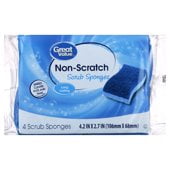
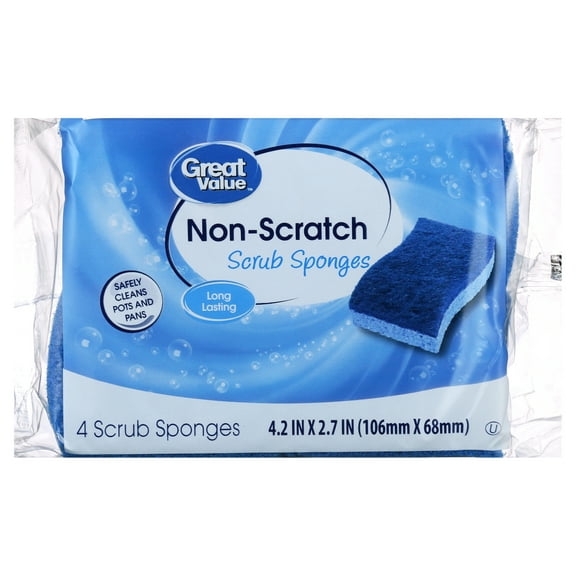
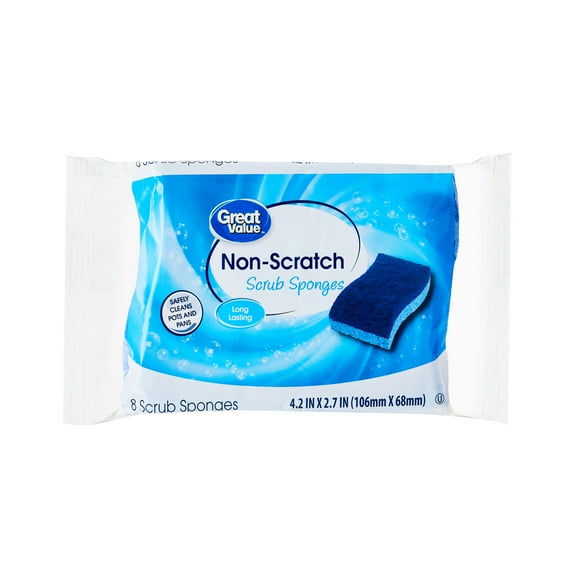
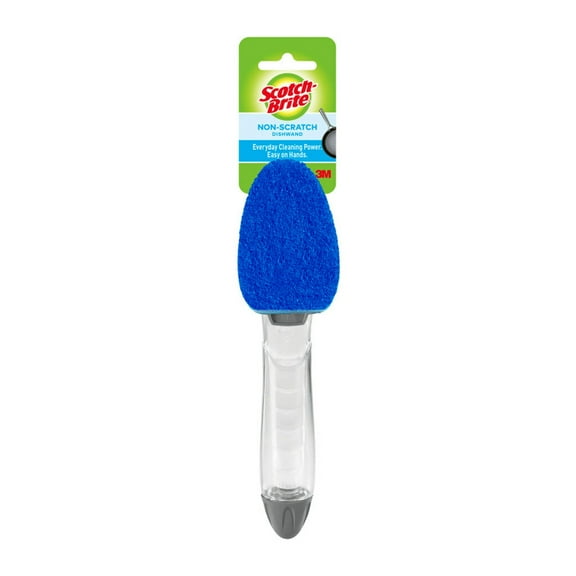
- You can use non scratch sponges on nonstick cookware, coated bakeware, and many everyday dishwashing tasks.
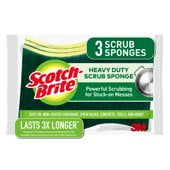
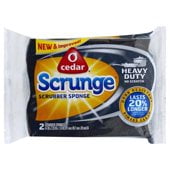
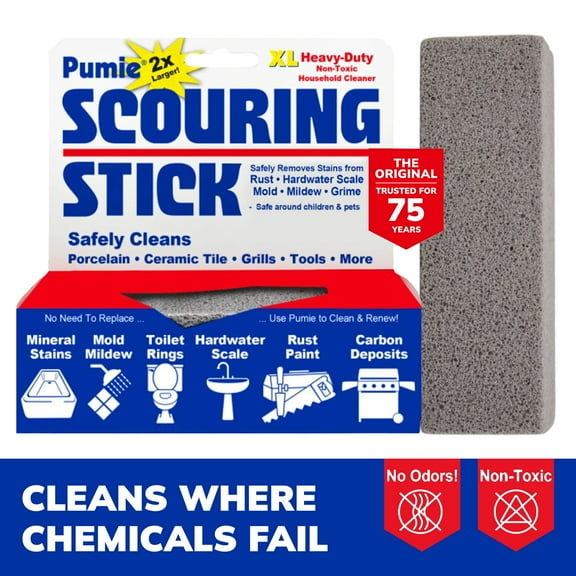
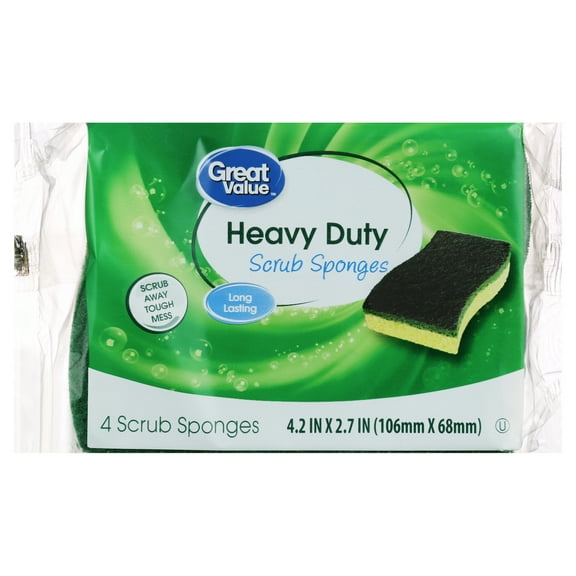
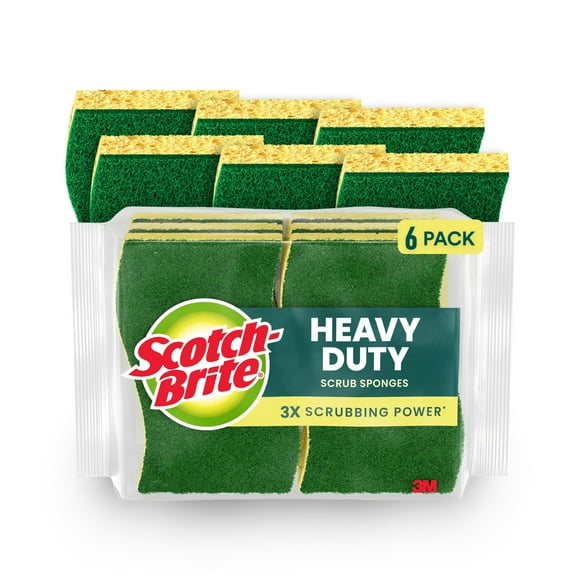
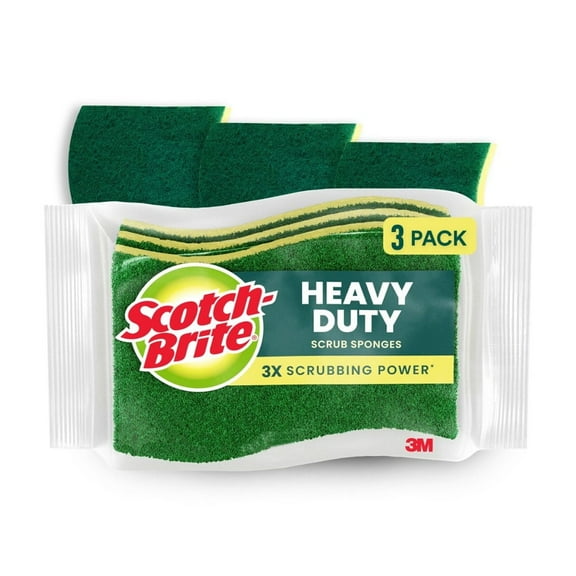
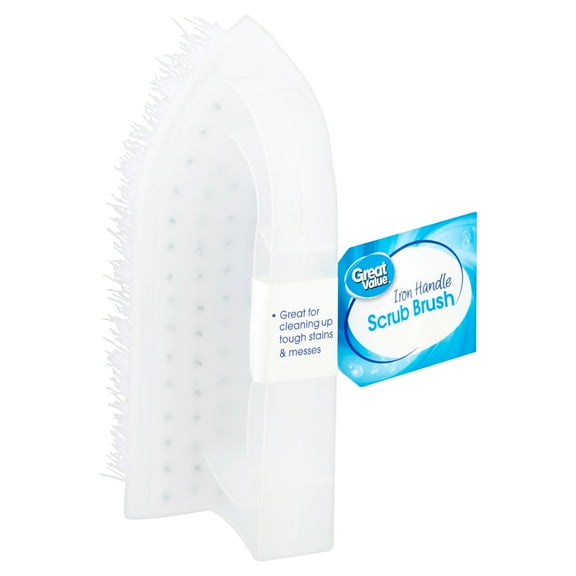
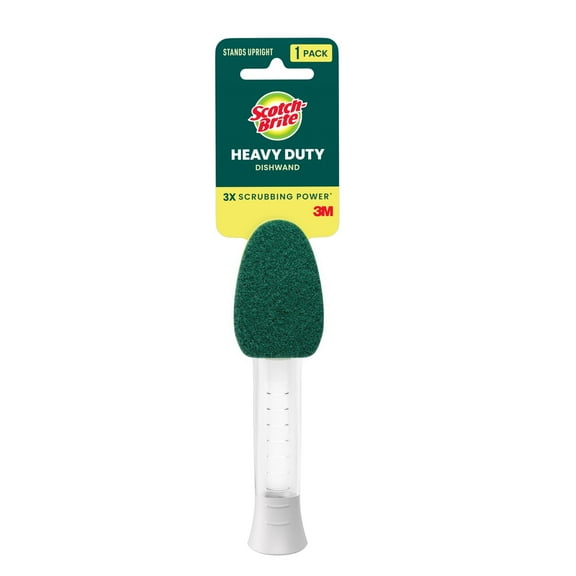
- You can pick heavy duty scrub sponges when dried food, greasy pans, or outdoor messes need extra friction.
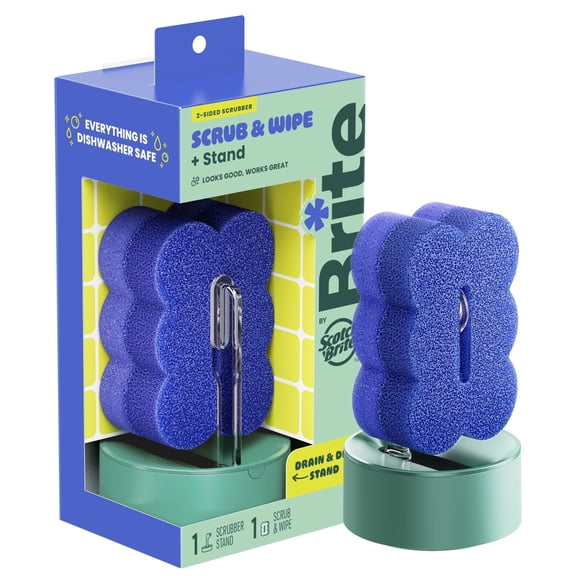
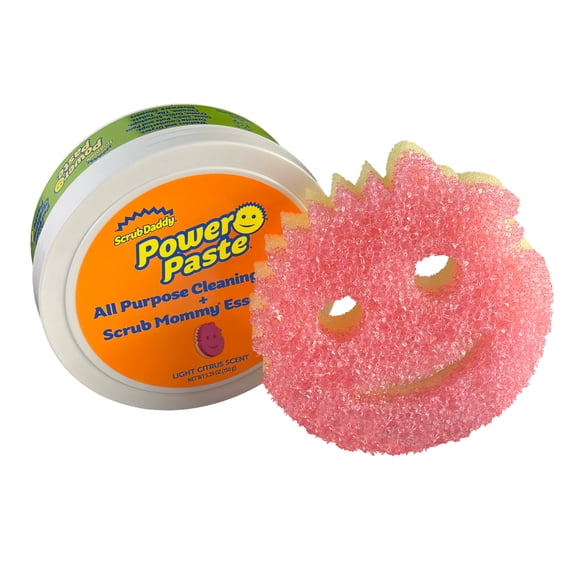
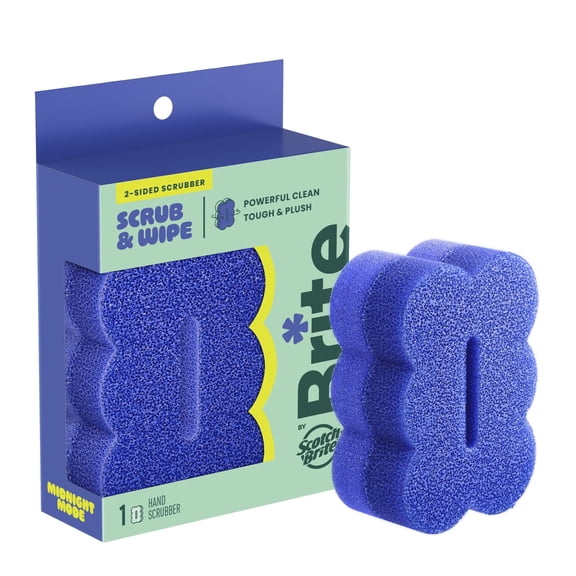
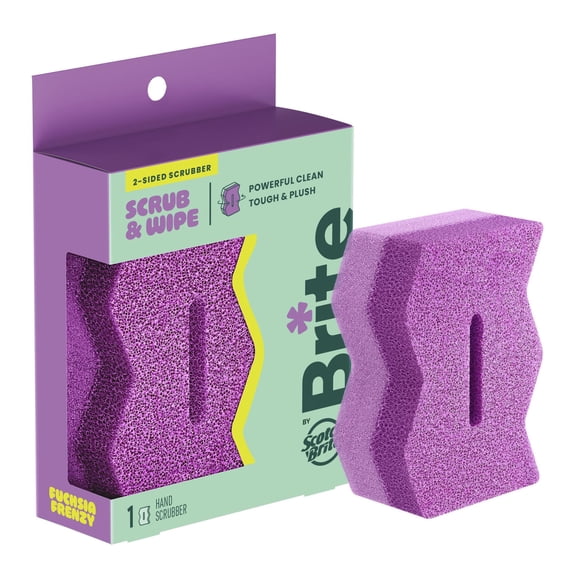
- You can choose dual-sided styles when your routine includes both wiping spills and scrubbing stubborn residue.
- You can stock multi pack sponges when you clean often and want fresh replacements ready in the cabinet.
Choosing kitchen sponges by scratch level
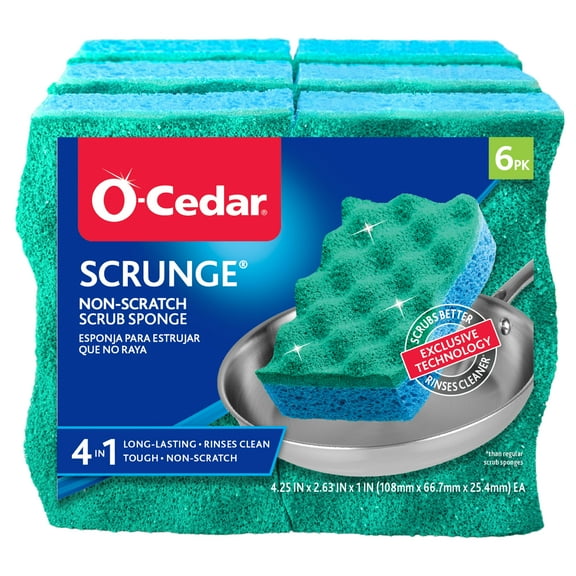
Kitchen sponges should match the cookware and surfaces you touch every day. You can protect nonstick pans when you reach for non-scratch or scratch-free textures.
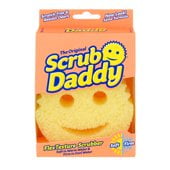
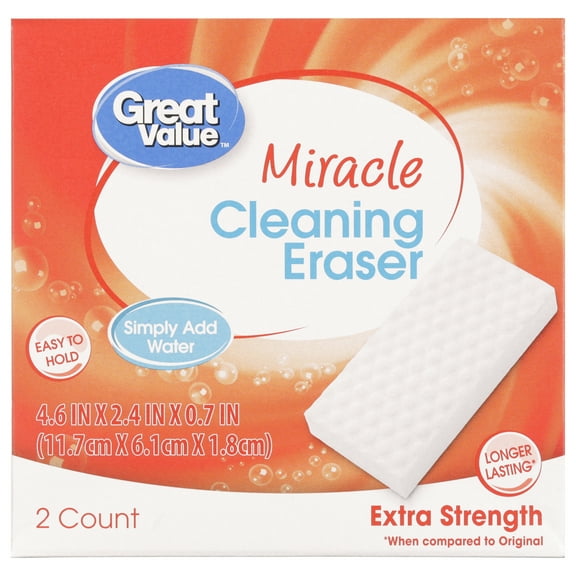
If you scrub casserole dishes, sheet pans, or sink corners, you may need more texture on one side. You can use dual-sided cleaning sponges when you want a softer face and a firmer scrubbing layer.
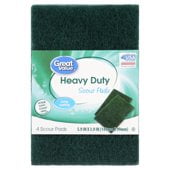
Heavy-duty options make sense when residue clings to pots, oven-safe dishes, or patio gear. You should check the label and surface guidance so your scrubbing strength matches your cleaning task.
Grip matters during longer dishwashing sessions because your wet hands need control. You may notice that shapes, edges, and flexible materials can make corners and rims easier to reach.
Comparing materials in dish scrubbers
Dish scrubbers come in several materials, and each one changes your daily cleaning experience. You can compare absorbency, texture, flexibility, and rinse-clean convenience before you choose.
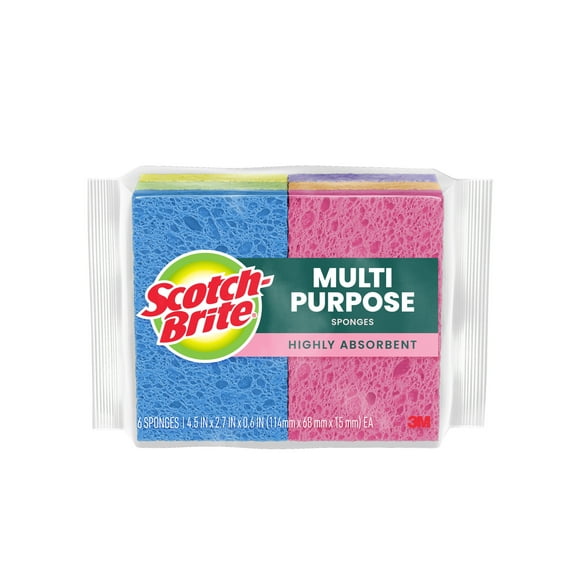
Cellulose sponges absorb spills quickly and help you wipe counters, tables, and sinks in fewer passes. You may like them for everyday dishwashing, quick wipeups, and broad surface coverage.
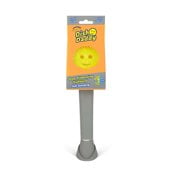
Silicone scrubbers feel different from traditional sponges because they’re flexible, easy to rinse, and less likely to hold food particles. You can use them when you want a fresh-feeling tool between replacements.
Microfiber options help you lift residue from smooth surfaces with a softer touch. You may reach for them on delicate finishes, glass, or light bathroom cleanup.
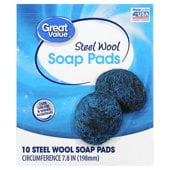
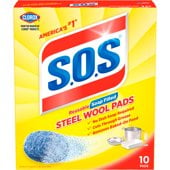
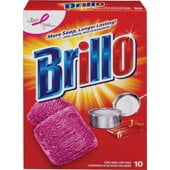
Stainless steel scrubbers bring firm abrasion for cooked-on messes and outdoor heavy cleaning. You should reserve them for surfaces that can handle a more aggressive texture.
Matching use cases to your routine
Your cleaning routine should guide which sponges and scrubbers stay under the sink. You can build a simple set by matching each tool to kitchen, bathroom, outdoor, or delicate-surface tasks.
For kitchen sponges, you may want absorbency for spills, a non-scratch side for pans, and enough grip for plates and glasses. You can cover most dishwashing jobs with a balanced everyday option.
For bathroom cleanup, you may prefer cleaning sponges that wipe fixtures, tubs, and tile edges without feeling too abrasive. You can keep a separate sponge for this room to stay organized.
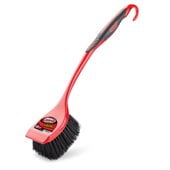
For outdoor or heavy cleaning, dish scrubbers with firmer texture can help on coolers, utility sinks, and garage cleanup. You should look for heavy-duty surfaces when lighter options won’t loosen buildup easily.
For delicate surfaces, you’ll want soft textures that respect coatings and polished finishes. You can choose non scratch sponges when cookware safety and surface appearance matter most.
Choosing pack size and everyday convenience
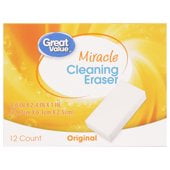
Pack size affects how often you replace your cleaning tools and how you stock your home. You can choose a 2-pack for lighter use or a 12-pack when your household cleans often.
Multi pack sponges make sense when you like keeping separate tools for dishes, counters, and bathrooms. You can also keep replacements ready when an older sponge starts feeling worn.
Bulk pack options can simplify spring cleaning sponges prep because you can refresh several areas at once. You may keep extra cellulose sponges or silicone scrubbers on hand for seasonal deep-clean routines.
If you rotate cleaning tools by room, pack size becomes part of your system. You can stay organized when your cabinet holds the right quantity for your weekly routine.
What to look for before you choose
You should compare texture, material, grip, and pack size before you decide. You can find a useful match when your choice reflects cookware safety, fresh everyday use, and the way you clean.
With the right sponges and scrubbers, you can wipe quickly, scrub with confidence, and keep delicate and heavy-duty jobs separated for cleaner everyday results. You can feel the difference in every sink, counter, and cleanup session.