


Scouring Pads & Kitchen Scrub Pads for Dishes | Walmart




























About Scouring Pads & Kitchen Scrub Pads for Dishes | Walmart - Walmart.com
Scouring pads help you handle stuck-on food, greasy pans, and everyday dish messes with the right scrub level for each surface. You can compare material, scratch level, use case, and form factor, so your cleaning routine feels precise.
When you choose the right pad, you protect non-stick coatings, lift baked-on residue, and keep soap where you need it. You also get a clearer match for dishes, kitchen surfaces, and heavier cleanup jobs.
How to choose scouring pads by material
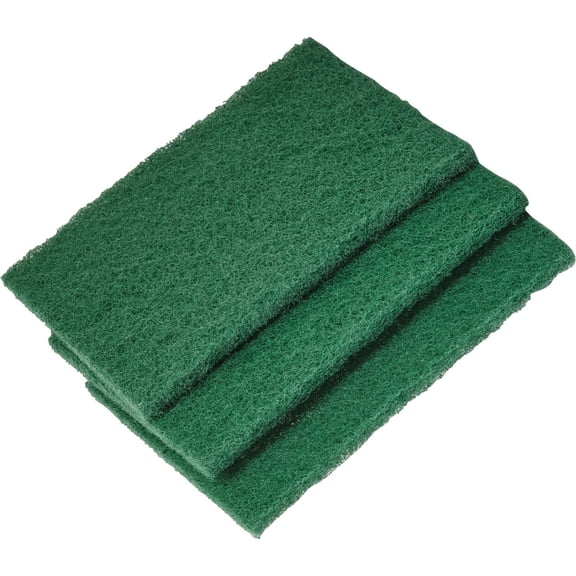
You should start with material, because it shapes how firmly your pad scrubs and how long it keeps its texture. Your options often include plastic, stainless steel, copper, and cellulose.
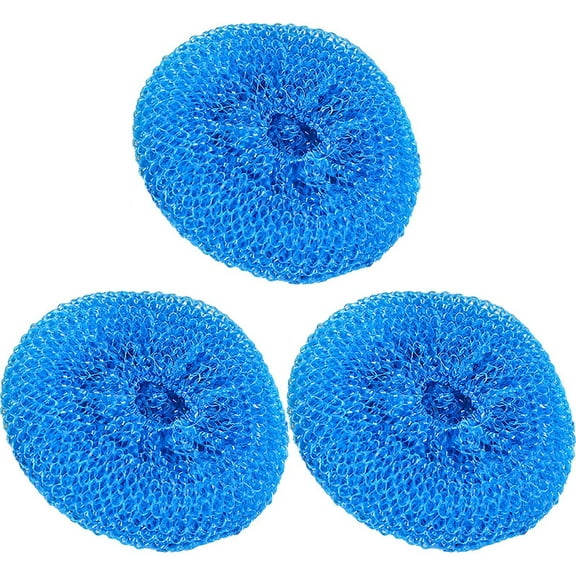
A plastic scrub pad usually gives you flexible scrubbing for everyday messes on plates, pans, and sink areas. You can also use it when you want a lighter feel that rinses clean quickly.
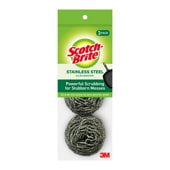
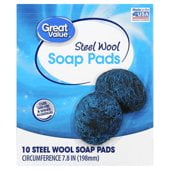
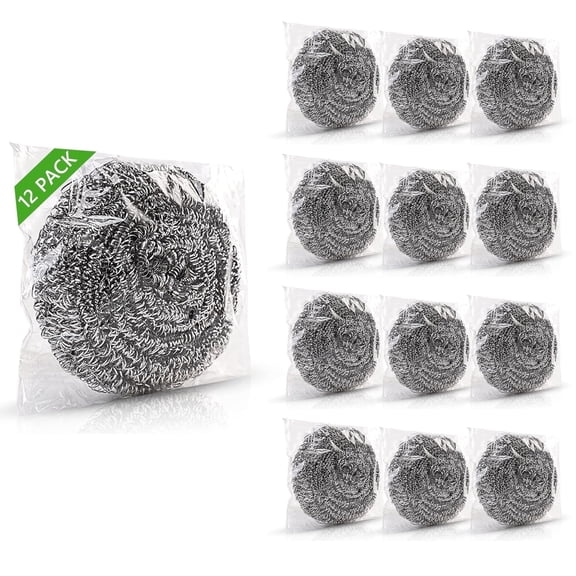
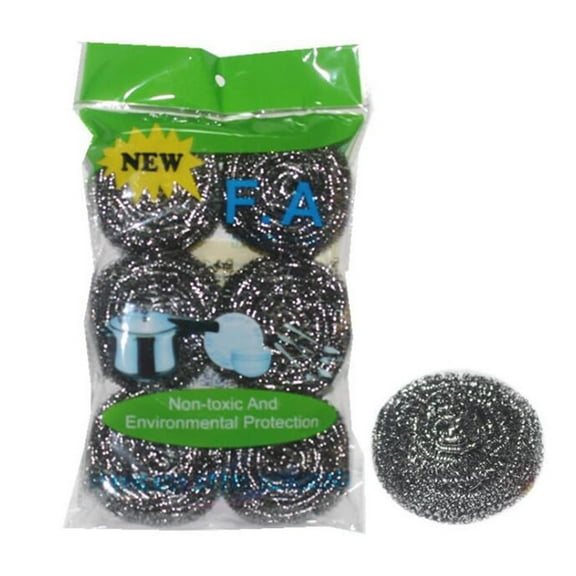
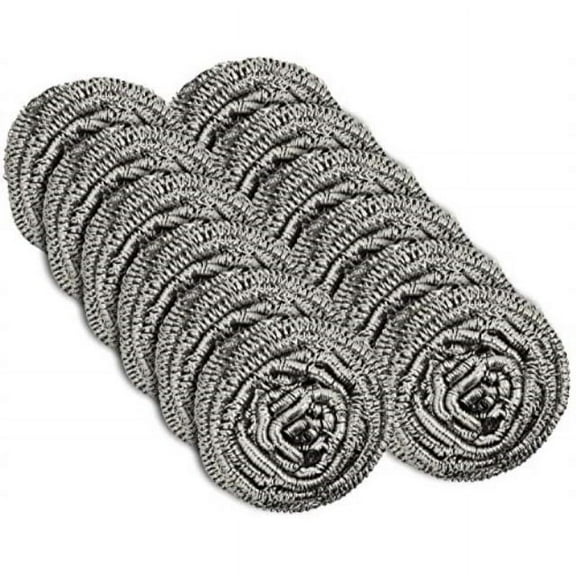
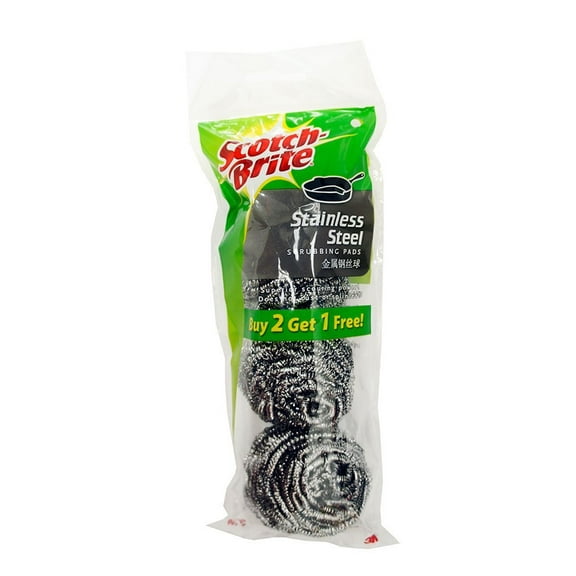
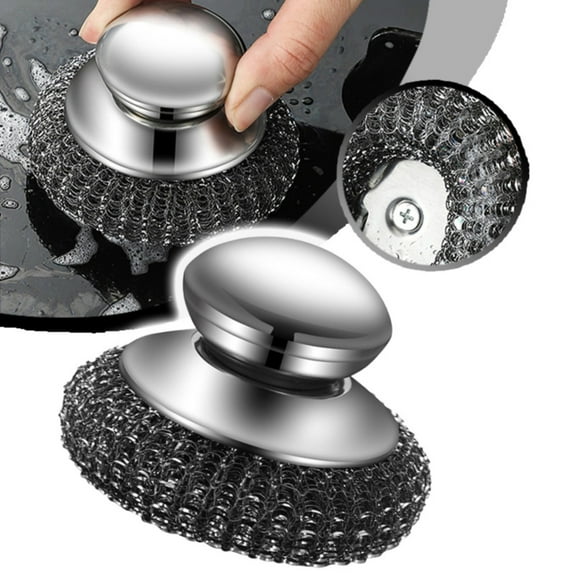
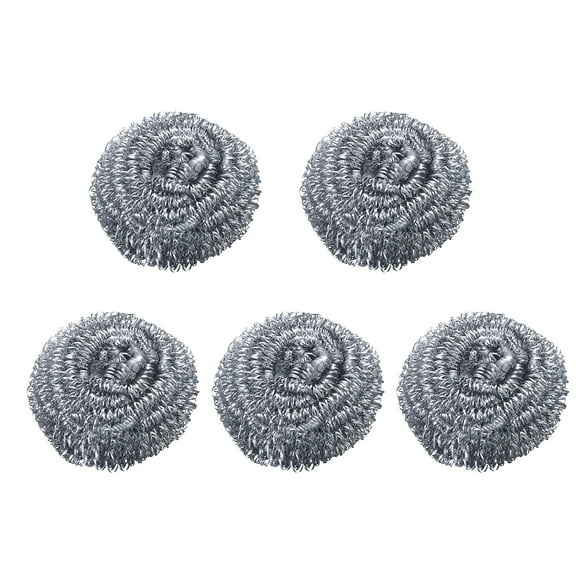
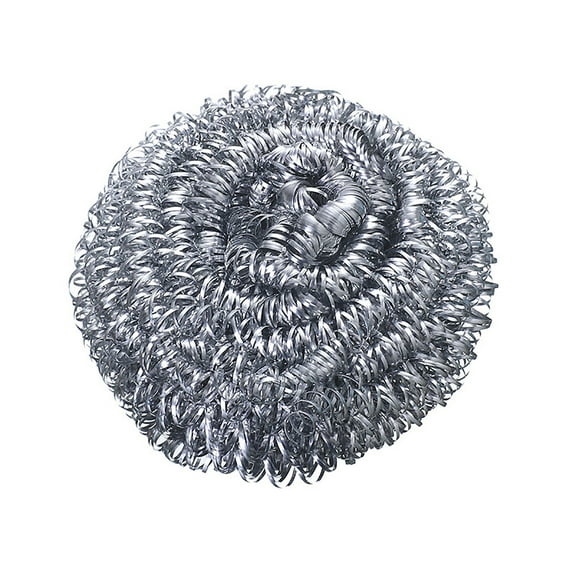
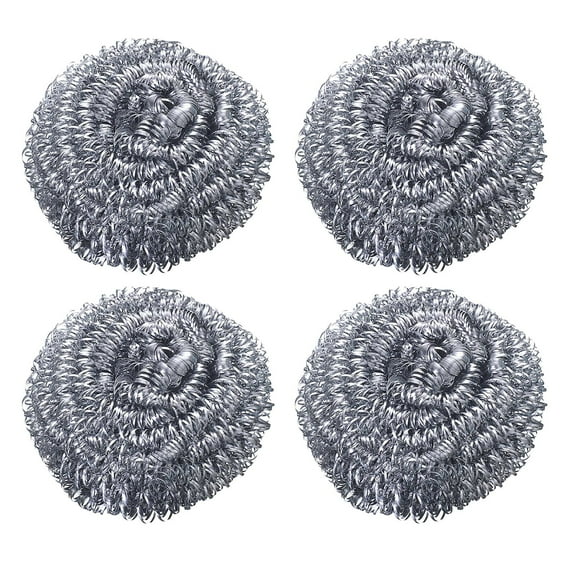
Stainless steel options give you strong abrasion for burnt bits on grill tools, oven-safe cookware, and metal surfaces. You should check surface compatibility first, because your delicate finishes need a gentler choice.
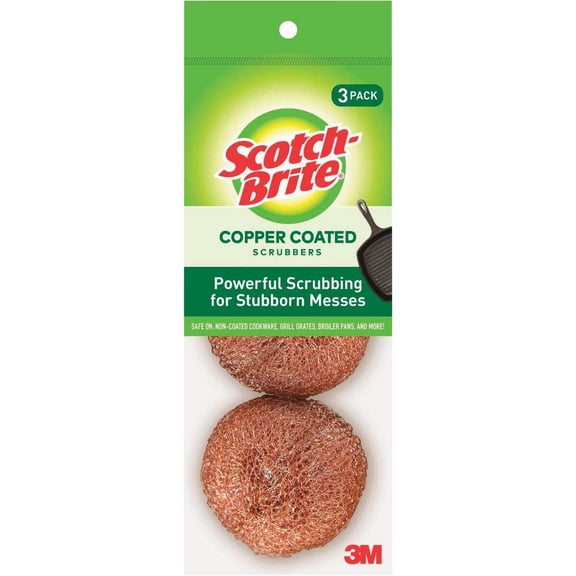
Copper pads can help you loosen stubborn residue while staying workable compared to rigid steel formats. You may prefer copper when your cookware needs firm scrubbing without an overly rigid feel.
Cellulose blends often appear in sponge-backed designs, where you want absorbency and a softer hold in your hand. You can use cellulose when your cleanup includes wiping, sudsing, and light scrubbing together.
Choosing scratch level for scrub pads for dishes
You should match scratch level to the surface before you start scrubbing. Your non-stick pans, glassware, stainless steel, and cast iron each call for a different cleaning approach.
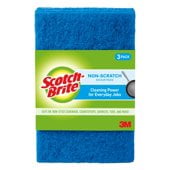
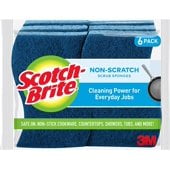
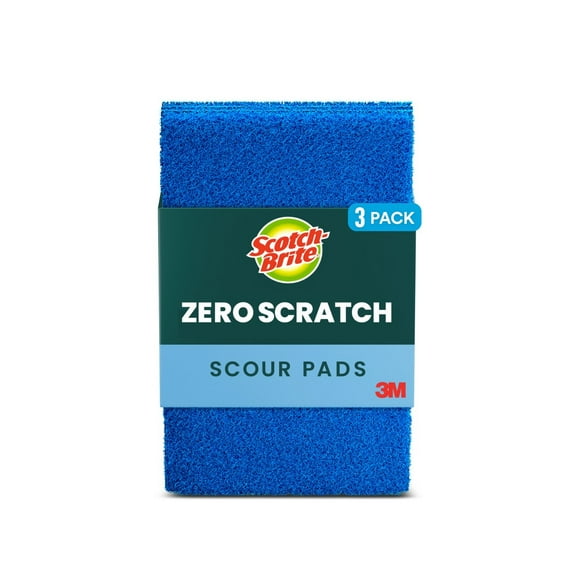
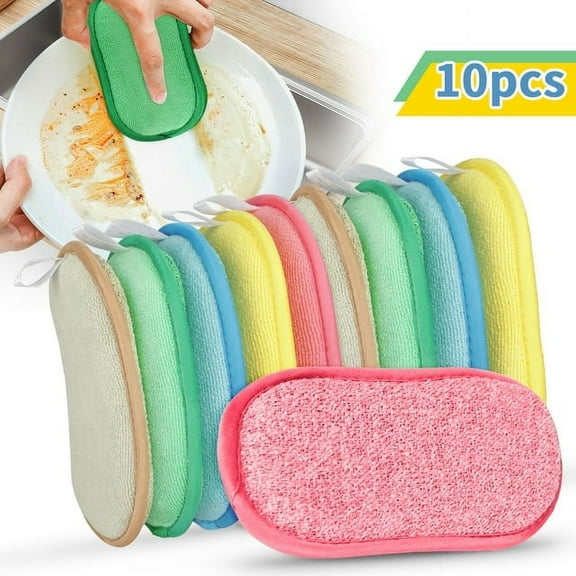
Non-scratch scrub pads for dishes work well when you need everyday cleaning on coated cookware and delicate items. You should look for soft synthetic fibers or non-abrasive polymer construction for gentler contact.
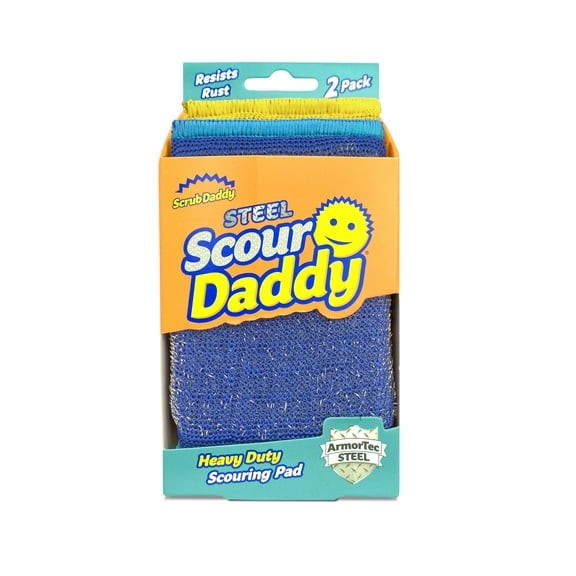
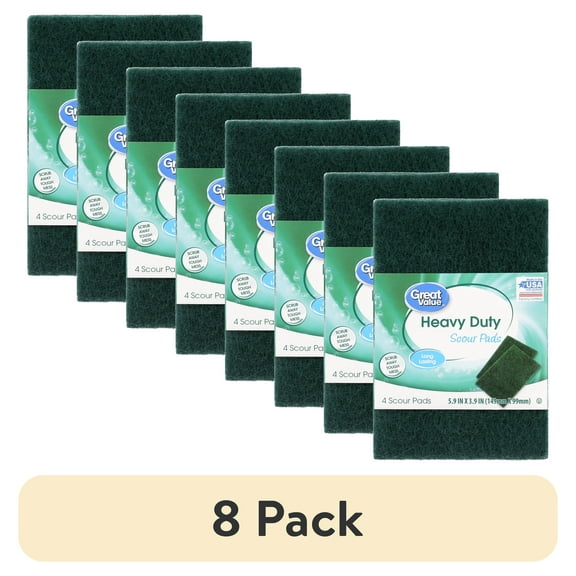
Heavy duty scouring pads fit jobs where your baked-on grease or dried food needs stronger friction. You may use them on uncoated metal cookware, broiler pans, or other tougher kitchen messes.
Delicate scrubbing pads for dishes give you control when your surface marks easily or has a polished finish. You can keep one type for gentle use and another for heavier residue.
- You can protect non-stick cookware by choosing non-scratch or delicate pads.
- You can remove baked-on grime with heavy duty textures and denser fibers.
- You can reduce trial and error when your pad matches your pan and surface type.
- You can keep your routine organized by assigning different pads to different tasks.
What to look for in a kitchen scrub pad
You should compare form factor next, because it changes how your pad feels, holds soap, and reaches corners. Your main choices often include pad, sponge-backed, and soap-filled styles.
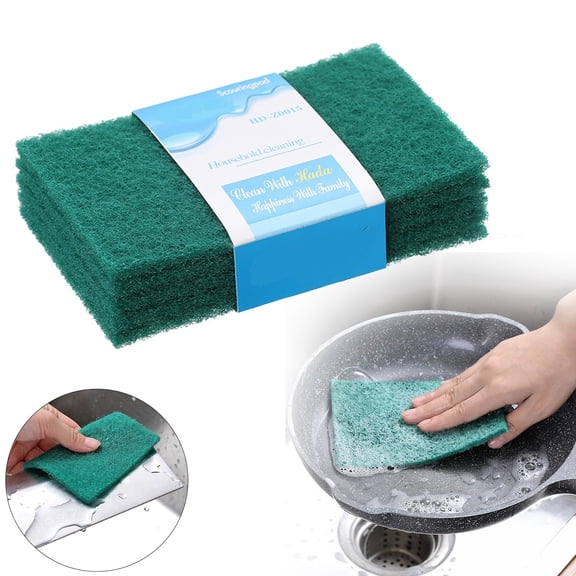
A flat kitchen scrub pad gives you direct contact with pots, baking dishes, and stovetop buildup. You may like this shape when your goal is firm pressure on a small area.
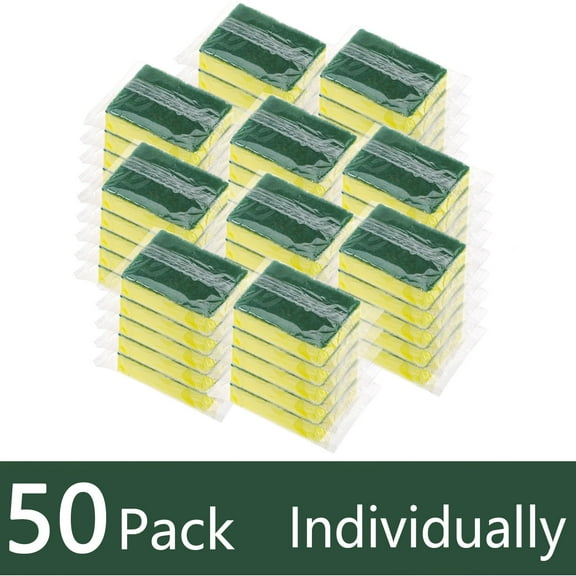
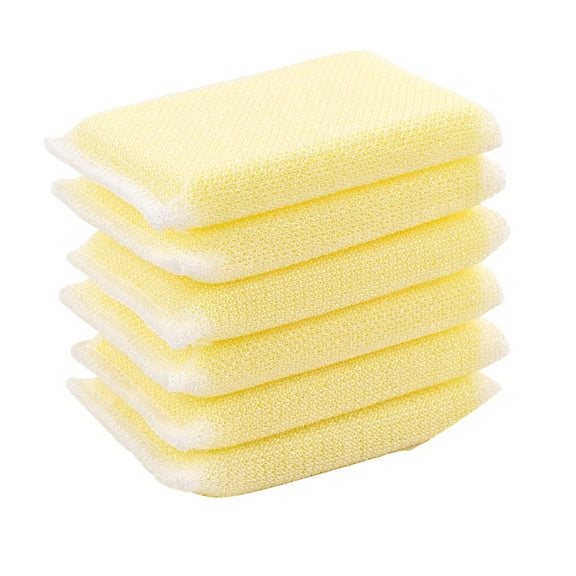
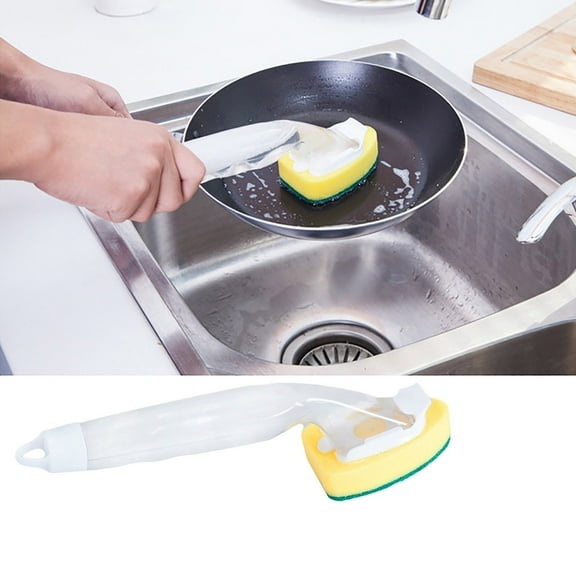
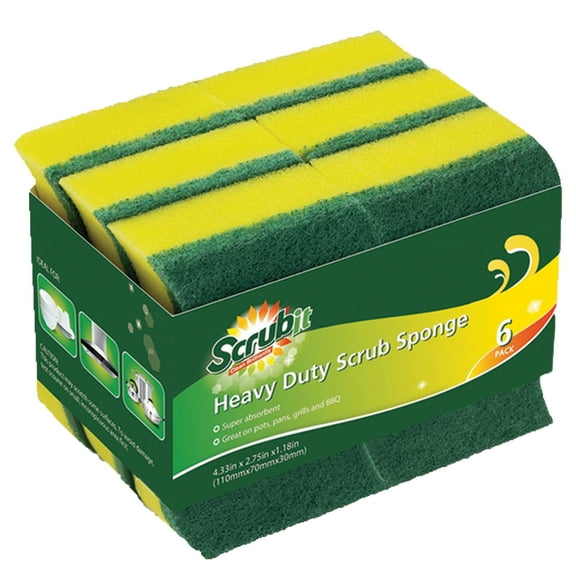
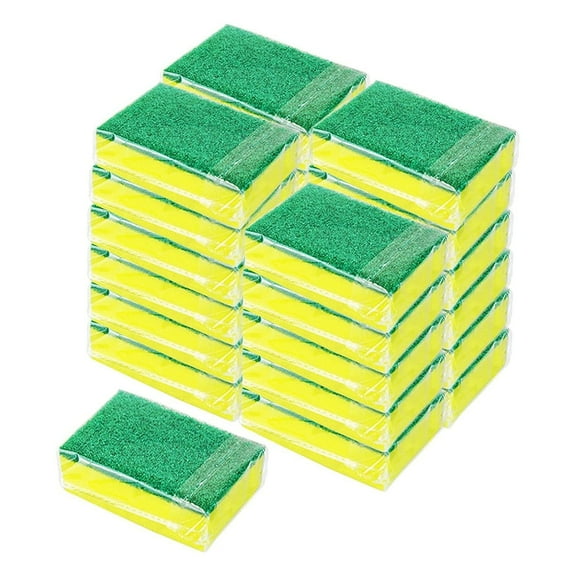
Sponge-backed options combine a scrub layer with an absorbent side, so you can lather and wipe in one tool. You can switch between scrubbing and sudsing without reaching for a separate sponge.
Soap-filled pads release cleanser as you scrub, which can simplify quick cleanup on greasy cookware and utensils. You should consider them when you want fewer steps during heavier kitchen cleaning.
You may also want to compare thickness, edge shape, and density before choosing. A denser pad often lasts longer, while a thinner pad can bend around rims and corners.
If odor resistance matters to you, look for materials that rinse thoroughly and dry quickly between uses. You can often extend usable life when your pad sheds food particles easily.
Using scrubbing pads for dishes and kitchen surfaces
You can use scrubbing pads for dishes across several kitchen tasks when you match the pad to the mess. Your everyday loads may include plates, sheet pans, skillets, sinks, and counters.
For dishes and utensils, you may want dish scrub pads that clear sauce rings, dried starch, and cooking oils. You can keep a non-scratch option nearby for coated pans and drinkware.
For kitchen surfaces, a plastic scrub pad can help you tackle sink residue, stovetop splatter, and dried drips. You should test the finish first when your surface has a coating or shine.
For heavy-duty cleaning, you may need kitchen scouring pads with a rougher texture and stronger structure. You can use them on roasting pans, oven racks, and cookware with stubborn buildup.
If you clean cast iron, you should look for a pad that lifts residue without turning flimsy in hot water. You can pair the right texture with your usual soap or choose a soap-filled style.
When you want one tool for mixed tasks, a sponge-backed kitchen scrub pad can cover suds, wipeups, and moderate scrubbing. You get flexibility when your cleanup shifts from dishes to counters.
You can also coordinate pads with related supplies like dish soap, kitchen sponges, and household cleaning supplies. That setup helps your sink area stay ready for quick rinses and deeper cleanup.
How your scouring pads fit your routine
You can make cleanup easier when your scouring pads match your cookware, surface finish, and mess level. Your choice of material, scratch level, and format gives you control with every scrub.
With the right combination, you can handle delicate pans, everyday dishes, and stuck-on residue without guessing. You finish with a cleaning tool that fits your kitchen routine and surface care needs.