

Pool Paint in Specialty Paint






About Pool Paint in Specialty Paint - Walmart.com
When you need pool paint, you want a finish that matches your pool surface and your repaint plan. You can compare epoxy, acrylic, and water-based options at Walmart, so your project stays focused from prep through refill.
If you're refreshing faded concrete, plaster, fiberglass, or gunite, you need guidance that fits your exact surface. You can use this guide to compare swimming pool paint types, coverage, and cure timing before you choose.
Choosing the right pool paint
You should start by checking what coating is already on your pool, because compatibility affects adhesion and finish. You can usually recoat epoxy with epoxy, while acrylic or water-based finishes often follow their own systems.
When you compare paint type first, you reduce guesswork during prep and application. You also make it easier to plan drying time, coverage, and the number of coats your pool may need.
- You can match epoxy pool paint to pools that need a hard, smooth finish on compatible surfaces.
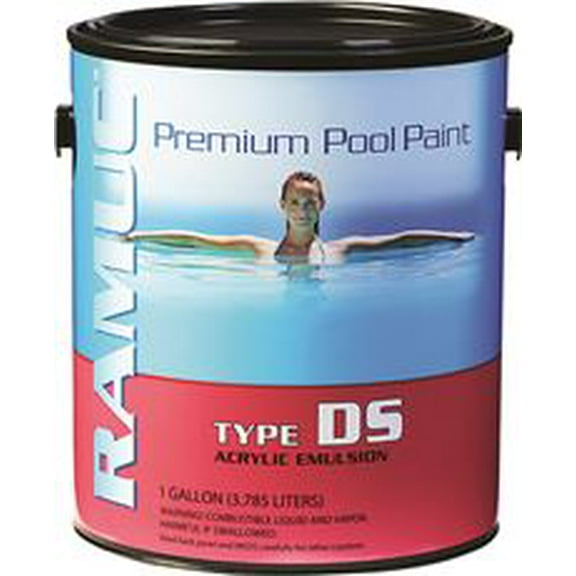
- You can choose acrylic options when you want a coating often used on concrete or plaster repaint projects.
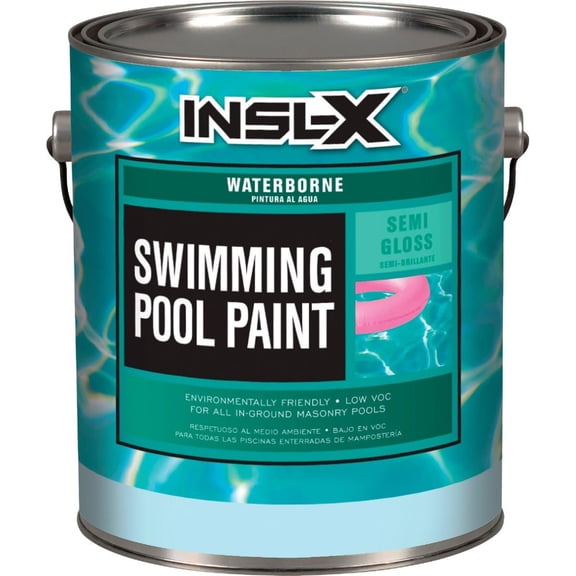
- You can consider water based pool paint when you want easier cleanup and a familiar application process.
- You can compare container sizes to estimate how many gallons your pool project may require.
Water based pool paint vs. epoxy pool paint
You should compare paint type by looking at your existing coating, your surface material, and your project timeline. You can use epoxy for a dense finish, while water-based formulas can simplify cleanup and handling.
If you're painting a concrete or gunite pool, you may focus on adhesion and surface texture after prep. If your pool is fiberglass or plaster, you should check label guidance carefully for surface compatibility.
You may also see acrylic options when you want paint for a pool with straightforward recoating needs. You can treat acrylic as a separate choice, especially when your pool already has an acrylic finish.
When you review swimming pool paint labels, you should compare dry time and cure time separately. You can often touch a dried surface sooner than you can refill the pool, so timing matters.
You should plan your project around curing, not just surface dryness. You avoid setbacks when you wait for the full cure window listed for your selected coating.
Choosing the right surface match
You can narrow your options quickly by identifying whether your pool is concrete, plaster, fiberglass, or gunite. You should choose a coating made for that surface, because each material accepts paint differently.
Concrete and gunite pools often need strong adhesion after cleaning and etching steps. Plaster pools may need extra attention to existing coating condition before you repaint.
If you have a fiberglass pool, you should look closely at finish compatibility and application notes. You can avoid unnecessary trial and error when you confirm surface fit before opening the can.
You should also think about how your pool gets used during the season. If your pool sees frequent use, you may prefer a finish that supports a longer-lasting look between repaint cycles.
How much pool paint do you need
You can estimate coverage by measuring pool length, width, and average wall depth, then reviewing the label coverage per gallon. You should multiply the painted square footage and divide by the listed coverage rate.
If you're using one gallon, two gallon, or five gallon containers, you should still calculate for all coats. You can avoid running short by planning for the full surface area, not just the pool floor.
You may need extra paint for steps, benches, ledges, or rougher surfaces that absorb more coating. You should also account for a second coat when the label or surface condition calls for it.
When you compare pool paint cost, you should compare total project coverage instead of container size alone. You get a clearer picture when you match gallons, coats, and surface texture together.
Planning your application and cure time
You should schedule your painting window around prep, drying, and curing, because each stage affects the final finish. You can get smoother results when you clean, patch, and dry the pool before painting.
After application, you should check how long the coating needs before light contact and before refilling. You can think of drying as surface readiness, while curing means the finish is ready for water exposure.
If you need pool paint in stock for a seasonal refresh, you should still leave time for the full cure period. You protect your project timeline when you plan for weather and refill timing together.
You can also pair your project with pool prep tools, cleaners, and maintenance supplies for a more complete approach. You make repainting easier when your surface prep and finish system work together.
Where to buy pool paint with confidence
When you compare pool paint on Walmart.com, you can filter by paint type, surface fit, and container size. You can use those details to narrow swimming paint options that match your pool and schedule.
You leave with a clearer plan when you choose pool paint by compatibility, coverage, and cure time. You get a finish that fits your surface and helps your pool look refreshed for the season.