

Islamic Wall Decals in Wall Decals by Theme














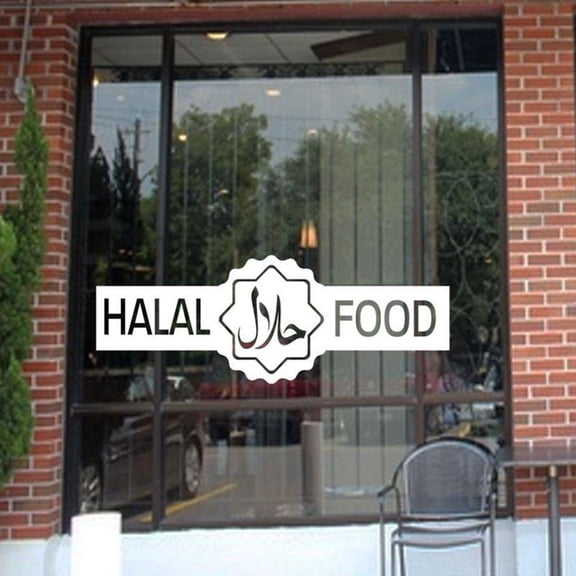
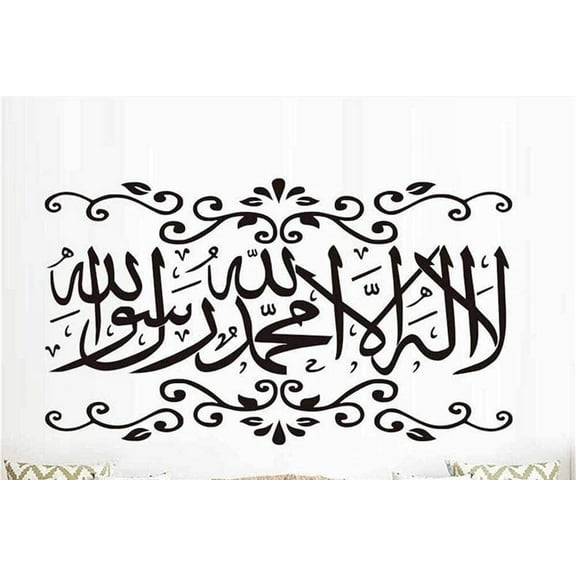

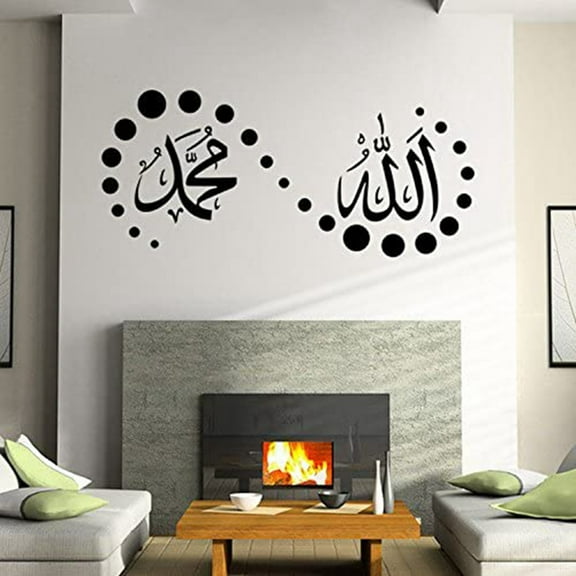
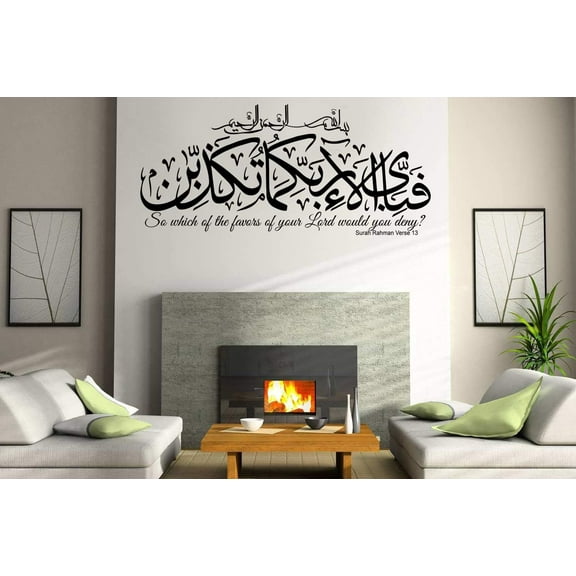





About Islamic Wall Decals in Wall Decals by Theme - Walmart.com
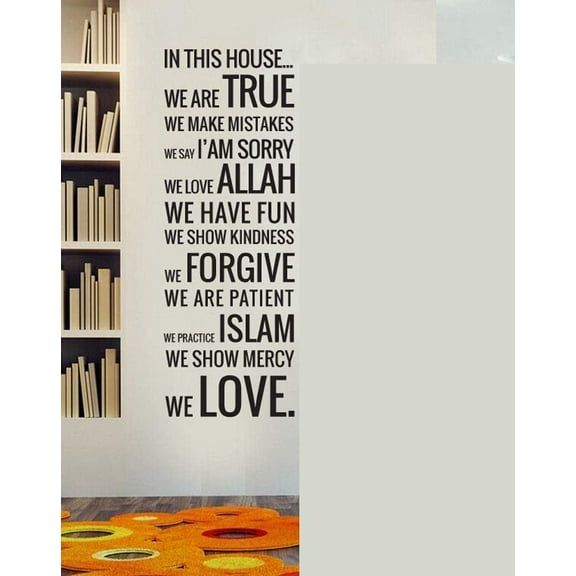
Islamic wall decals help you add meaningful design to your home with removable, script-focused decor. You can compare calligraphy styles, finishes, sizes, and application types for a more intentional display.
How to choose Islamic wall decals for your space
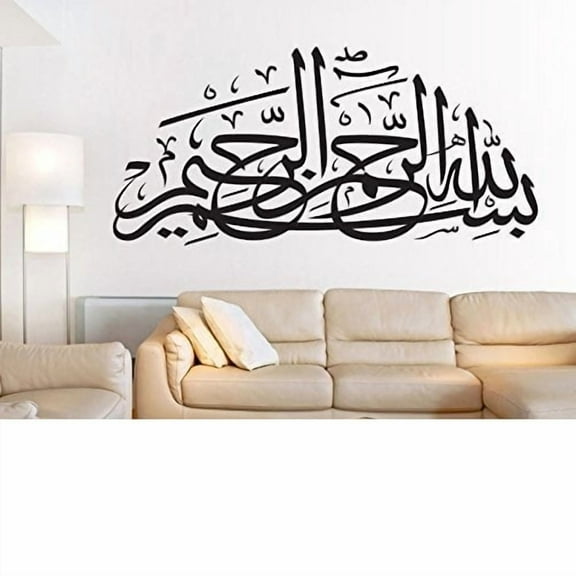
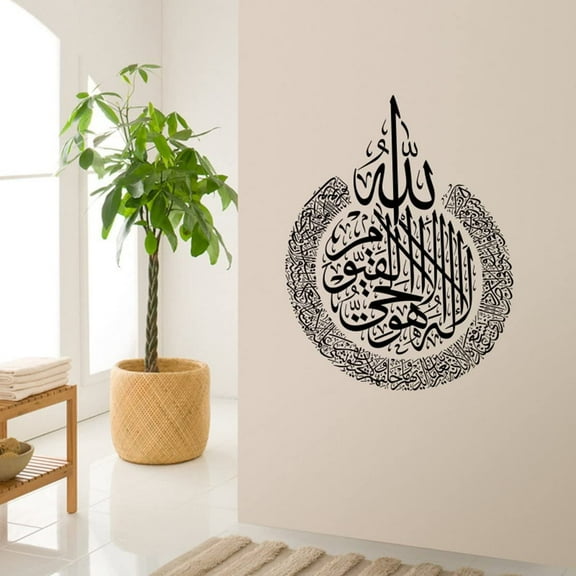
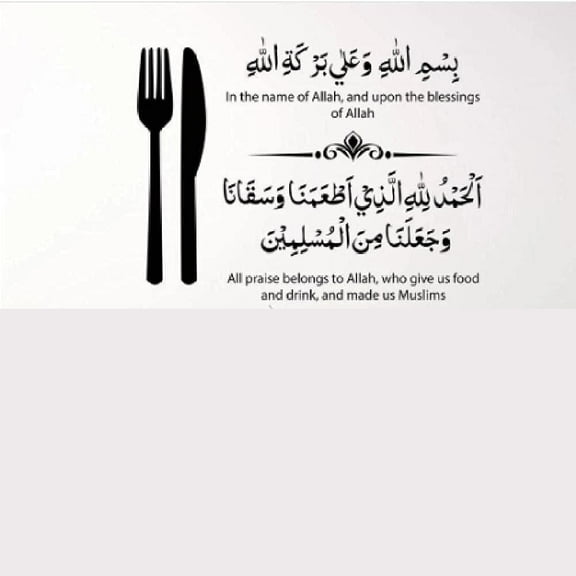
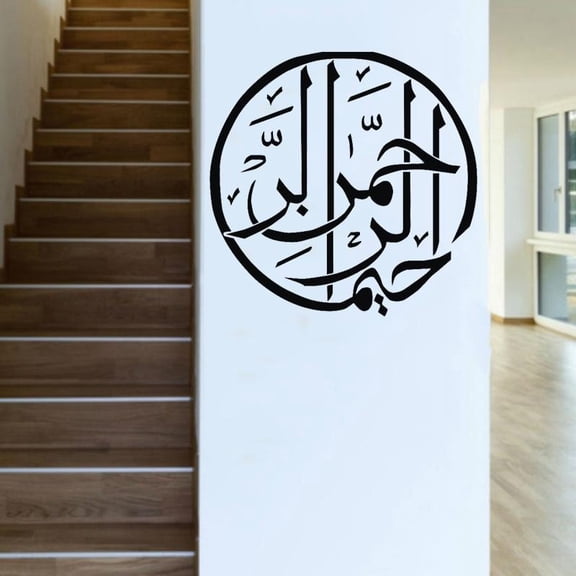
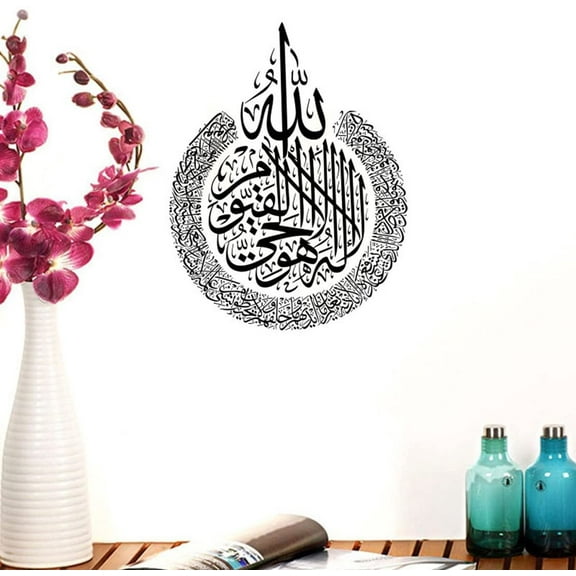
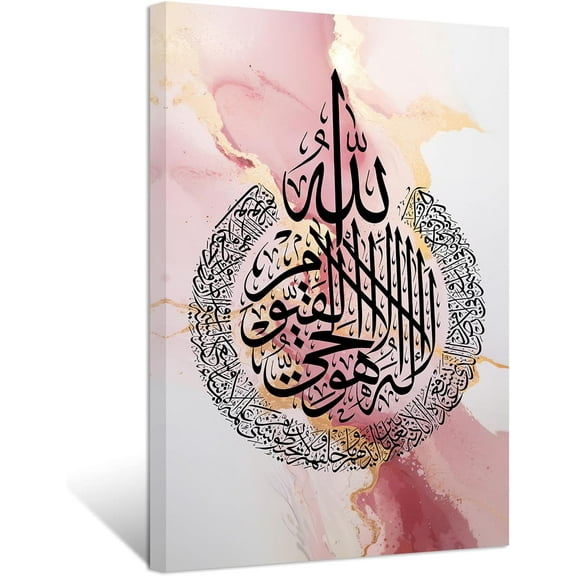
You should start with the message because your chosen text shapes the room's tone and purpose. You may prefer an ayatul kursi wall decal for a focal wall, or you may choose Bismillah for an entry.
Your design theme also affects how the decal works with furniture, paint, and lighting. You can choose geometric patterns for a modern look, or you can select script-based designs for a traditional focal point.
When you compare Islamic wall decals, you'll notice differences in visual density and placement needs. You can use smaller layouts above shelves, while larger designs can anchor open walls without heavy frames.
Choosing Arabic calligraphy wall decals by script style
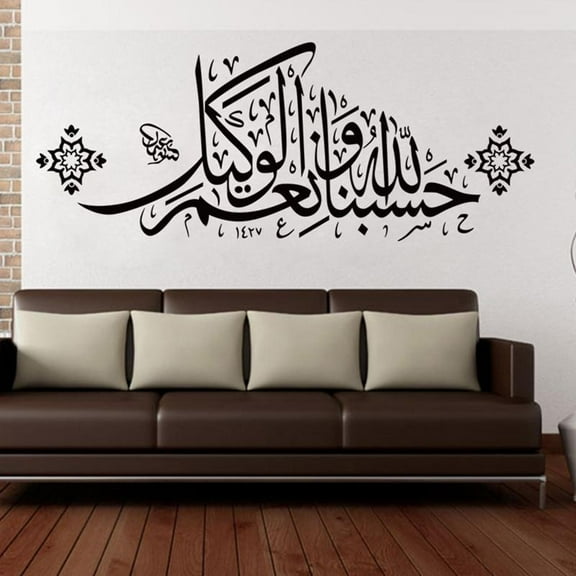
You should compare calligraphy style early if script appearance matters in your room. You may find Thuluth looks flowing and formal, while Kufic feels structured and geometric.
If you want balanced readability, you can consider Naskh for cleaner letterforms and a classic presentation. If you want decorative movement, you may prefer Diwani for curved lines and ornate visual detail.
Your choice should match your decor and the level of emphasis you want on the wall. You can use bold script for a feature wall, or you can choose simpler forms for smaller accent areas.
- You can use Thuluth when your room needs sweeping, elegant lines.
- You can choose Naskh when your wall art needs clearer text shapes.
- You can select Diwani when your decor leans ornate and decorative.
- You can pick Kufic when your space suits angular, architectural forms.
What to look for in Islamic wall art stickers materials and finishes
You should check material finish because it changes the look and the wall interaction. You may prefer matte vinyl for a softer appearance, while glossy vinyl reflects more light.
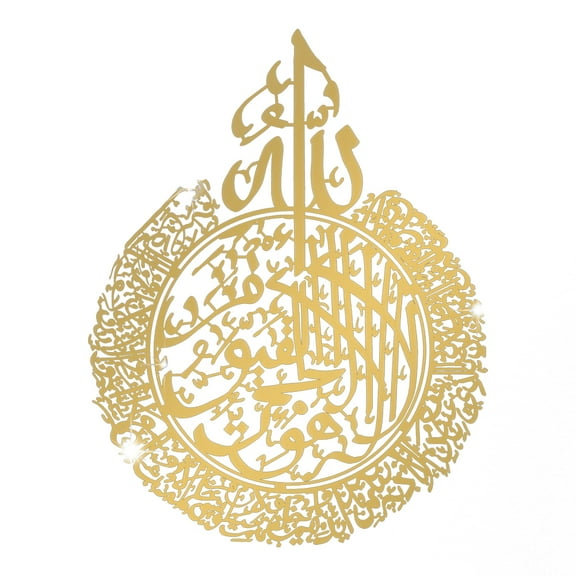
If your room includes metallic accents, you can consider metallic gold-tone for a decorative highlight. If you want a reflective effect, you can compare mirror acrylic styles for entryways or statement walls.
Your wall surface matters just as much as the finish you choose. You should check whether your decal is intended for smooth drywall, glass, or other flat surfaces.
When your wall has light texture, you may need styles with transfer tape for more controlled placement. If your surface is very smooth, you might prefer peel and stick or static cling options.
You should also review removability details before placing any design in a rental or updated room. You can look for options described as removable, and you can check whether residue cleanup is expected.
How size and dimensions affect your layout
You should measure your wall before you choose a small, medium, large, or extra large format. You can use painter's tape to outline the decal size and judge spacing around furniture.
Small decals under 12 inches work well when you want subtle accents near shelves or mirrors. Medium sizes from 12 to 24 inches can fit above desks, consoles, or compact prayer corners.
Large Islamic wall decals from 24 to 48 inches create stronger visual presence on open walls. Extra large formats over 48 inches can frame a sofa, bed, or dining area with a clear focal point.
Your room can look more balanced when you leave breathing space around the design edges. You should compare width and height, especially when your script has long horizontal strokes.
Comparing application types and wall compatibility
You should choose application type based on your confidence level and your wall finish. You may like peel and stick for simpler placement, while transfer tape can help you align detailed lettering.
If you want easy repositioning on very smooth surfaces, you can compare static cling styles. You should still confirm the intended surface because cling designs often perform differently than adhesive vinyl.
Your texture level can affect how crisp the finished design looks once applied. You can expect smoother results on flat painted walls, glass panels, and sealed surfaces with even texture.
For detailed Arabic calligraphy wall decals, you should check whether the lettering arrives in separate pieces or one unified layout. You can plan placement more accurately when you know the install format before ordering.
Using Islamic wall decals in different rooms
You can use these designs to define a prayer space without adding bulky frames or shelves. You may place an ayatul kursi wall decal above a prayer rug area for a clear visual anchor.
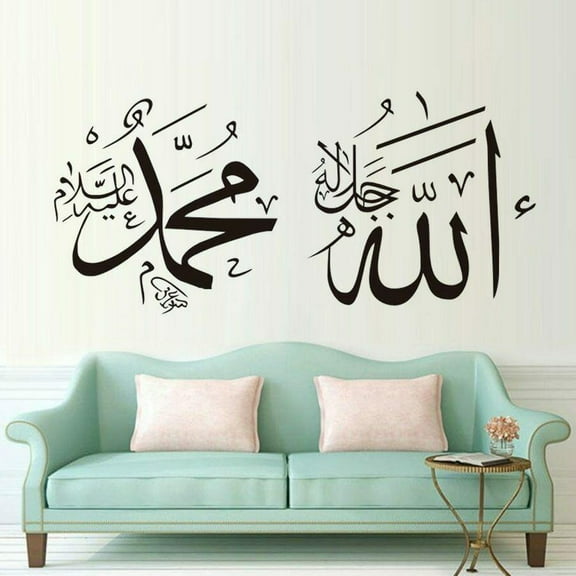
In an entryway, you can use Bismillah or allah wall decals to create a welcoming first impression. Your foyer can feel more intentional when the script size matches the door and console width.
You can also place Islamic wall art stickers in bedrooms, study areas, or nurseries when you want gentle visual meaning. Your layout may feel calmer when you pair softer finishes with neutral wall colors.
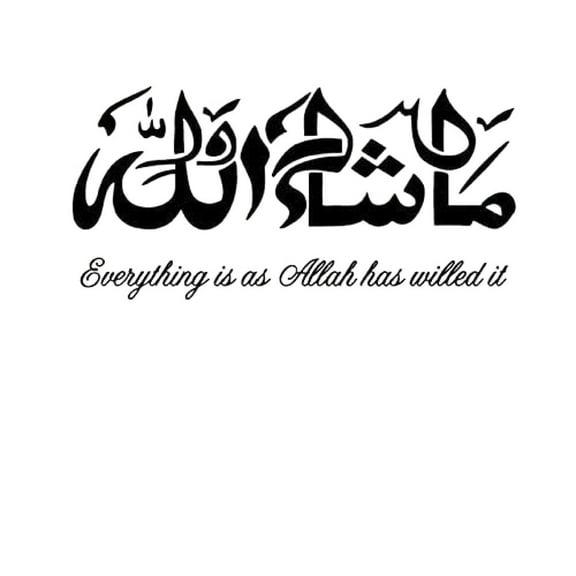
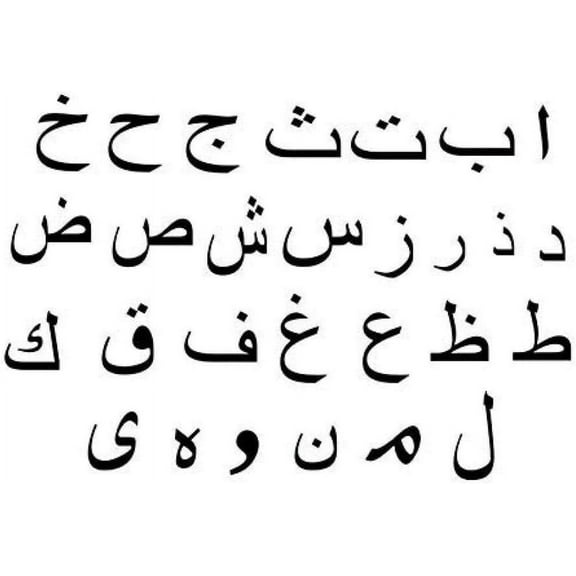
If you want script accuracy, you should review listing images, text details, and orientation before choosing a religious phrase. You can compare how the Arabic is presented, especially when wording is central to your selection.
Your final choice feels easier when you match script style, message, finish, size, and surface compatibility before installation. You can create a polished, meaningful display that fits your wall cleanly and reads clearly every day.