


Find auto parts that fit
Let’s search for parts that fit your vehicle.Hydraulic Jacks in Car Jacks























About Hydraulic Jacks in Car Jacks - Walmart.com
You can compare car jack price options here while narrowing down hydraulic jacks for your vehicle, garage space, and lifting routine. You’ll find category choices built around tonnage, lift height, jack type, and power method, which are the details that matter.
If you’re replacing a worn shop jack or building a roadside kit, you’ll want clear differences between bottle jacks, floor jacks, and trolley styles. You’ll also want to compare low-profile reach, saddle height, and storage size before you choose.
Understanding car jack price and hydraulic jack price
You’ll notice car jack price usually changes with capacity, lift range, and mechanism. You can expect a manual hand pump model to differ from air hydraulic or electric options because the lifting method changes your setup.
When you compare hydraulic jack price details, you should check whether you need a compact bottle jack or a wider floor jack. You’ll also want to measure your vehicle’s clearance, because a low-profile fit matters for lower cars.
You can narrow the category faster by focusing on the decisions that affect daily use. You’ll get more useful results when you compare tonnage rating, wheel mobility, handle length, and closed height together.
Choosing the right hydraulic jack for car use
You should match weight capacity to your vehicle type before you compare anything else. You’ll often see 2 ton and 3 ton options for passenger cars, while 6 ton through 20 ton choices suit heavier jobs.
If you drive a sedan or coupe, you may prefer a low-profile model with a lower minimum saddle height. You’ll need that lower entry point if your vehicle sits close to the ground.
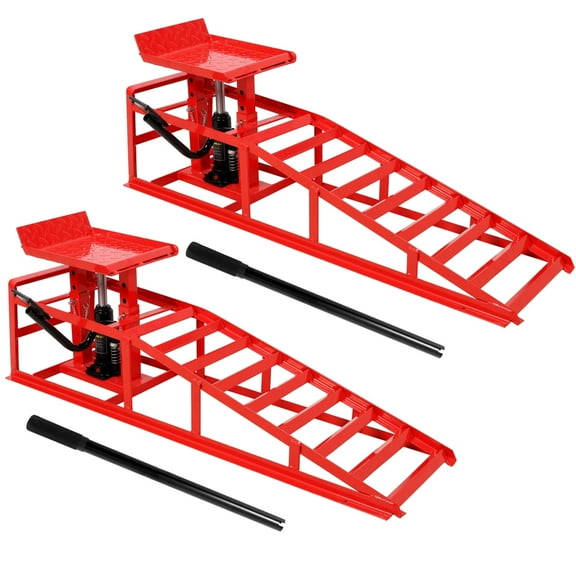
For taller vehicles, you may look for standard lift or high lift ranges. You can use that extra reach when you need more vertical travel under trucks, SUVs, or service vehicles.
- You should check tonnage rating first, because it determines whether the jack fits your vehicle class.
- You should compare minimum saddle height, because low clearance changes which jacks can slide underneath.
- You can review maximum lift height, because tire service and underbody access need different lifting range.
- You may prefer wheel-mounted designs, because a hydraulic wheel jack rolls into position with less repositioning.
Comparing jack type, lift height, and portability
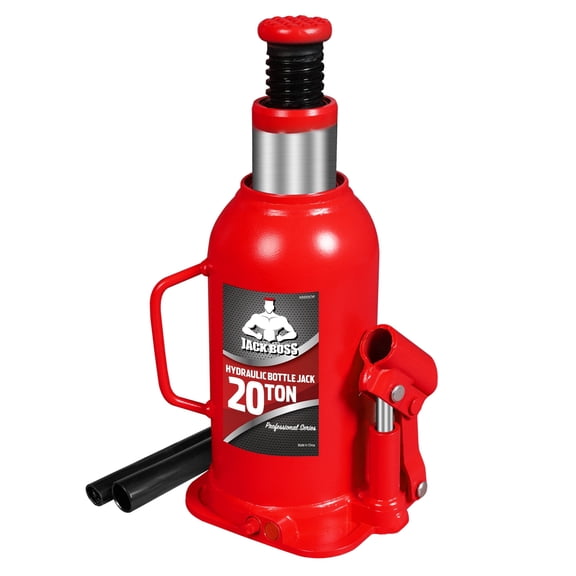
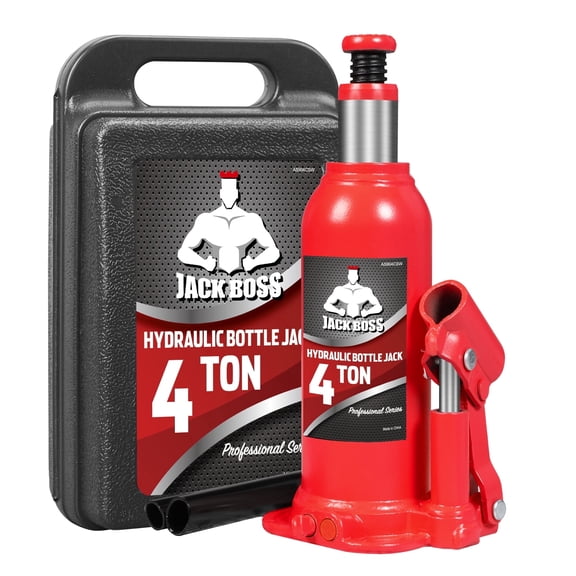
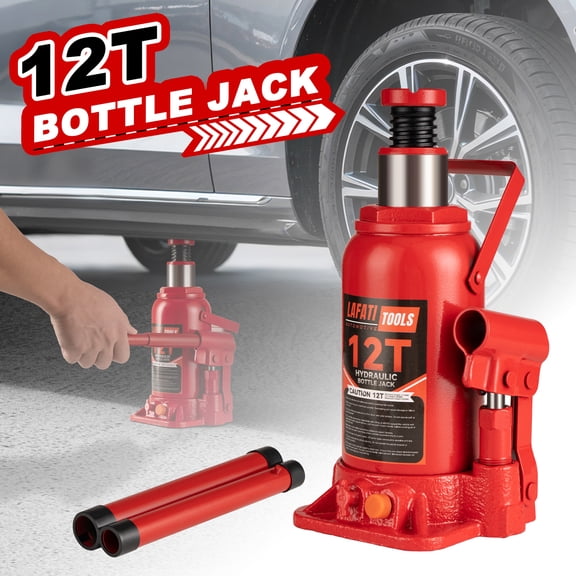
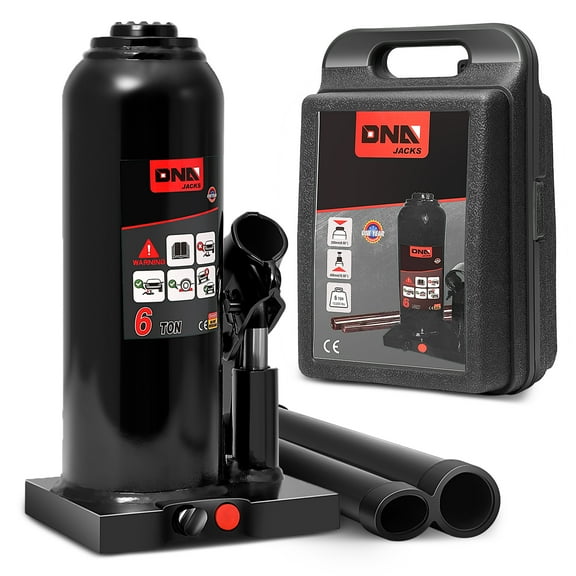
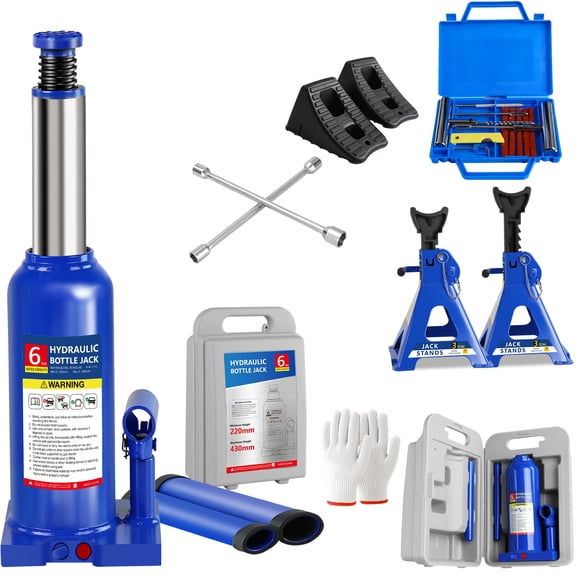
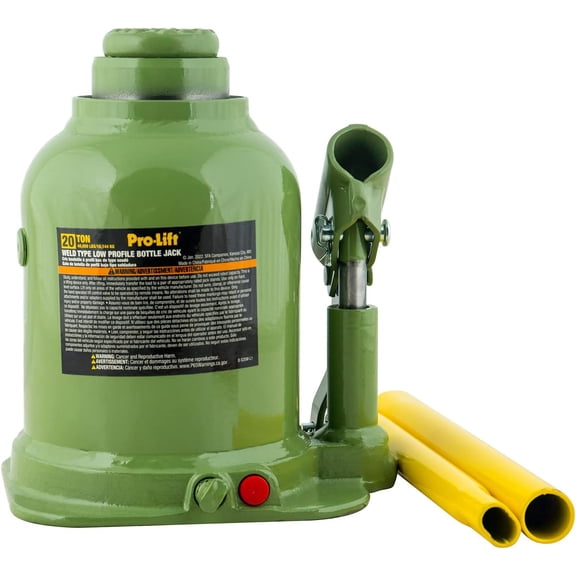
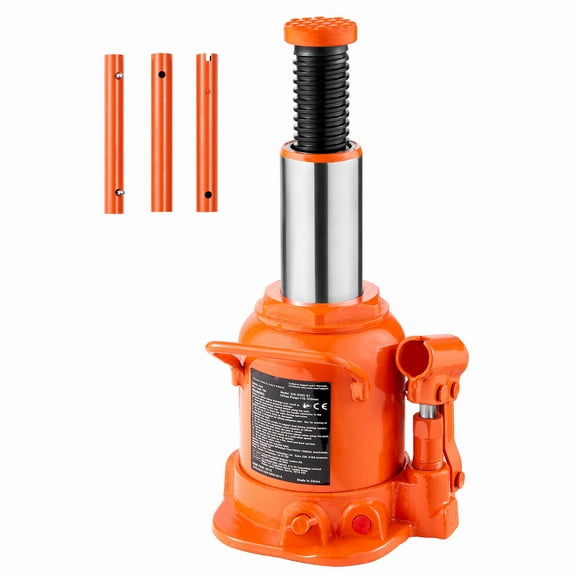
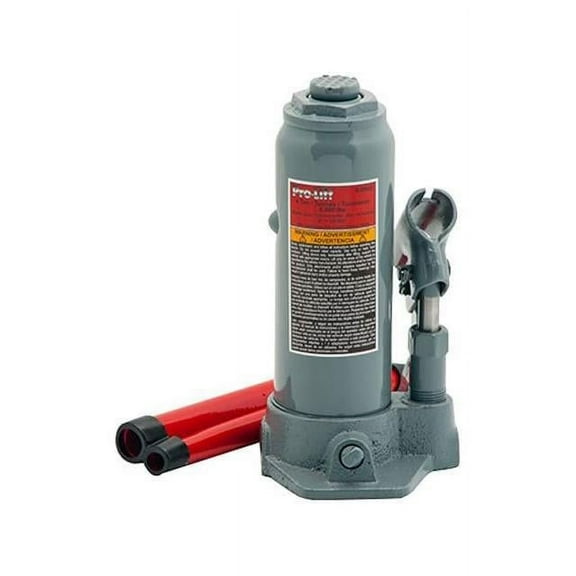
You can use bottle jacks when you want a compact shape that stores well in a trunk or tool area. You’ll often choose this style when vertical lifting strength matters more than a wide rolling base.
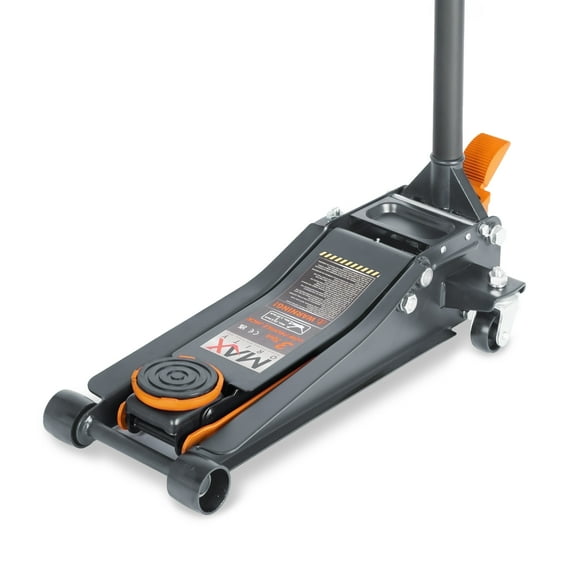
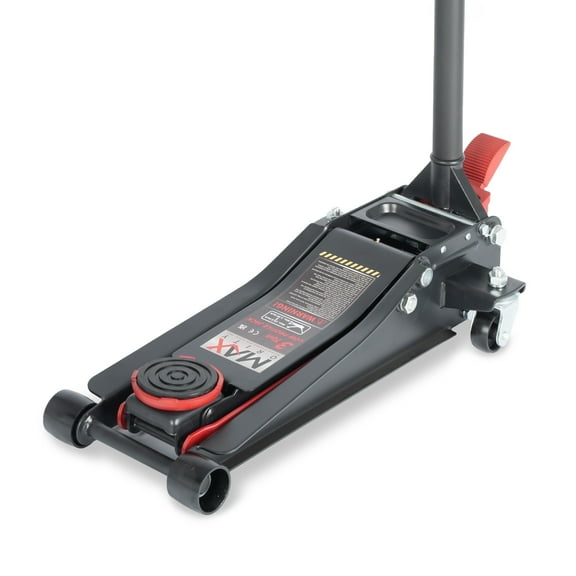
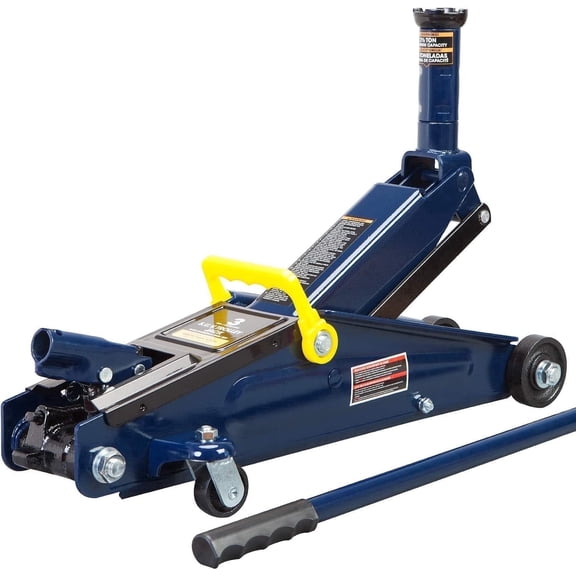
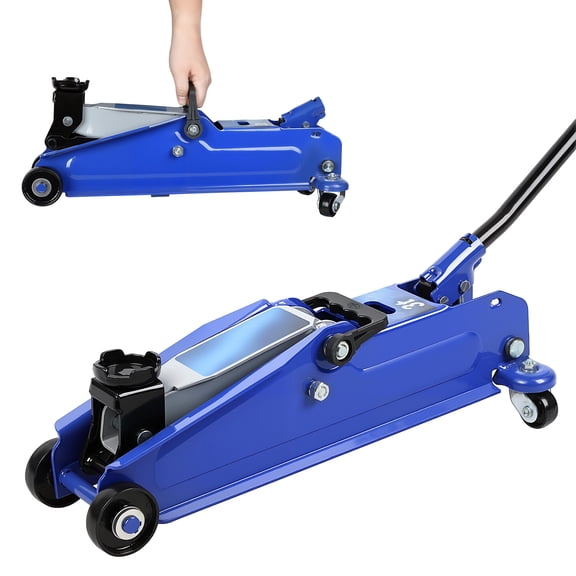
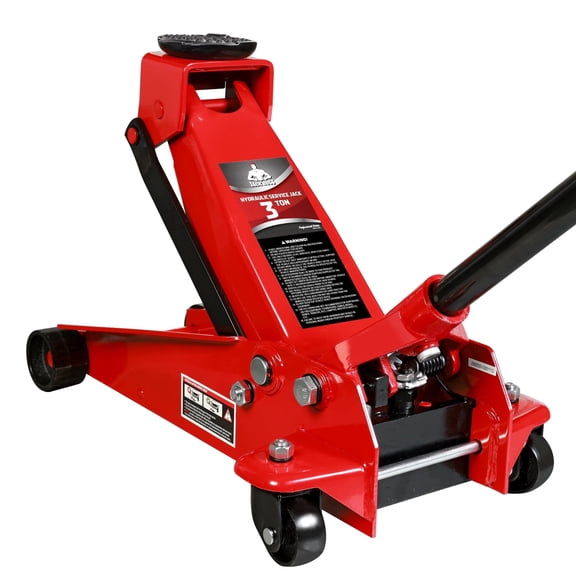
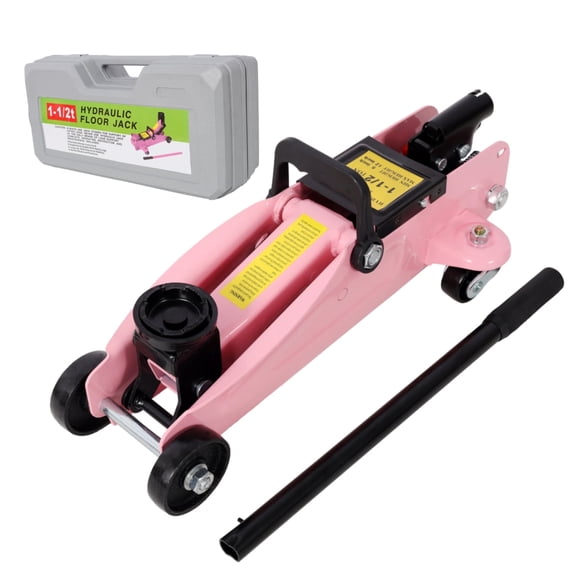
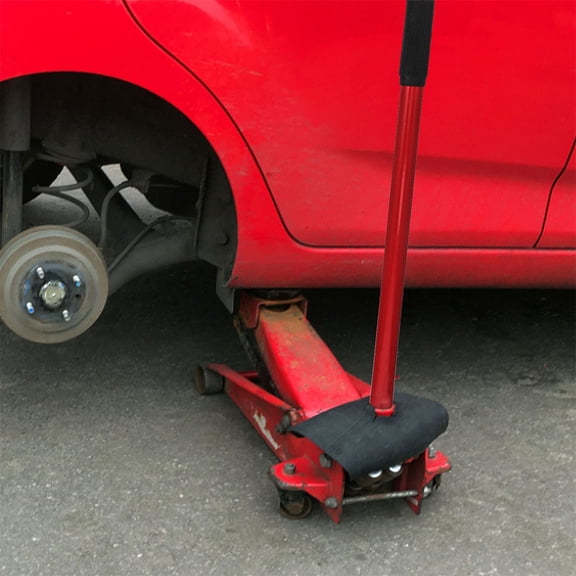
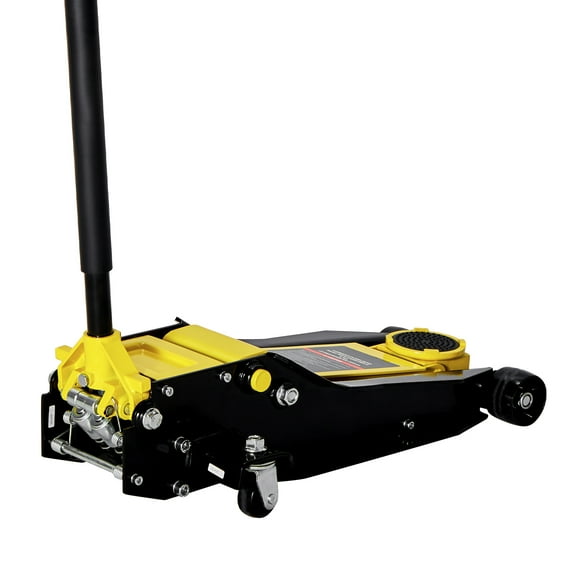
Floor jacks give you a longer frame and smooth rolling movement across garage surfaces. You may prefer that design when you change tires often and want steady positioning under side lift points.
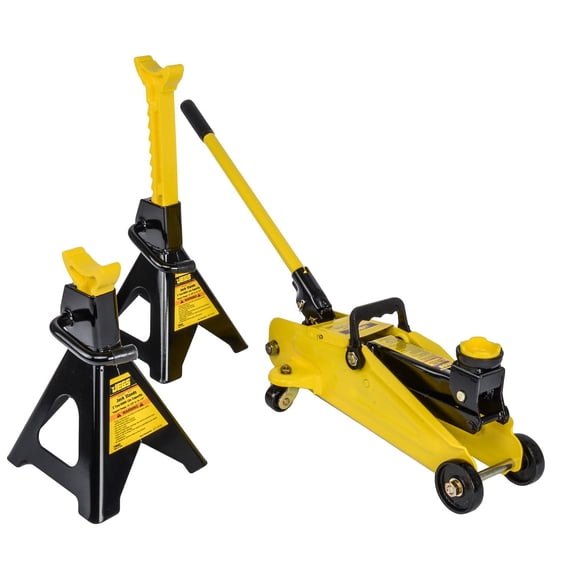
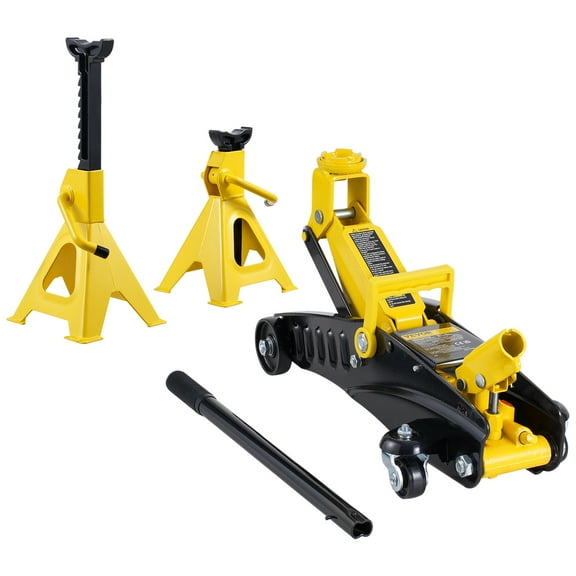
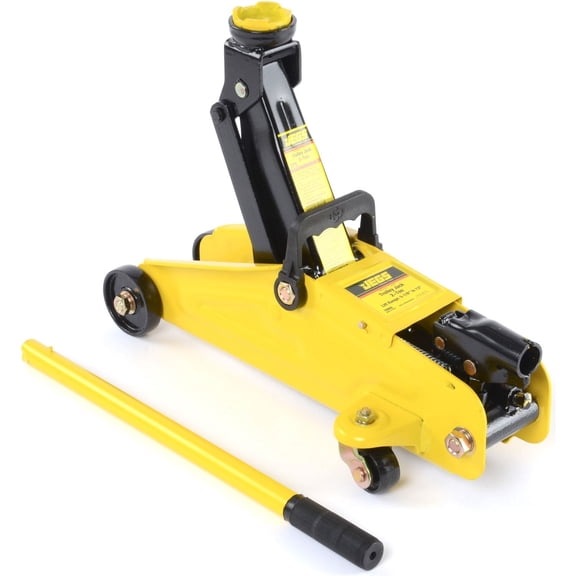
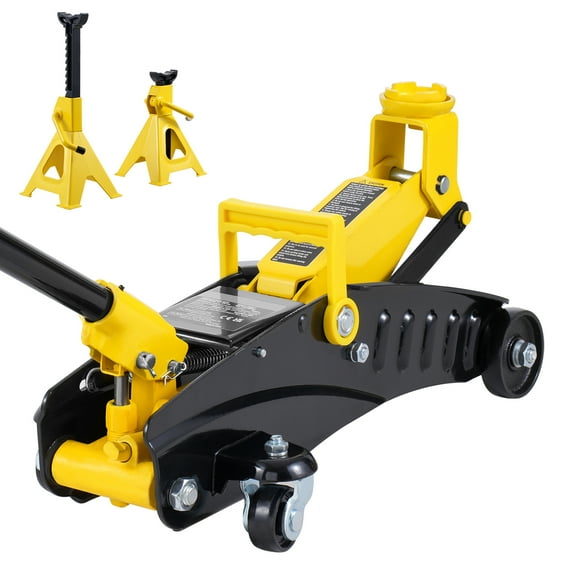
Trolley jacks help you move the jack under the vehicle with onboard wheels and a long handle. You’ll appreciate that layout when you work in a home garage and need steady placement.
Scissor jacks appear in this category mix as another compact option for storage-minded shoppers. You can compare them against hydraulic choices when portability matters more than faster pumping action.
You should also check closed height and full lift range together, not separately. You’ll avoid fit problems when you confirm the jack starts low enough and rises high enough for your vehicle.
Choosing power mechanism and safety features
You can choose a manual hand pump if you want straightforward operation and fewer setup requirements. You’ll likely prefer that option for home garages, emergency kits, and occasional tire changes.
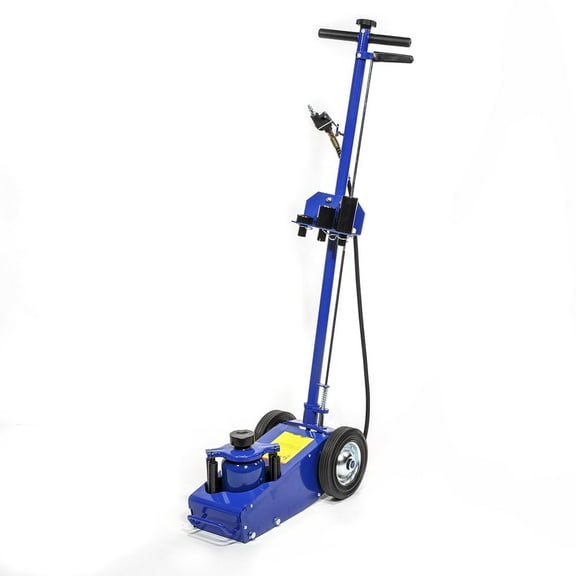
Air hydraulic or pneumatic models fit shoppers who already use an air setup in a work space. You can lift with less manual pumping, which helps when repeated lifts are part of your routine.
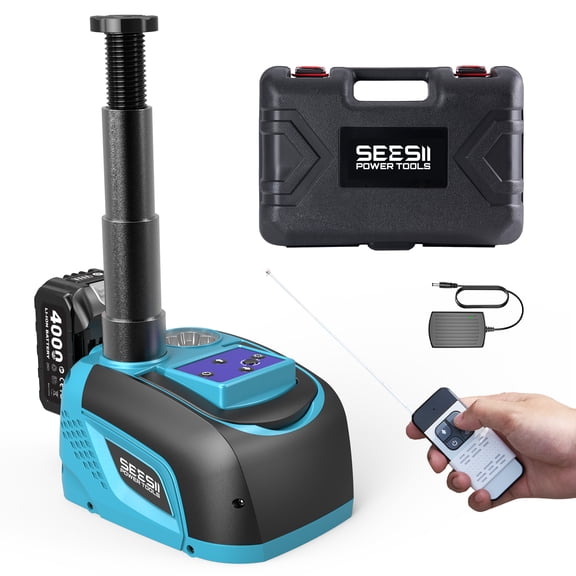
Electric jacks can simplify lifting when you want push-button convenience in a compact format. You should still compare power source details, storage dimensions, and vehicle compatibility before deciding.
You also need to look for safety-focused design details that support controlled lifting. You may check for an automatic bypass valve, because that feature helps manage overload protection during normal operation.
You should compare saddle contact area, release control feel, and wheel stability on rolling designs. You’ll notice these details matter when you want smooth placement and controlled lowering in tight spaces.
How to match hydraulic jacks to real use cases
If you keep a jack for roadside tire changes, you may want a compact bottle jack or portable electric model. You’ll benefit from convenient storage in your cargo area or trunk.
When you handle frequent wheel service at home, you may lean toward a floor jack or hydraulic wheel jack. You can roll it into place faster and reach common lift points with less adjustment.
If you work on trucks or taller vehicles, you should compare 6 ton, 12 ton, or 20 ton capacities. You’ll also want to confirm high lift range, because extra height matters on taller frames.
For sports cars and lower daily drivers, you should focus on low-profile entry and minimum saddle height. You can avoid clearance frustration by measuring the space under your vehicle before you choose.
If you’re wondering how much is a hydraulic jack for your setup, you should start with vehicle weight and clearance. You can then compare jack type and power style, which keeps your shortlist practical and accurate.
You’ll make an informed category choice when you compare tonnage, low-profile fit, portability, and bypass valve support together. You can land on a hydraulic car jack that matches your vehicle, storage space, and lifting habits.