


Find auto parts that fit
Let’s search for parts that fit your vehicle.Automotive Tools & Equipment in Auto & Tires










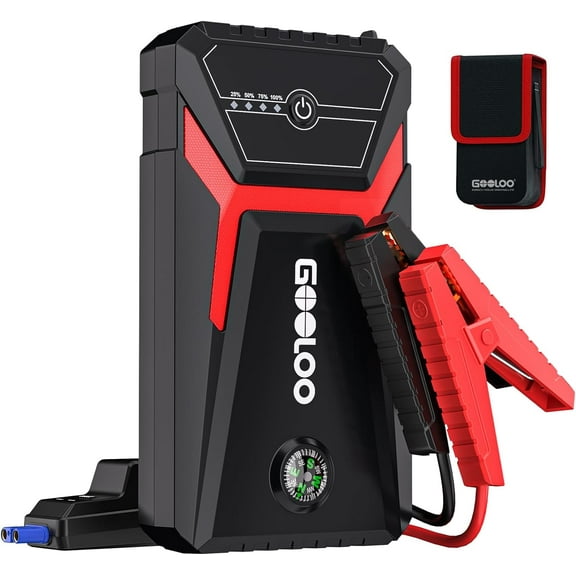


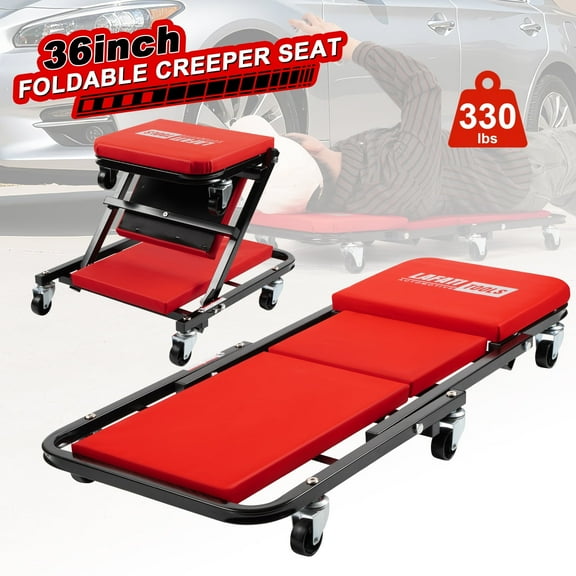
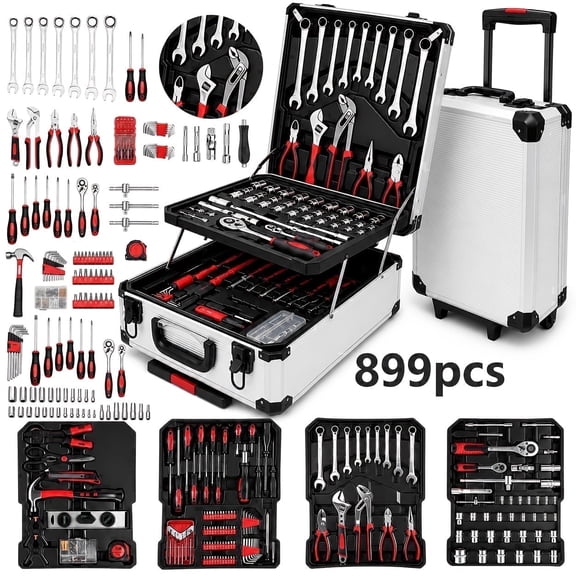

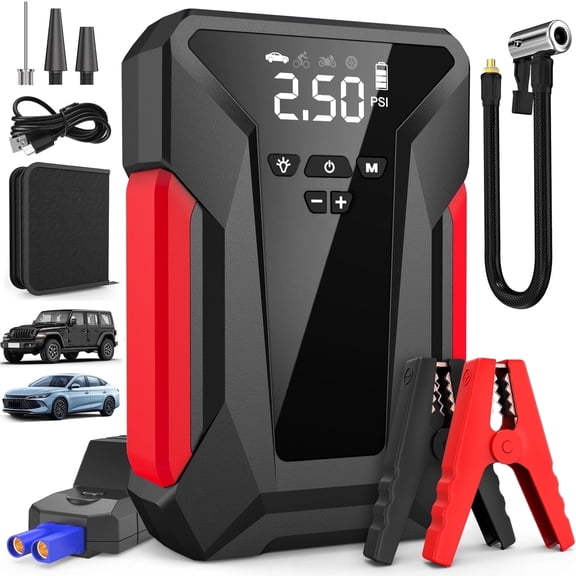











About Automotive Tools & Equipment in Auto & Tires - Walmart.com
Automotive tools & equipment help you handle maintenance, garage upgrades, and detailed repairs with choices that match your vehicle, workspace, and skill level. You can compare hand tools, power tools, diagnostic tools, and shop equipment in one place, so your repair setup stays organized.
If you maintain one car or several vehicles, you need options that fit your storage space and routine tasks. You can narrow by tool type, power source, user segment, and vehicle compatibility, which makes complex repairs easier to plan.
How to choose automotive tools & equipment
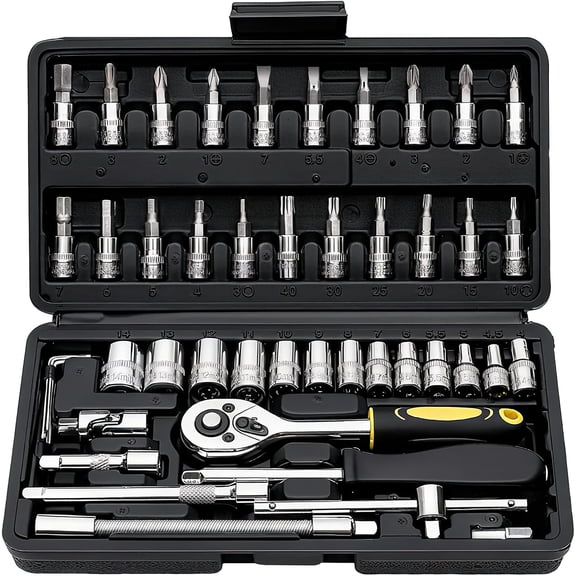
When you compare automotive tools & equipment, you should start with the job you complete frequently. You may need socket sets for fastener work, scan tools for code reading, or jacks and creepers for undercar access.
Your tool type affects how quickly you work and how much control you keep during each step. You can use hand tools for precision, power tools for repeated tasks, diagnostic tools for troubleshooting, and shop equipment for lifting or airflow.
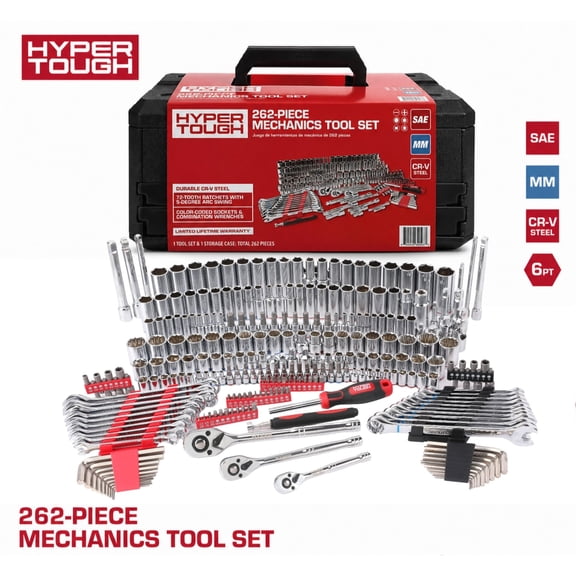
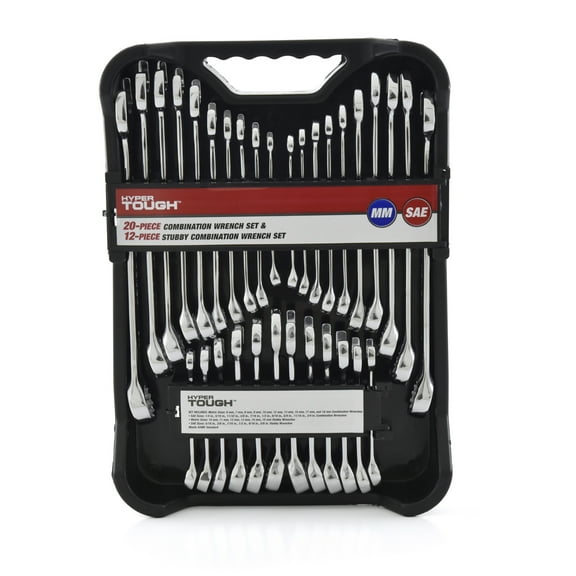
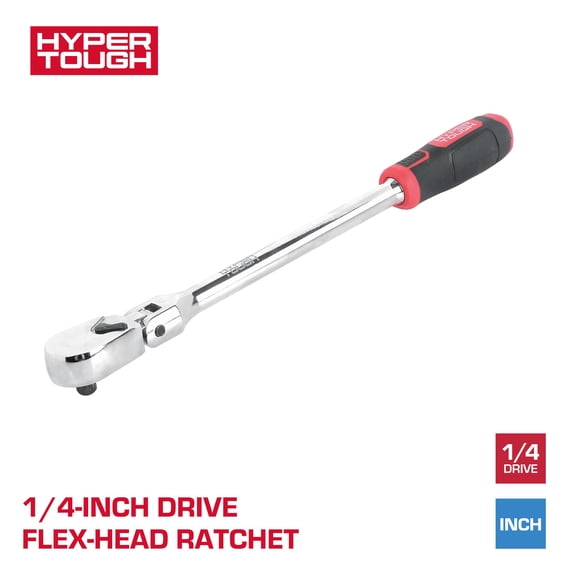
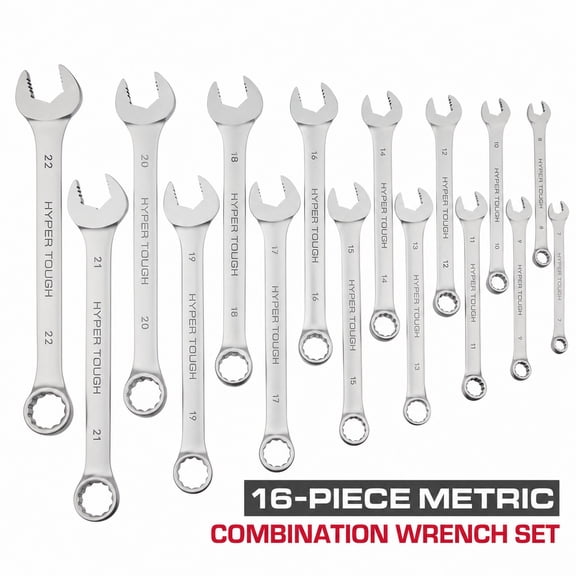
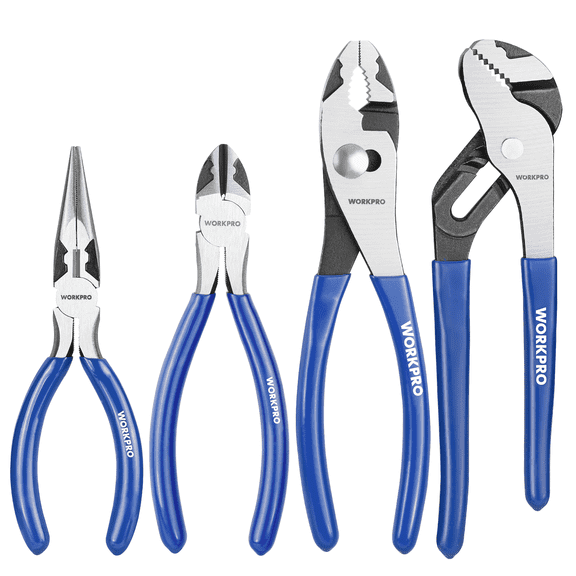
- You can keep routine maintenance moving with ratchets, wrenches, pliers, and torque tools.
- You can speed up repeated work with cordless, corded, or pneumatic automotive tools.
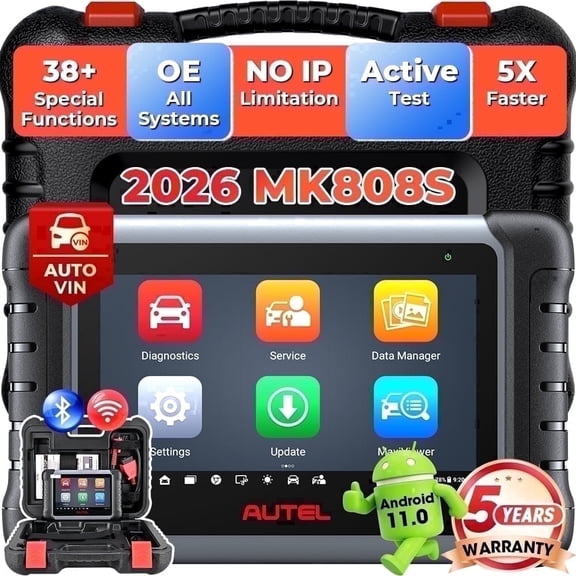
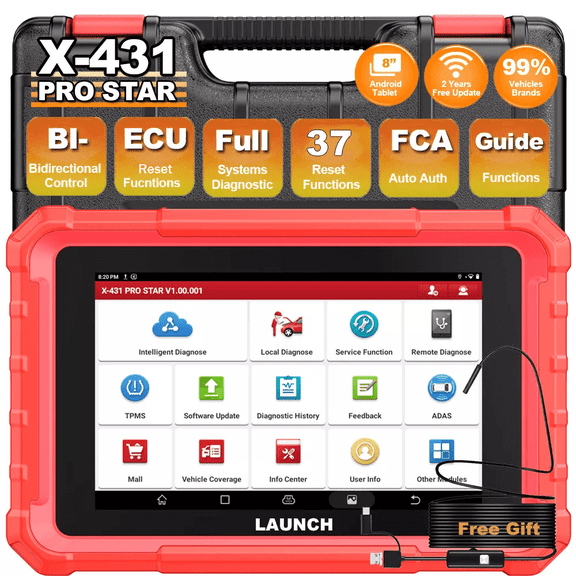
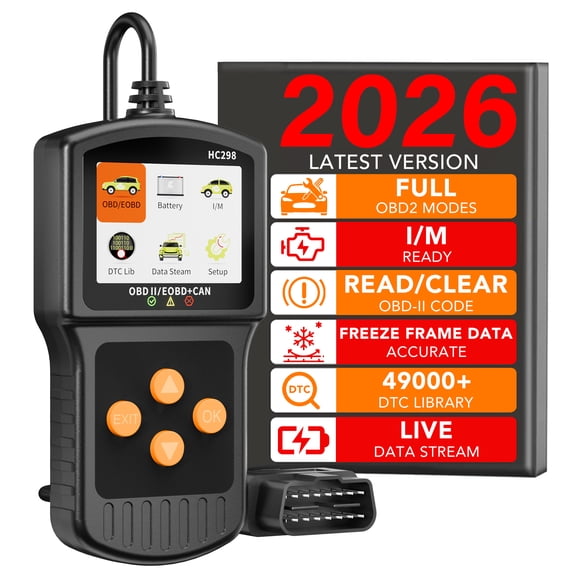
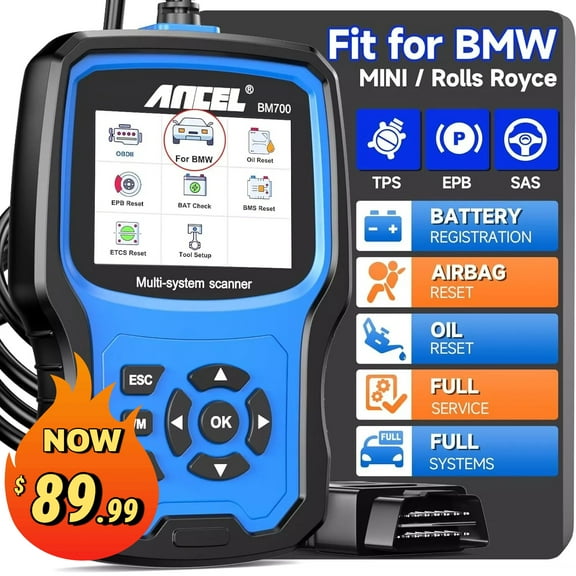
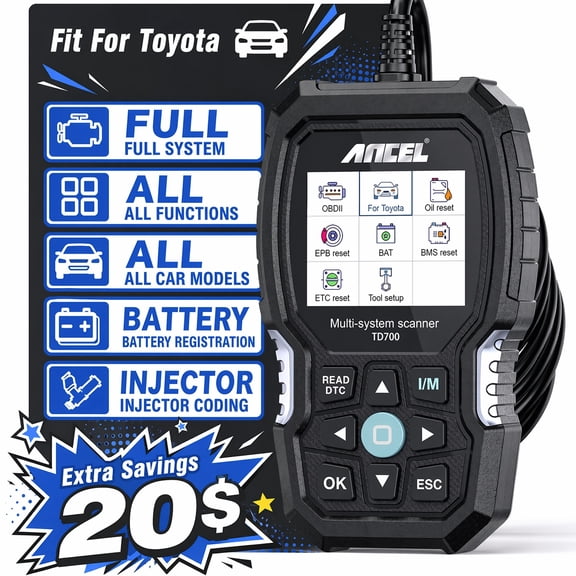
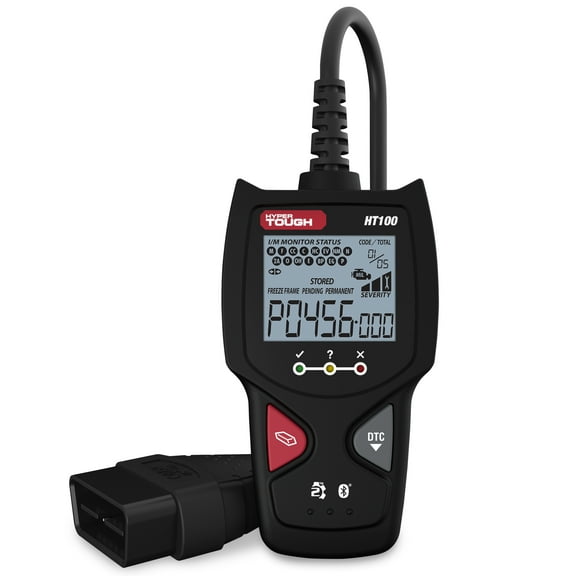
- You can identify code-based issues with automotive diagnostic tools that read common OBD2 systems.
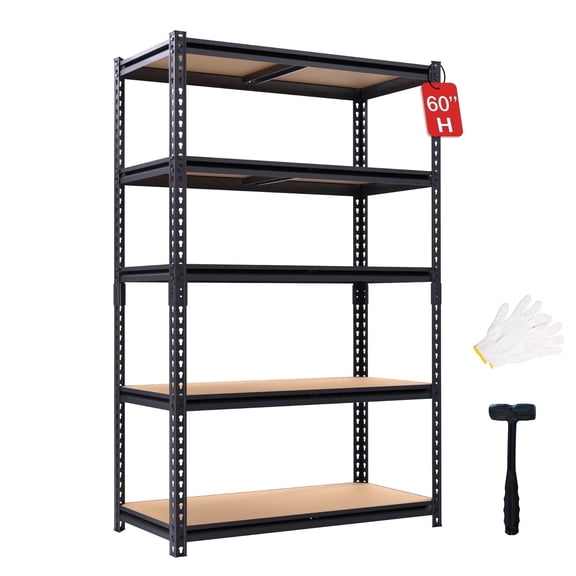
- You can support larger projects with shop equipment like jacks, stands, compressors, and service carts.
Your selection should also match how often you work on vehicles and how much storage you have. You may prefer compact kits for a home garage or larger assortments for a busy service bay.
Choosing mechanic tools by user segment
If you work daily on vehicles, you may compare mechanic tools by durability, grip comfort, and repeated-use performance. You can look for sets that cover common fastener sizes and support longer wrenching sessions.
If you handle weekend projects, you may want tools that cover brake jobs, battery service, fluid changes, and suspension work. You can focus on practical kits that fit shelves, trunks, or rolling boxes without taking over your space.
Your home garage setup often benefits from flexible tools that work across multiple vehicles. You can use universal-fit pieces for common service jobs, then add specialty items when a repair calls for tighter access.
Comparing power sources for automotive tools
You should compare manual, cordless, corded, and pneumatic options based on speed, mobility, and available power. You can move freely with cordless tools, while corded tools give you steady runtime during longer jobs.
If you already use an air compressor, pneumatic tools can help you handle stubborn fasteners with strong torque output. You can rely on manual tools when you need control in tight engine bays or around delicate components.
Your workspace matters here as much as tool performance. You may prefer cordless tools for driveway repairs, while a garage with outlets and air lines can support broader automotive equipment choices.
Checking car repair tools for vehicle compatibility
You should match car repair tools to your vehicle type before you start a repair. You can compare options for passenger cars, heavy duty trucks, motorcycles, or universal applications to avoid fit issues.
For scan tools, you may need to check OBD2 protocol support so your reader communicates with your vehicle system. For lug, hub, or puller work, you should confirm bolt patterns and size ranges before choosing a kit.
Your compatibility check can keep tire service, engine work, and electrical diagnosis moving smoothly. You can stay organized when your sockets, adapters, and scanners match your make, model, and intended task.
Using automotive diagnostic tools and shop equipment
You can use automotive diagnostic tools when dashboard lights appear or routine checks call for code reading. You may also use battery testers, multimeters, and timing lights when you need more detail than a visual review provides.
Shop equipment supports the parts of repair that require lift, reach, air, or organized storage. You can use creepers, engine stands, work lights, and carts to keep your tools accessible during longer projects.
If you rotate between quick maintenance and larger repairs, you should build your setup in layers. You can start with core hand tools, add diagnostic coverage, and expand into garage tools as your projects become more advanced.
Matching tools to real garage projects
You may need different combinations depending on where and how you work. You can pair manual hand tools with a compact scanner for driveway maintenance, or combine pneumatic impact tools with lifts for repeated shop tasks.
If you service family vehicles, you may want versatile kits that support oil changes, brake work, battery replacement, and wheel service. If you work on motorcycles or trucks, you should check access needs, fastener sizes, and equipment capacity.
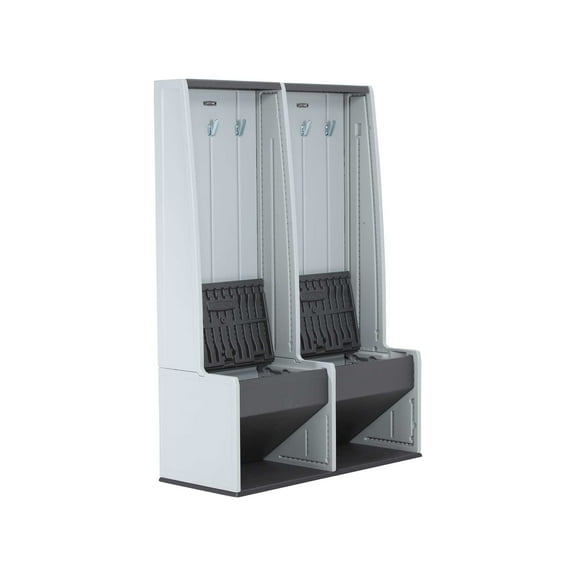
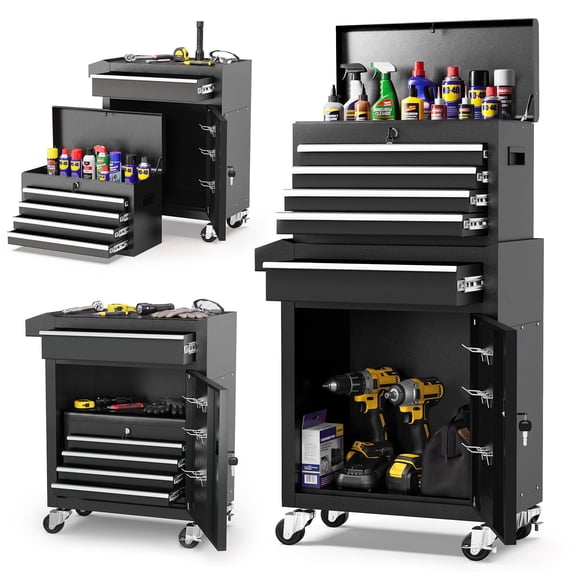
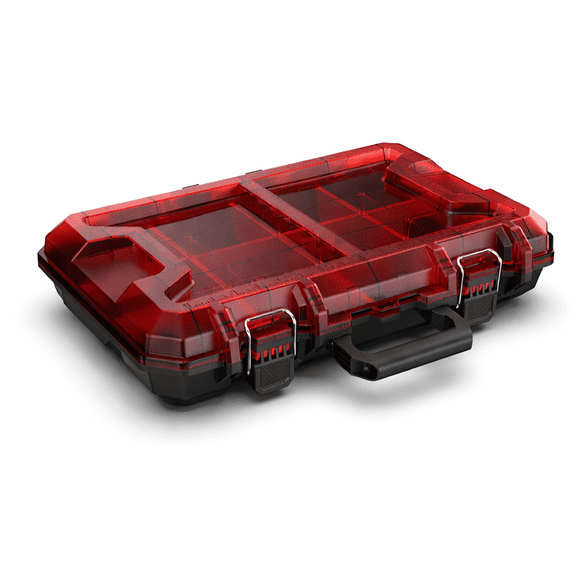
Your storage plan should support the way you move through a repair. You can choose portable cases for mobile jobs, drawer systems for garage organization, or rolling carts that keep your frequently used tools within reach.
With the right automotive tools & equipment, you can build a setup that fits your vehicles, your space, and your repair routine. You can complete maintenance and garage projects with clearer compatibility, smoother workflow, and the tools your tasks require.